Manna Fell Before Israel Knew How to Sing
Israel drinks from a gushing rock and eats bread from heaven, then mocks the miracle before learning what a new song costs.
Table of Contents
 Click for full size
The Rock That Gushed and the Men Who Laughed
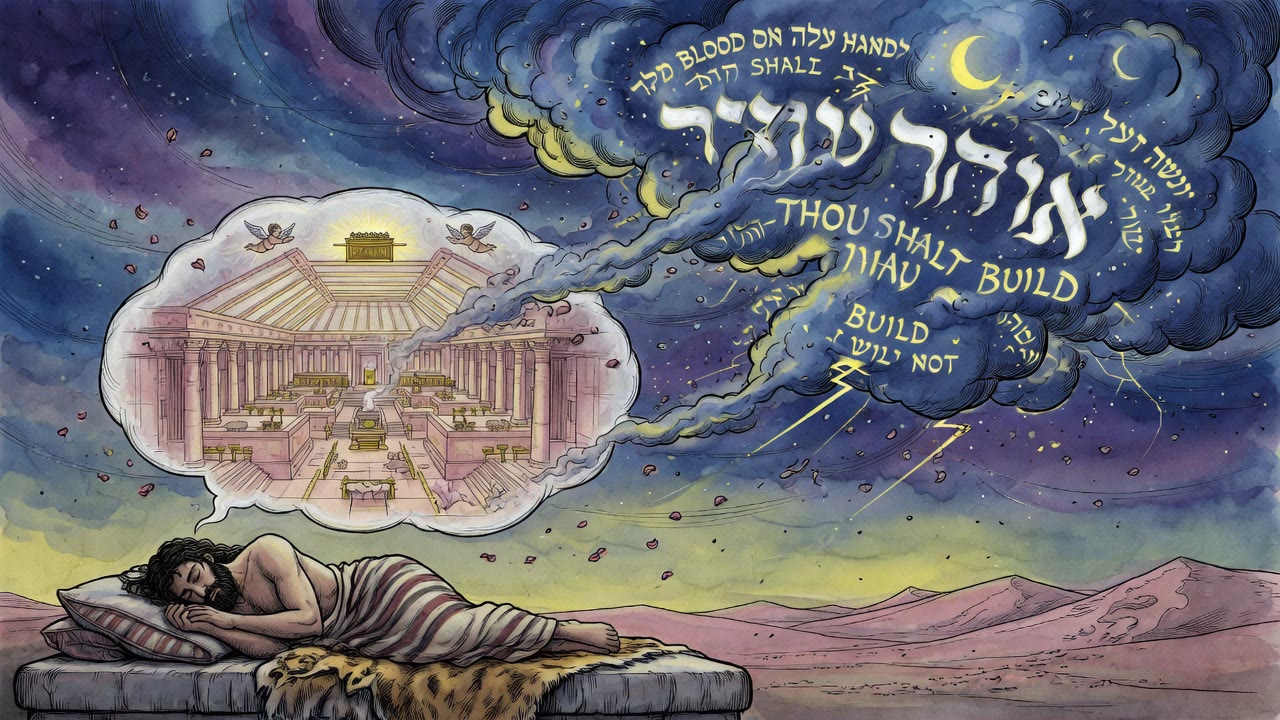
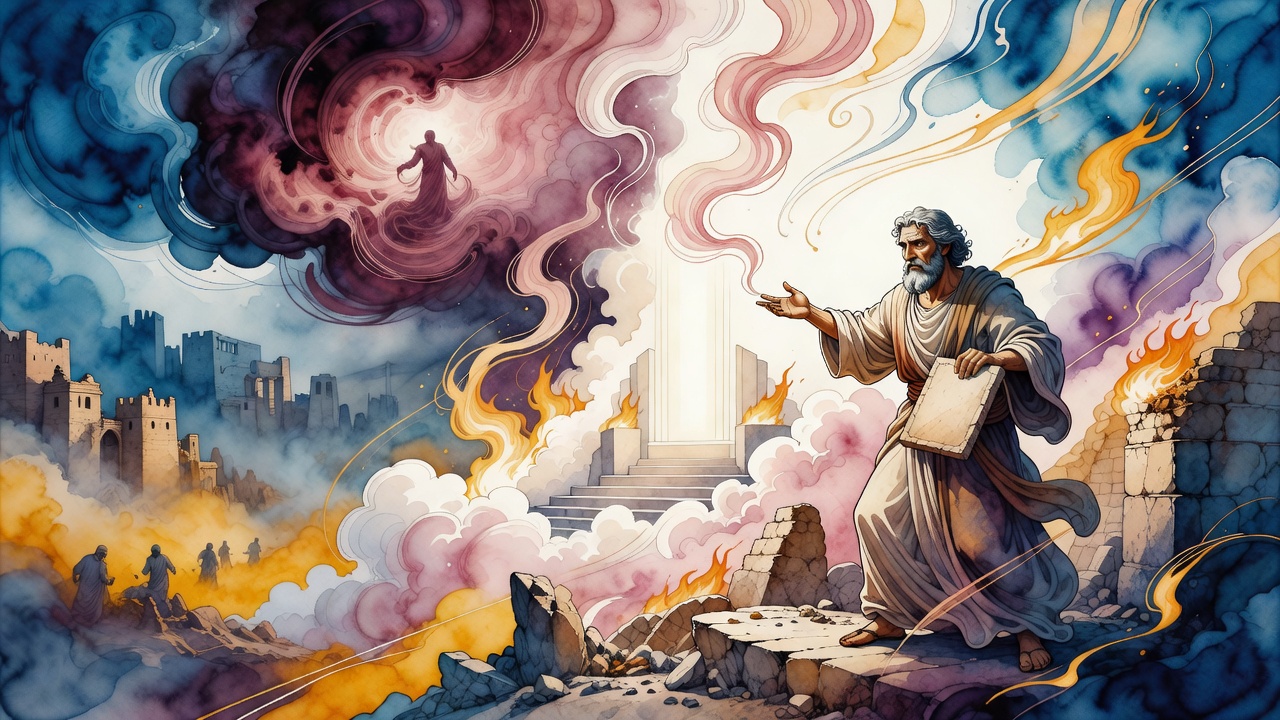
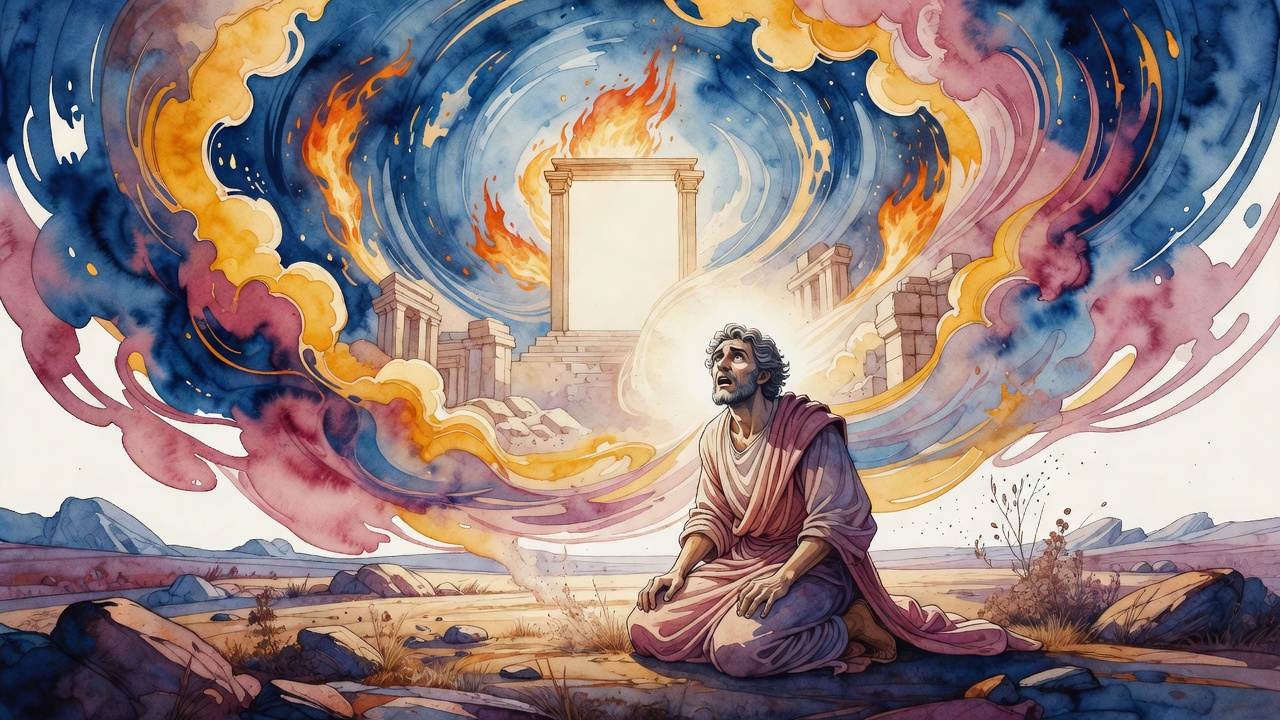
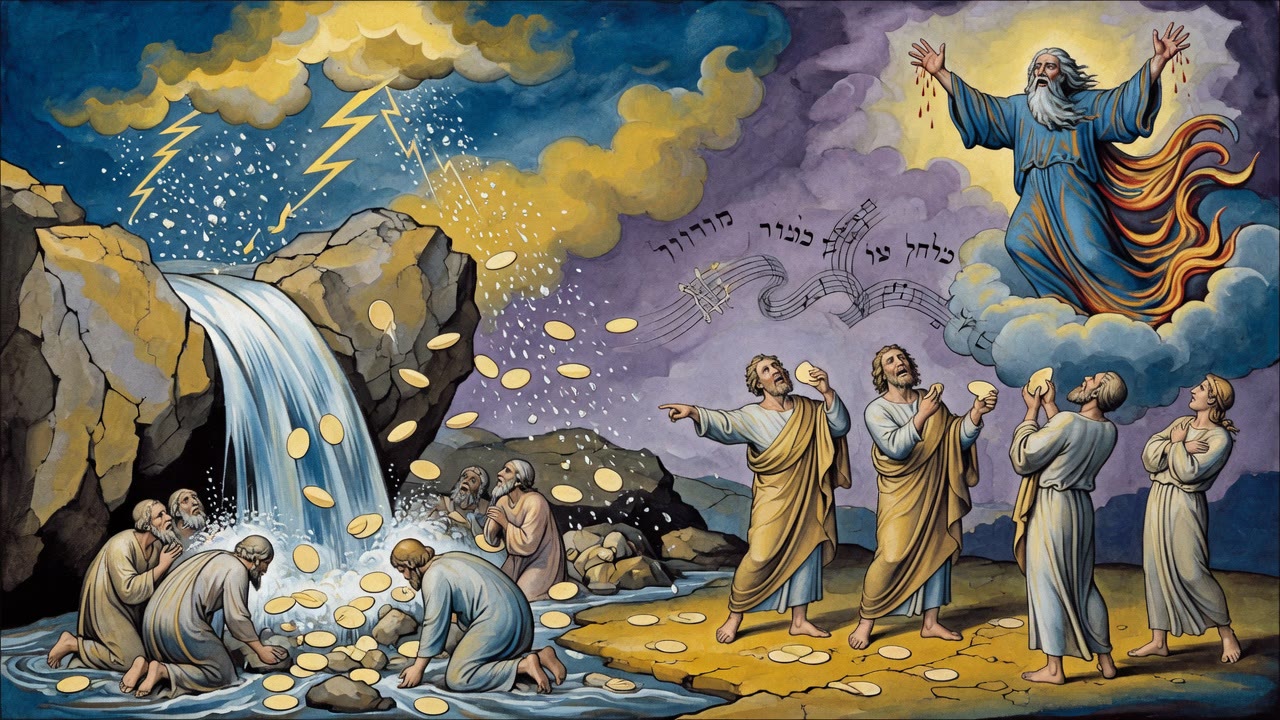
The rock did not drip. It gushed. In the middle of a desert with no market, no well, no granary, no river within sight, water burst from stone with a force that could not be explained by geology. A nation drank. And some of them looked at the place where the miracle had happened and made jokes.
"They would remove the rock," they said. As if the stone that had just kept them alive was an obstacle worth clearing away. The rabbis said the rock swallowed them. Not because God cannot endure mockery in the abstract, but because there is a specific kind of ingratitude that reaches out and slaps the face of the thing sustaining it, and that action has consequences built into the act itself.
The wilderness was not cruel. It was honest. It stripped away every excuse for ignoring what kept a person alive. In a city, a person can convince themselves that their bread comes from the baker and the baker gets it from the miller and the whole chain has nothing to do with anything beyond human industry. In the wilderness, the chain runs straight and short. Water from stone. Bread with the morning dew. Either you see the hand behind it or you make jokes about the rock.
The Blessings Hidden in Plain Sight
The manna is the famous miracle, but the rabbis noticed that God gives many gifts that people fail to notice. Conditional gifts and inherited gifts are not the same thing, and the difference matters enormously for gratitude.
Some blessings arrive as a direct response to behavior. They can be withdrawn when behavior changes. Others are built into the structure of creation itself, available even to those who do not acknowledge them, like the sun rising on the wicked and the righteous together. Neither type automatically produces praise. Both can be received in silence or in complaint.
Israel in the wilderness had both kinds falling on them simultaneously. The manna was calibrated, measurable, daily. It arrived fresh each morning and could not be stored past its season except on the eve of Shabbat. Every day it came, and every day it had to be gathered before the sun drove it into the ground. The gift was structured to produce daily awareness. A person who collected manna for thirty years could not pretend they had arranged the food supply themselves.
And still, some complained about the taste.
The New Song Had Not Been Earned Yet
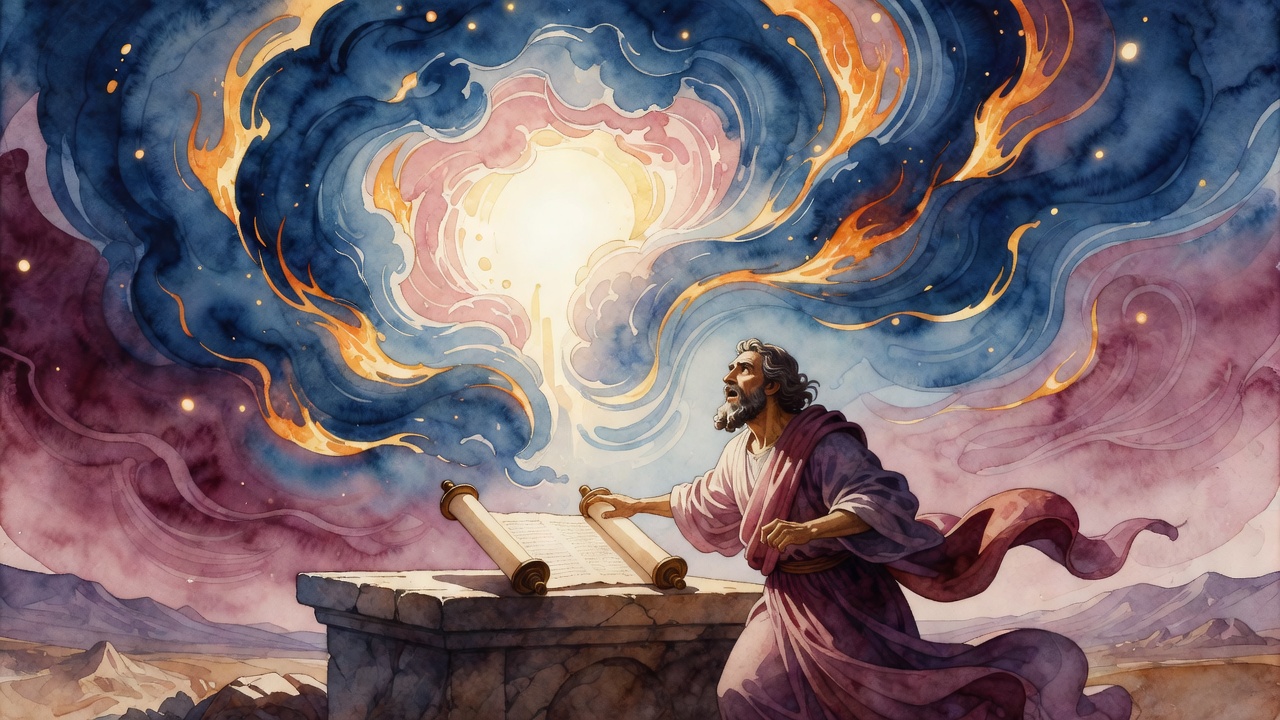
Psalm 149 opens with a command: sing to God a new song. The rabbis asked what makes a song new. An old song can be technically competent, emotionally sincere, historically appropriate, and still be the wrong song for a given moment. A new song is not a song that has not been heard before. It is a song that corresponds to something God is making new in the world right now.
God desires this new song, the midrash says, because He makes all things new. The renewal is constant. Creation does not stop when the sixth day ends. Every morning the dew forms and the manna lies on the ground and something is given that was not there the night before.
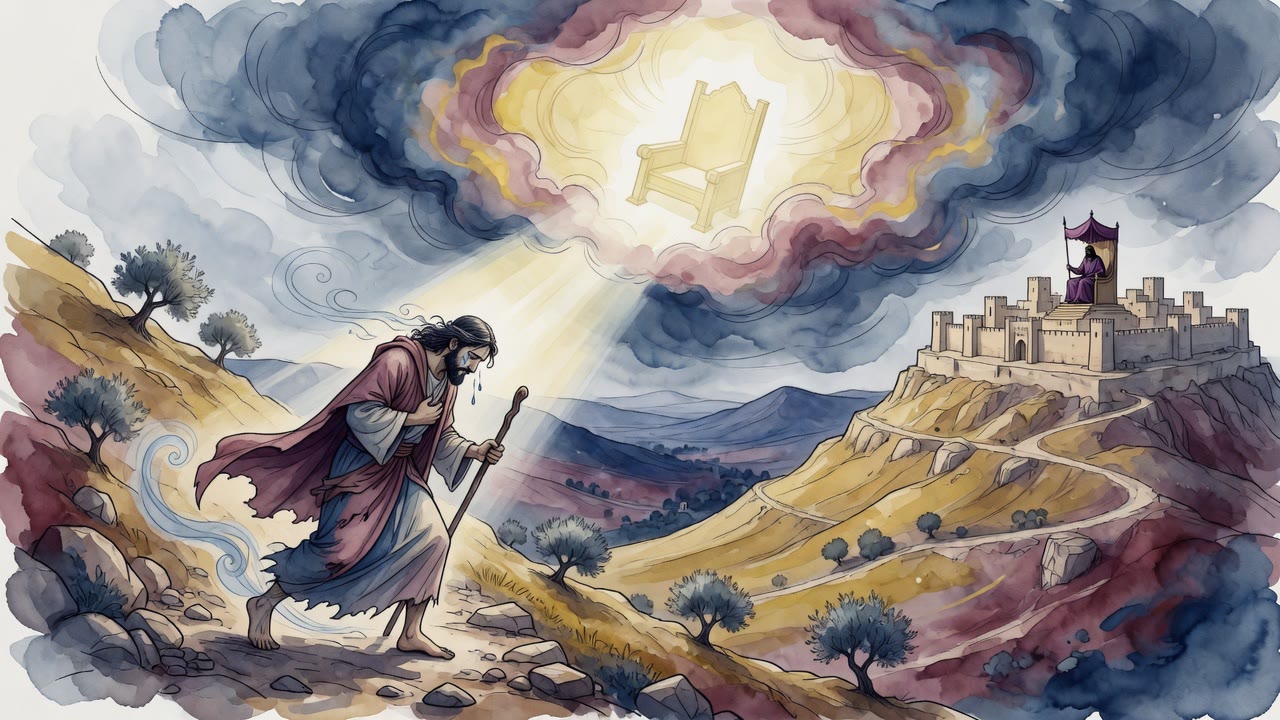
But Israel learned the new song slowly. They sang the first one at the sea, a great eruption of praise after the Egyptian horses and riders had gone under the water. That was genuine and enormous. Then the wilderness began and the complaints began alongside it. The manna was too monotonous. The meat was insufficient. The journey was too long. The destination was too uncertain.
The rabbis looked at this pattern and said: "gratitude is not a natural response to blessing. It has to be learned, and the learning is hard, because the human capacity for finding reasons to complain is apparently equal to any quantity of miracle."
What the New Song Requires
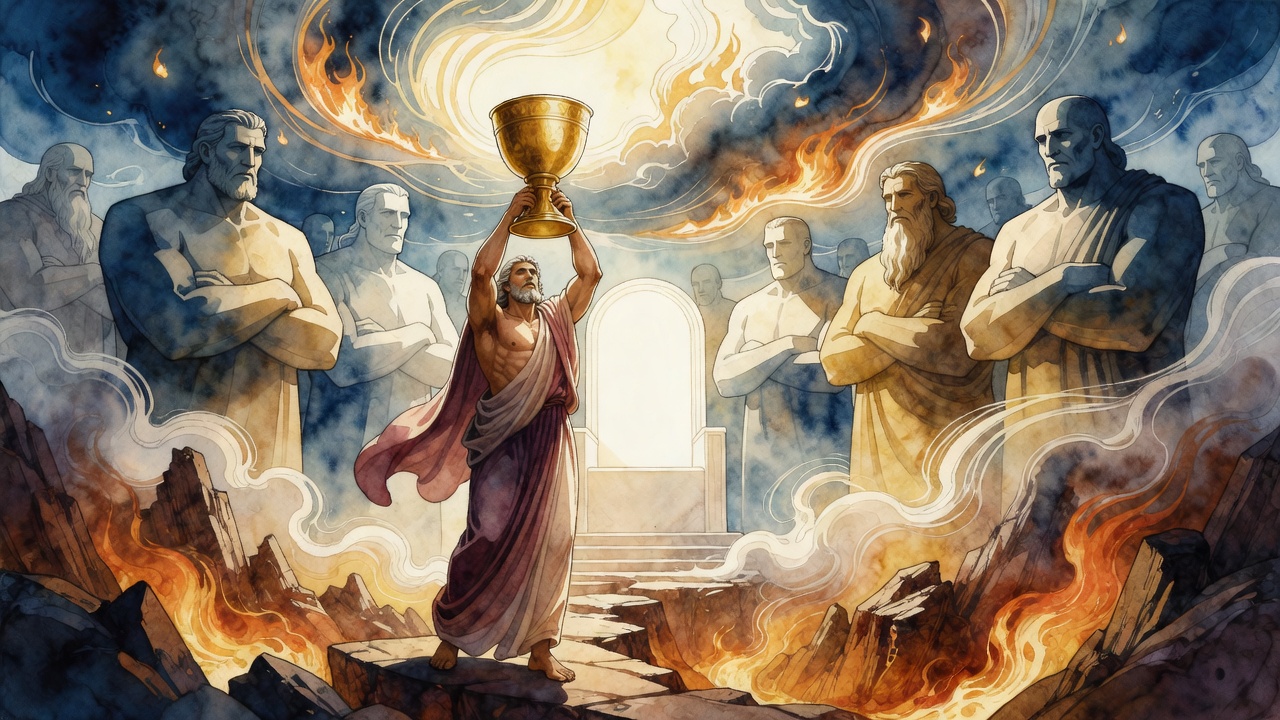
The new song cannot be sung by a person still sorting their grievances while eating heaven's bread. It requires the whole self to be oriented toward what has been given rather than what is missing. That orientation is not passive. It is a discipline, the same discipline as Torah-study and prayer, the deliberate turning of attention toward the source of things.
Israel eventually sang more new songs. The Psalms themselves are a collection of new songs generated by people who had gone through enough to know the difference between complaining about the rock and praising the God who made the water come out of it. David wrote most of them in conditions that should have produced only silence or rage. He had been chased, betrayed, mourned, and waited. His songs are new precisely because they were earned through the full weight of experience, not shouted in the first flush of relief.
The manna generation got the food before they had the song. That gap, between the miracle and the praise it should have produced, is what Midrash Tehillim keeps pressing on, because it is not a historical curiosity. It is a permanent feature of how people receive gifts.
← All myths