David Saw Babylon Coming and Taught Prayer to Rise Without an Altar
The guards would not let the column stop walking. The first ground the exiles were allowed to sit on was the bank of the Euphrates.
Table of Contents
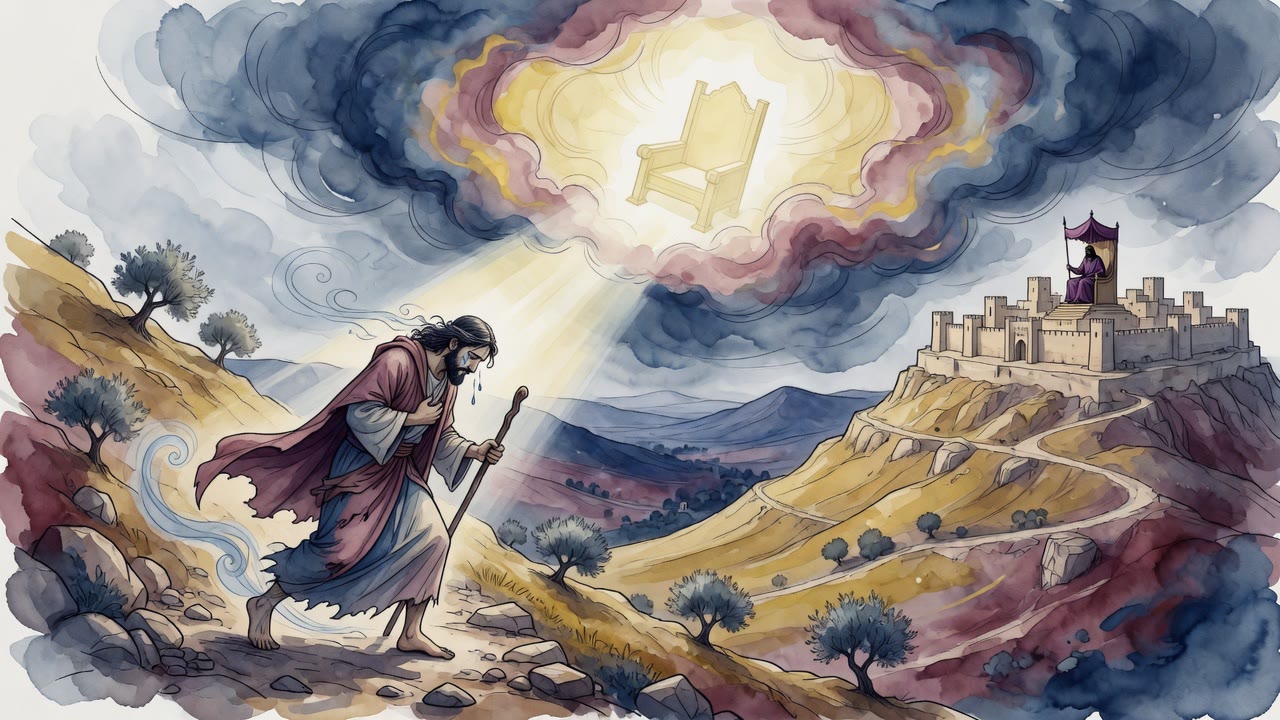
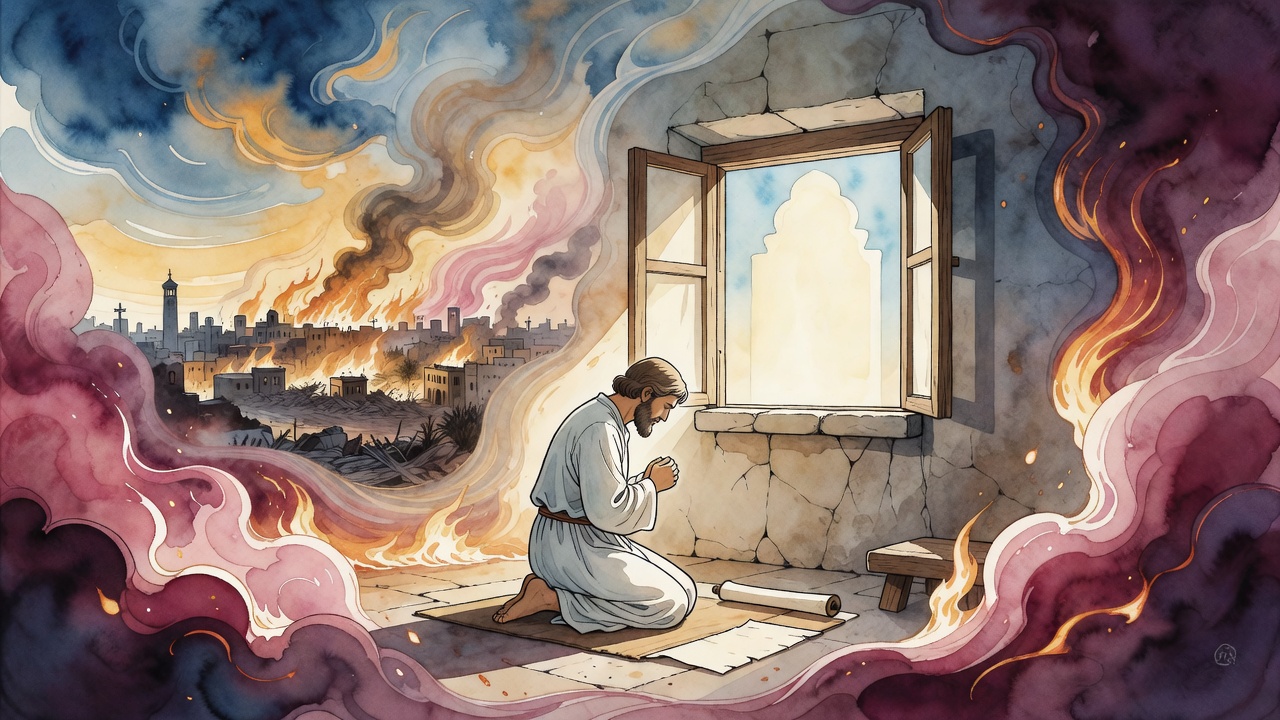
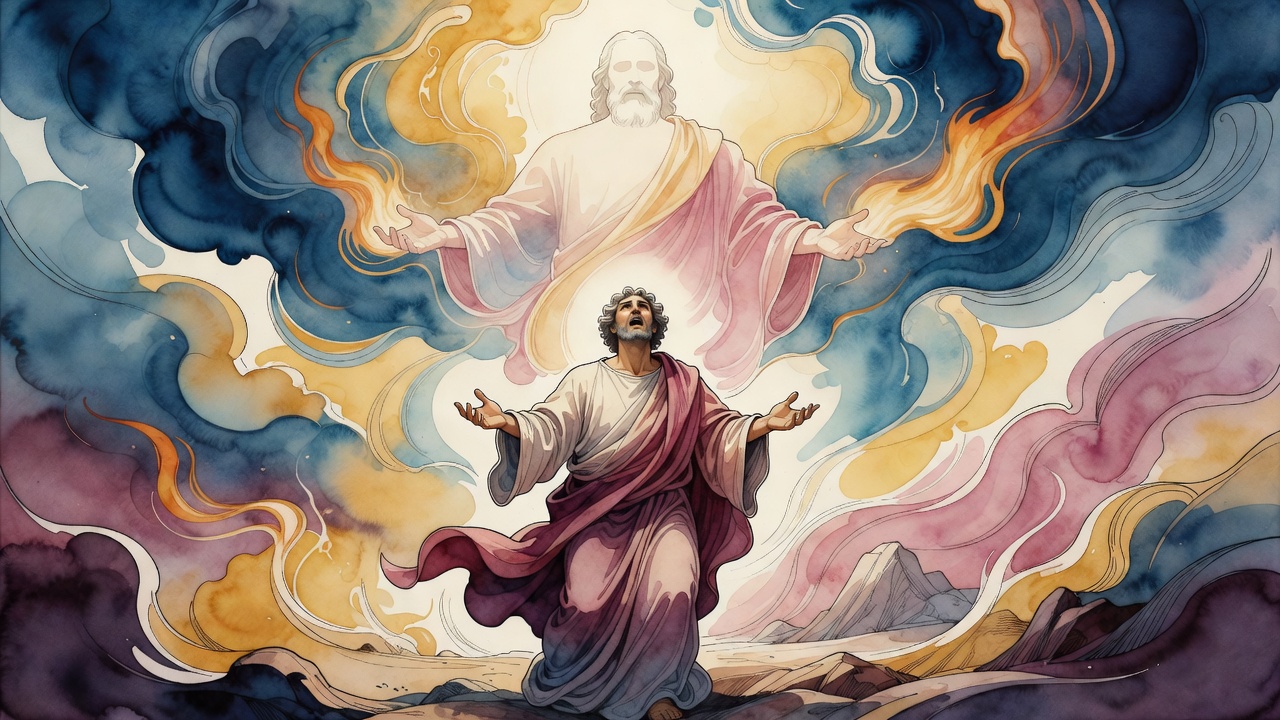
God showed David the fire.
 Click for full size
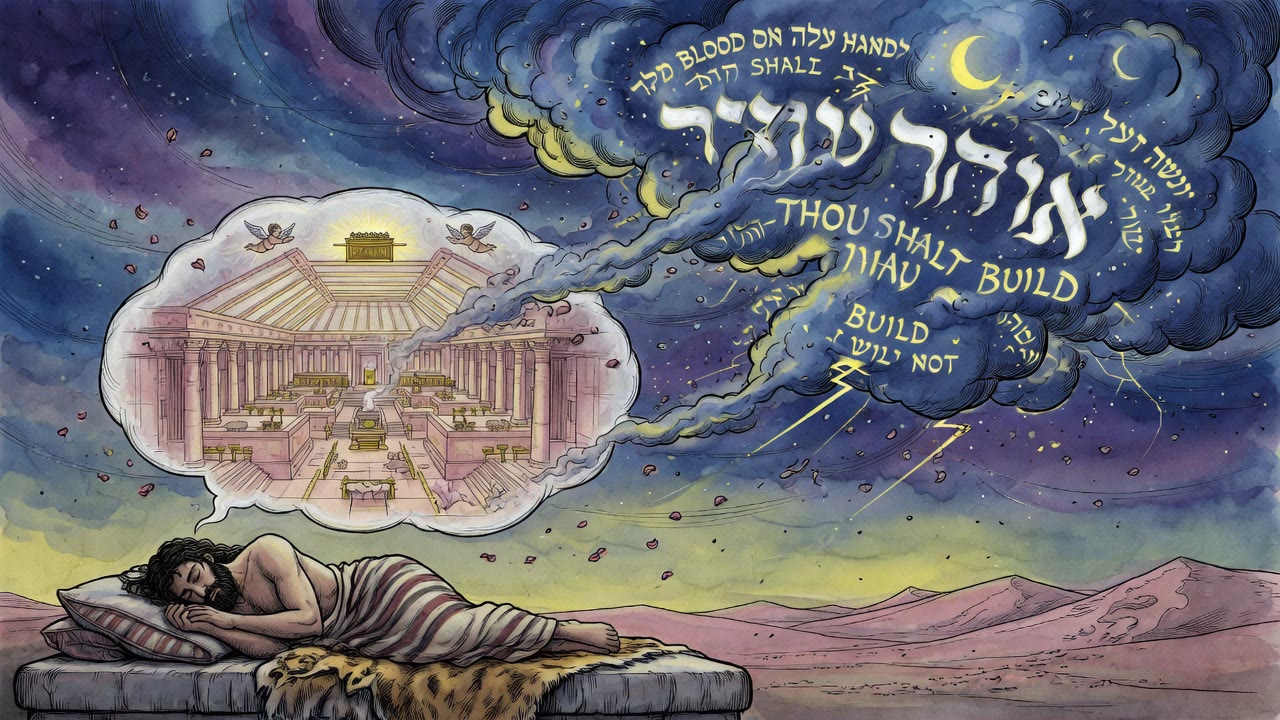
Not a figure of speech about fire. The House his son would build, and the second House after it, both of them burning, both of them coming down. He was at the height of everything. Jerusalem was his. The ark had come up the road with him dancing in front of it. He sat down and wrote a song about a river he would never see, for people who had not been born, about an empire that did not yet have an army big enough to reach him.
The Road With No Place to Sit
They came out of the city in chains and were not allowed to stop. Not to rest. Not to bury. Not to sit down in the dirt and take the weight off for a minute. The guards kept the column moving, and the ones who went down stayed where they went down, and the rest walked on past them. "We are pursued on our necks," they said about it afterward, and they were describing the road, not reaching for an image. The first ground they were permitted to sit on was the bank of the Euphrates.
Jeremiah had walked that far with them. At the water Nebuzaradan gave him the choice of going on to Babylon or turning back, and Jeremiah turned back, because the people still left in the land had nobody at all. The exiles watched him go. They covered their faces. "Our teacher is leaving us here."
Whatever they had been holding down for the length of that road came up out of them at the river's edge. Jeremiah swore to them that they had wept the whole way, that not one step of it had been dry. They sat down on the bank because at last they were allowed to, and the sitting was the first thing that looked like a grave.
Books of Sand on the Kings
Nebuchadnezzar marched the kings of Judah along the bank with their clothes taken off them. They walked upright anyway. He noticed that. He had books filled with sand brought out and laid across their shoulders, one after another, until the backs bent and the heads came down. That was the picture he had wanted.
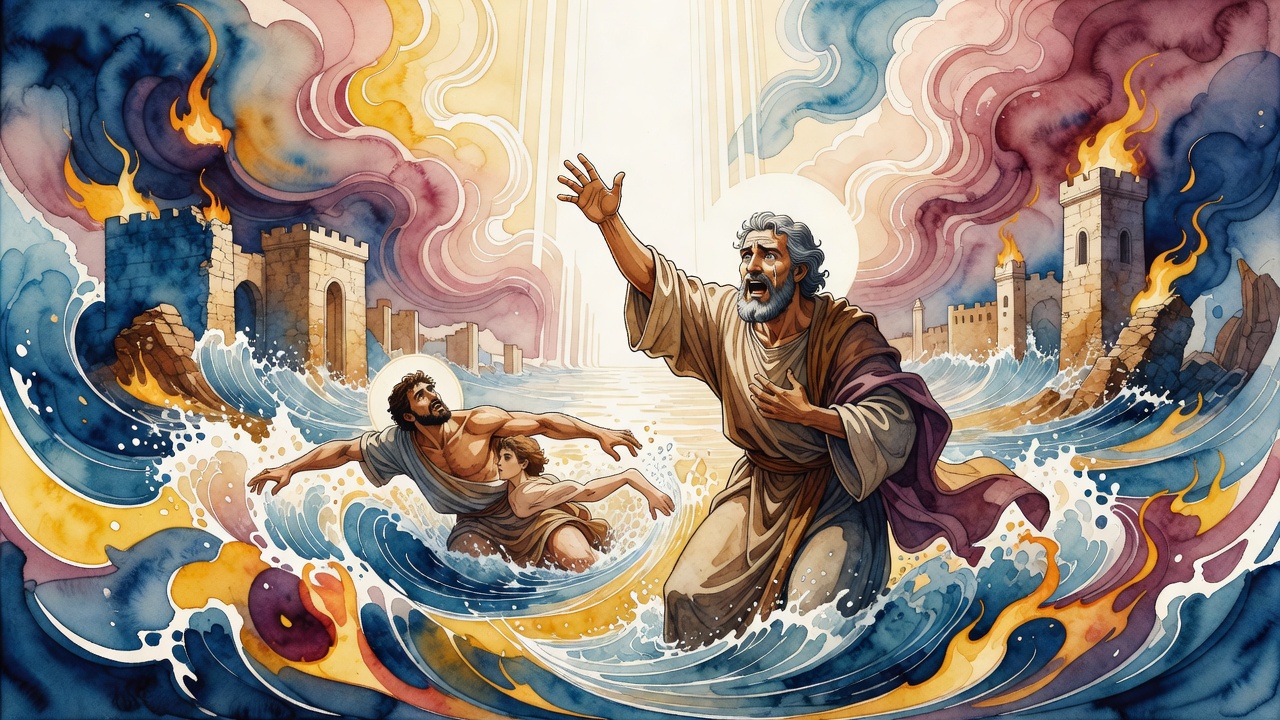
All Israel wept until the cry reached heaven. Rabbi Acha bar Abba said that in that hour God came close to putting the world back the way it had been before the first day. Water with no shape. Nothing standing anywhere. The angel in charge of anger is kept far from Him. Fire goes before Him. Pestilence walks after. Righteousness is the innermost of the armies that stand in that court. The world stayed because He had made it for these people. The kings kept walking with the sand on their backs.
Rabbi Yochanan measured their grief a strange way. At home they had drunk rain and spring water and well water. On the Euphrates they drank the river, and the river killed them. He weighed one fish out of that water against everything Nebuchadnezzar had done and said the fish was heavier. They wept for the ones the soldiers had killed, for the ones who had fallen on the road, and for the ones the river took after they finally sat down.
The Harps Went Into the Willows
Then the guards wanted entertainment. Sing us one of the songs of Zion. Sing the Temple ones. The Levites who had sung on the Temple steps stood on a foreign riverbank with the instruments still in their hands and looked at the men asking.
They walked to the willows and hung the harps up in the branches and left them there. "How shall we sing the LORD's song in a strange land?" (Psalms 137:4). Nobody sang. The instruments swung over the water and the guards got nothing out of them.
David had already written the hanging of those harps, four centuries before the willows. The people at the river lived the line he had seen.
Two Brothers and One Furnace
That kind of choice had been tested by fire before. Terach used to watch the stars. He could see that one of his sons would be eaten by fire and another would carry a name through the whole world. He could not tell which son was which until it happened in front of him.
Abraham stood up in front of the nations and said he belonged to the God of Heaven. They built the furnace for him. He walked out of it with nothing burned. Haran did the arithmetic first. If Abraham comes out, he thought, I am with Abraham. If Abraham burns, I am with the crowd. He stood and waited for the result. When his brother came out alive, Haran shouted that he was of Abraham's party, and they put him in, and the fire took him at once. An angel carried the body out and laid it down in front of Terach, which is how a father came to bury a son while he was still alive to watch it (Genesis 11:28).
Two men in the same fire. The one who had decided before he knew the answer walked out of it. David was writing for people who would be standing where Haran stood, with no way to know in advance whether they would come out, and with no altar left to lean on while they found out.
Incense Without an Altar
David knew exactly what he had and what he did not. Some men lean on their own good deeds. Some lean on the merit of their fathers. He asked God to hurry to him, which is what a man says when there is nobody else in the room to say it for him. He put it as a man standing before a ruler while every official is busy with other cases. "You are the judge and You are the advocate. Argue my side."
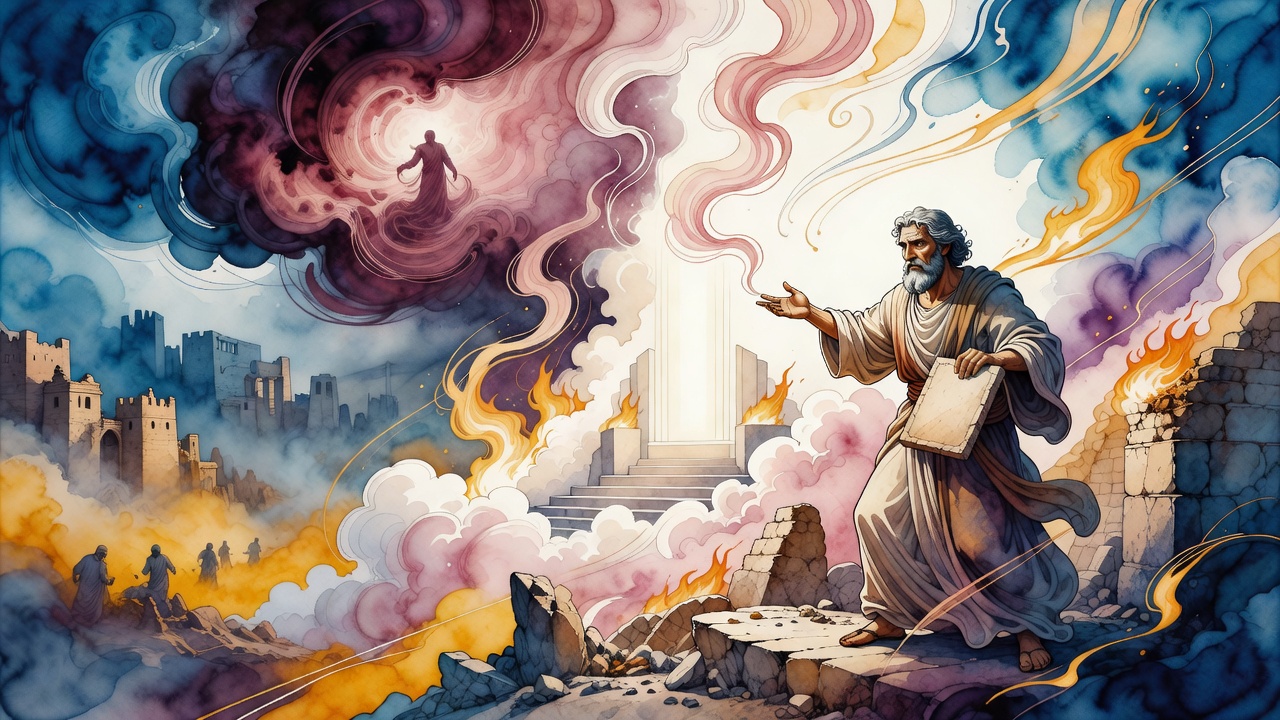
And when the altar was gone and the priests were scattered and nobody alive still knew the exact compound of the spices, there was an evening and there was a voice. "Let my prayer be set forth as incense before You" (Psalms 141:2). Set forth. Sent up. Climbing the way the smoke used to climb, out of a mouth instead of a bowl, off a riverbank instead of a courtyard. "May my prayer be accepted and may it tear through the firmament."
The harps stayed in the willows. The words went up without them.
← All myths