Abigail Saved David Before His Hand Was Stained
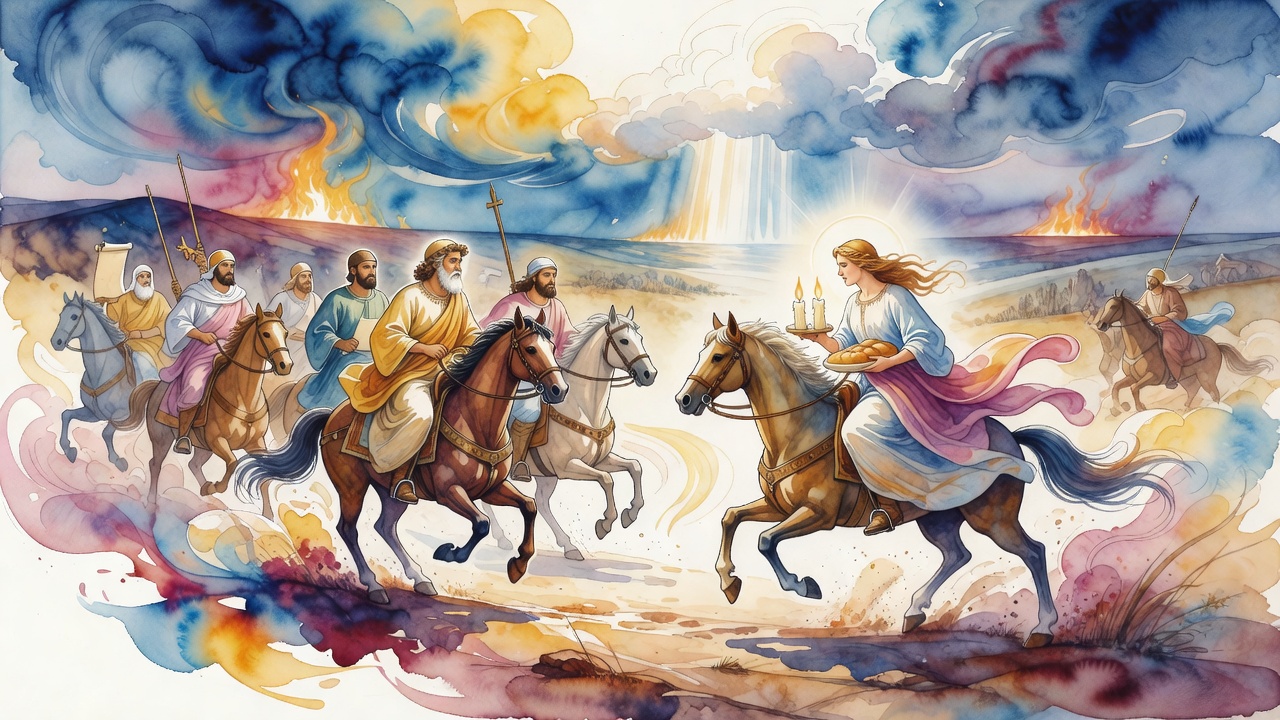
David rides toward Nabal with four hundred men and blood in mind, and Abigail rides toward him with bread and the truth about burning candles.
Table of Contents
 Click for full size
The Wicked Candle Looked Bright
The temptation came dressed as justice. Nabal had refused food to David's men, men who had protected his herds in the wilderness without payment. He had insulted David publicly, dismissing him as a nobody of unknown parentage. The refusal was not merely stingy. It was contemptuous, and David had the power to answer contempt with something final.
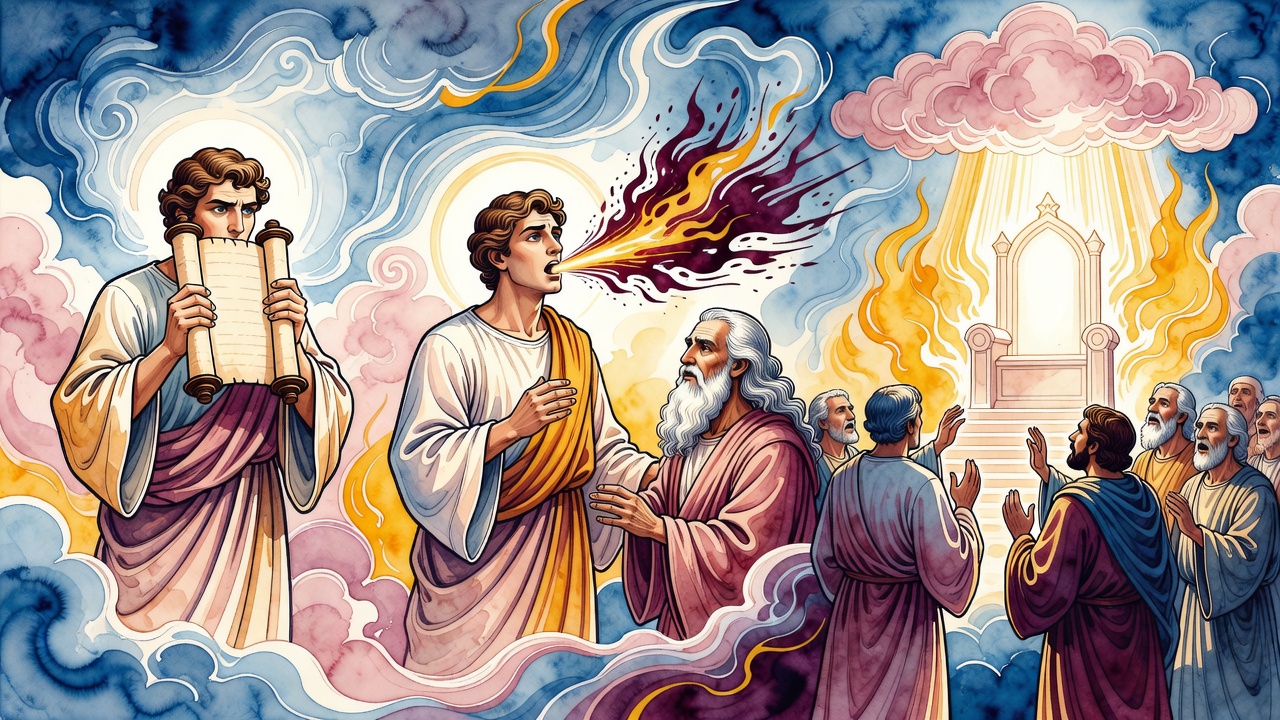
Midrash Tehillim 37:1 points to the feeling that arrived before the anger. Do not envy the candle of the wicked. The midrash asks: can you see how much oil is in a wicked person's lamp? Yes, sometimes. A quarter measure. An eighth. Some limited supply, burning bright enough to warm the envious heart of anyone who stands nearby in the cold.
The candle is real. The warmth is real. The error is treating the measure of oil as unlimited when you can see, if you look honestly, exactly how much remains.
David Rode With Four Hundred Men
By the time Abigail's servant found her, David was already mounted and moving. He had taken four hundred men and left two hundred guarding the camp, and his stated intention was to kill every male in Nabal's household by morning. The grievance was legitimate. The response was the kind that leaves a person permanently smaller on the other side of it.
Abigail did not send a message. She loaded donkeys with bread, wine, sheep, grain, raisins, and figs, and she rode toward David herself. She had not told her husband because she already knew what Nabal would say. Midrash Tehillim 53:1 reads her action as worth more than any offering Nabal might have brought, because she did not arrive with a sacrifice after the fact. She arrived with bread and truth before the blood was spilled.
She dismounted when she saw David and fell before him. She called herself his handmaid. She said: let the sin be on me. She said: my lord should not take this seriously, because Nabal's name means fool and folly is on him. She asked David to remember that God fights David's battles, and that a person who fights his own battles on his own timeline runs ahead of the One who handles these things with a longer view.
The Blood Guilt Would Have Stayed
What Abigail understood was not only that the violence was disproportionate. She understood what it would leave inside David. A king who kills civilian men because an insult went unanswered carries that decision forward into every subsequent judgment. The satisfaction fades. The pattern of the hand that reached for violence when it could have waited does not fade.
Midrash Tehillim hears her as an instrument of rescue from David's future, not only from Nabal's present. The offering she brought was better than Nabal's offering would have been not because her bread was finer but because her bread arrived before the act rather than after, when prevention was still possible.
David thanked her. He said she had restrained him. He turned the four hundred men around and went back, and within ten days Nabal died of his own failure, and David did not carry the weight of having killed him.
Love Was Repaid With Hatred
Midrash Tehillim 109:2 gives Israel a different version of the same wound. In exchange for love, they become accusers. David speaks as both king and representative of the people who have protected and served and been answered with contempt. The cry is personal: I have loved and they have turned against me.
The midrash does not resolve the cry quickly. It lets it stand as the honest record of what happens when genuine protection is refused or insulted. The warning against envy at the beginning is also the consolation at the end: the wicked candle burns through its fixed supply. David is not required to burn himself out answering it.
← All myths