15 myths
Each story names the sources it was written from.
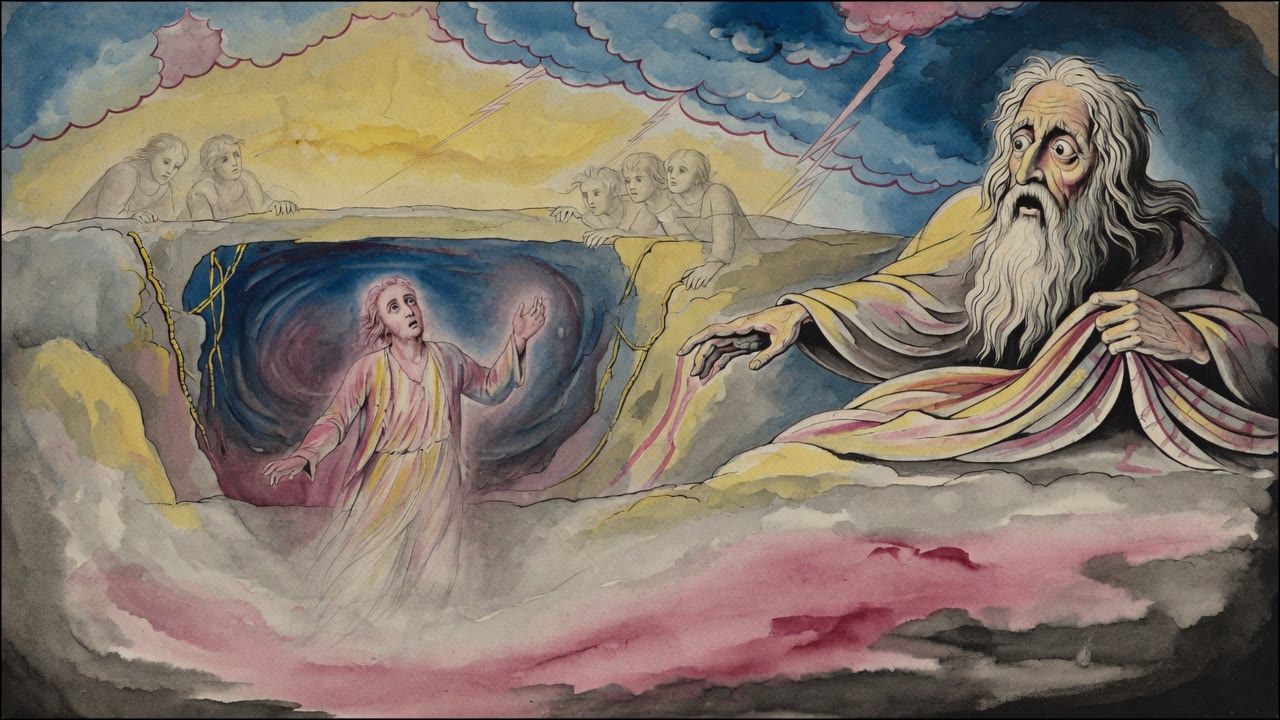
Joseph was already dead. Simeon sat up in Egypt, kissed each son on the mouth, and named the liver that had never pitied his brother.
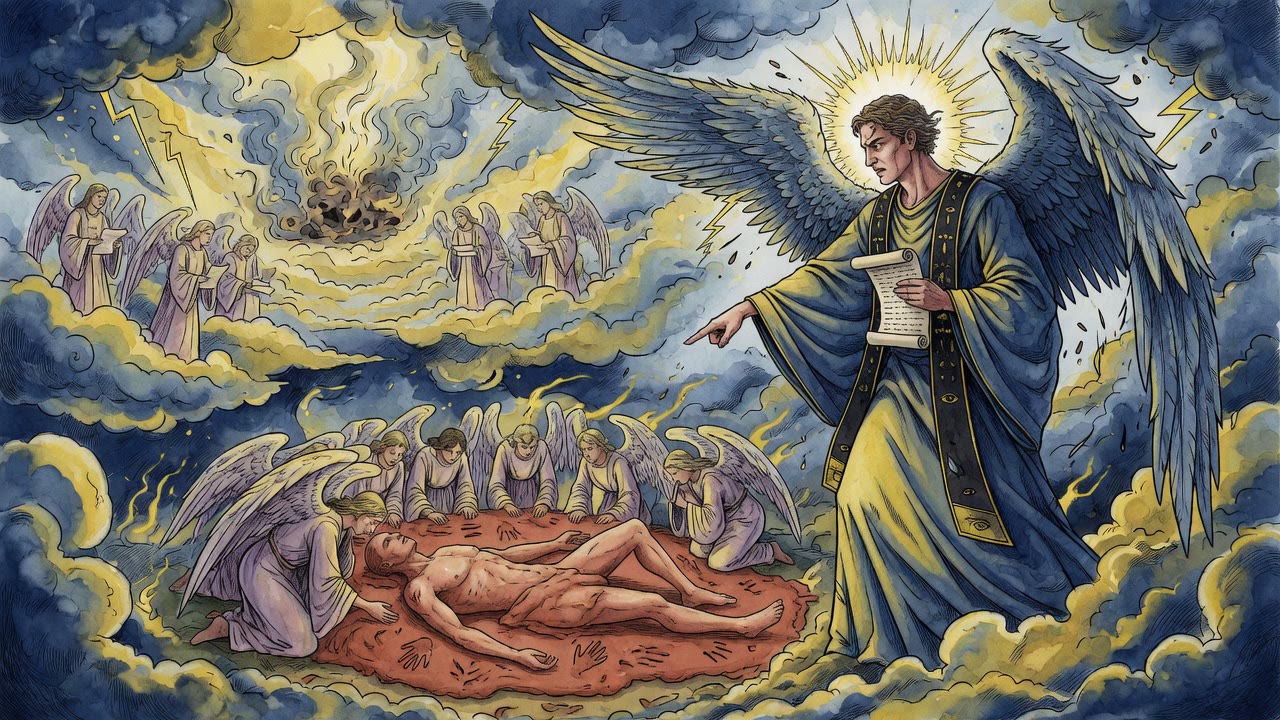
When God formed Adam and commanded the angels to honor him, Ha-Satan, the Accuser, refused. Formed from fire, he would not bow before dust.
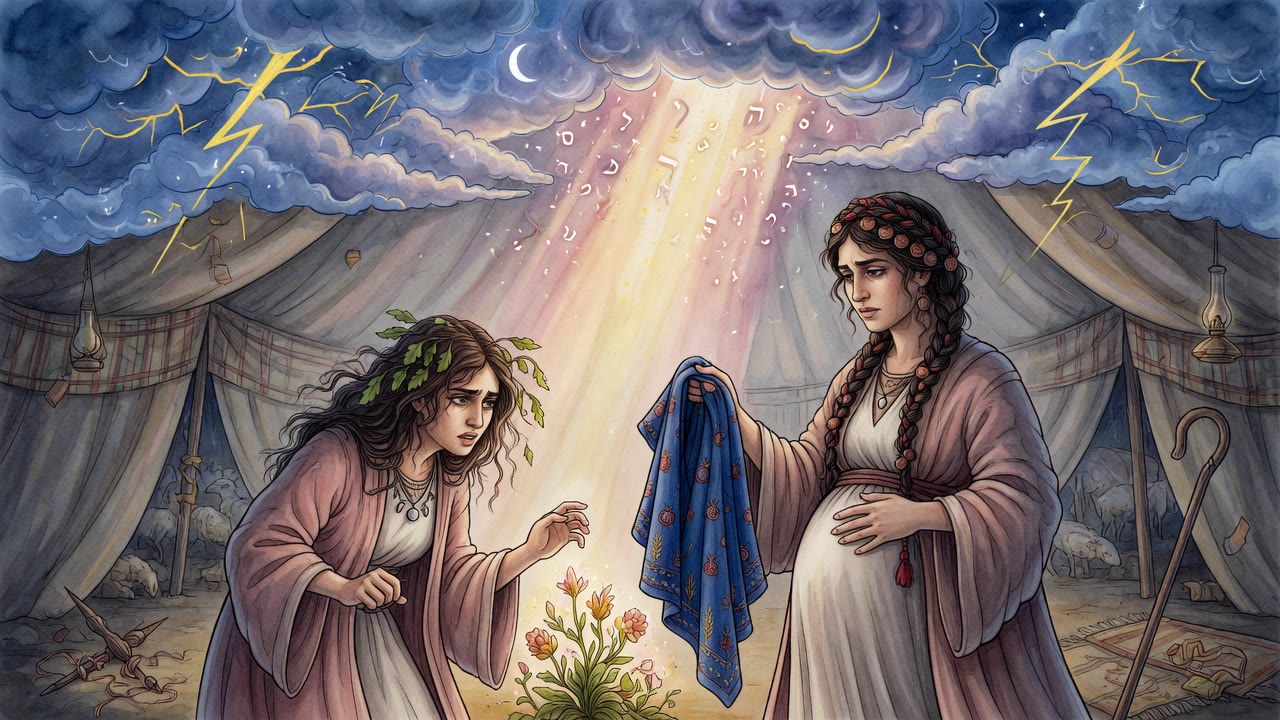
Jacob had given her signs for the dark. She pressed them into Leah's hand so her sister would not be caught. Years later the womb was still closed.
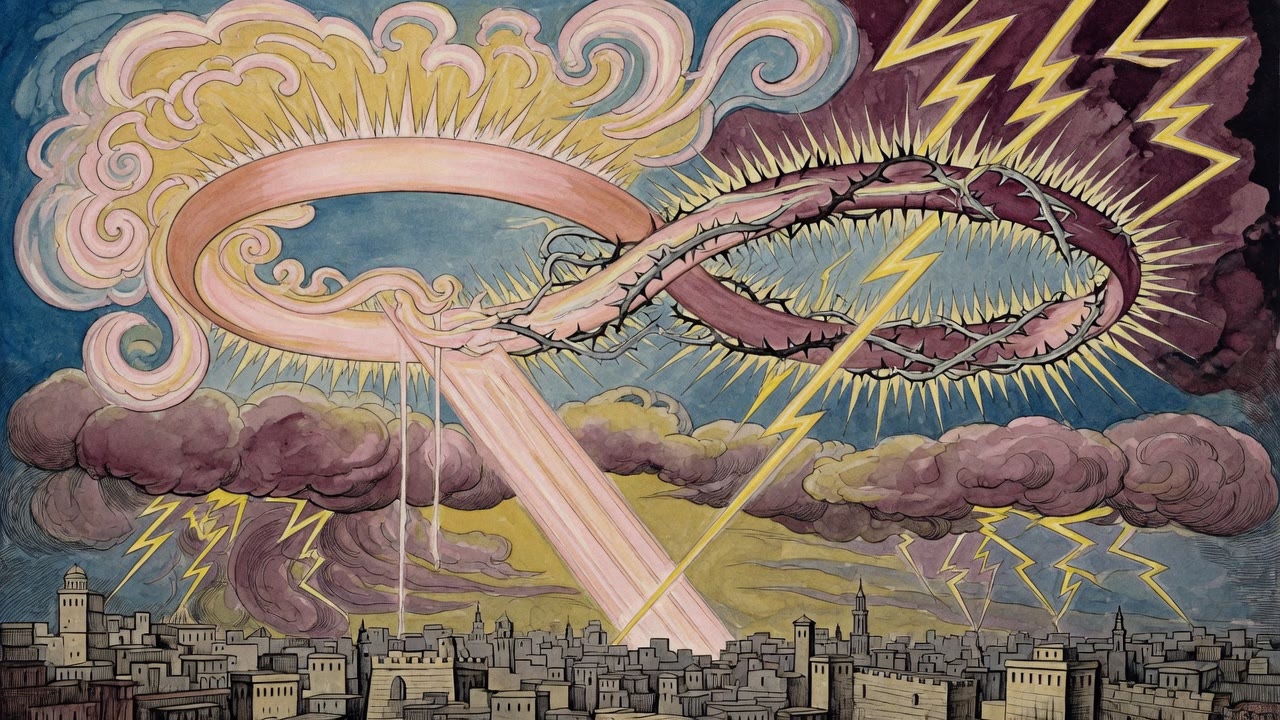
Every man in Susa bowed when Haman rode past. One man at the gate stuck out his knee instead, so that Haman could read what was written on it.
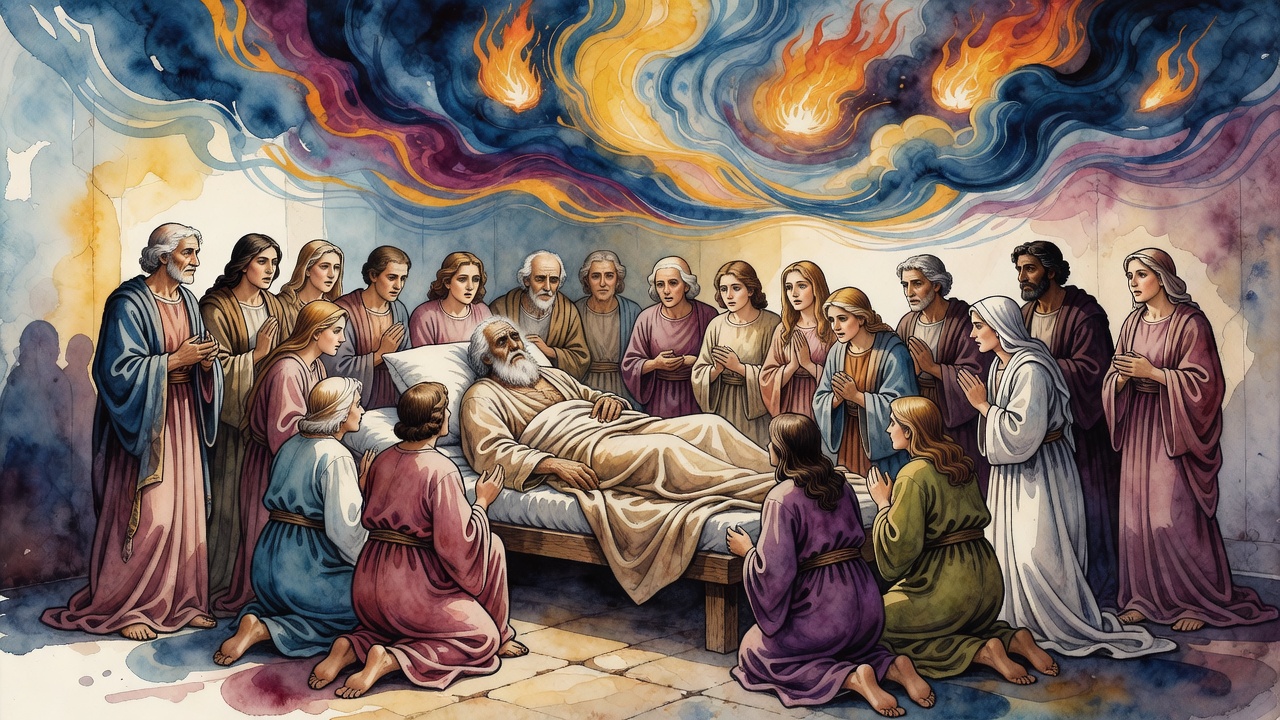
On his deathbed, the patriarch Simeon gathered his children and named the force that had once brought him to the edge of fratricide: not hatred, but envy.
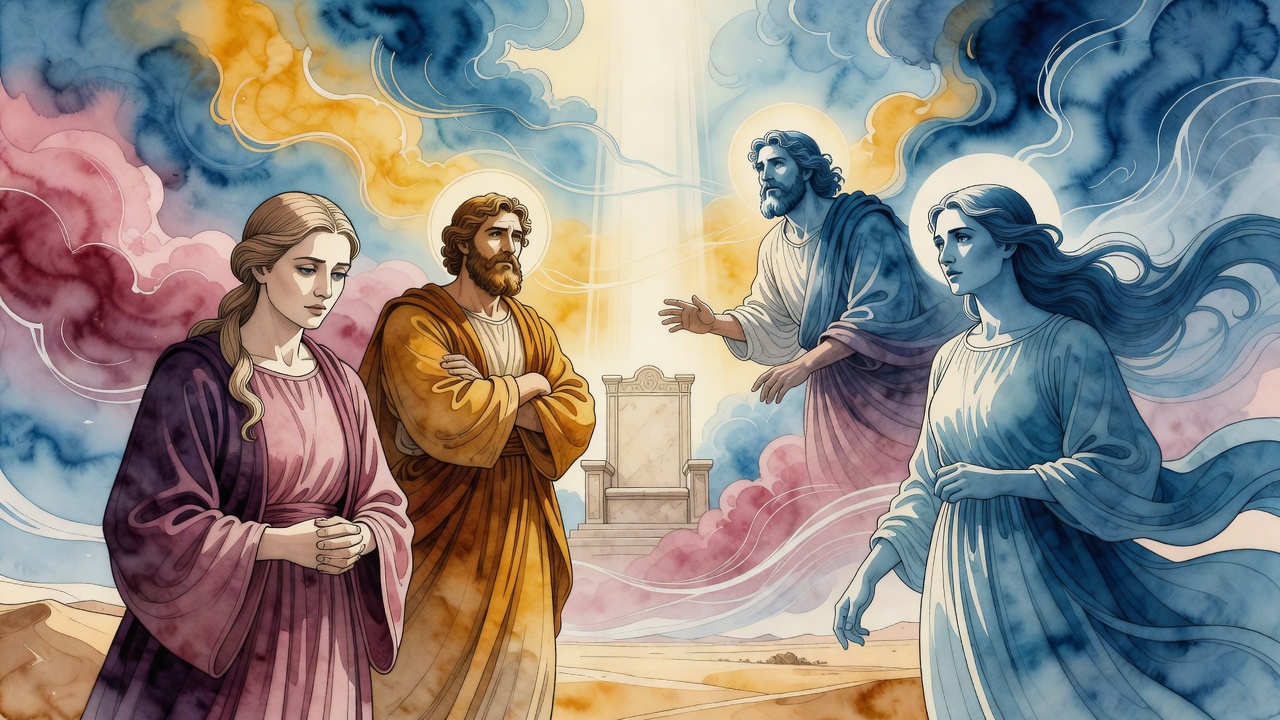
The conflict between Joseph and his brothers had nothing to do with a coat. It was about two mothers, two marriages, and which one Jacob loved.
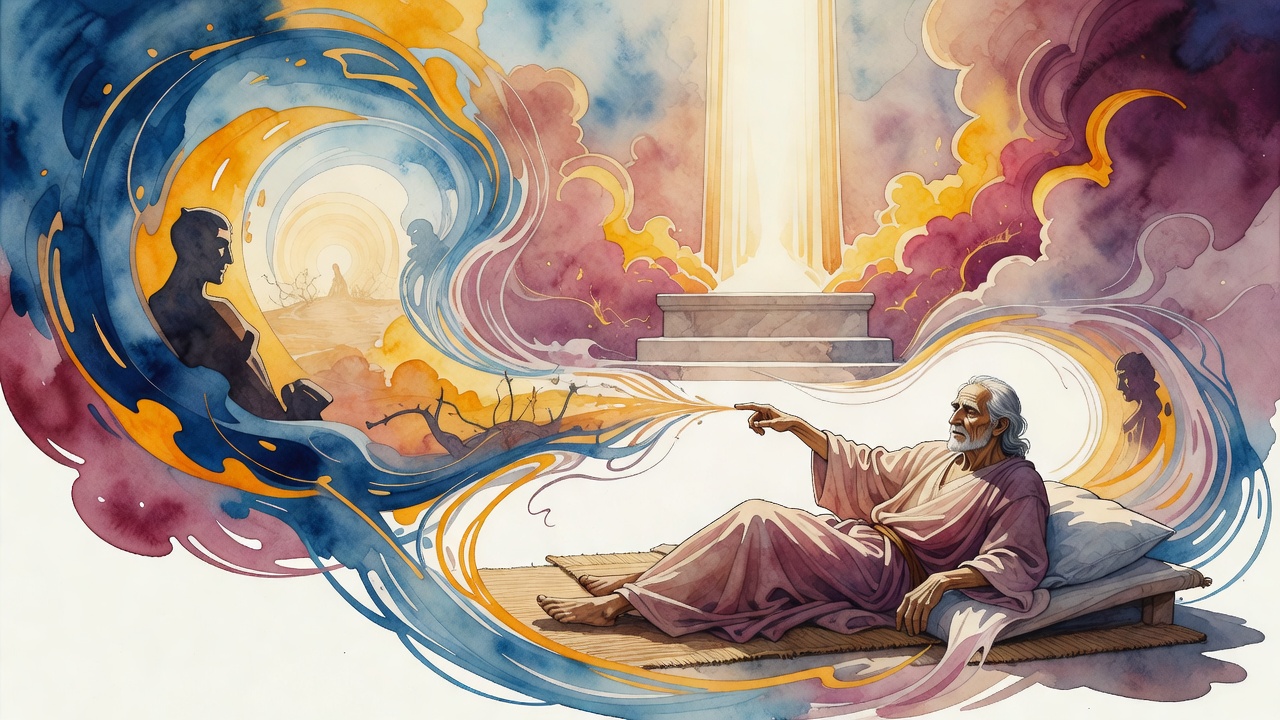
On his deathbed, Simeon confessed he had planned Joseph's murder in his heart and traced the same spirit back through Cain to the first morning of the world.
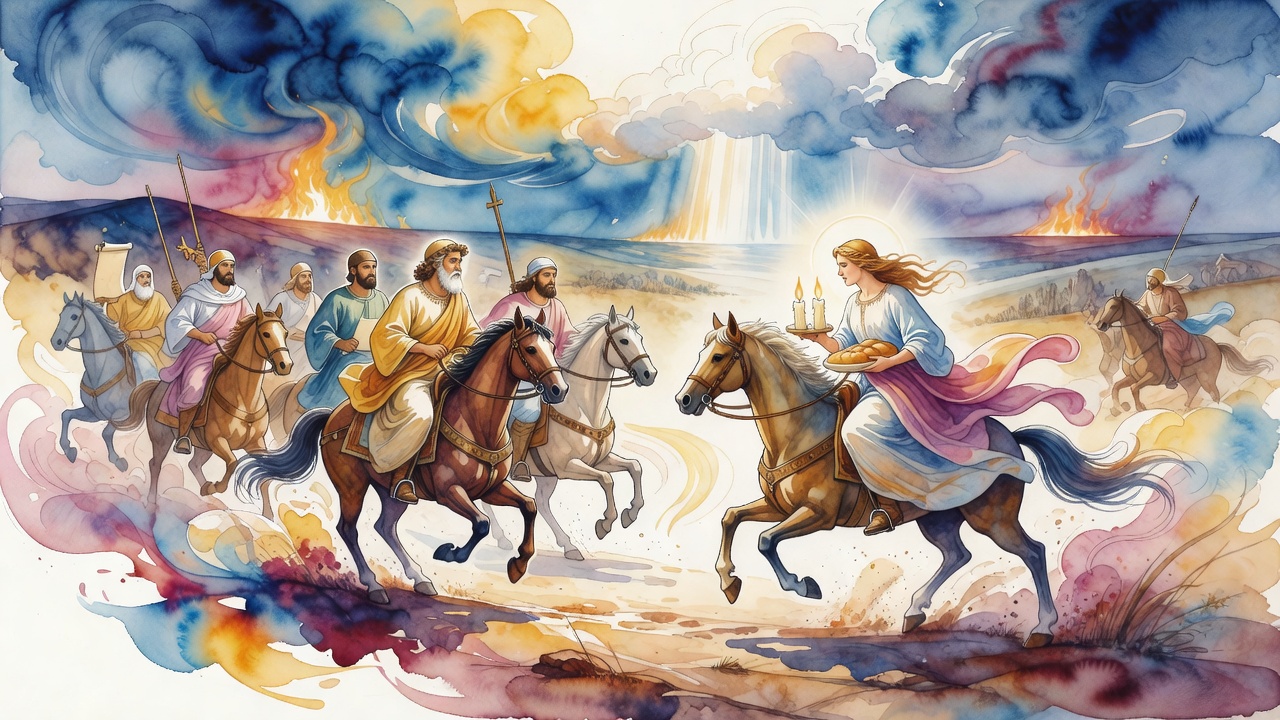
David rides toward Nabal with four hundred men and blood in mind, and Abigail rides toward him with bread and the truth about burning candles.
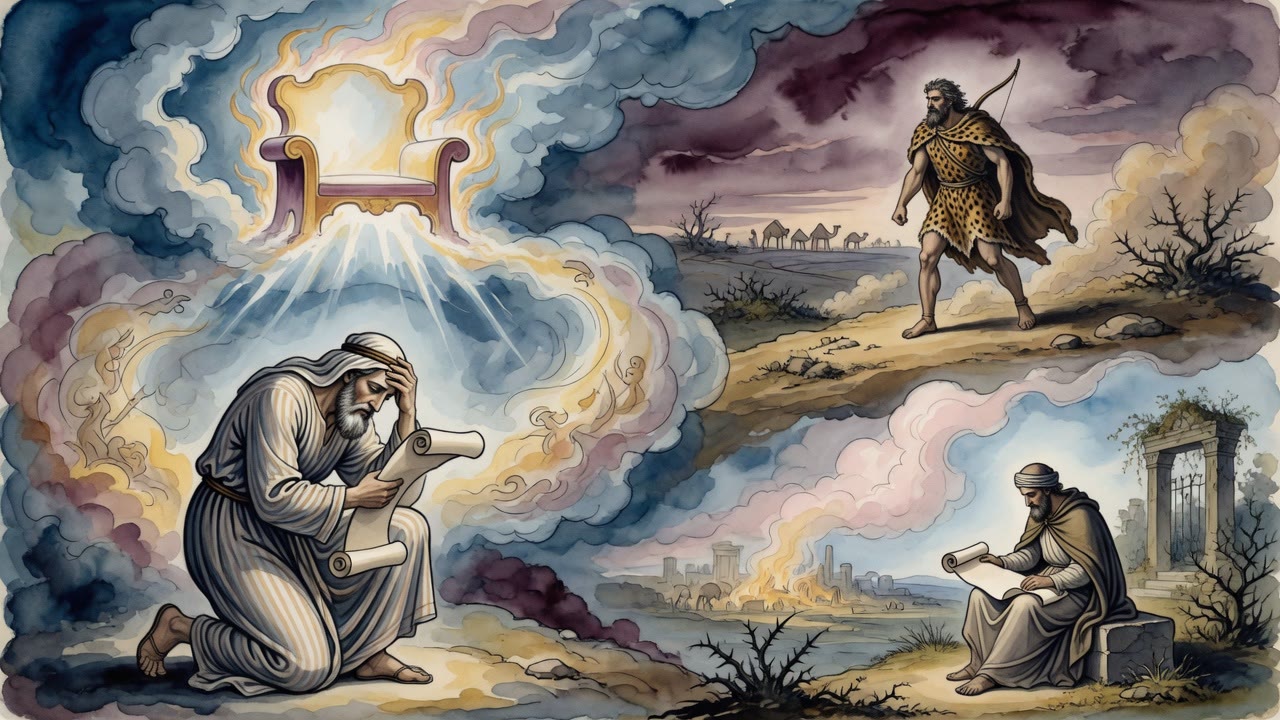
A trap meant to burn Maimonides alive closes on his accuser, he turns into a lion to break cruel decrees, and Ibn Ezra comes hunting his equal.
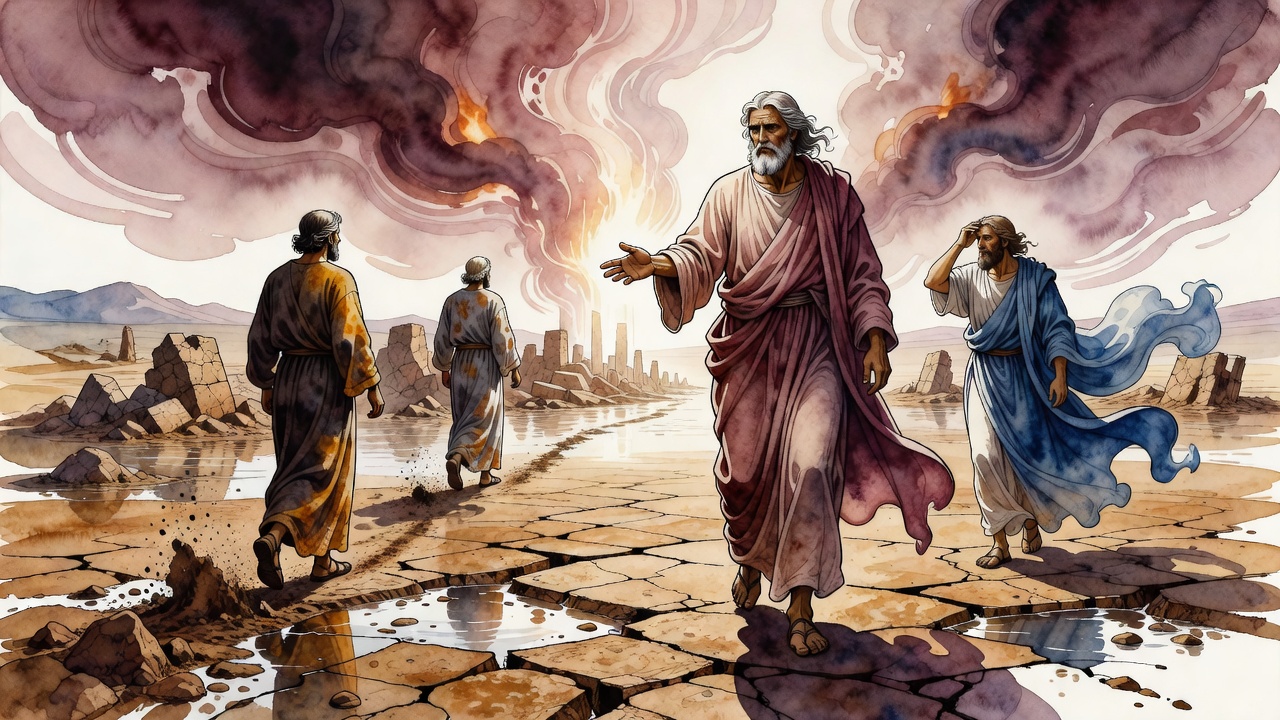
The mud still held the old world's bones. Noah looked at his sons. He told them they had already started walking toward ruin.
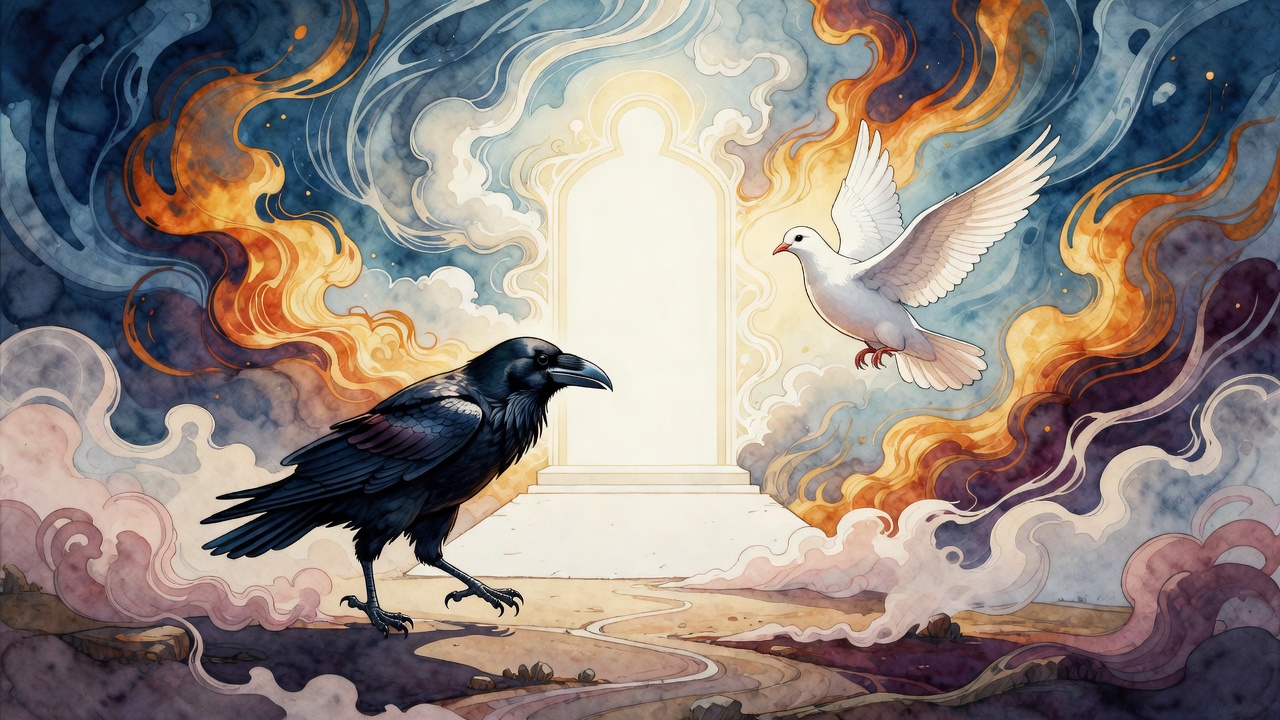
He copied the dove's step until his bones nearly broke. The other animals laughed. Then he tried to hop like himself and could not.
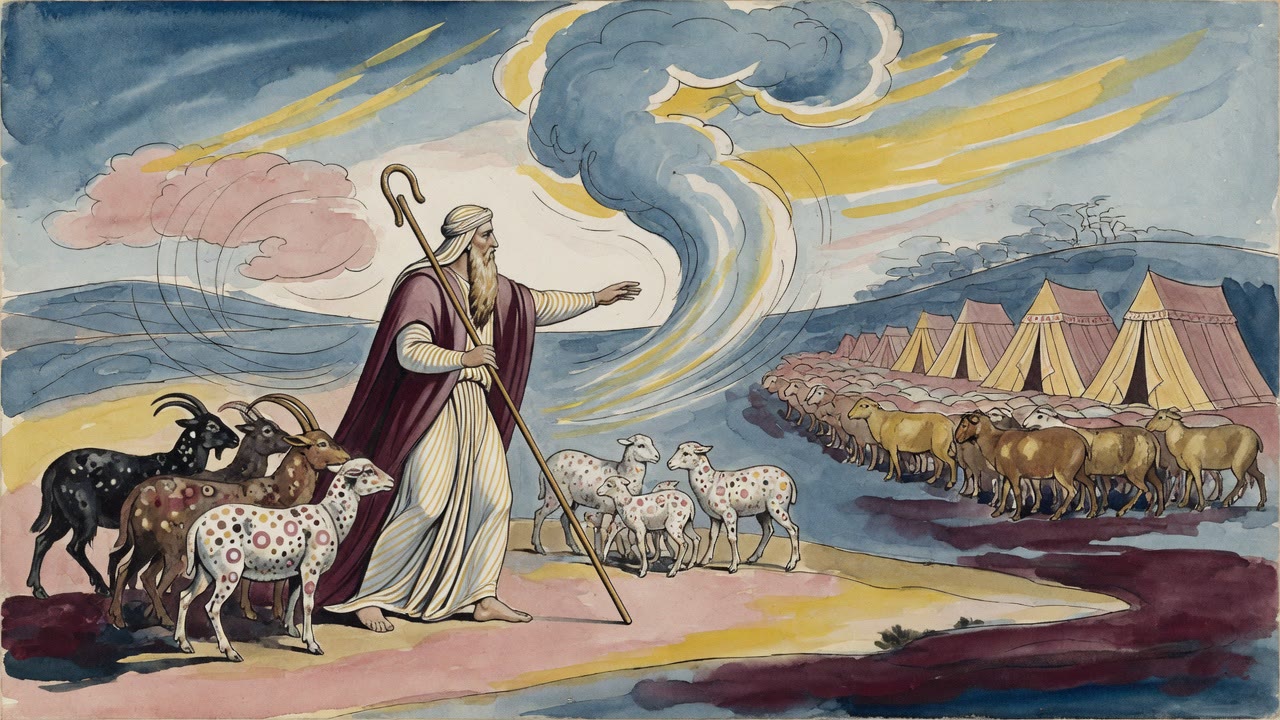
Korah measured Kohath's sons and decided Elizaphan's prince-seat belonged to him. From that envy he tried to unmake Moses, Aaron, and the boundaries of light.
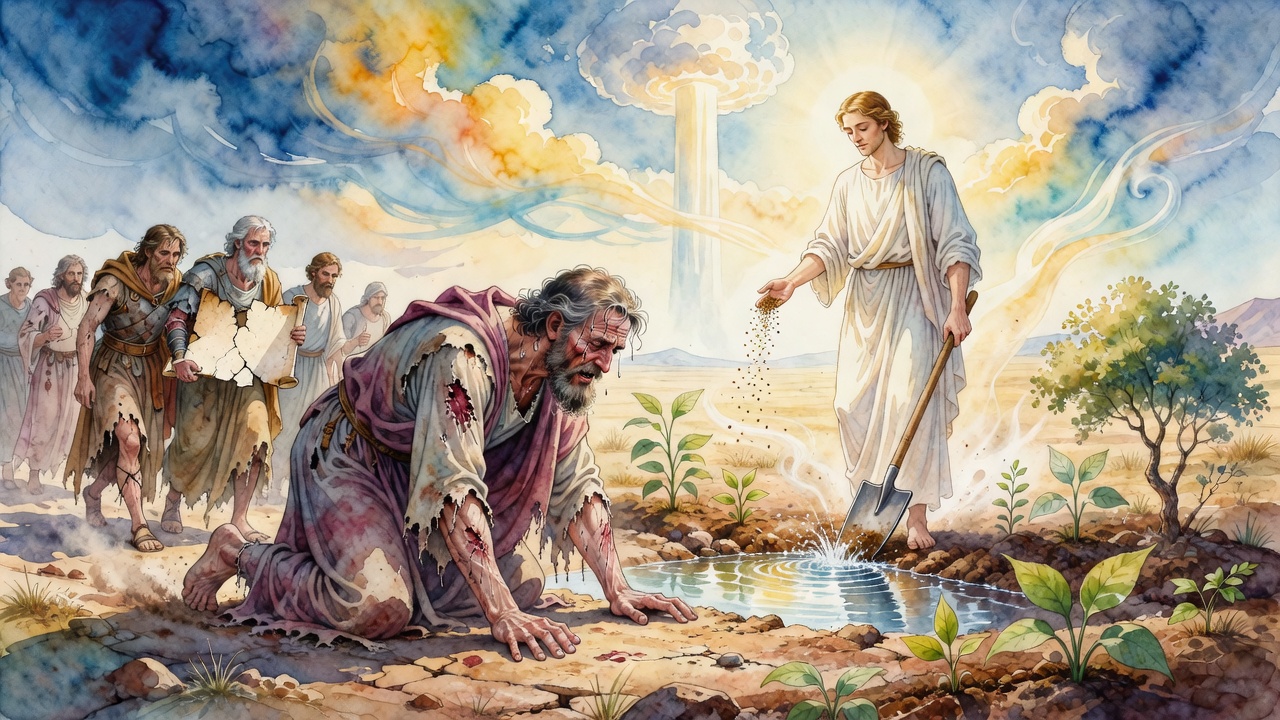
Robbers and sores empty Abimelech's pride. He comes to Isaac with captains and half a peace, while Isaac sows charity, digs living water, and outgrows Gerar.
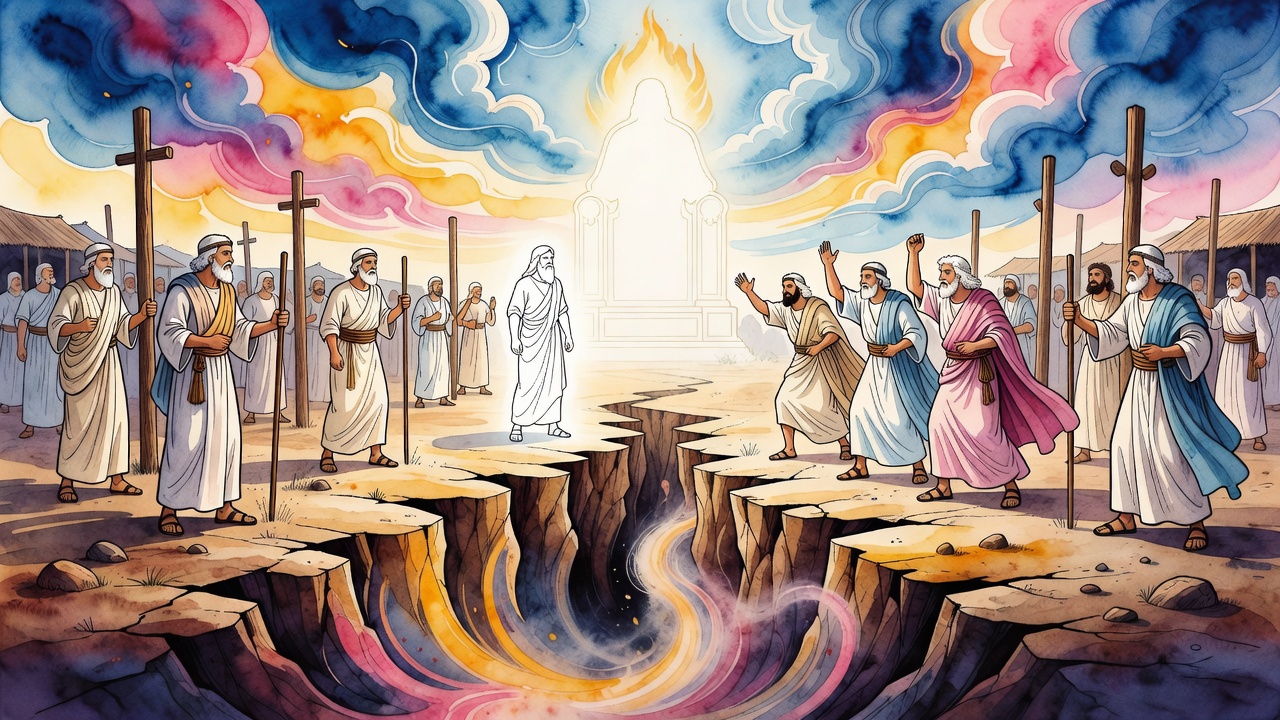
At the water jars they asked why it was always his face at the tent door. The ground opened, and mothers pulled their children back from the crack.
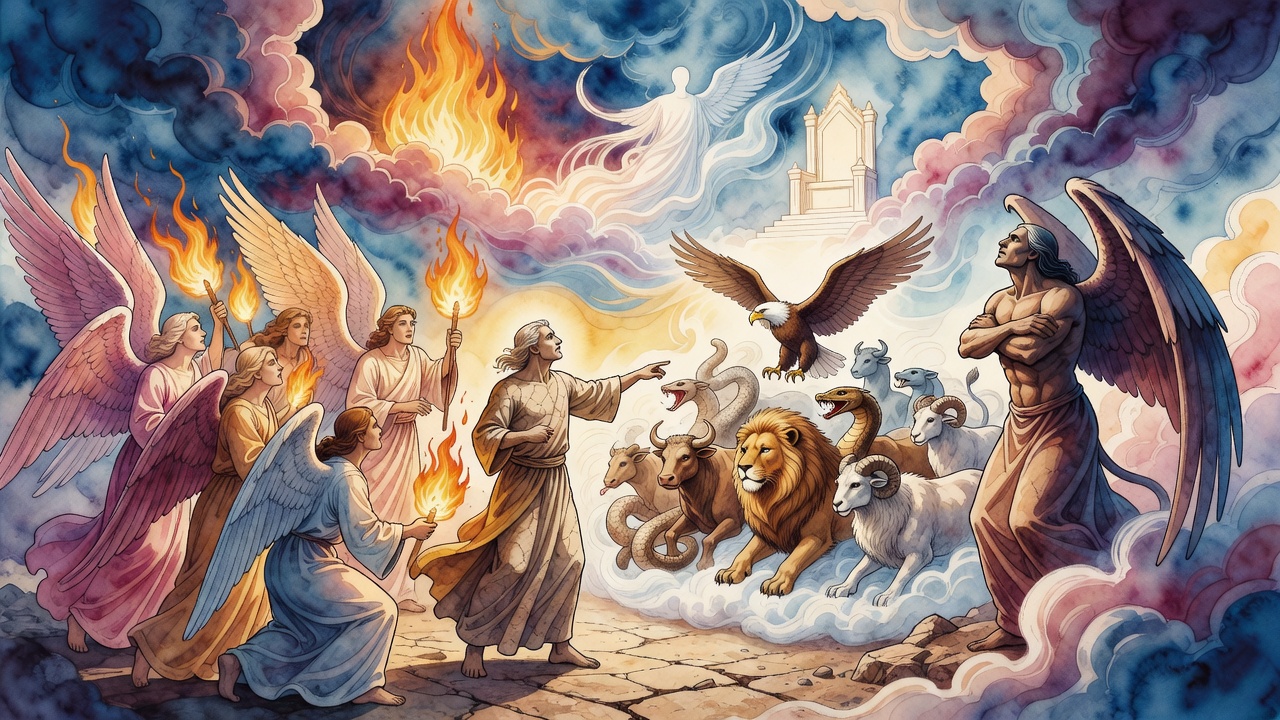
The beasts waited, breathing. The greatest angel opened his mouth and found the world without handles. Only dust could name them.
