How Rachel and Leah Shaped the Rivalry of Judah and Joseph
The conflict between Joseph and his brothers had nothing to do with a coat. It was about two mothers, two marriages, and which one Jacob loved.
Table of Contents
 Click for full size
What the Boys Understood About the Coat
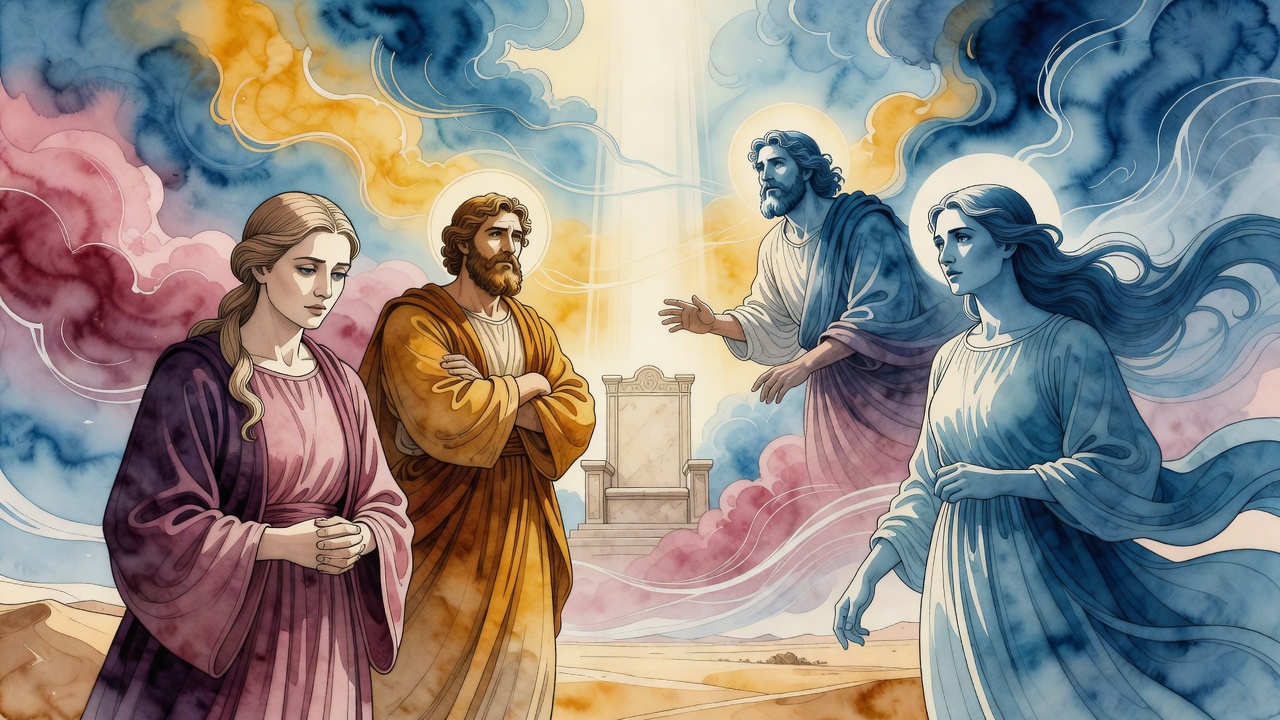
Jacob gave Joseph a coat of many colors and every child in the household understood what it meant. Jacob had loved Rachel first and most and without apology. He had worked fourteen years for her and regarded the first seven as a few days because of his love. He had waited while Leah bore six sons and Rachel bore none. When Rachel finally had Joseph, Jacob's visible preference became impossible to ignore. The coat confirmed what the boys already knew: this one was the one their father was waiting for.
Leah's sons had been watching this their whole lives. They had been born to a woman their father had not chosen, to whom Jacob had been brought in the dark on a wedding night arranged by their grandfather's deception. They had seen their mother pray through her naming of each child, seen her interpret each birth as evidence of what God had given her where Jacob had not. They had been inside that wound since before they could name it.
When Joseph appeared with his coat and his dreams, the wound had a face.
What Leah Carried to Her Death
The Book of Jubilees records Leah's death in specific terms. She died before the Joseph crisis began, before the coat was given, before the dreams were told, before any brother raised his hand against another. She died in the fourth year of the second week of the forty-fifth jubilee, and Jacob buried her at Machpelah beside Abraham and Isaac. He wept over her. The text makes this observation quietly, without editorial comment, but the detail matters: Jacob wept for Leah. The man who had not chosen her, who had loved Rachel with an intensity the tradition preserves without qualification, wept for the woman who had borne him six sons and a daughter and built more than half of the people he was leaving behind.
Leah had named each of those sons in relation to her position. Reuben: the Lord has seen my affliction. Simeon: the Lord has heard that I am hated. Levi: now my husband will be joined to me. Judah: this time I will praise the Lord. The names are a record of how the household felt from inside her position. Her sons carried those names and what was inside them.
Judah's Confession and What It Took
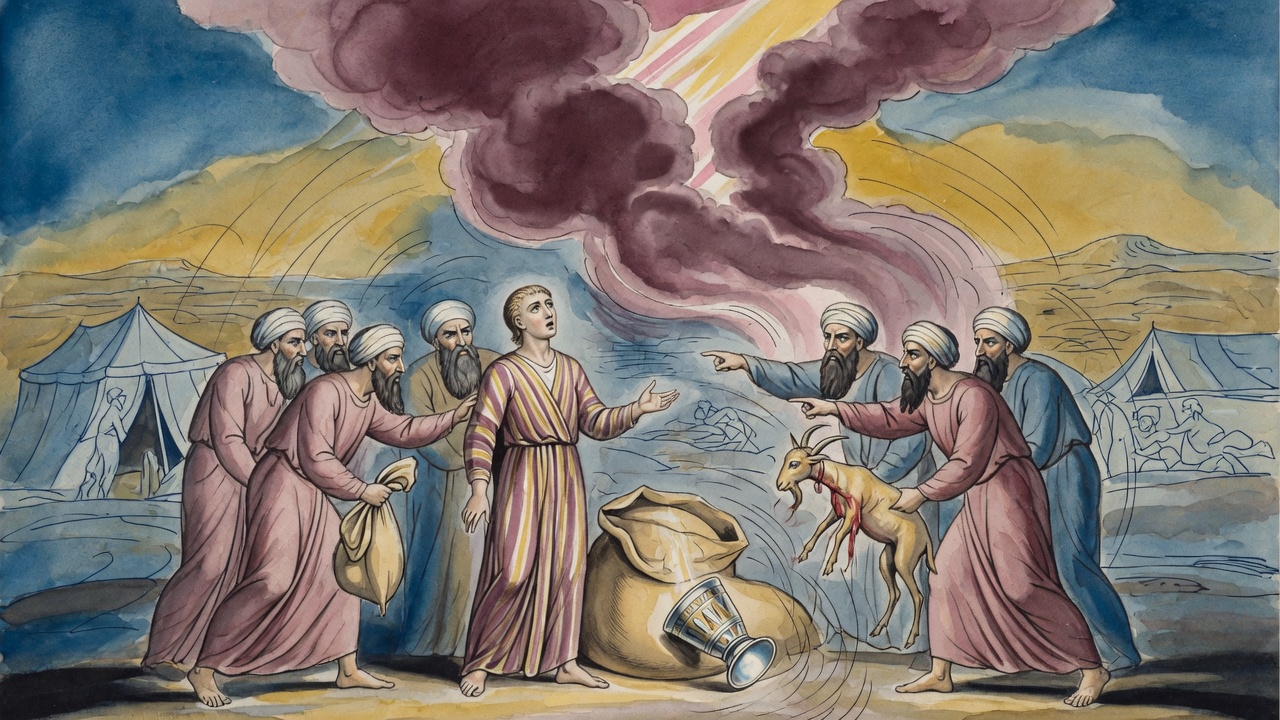
The Book of Jubilees records the moment when Judah's formation as Leah's son came to its definitive test. He had sold Joseph. He had stood near the pit and heard his brother's voice and done the calculation that the tradition does not excuse: I will get something for this rather than nothing. The money went in his pocket. The caravan disappeared toward Egypt. His brothers came back with the coat dipped in goat blood and showed it to Jacob, and Jacob tore his clothes and refused to be comforted.
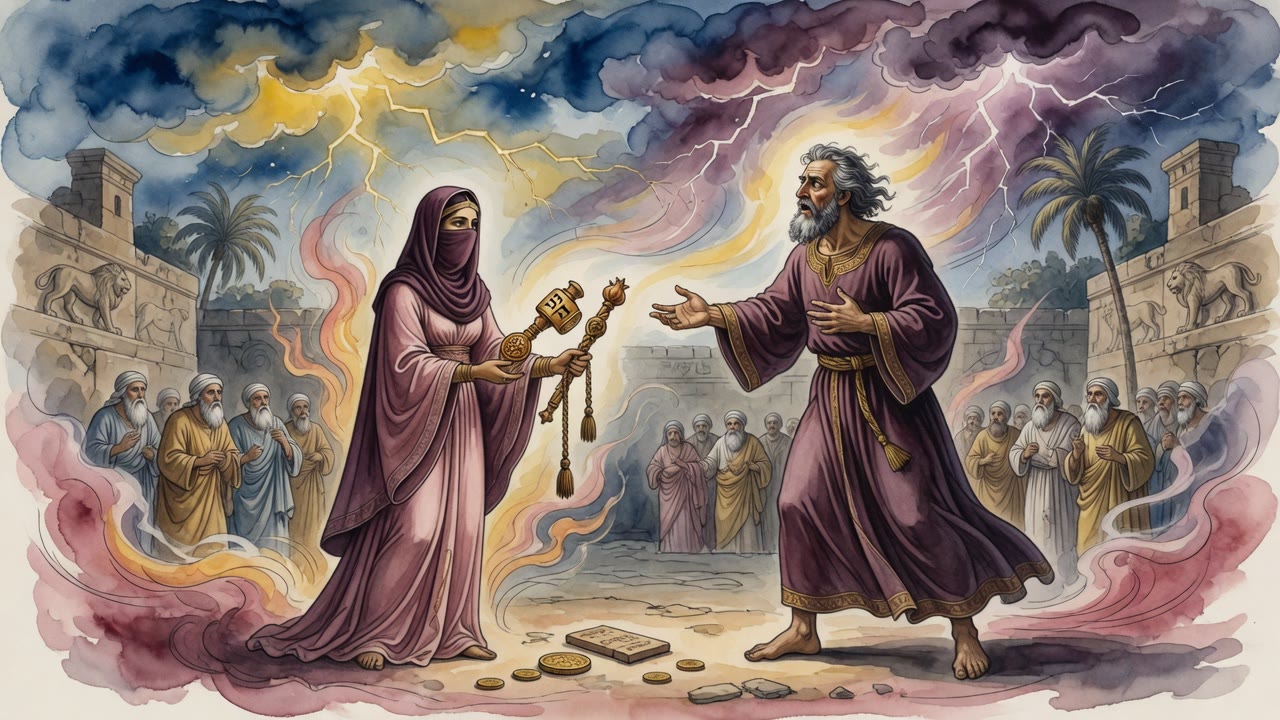
Years later, Judah stood before Tamar with his seal and cord and staff recognized and said: she is more righteous than I. He named the truth publicly. The man who had made a profit from his brother's terror, who had told his brothers that selling Joseph was preferable to killing him as though this were a moral position, looked at the evidence in front of him and did not deflect.
The tradition reads this confession as the hinge of Judah's life. Leah had built a son who was capable of this. She had not built it by being loved. She had built it by persisting in a household that did not choose her, by making the covenant available to her children through her own sustained prayer rather than through her husband's attention. The moral capacity Judah demonstrated at Timnah came from somewhere. It came from a mother who understood exactly what it meant to be in a position where the only honest response was acknowledgment.
Joseph's Brothers Looked Back From Egypt
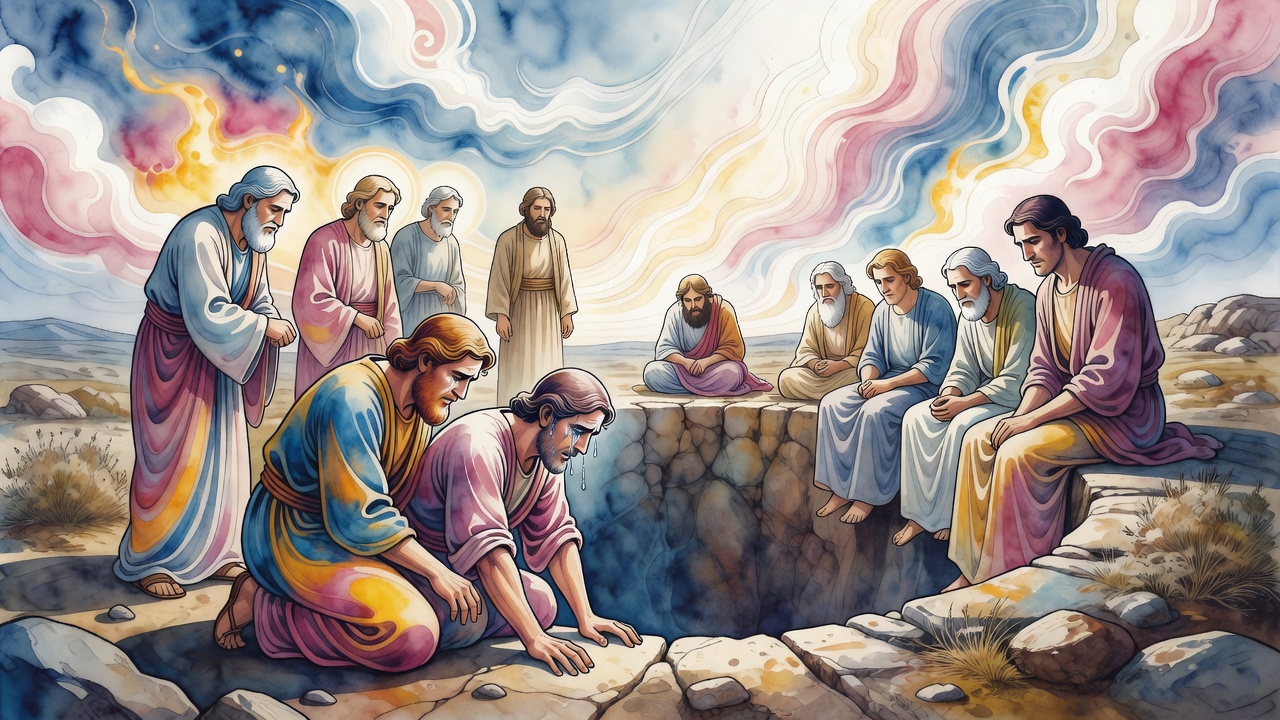
The Book of Jasher records the brothers' remorse after the pit. They had not expected to feel it so quickly. They went looking for Joseph, hoping to undo what they had done, and the caravan was already gone. Reuben returned to the pit calling his name. Silence. They had moved too fast and the decision had already become irreversible.
The remorse did not disappear. It followed them for decades. When Joseph finally revealed himself to them in Egypt, after Benjamin had been accused and Judah had pledged his own life for Benjamin's safety, after every test had been run and the brothers had passed each one, Joseph wept so loudly that the Egyptians in the adjacent rooms could hear him. He told his brothers not to be grieved or angry with themselves, because God had sent him ahead to preserve life.
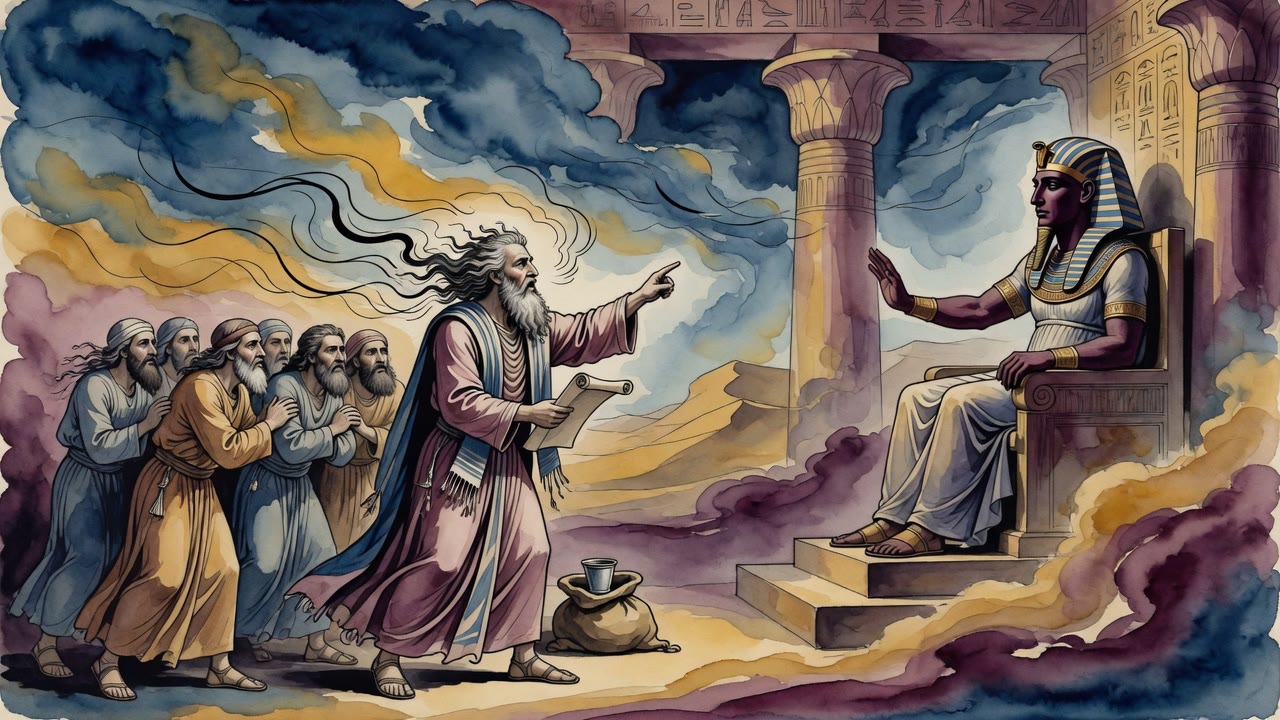
Judah's pledge for Benjamin was the completion of what Leah's formation had been building toward. He had not protected Joseph. He would protect Benjamin. He stood before the viceroy of Egypt, who was his own brother whom he did not recognize, and said: let me be your slave instead of him. Let the boy go back to his father. The Book of Jubilees records Jacob's reluctance to send Benjamin at all, the old man's terror of losing the last son of Rachel after he had already lost Joseph. Judah's pledge was a direct answer to that terror, made in his mother's mode: I know what it costs to be separated from what you love most. I will prevent it if I can.
← All myths