Simeon Traced Jealousy Back to Eden on His Deathbed
On his deathbed, Simeon confessed he had planned Joseph's murder in his heart and traced the same spirit back through Cain to the first morning of the world.
Table of Contents
 Click for full size
The Strongest of the Brothers
Simeon had been strong his entire life. Stronger than most of his brothers, strong enough that when he and Levi decided to destroy Shechem after what had been done to Dinah, it was Simeon who led the assault into the city. Strong enough that when the brothers stood around Joseph in the field and debated what to do with him, Simeon was the one who wanted to kill him outright. No delay, no profit motive, no softening. Just end it.
Joseph, years later, when he was the viceroy of Egypt and his brothers came down for grain without recognizing him, needed a hostage to ensure they would return with Benjamin. He chose Simeon. Of all eleven brothers, this was the one Joseph had not forgotten. Simeon had wanted him dead. Everyone in the room still knew it.
Simeon's deathbed speech, recorded in the Testaments of the Twelve Patriarchs, begins not with pride in his strength but with a confession of its perversion. "I was strong exceedingly," he said. "My heart was hard. My liver immovable. My bowels without compassion." He said it as an indictment, a clinical description of a faculty that had been given to him and used wrong.
The Confession Before His Children
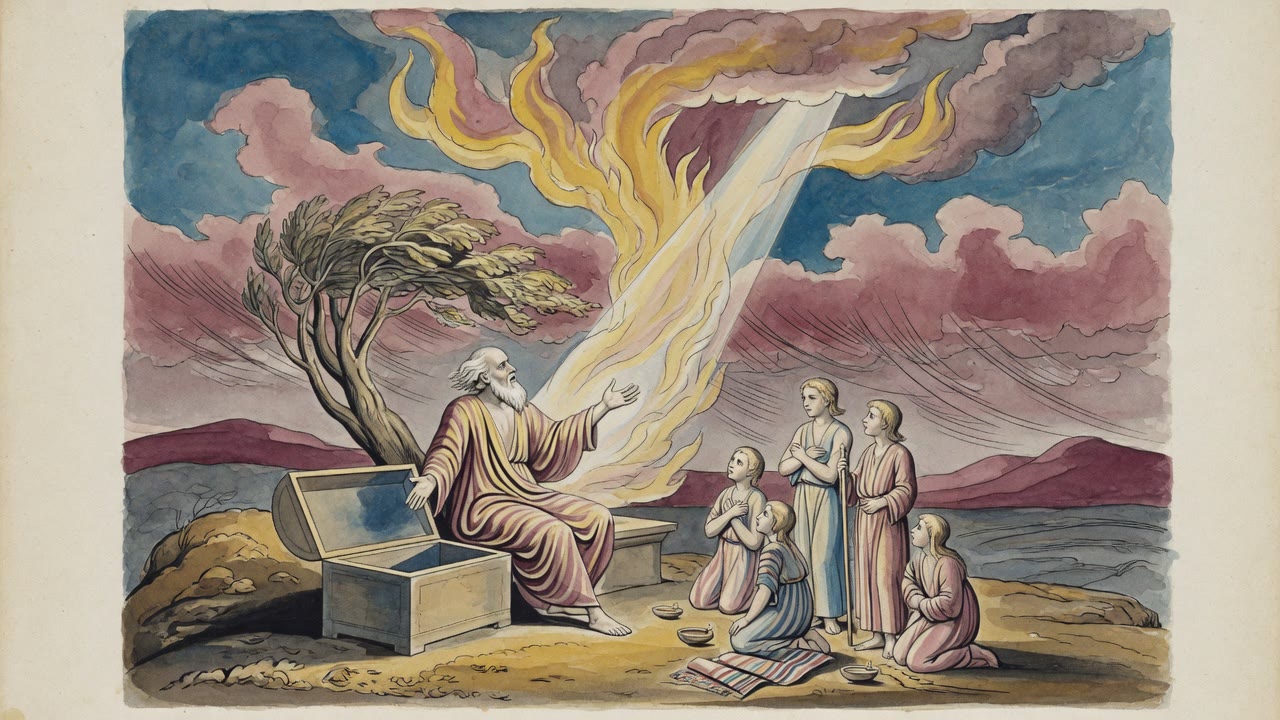
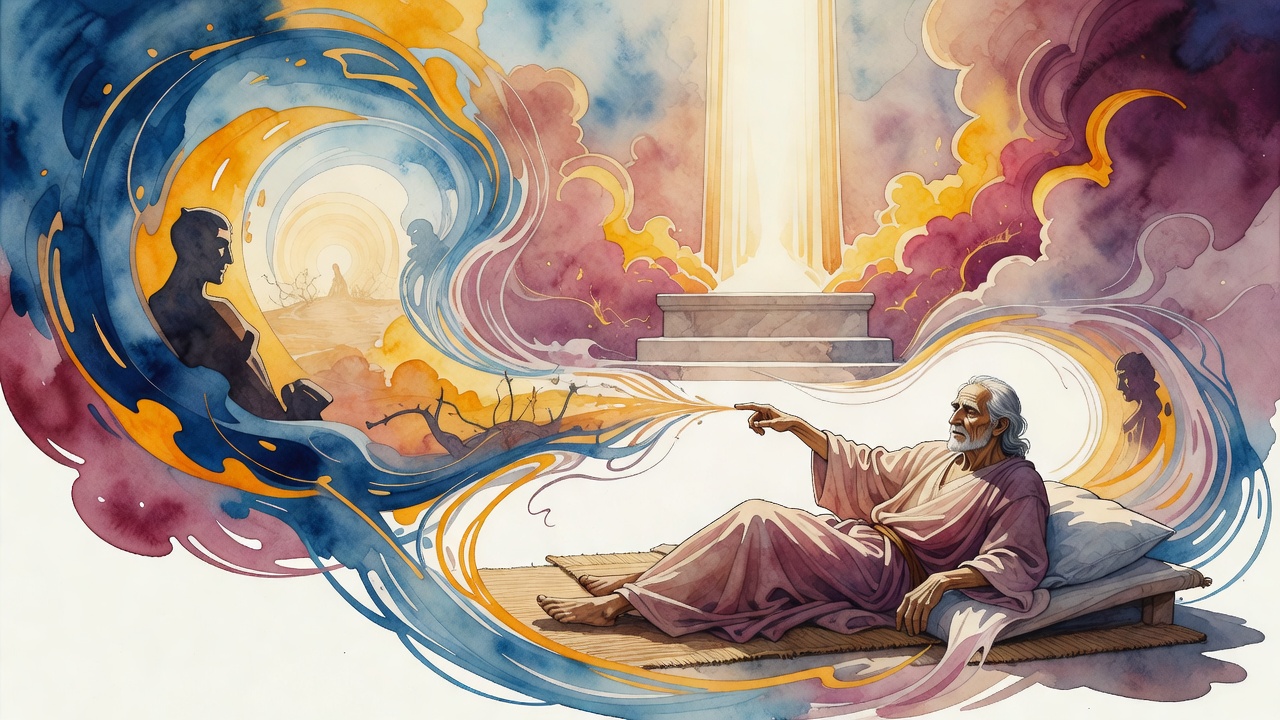
Simeon gathered his children in his hundred and twentieth year. Joseph had already died. When his sons came in, Simeon strengthened himself, sat up, kissed each of them, and began to speak.
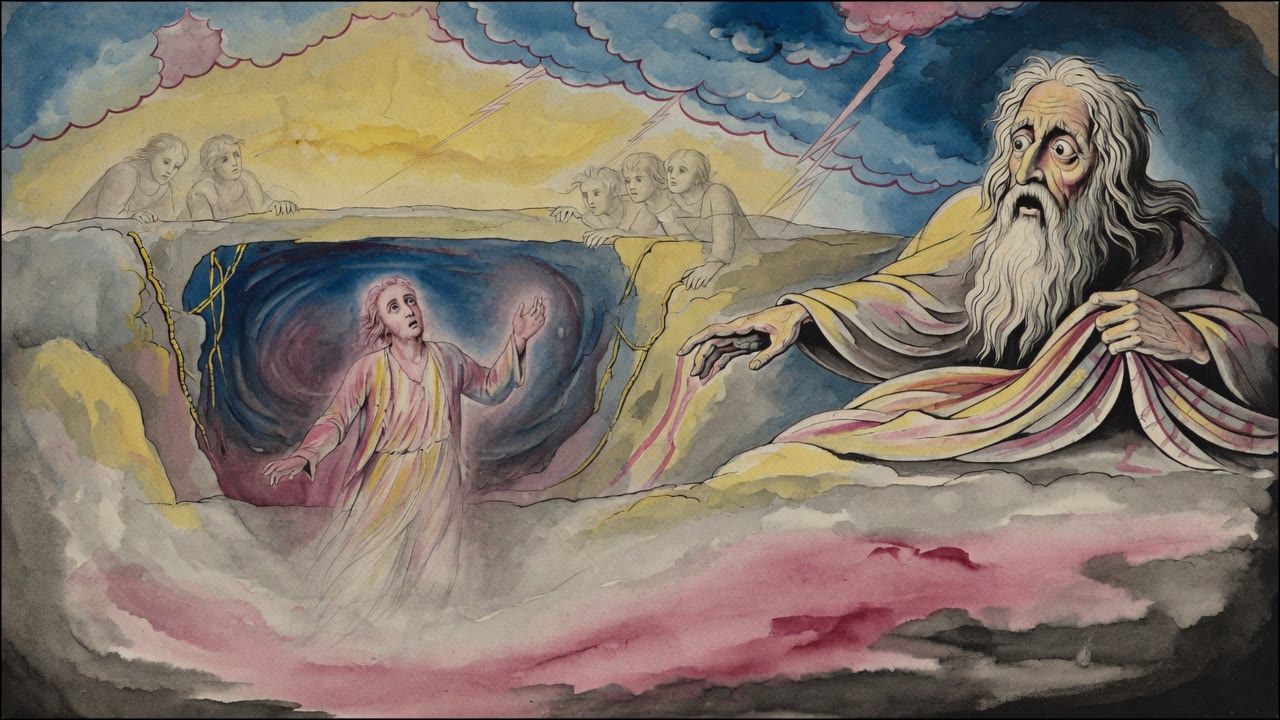
What he confessed was monstrous. "In my heart," he said, "I resolved on the death of Joseph my brother, the true and good man." He had not merely wanted Joseph gone or sold or sent away. He had planned the murder. He had carried the plan in his heart through the years in Canaan, through the years after Joseph was sold and Jacob was inconsolable, through the years in Egypt when Joseph was alive and powerful and Simeon had spent time in an Egyptian prison not knowing it was his brother who had arranged it.
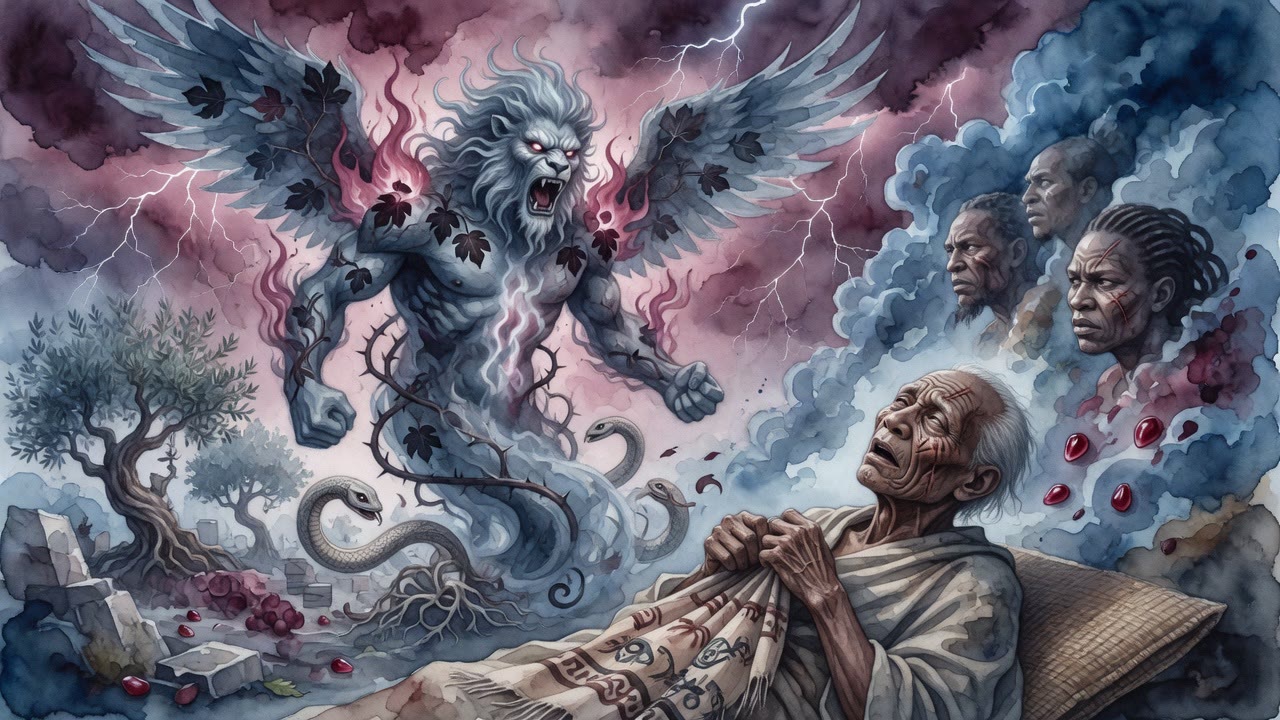
"The prince of deceit sent forth the spirit of jealousy," he said, "and blinded my mind." The word he used for jealousy was specific. It was not competitive ambition, not resentment of another person's success, not even hatred of an individual. It was a spirit, a force that entered through the wound of Jacob's visible preference for Rachel's children and grew there until it required action.
Where the Spirit Came From
Simeon did not stop with his own confession. He traced the spirit backward through history. He told his children to beware of the spirit of jealousy because it was old. He named Cain, who killed Abel because God accepted Abel's offering and not his. He named the sons of Esau, who despised Jacob. He named Esau himself, who had sold his birthright and then wanted it back and found that the price of impulsiveness was permanent.
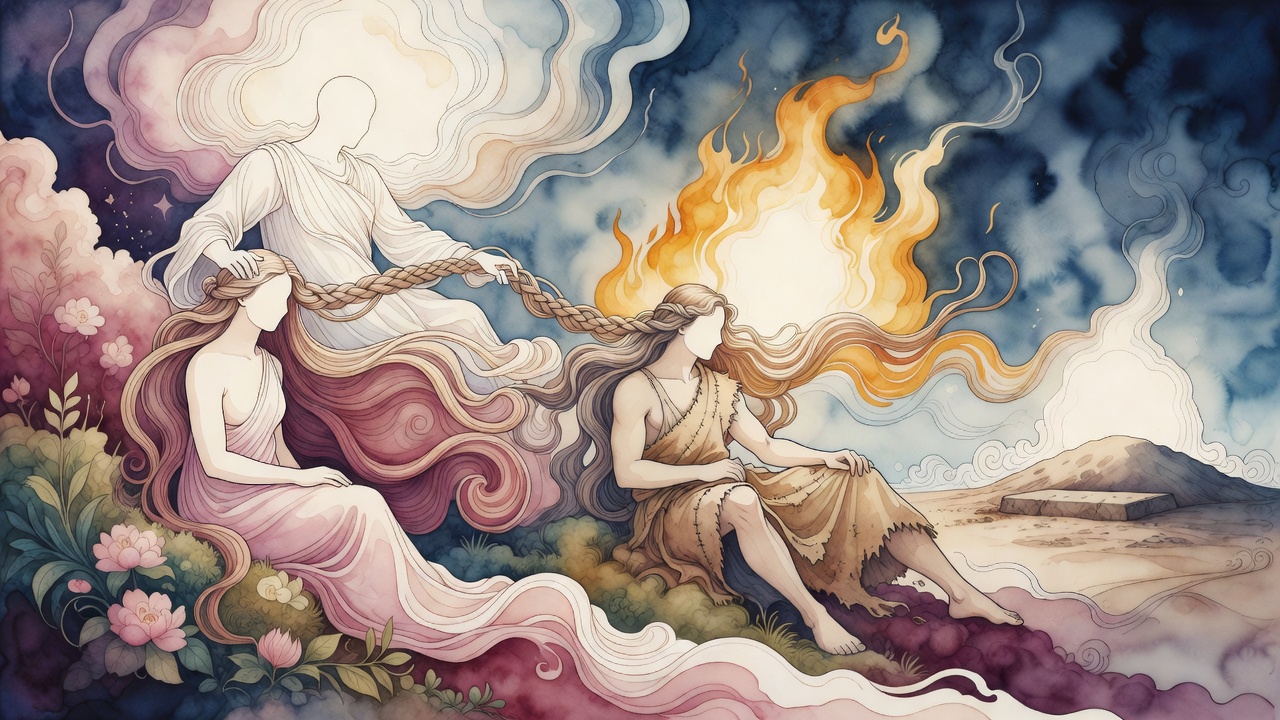
The spirit had been working since the first morning after creation produced two human beings who could be compared to each other. Cain looked at Abel and saw the acceptance he himself had not received, and the spirit found its opening. It worked through comparison. It required a beloved and a less-beloved, a favored and an unfavored, two people in the same frame with unequal weights assigned to them. Once the comparison existed, the spirit moved in.
Jacob had loved Joseph more than his brothers. He had not hidden this. The coat of many colors was visible evidence of a preference that had been operating the whole time. Simeon had been living inside that comparison since before he could name what it was doing to him. By the time he understood the mechanism, he had already carried the murder plan in his heart for years.
The Remedy He Found at the End
Simeon told his children what had finally broken the jealousy's hold on him. Joseph's behavior in Egypt. The viceroy who had put him in prison, who had tested the brothers through Benjamin, who had finally revealed himself and wept over them rather than executing them, was not a man Simeon could hate without confronting what he himself had been. He saw the man he had wanted to kill behaving exactly as the righteous man that he himself was supposed to have been. The jealousy had nowhere to go after that.
The Book of Jubilees records the family dynamics surrounding the Joseph sale with the chill of a household in which everyone knew what had happened and no one could undo it. Simeon, Benjamin, and Jacob's grandson Enoch are mentioned together in that account, in the aftermath of a decision that had already made itself irreversible. Simeon lived with that reversal for the rest of his very long life. At the end, he named it precisely, traced it to its source, and told his children what to watch for in themselves.
← All myths