Dan Confessed That the Spirit of Anger Was in Him Since Eden
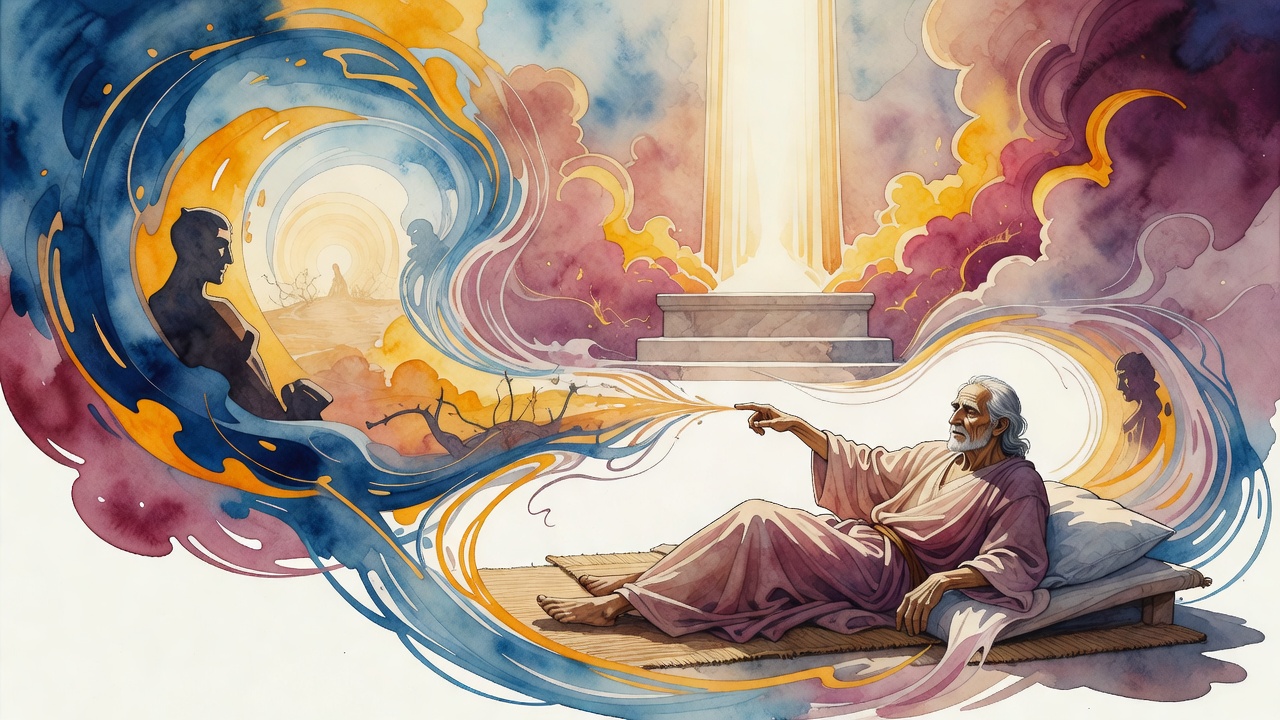
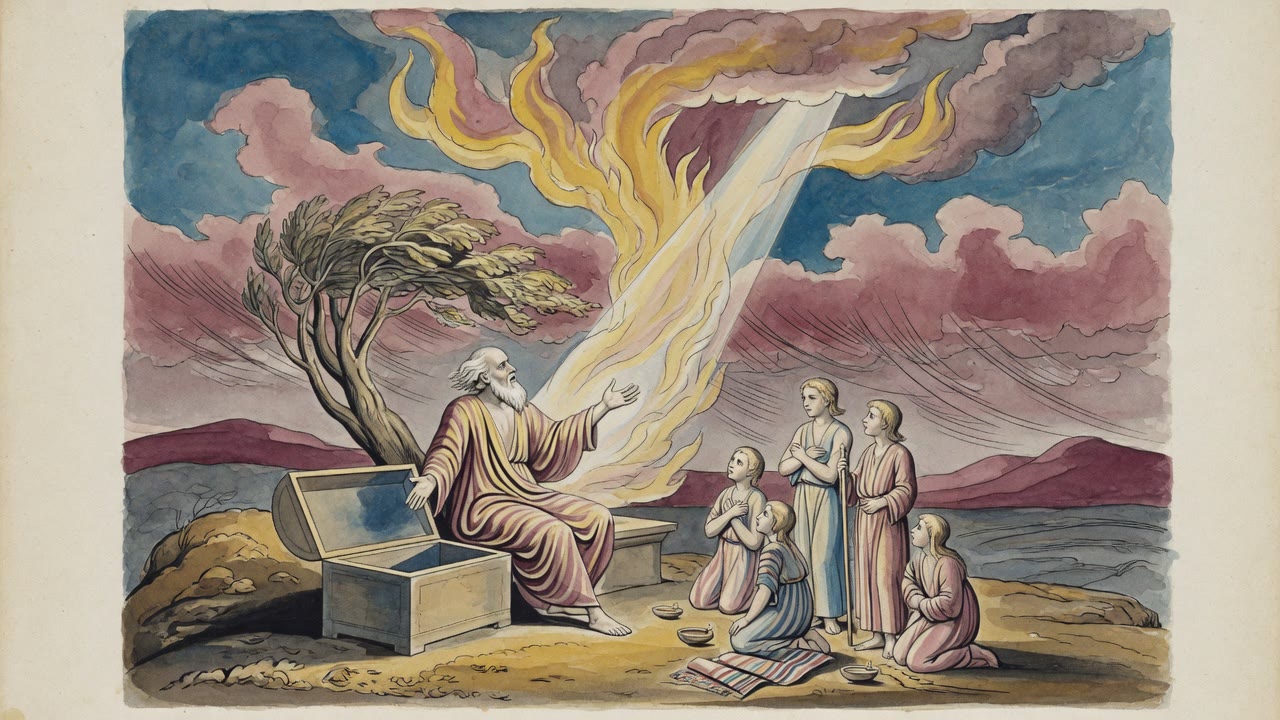
On his deathbed, Dan told his children where the spirit that nearly made him a murderer had come from. It was older than any of them knew.
Table of Contents
 Click for full size
A Hundred and Twenty-Five Years With What He Knew
Dan had spent a hundred and twenty-five years living with what he knew about himself. He had felt the spirit of anger move through him like weather, arriving without warning, taking control of whatever it found, directing it toward harm. He had watched it work in other men, in Cain, who saw his offering rejected and was advised to master the thing crouching at the door and could not do it. He had watched it in Simeon, his brother, who had planned Joseph's death in his heart. He had watched what it built toward when it was given room.
On his deathbed he gathered his children and decided to tell them not just what he had done but where the spirit had come from. He had spent a long time tracing it. The answer was older than any of them expected.
What Dan Confessed First
The Testament of Dan opens his deathbed speech with a declaration that functions as the thesis of everything that follows: "truth with just dealing is good and pleasing to God. Lying and anger are evil, because they teach a man all wickedness." Then the confession.
"In my heart," he said, "I resolved on the death of Joseph my brother, the true and good man." He was specific. He had not merely wanted Joseph humiliated or removed. He had planned his murder, internally, in his own thoughts. He had rehearsed it. He had considered how to do it and had carried the plan the way a man carries a grudge, except that this grudge had a specific conclusion in view.
He told them why. Jacob loved Joseph more than his brothers. That love was visible, constant, and had never been qualified. Dan knew it from childhood. The spirit had entered through that wound and had grown in it for years, until the field outside Dothan gave it the opportunity it had been preparing for. Then the brothers arrived, saw Joseph coming with his coat, and the spirit that had been building in Dan and Simeon and others said: "now."
It was Reuben who stopped the killing. It was Judah who suggested the sale as an alternative. Dan had wanted the death. He did not get it. Joseph was sold and the brothers went home. Dan lived for decades with the knowledge that he had wanted his brother dead and had been prevented by something he had not provided himself.
The Spirit's History Before Dan
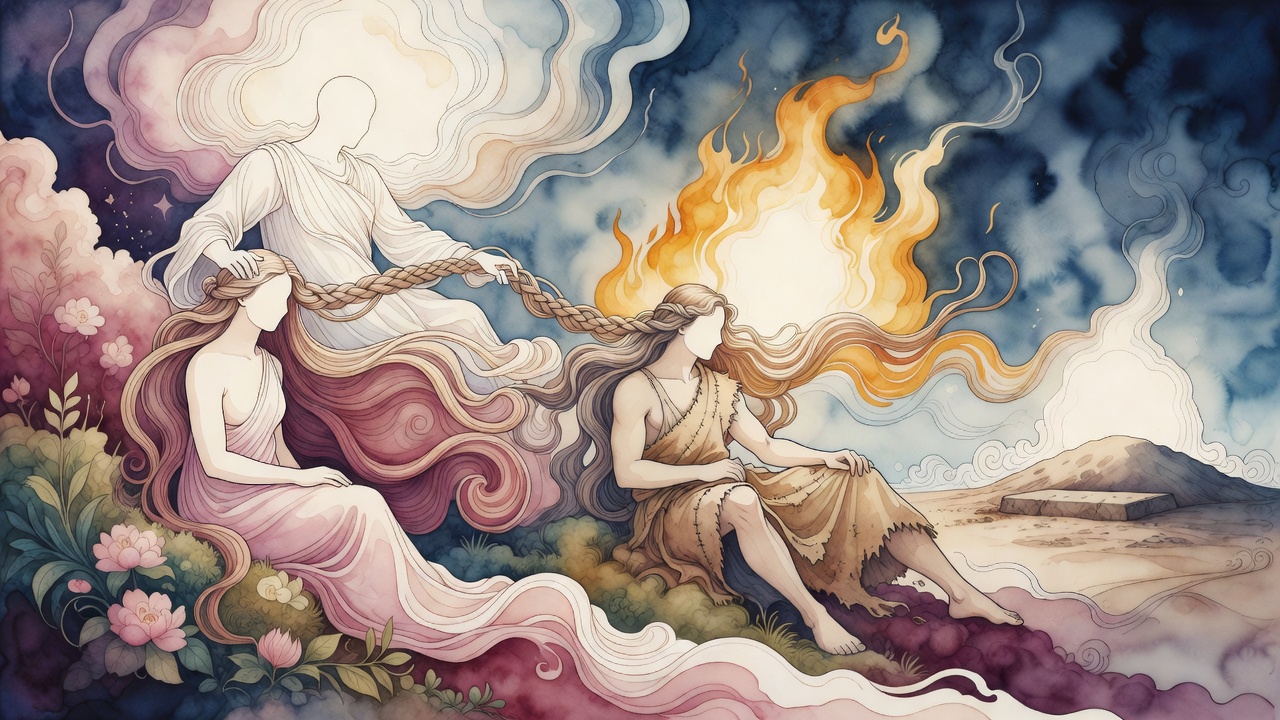
Dan did not stop with his own case. He had traced the spirit backward, and he told his children the full length of the lineage. The spirit of anger was not something that had emerged in Jacob's household when two wives competed for one husband's attention. It was old. It had been working since Eden.
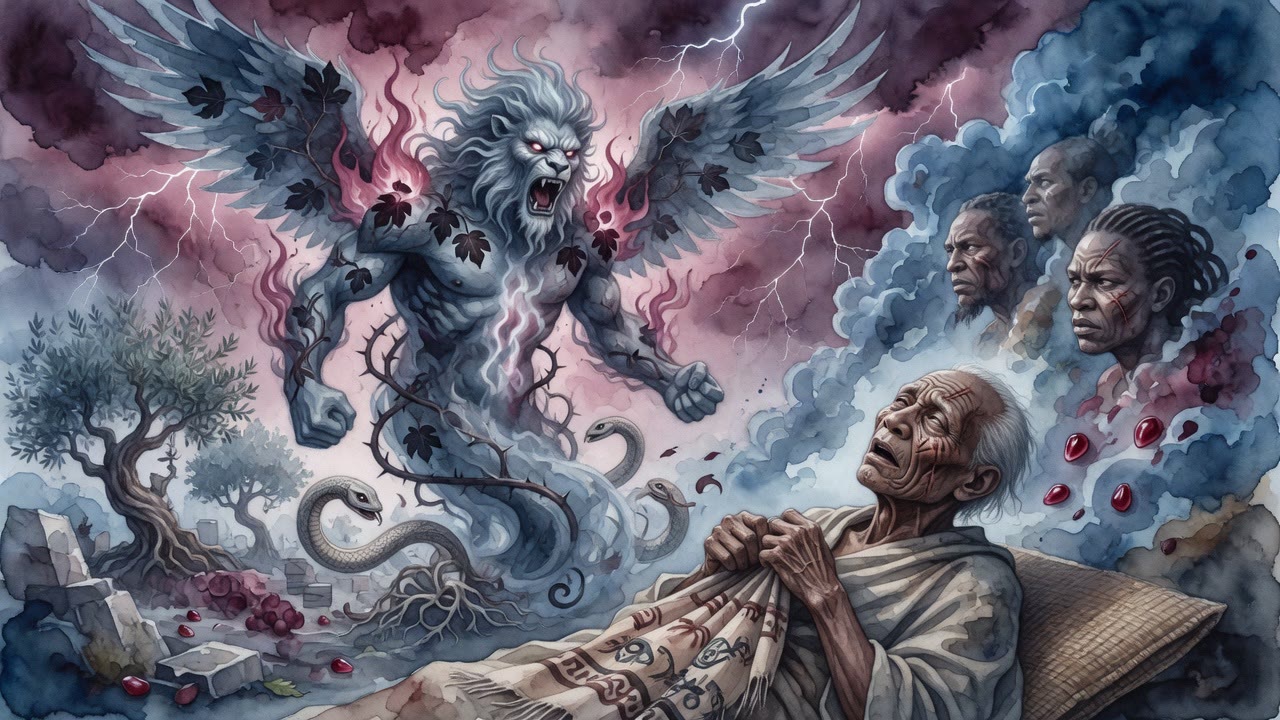
He named Beliar, the spirit of adversity and deceit, as the figure behind anger's operations. Beliar does not appear as simple evil. The Testament of Dan is careful about this: Beliar uses anger as an instrument because anger blinds. The man in the grip of anger cannot see clearly. He cannot assess cause and effect. He cannot distinguish between what actually happened and what the spirit is telling him happened. He becomes a pure instrument of the harm the spirit wants to produce, convinced the entire time that his anger is justified.
Dan had felt this. He told his children that when he was angry, he could not see Jacob as his father. He could not see Joseph as his brother. Everything reduced to the wound and the wound's demand. The spirit had taken his faculty of relationship and replaced it with a single instruction: strike.
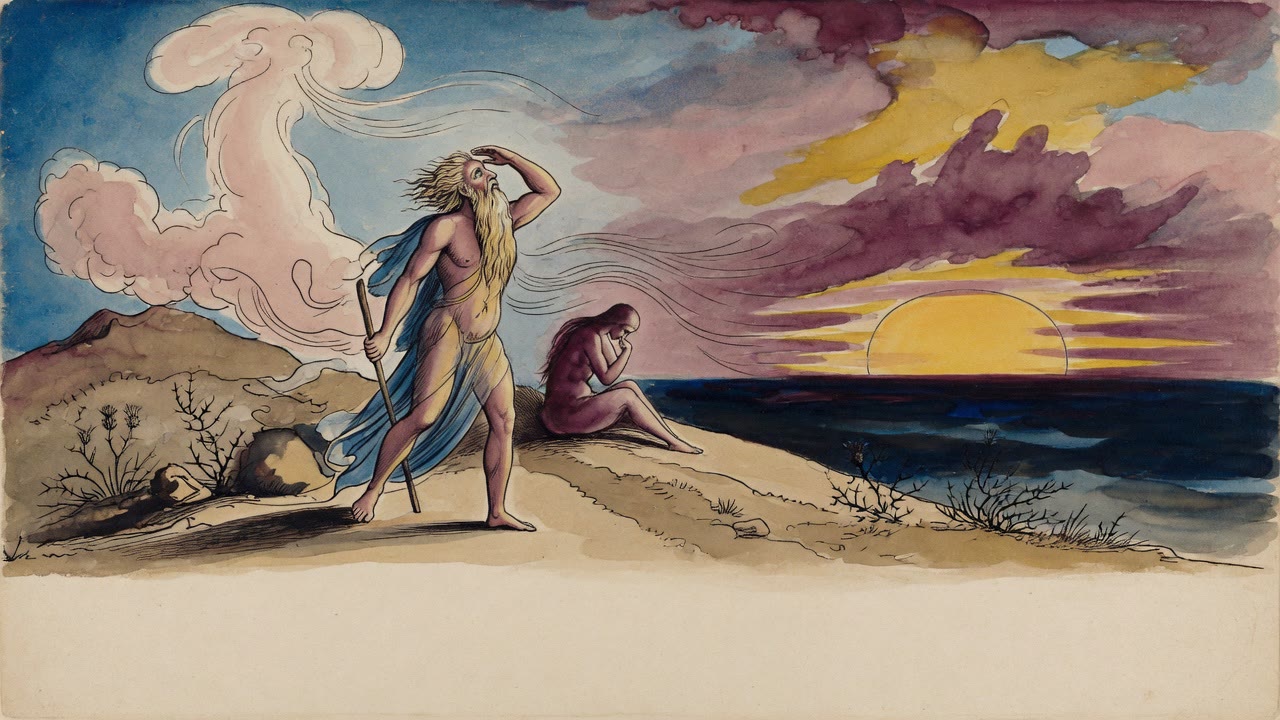
Cain had experienced the same reduction. God had come to him before the murder and said: "if you do well, will you not be accepted? Why is your face fallen? The spirit is crouching at the door. Its desire is for you. You must master it." Cain could not master it. Dan was telling his children that the failure was not unique to Cain. It was the failure that the spirit had been producing in human beings since the first generation.
What He Told Them to Do
Dan's instruction to his children was specific. Stay away from anger. Do not let it into the thought-process at all. The moment you feel it beginning to move, name it. The spirit enters through the perception of injustice, through the comparison between what you have received and what another has received. Before the comparison settles into a permanent grievance, examine it. Ask whether the Lord of all things is in the matter. Ask whether the person who seems to have wronged you was acting with a good heart. The spirit cannot find purchase in a mind that is examining rather than reacting.
He told them that love defeats it. Not sentiment, not the feeling of warmth toward someone you already favor. Covenantal love, the kind that keeps functioning even when the relationship is strained, even when what the other person did cannot yet be forgiven, even when the wound is real and the grievance is legitimate. That kind of love refuses to give the spirit what it needs.
The Testaments of the Twelve Patriarchs placed Naphtali's testimony alongside Dan's, and in the Naphtali tradition the figure of Simeon appears as a companion to Dan in the Book of Jubilees account of the family dynamics around Joseph. Dan and Simeon had both wanted Joseph dead. They had both lived through the consequences of not getting what they wanted. Their deathbed teachings read as two sides of the same confession, made by two men who had spent a century understanding what they had carried.
← All myths