Anger

23 texts

Myths, legends, and mystical writings about Anger from across Jewish tradition.

Divine Mercy and Wrath Hang in the Balance

Apocrypha Apocrypha & Pseudepigrapha

Ben Sira, that wise sage from way back when, would tell you that’s a dangerous game indeed. He cuts right to the heart of things: "For mercy and anger are with him; And his displea...

Holofernes Falls for Judith's Beautiful Cunning

Apocrypha Apocrypha & Pseudepigrapha

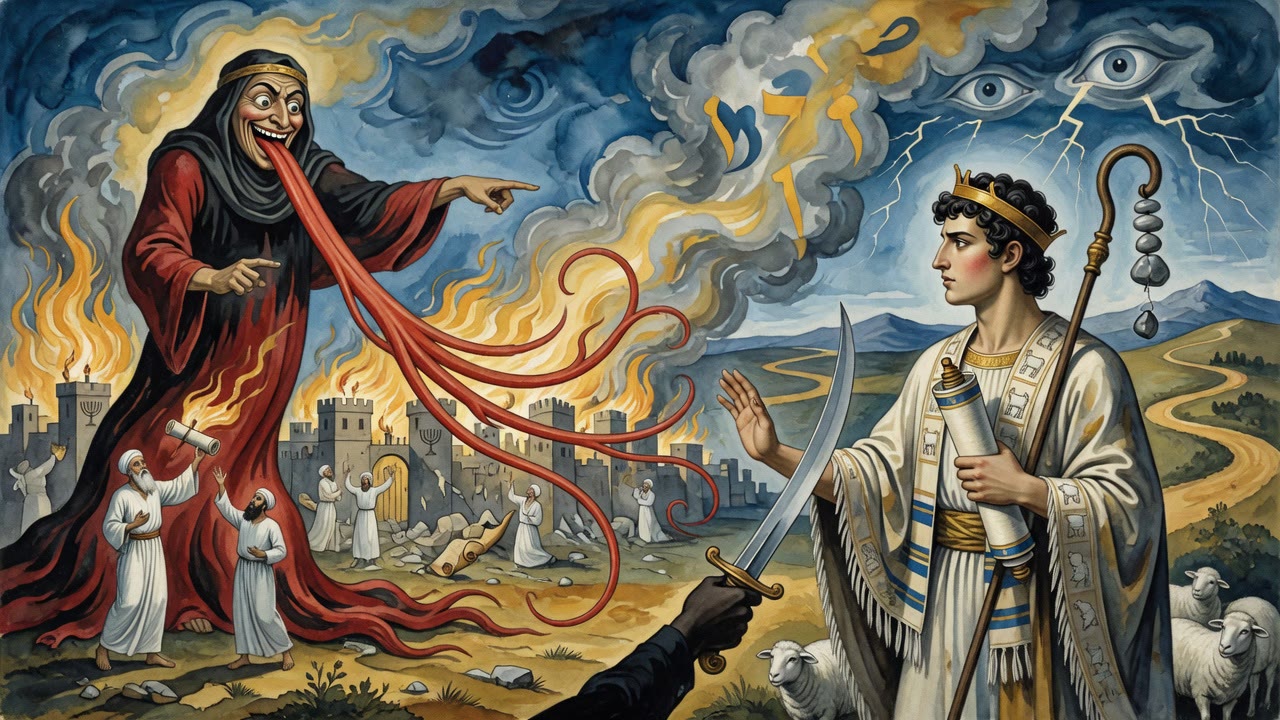
She's a Jewish widow, her city of Bethulia is under siege by the Assyrian army, and things look… bleak. But Judith? She’s not one to back down from a challenge. Now, remember, the ...

Tobiyyah's Journey of Media

Apocrypha Apocrypha & Pseudepigrapha

That’s precisely where Tobiyyah finds himself in the Book of Tobit. He needs to journey to Media – a long and perilous trip – to retrieve money owed to his father. But who will gui...

A King's Advisor Says Think Before You Act

Apocrypha Apocrypha & Pseudepigrapha

The Letter of Aristeas, a fascinating ancient text, gives us some clues. It recounts the story of how the Hebrew Bible was translated into Greek – the Septuagint – but tucked away ...

Dan Warns His Children That Anger Opens the Door to Beliar

Apocrypha & Pseudepigrapha Apocrypha & Pseudepigrapha

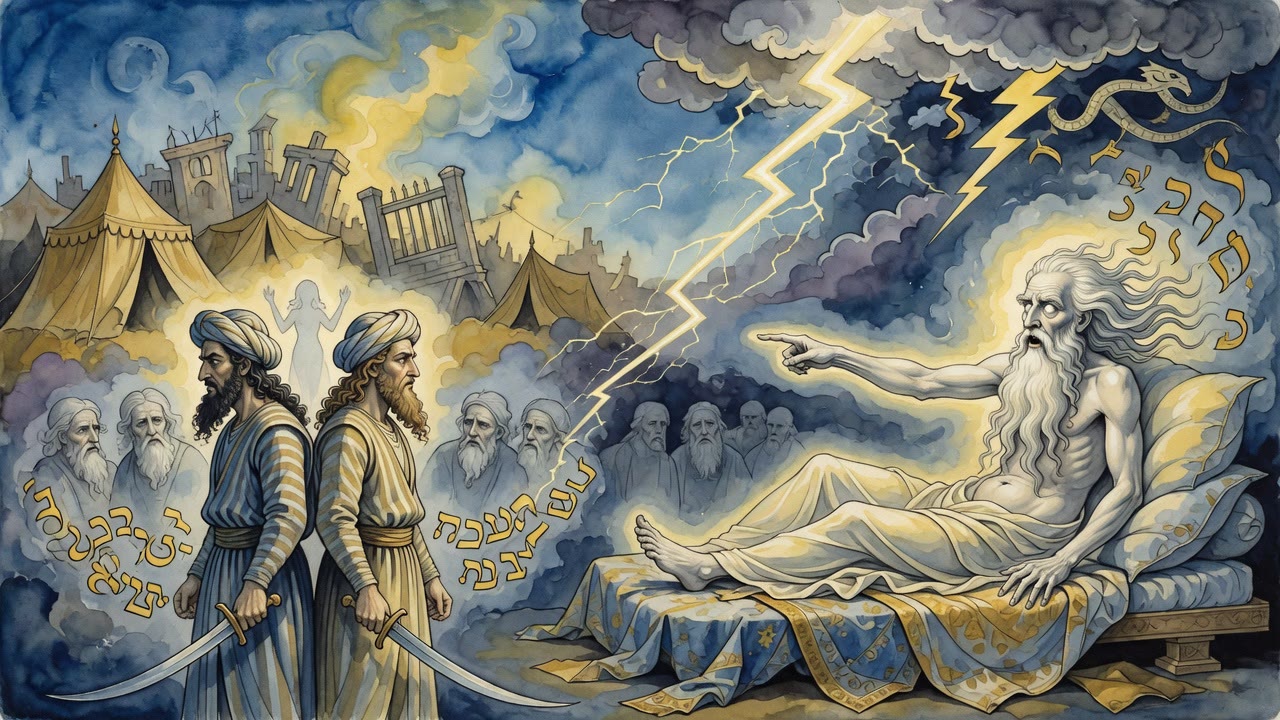
Dan, seventh son of Jacob, born of Bilhah, called his family together in the hundred and twenty-fifth year of his life. He had proved something in his heart through his entire exis...

Sodom's Journey

Ginzberg Legends of the Jews (Ginzberg)

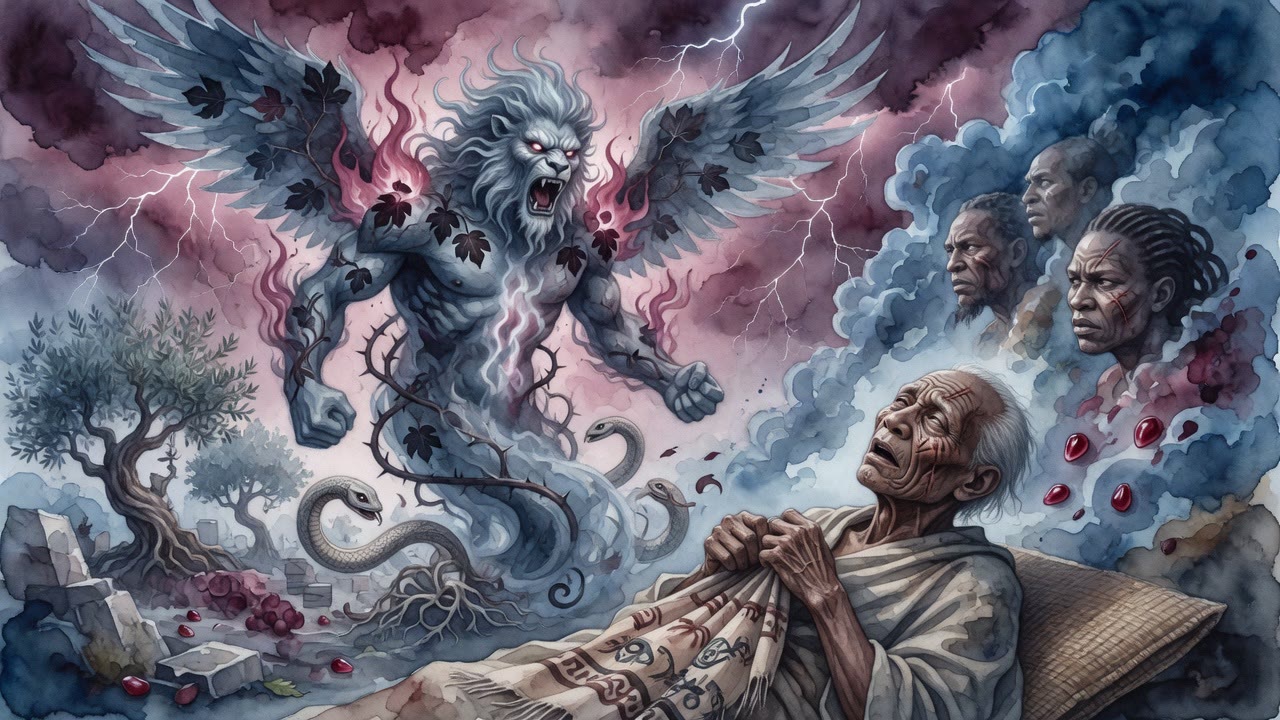
Let me tell you a story that'll make your blood boil – a classic Sodom tale of deception, greed, and just plain audaciousness. Imagine you're traveling through the ancient world, w...

Simeon Described How Judah Sold Joseph to the Ishmaelites

Ginzberg Legends of the Jews (Ginzberg)

It’s a story of family betrayal, simmering rage, and, ultimately, a hard-won path to self-control. The drama unfolds like this: the brothers are out tending the flocks. Joseph, the...

Balak Leads Balaam to the High Places of Baal

Ginzberg Legends of the Jews (Ginzberg)

Let’s talk about Balaam and Balak, two figures from the Torah whose story is a masterclass in the art of near-misses and thwarted curses. The next morning, after their initial fail...

Elijah Appears During Ahab's Reign of Idol Worship

Ginzberg Legends of the Jews (Ginzberg)

Or perhaps, an unshakeable faith. Our story begins with Elijah, a figure who embodies that very spirit. We find him first appearing during the reign of King Ahab, a period marked b...

The Nose of Arich Anpin and Divine Patience

Other Texts Kabbalah & Mysticism

Yeah, you heard me right. to the Idra Zuta, a section of the Zohar, the central text of Kabbalah. This is heady stuff, dealing with the most esoteric realms of Jewish mysticism. We...

No Stranger May Eat the Passover - Not Heretics and Not Gentiles

Mekhilta DeRabbi Yishmael Mekhilta DeRabbi Yishmael

The Torah states a blunt exclusion about the Paschal lamb: "No stranger may eat of it." The Mekhilta explains who "stranger" includes, and the answer is broader than it first appea...

And when Israel do His will, there is no wrath before Him, viz

Mekhilta DeRabbi Yishmael Mekhilta DeRabbi Yishmael

The Mekhilta DeRabbi Yishmael presents a teaching about the direct connection between Israel's obedience and God's wrath, expressed through two contrasting verses that form a perfe...

It is not written "You have sent forth Your wrath," but

Mekhilta DeRabbi Yishmael Mekhilta DeRabbi Yishmael

The Mekhilta identifies another future-tense verb in the Song at the Sea. It is not written "You have sent forth Your wrath" — as if God's anger were already spent — but "You will ...

A certain philosopher asked R

Mekhilta DeRabbi Yishmael Mekhilta DeRabbi Yishmael

A certain philosopher asked R. Gamliel: It is written in your Torah "for the L–rd your G–d is a wrathful G–d." Now is there power in idolatry to arouse wrath (in G–d)? One here is ...

Abraham called himself a stranger, viz

Mekhilta DeRabbi Yishmael Mekhilta DeRabbi Yishmael

Abraham called himself a stranger. (Genesis 23:4): "A stranger and a sojourner am I with you." David called himself a stranger. (Psalms 119:19): "I am a stranger in the land." And ...

and the stranger" — This refers to a ger toshav (a

Mekhilta DeRabbi Yishmael Mekhilta DeRabbi Yishmael

"and the stranger": This refers to a ger toshav (a "sojourning stranger [one who shuns idolatry and observes the seven Noachide laws]). But perhaps it refers to a ger tzedek (a "ri...

David Felt Like a Stranger Longing for God's Commandments

Midrash Aggadah Midrash Aggadah

King David did. And his feelings echo across the millennia to us. (Psalm 119:19) says, "I am a stranger in the land; do not hide your commandments from me." It’s a powerful line, f...

God's Burning Wrath When He Departed from the Tent

Other Texts Midrash Aggadah

Like you’re sitting there, head spinning, wondering, “What did I even DO?” Well, the Torah, in its infinite wisdom, actually gives us some pretty clear guidance on this very issue....

Pinchas and the Lawgiver

Other Texts Midrash Aggadah

The Torah, in the book of Numbers (Bamidbar), hints at a very similar situation involving Pinchas, a figure known for his zealousness. So, who was Pinchas and why was his lineage u...

The Intensity of God's Refusal to Let Moses Enter

Other Texts Midrash Aggadah

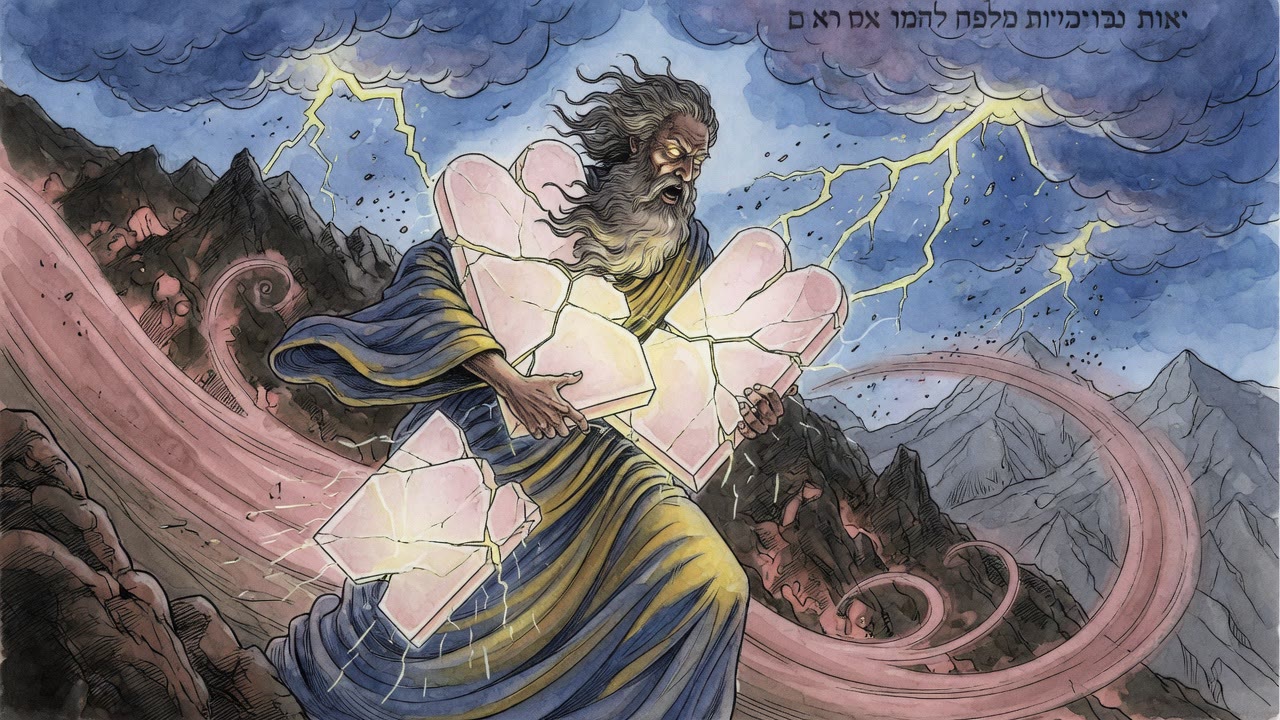
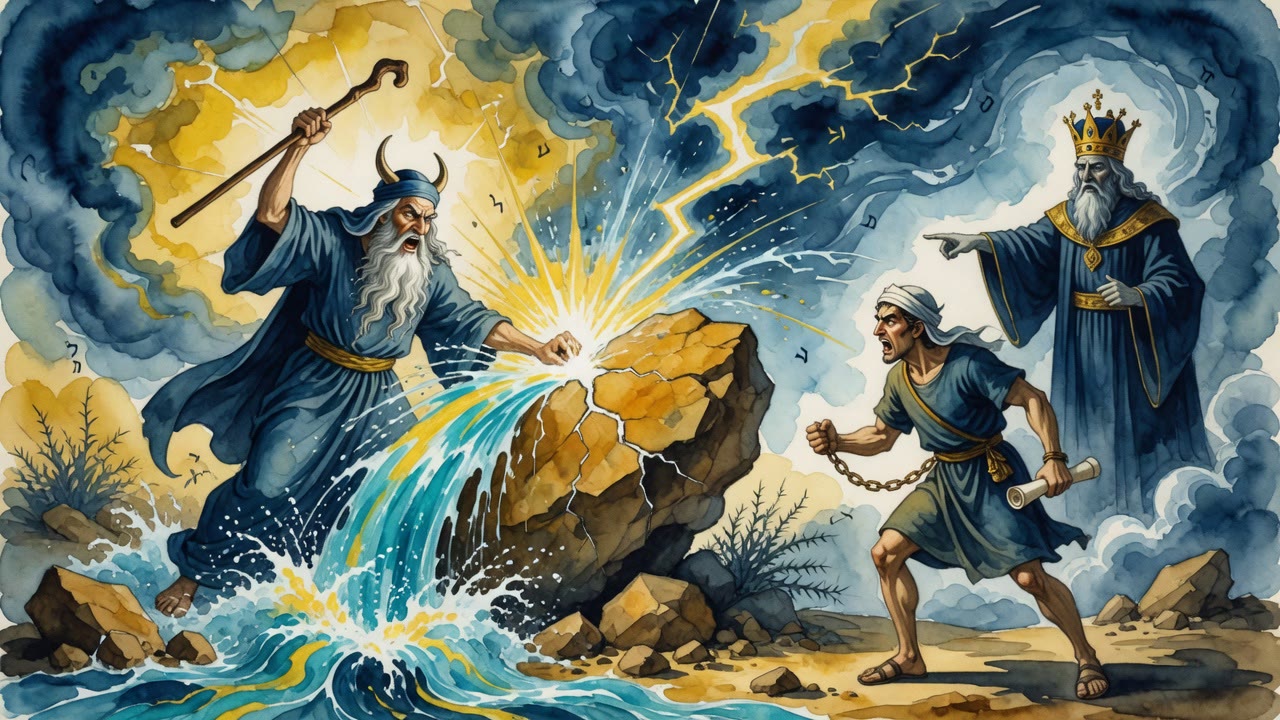
We all know the story: Moses, after leading the Israelites for forty long years, is denied entry into the Promised Land. But have you ever stopped to consider the intensity of that...

Yalkut Shimoni 238

Midrash Aggadah Midrash Aggadah

"And the waters will came back and cover the chariot and the horsemen" (Exodus 14:26) And even Par'oh, according to Rabi Yehuda, as it says "the chariots of Phar'oh and his army" (...

[When] a man goes to honor the rulers, he goes full and

Midrash Aggadah Midrash Aggadah

... [When] a man goes to honor the rulers, he goes full and returns empty. But the Holy One, blessed be He, is not like this. Rather we go to him empty and we return full, as it is...

“This day, the ladies of Persia and Media, who have heard

Midrash Rabbah Midrash Rabbah

“This day, the ladies of Persia and Media, who have heard of the queen’s deed, will tell it to all the king’s princes, and there will be no end [kedaiy] of humiliation and wrath” (...