14 myths
Each story names the sources it was written from.
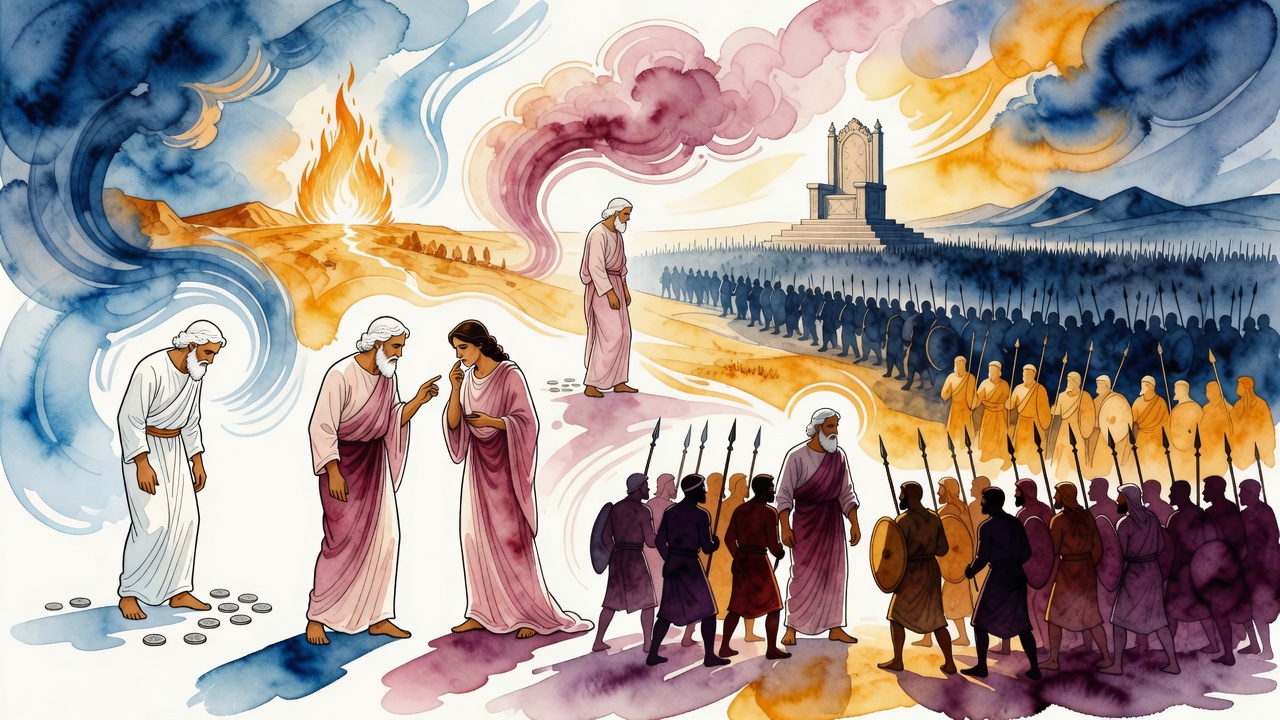
The Egyptian lord held Benjamin. Judah stepped forward and offered his own neck. Years earlier he had sold a brother for silver.
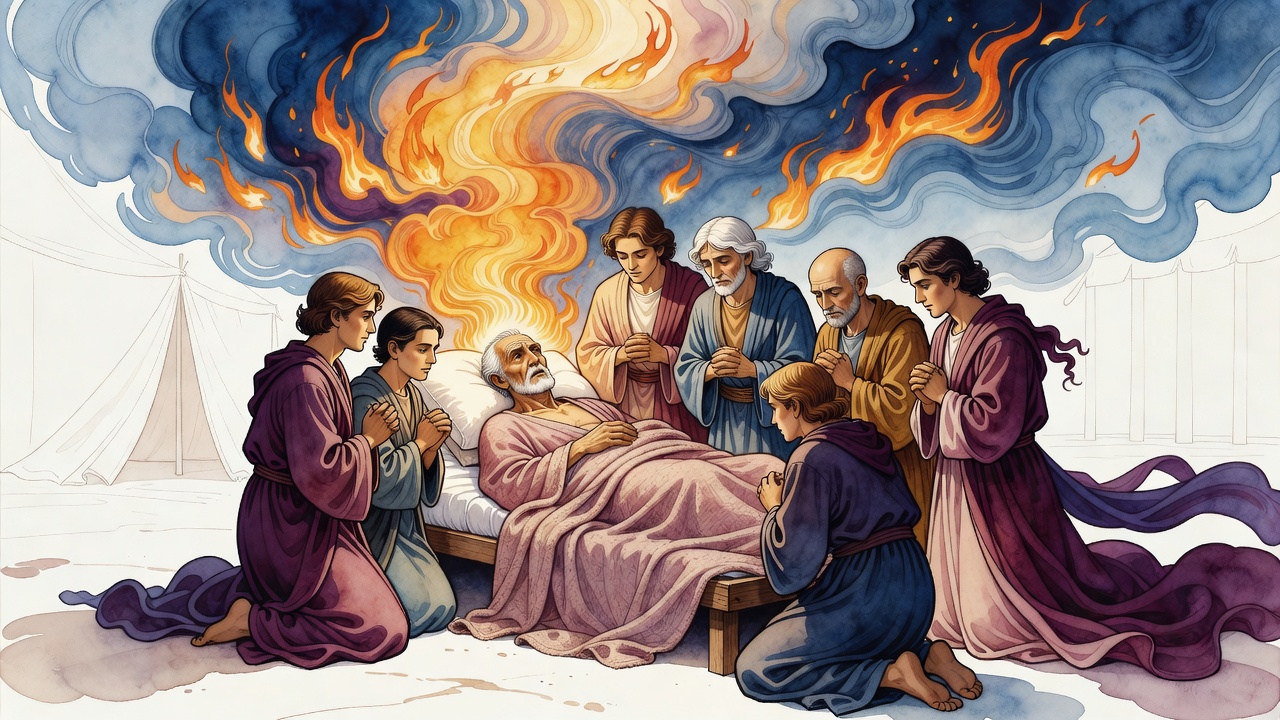
On his deathbed Judah named every strength he had possessed, then told his sons what had undone him. The wine did what war never could.
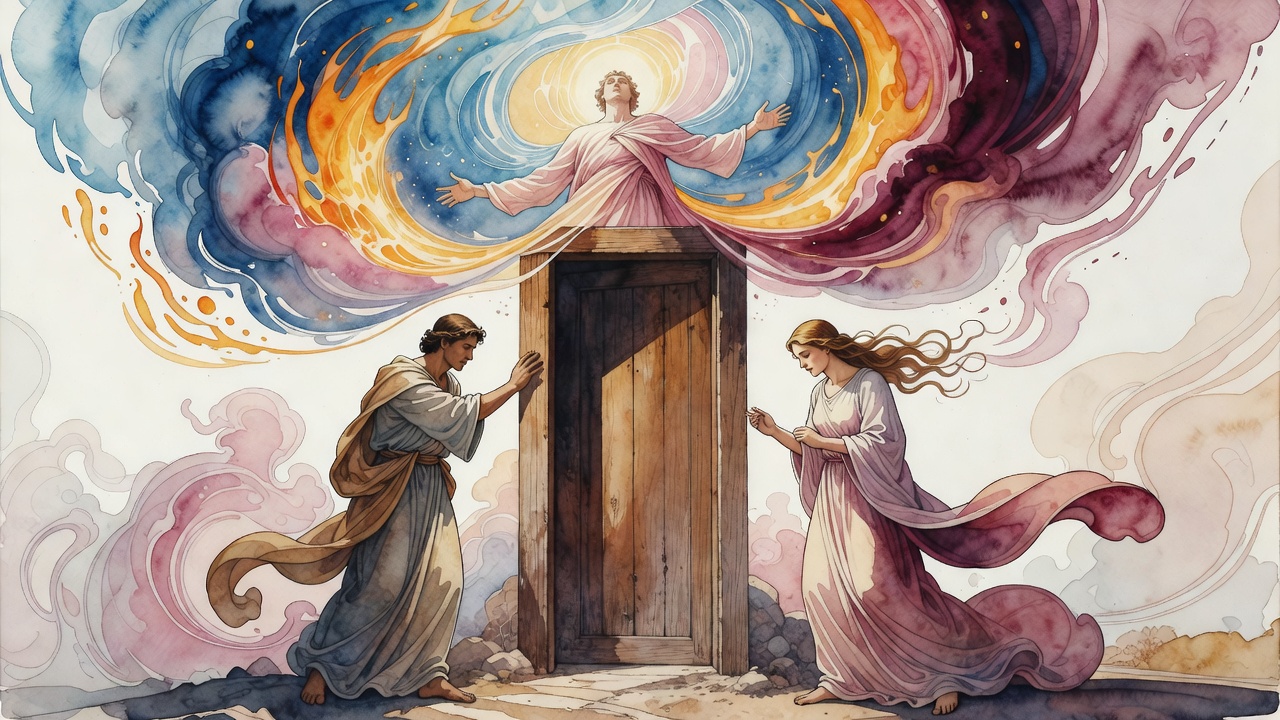
He took the offer back once she opened the latch. She swore by the throne of God, and by the tree of life, before he climbed.
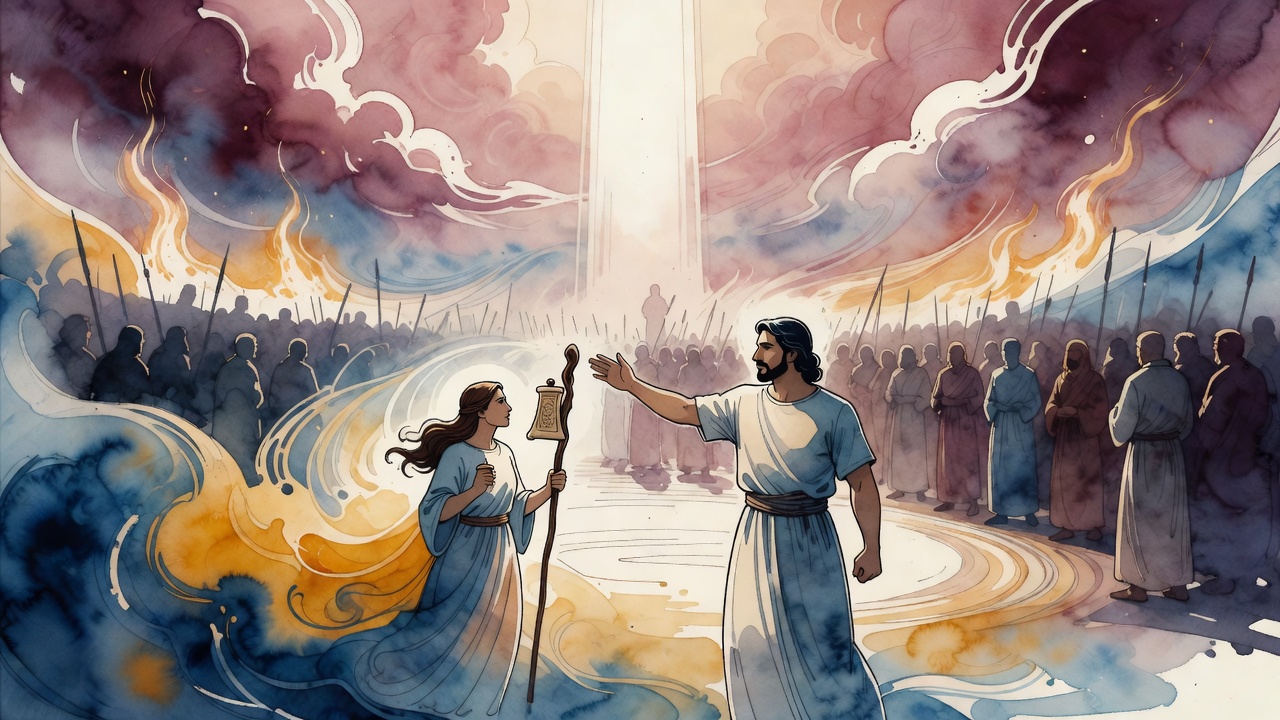
His roar carried four hundred parsangs. Hushim son of Dan heard it in Canaan and jumped. Egypt came close to turning over that afternoon.
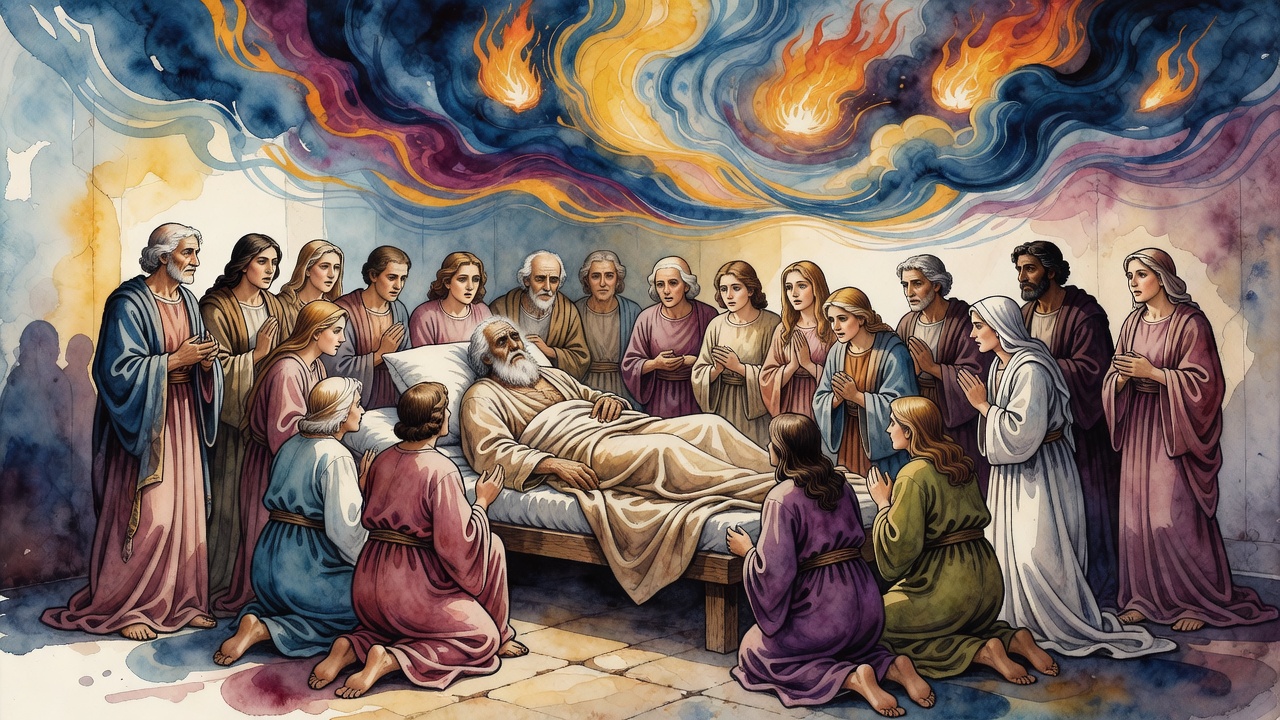
On his deathbed, the patriarch Simeon gathered his children and named the force that had once brought him to the edge of fratricide: not hatred, but envy.
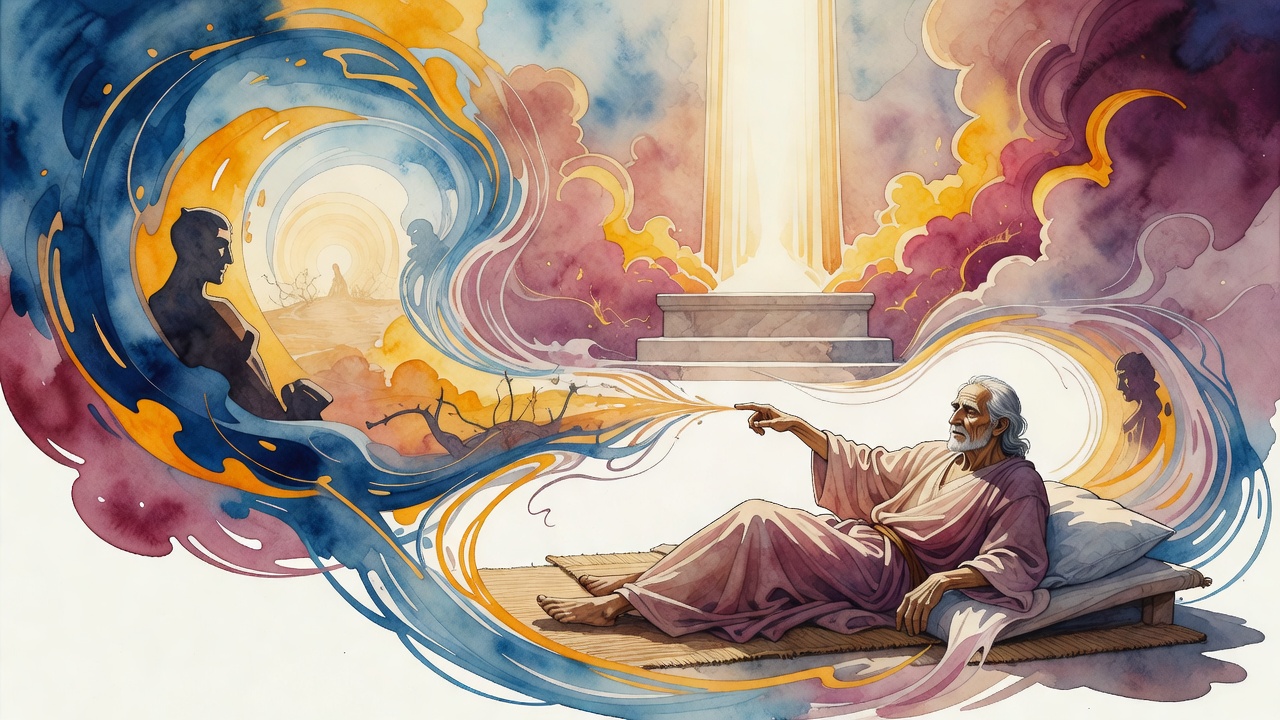
On his deathbed, Simeon confessed he had planned Joseph's murder in his heart and traced the same spirit back through Cain to the first morning of the world.
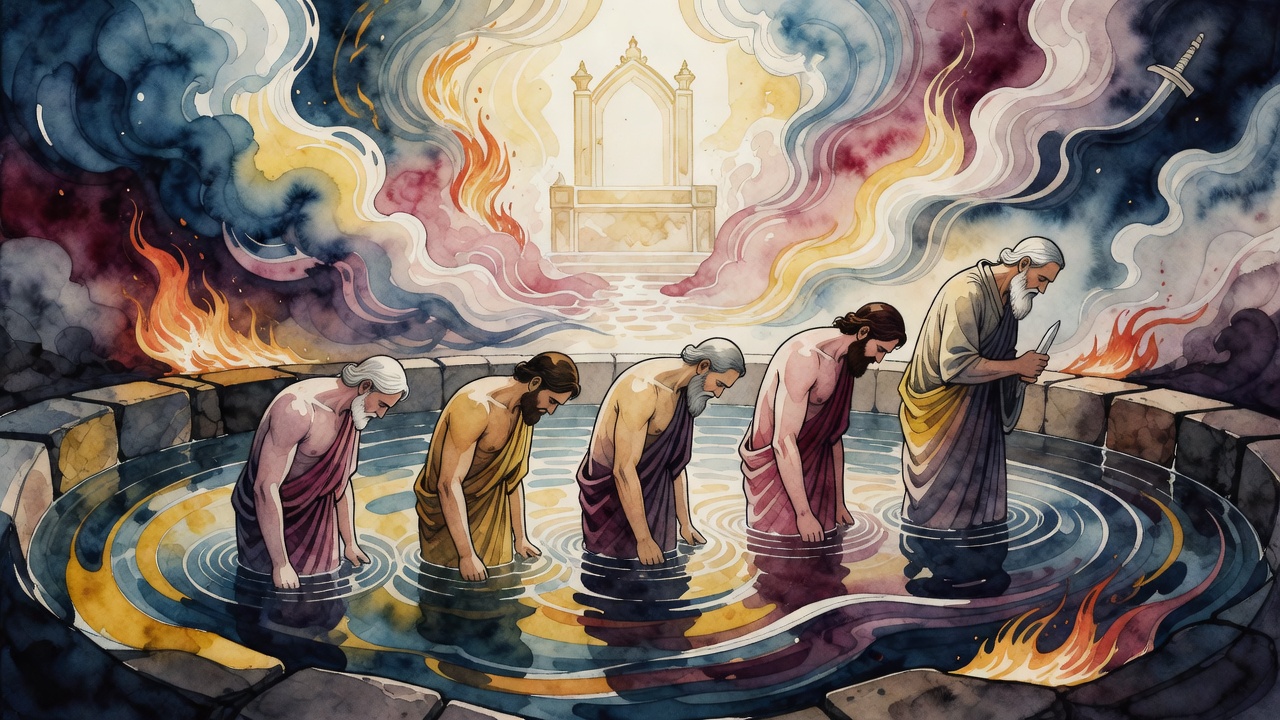
Confession left his mouth with the water still at his throat. He walked home with wet hair and no argument left in his chest.
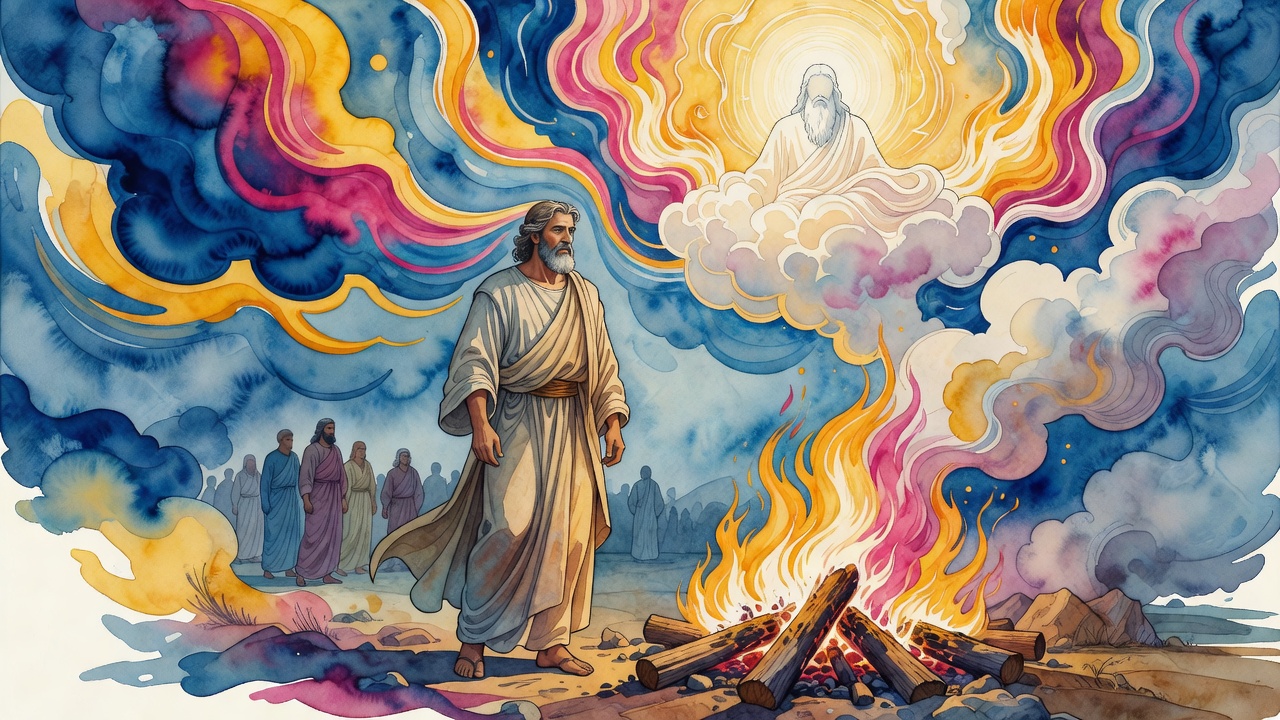
Judah left his brothers after Joseph's sale. At Tamar's pyre he said she was more righteous. That confession bought the tribe its crown and lion name.
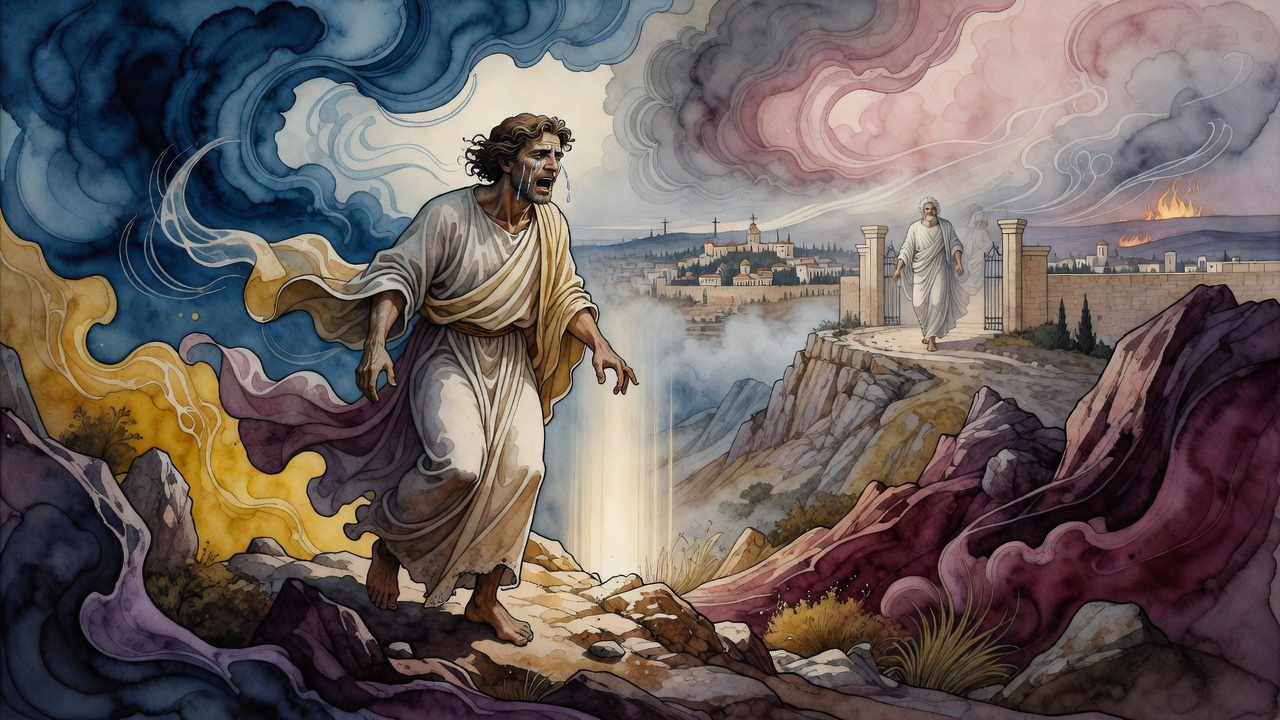
On the Mount of Olives David climbs barefoot, tears on his face, a psalm in his mouth. Absalom takes the city, and measure for measure walks with the king.
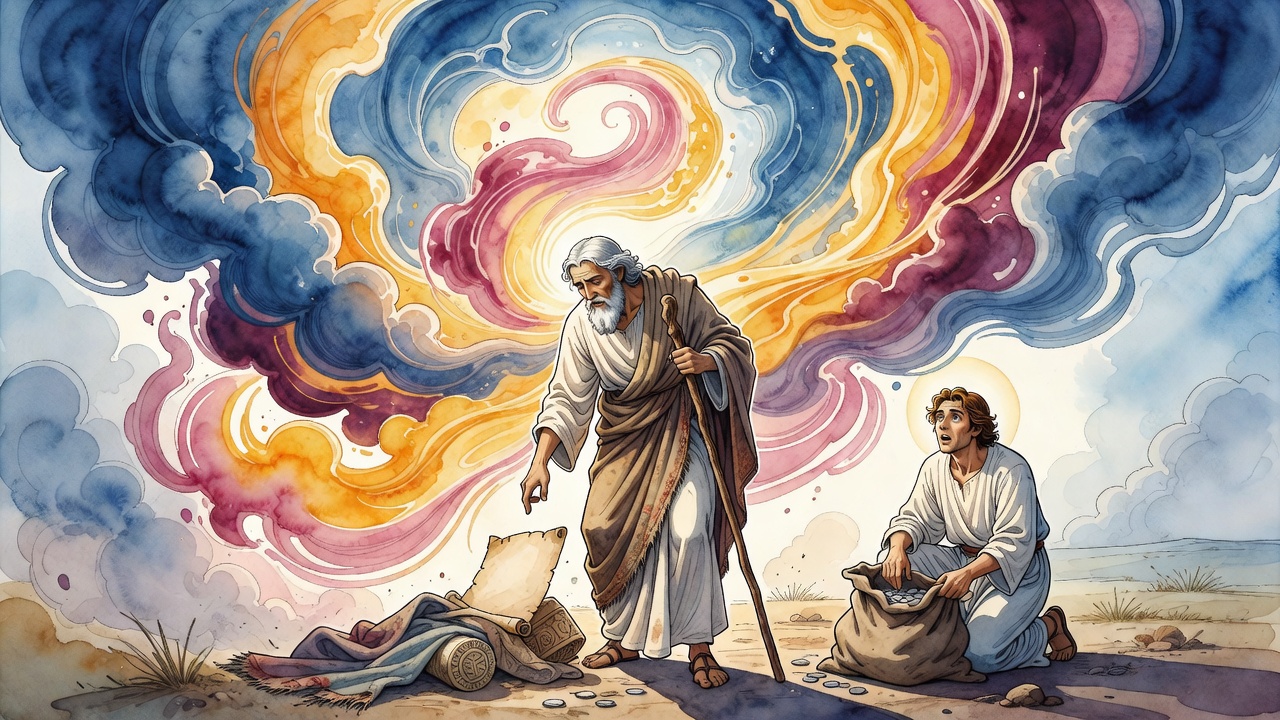
Tamar stood ready for the fire with Judah's staff on the table. He had a speech that could save his name. He did not give it.
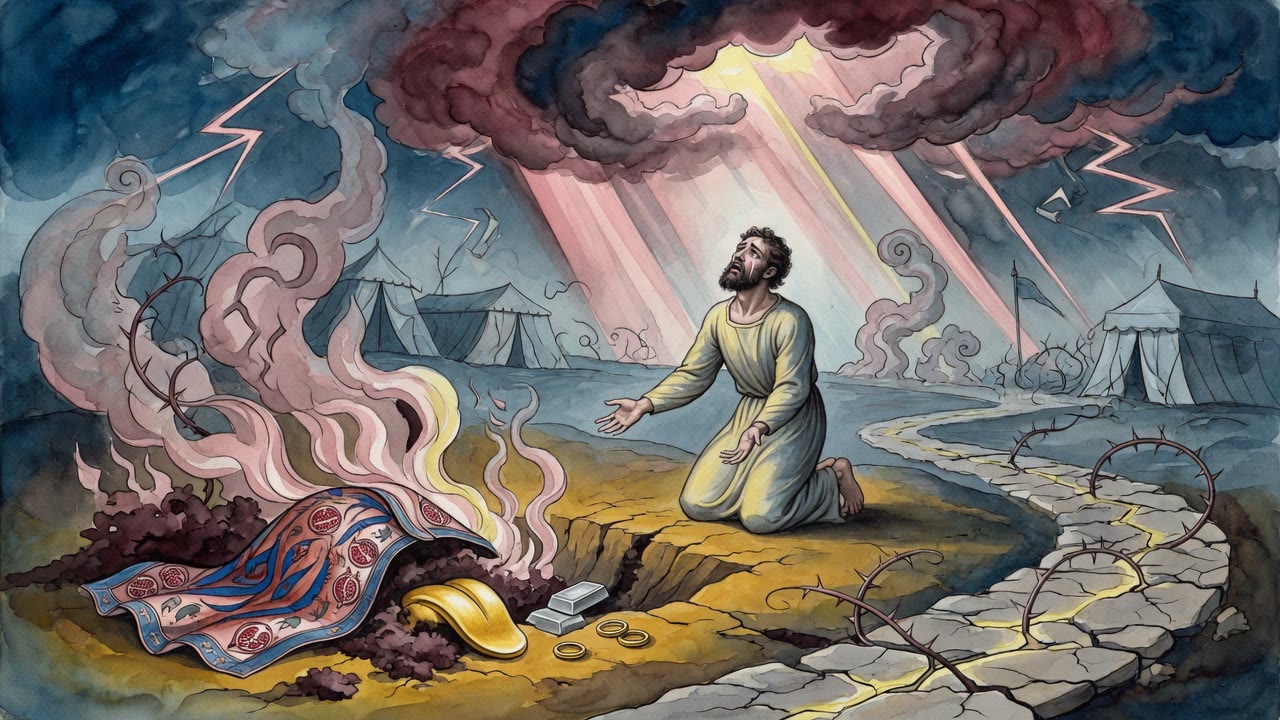
Achan hid spoil under his tent and troubled Israel. When he confessed, the sages said he marked the road for every penitent after him.
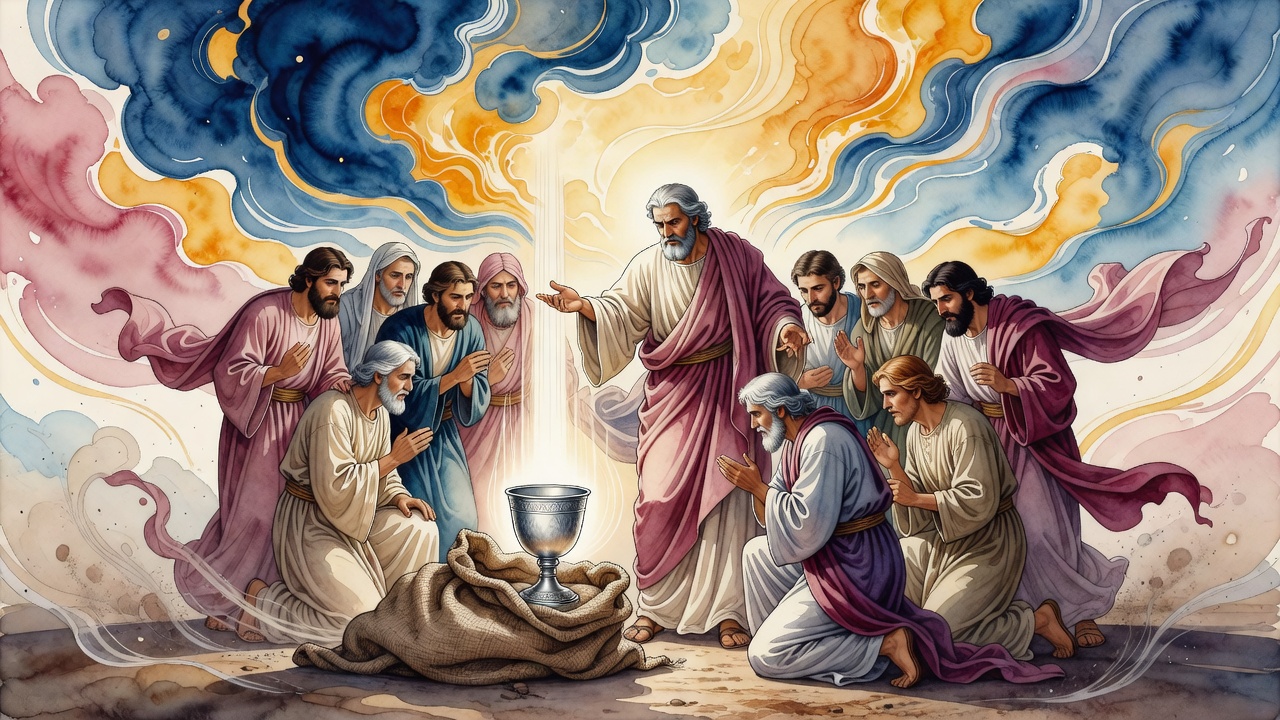
Grain spilled. The vizier's cup rang on a stone at Benjamin's feet. Judah had sold a brother once. He would not walk home in peace again.
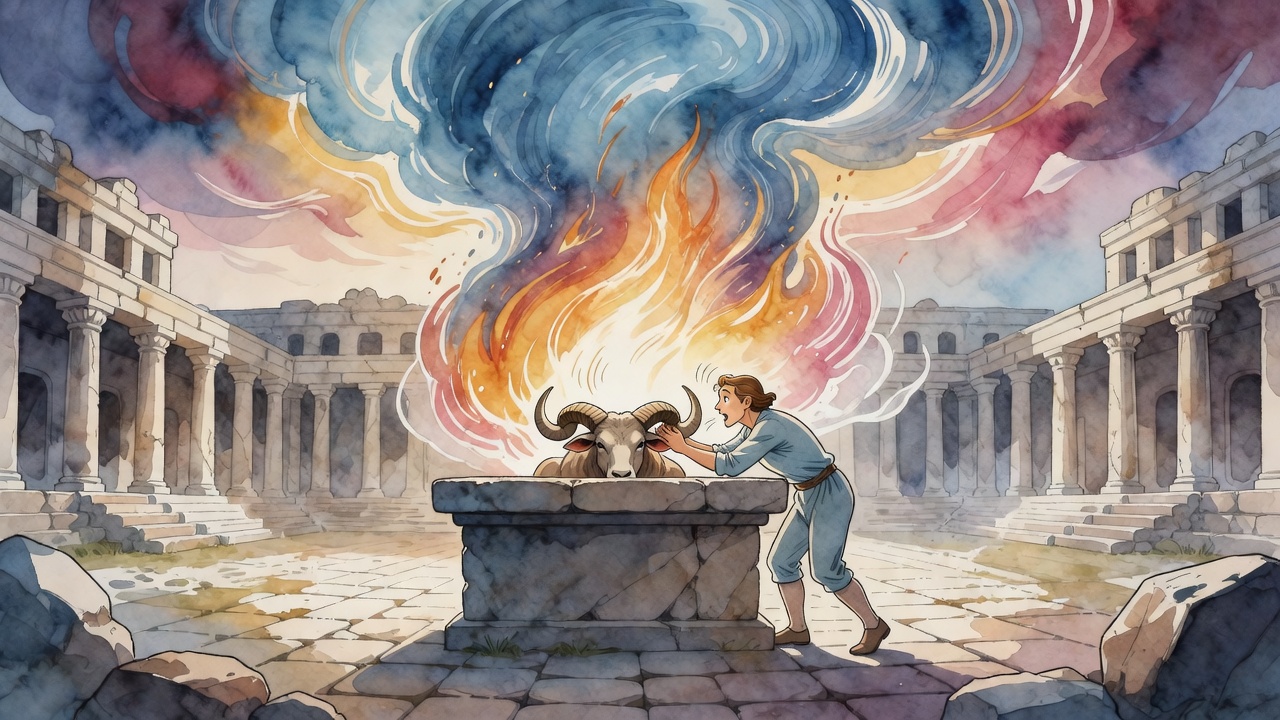
The animal faced west in the north court. A servant reached for the horns and was pulled back. The owner had to lean with his own palms.
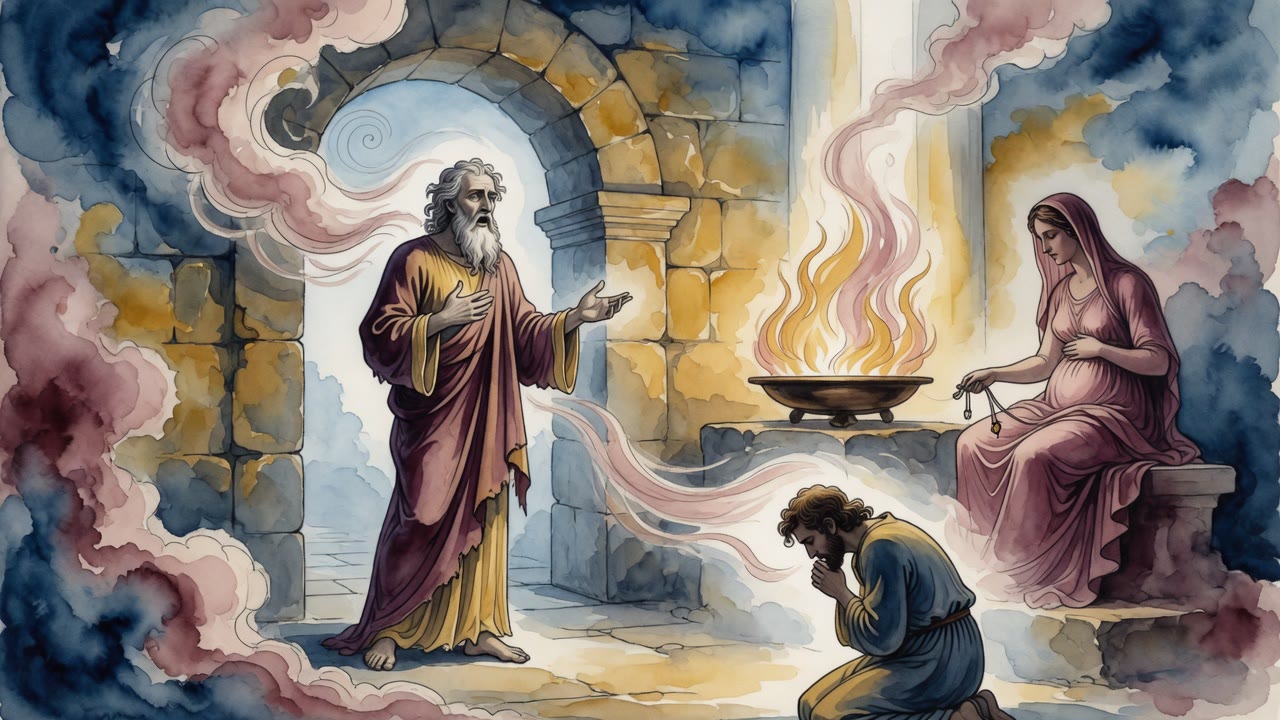
Judah named his shame in the gate while Tamar waited for fire. That public mouth taught Reuben how to confess, and the blessing said he would live.
