Judah Told His Children What Wine and Pride Had Cost Him
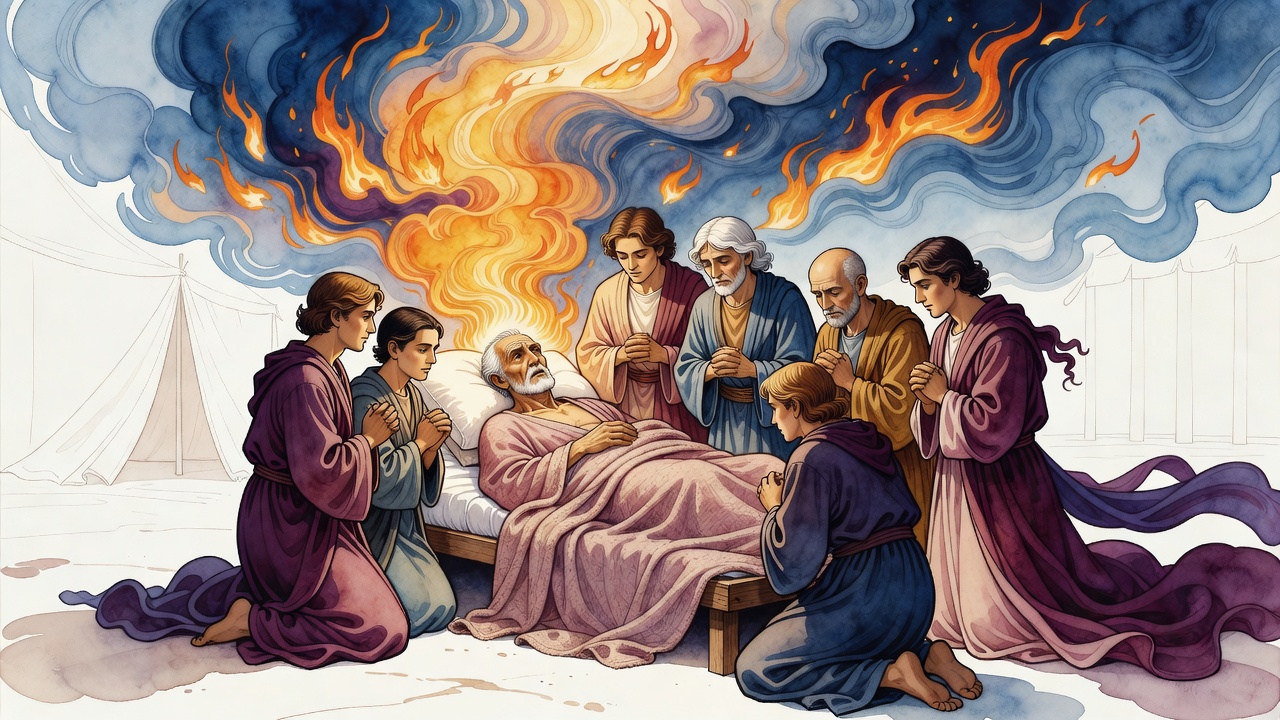
On his deathbed Judah named every strength he had possessed, then told his sons what had undone him. The wine did what war never could.
Table of Contents
 Click for full size
The Inventory of His Strength
Judah began with the record. He told his children he had been faster than a hind in his prime, strong enough to catch wild horses with his hands, brave enough to kill a lion by himself and pull a kid from its jaws. He had fought in the wars the sons of Jacob waged against the kings of Canaan and against Esau's sons in the hill country, and in those battles he had been the one the others looked toward when the line was breaking. Jacob had seen in a vision an angel of strength walking at Judah's side on every road, and had told him so, and Judah had believed it because everything in his experience confirmed it.
He had even, he admitted, been proud of his self-control with women. During the wars and raids, when the camps were full of captive women, he had kept himself apart. He had spoken publicly about this. He had criticized his brother Reuben for sleeping with Bilhah. He had held his virtue up as evidence of his character.
The Cup at Shua's Table
Then he told his sons what happened at the table of the Canaanite merchant Shua.
The wine was too strong and Shua's daughter was sitting nearby, and the spirit of passion took hold of Judah, and he married her without asking Jacob, without waiting for the house to settle after Joseph's disappearance, without thinking about what he was doing. This was the beginning of the decline the Testament of Judah traces with painful precision: the strong man undone not by war or treachery but by wine and a moment of desire he had previously scorned in his brother.
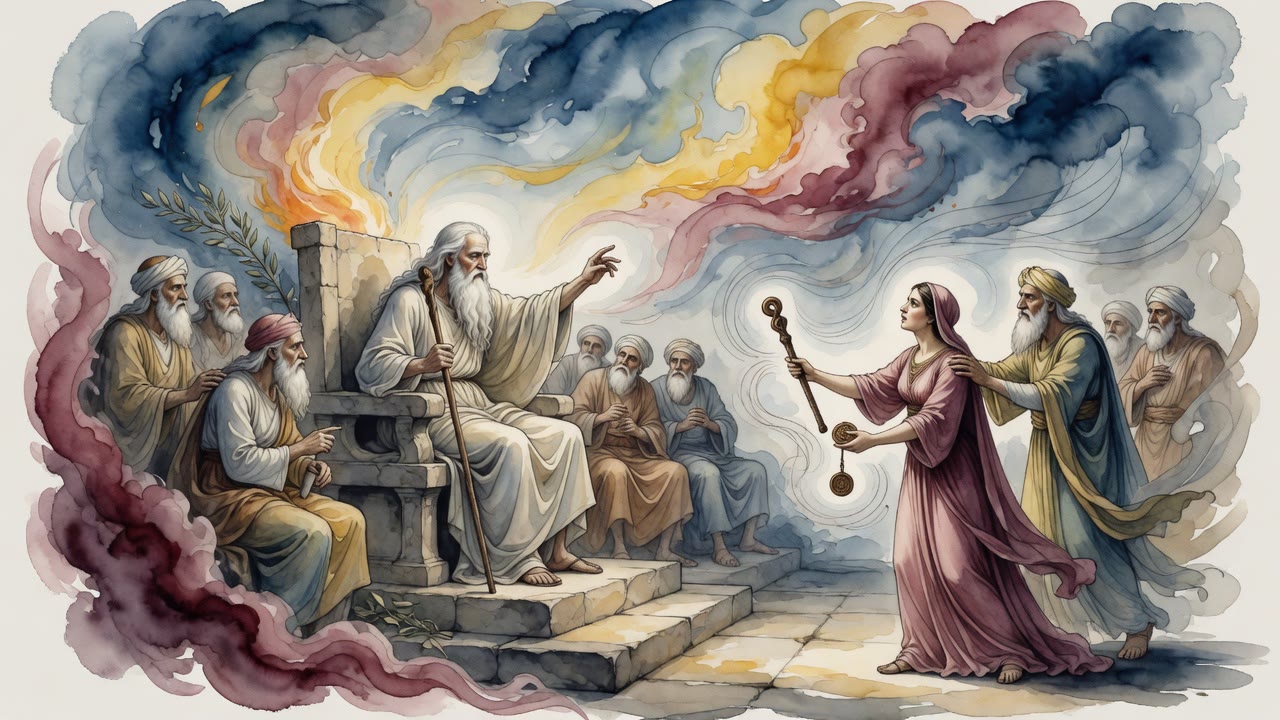
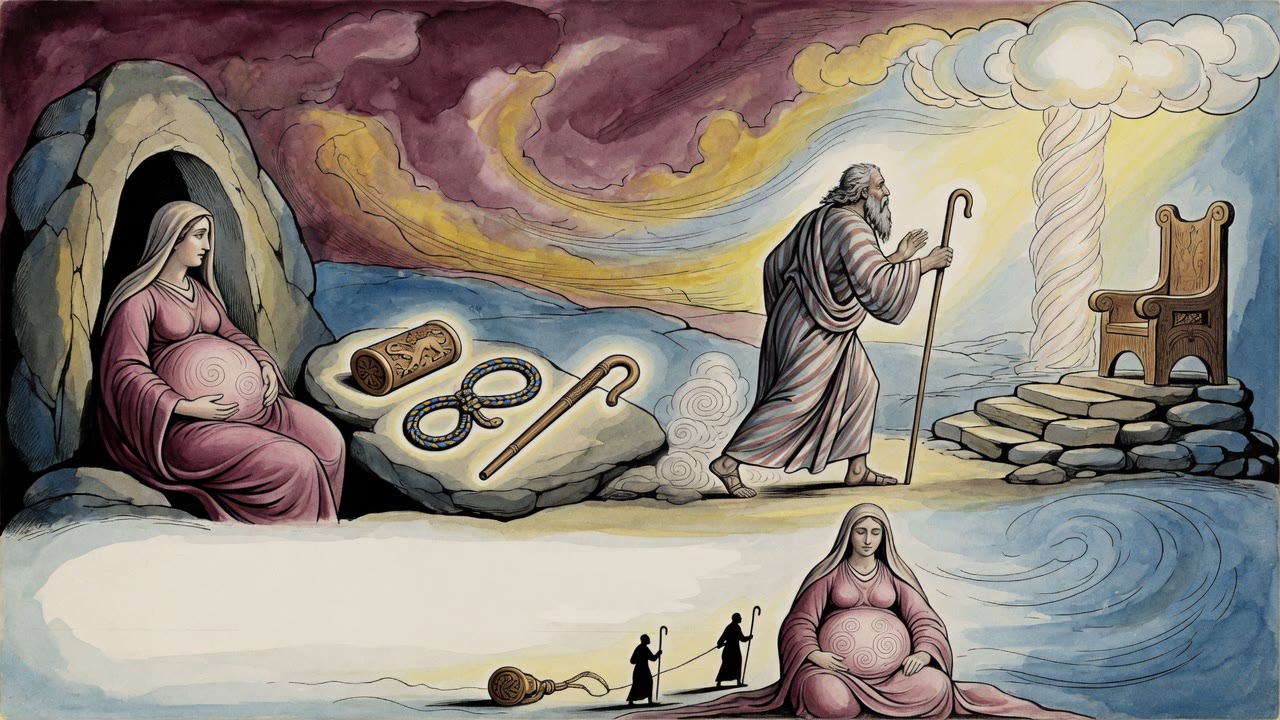
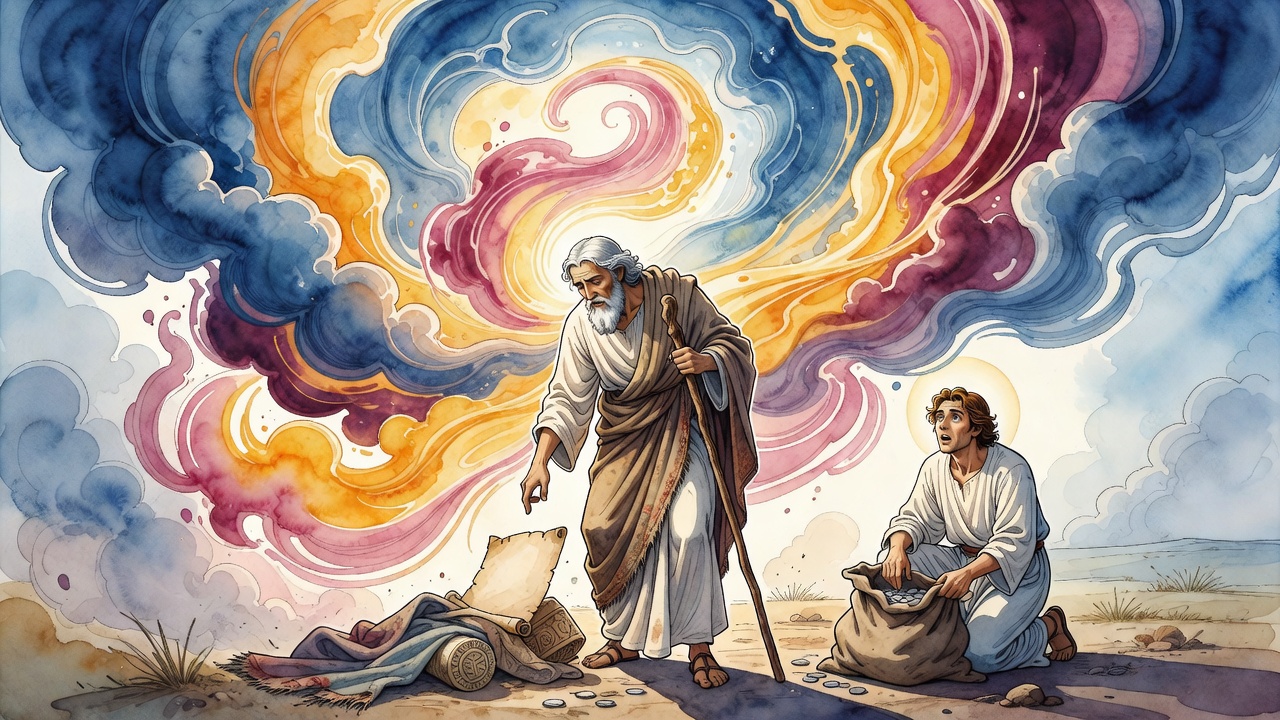
Two sons from this marriage died for their own wickedness. Then the third son, Shelah, was withheld from Tamar, and Tamar took matters into her own hands at the crossroads outside Timnah, and Judah's signet and cord and staff were in her possession, and Judah had to stand up in public and say: she is more righteous than I. Every pride he had cultivated about his virtue had been stripped from him in a single reckoning.
What the Wine Opened
The Testament of Judah names wine as the instrument of all of it. Wine removed the restraint that kept Judah apart from Shua's daughter at the feast. Wine was present when he visited what he took for a harlot at the crossroads. Wine and desire acted together, each amplifying the other, and the man who had survived wars without yielding could not survive a banquet. Judah told his sons this with the plainness of a man who had lived long enough that pretense had become too expensive to maintain.
He listed his failures in order: the marriage to Shua's daughter against his father's wishes. The deaths of Er and Onan. The wrong he did to Tamar by withholding Shelah. The sin at the crossroads. He did not minimize any of it. He had been greater than his errors, and his errors had been great.
The Messiah From the Line of Failure
At the end of the accounting, he turned to prophecy. He told his sons that from his line would come the king. Not because the line had been kept clean. Not because Judah had earned it. But because God had promised it to Jacob, and the promise ran through whatever vessels were available, broken ones included. From the union at the crossroads with Tamar had come Perez, and from Perez the line would run through generations to the anointed king who would come at the end of the age.
This is not a story about virtue being rewarded. It is a story about a promise being kept in spite of the person who was supposed to carry it. Judah confessed everything, named the Messiah, and died. He left his children the confession as the last gift he had to give: the truth of what a strong man's weakness looks like, told plainly, without asking for pity.
← All myths