66 myths · Page 1 of 3
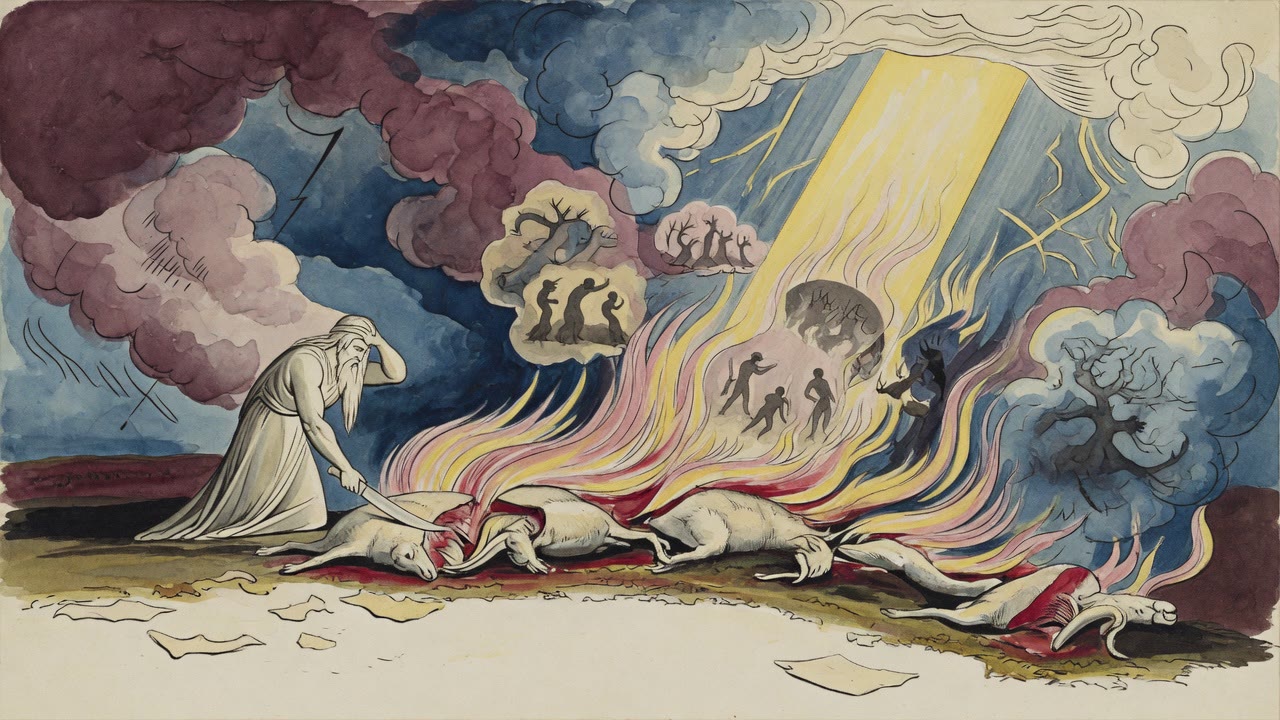
Abraham cuts the covenant animals at God's command. When darkness falls, fire passes through the pieces and shows him hell.
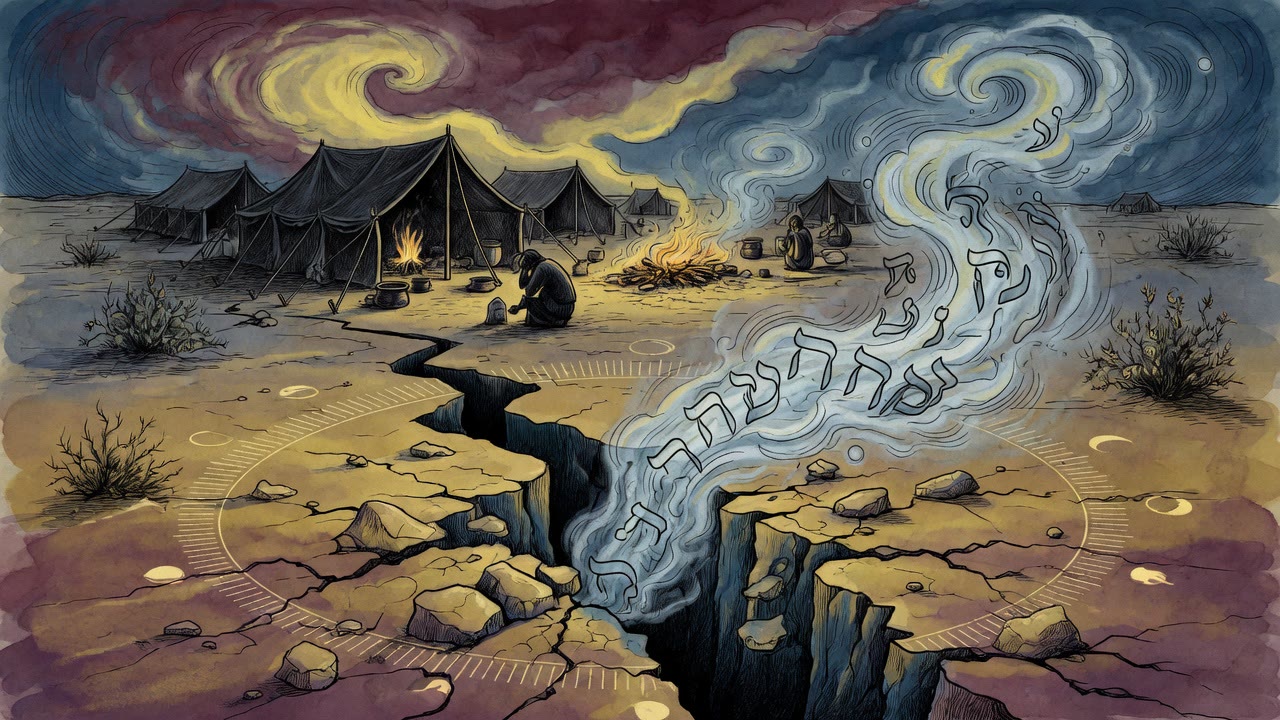
A Bedouin led Rabbah to two smoking cracks in the desert. Wet wool on a spear came up scorched. From below, Korah was still talking.
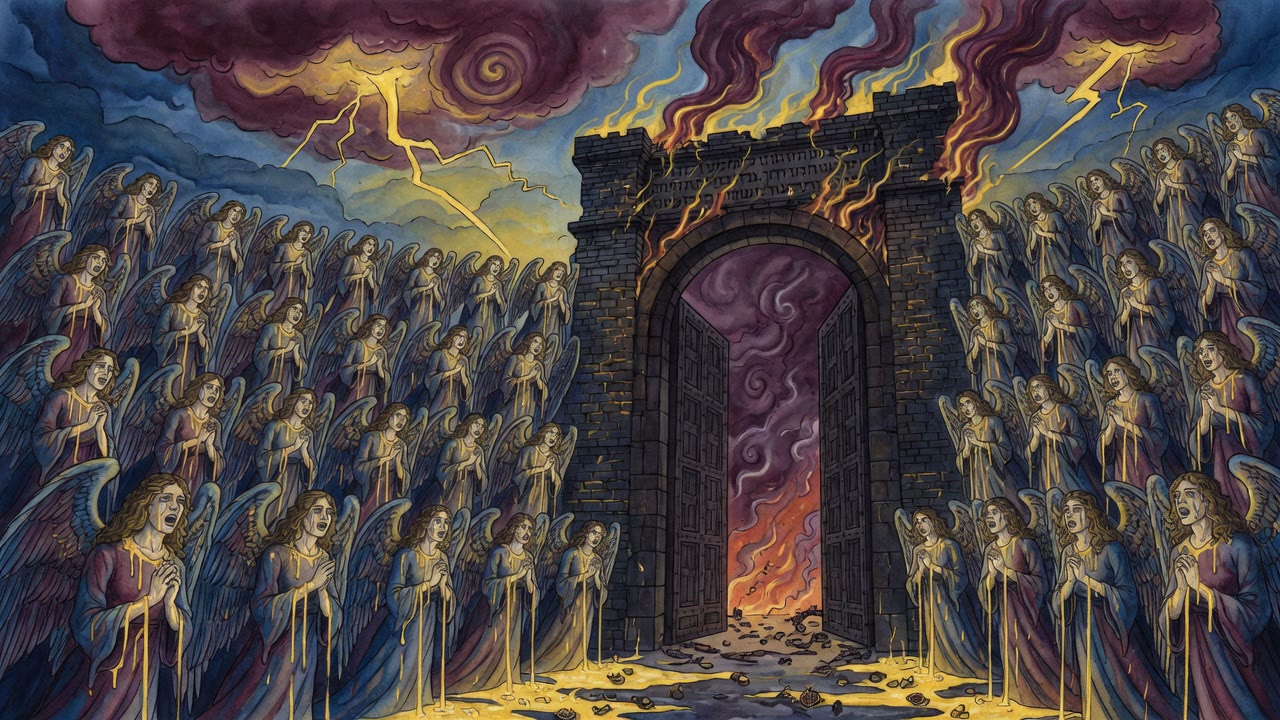
Inside the gate the angel Dumah waits. A soul arriving there has to say aloud its own name, its father's house, and the sin that brought it there.
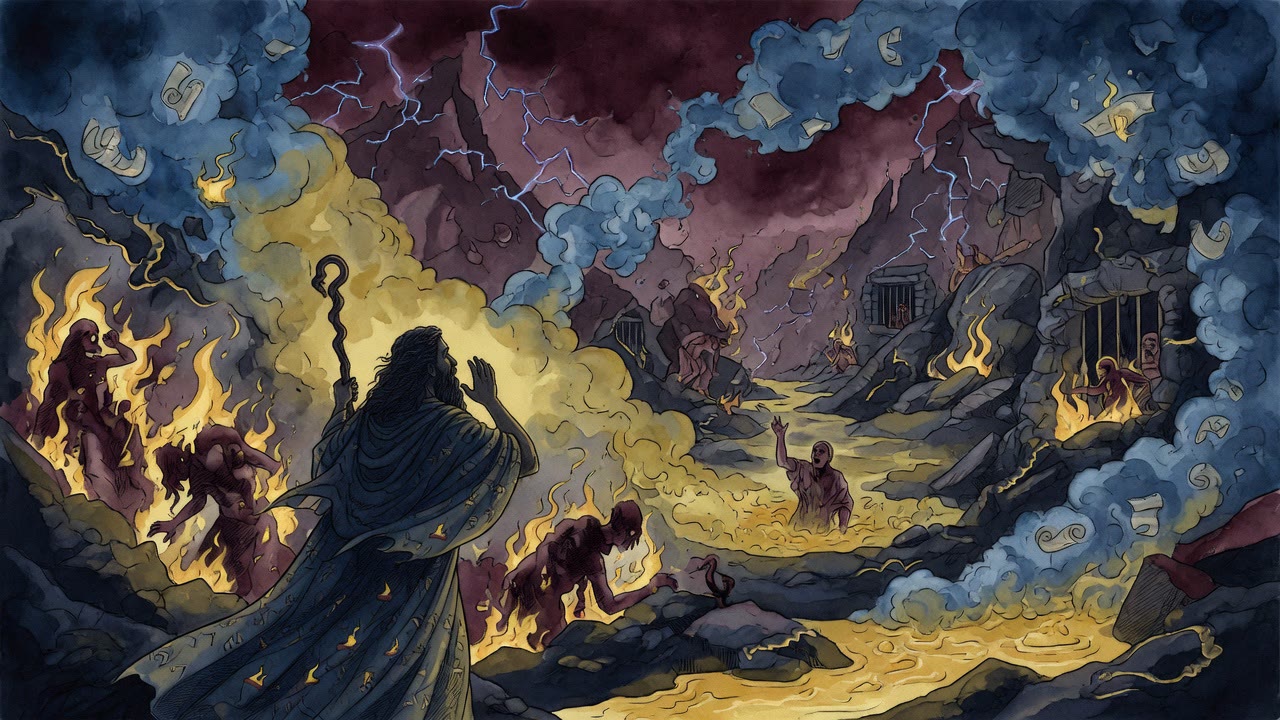
Moses saw the place of divine judgment on the same tour that showed him heaven. What he saw was not chaos. It was an exact inventory of social failures.
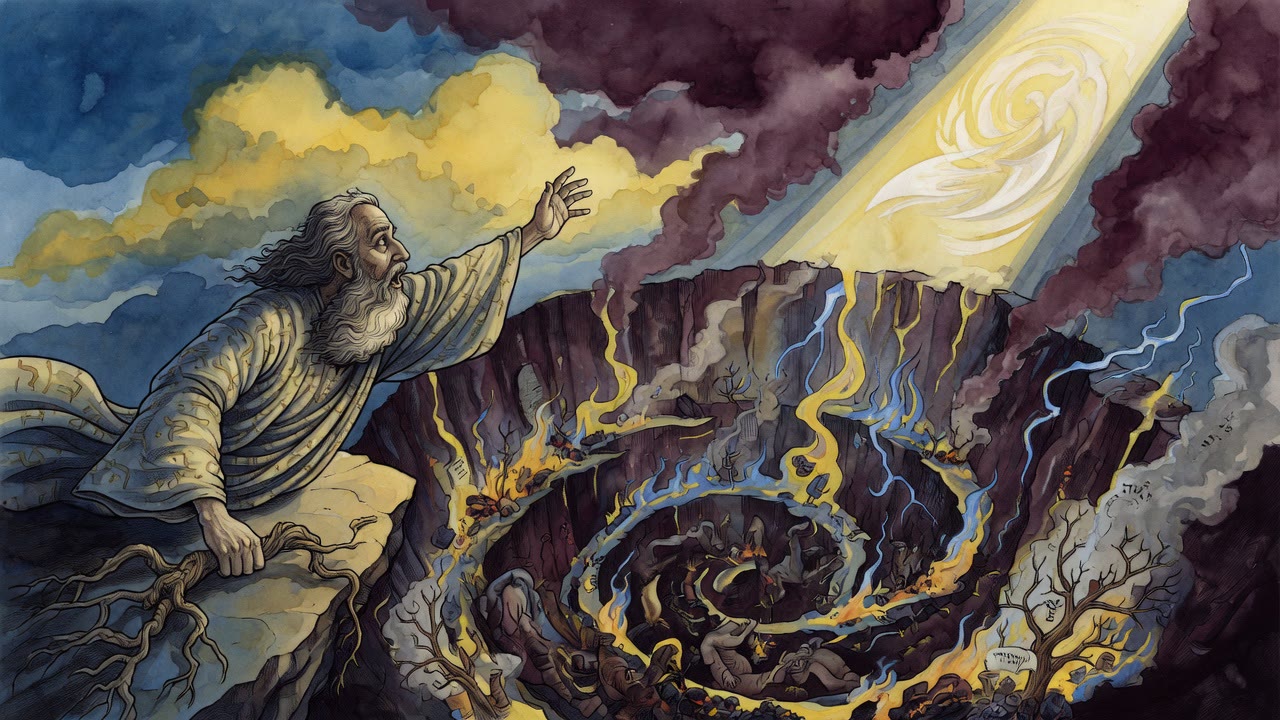
No dust rose on the road. Abraham, still healing, sent Eliezer anyway, then rose himself toward heat that had come up from below.
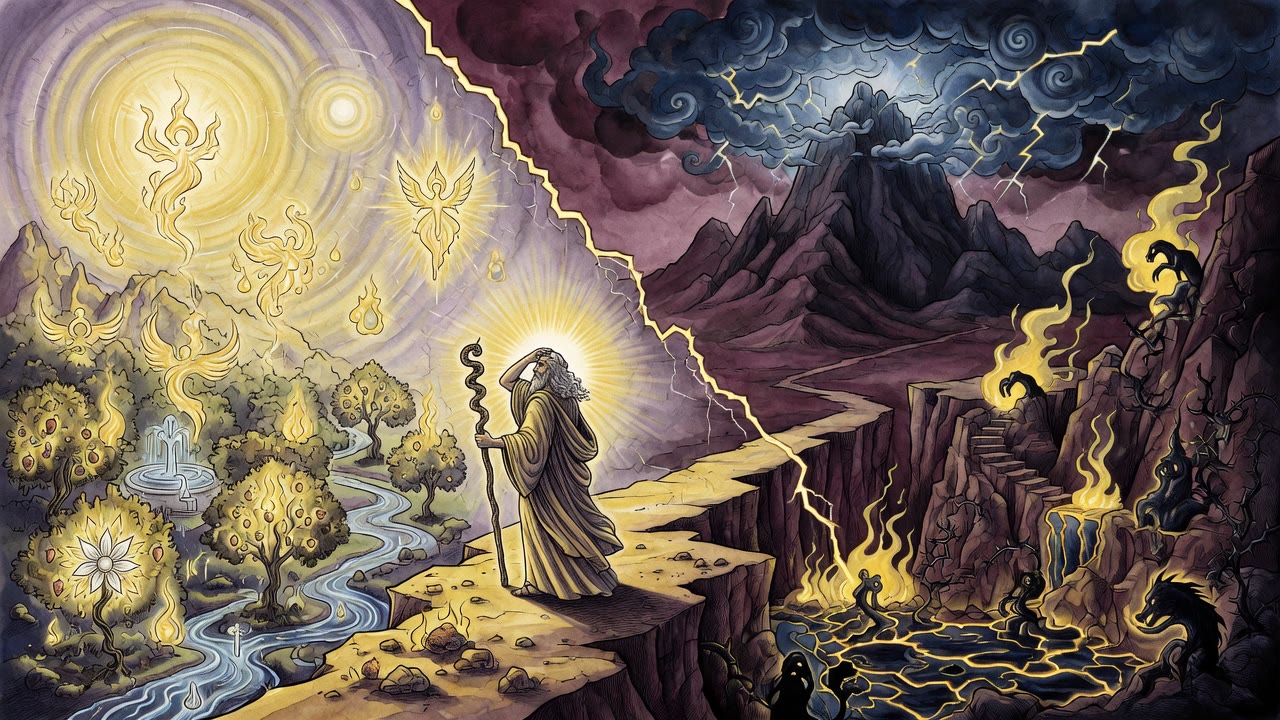
Before Moses left heaven with the Torah, God showed him both Paradise and Gehenna (afterlife of judgment). The fires retreated when he approached.
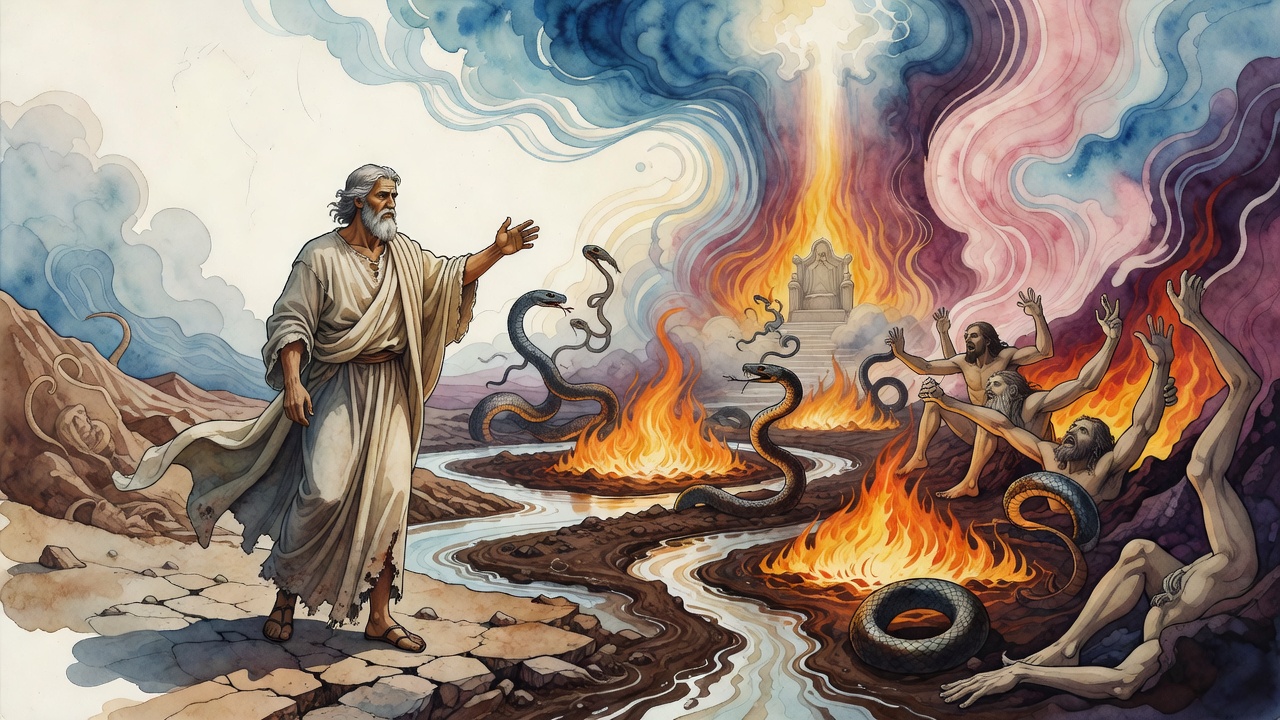
The sinners stood in mud up to their navels. Moses had not asked to see this. Then he stood on a mountain and was told not to cross.
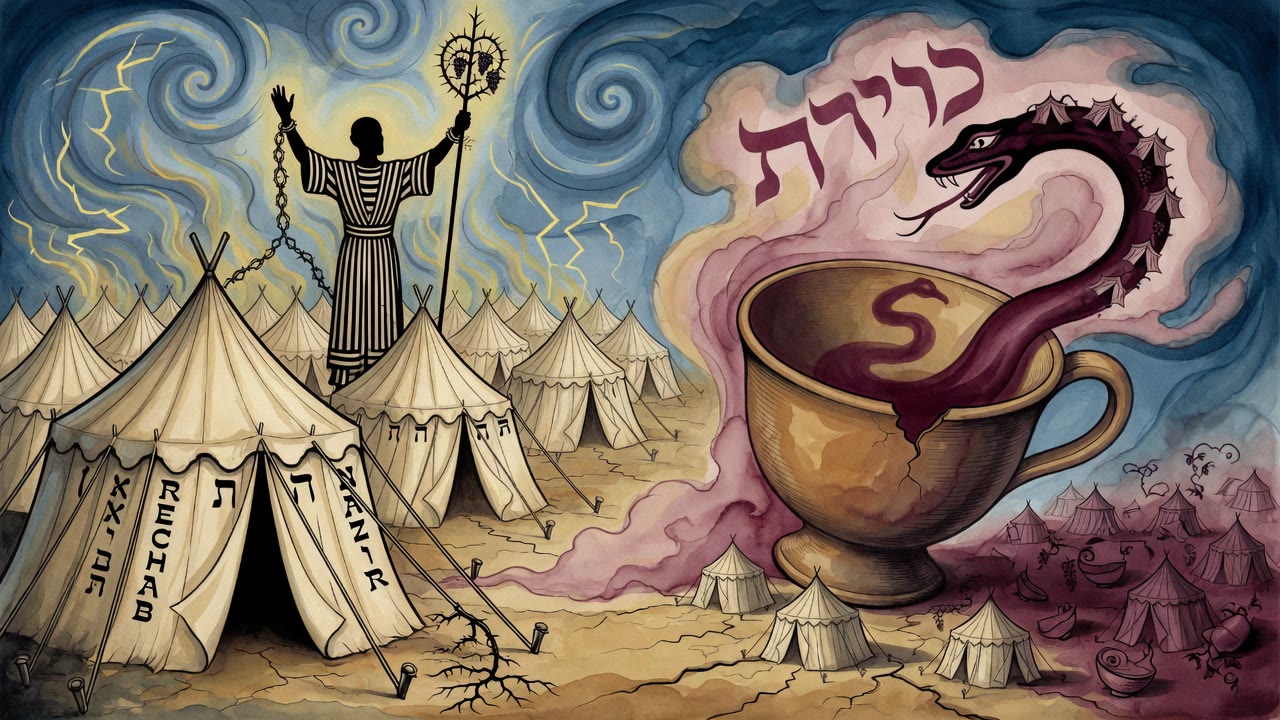
David repeated Absalom's name in grief, and the midrash counts each cry as one door opened in Gehinnom, the afterlife of judgment, for his lost son.
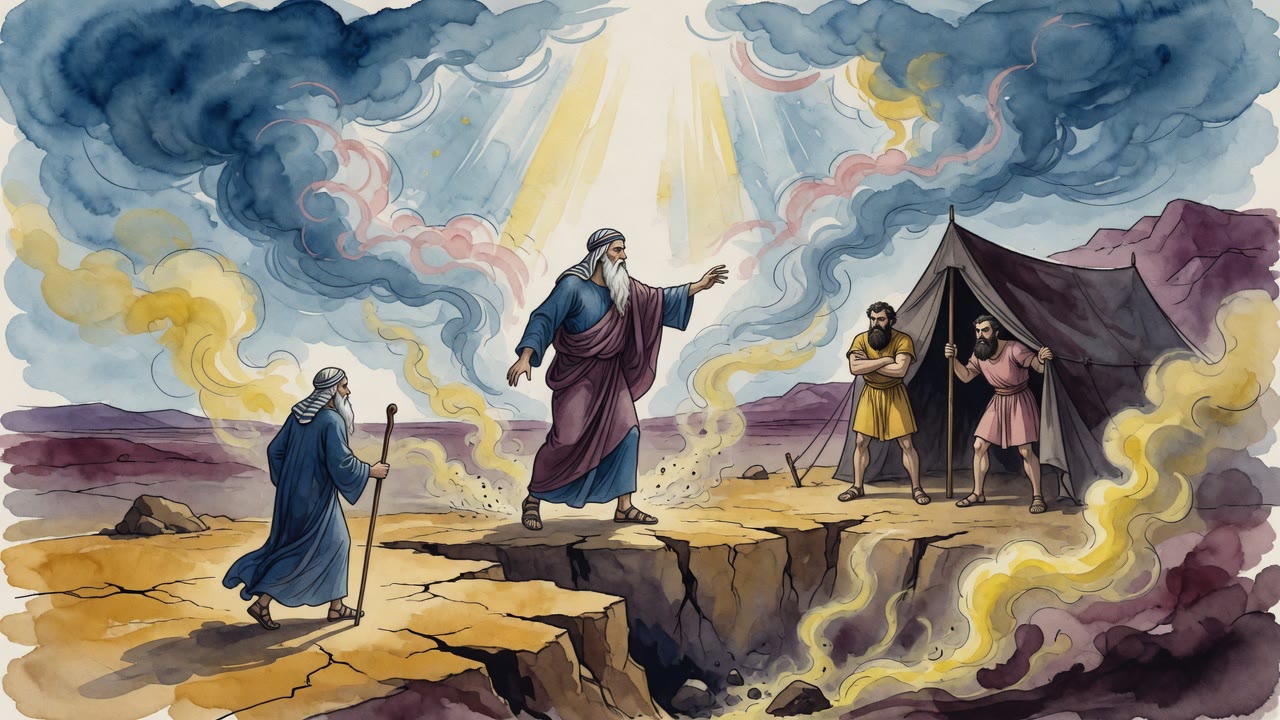
The tent flap did not move. Moses waited outside, then told the crowd to step back from the ground that was about to open.
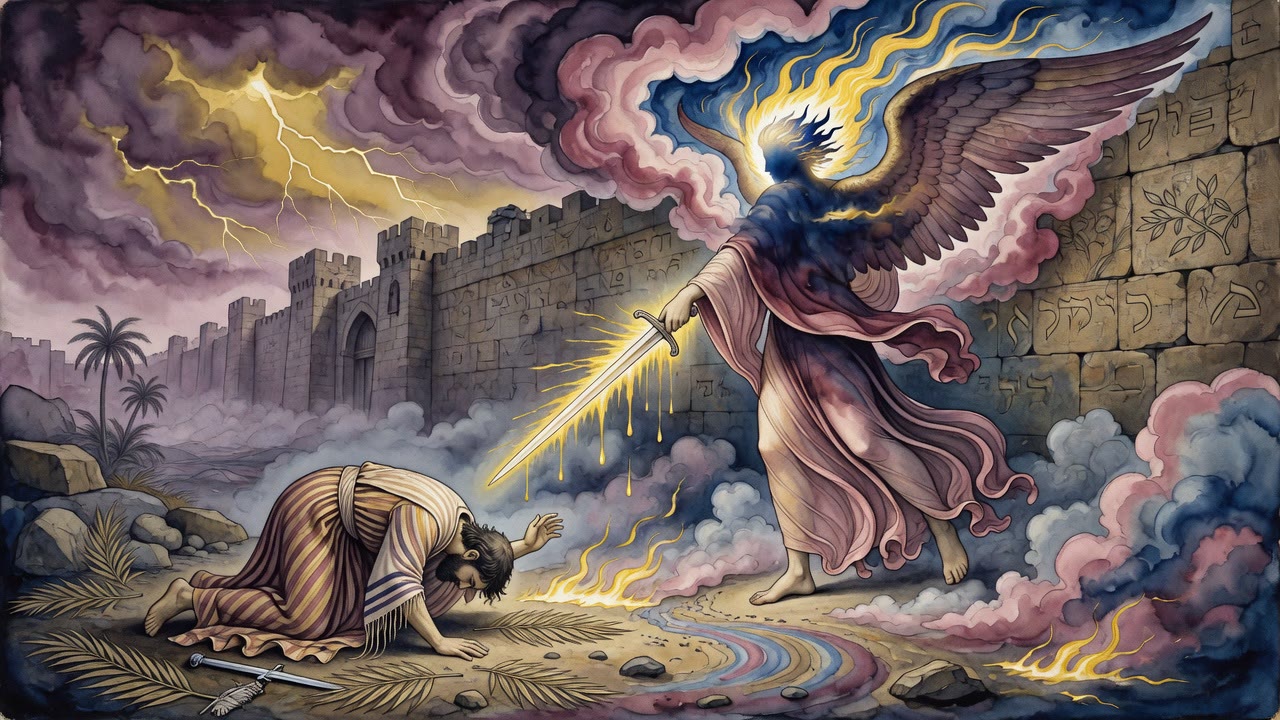
The drawn sword outside Jericho carried an old refusal. Moses had turned away the angel, but Joshua bowed low enough to receive him.
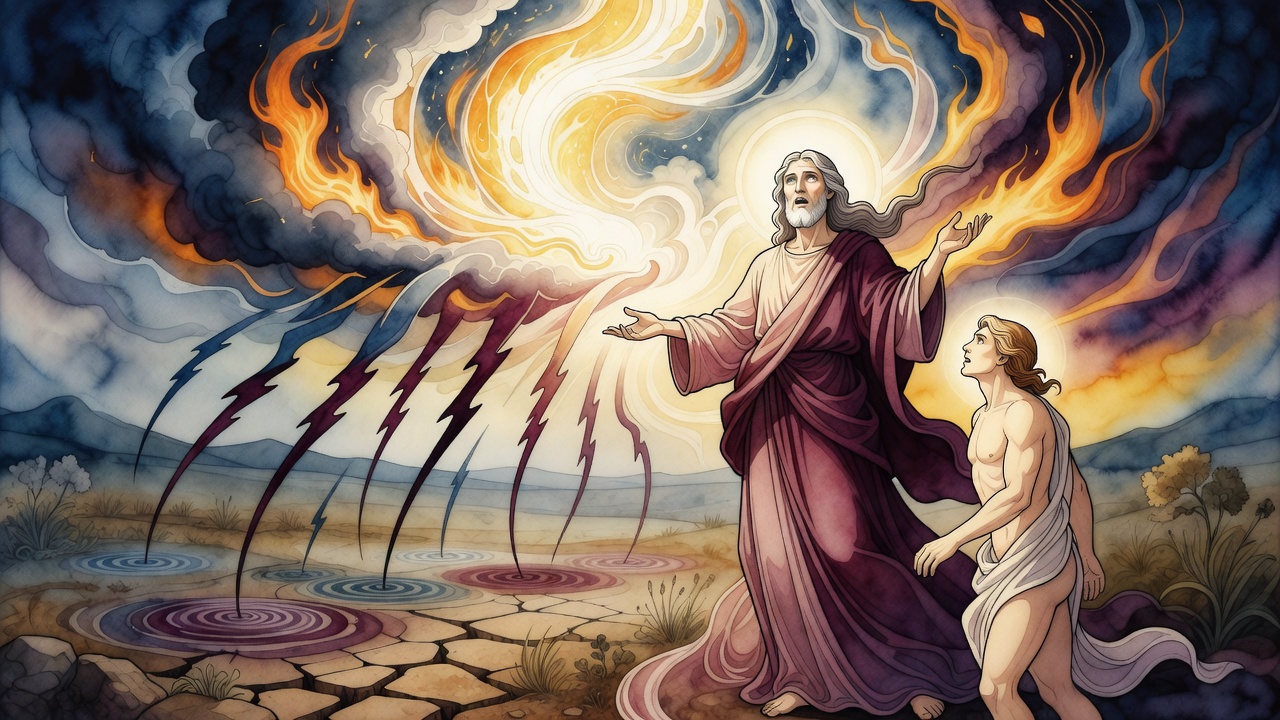
Before Adam was cursed and expelled, Shabbat stepped forward and argued against the first death. Then nine curses fell, and the silent earth received one too.
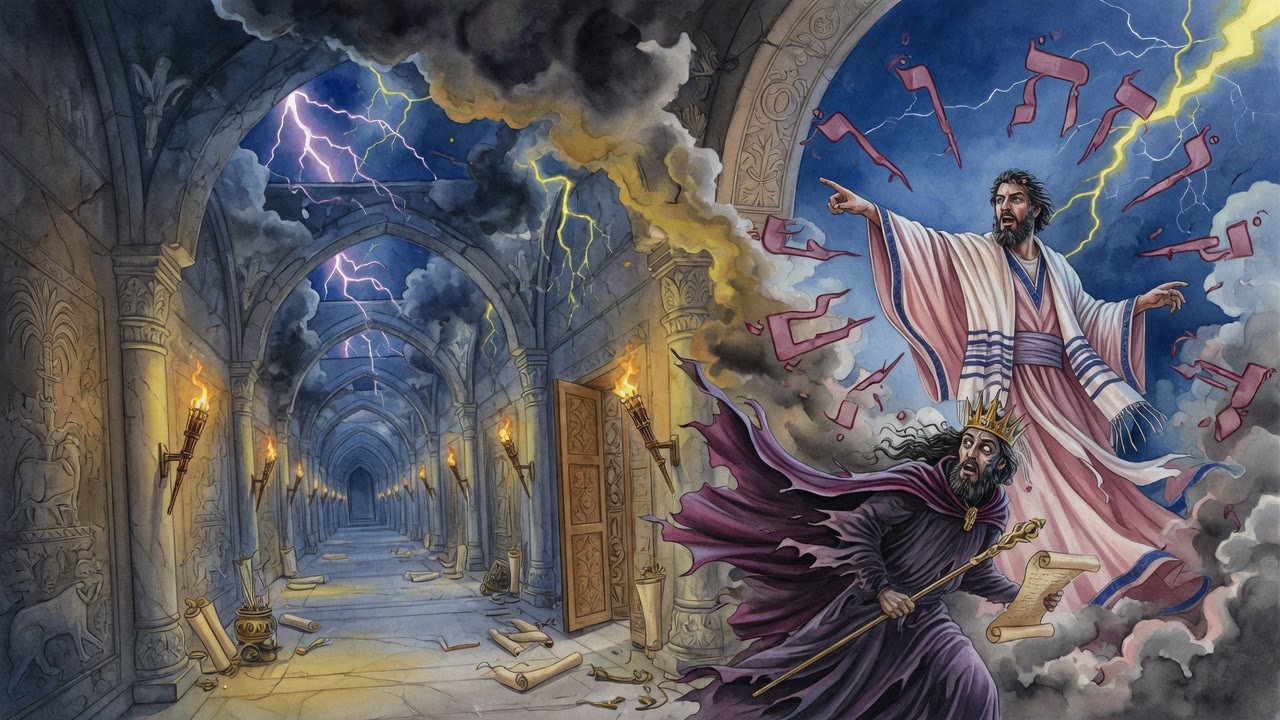
The angels at the gates called one word: Come. Isaiah walked in anyway. In the fifth chamber Pharaoh sat watching the other kings.
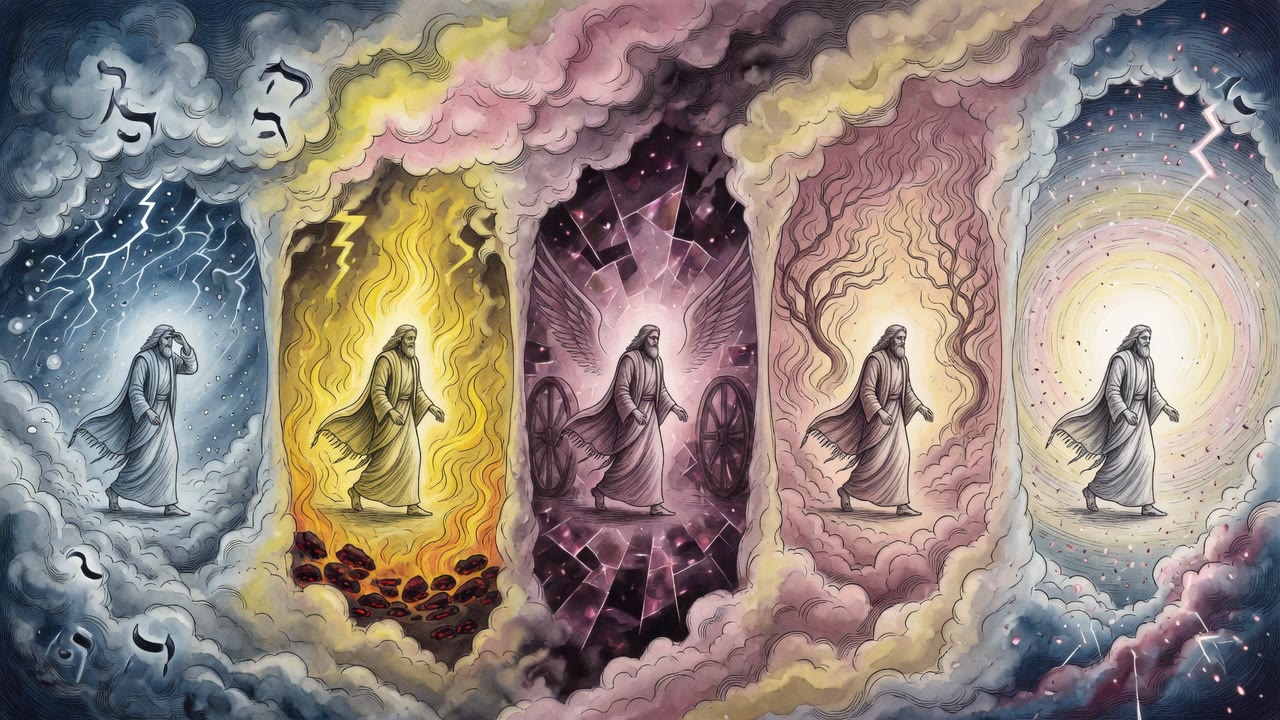
He changed his clothes at the palace door. The prophet was in the city, and the king would not walk any street that led to him.
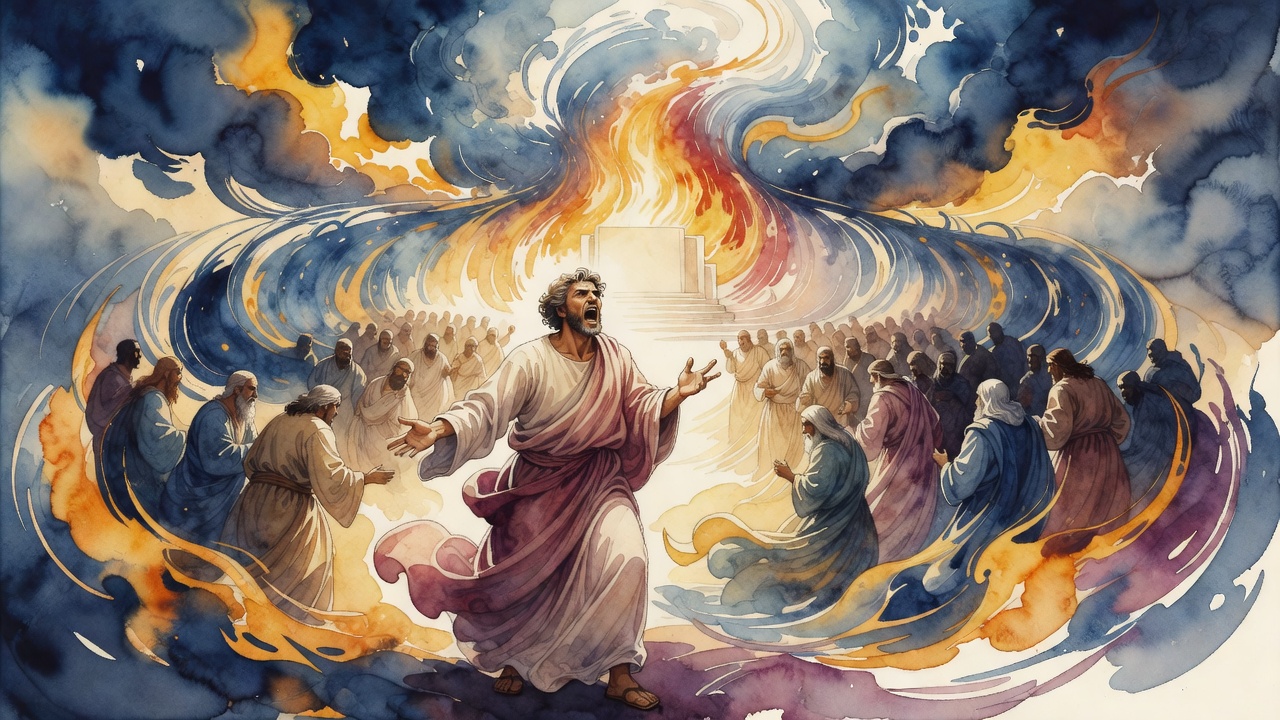
Korah recruited followers with a story about a widow and her one field. Moses took the first fruits, then the tithe, then the wool off her two sheep.
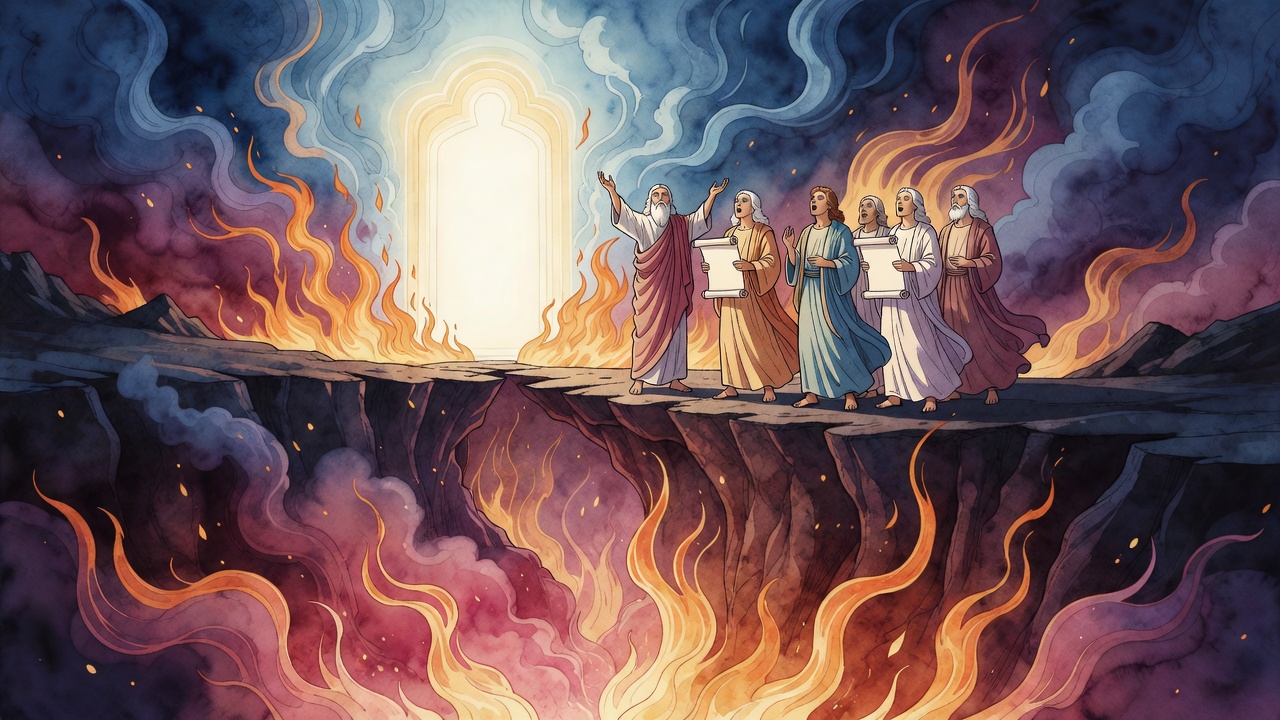
The earth opened beneath their father and they were left suspended on a ledge inside Gehinnom (afterlife of judgment), and from there they composed the psalms.
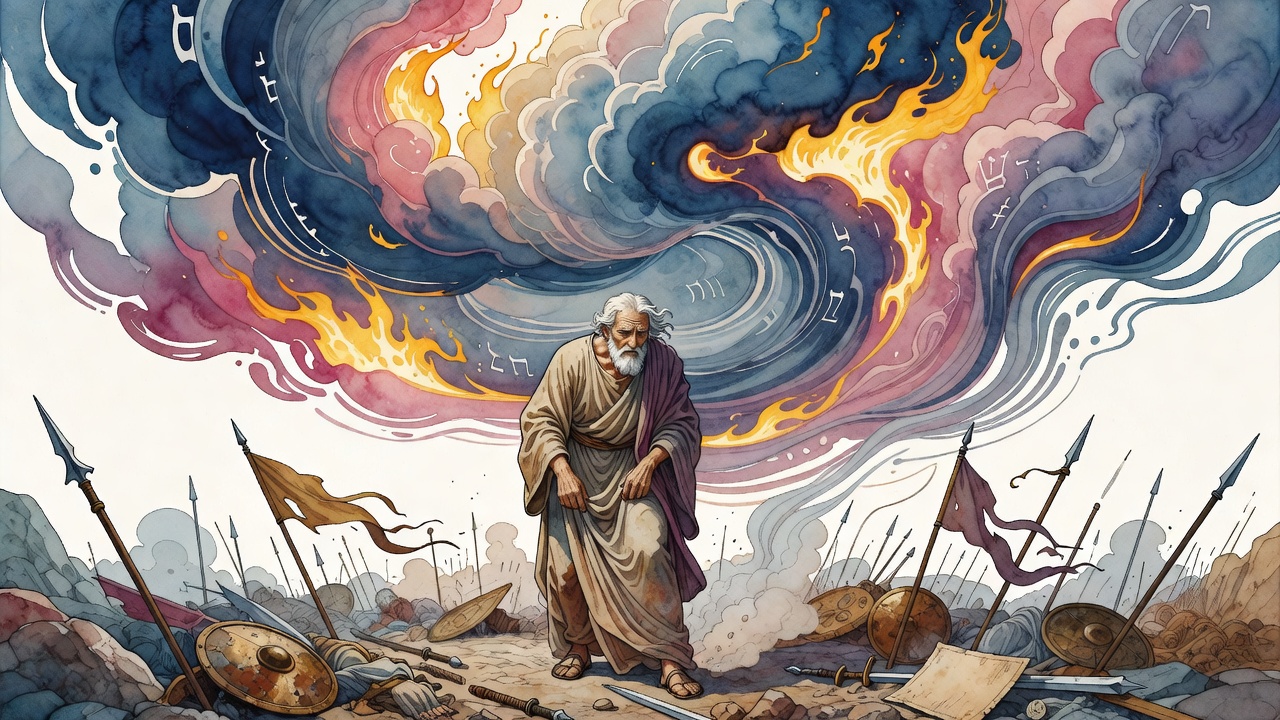
Lot walked beside him alive. The plunder train rattled behind. Abraham was already counting what the victory had cost him.
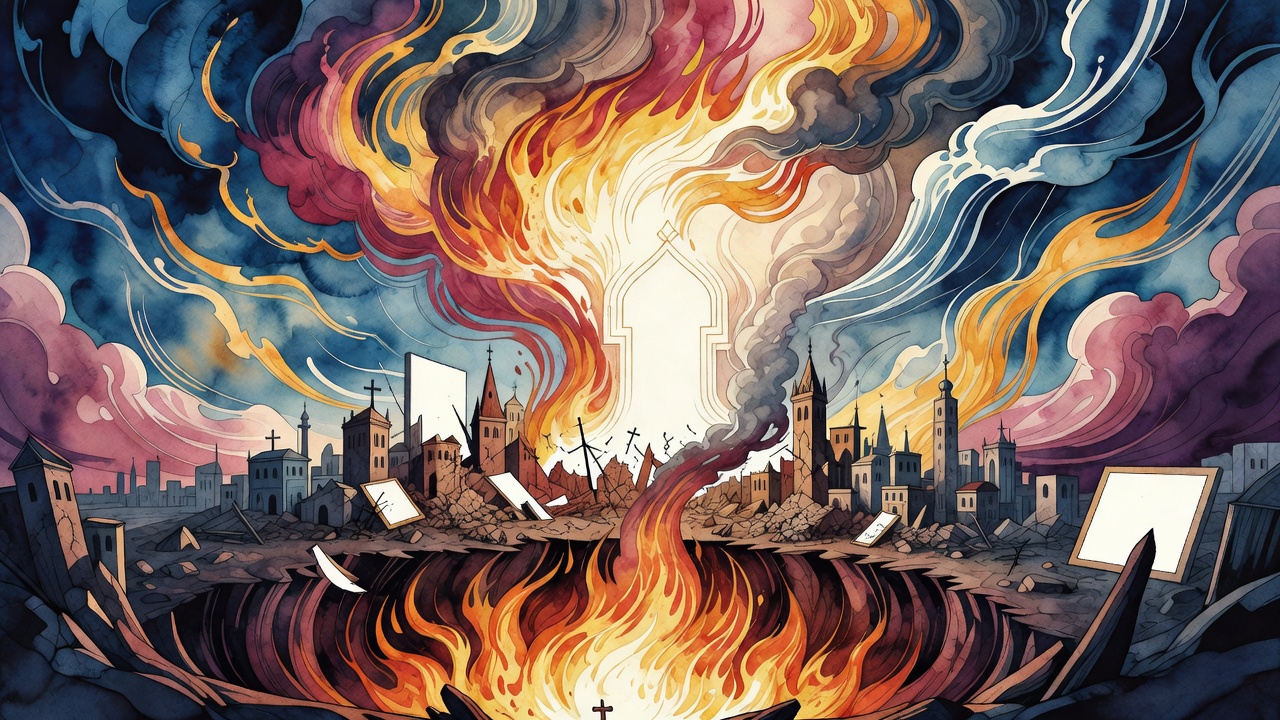
The fire that fell on Sodom from the sky had a partner rising from Gehinnom (afterlife of judgment) beneath. Both were prepared before the world began.
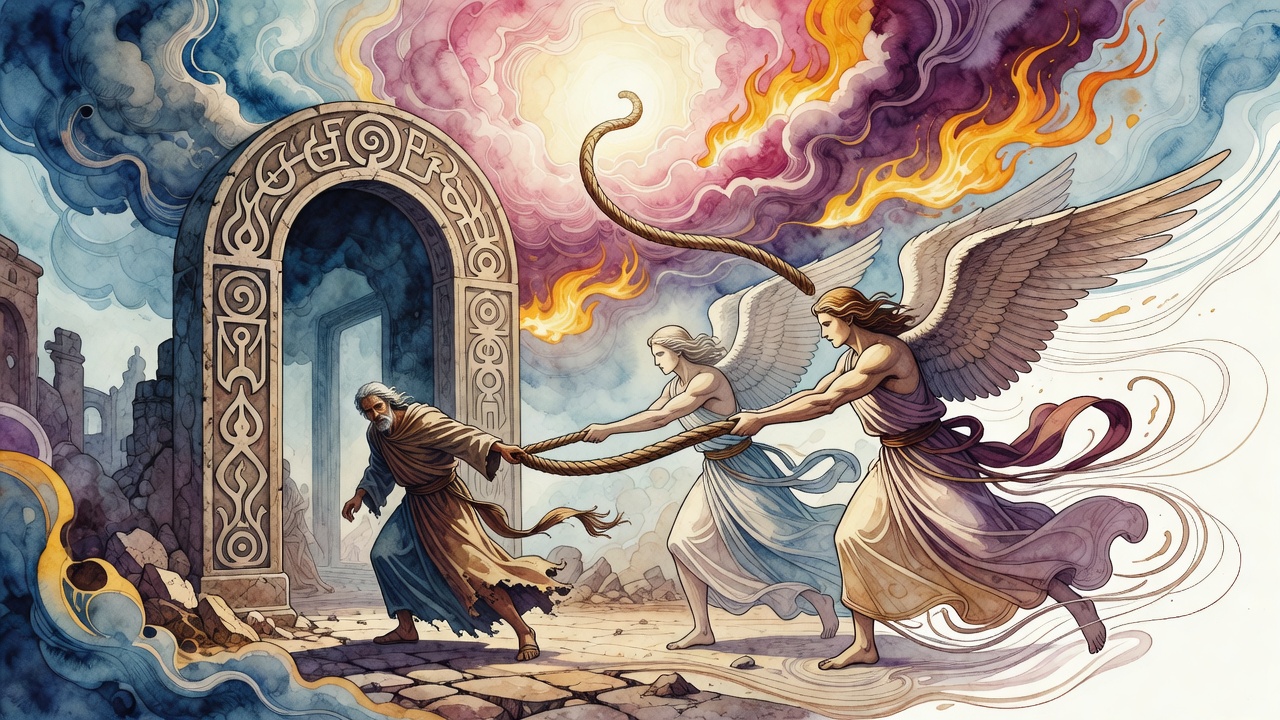
The chest stood open on the table. An angel took him by the wrist anyway, and the rain behind them was already burning as it fell.
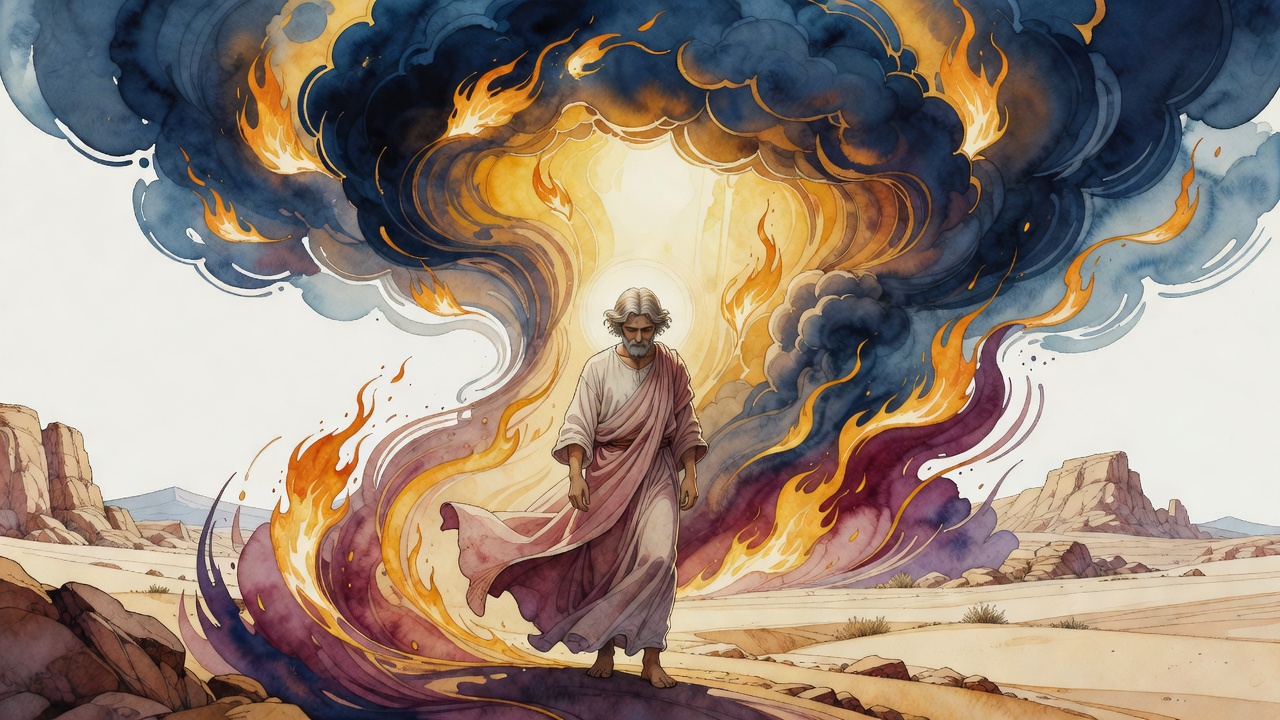
Their water skin was empty in the wilderness. Hagar sat Ishmael under a shrub and went off, because she could not watch the boy die.
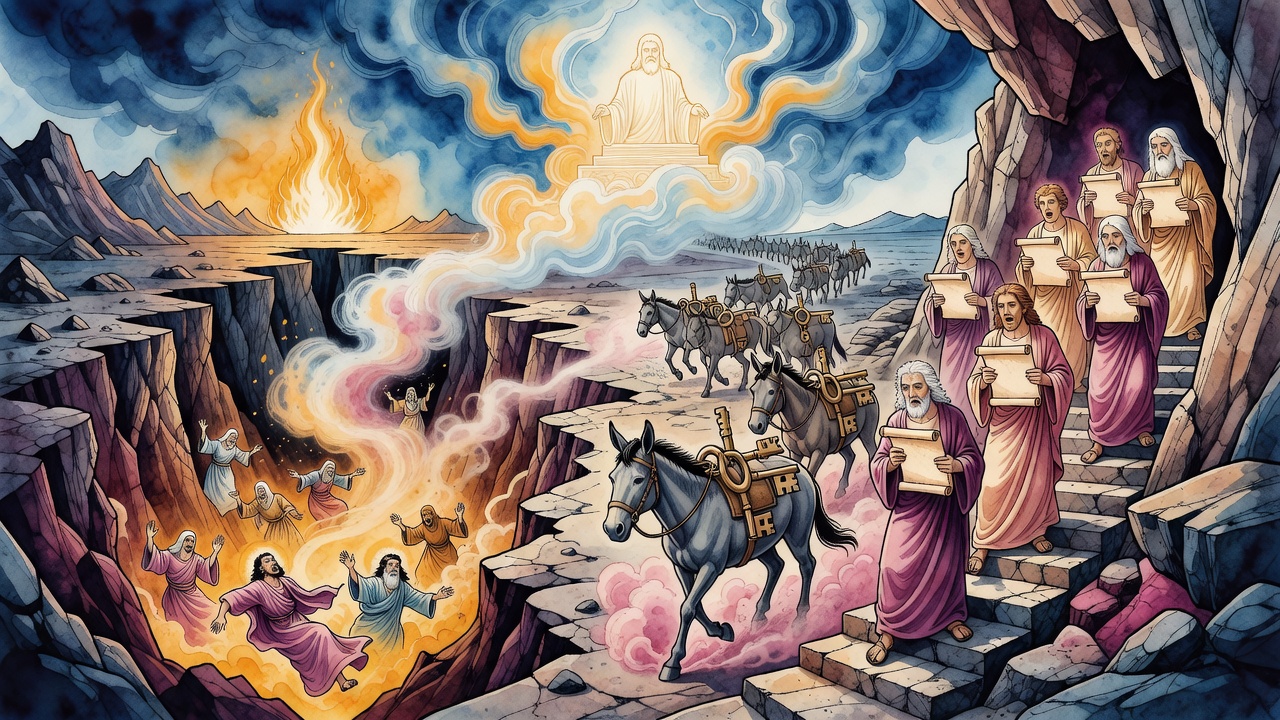
Korah looked into the future and saw Samuel and twenty-four Temple singers coming out of his own line. He decided God would never let their father die.
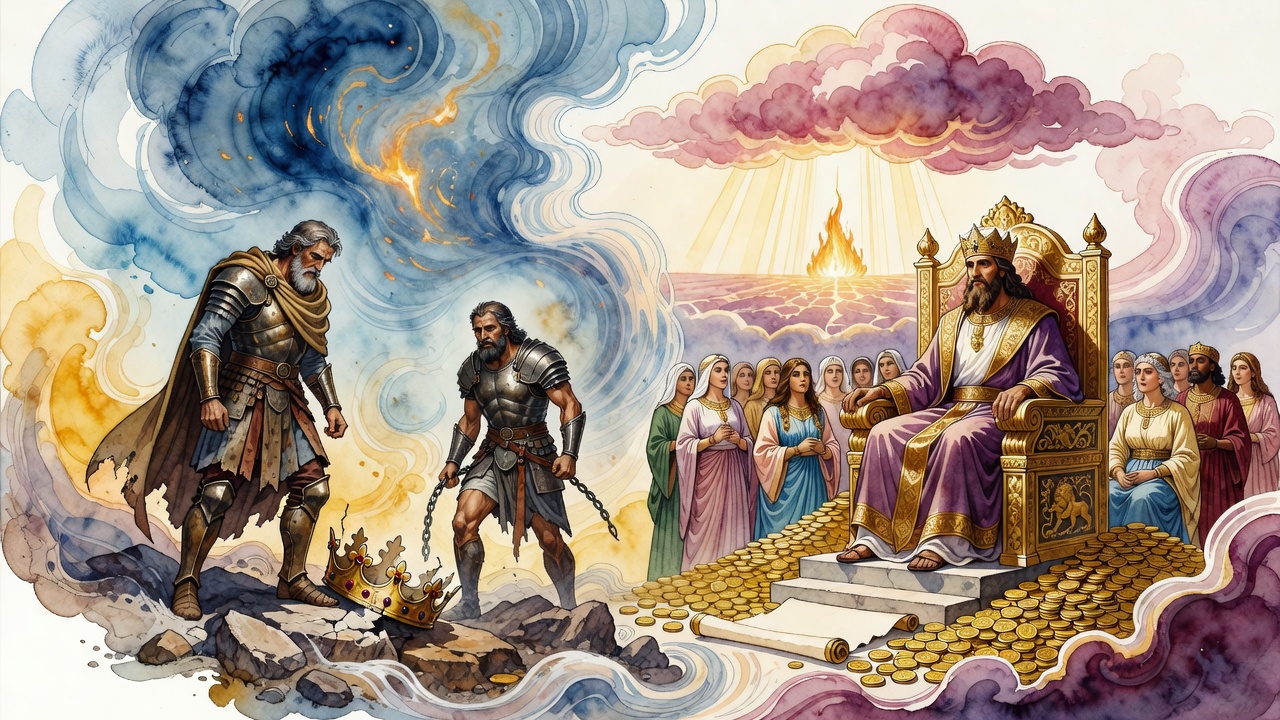
Agag was still breathing when the voice came down. Do not be more righteous than your Creator. Years later the same mouth ordered priests killed.
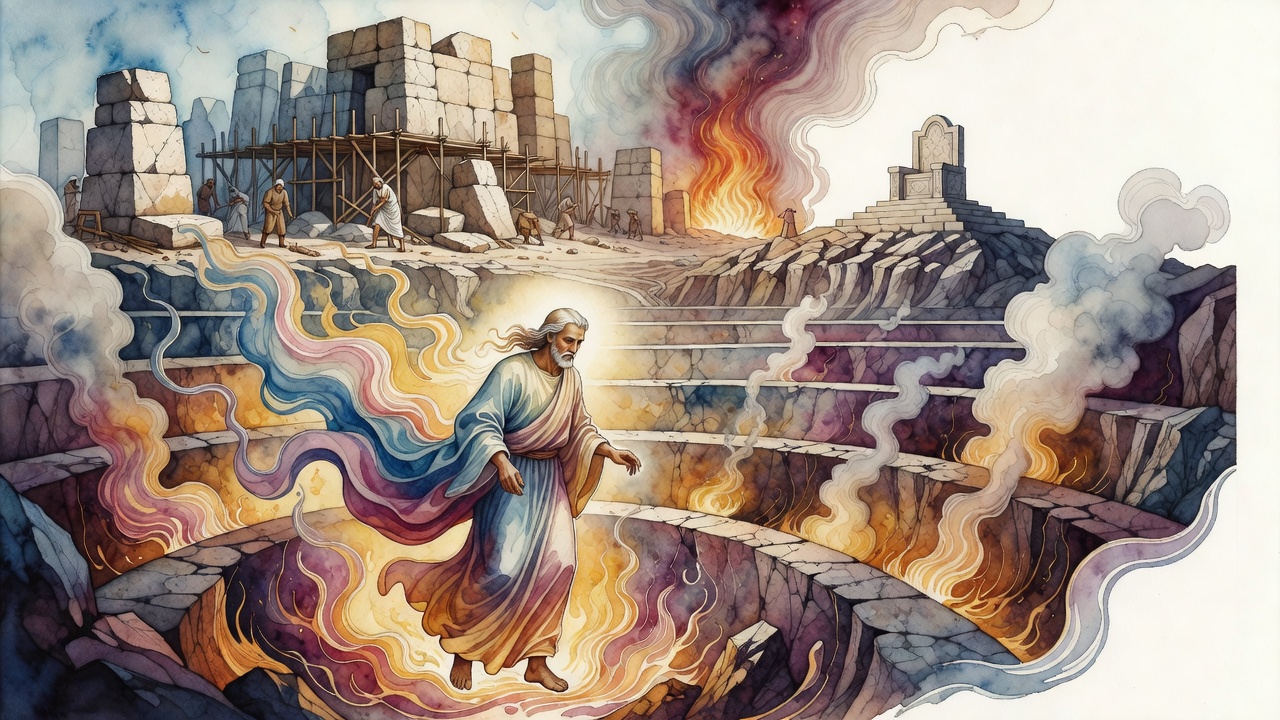
The Messiah would not take him down. Joshua walked the seven chambers anyway. Solomon built the House over the same mouth and never went in.
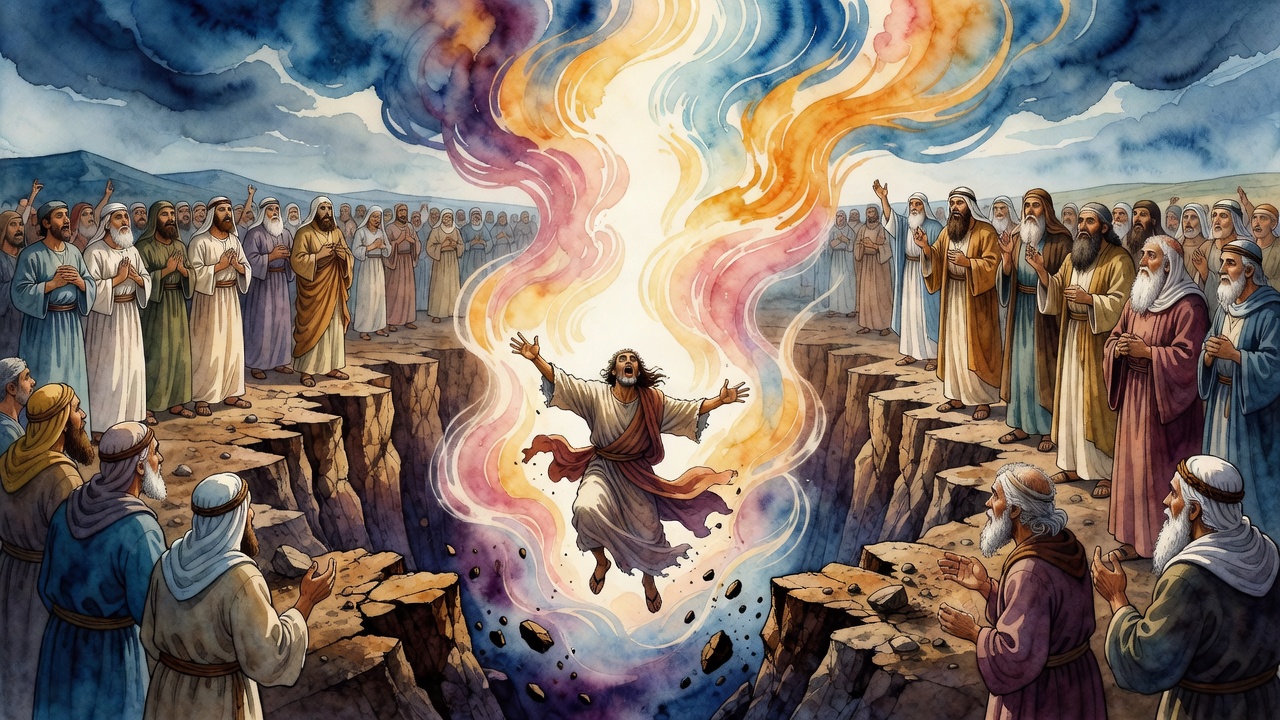
Joseph hid gold in empty country and told no one. A Levite named Korah found one cache. He spent it on a quarrel, and the ground opened its mouth.
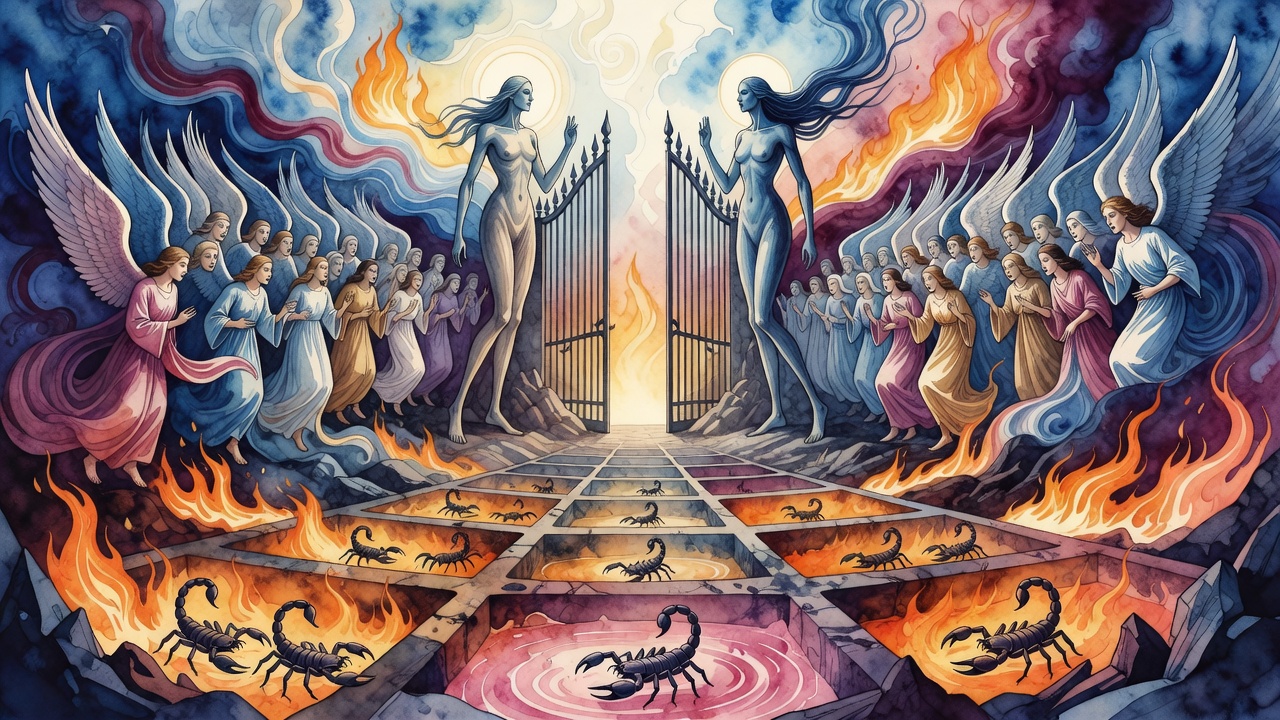
At the gates of Gehinnom (afterlife of judgment), two angel bands call out a single word forever, and beyond them lie seven named compartments of fire.
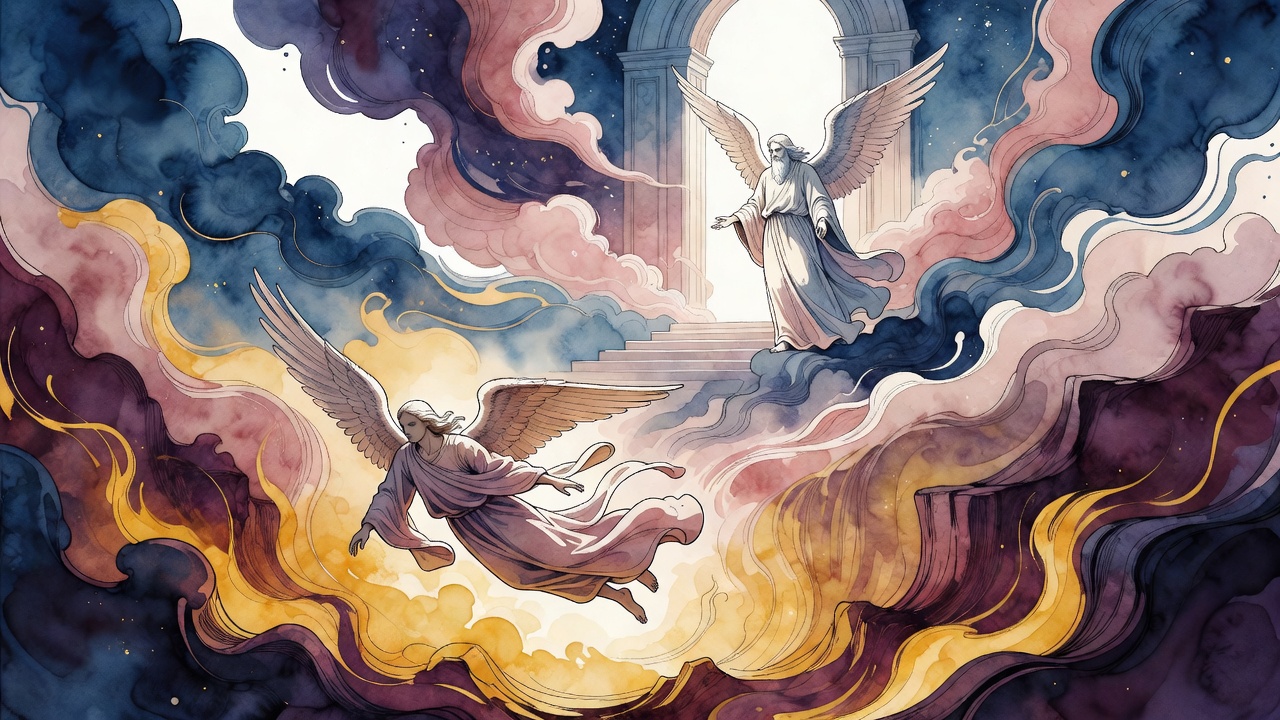
Egypt's prince ran four hundred parasangs from the decree. God stripped him and sent him down to keep the dead. Sabbath is their only rest.
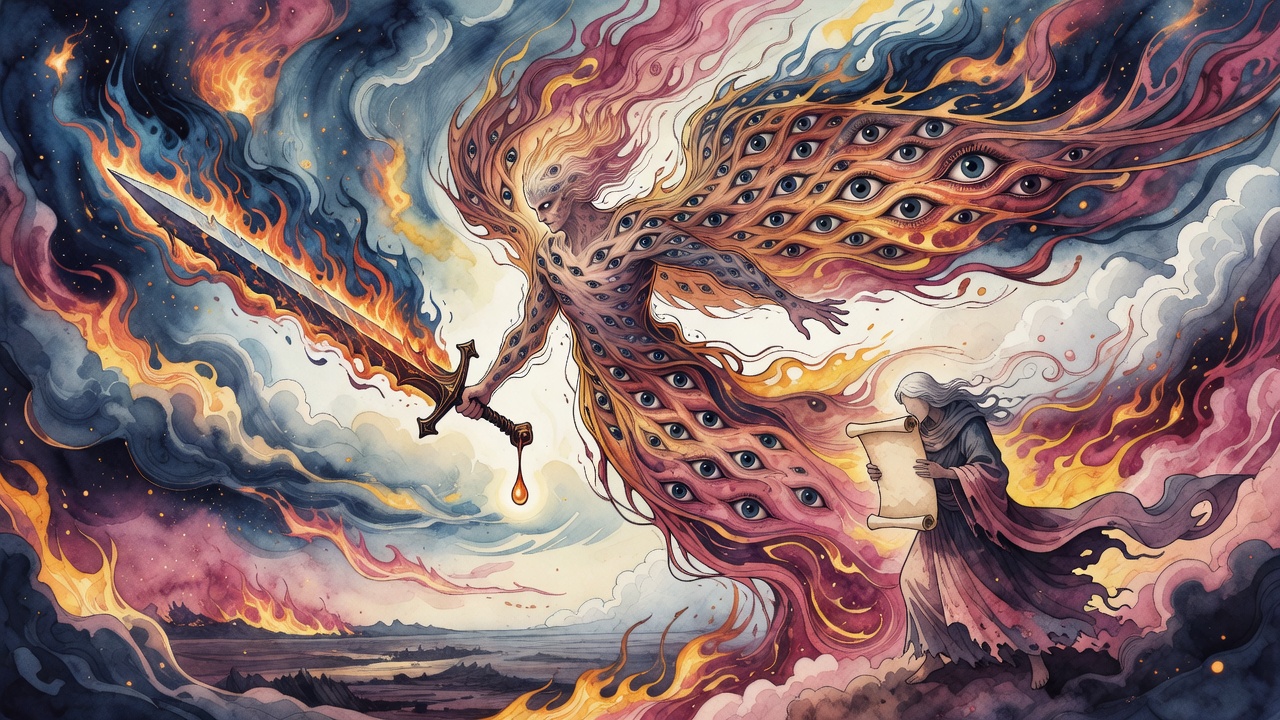
The scribe opens the ledger at the bedside and counts the days out loud. Nobody has ever won that argument, and only one animal hears the scream.
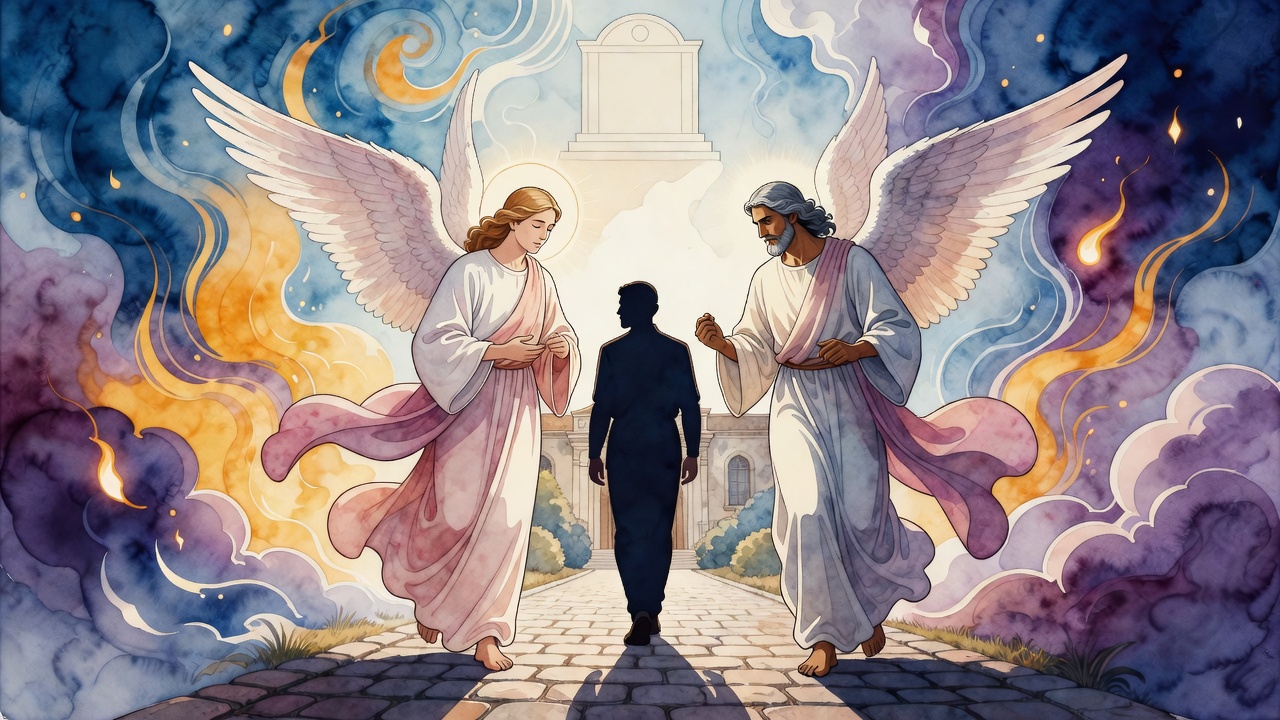
On Friday night, two angels walk home with you from synagogue, one good, one accusing, and which one speaks first depends on what they find inside.
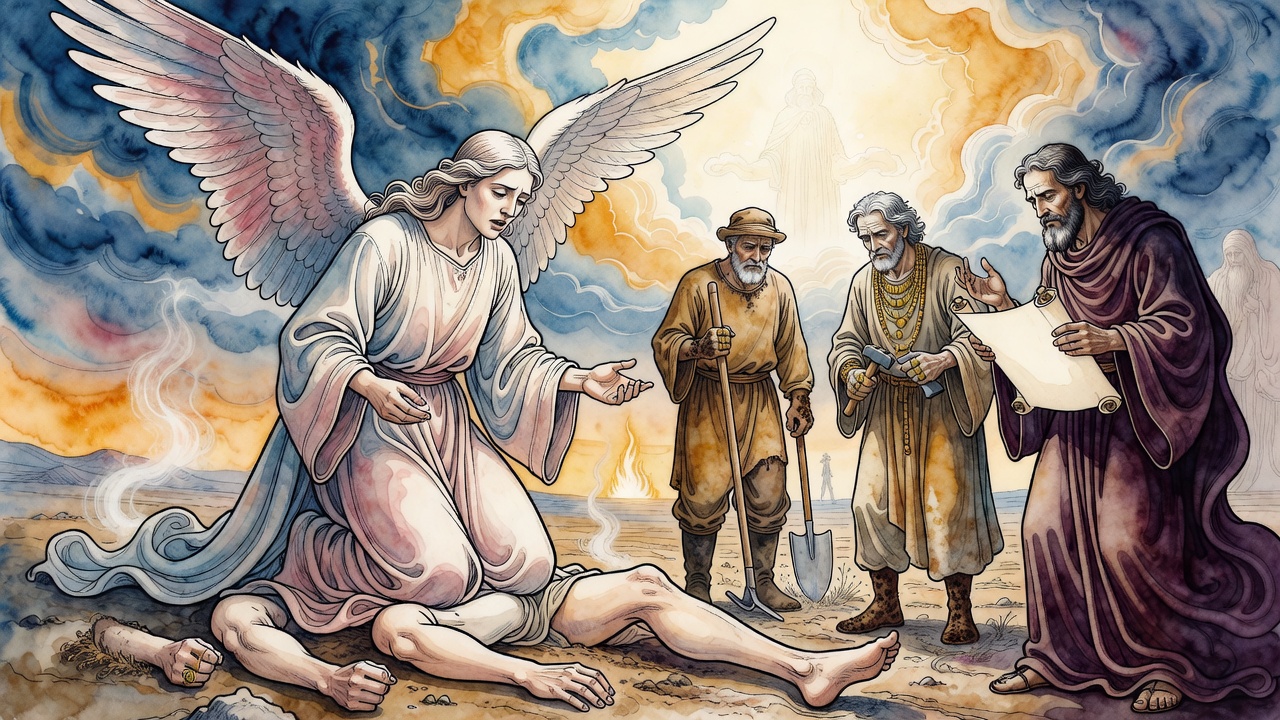
The angel did not comfort the dying man. It named his legs and his hands and wept. Each limb had already chosen its own road.
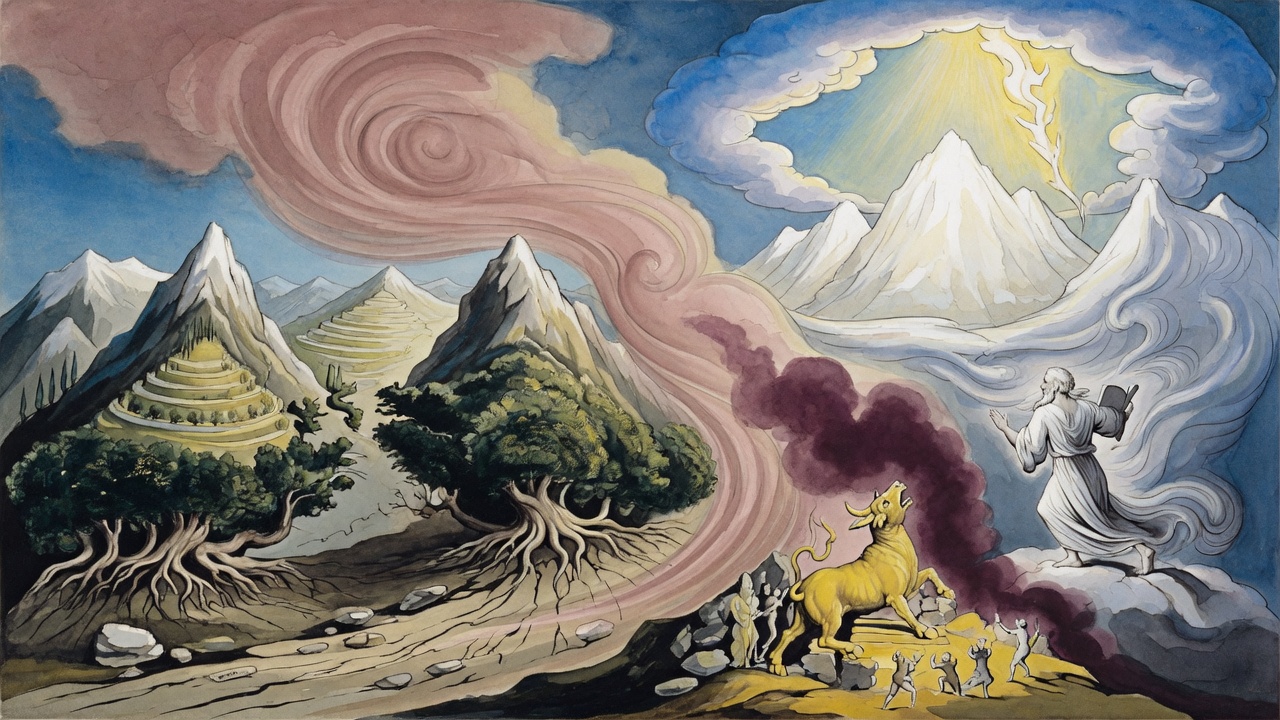
A man gathering firewood in the forest was dead. He burned in Gehinnom (afterlife of judgment) because of a shared sin, and only his son's voice in the.
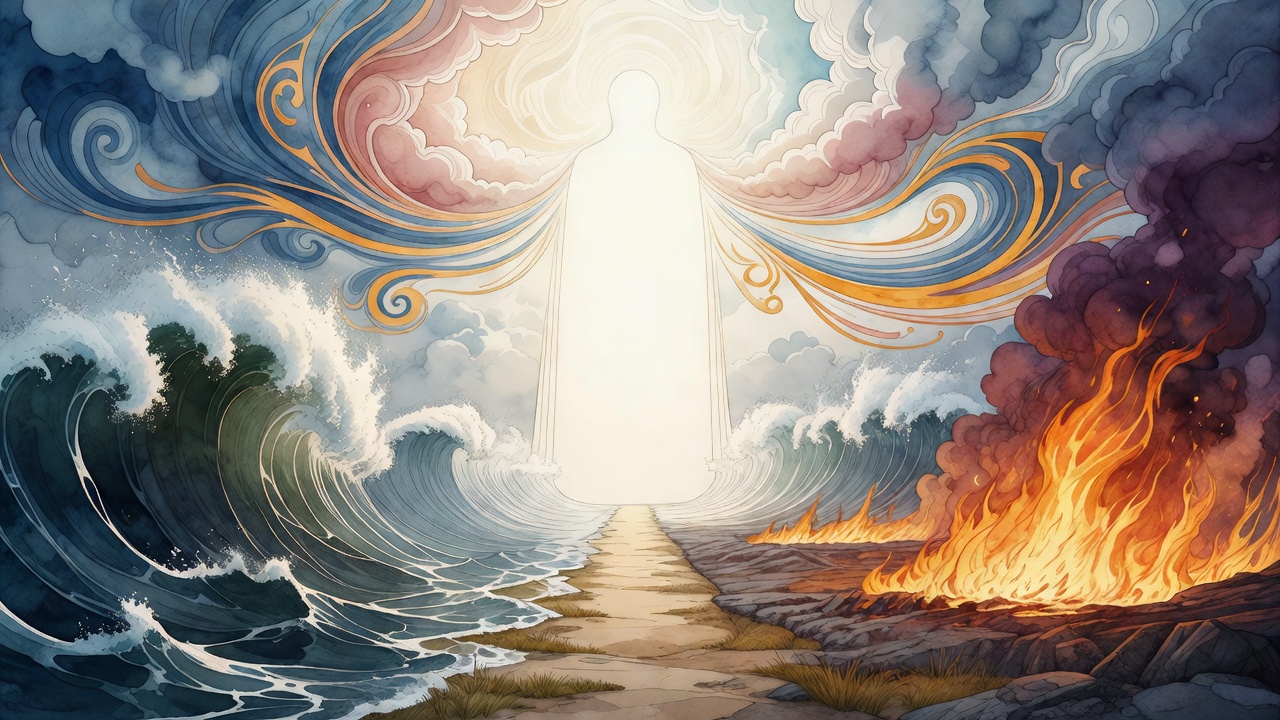
One wind blew all night at the sea. It dried a road for Israel and drowned Egypt in the same water. The rabbis called that one act, seen twice.
