Moses Toured Paradise and Gehenna Before Descending Sinai
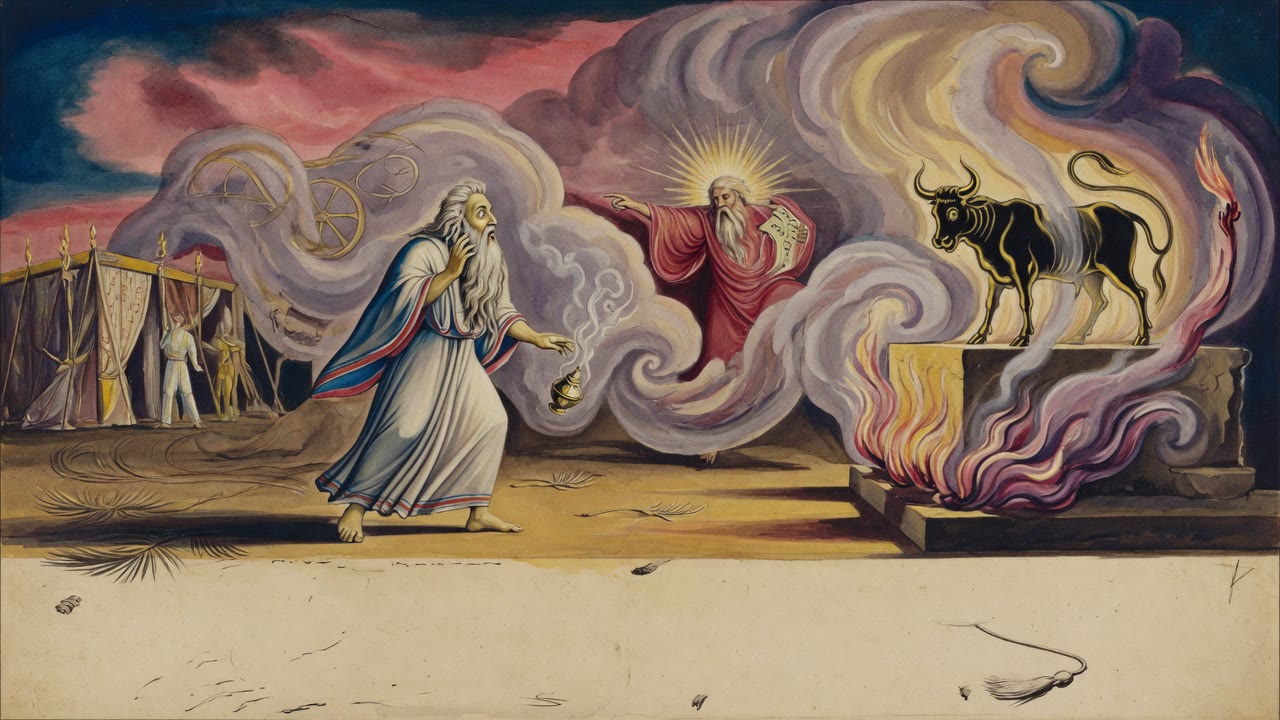
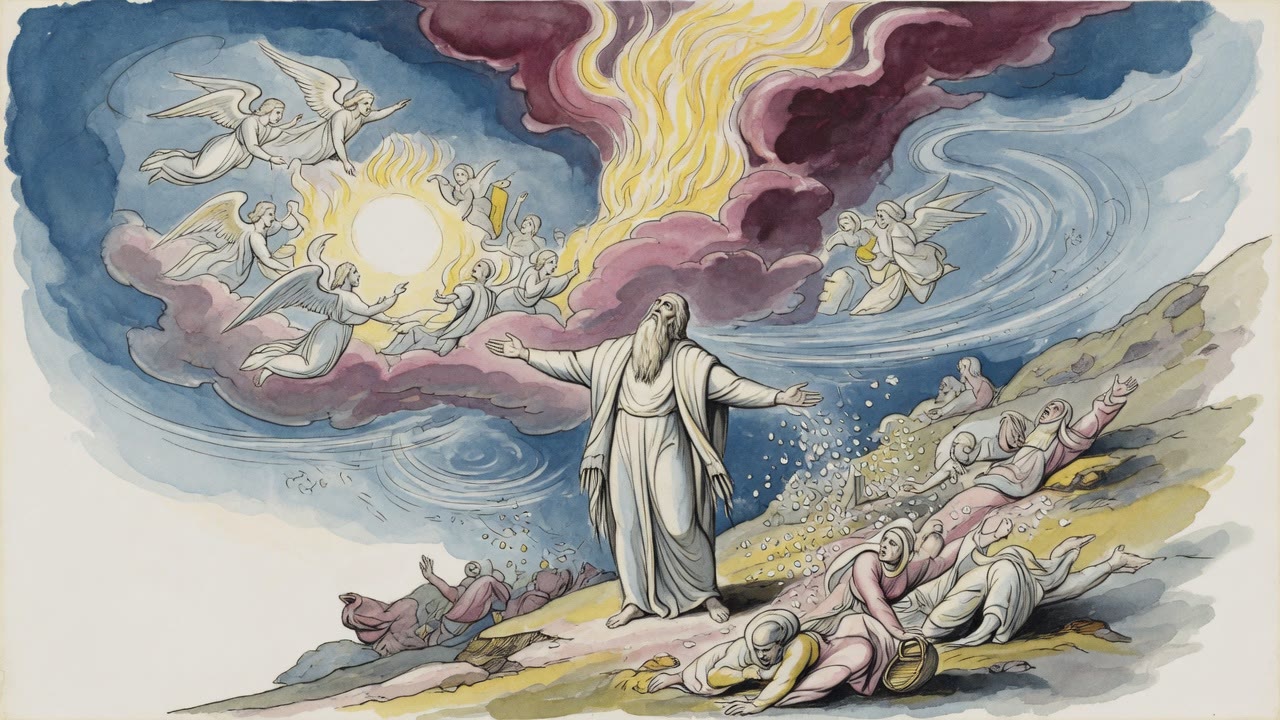
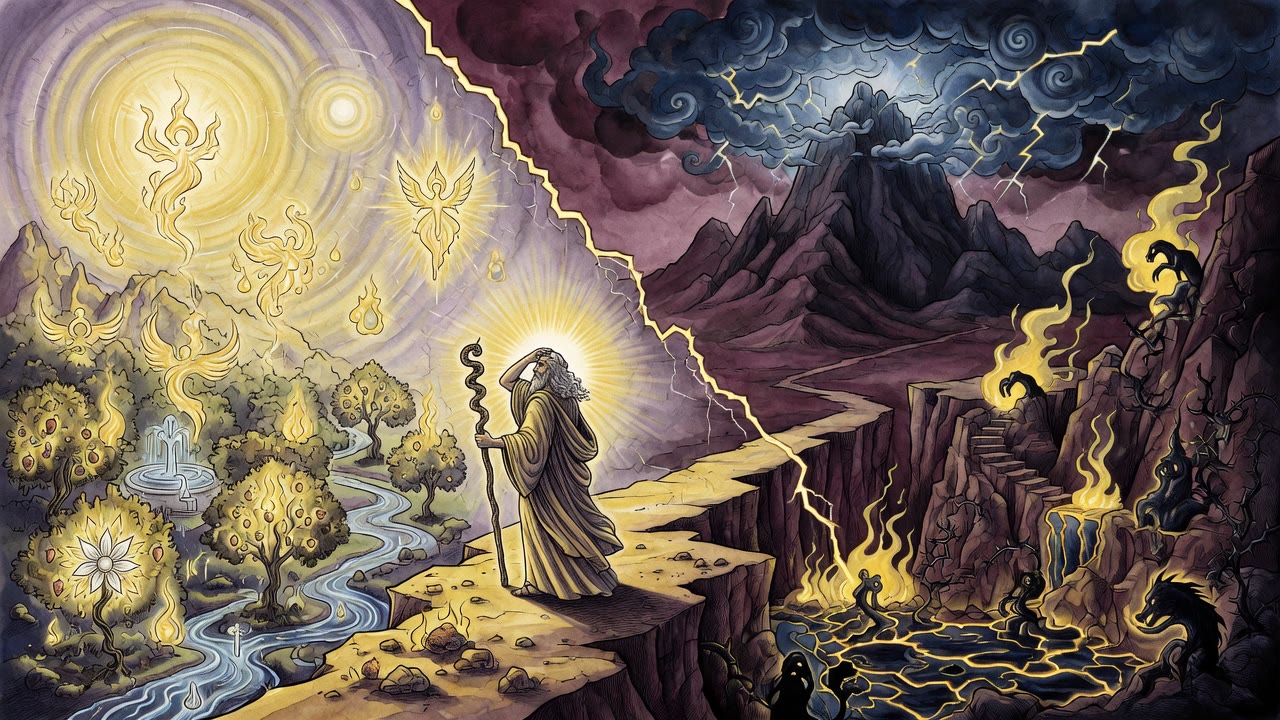
Before Moses left heaven with the Torah, God showed him both Paradise and Gehenna (afterlife of judgment). The fires retreated when he approached.
Table of Contents
 Click for full size
The Tour No One Else Had Been Given
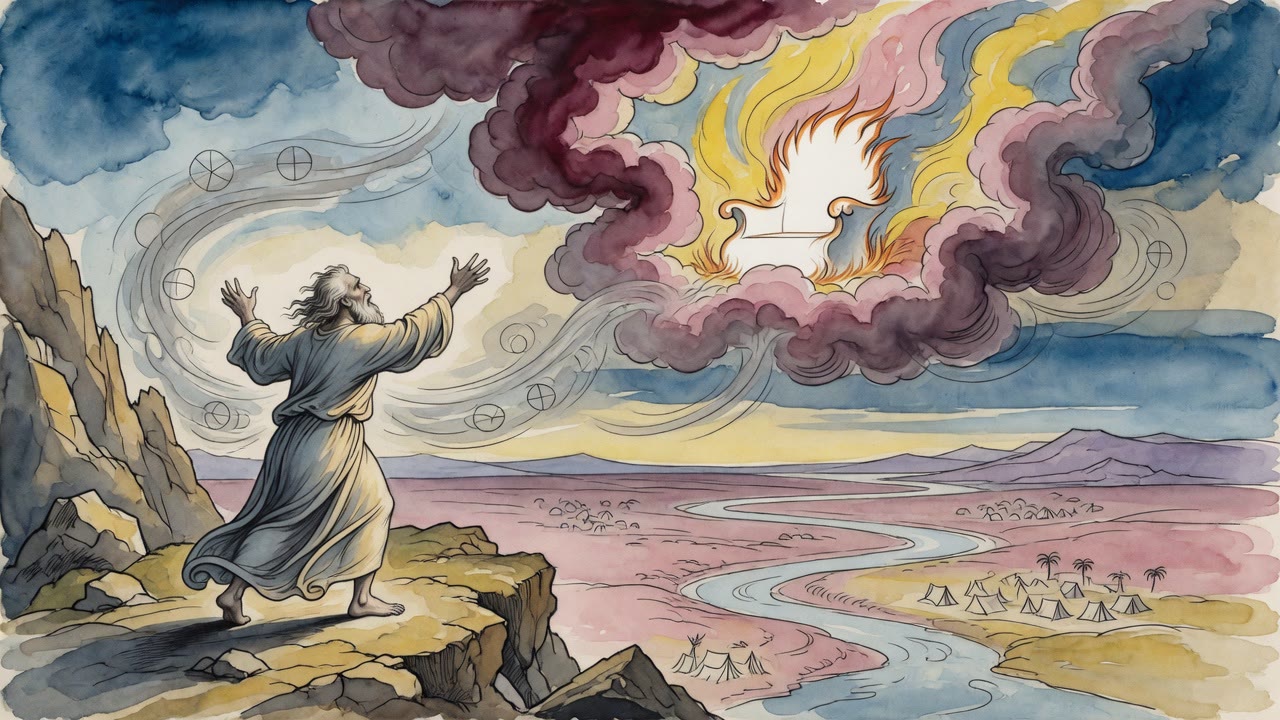
Moses had been on the mountain for forty days receiving the Torah, and when the time came to descend, a divine voice spoke to him. You came here and saw My throne of glory. Before you go, you will see Paradise and Gehenna (the realm of judgment after death).
No other human being had been given this tour while still living. Enoch had been taken to heaven, but he had not returned. The prophets saw visions. Moses was being shown the actual places, as they existed, as the righteous and the wicked would eventually inhabit them. He was being trusted with a geography that only the dead were supposed to know.
What the Fires Did When He Approached
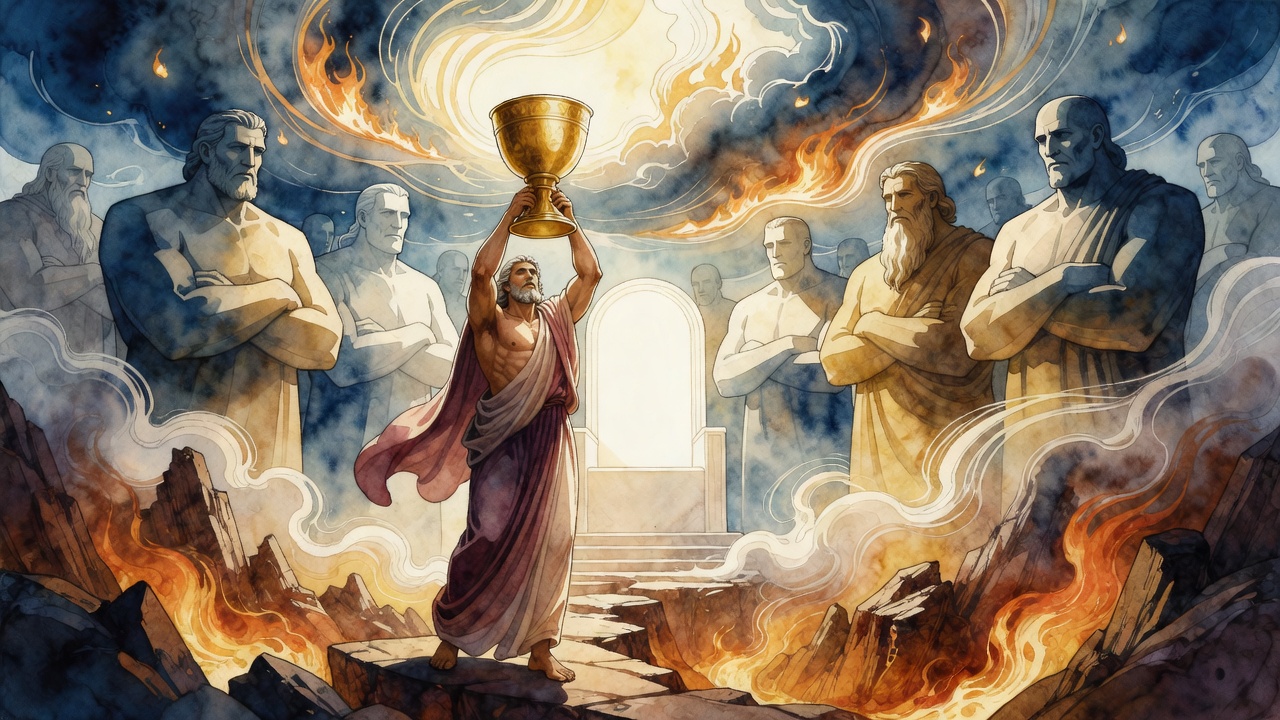
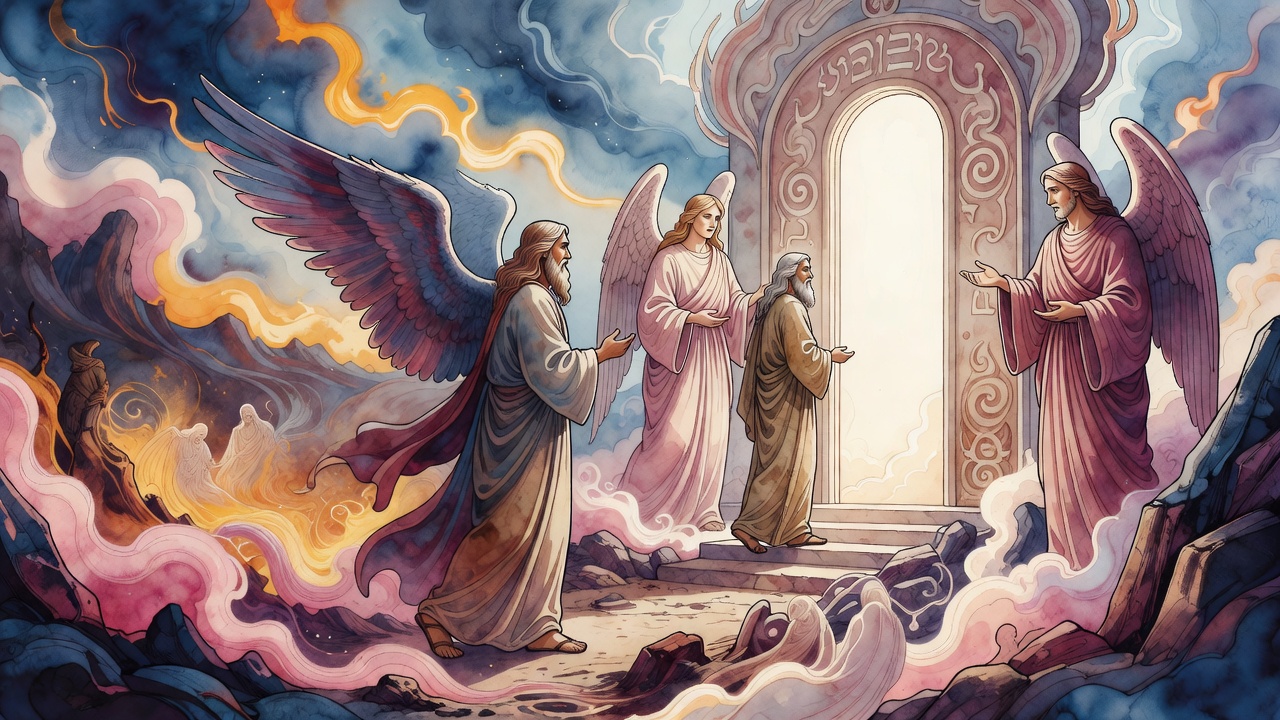
Legends of the Jews, Ginzberg's early 20th-century synthesis of rabbinic tradition, records the moment Moses reached the gates of Gehenna with particular precision. The fires retreated. Not because they were extinguished or because someone commanded them to stop, they retreated on their own, as if in recognition of who was approaching.
The angel Nasargiel was stationed at the gates. He looked at Moses and asked: Son of Amram, what are you doing here? You have not died yet. Moses identified himself and his purpose, and Nasargiel brought him through. The tour of Gehenna proceeded because Nasargiel confirmed Moses belonged there temporarily, escorted and alive, and not as a permanent resident.
Forty Days After the Golden Calf
The forty days Moses had spent receiving the Torah were followed by forty days of intercession after Israel built the golden calf. Those second forty days were not on the mountain in divine instruction. They were in heaven, pleading. From the eighteenth of Tammuz to the end of Av, Moses stayed above and argued for Israel's survival.
He reminded God of the founding principle: that divine governance operated through mercy extended freely, not through debts collected. The golden calf had been a catastrophic failure, the kind of failure that justified, by any strict accounting, an ending. Moses argued that strict accounting was not God's actual method. He pressed on the mercy that God had declared as the architecture of creation, and used it as the argument for why this people, now, deserved to continue.
The Place That Was With God
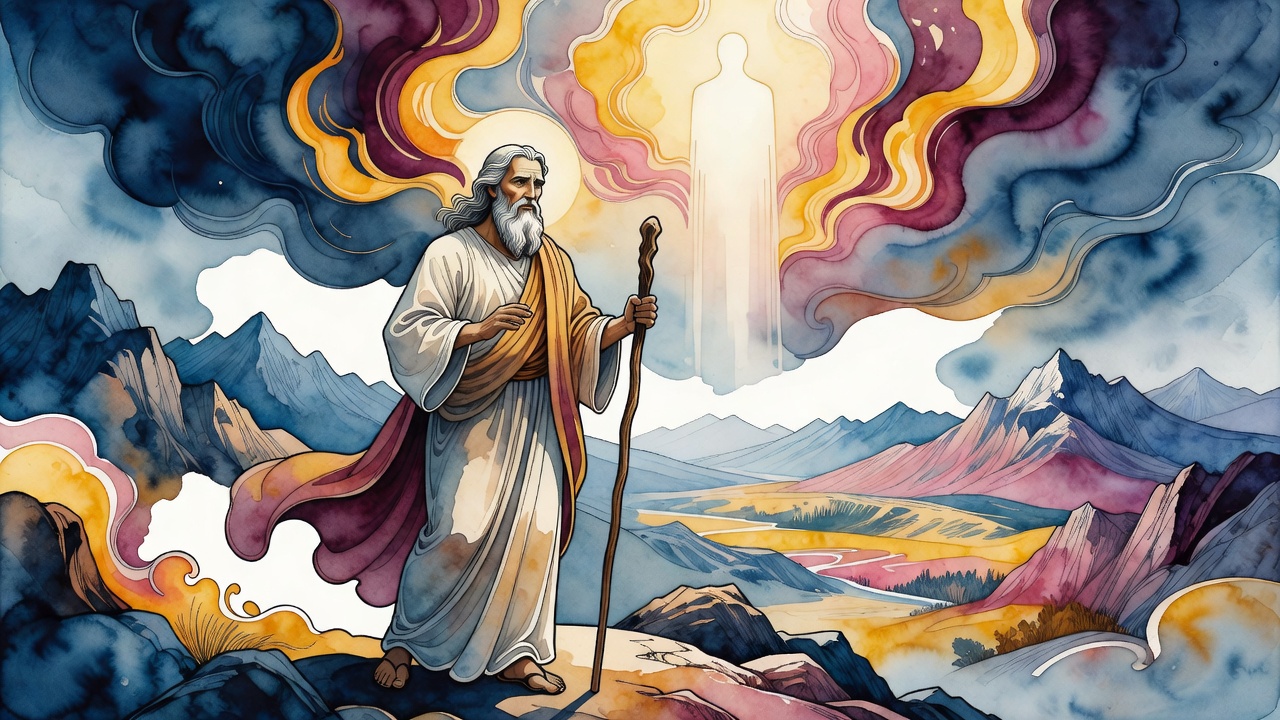
Shemot Rabbah, the Palestinian midrash on Exodus, preserved a verse that Moses had received during the Sinai revelation: behold there is a place with Me. The rabbis read this as God pointing Moses toward a location that was not physical in any ordinary sense, not a coordinate on a mountain, not a room in a palace. It was the place of divine accessibility, the threshold at which a human being could stand and not be destroyed by the full weight of what they were standing before.
Moses had asked to see God's glory directly. The answer he received was that the face was inaccessible but the back could be shown. The place that was with God was where you stood when you received what was showable. Moses had stood there. He had been shown Gehenna and Paradise from that place. He carried the Torah back from that place. The fires had retreated from him because of where he had been standing.
What Being Called Egyptian Cost Him
There was a tradition, preserved in Legends of the Jews, that Moses was barred from entering the Promised Land in part because of a single moment in his early life. He had been rescued from the Nile by Pharaoh's daughter and raised in Pharaoh's court. When Jethro's daughters described him to their father, they said: an Egyptian man saved us from the shepherds. Moses, raised as Egyptian royalty, had not corrected them.
The rabbis weighed this small silence against everything else Moses had done. He had stood at the gates of Gehenna and the fires had retreated from him. He had argued Israel back from annihilation after the golden calf. He had carried the Torah down from the mountain. And the tradition held that a single uncorrected misidentification from his youth had been recorded, and had contributed, along with his striking the rock, to the boundary of what he was permitted to complete.
← All myths