Moses Built a Legal Case Against His Own Death
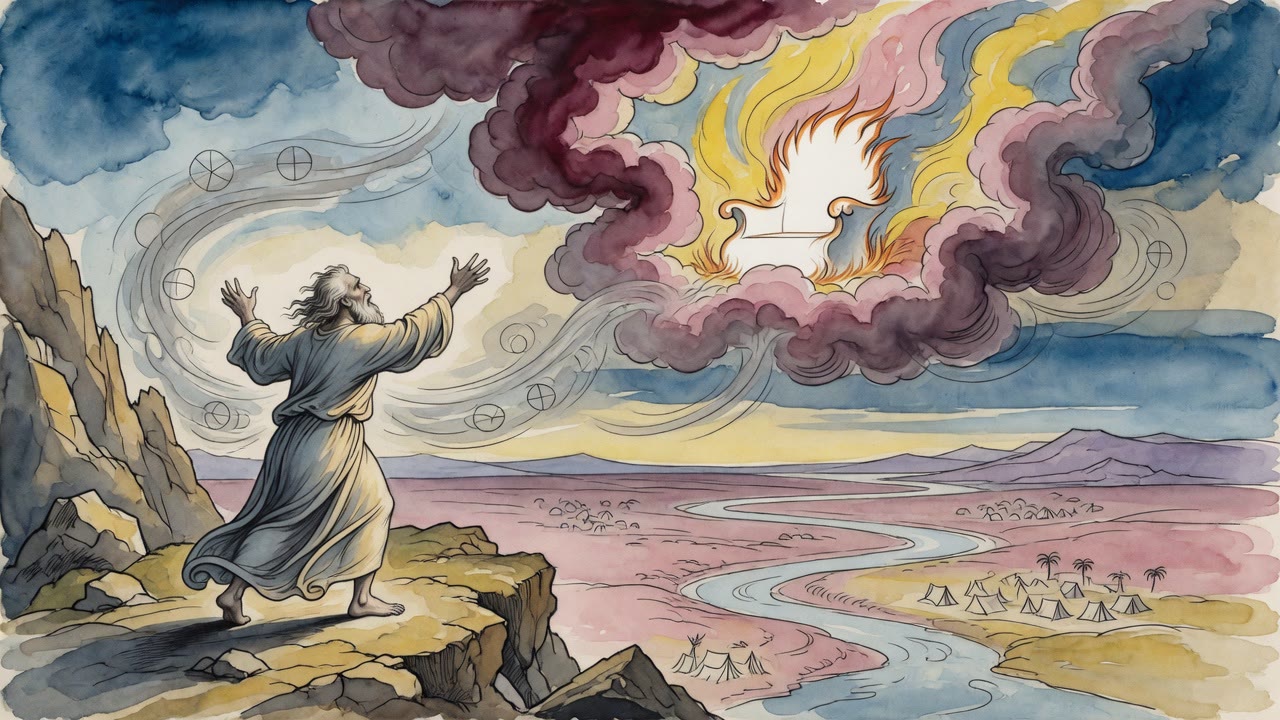
Moses did not accept the verdict quietly. He built a legal case, invoked precedents, and pressed heaven until God closed every exit and Moses agreed to go.
Table of Contents
 Click for full size
The Brief He Prepared
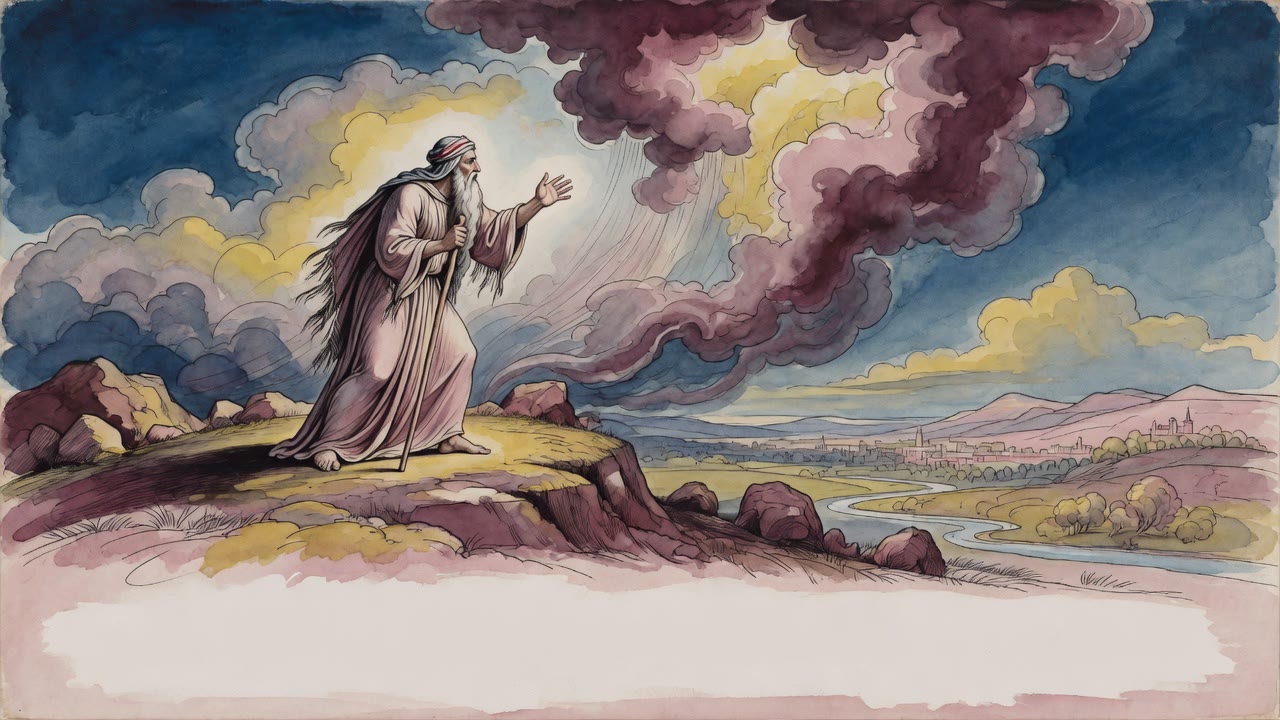
He had argued on behalf of Israel when the people deserved to be destroyed, and God had listened. He had stood between a furious heaven and a faithless nation and changed the outcome with words alone. So when God told him the sentence was final, that he would die on the eastern side of the Jordan, that he would see the land but never touch its soil, Moses did what he had always done. He prepared an argument.
It was a careful argument, the kind a man builds when he concedes the justice of the decree yet believes the heavens have overlooked something important. Moses was not contesting God's authority to make the decision. He was contesting the wisdom of it, on grounds that had nothing to do with his own desire to live.
The Case From Testimony
His first argument was about evidence. The generation entering the land had spent forty years in the wilderness watching Moses lead them. They had seen him negotiate with Pharaoh, had seen him hold his arms up through an entire battle, had seen him go up the mountain and come down with the Torah. His testimony about what God could do was more than hearsay. It was eyewitness. If Moses crossed the Jordan and walked with them into the land, the nation would have a living witness to everything that had brought them there. What they see directly, he argued, surpasses what they merely hear from others.
He called himself Egyptian when he was young and someone accused him of being one. The tradition notes this as one count against him, a failure of identity at a formative moment. But Moses did not offer this as confession. He offered it as context: he had made mistakes, yes, but those mistakes had not disqualified him from forty years of service that the nation needed to witness continue.
Heaven Closes Each Door
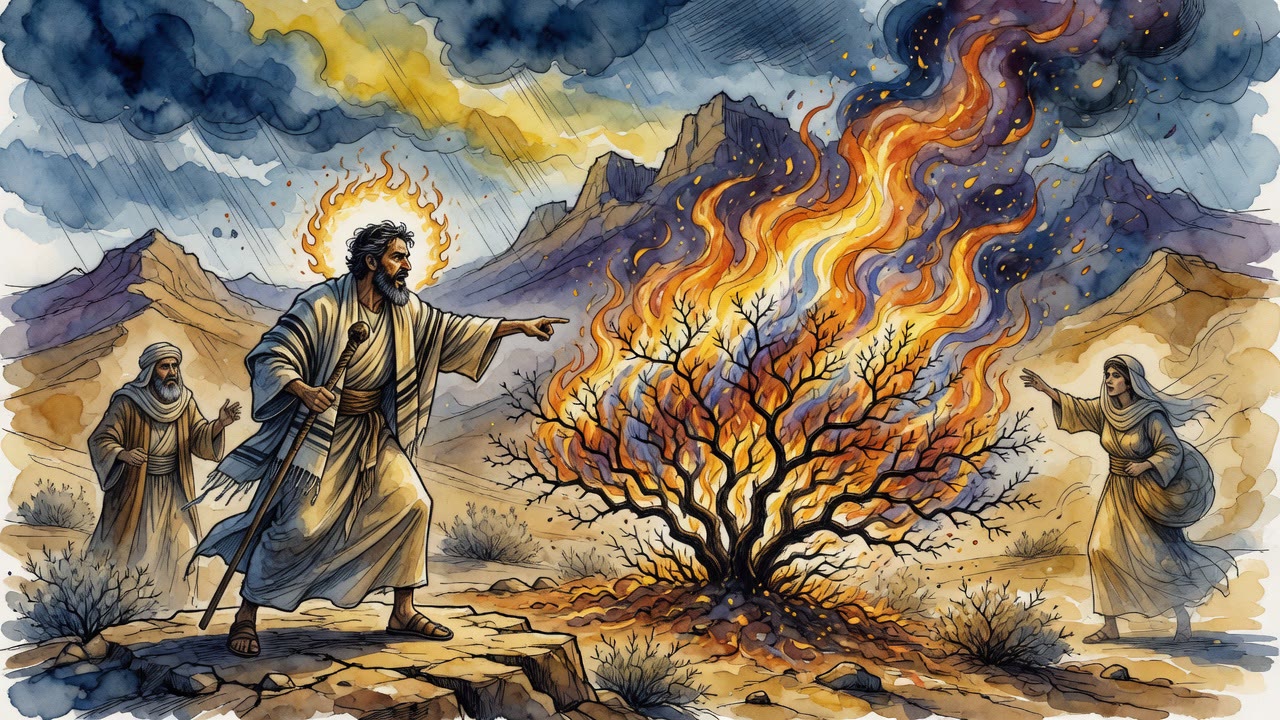
For every argument Moses made, a counter came. The decree was not about his merit or its absence. It was about what had happened at the rock, about what he had caused others to do, about the way a single moment of rage had introduced a distortion into his testimony about how God relates to the people. The nation needed to see that the law applies to everyone, that the man who gave it was also held by it. That lesson required Moses to die before the crossing.
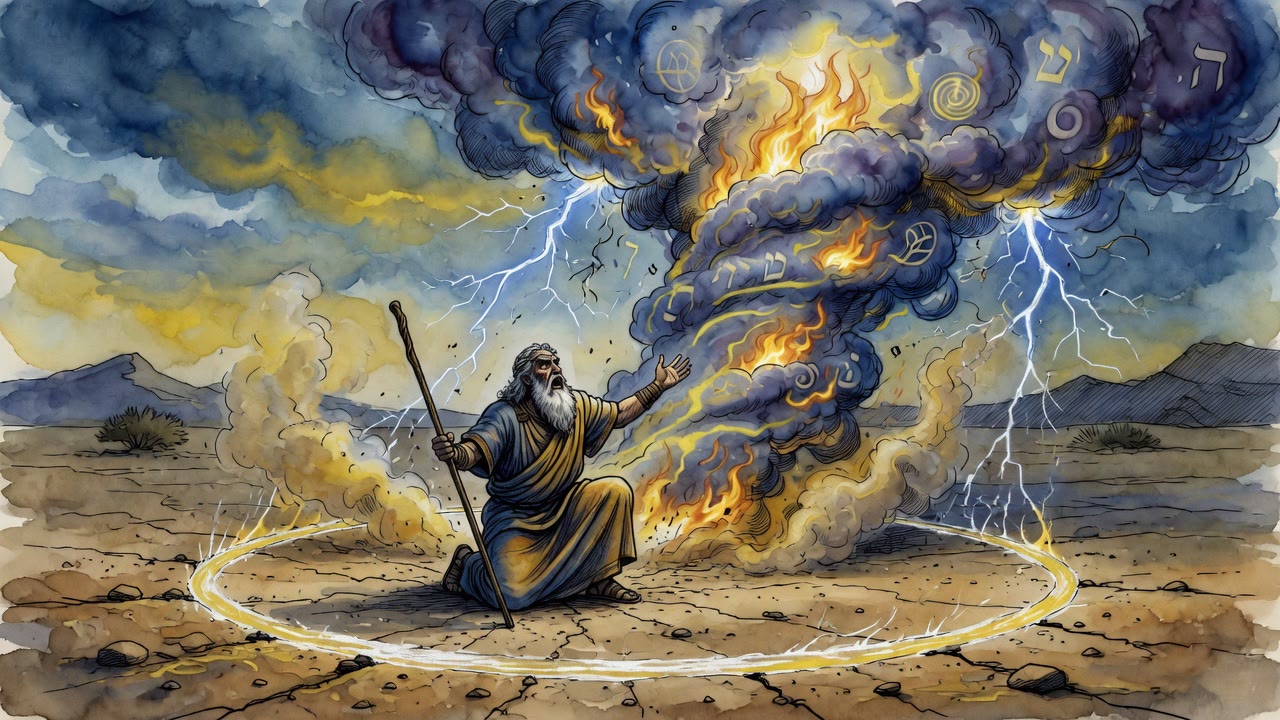
Moses pressed harder. He appealed to the patriarchs, to the covenant made with Abraham, Isaac, and Jacob that their descendants would inherit the land. He was one of those descendants. He had spent his entire adult life working toward the fulfillment of that covenant. Could the covenant really be completed without him?
The angels watching the exchange grew anxious. Some of them argued on Moses' behalf, not because they believed he could prevail but because the sight of him fighting so hard to live moved them. The tradition records them as uncomfortable witnesses, unable to intervene, aware that the decree would stand and moved anyway by the fact that Moses was making the case at all.
The Final Concession
Moses did not stop arguing until he understood, fully and without remainder, that the decision had been made before his arguments began and would not be changed by them. This is the tradition's consistent account: he was not defeated gradually. He was held open at each point until nothing remained to contest. And when nothing remained, he agreed.
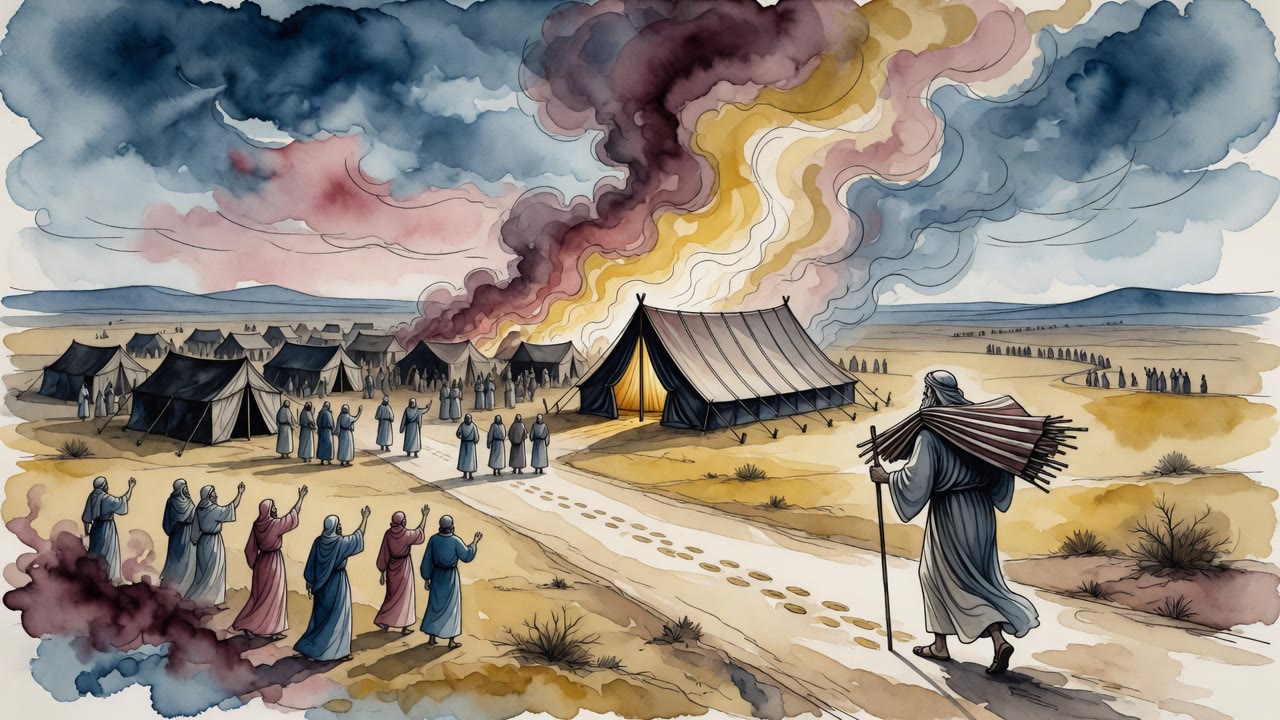
What he agreed to was not defeat but completion. He had carried the Torah down the mountain for the nation. He had prayed for them when they were unfaithful and guided them when they were lost and stood between them and destruction more times than the text records. To die before the crossing was not to fail in that work. It was to trust that the work had been done well enough that Joshua could carry it forward. The land would be there. The people would enter it. Moses would be gathered to his people, to Abraham and Isaac and Jacob and Aaron and Miriam, and that gathering was not nothing.
← All myths