Moses Asked Only to See the Land He Could Not Enter
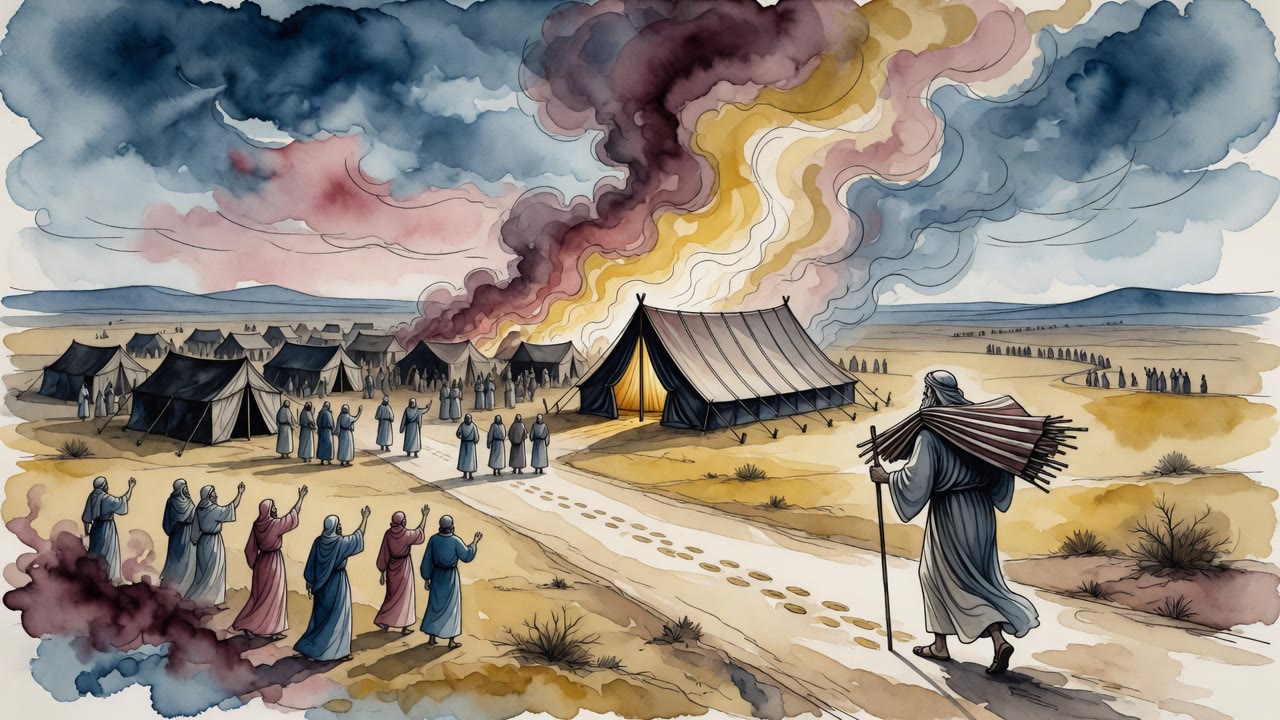
The river was already closed to Moses. He argued like a servant who loves his master and will not go free. God still said no.
Table of Contents
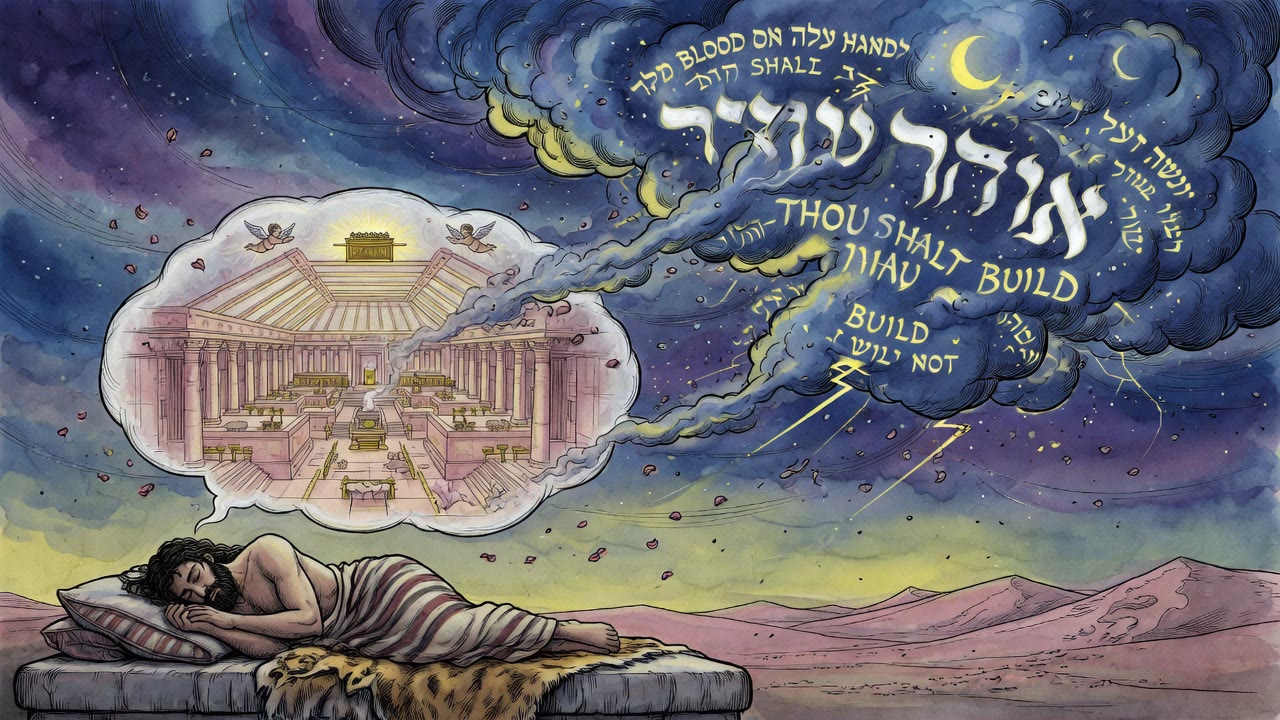
Moses put his case the way a servant puts his ear to a doorpost. The law was already in his mouth. If a Hebrew servant loves his master, his wife, and his children, and will not go free, the master brings him to the judges, and he serves forever. Moses said he was that servant. Pierce the ear. Keep me. Only let me cross the Jordan.
 Click for full size
God said no. The decree stood. Die in the mount whither thou goest up (Deuteronomy 32:50).
He Pressed His Ear to the Post
He did not stop talking. He named Leviathan. "Thou didst call me, as well as Leviathan, thy servant. I sent up prayers, and he sent up prayers, and him didst Thou answer. Thou madest a covenant with him that Thou keepest. The covenant that Thou madest with me Thou breakest."
The sea monster had a promise that held. The man who had carried the tablets down Sinai did not. Moses lined his own name up against a creature God had sworn not to abandon, and asked why the smaller servant got less.
He said God was not a judge of flesh and blood, who grants a prayer and then has to take it back when a superior walks in. "Where on earth or in heaven is there one so mighty that he can do such deed as Thine in Egypt, or who can perform such mighty deeds as Thou didst at the Red Sea?"
The answer did not change. God kept listening.
The Prayer That Worked for Everyone Else
Moses asked that mercy go first, before justice, because he knew the other order well. "There is no mercy in justice." God had told him once, when Moses asked how the world was run, "I owe nothing to any creature, and what I do for them is a free gift." So Moses asked for a free gift. He said God Himself had pointed at prayer as the way to cancel a punishment already laid down.
He brought the calf into the argument. When Israel made it, God had said, "Let Me alone, that I may destroy them, and blot out their name from under heaven" (Deuteronomy 9:14). Moses had heard that "Let Me" as a door left open. Who can hold God back, that He should say "Let Me"? He prayed. He was answered. The people lived.
"The prayer of the one for the many was answered," Moses said. "The prayer of the many for the one is not." He had called Israel rebels. He admitted it. He also said he had only used God's own word. God had called them the sons of rebellion first.
None of it moved the decree. The mountain was still going to take him.
He Asked Only to Look
When Moses understood that his feet would not touch the promised land, he changed the ask. He did not plead to set a heel in the dust. He asked to see it.
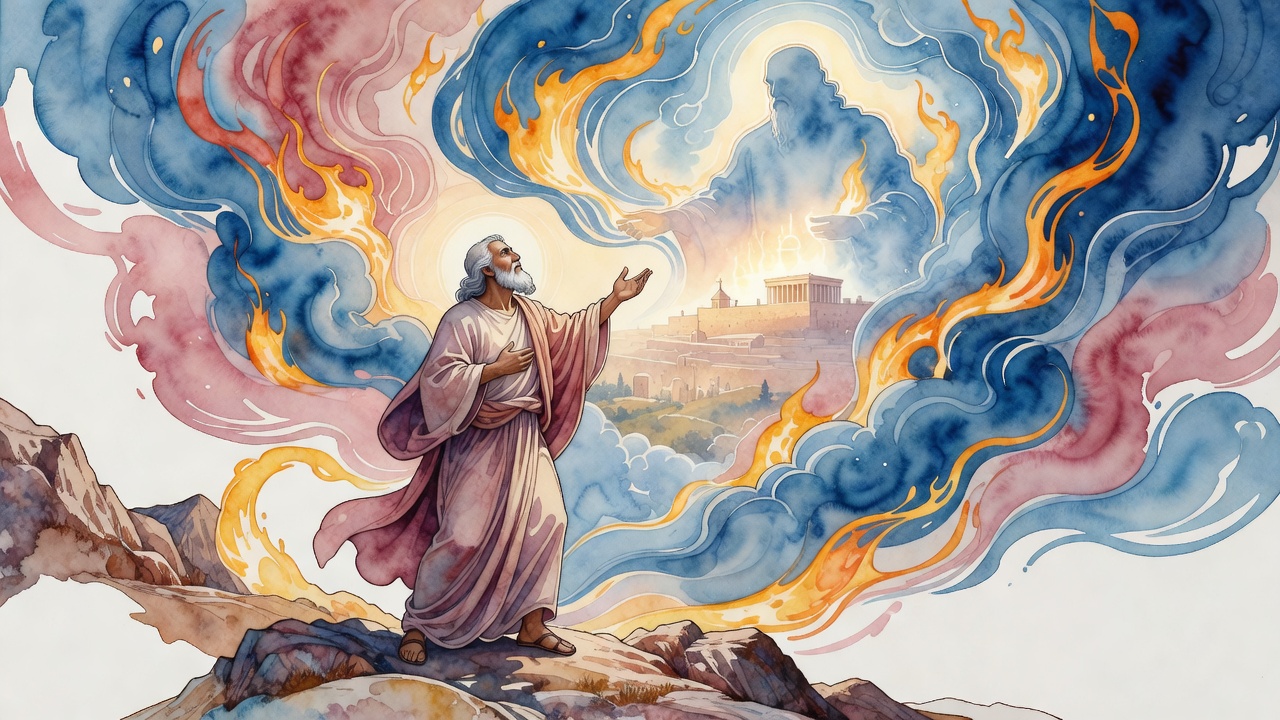
"Let me go over, I pray Thee, and see the good land that is beyond Jordan, that goodly mountain, and Lebanon" (Deuteronomy 3:25). He named Jerusalem. He named the Temple. He wanted the country the spies had slandered and he had praised, and he wanted it with his own eyes before those eyes shut.
God took him up. Not across. Up.
What God Showed Him From the Mountain
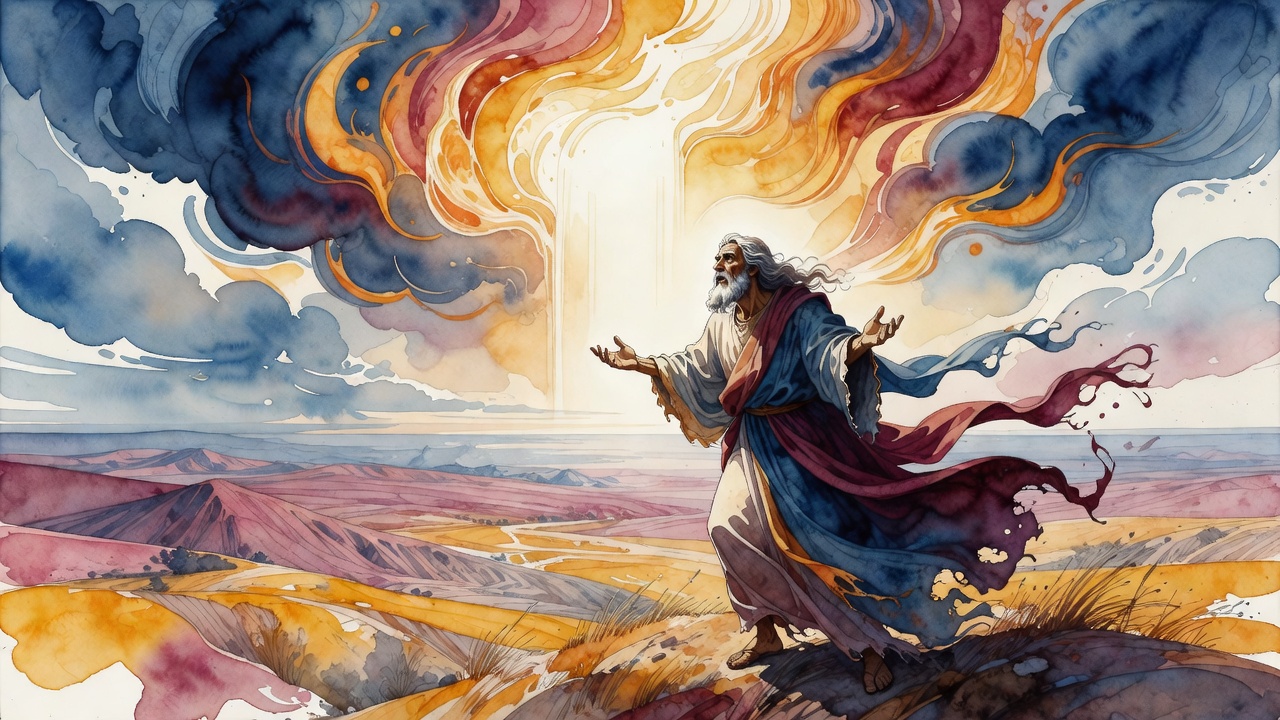
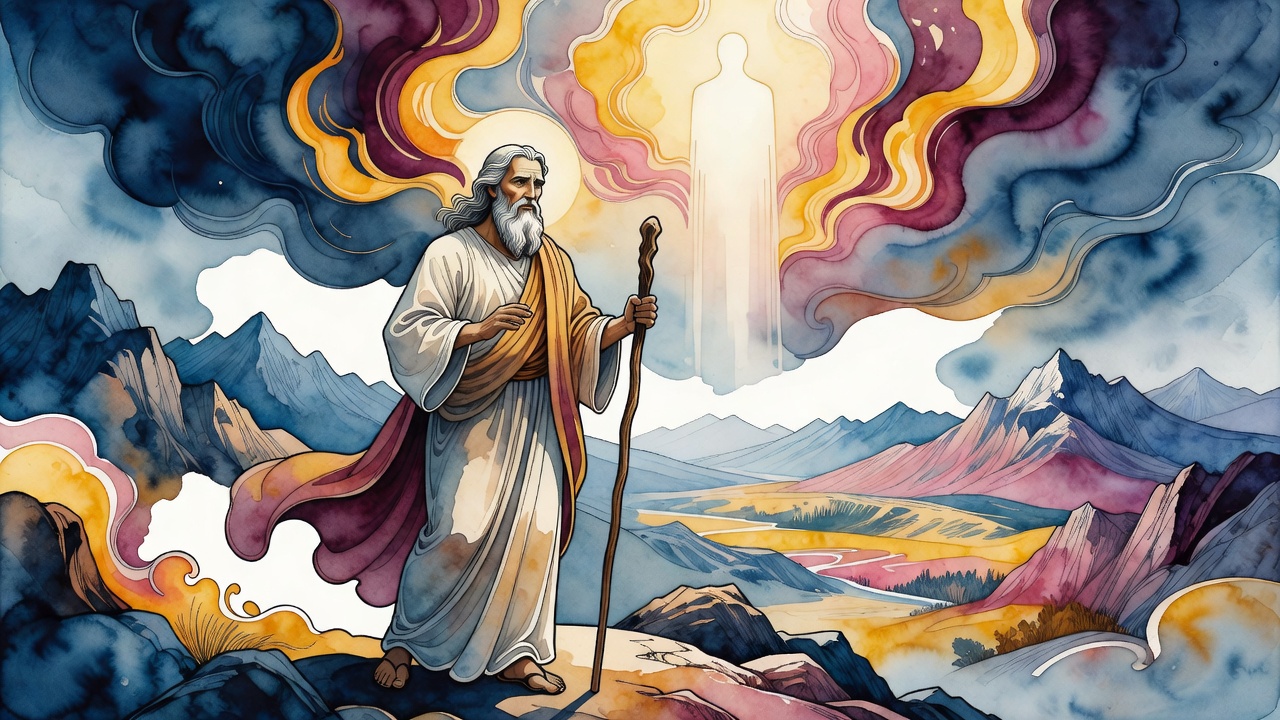
From the summit of Pisgah, opposite Jericho, God showed him Gilead as far as Dan, all Naphtali, the land of Ephraim and Manasseh, all Judah to the western sea, the Negev, and the plain of the valley of Jericho, the city of palm trees, as far as Zoar (Deuteronomy 34:1-3).
Moses looked. He looked at tribal borders that had not been walked yet. He looked at a Temple that had not been built. He looked at a river he would not cross, bright under the same sun that was about to close his life.
Then he died there, on the mountain, facing the land, having seen it whole, having never stepped on it.
← All myths