Moses Who Walked Toward the Men Who Hated Him
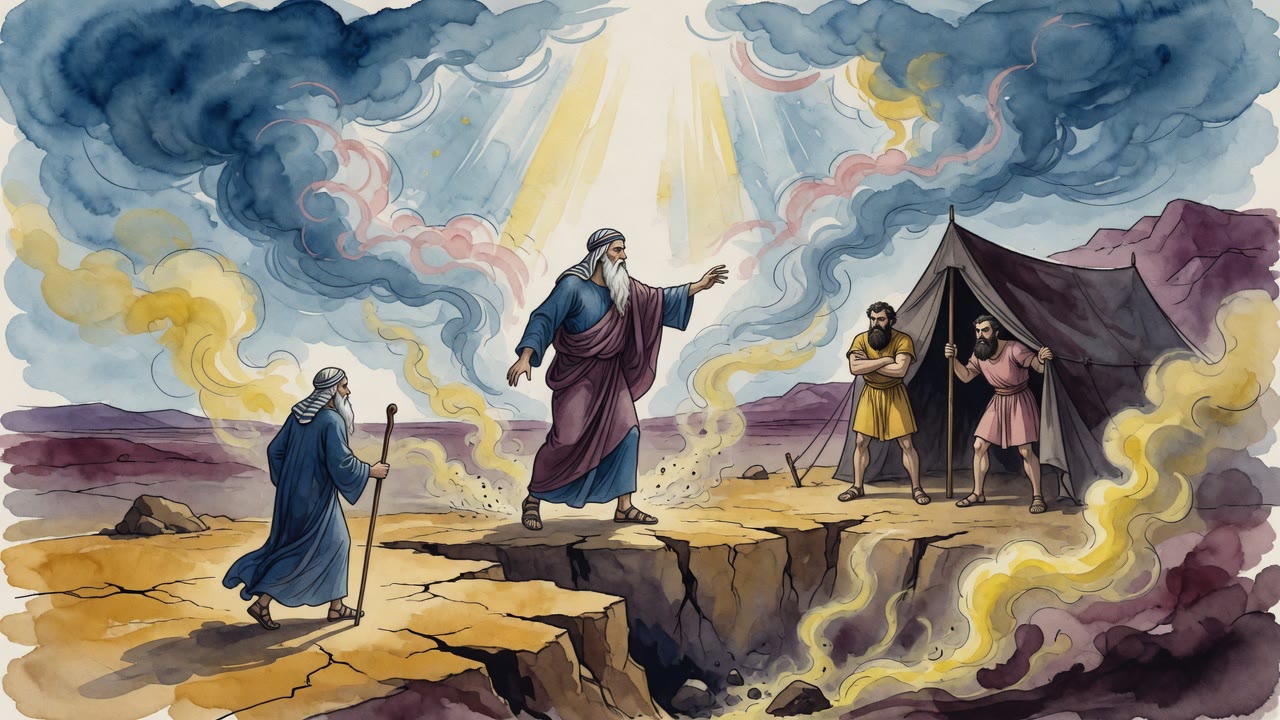
The tent flap did not move. Moses waited outside, then told the crowd to step back from the ground that was about to open.
Table of Contents
 Click for full size
The Walk Across the Camp
Moses did not send a message. He walked.
God had told him to warn the congregation: move away from the tents of Korah, Datan, and Aviram before the earth consumed them (Numbers 16:23-24). Moses heard it clearly. He could have shouted it from across the camp, sent a deputy, or let the warning travel mouth to mouth. Instead he rose and went on foot to the men who hated him and had spent years working toward his destruction.
Datan and Aviram had been his enemies since Egypt. They had quarreled with him in the wilderness. Now they stood at the heart of Korah's rebellion. The people watched Moses cross the camp. Dust on his feet. No escort worth mentioning. He stopped outside the tent flap.
A Closed Tent
No one opened it. He waited. The fabric did not move. They would not come out to confront him, even to curse him to his face. Moses looked at the closed tent, and then he said the words that have survived everything else.
"It was incumbent upon me to go this far."
Not: I tried. Not: at least I came. He had not come to absolve himself. He had come because rebuke required a human presence, a face, a moment in which the men inside could have chosen to walk toward him. They did not choose it. They had to have the chance.
They carried insolence and dispute, machloket (מַחֲלֹקֶת), the spirit that tears a camp open. Two of the four marks of the wicked sat in that tent: shamelessness before a greater man, and the hunger to split a people. Moses had walked anyway.
He Staked His Life on the Ground
When he saw they would not come out, Moses turned to the congregation gathered around the tents. He did not pound on the cloth. He had made the walk. The rest was theirs.
"Move away from the tents of these wicked men," he told the people. "Touch nothing of theirs, or you will be swept away with them in their sin" (Numbers 16:26). The crowd pulled back like a tide. Then Datan and Aviram did emerge, but not to repent. They came out cursing and blaspheming, standing in the tent doorway with their wives, their children, their infants at their feet. They stood and stared.
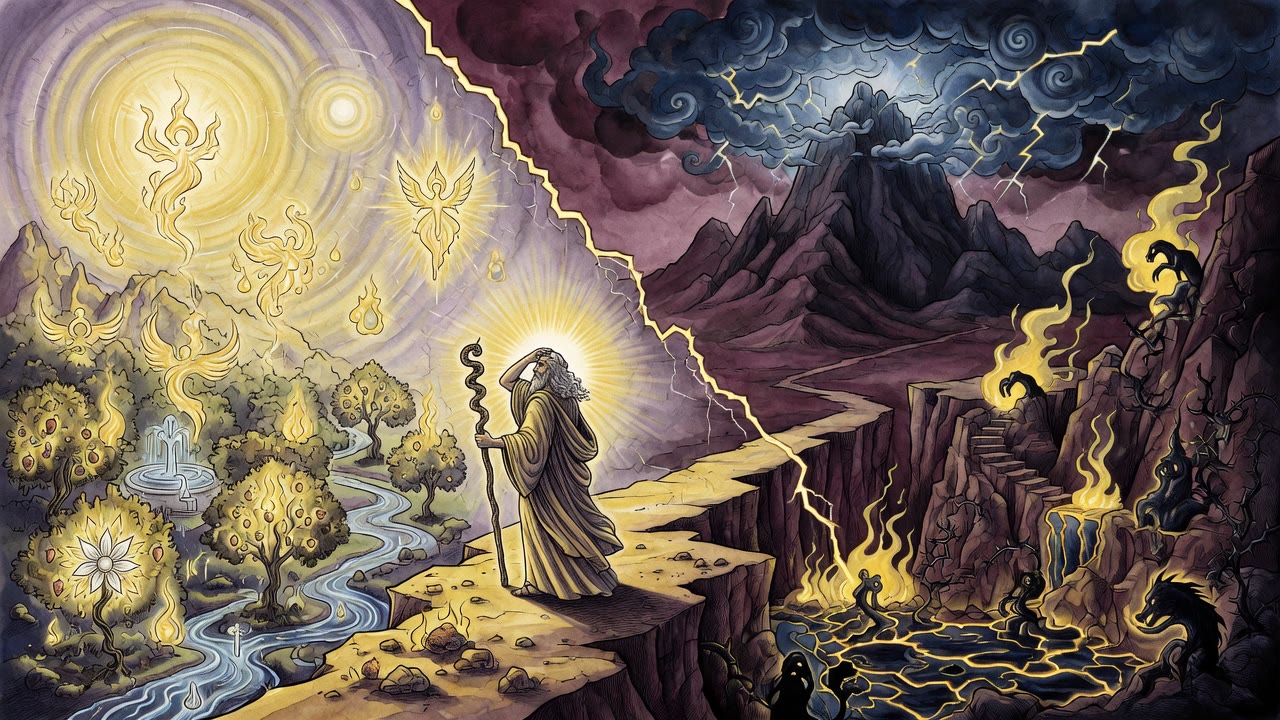
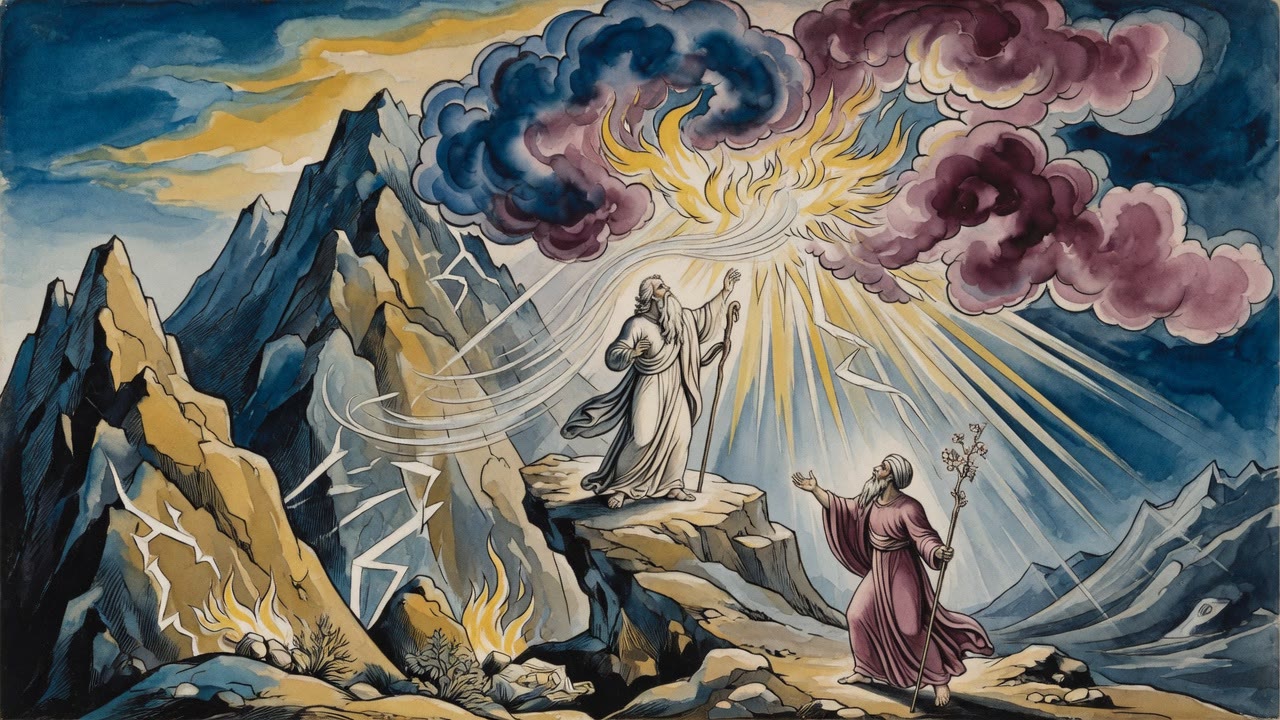
Moses turned from them to God. He said: if these men die peacefully, in their beds, the way anyone dies, then say that God did not send me, that I fabricated all of it from my own heart. But if the ground opens and takes them down alive into Gehinnom (גֵּיהִנֹּם), the pit of judgment, then you will know (Numbers 16:28-30). He was not threatening. He was staking his entire life on what he believed the earth would do.
God answered him: you have decided. I will fulfill it. If the earth already has a mouth, good. If not, let a mouth be created now.
What He Carried From the Calf
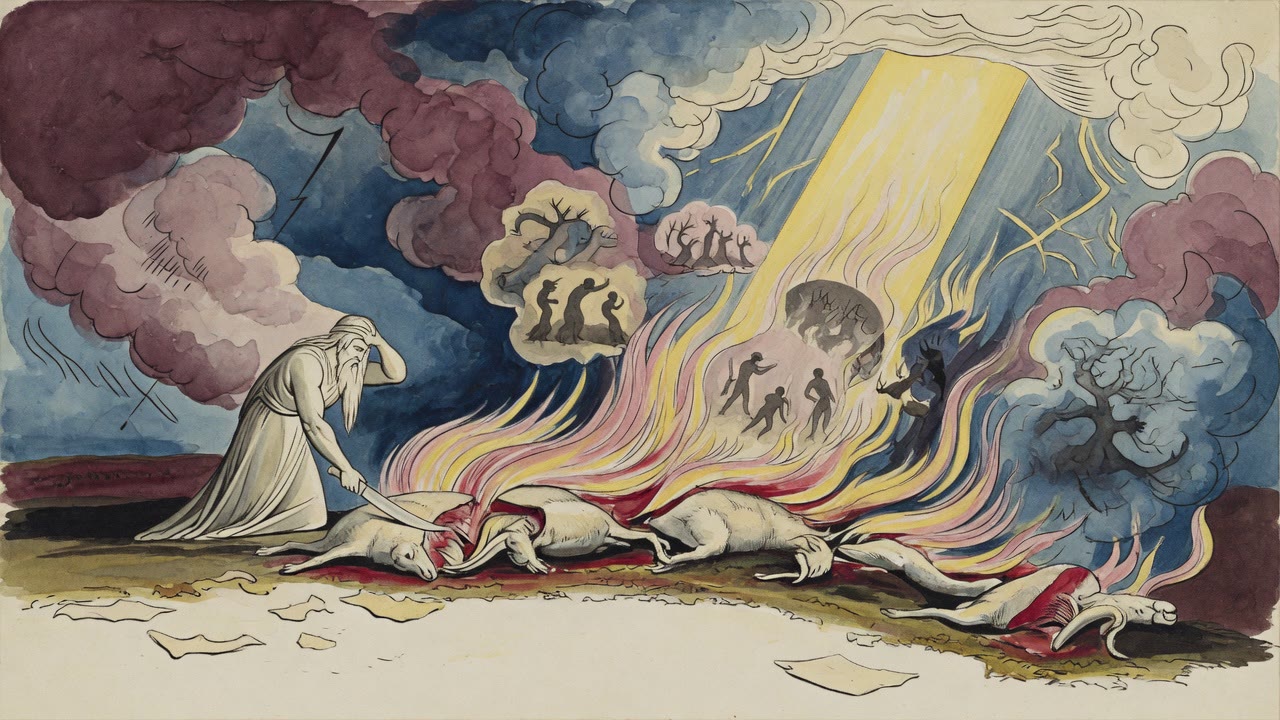
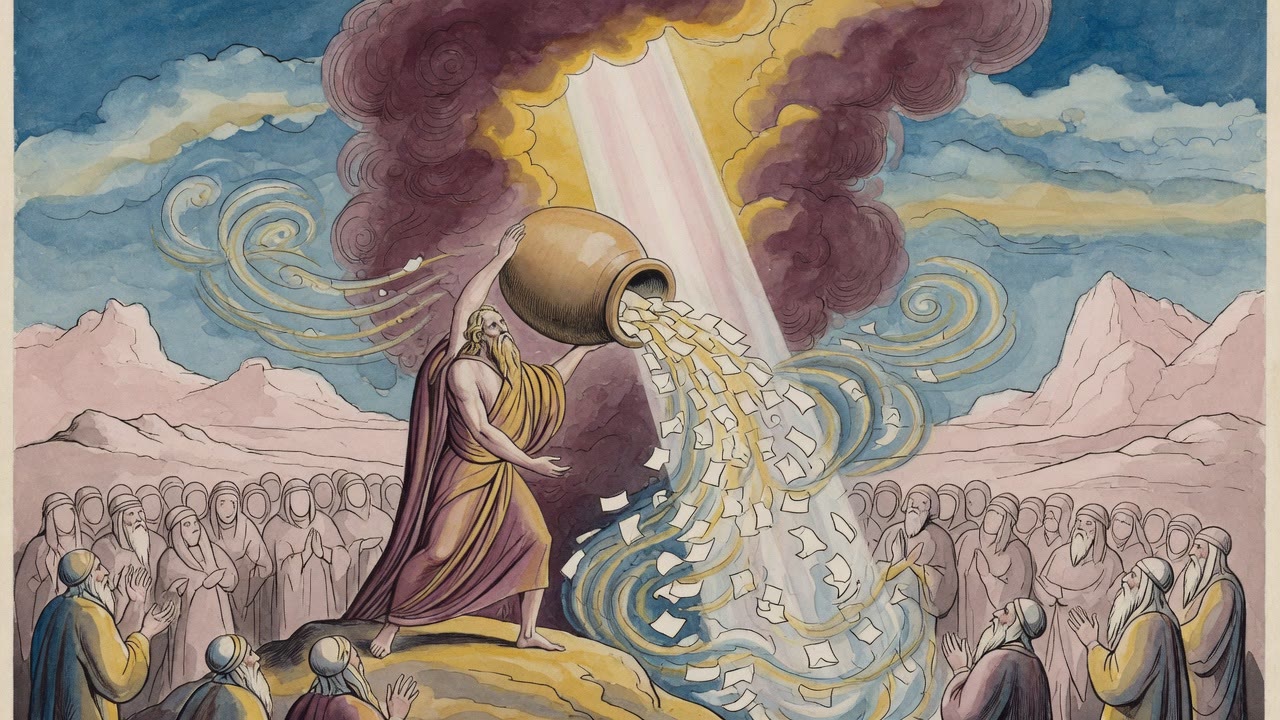
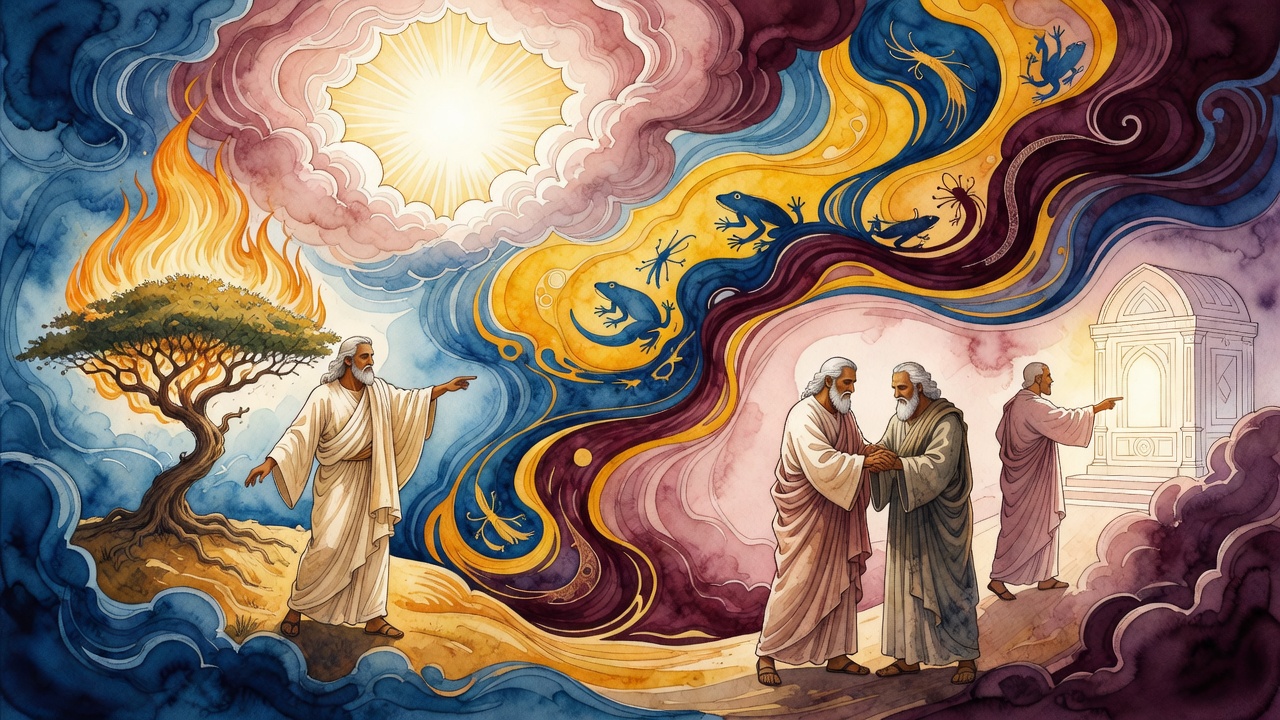
The walk was not the first time Moses placed himself between Israel and the fire coming for them. After the Golden Calf, he had done it with his own hands. The curse-scroll that should have fallen on the nation, Moses wrote and then erased into the bitter water, so that Israel would drink the accounting rather than be consumed by it outright (Numbers 5:23). The tablet on which God had inscribed "Who reckons the iniquity of the fathers against the children" (Exodus 20:5) had shattered at the mountain's foot. The script flew off the stone and dissolved. What should have remained as permanent judgment passed through Moses's body and dispersed, because Moses chose to stand in its path.
Both acts have the same shape. A disaster with Israel's name on it. Moses putting himself between the people and the heat. At the Calf he absorbed the judgment through writing and erasure. At Korah he absorbed the moment of decision through the walk, through the face, through the words spoken to a closed flap of cloth. He could not force Datan and Aviram to repent. He could only arrive.
When the Ground Opened
The earth split. Datan and Aviram went down alive, with their households and everything belonging to them (Numbers 16:32-33). The congregation that had watched Moses make his walk now fled from the sound of it, afraid the ground would reach for them as well.
Korah's company left no share in the land. The spies who had slandered the country died a death that began in the tongue, and Joshua and Caleb lived in the portions those men abandoned. The complainers around Korah were sorted with the same loss. The ground took more than bodies. It took inheritance.
Moses was not vindicated. Vindication belongs to men who act for outcomes. The walk had already ended when he said it was incumbent upon him to come this far. What happened afterward was between them and the earth. Moses had crossed the camp, stood at the door, spoken his warning to a crowd, and stepped back.
They went down. He was still standing.
← All myths