Korah's Assembly Was What the Psalmist Refused to Join
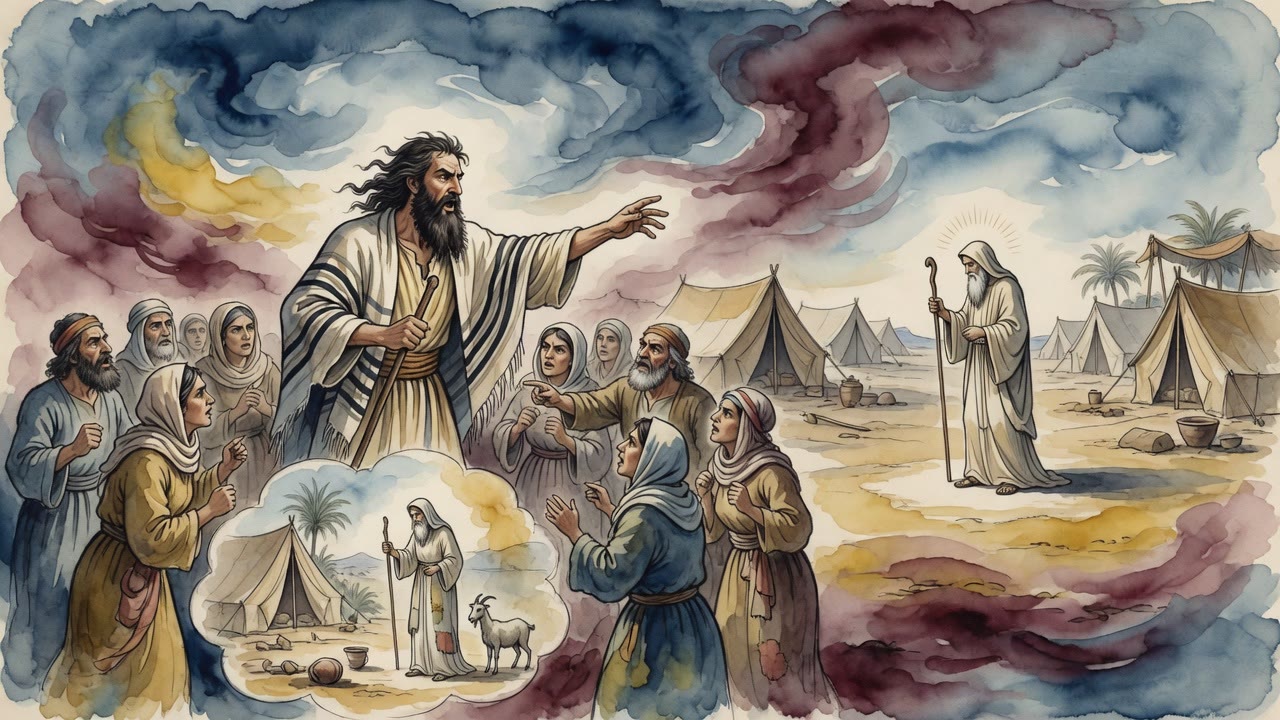
Korah recruited followers with a story about a widow and her one field. Moses took the first fruits, then the tithe, then the wool off her two sheep.
Table of Contents
 Click for full size
The Psalm That Named a Chair
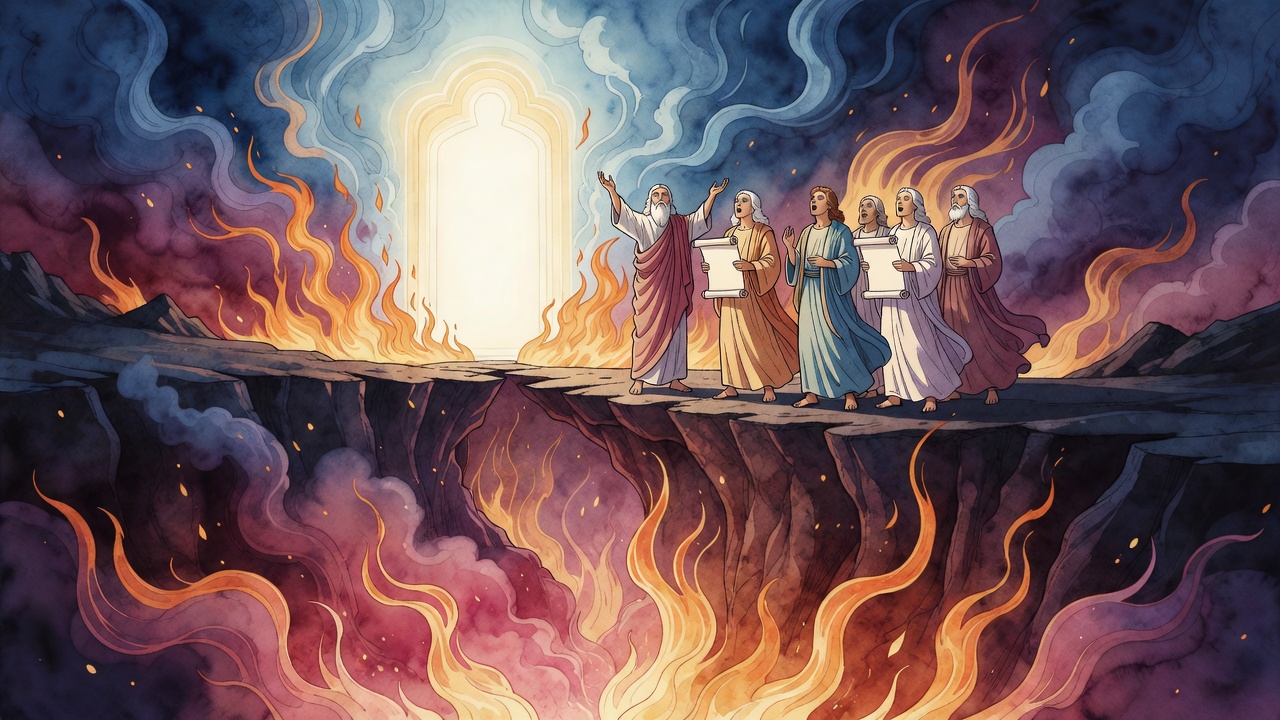
David pulls a chair away from a table and leaves it empty. Psalm 26 does not apologize for the gesture: I hate the congregation of evildoers, and I will not sit with the wicked. The word hate is not softened, the refusal is not qualified, and the congregation that provoked the response receives no flattery from the psalmist. The verse is the opposite of careful.
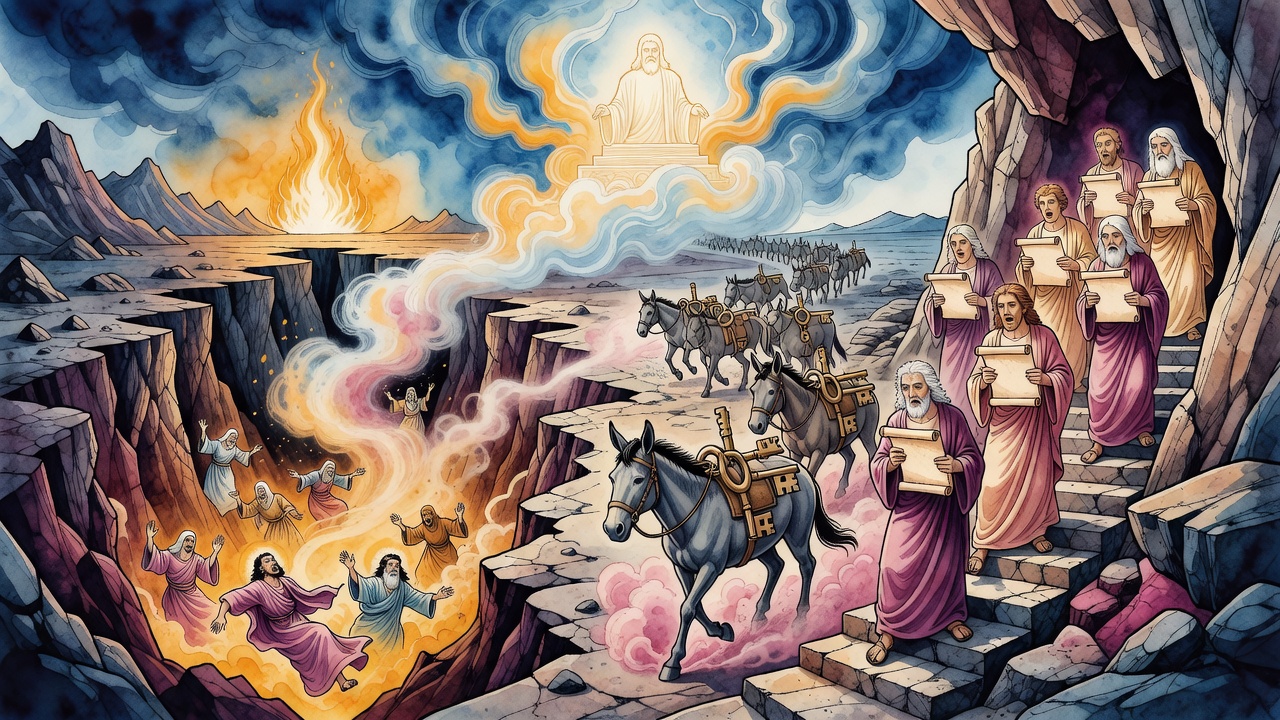
When the rabbis of Midrash Tehillim read that verse, they asked which congregation deserved that name, and they found it waiting in the book of Numbers.
The Word That Identified the Crime
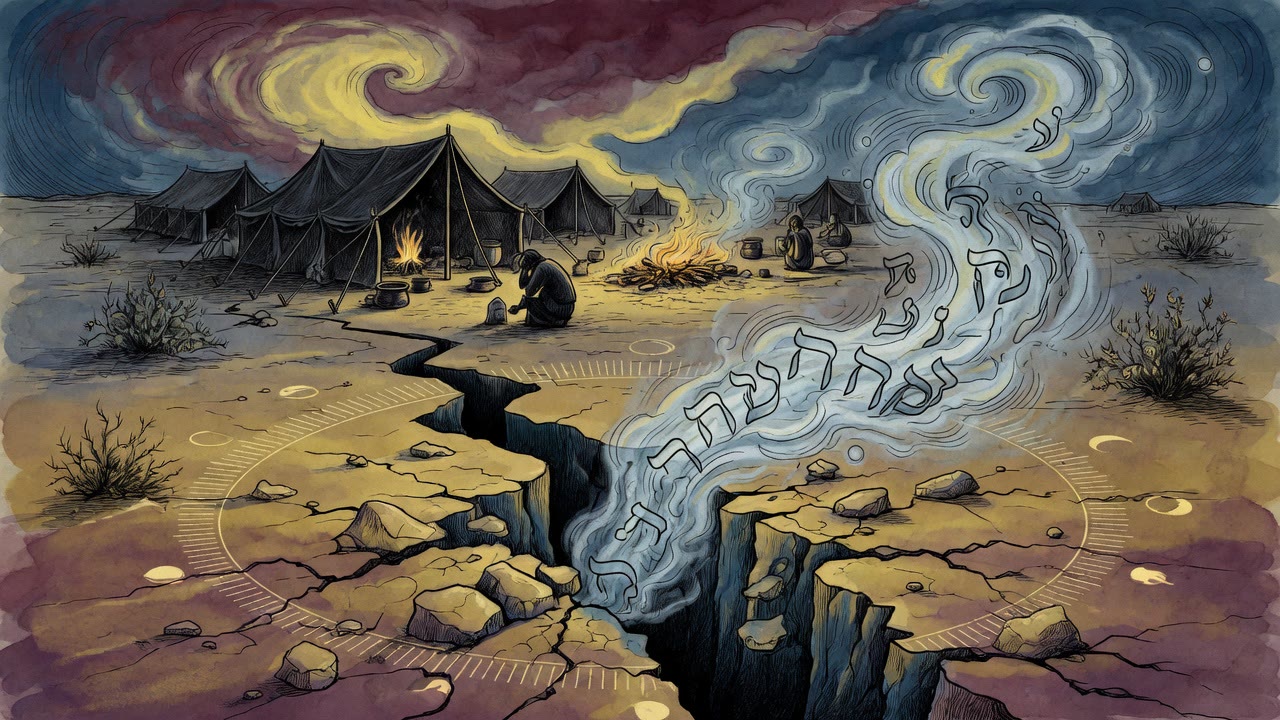
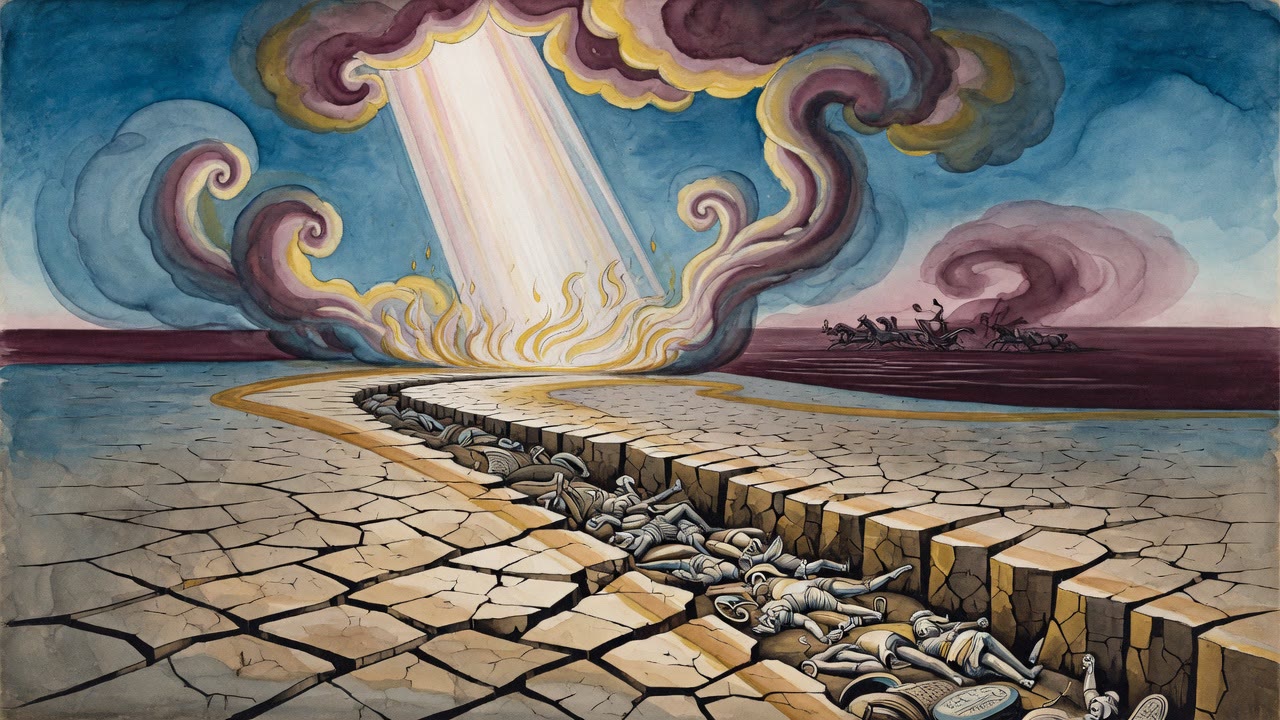
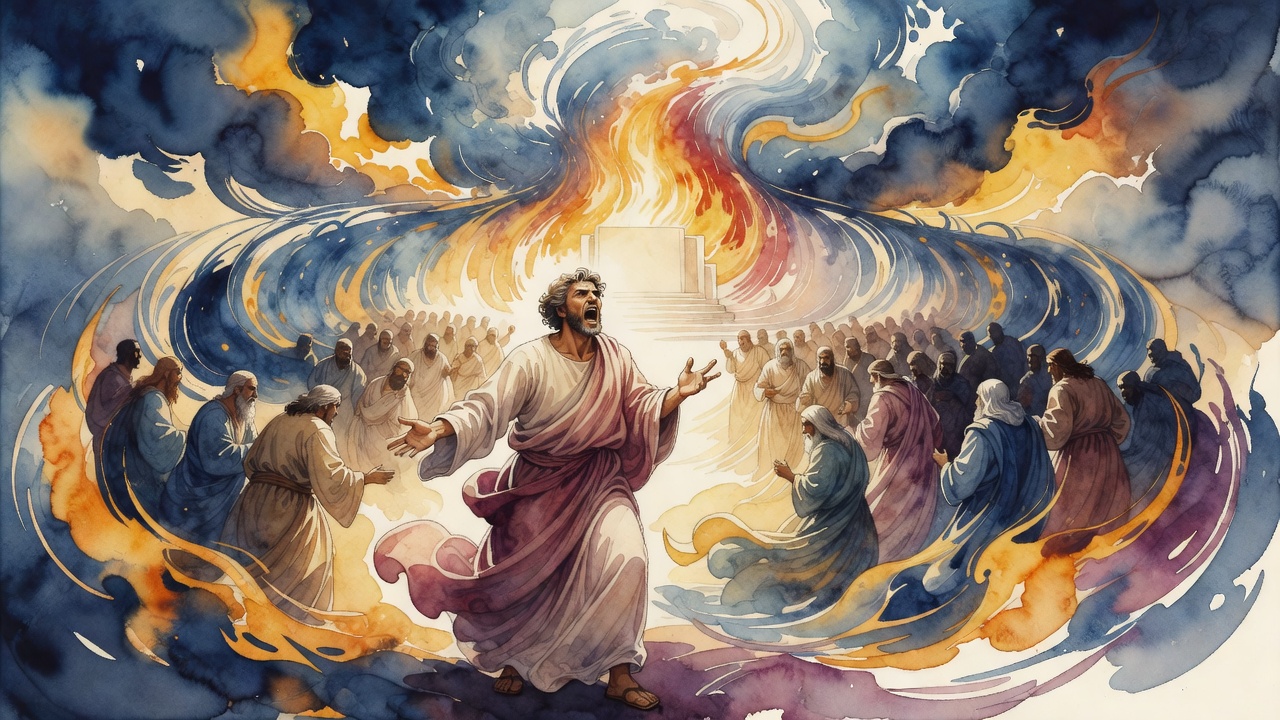
The shared word is edah, assembly. Numbers 16:19 says Korah assembled all the congregation against Moses and Aaron at the entrance to the Tent of Meeting. Moses responded by telling Israel to move away from the tents of these wicked men, using the same word for the wicked that Psalm 26 uses. The vocabulary locked the two texts together. The psalmist's refusal to sit with the wicked was a refusal to enter Korah's tent. The hated congregation had a name.
That matters because assembly is normally a holy word in the tradition. Israel is called an assembly at Sinai. The congregation gathers at the Tabernacle. The court convenes as an assembly. When Korah used the language of holy assembly for his rebellion, he was not simply defying Moses. He was borrowing the shape of legitimate religious authority and wearing it over something entirely different.
The Cruelest Story Korah Ever Told
Midrash Tehillim preserves a story that Korah used to recruit. He told the crowd about a widow and her two daughters. They had one field, which they plowed and planted and harvested. Moses came with the law of first fruits and took a portion. They set aside the tithe. The priests' portion was required. The poor man's portion was required. The widow worked what was left. The next year she sold the field and bought two sheep, hoping the wool and the lambs would sustain her. Moses arrived with the law requiring the first shearing of each animal. She gave the wool. Then the law required the firstborn of each animal. She gave those too. When she slaughtered a sheep for food, Aaron arrived with the shoulder, the jaw, and the stomach portions required by priestly law.
When the widow finally declared the sheep forbidden property to free herself from further obligation, Aaron demanded all of it, since consecrated property without a designated recipient belongs to the priests.
The story is designed to outrage. Korah told it as evidence that Moses was a tyrant who had invented the law for his own benefit and Aaron's. It is devastating rhetoric. The widow is real enough to feel. The requirements accumulate beyond what any poor family could bear. And every legal citation in the story is accurate. Korah did not invent the laws. He selected them, arranged them in the worst possible sequence, and presented them to an exhausted camp as proof that the leadership was corrupt.
Why Moses Fell on His Face
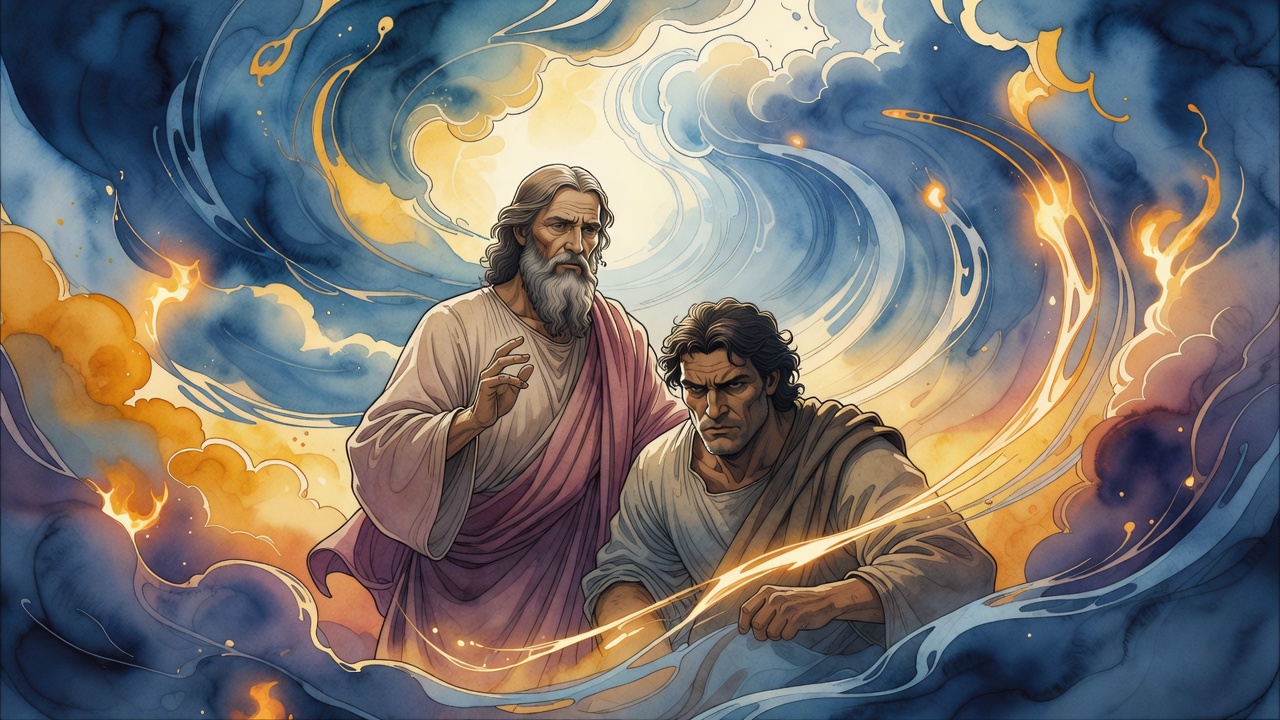
Numbers 16:4 says that when Moses heard Korah's challenge, he fell on his face. The rabbis asked why. Their answer: because Moses recognized that some of what was being said was not entirely wrong. The laws were demanding. The people were tired. The wilderness was not what anyone had expected. Moses fell on his face not from weakness but from the recognition that an accusation does not have to be entirely false to be weaponized. Korah had taken real laws and real burdens and turned them into a case for rebellion.
That is what made the congregation dangerous. Not the lies, but the true things arranged to serve a false conclusion.
← All myths