35 myths · Page 1 of 2
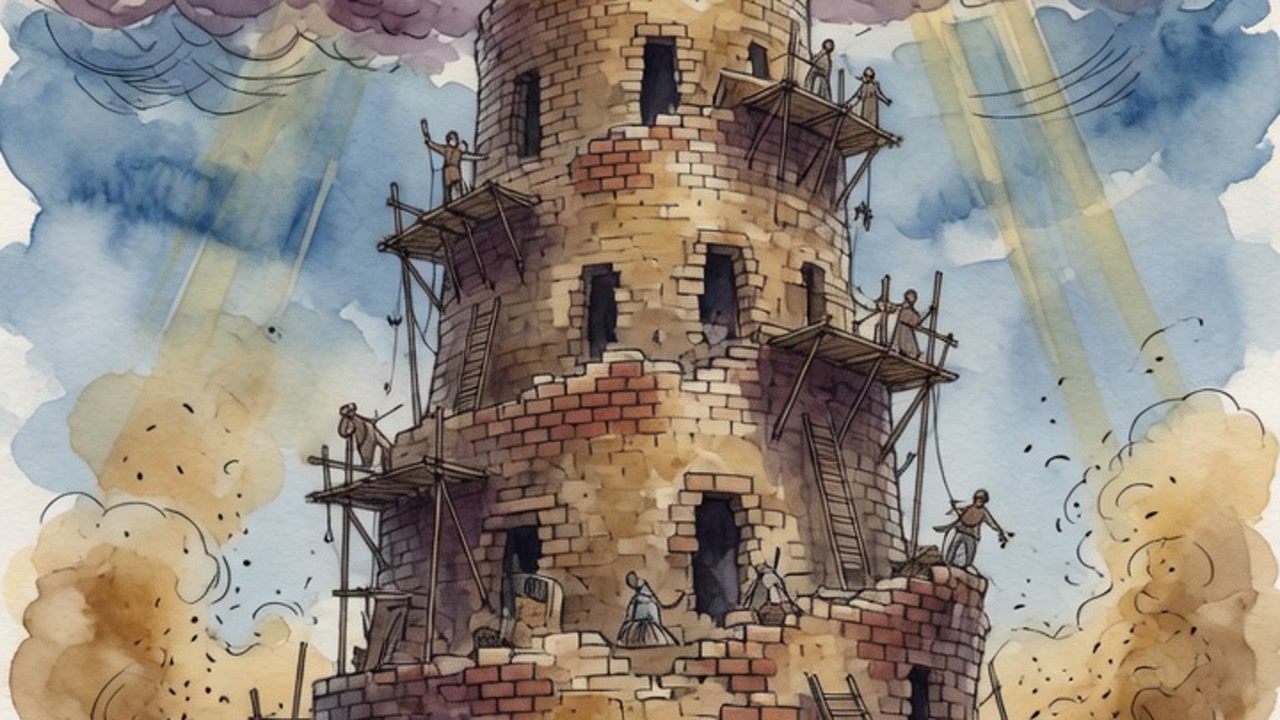
When a brick shattered, the work stopped and the men wept. When a man fell the same distance, they stepped over him and called for the next course.
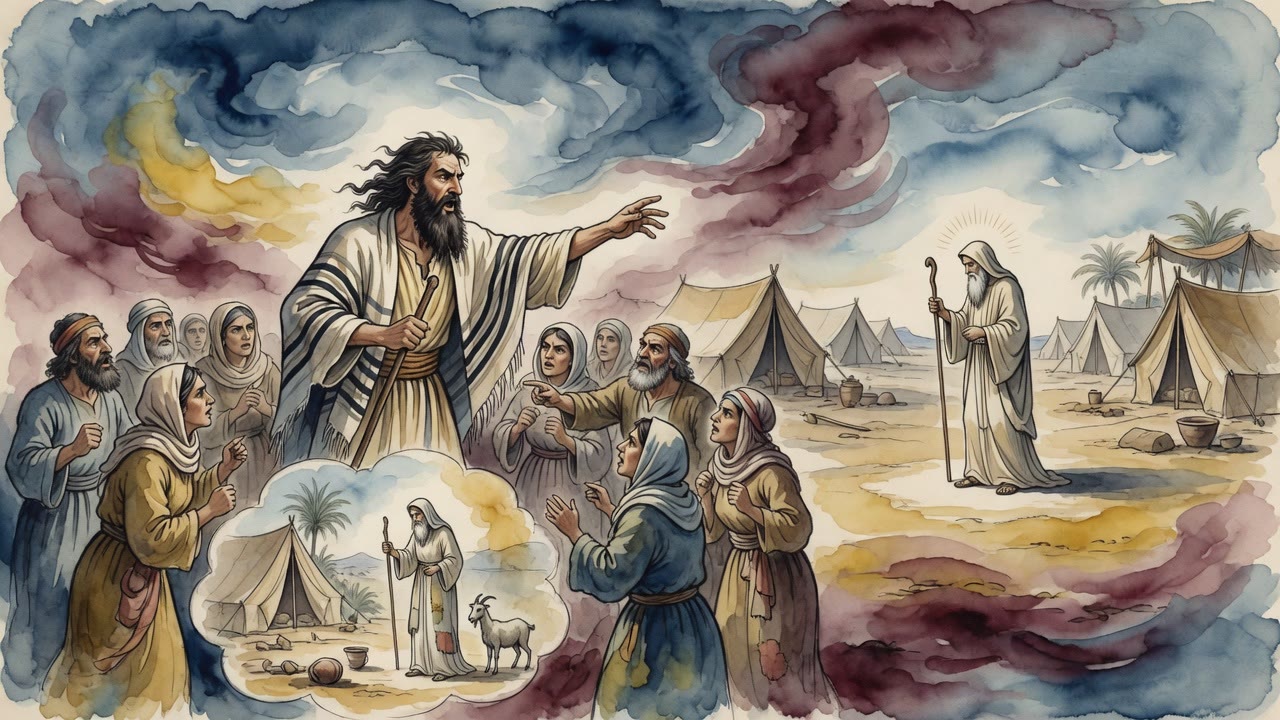
Korah did not start his rebellion with a speech. He started it with a story about a poor widow that made every listener hate Moses on the spot.
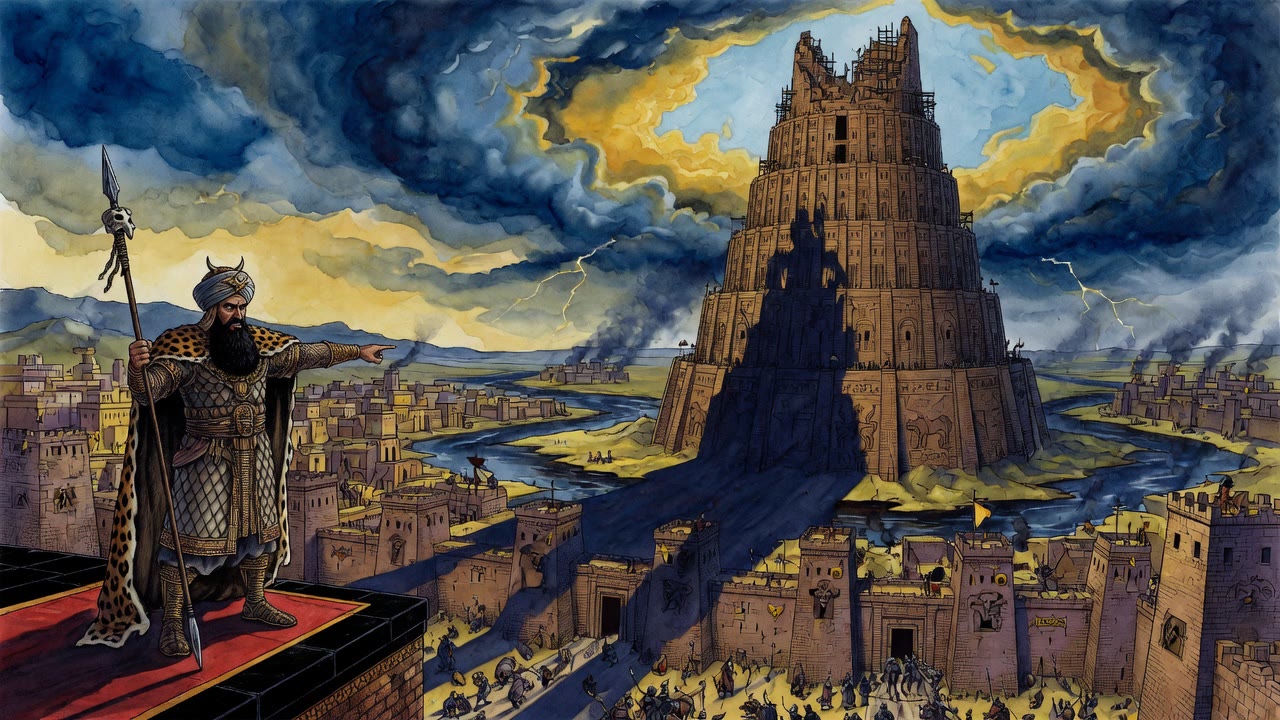
After the Tower of Babel fell, Nimrod did not repent. He built four cities and named them after what God had done to him. Then he threw children into a furnace.
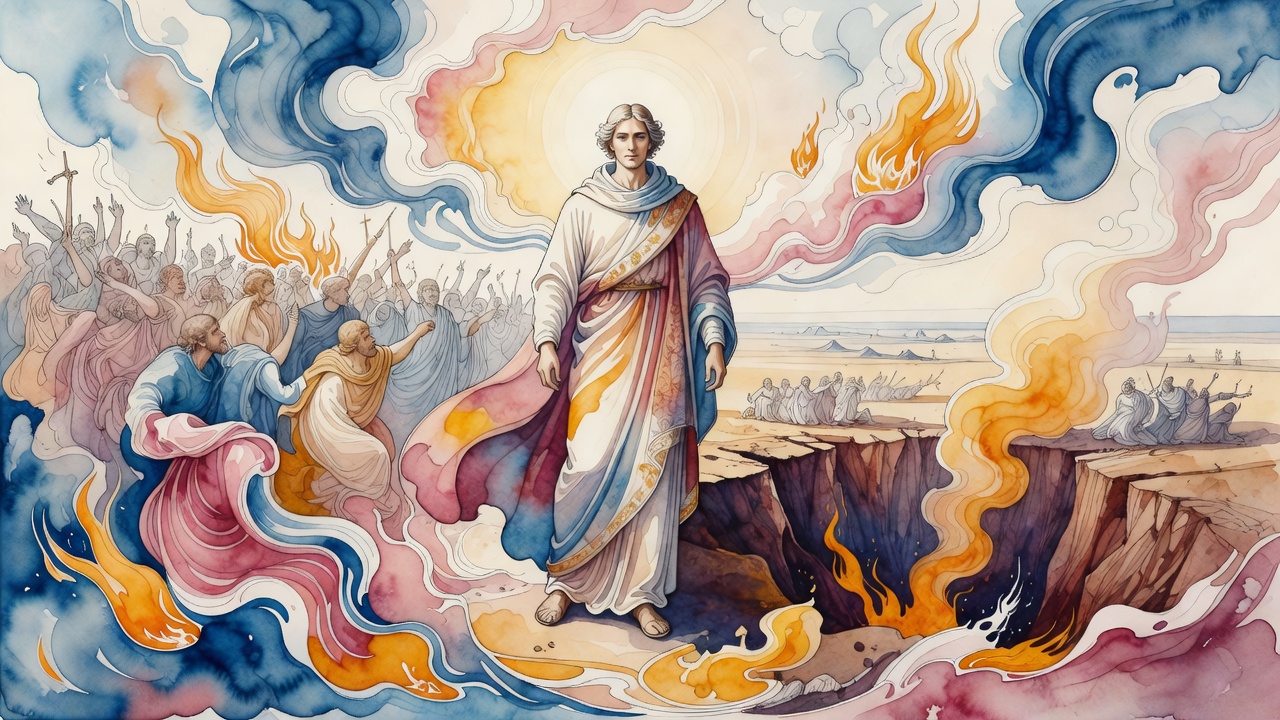
Aaron's priesthood was bracketed by two catastrophes, the Golden Calf and Korah's rebellion. Both threatened him. Both failed to destroy him.
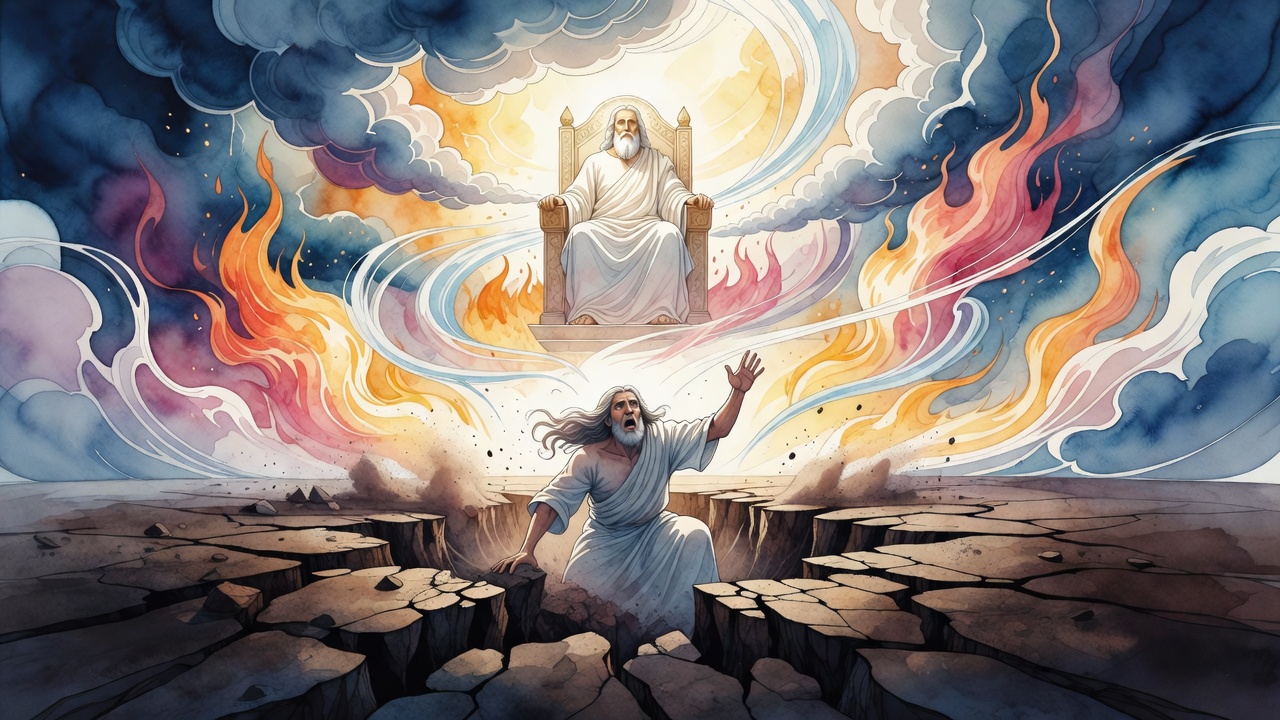
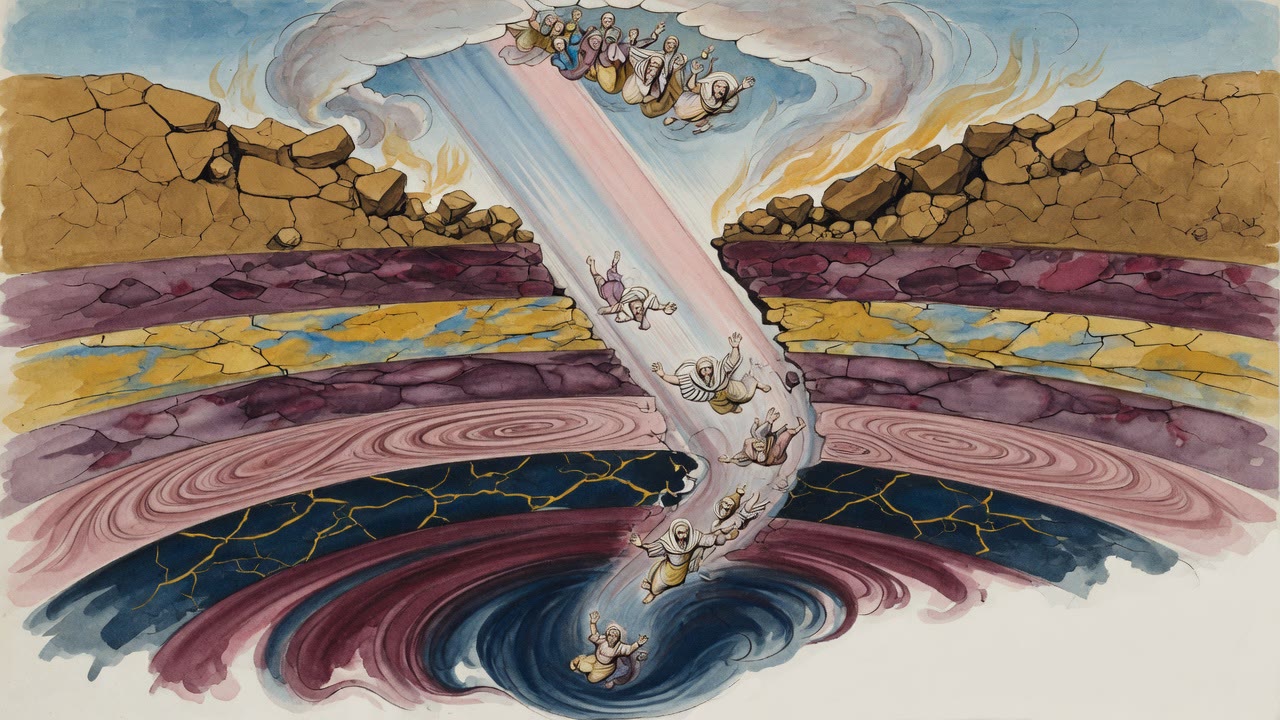
Korah used a widow's grief to fuel his rebellion. The earth waited until he had made his choice, then swallowed him alive while he was still confessing.
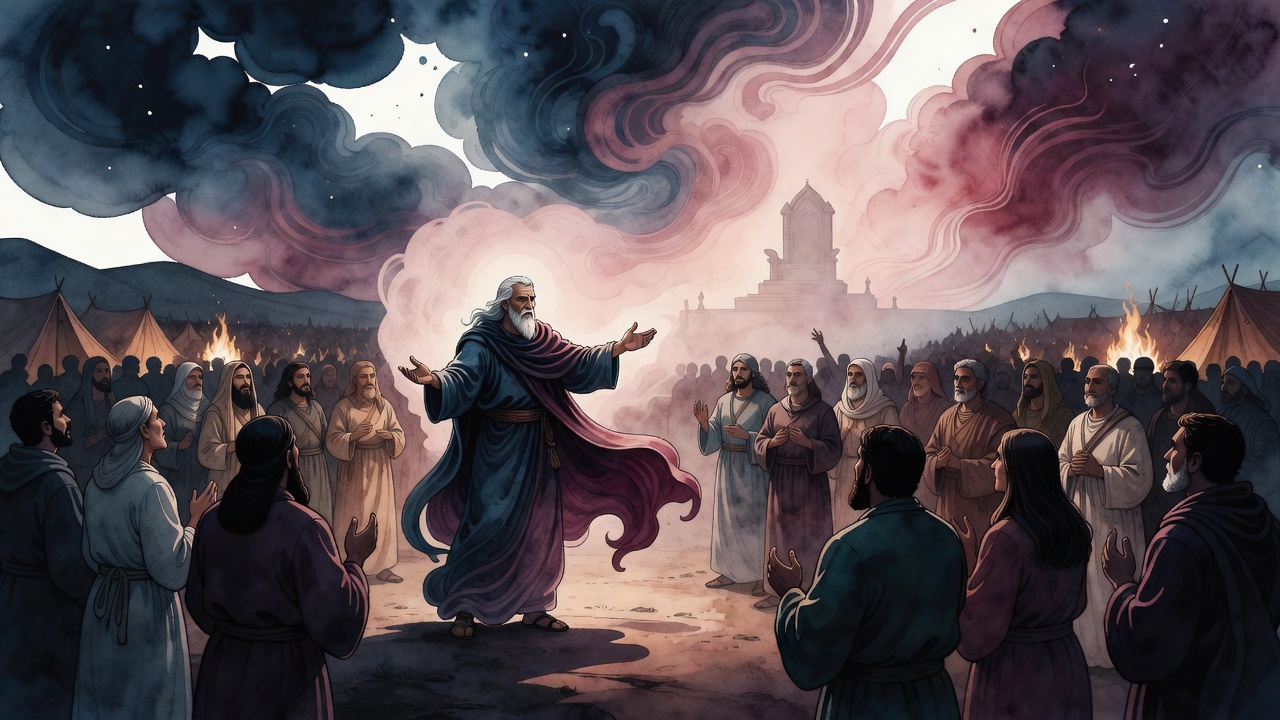
Moses had given him until morning to think. Korah used the dark on tent flaps, and dawn brought a whole camp to the incense test instead.
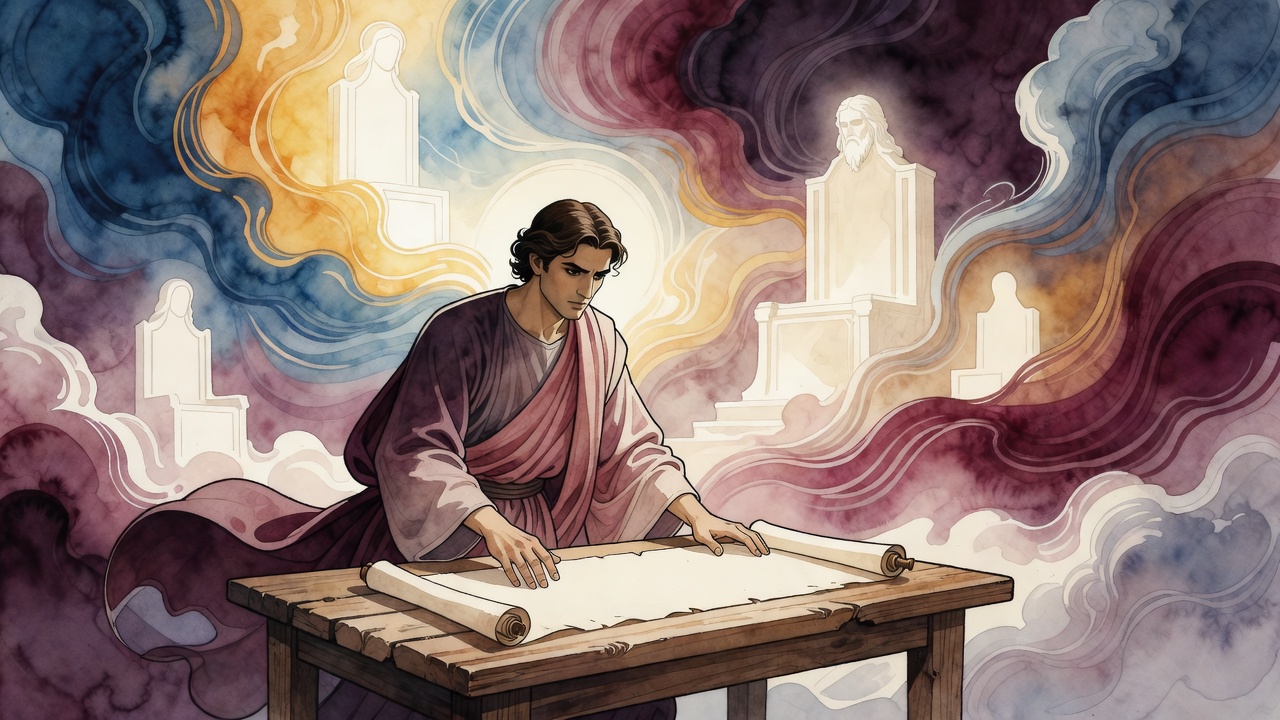
Absalom spent years building his plot against his father. It began not with weapons but with a letter bearing the king's own seal.
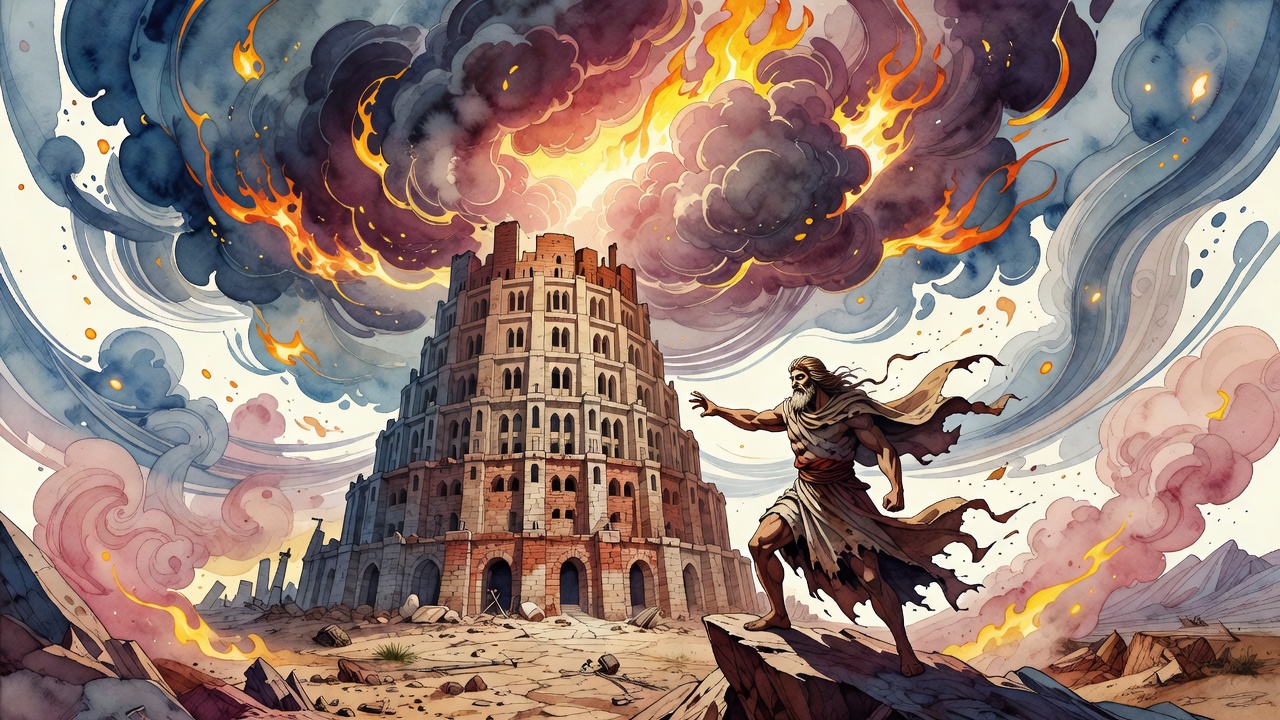
The bricks were fired hard and sealed with bitumen so no water could get in. Nimrod was not reaching for heaven. He was building above the flood line.
Moses shaved him bald as part of a purification rite. Korah walked back through the camp and his own neighbors asked him who he was.
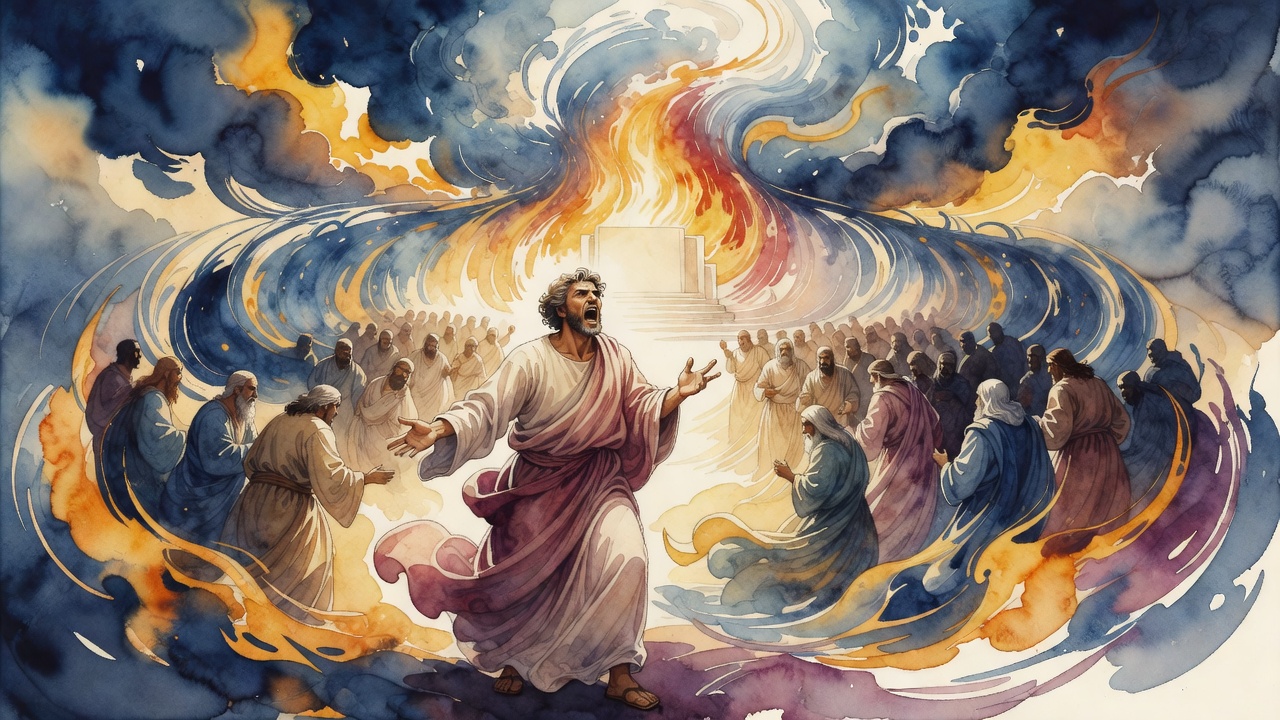
Korah recruited followers with a story about a widow and her one field. Moses took the first fruits, then the tithe, then the wool off her two sheep.
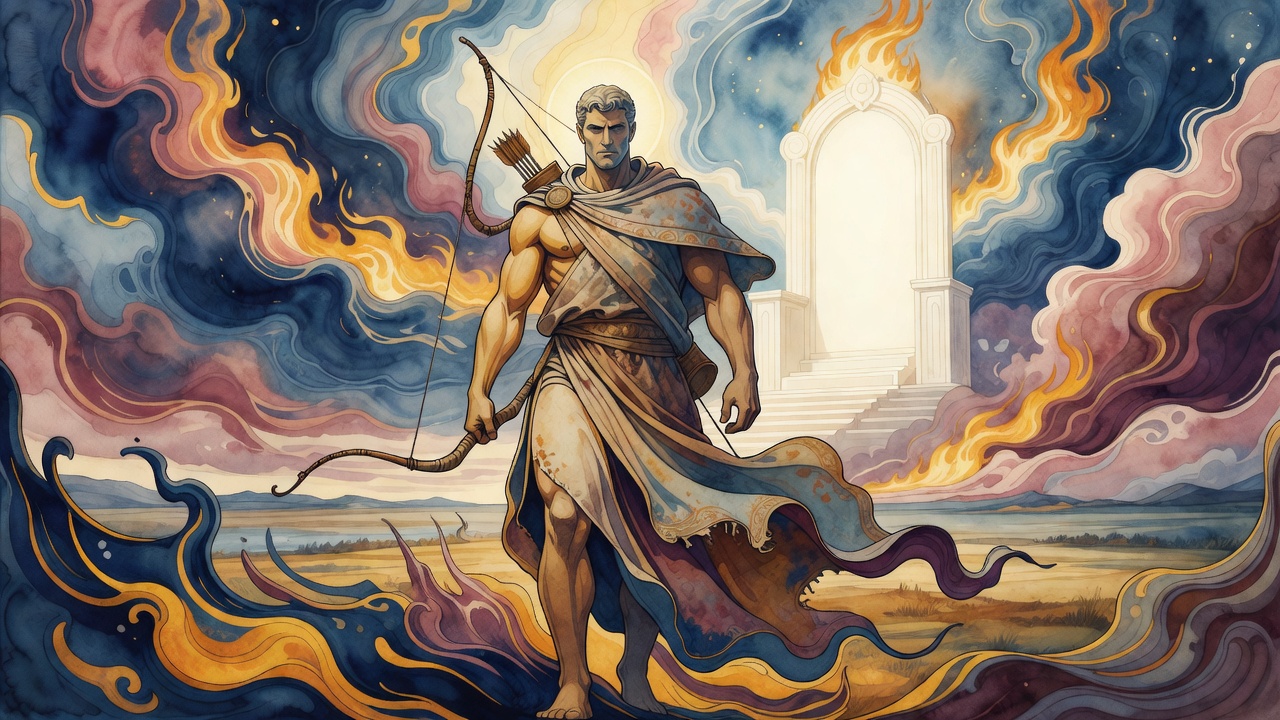
Genesis calls Nimrod a mighty hunter. The ancient Aramaic translators called him the first rebel in history, and Adam's garments made him powerful.
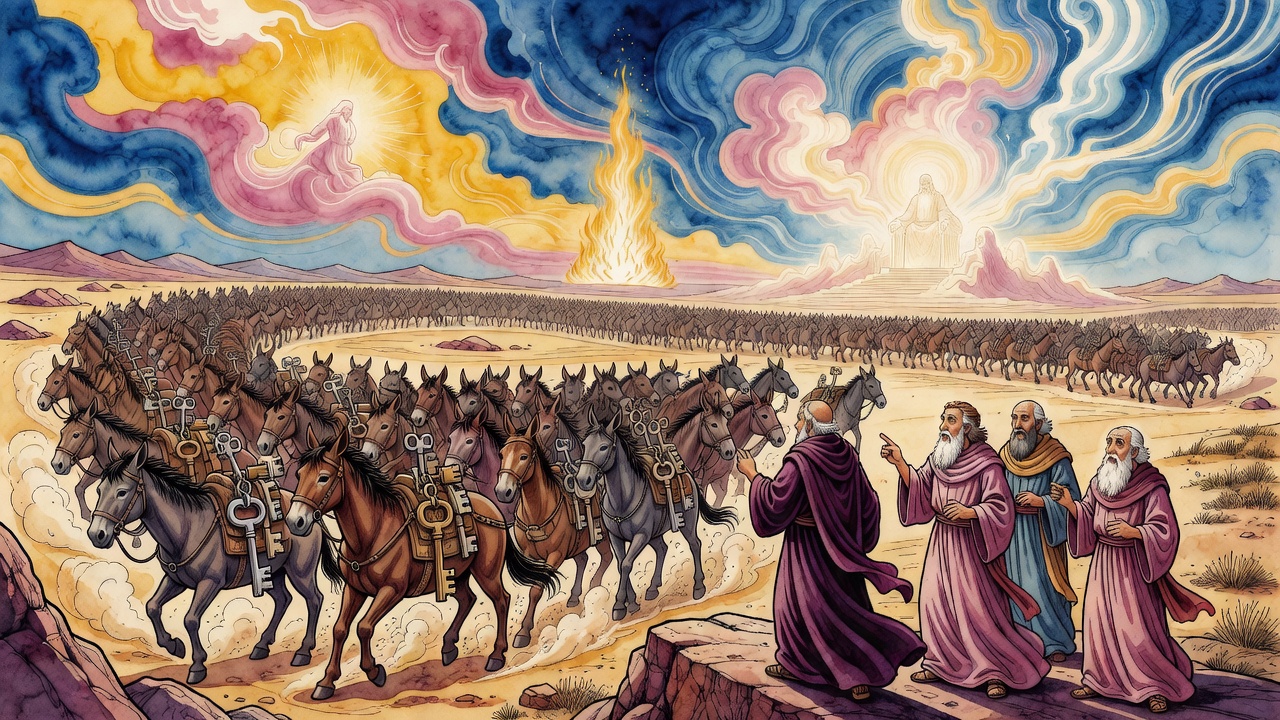
Three hundred white mules carried only the keys to his vaults. Korah came home shaved from the Levite rite, and his wife named it disgrace.
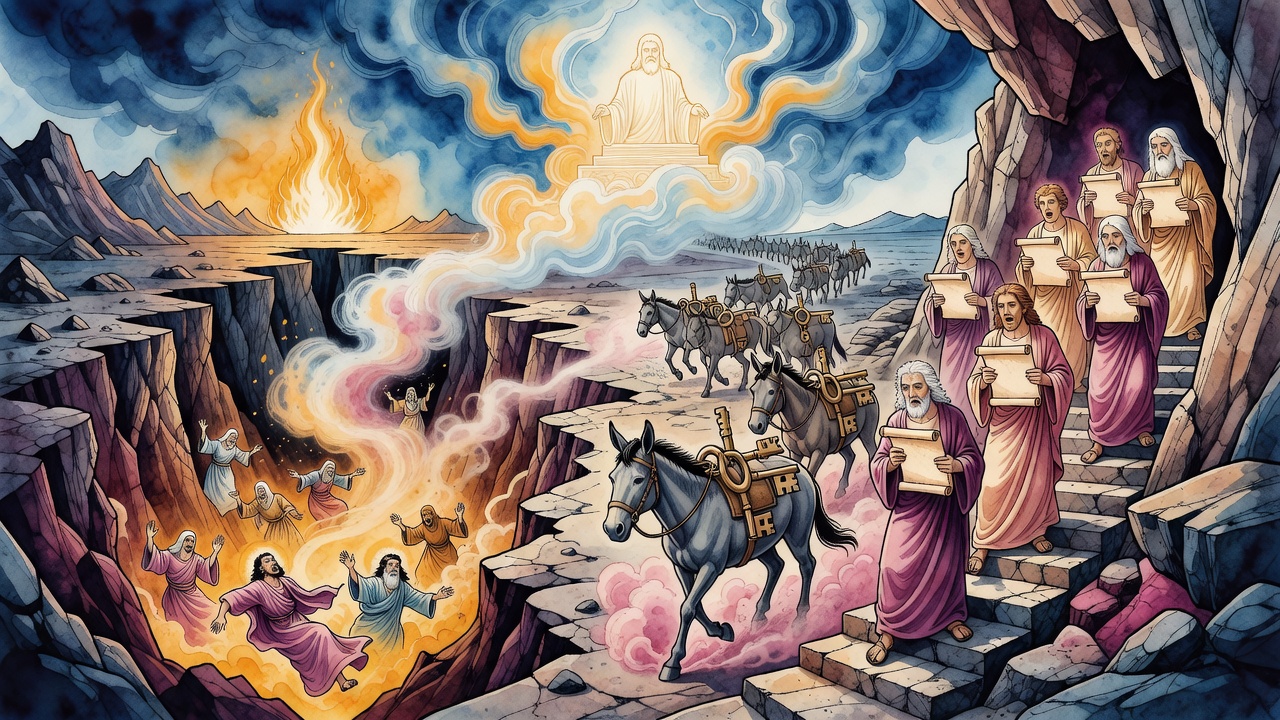
Korah looked into the future and saw Samuel and twenty-four Temple singers coming out of his own line. He decided God would never let their father die.
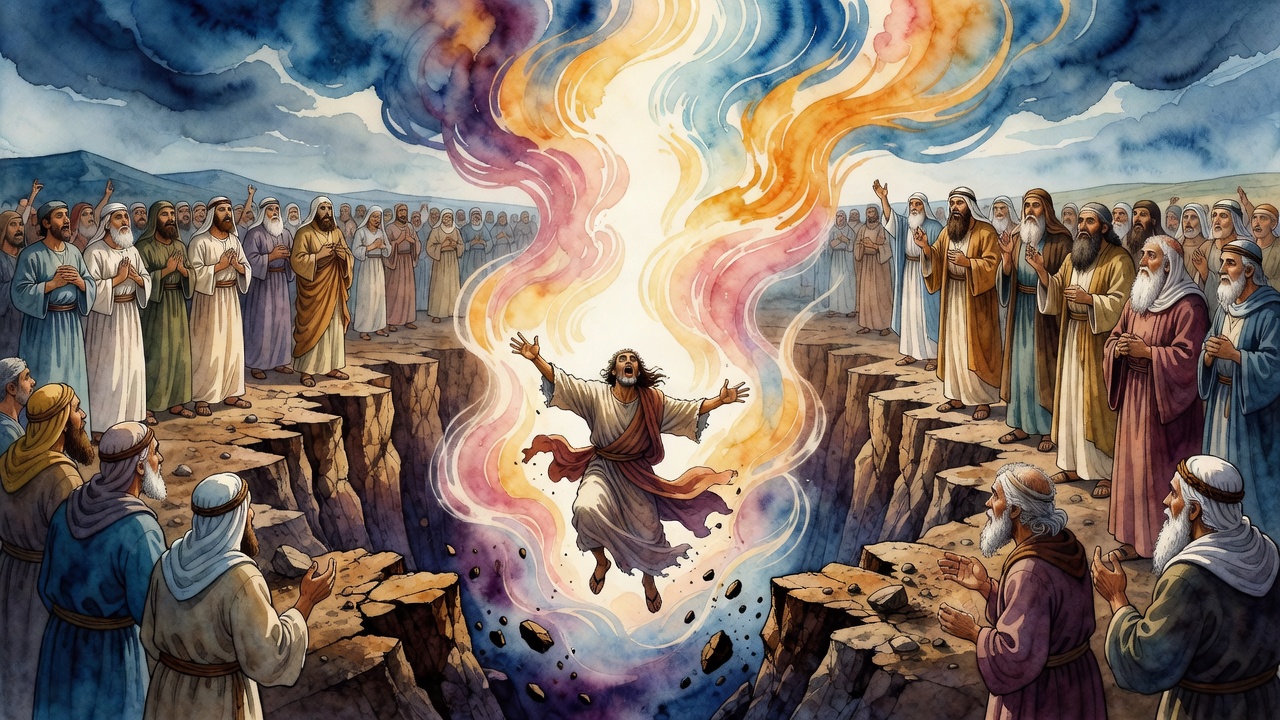
Joseph hid gold in empty country and told no one. A Levite named Korah found one cache. He spent it on a quarrel, and the ground opened its mouth.
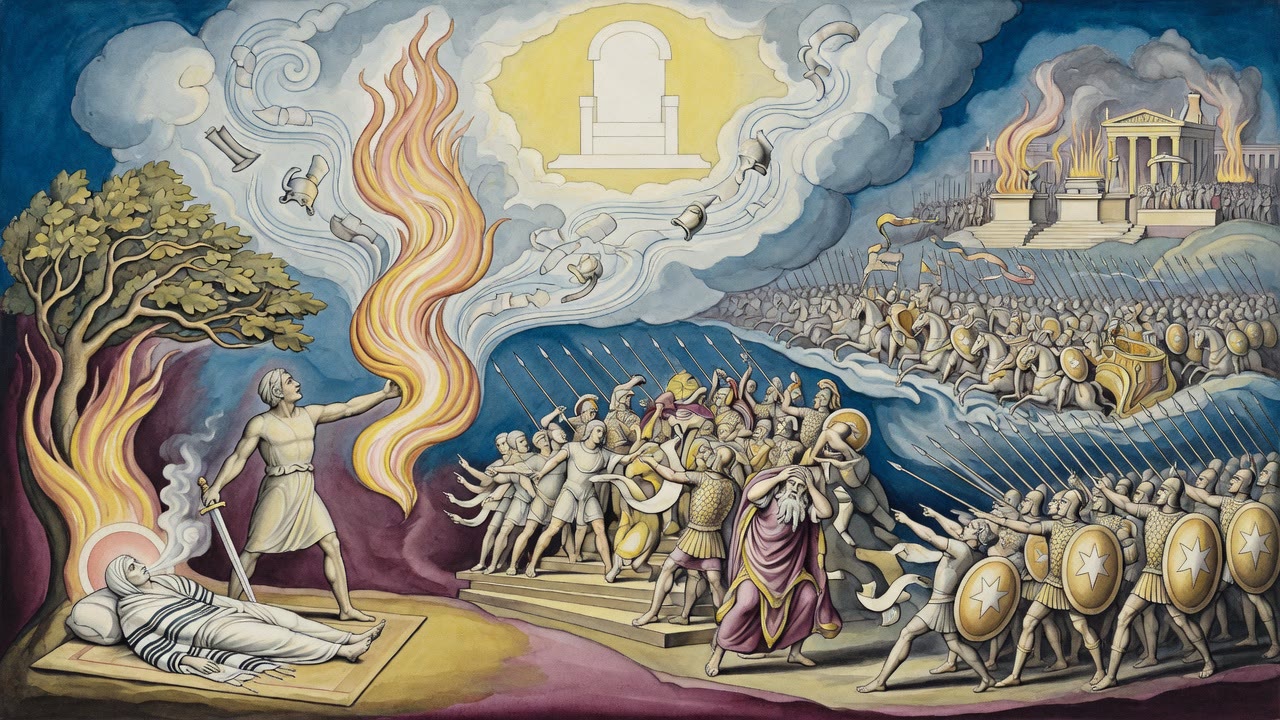
Mattathias dies and Judas rises, and the Seleucid court sends larger and larger armies as the revolt refuses to be finished.
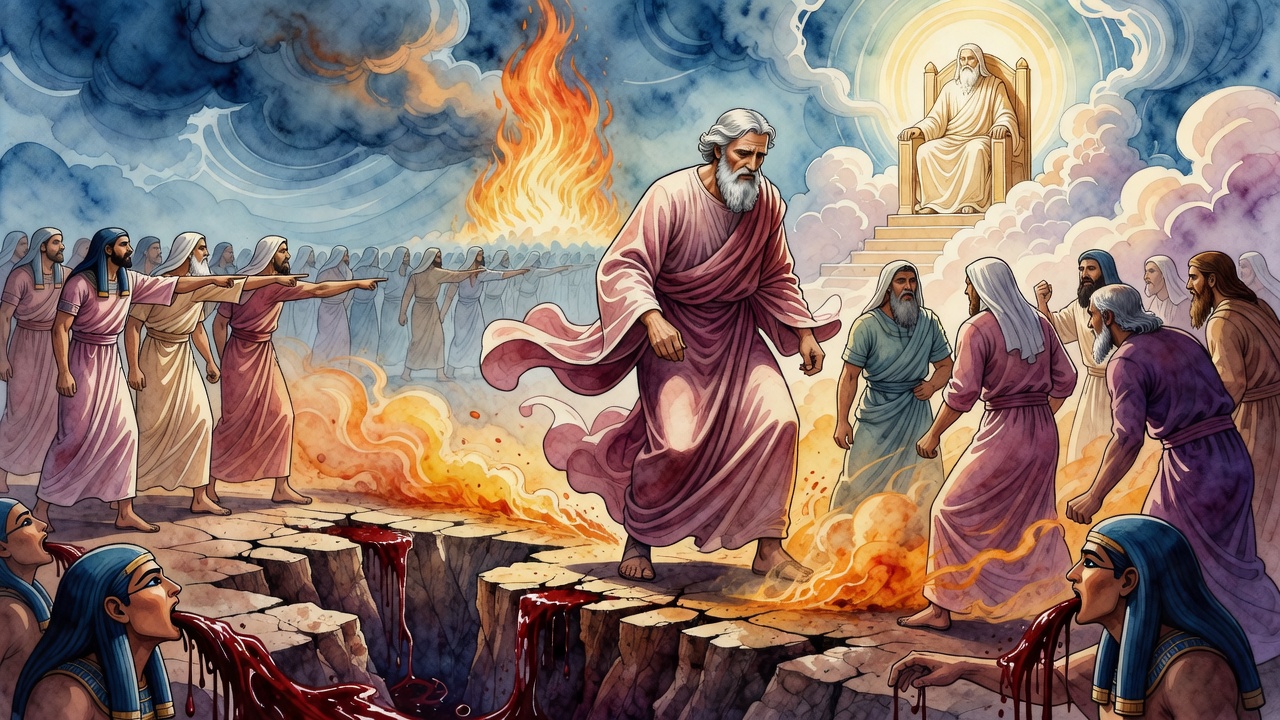
Moses summoned Dathan and Abiram to be heard. Their answer came back: we will not come up. The ground opened and swallowed them and their households.
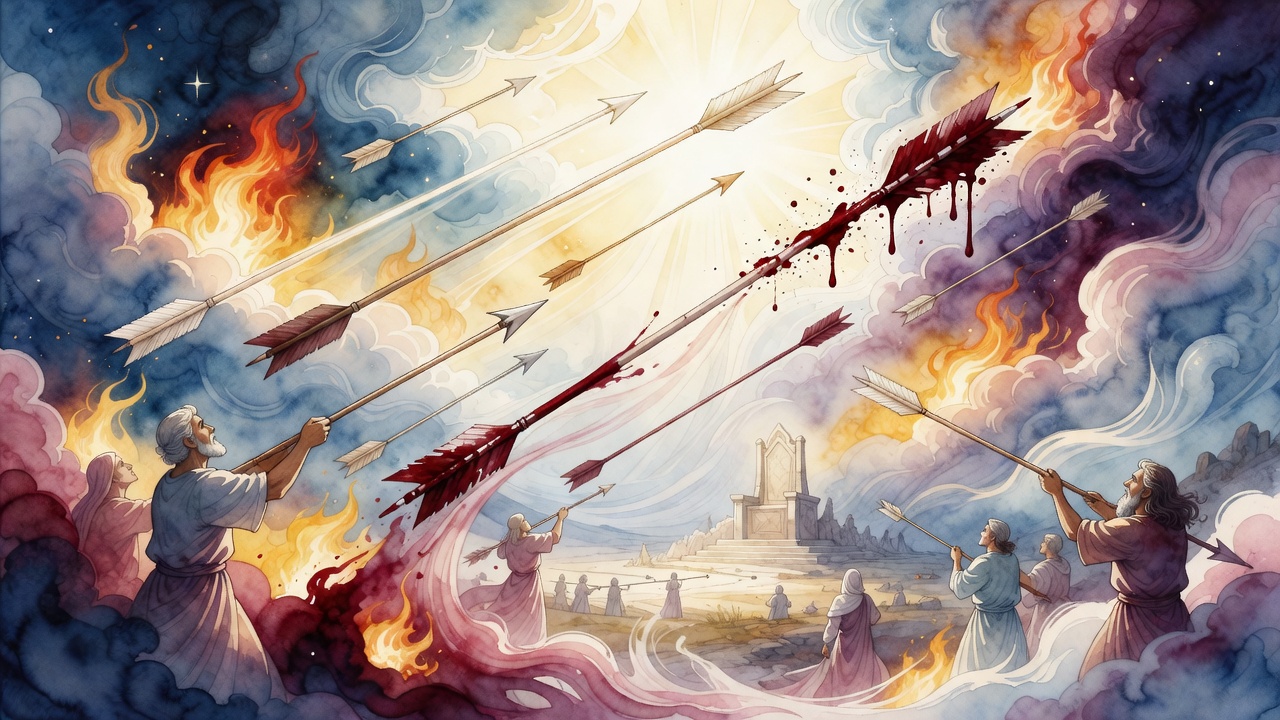
Before the world began, the letters fought to be first. Generations later, humans shot arrows at heaven. The arrows came back covered in blood.
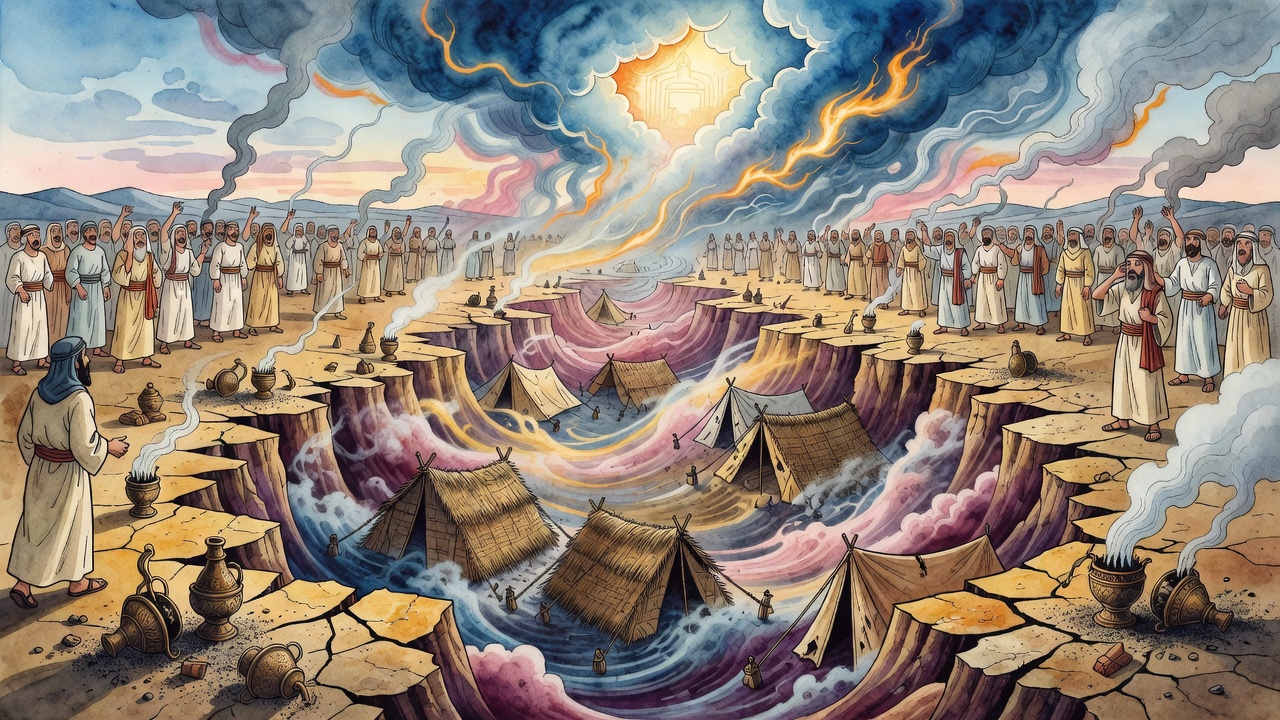
Korah still wore Pharaoh's keys when he came for the altar. Moses gave them the night. By dawn, nobody wanted the priesthood less.
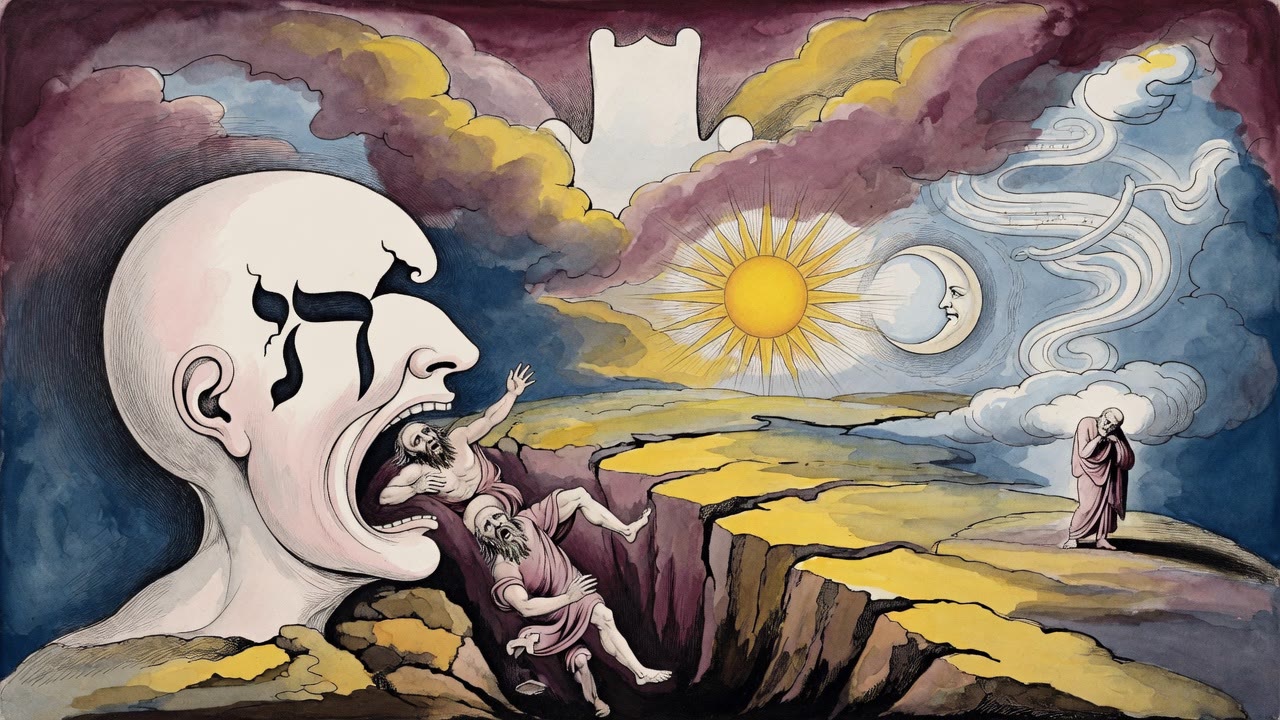
Dathan and Abiram would not leave their tent doorways. They stood there and slandered Moses, so Moses asked God for a mouth in the ground, and got one.
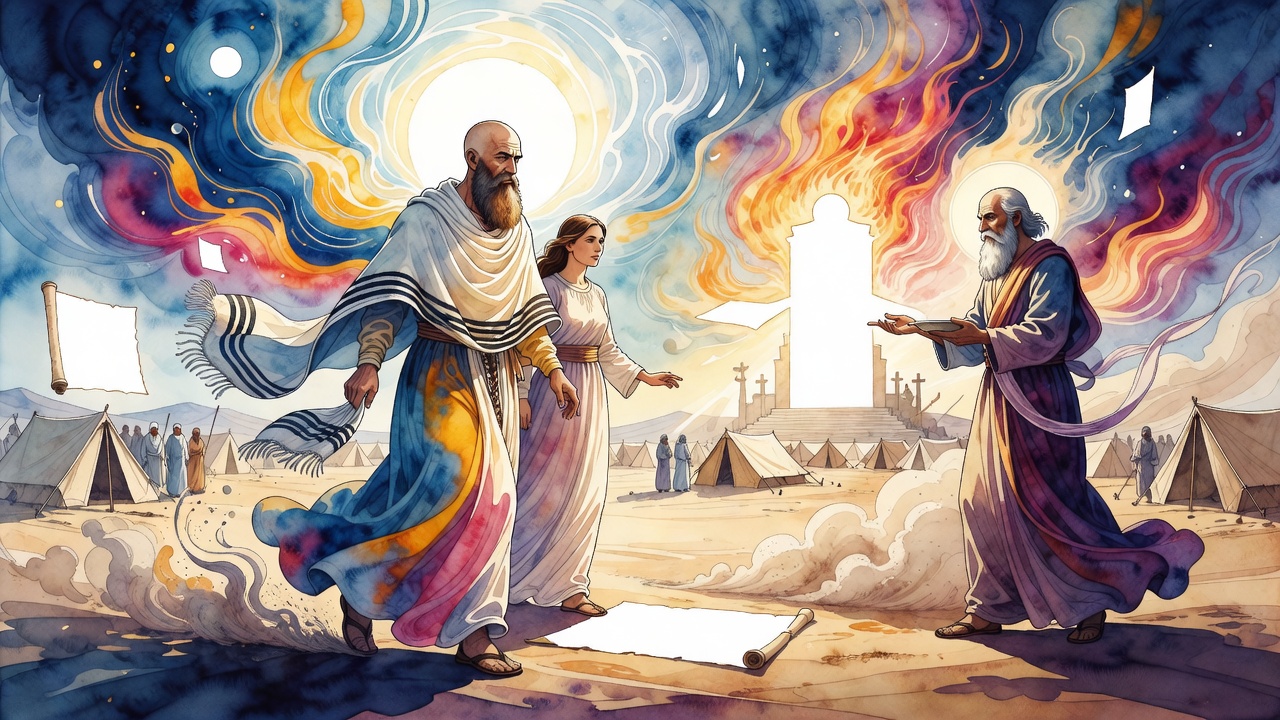
The camps did not know Korach's face. He said Moses had waved him by the hands and feet, then dressed Aaron like a bride.
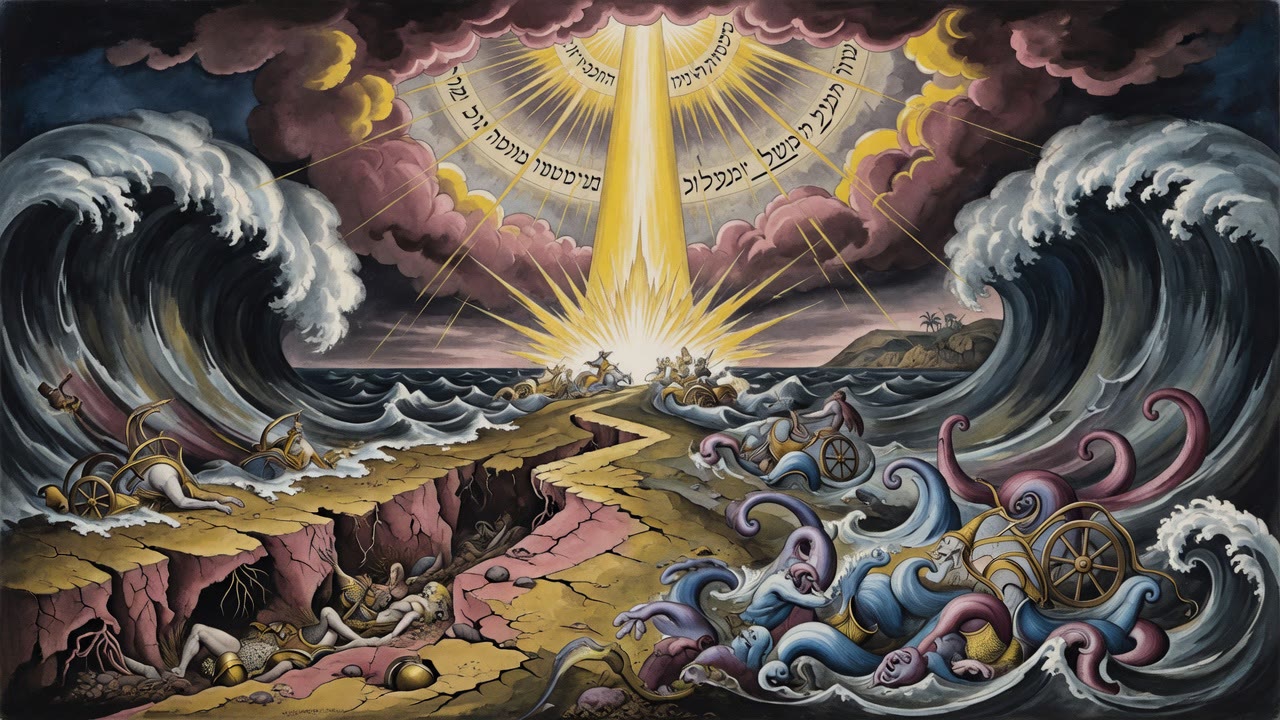
Korah counted Kohath's four sons on his fingers in the tent. The youngest brother's child held the staff. His own hands were empty.
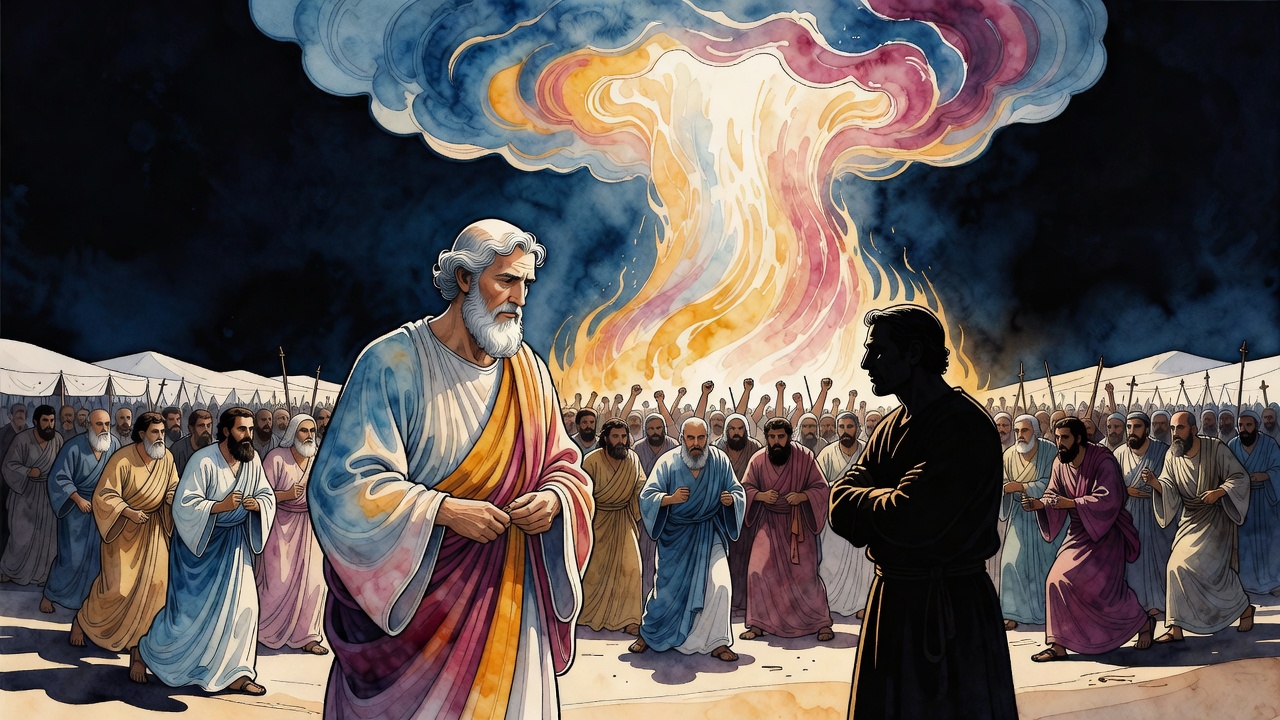
Two hundred fifty men want the altar by nightfall. Moses buys them until morning, hoping sleep will unmake a rebellion.
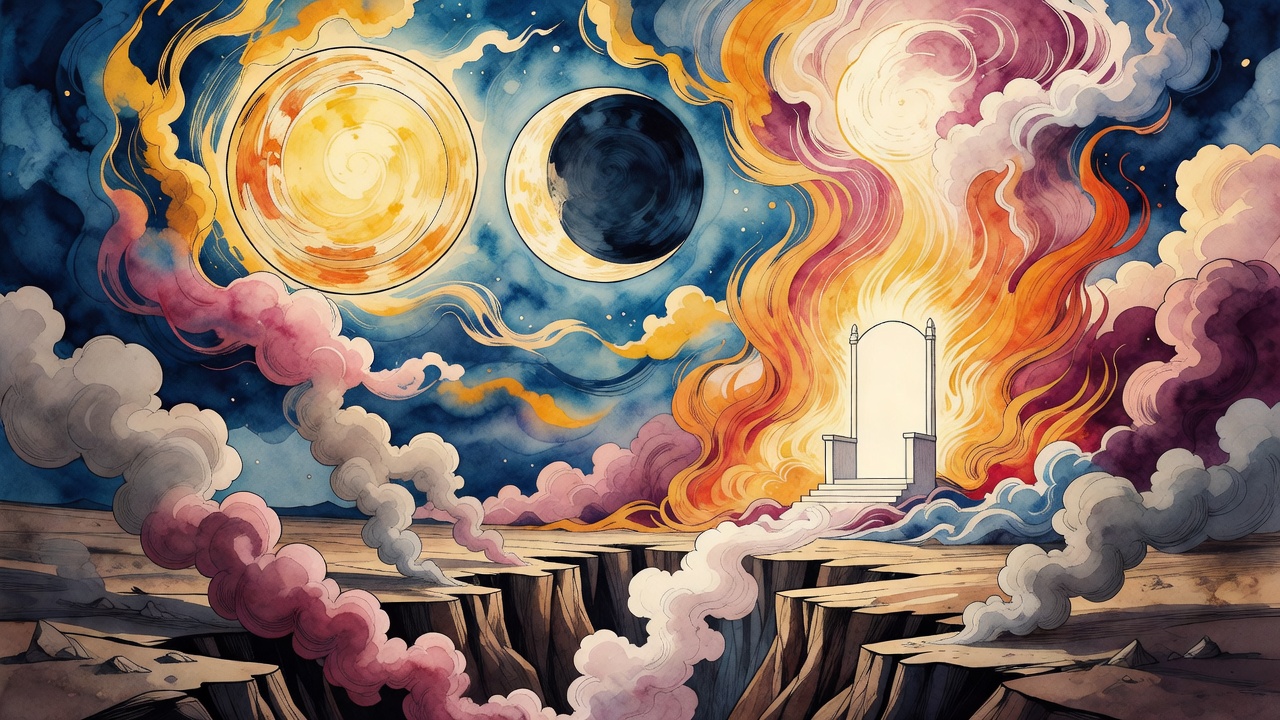
Sun and moon climb to Zebul and refuse to shine until God judges Korach, while smoke from the chasm still answers travelers.
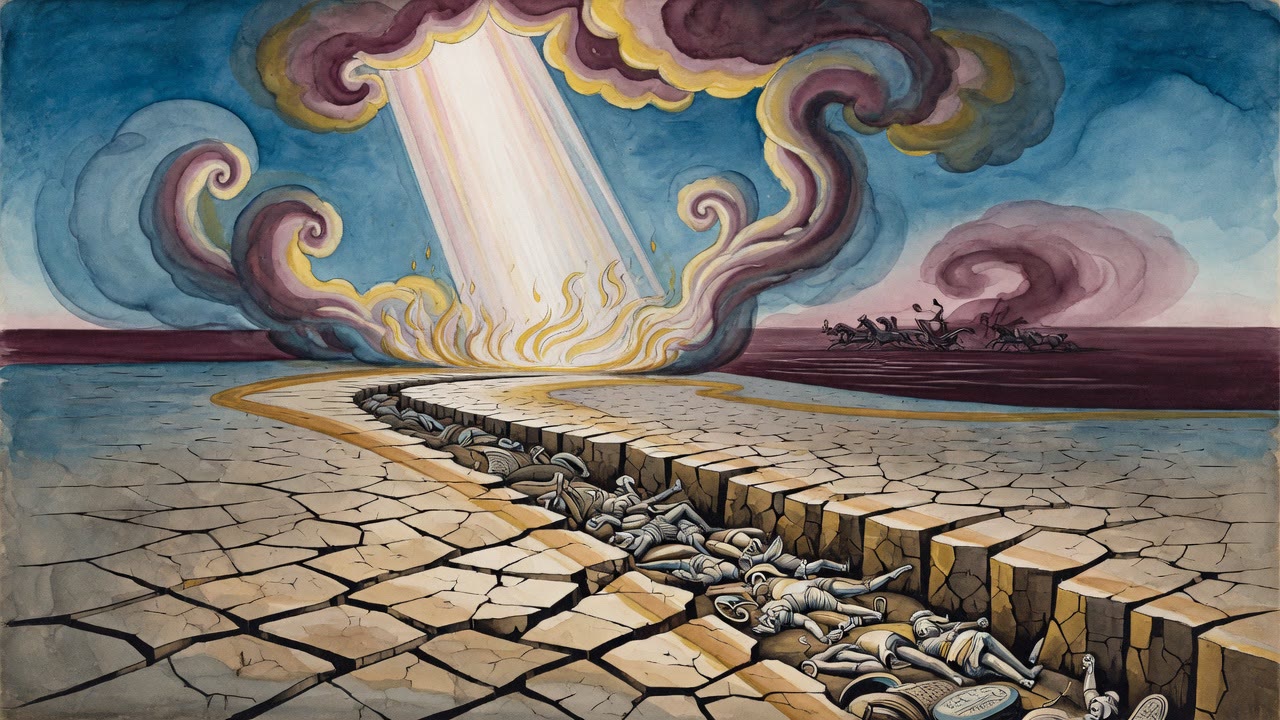
Korah came at Moses through the family gate. When the ground finally tilted it took his tents, his flocks, and a needle he had lent out.
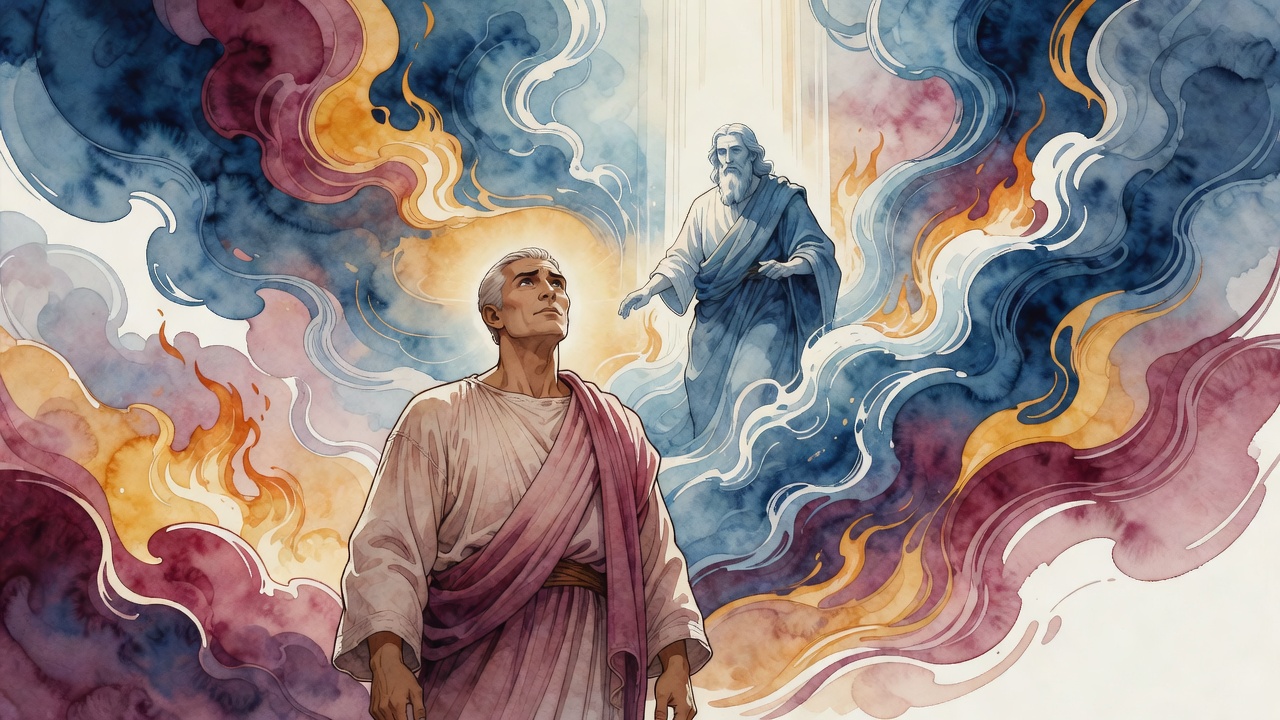
Two hundred fifty men came forward with censers. Moses reminded them that Nadab and Abihu had died holding pans like those. Korah put fire in his pan anyway.
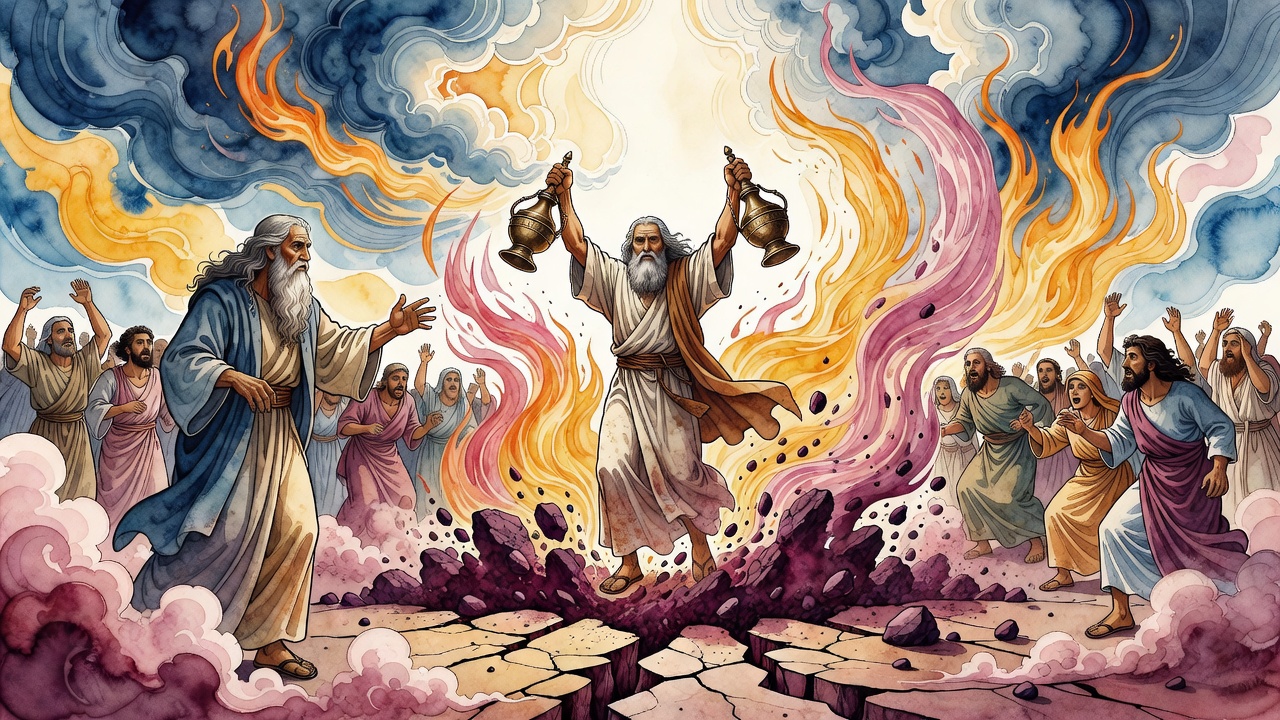
Moses pleaded like a brother. Take heed, he said. Do not stake your souls on a contest you cannot win. They would not hear him.
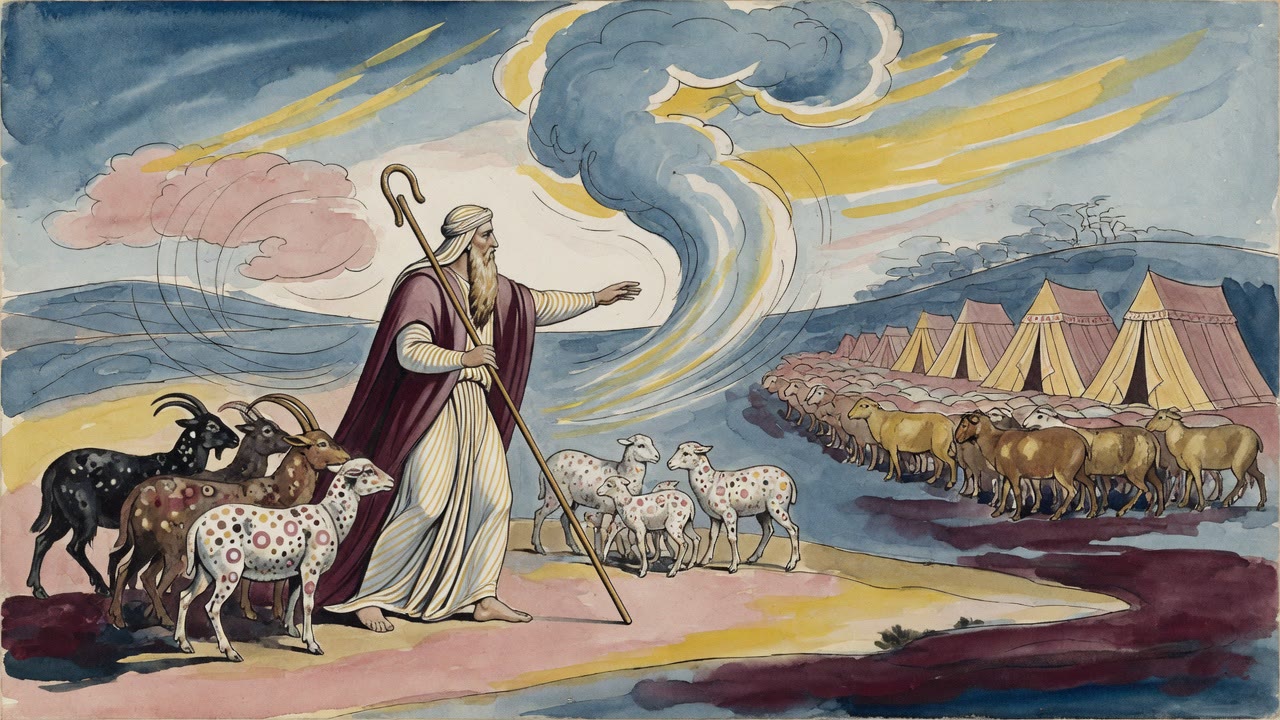
Korah measured Kohath's sons and decided Elizaphan's prince-seat belonged to him. From that envy he tried to unmake Moses, Aaron, and the boundaries of light.
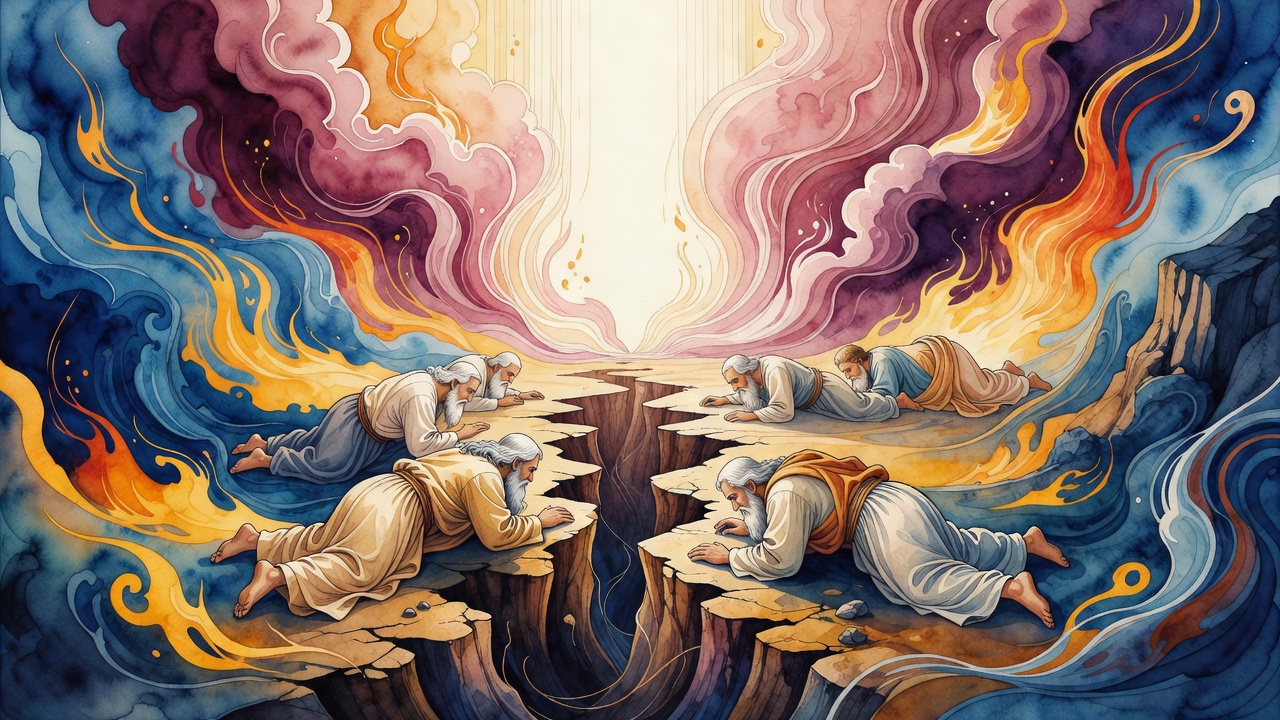
As the earth split under Korach, Moses and Aaron fell on their faces and begged God to judge each spirit alone, not the whole camp with one blow.
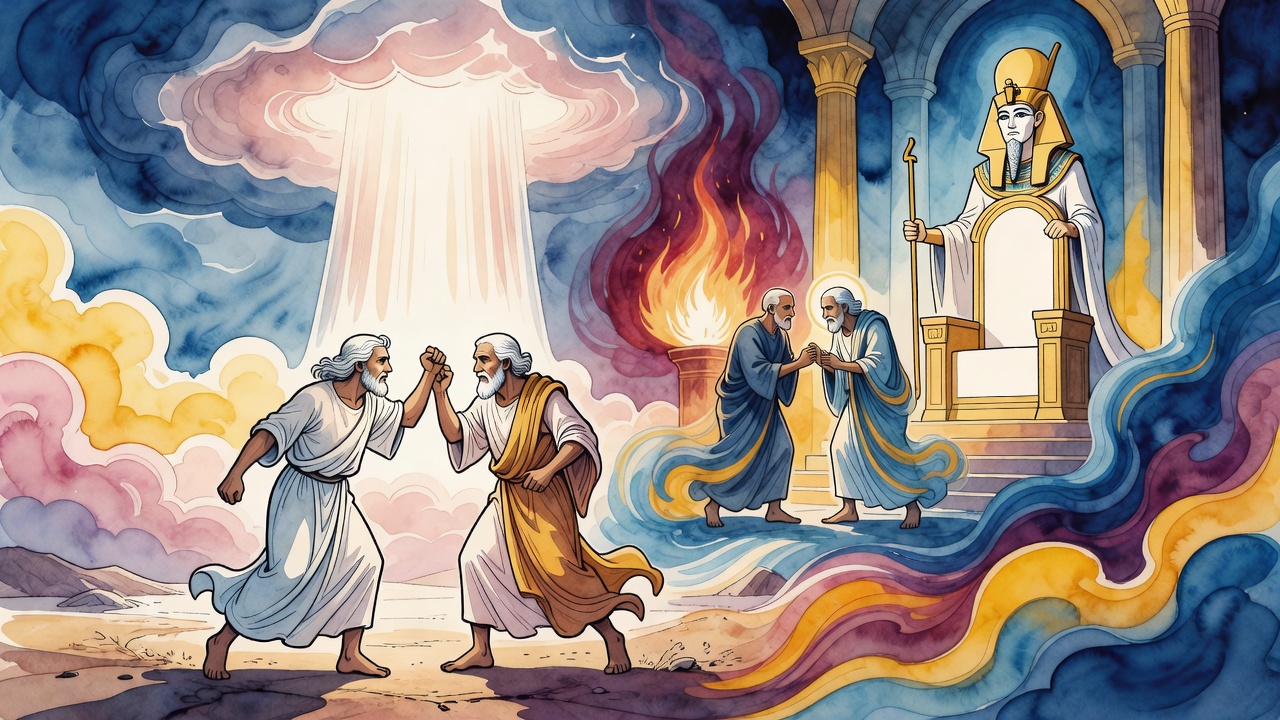
Young Moses breaks up a fight between Dathan and Abiram. Years later the same pair stay in Egypt and feed Pharaoh news so he can hunt the freed slaves.
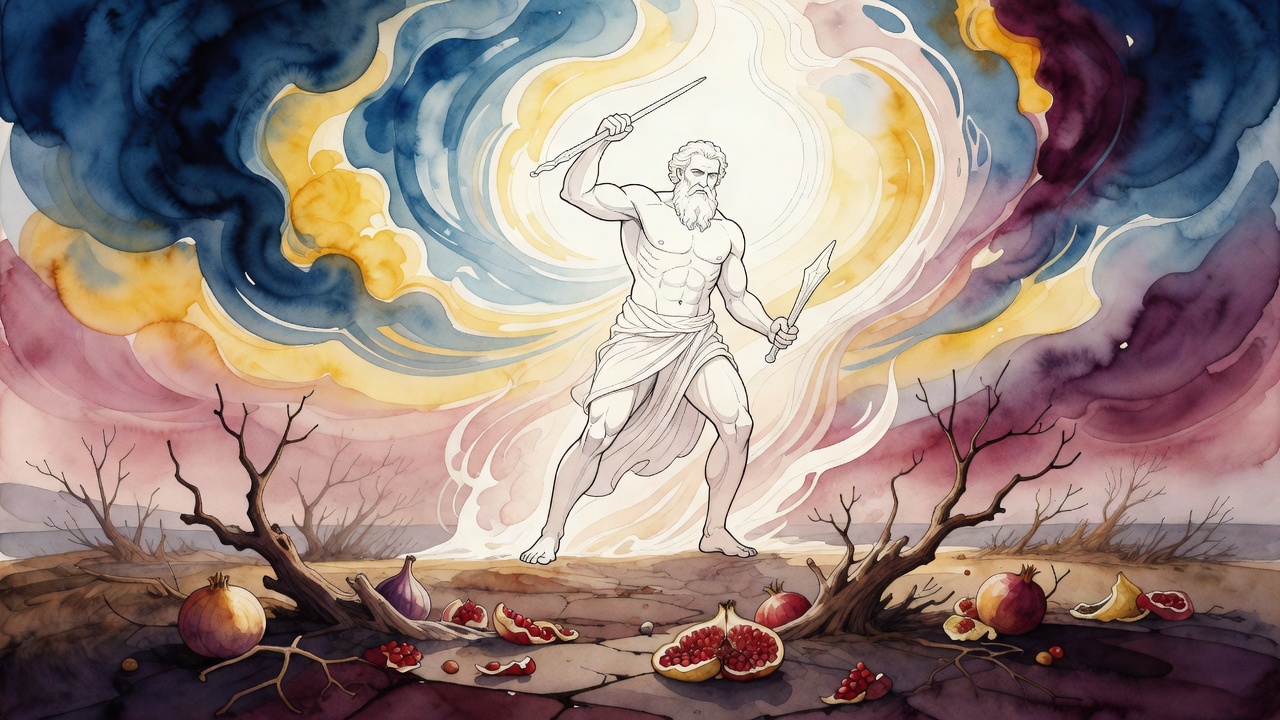
Fruit hung heavy. Barren trunks went to roofs and hearths. Then Nimrod tracked game as if no gift and no blood-law could limit the spear.
