Korah Spent the Night Before His Death Canvassing Every Tribe
Moses had given him until morning to think. Korah used the dark on tent flaps, and dawn brought a whole camp to the incense test instead.
Table of Contents
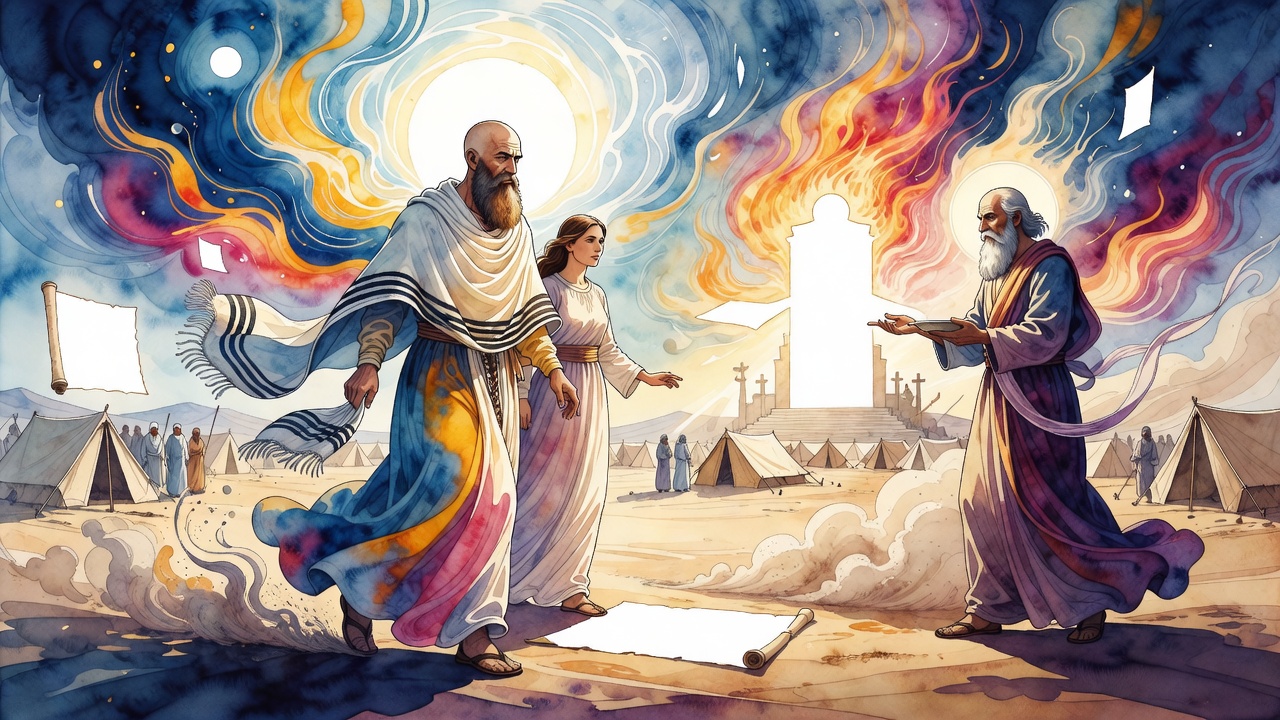
Moses had said tomorrow. Bring your censers. Stand before the Lord, you and they and Aaron. One night, given like a last cup, in case the rebellion might still collapse before heaven had to end it.
 Click for full size
Korah did not sit with the cup. He lifted the first tent flap and went in.
The Dark on Every Tribe
The quarrel had not started that afternoon. For weeks Korah had been walking the camp with the patience of a man who knew a movement needed names to survive a confrontation. He knew which leaders felt passed over. He knew which families believed honors had run too narrowly. He had been cataloguing the sore places since before he issued the challenge.
Tonight he spent canvassing every tribe, not to think, but to finish the list.
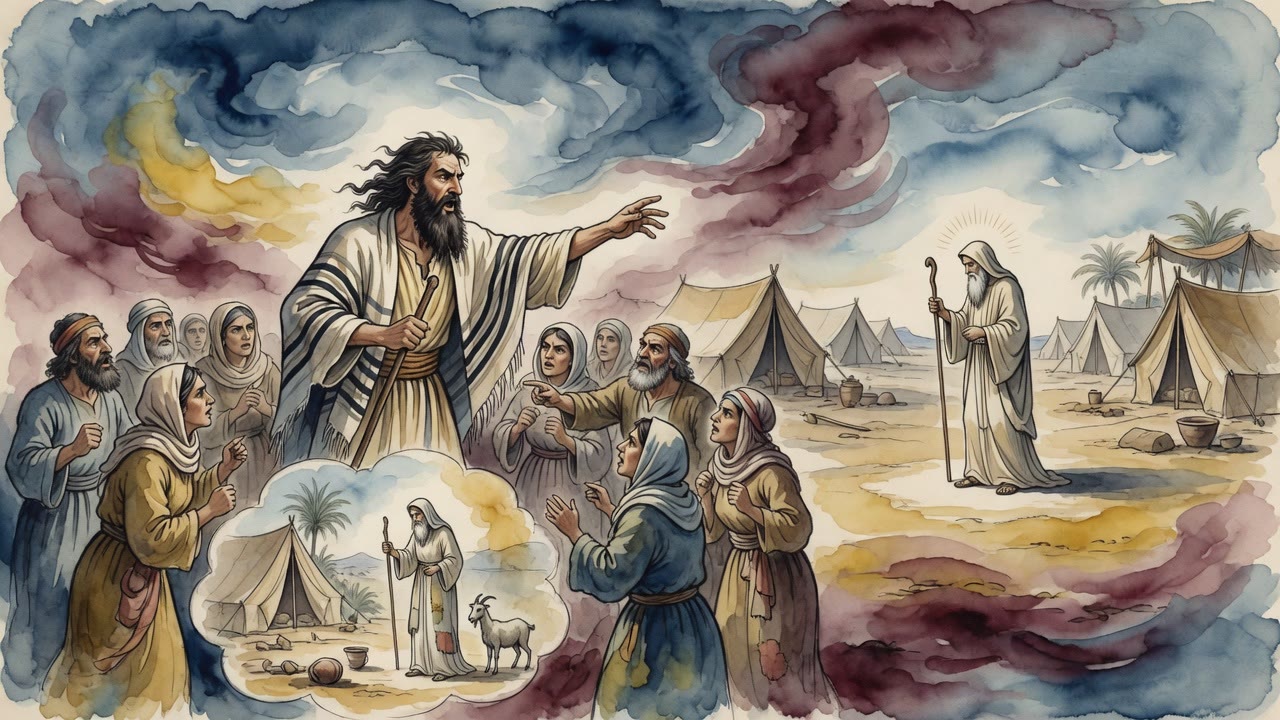
Lamp light under goat hair. A hand on a shoulder. The same walk, tent after tent, while Moses waited on the hope that hours might still do what arguments had not.
Would That It Were Evening
In the tents the people already muttered that this morning of Moses was heavier than yesterday's. Each new arrangement of the wilderness felt worse than the last. They wished the day were already over. They wished some other order would arrive and prove lighter.
Korah named that wish and sold it as justice.
"Do not think I am seeking a position of honor for myself," he said, and he said it in every doorway with a humility that was complete and false. "I wish only that this honor may fall to each in turn. Moses is now king. His brother is high priest. His nephew Elizaphan holds the senior Levite place. Everything flows toward one family. I am standing up because someone has to."
Not a demand, on the surface. A claim that this morning should already be evening. Not personal hunger. Communal grievance. The humility worked because it dressed a grab for power as a sacrifice on behalf of the camp.
Men who had not planned to stand at an incense test nodded in the half dark. Women listened from the other side of the curtain. Boys heard a grown voice say that Moses had taken what belonged to everyone in turn. The night filled.
Dawn Brought a Camp
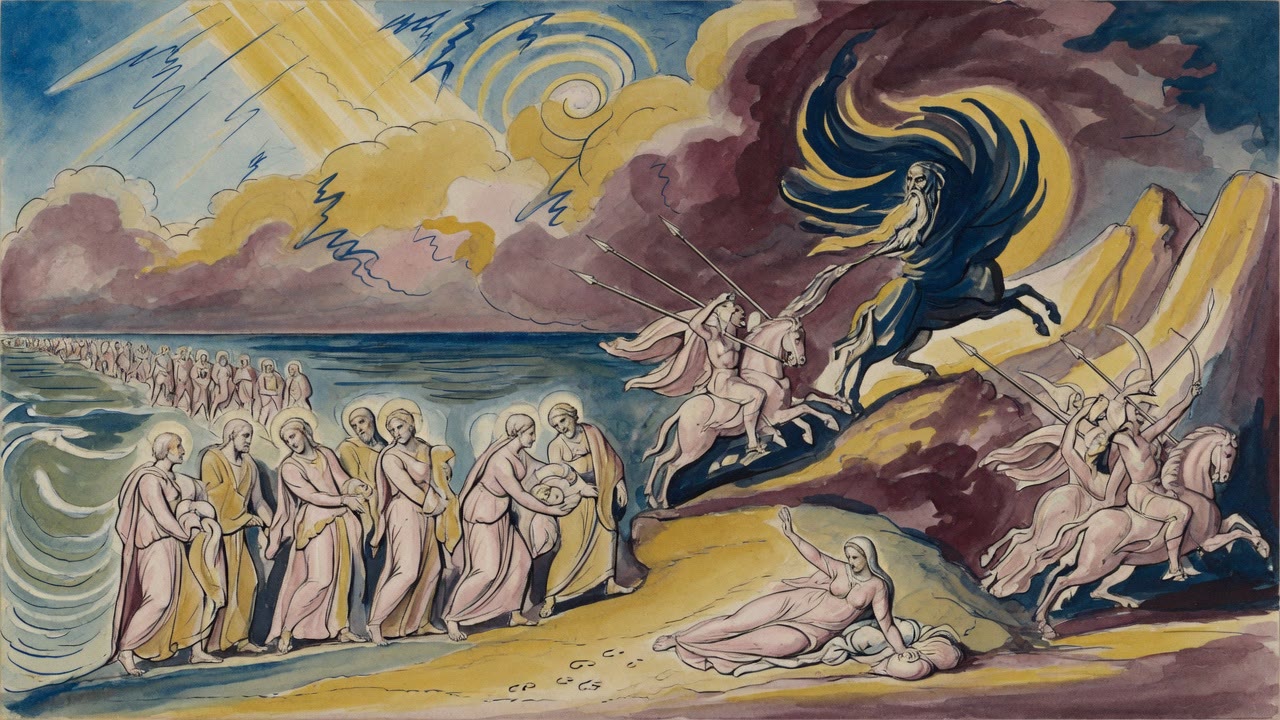
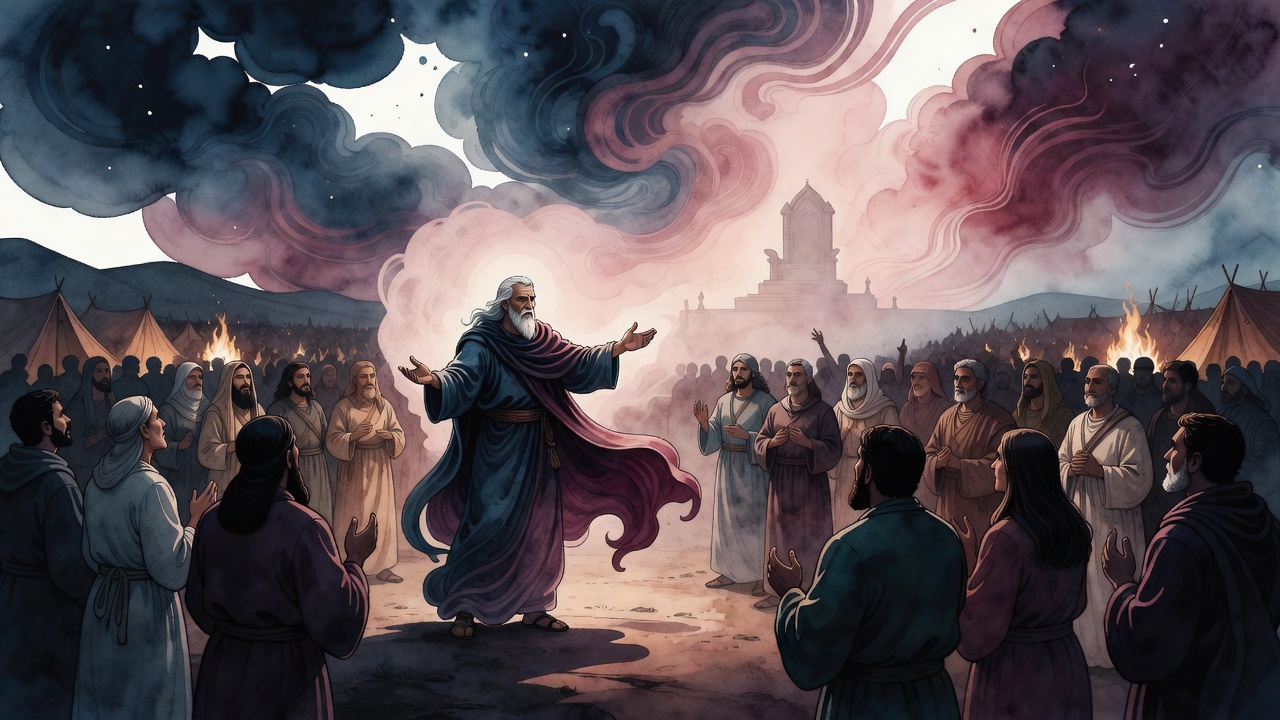
When the sky paled and the nation assembled, Moses did not see Korah's original two hundred and fifty. He saw the camp.
The canvassing had worked. People who had heard the argument and had not sent it away were present at the Tabernacle, standing with the rebels, or near enough that the distinction died at a distance. Quarrels started before the censers were even hot.
Moses wept. Not from fear. Not from the thin anger of a man whose title had been nicked. From grief at how many throats Korah had reached with a sentence persuasive enough to walk them toward a fire that would kill them.
He had watched the rebellion grow through the weeks. This was different. This was the night's work laid out in morning light. The hours given for turning back had been used to recruit.
Shall One Man Sin
Moses was afraid God would destroy the whole people for joining Korah. He spoke like a man putting his body between a king and a crowd.
"If a nation rebels against a king of flesh and blood because ten or twenty men have cursed him," he said, "that king sends hosts and massacres the land, innocent and guilty together, because he cannot tell who honored him and who cursed him. But You know the thought of man. The heart is open to You. Shall one man sin, and will You be wrath with all the congregation?"
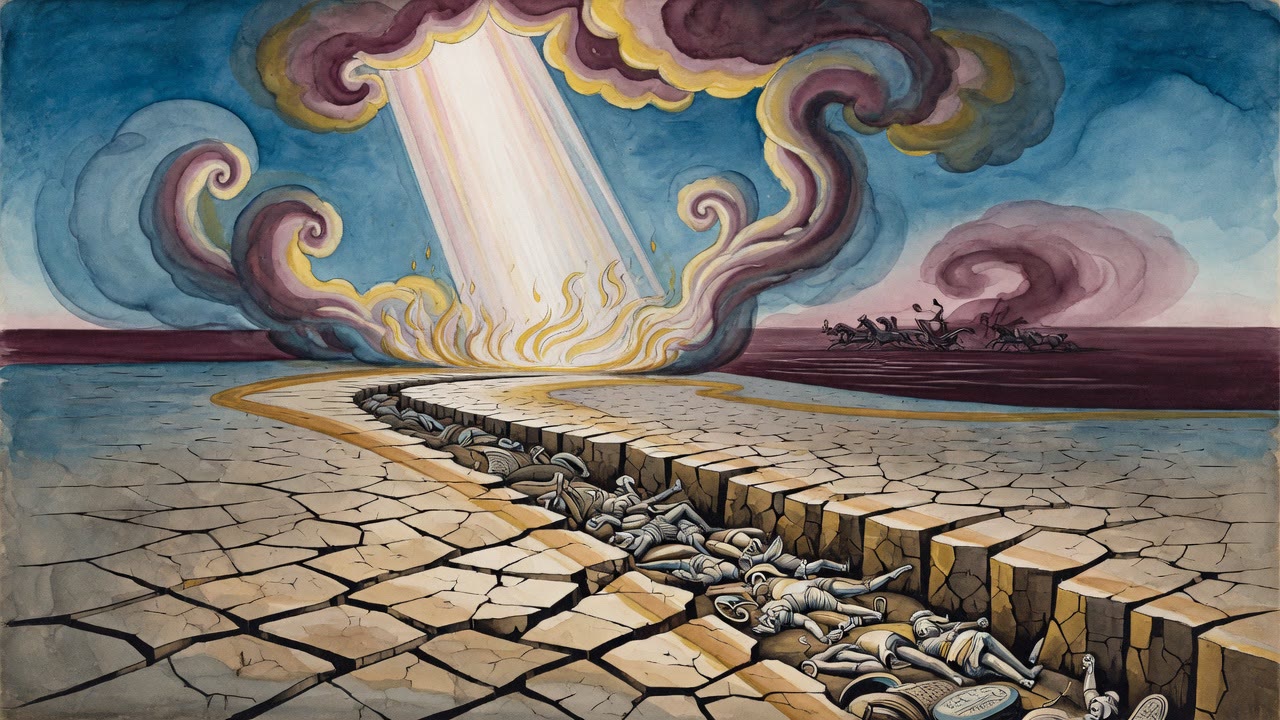
God heard the prayer for the camp. "Say to them: Get you up from about the Tabernacle of Korah, Dathan, and Abiram."
A space opened. Whoever still could step back was told to step back. The night's coalition was about to learn which tents heaven still distinguished, and which it would not.
The Night He Was Given
Korah had been handed time to reflect and had used it to recruit. Moses had believed the dark might save some of them. The dark saved none of them who stayed to listen.
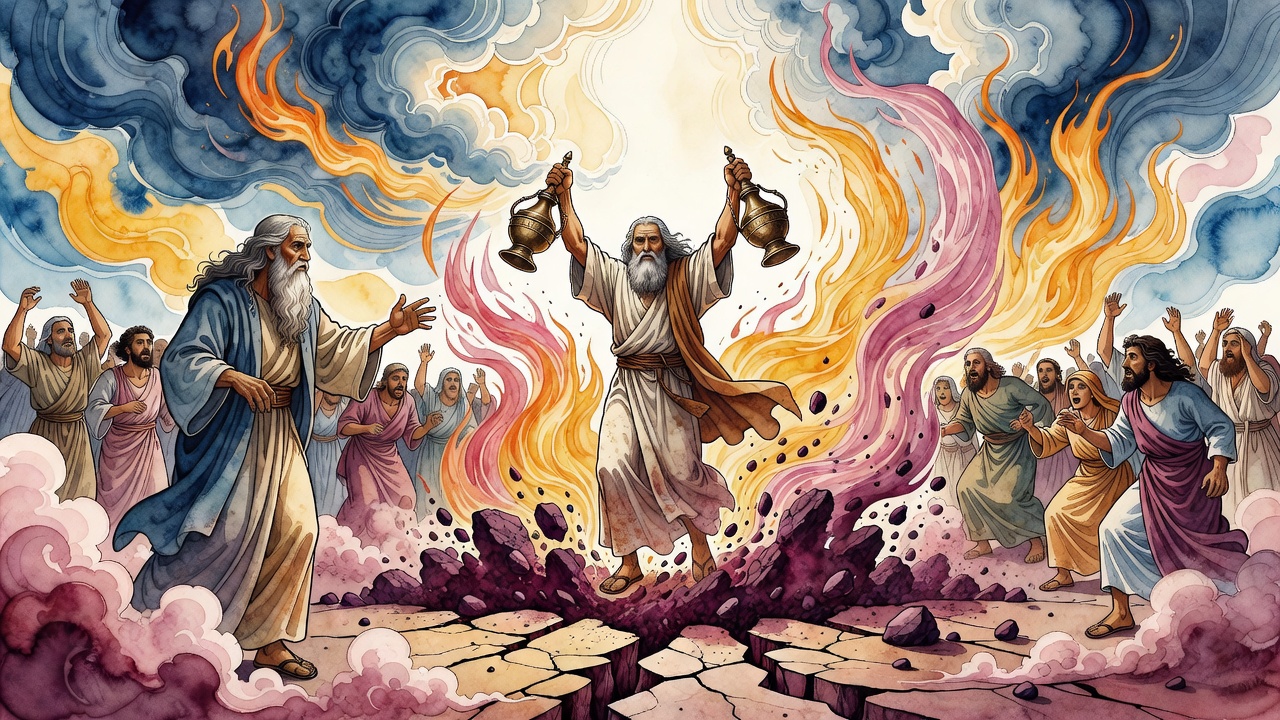
The incense test would go forward. The crowd that had come to watch had become participants. A contained revolt had been turned, tent by tent, into a national crisis. Each household that had wished this morning were already evening now stood in a morning that would not turn back.
At the last night of his life Korah had gone looking for a larger company to take with him. He found it. Dawn at the Tabernacle was the proof. The ground had not opened yet. The people who had opened their tent flaps to him were already standing where the sentence would fall.
← All myths