46 myths · Page 1 of 2
Each story names the sources it was written from.
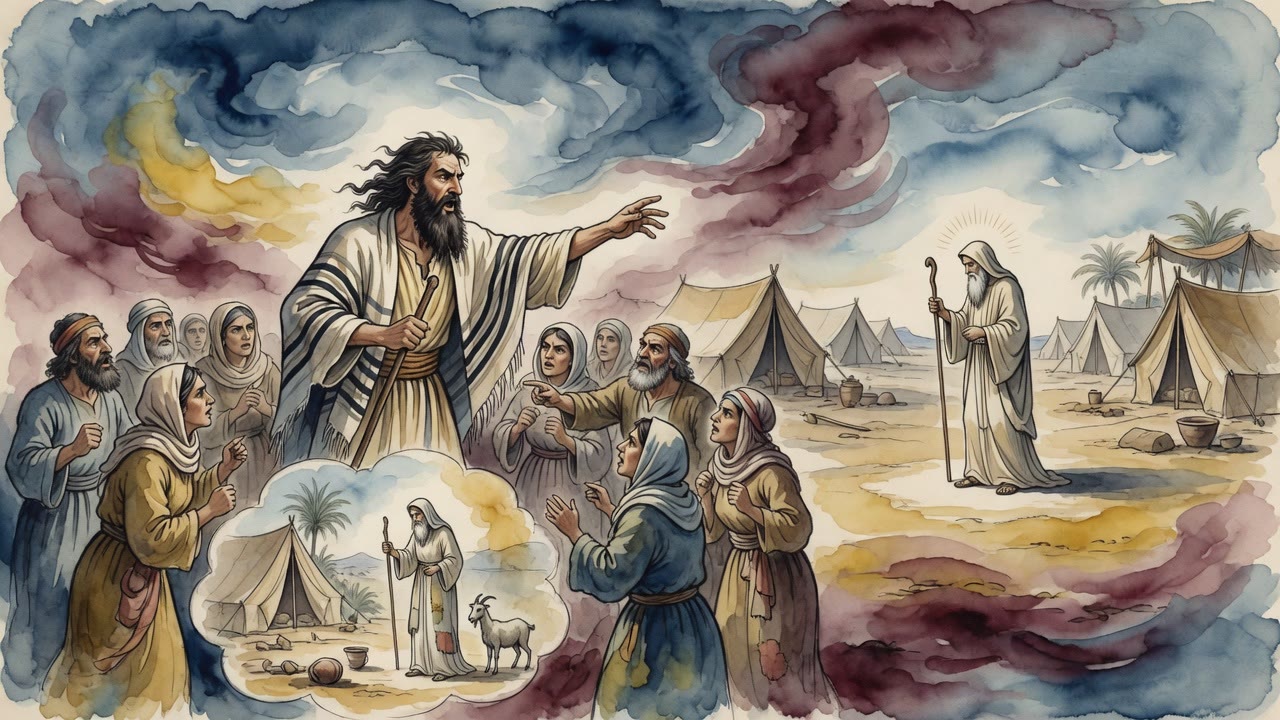
Korah did not start his rebellion with a speech. He started it with a story about a poor widow that made every listener hate Moses on the spot.
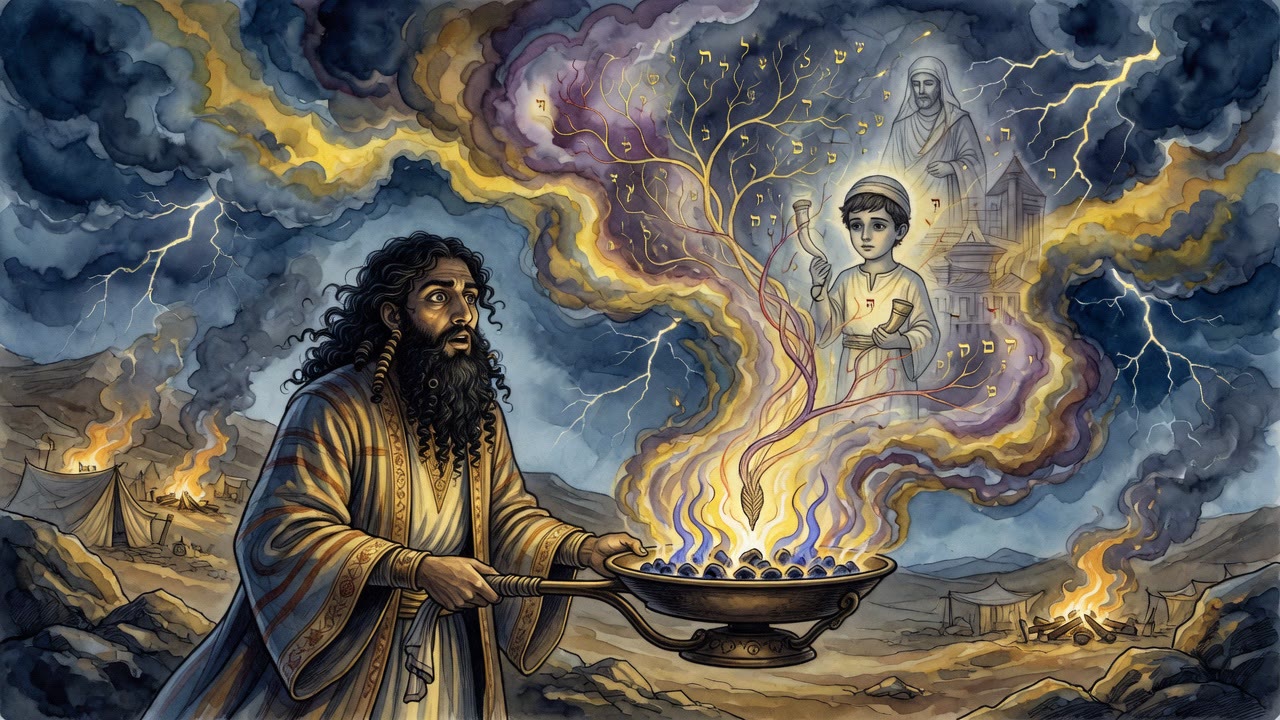
Korah saw Samuel shining in his bloodline and read the vision as permission. He reached for the fire-pan, and the fire reached back.
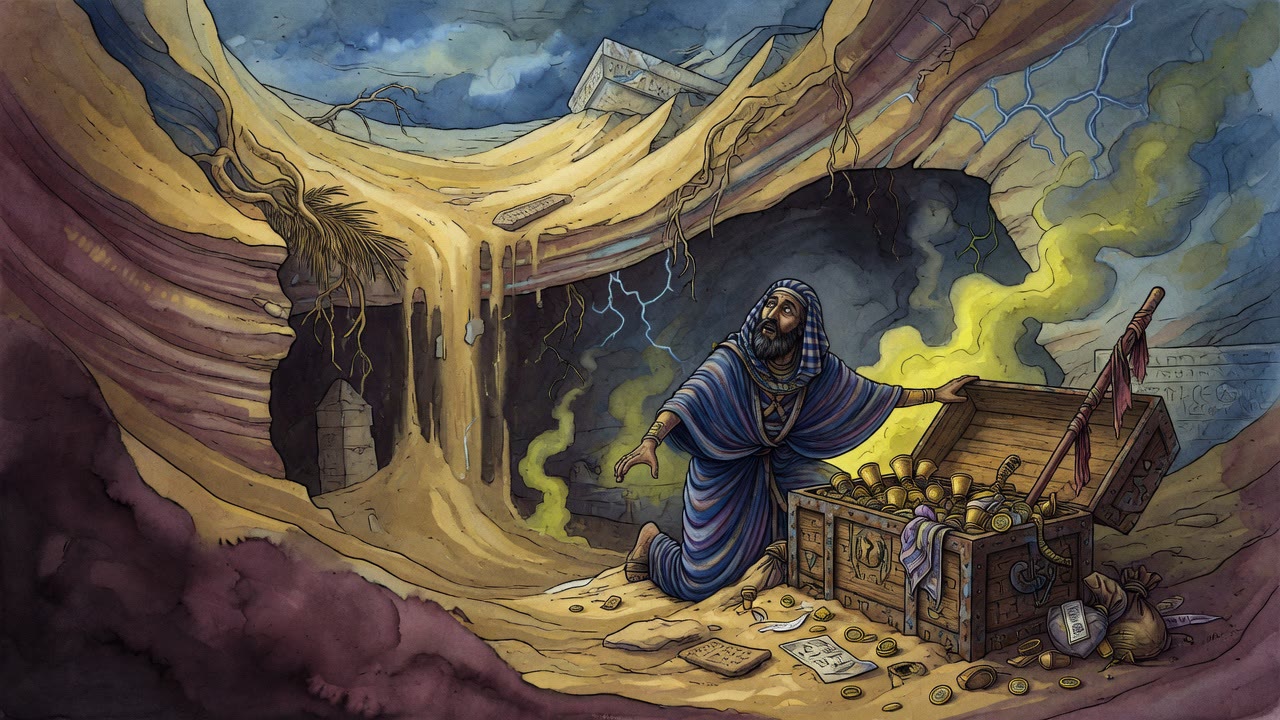
Three hundred white mules carried only the keys. Korah had opened one of Joseph's buried rooms, and the earth was already waiting.
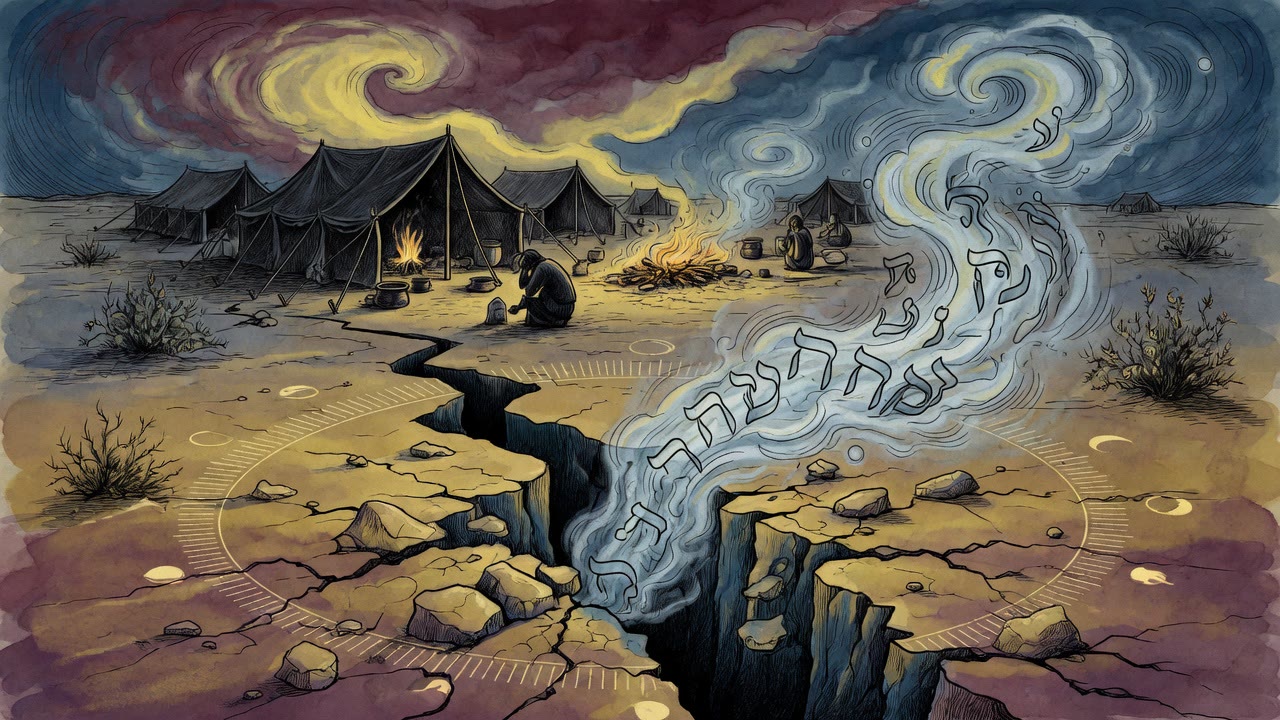
A Bedouin led Rabbah to two smoking cracks in the desert. Wet wool on a spear came up scorched. From below, Korah was still talking.
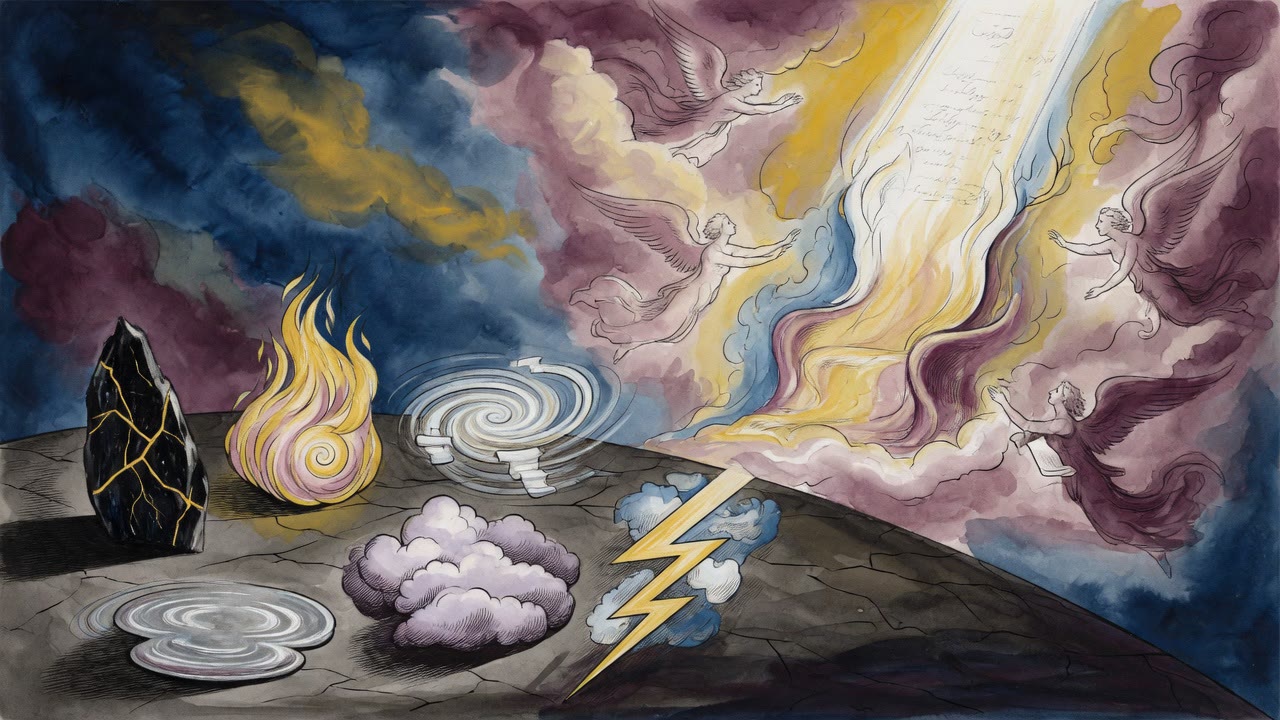
Korah's men stopped at the tent. On's wife sat in the doorway with her hair uncovered. Inside, her husband slept and did not hear them.
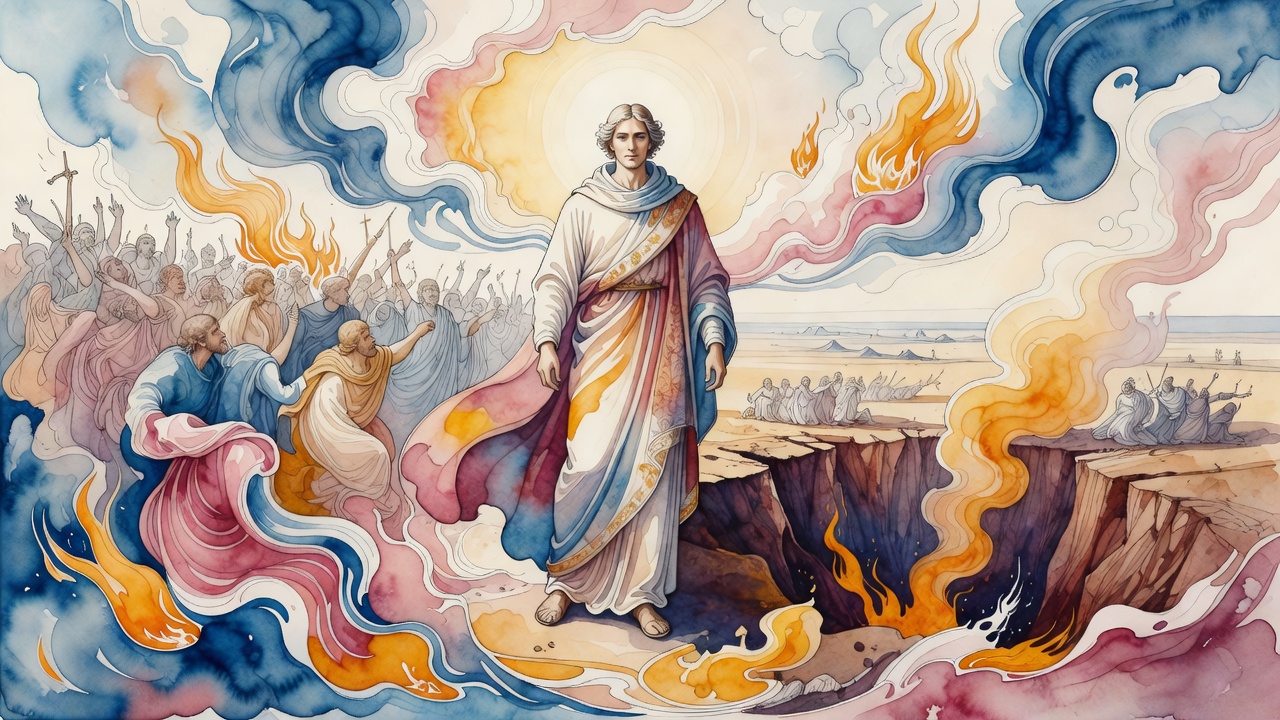
Aaron's priesthood was bracketed by two catastrophes, the Golden Calf and Korah's rebellion. Both threatened him. Both failed to destroy him.
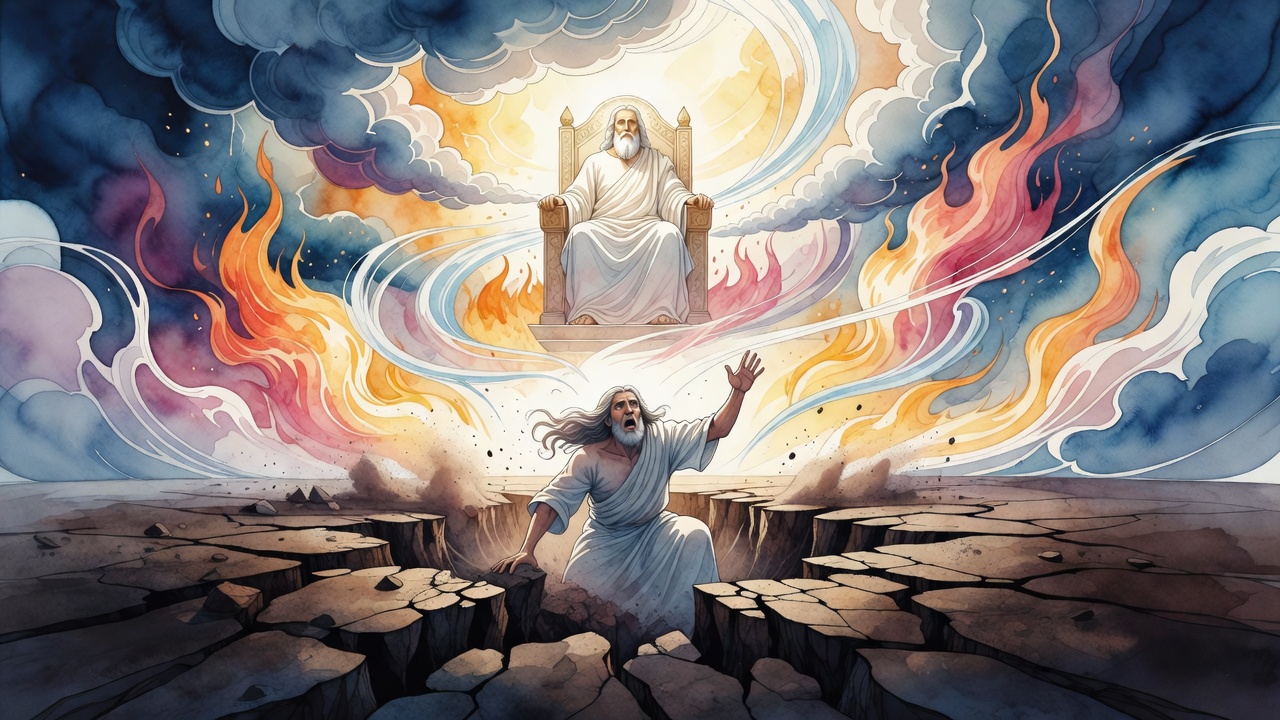
Korah used a widow's grief to fuel his rebellion. The earth waited until he had made his choice, then swallowed him alive while he was still confessing.
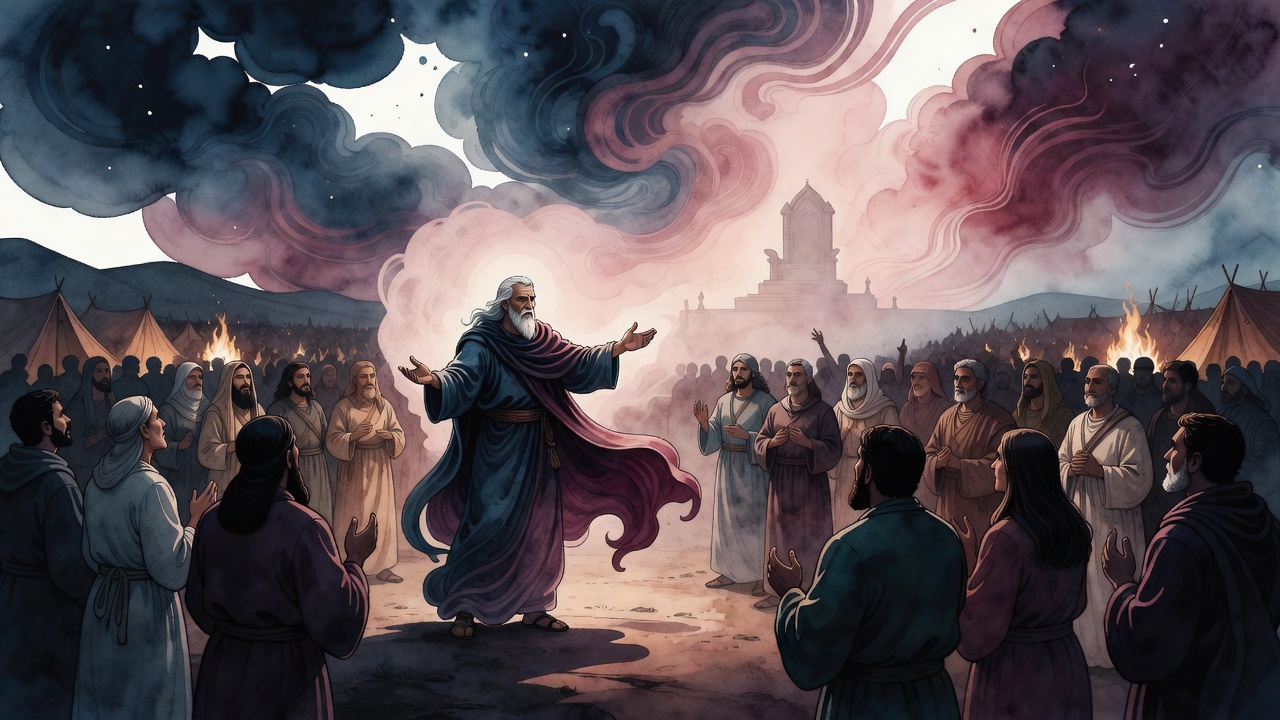
Moses had given him until morning to think. Korah used the dark on tent flaps, and dawn brought a whole camp to the incense test instead.
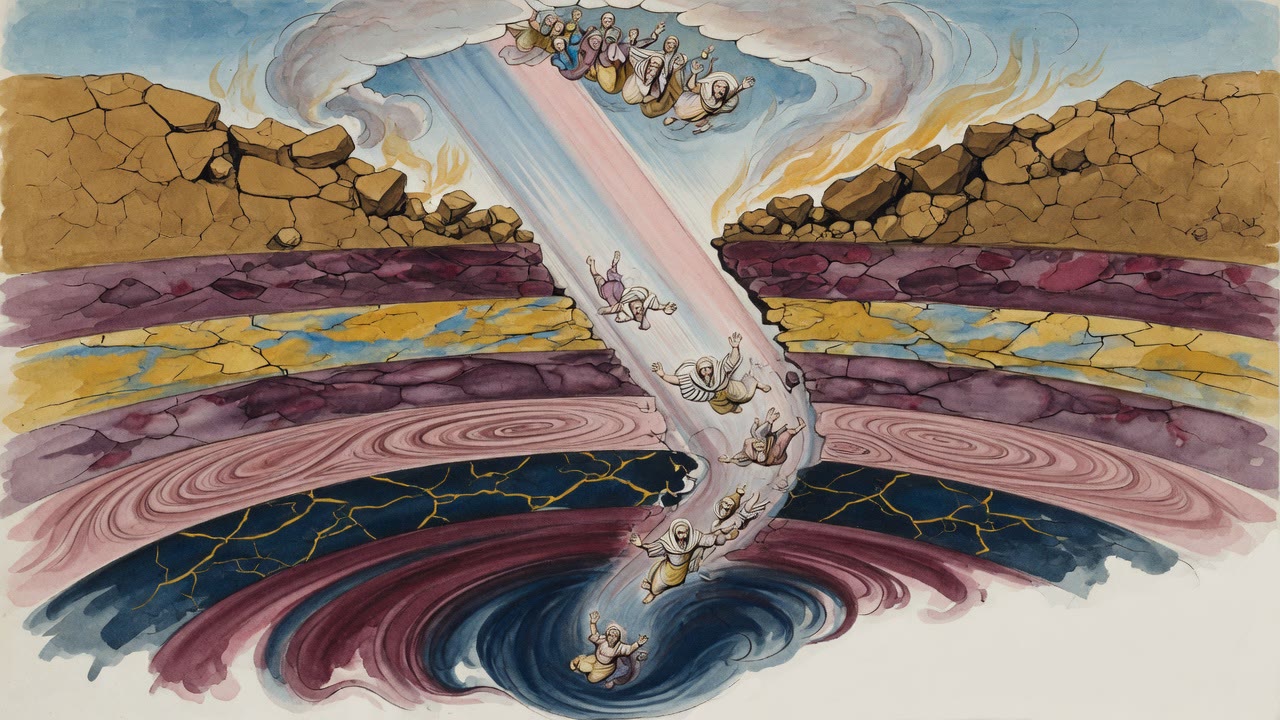
Moses shaved him bald as part of a purification rite. Korah walked back through the camp and his own neighbors asked him who he was.
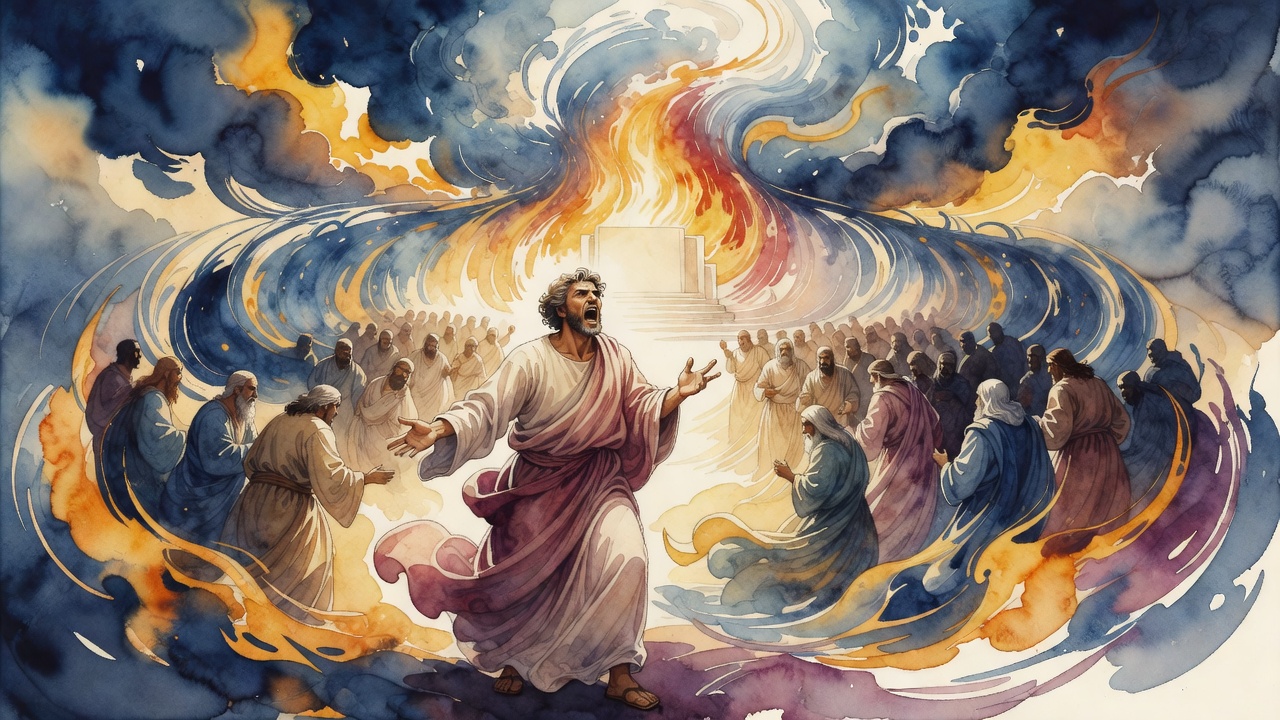
Korah recruited followers with a story about a widow and her one field. Moses took the first fruits, then the tithe, then the wool off her two sheep.
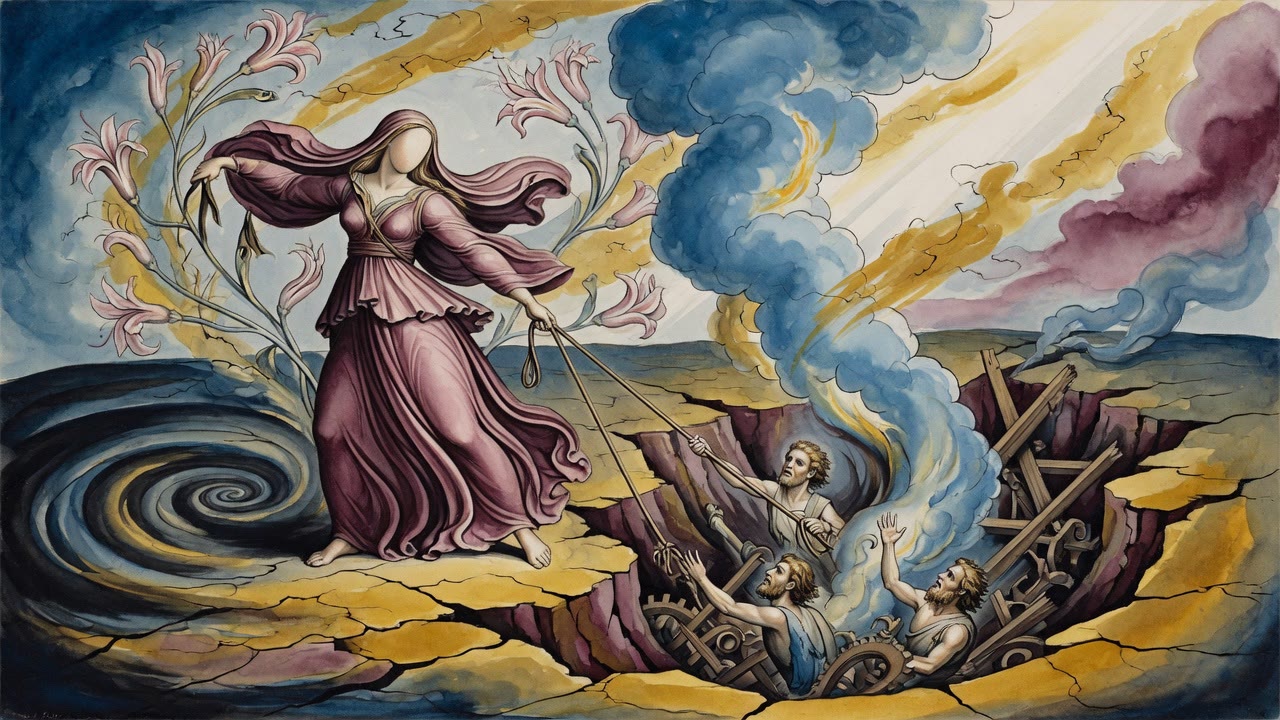
The earth opened under Korah. His three sons sat on a pillar in the fire and sang. A noblewoman in Rome would not let three men die.
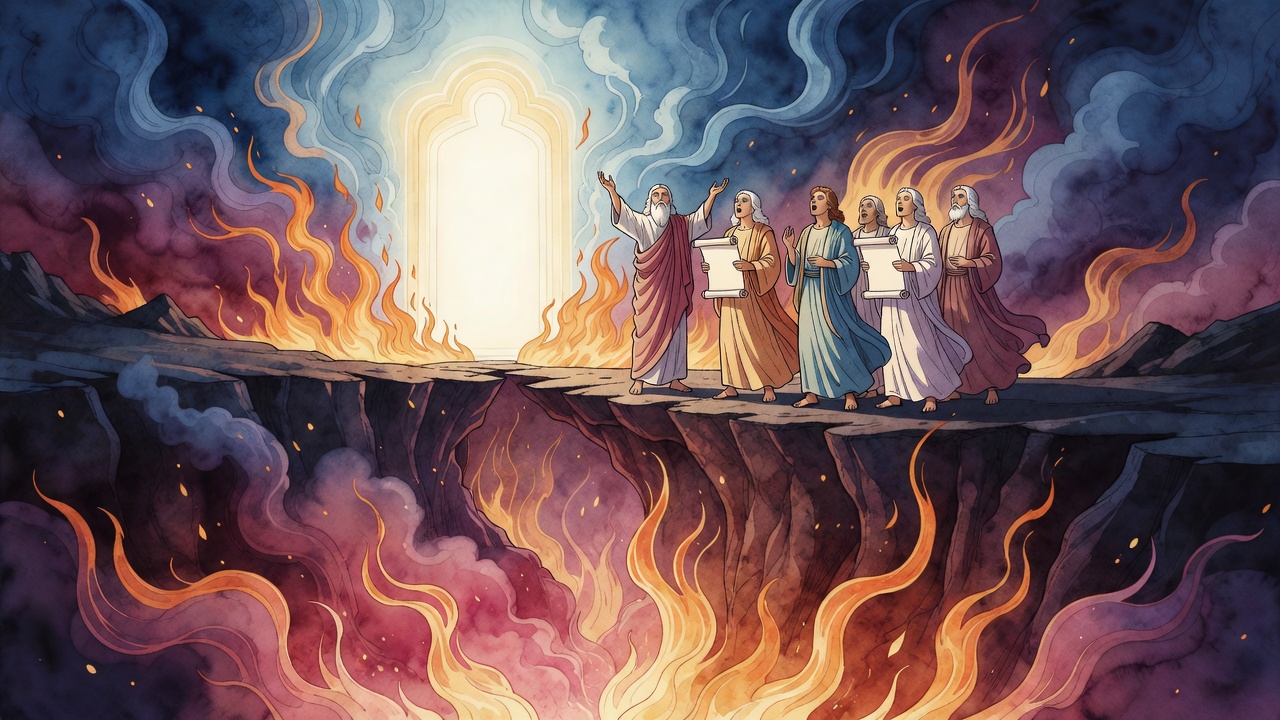
The earth opened beneath their father and they were left suspended on a ledge inside Gehinnom (afterlife of judgment), and from there they composed the psalms.
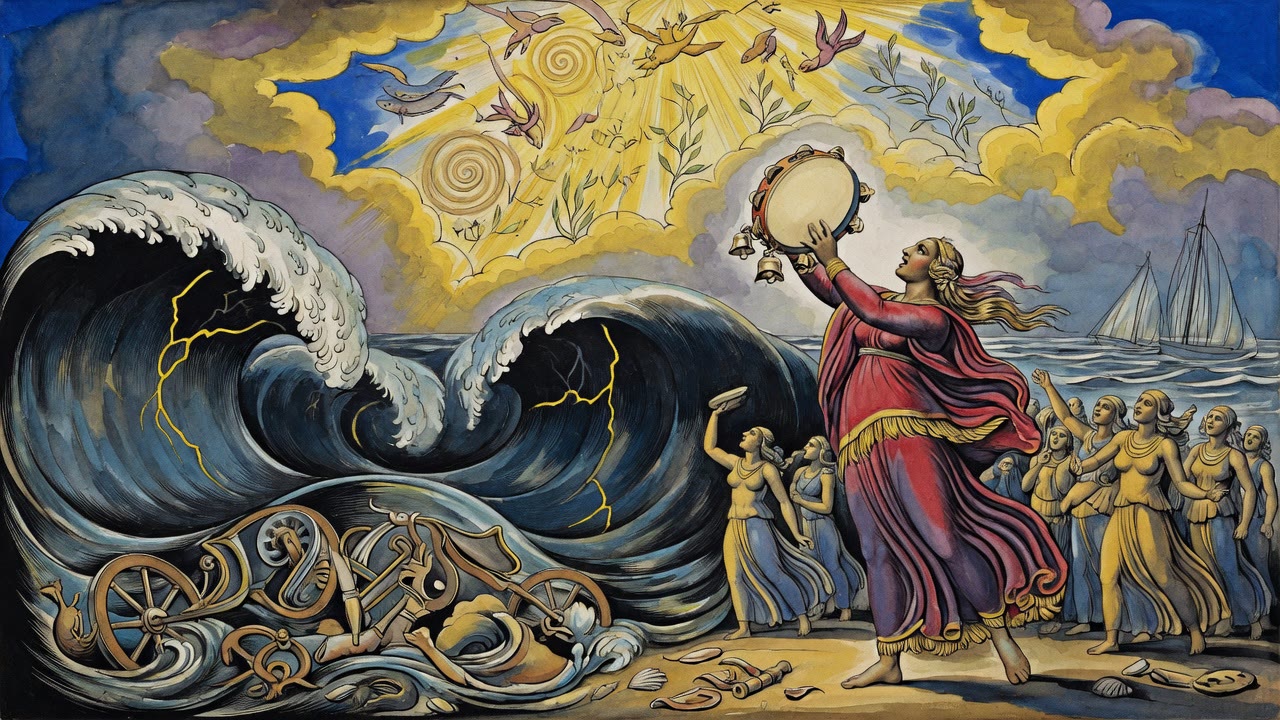
The earth opened under Korah while the censer was still in his hand. His three sons could not speak. A pillar rose under them in the fire.
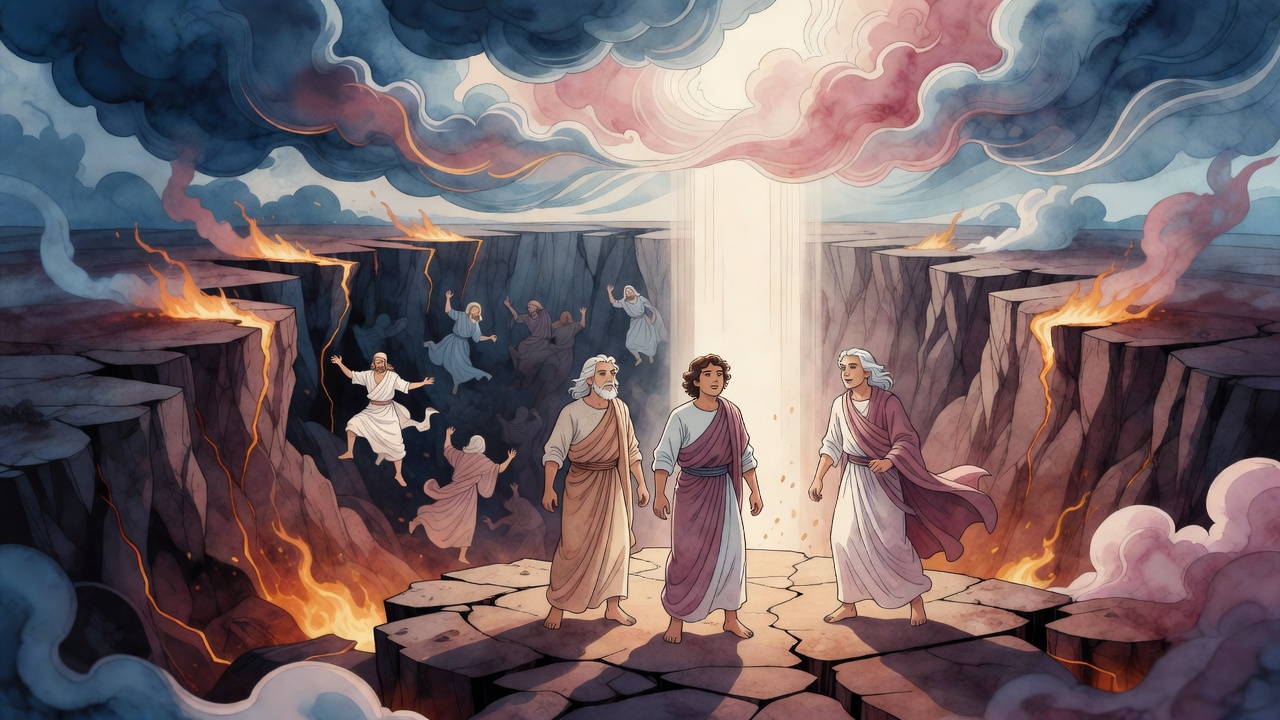
When the earth opened and swallowed Korah's rebellion, his sons were not among the dead. They had made a different choice while their father was still alive.
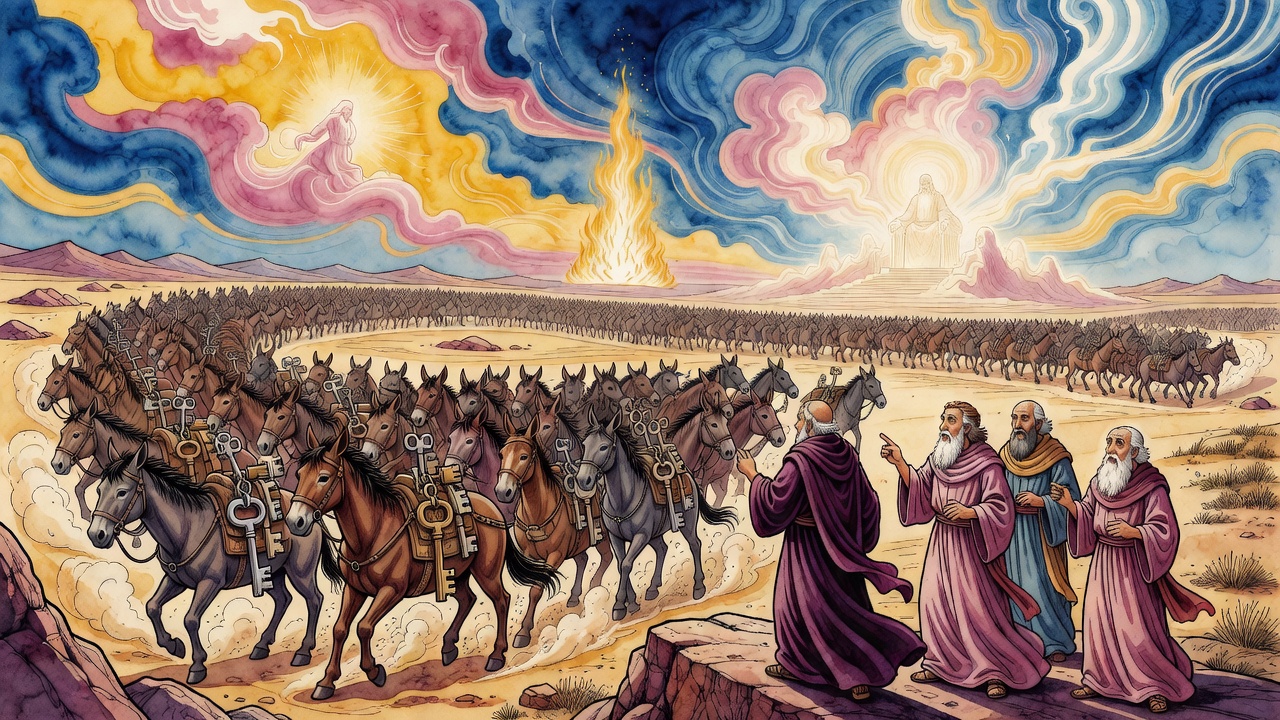
Three hundred white mules carried only the keys to his vaults. Korah came home shaved from the Levite rite, and his wife named it disgrace.
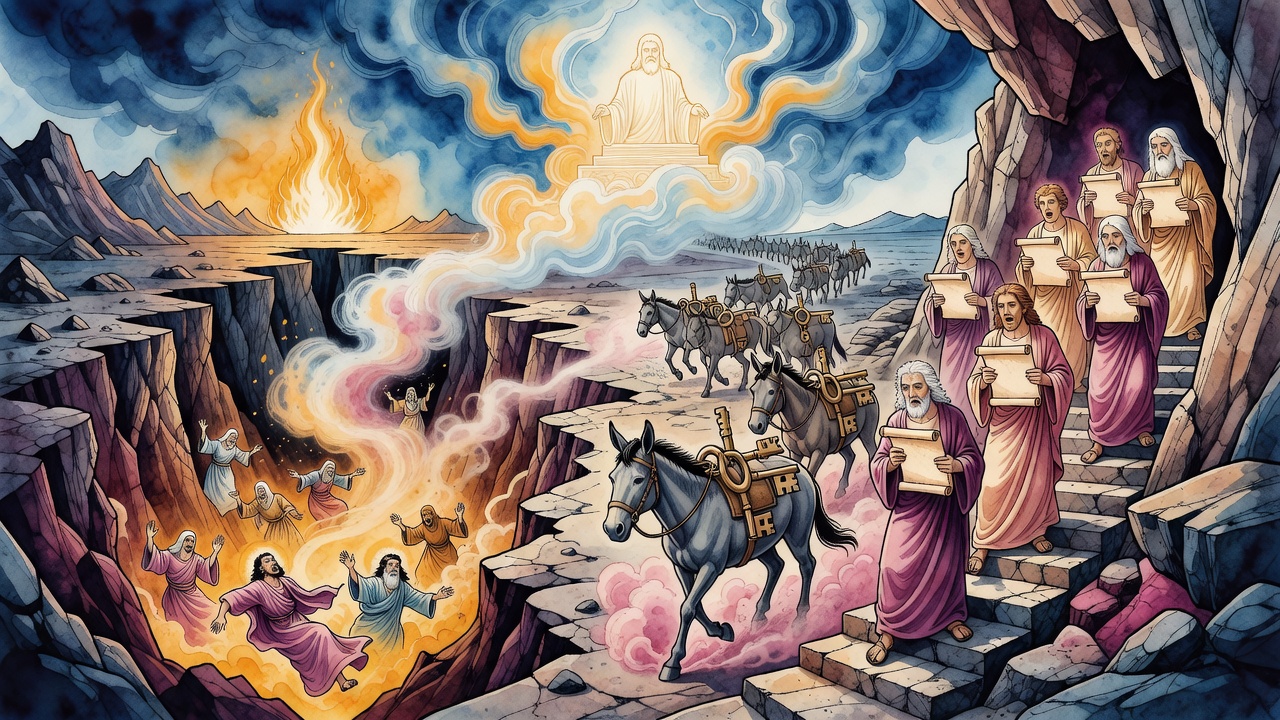
Korah looked into the future and saw Samuel and twenty-four Temple singers coming out of his own line. He decided God would never let their father die.
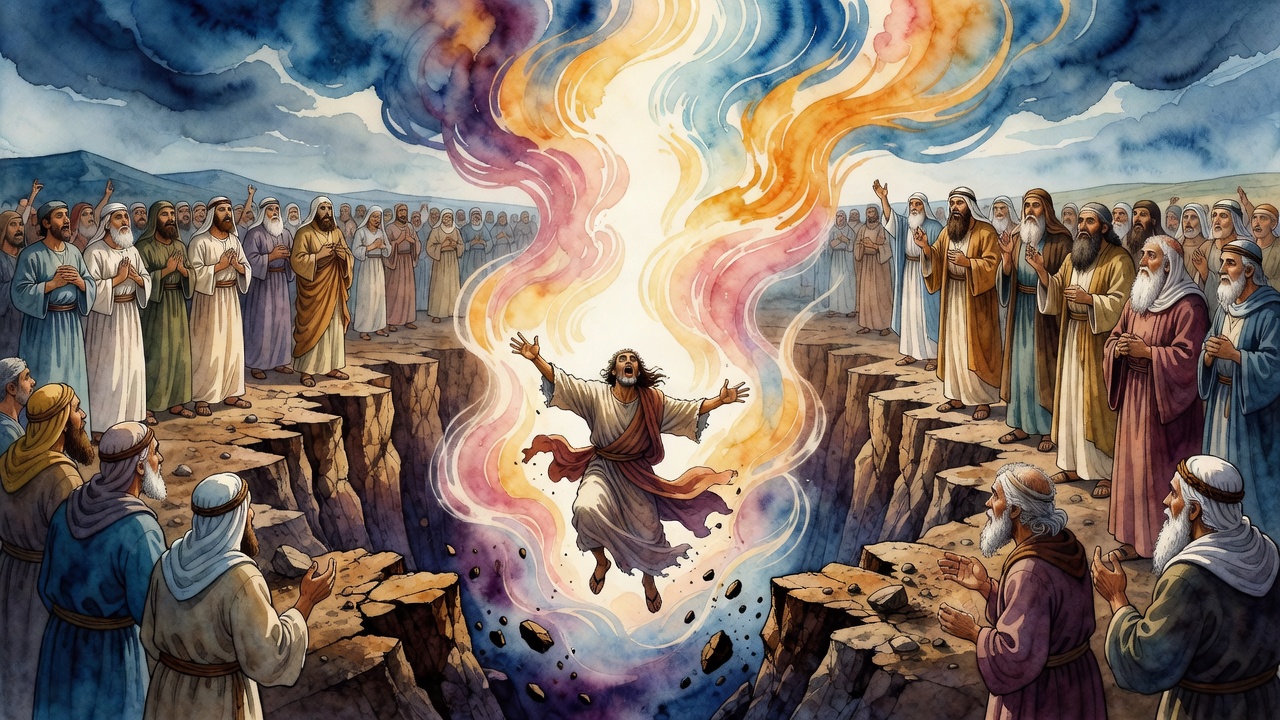
Joseph hid gold in empty country and told no one. A Levite named Korah found one cache. He spent it on a quarrel, and the ground opened its mouth.
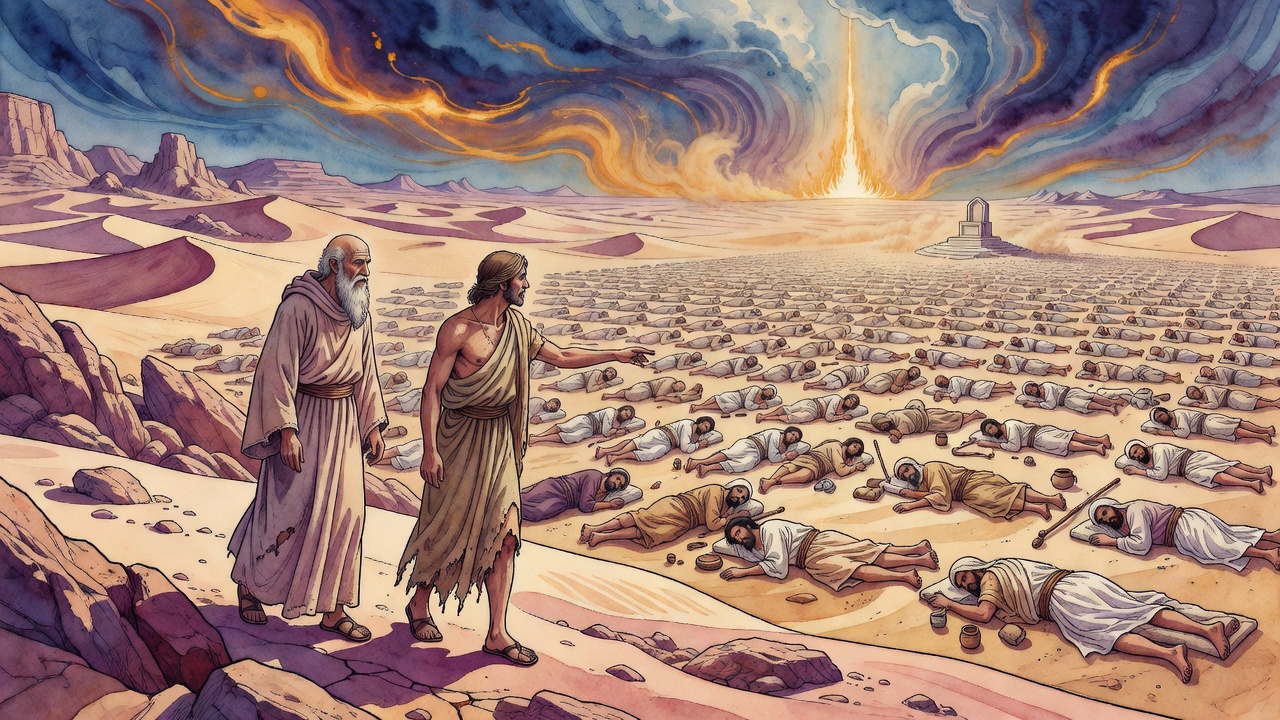
Rabbah cut a blue thread from a giant's fringe and the camel stopped. The guide said the dead keep what is theirs.
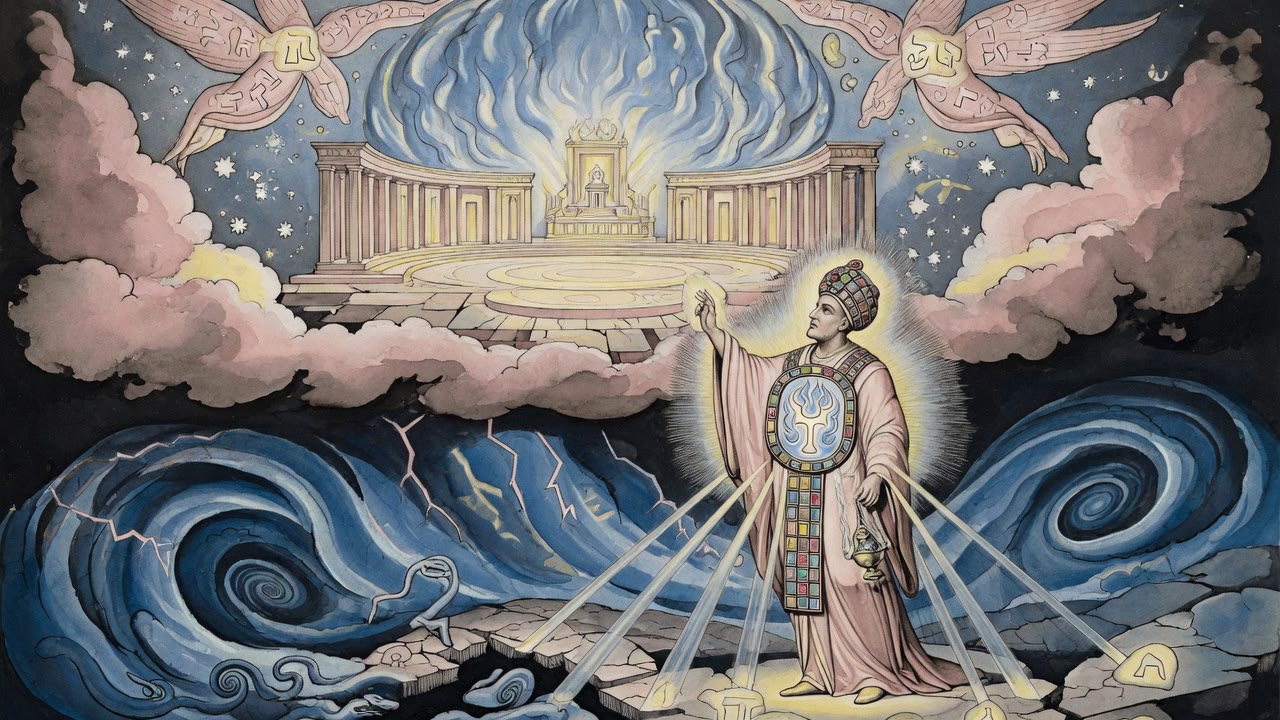
Joseph rises in Egypt and needs his father's arrival to silence whispers. Moses kills with the Name, Amalek attacks, and Korah opens the earth.
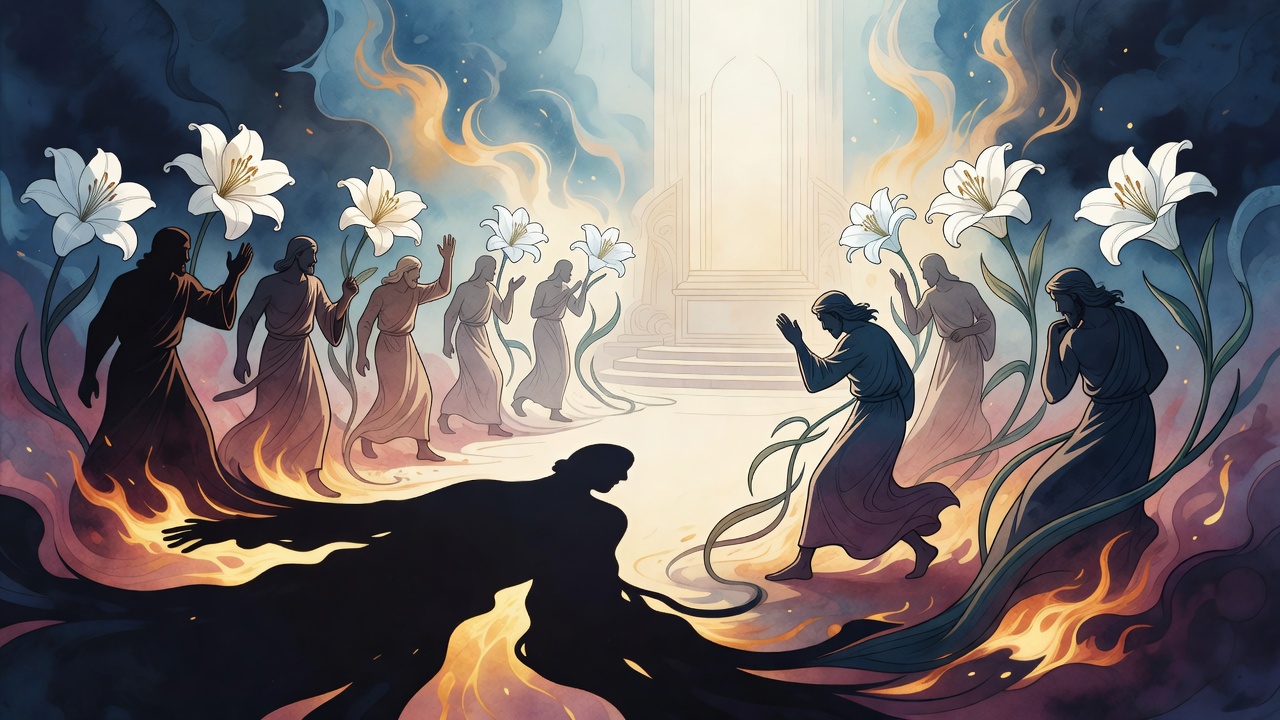
The camp called them thorns, the same as their father. When the fire came they named themselves lilies, and the ground left them a ledge.
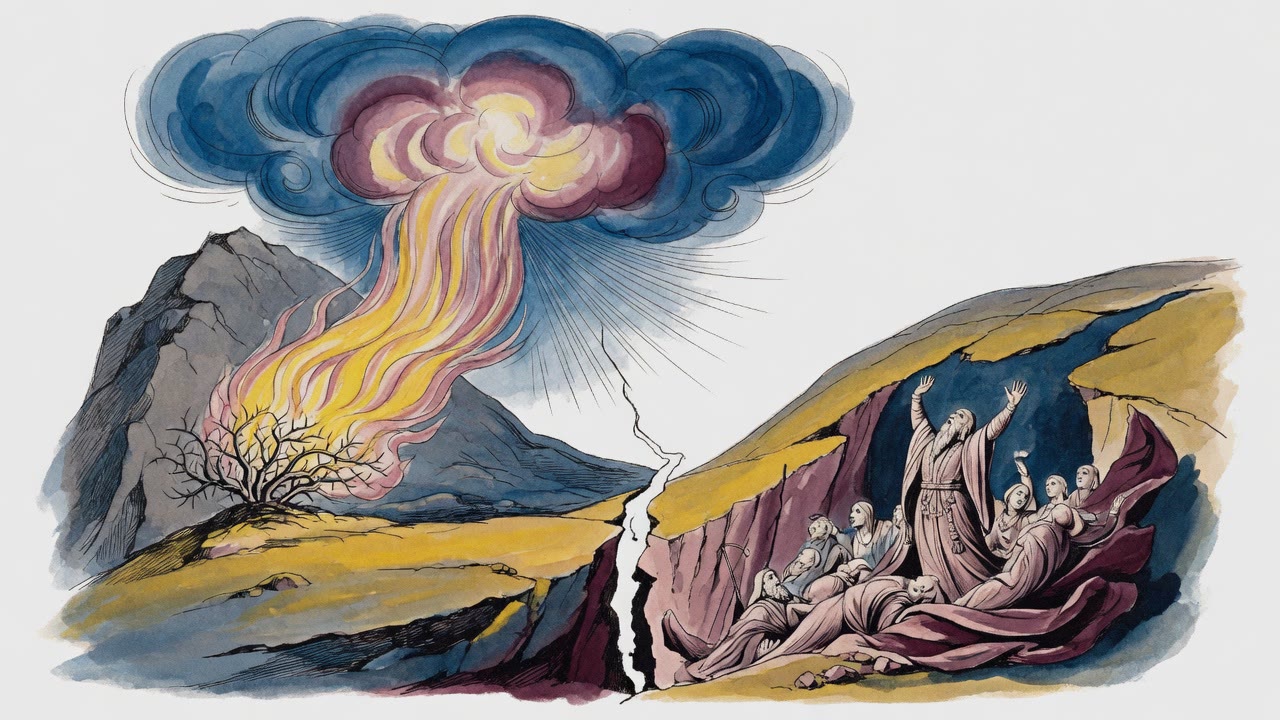
Korah's sons could not open their mouths. Fire stood around them and the pit opened under their father. A pillar rose anyway, and they sat down to sing.
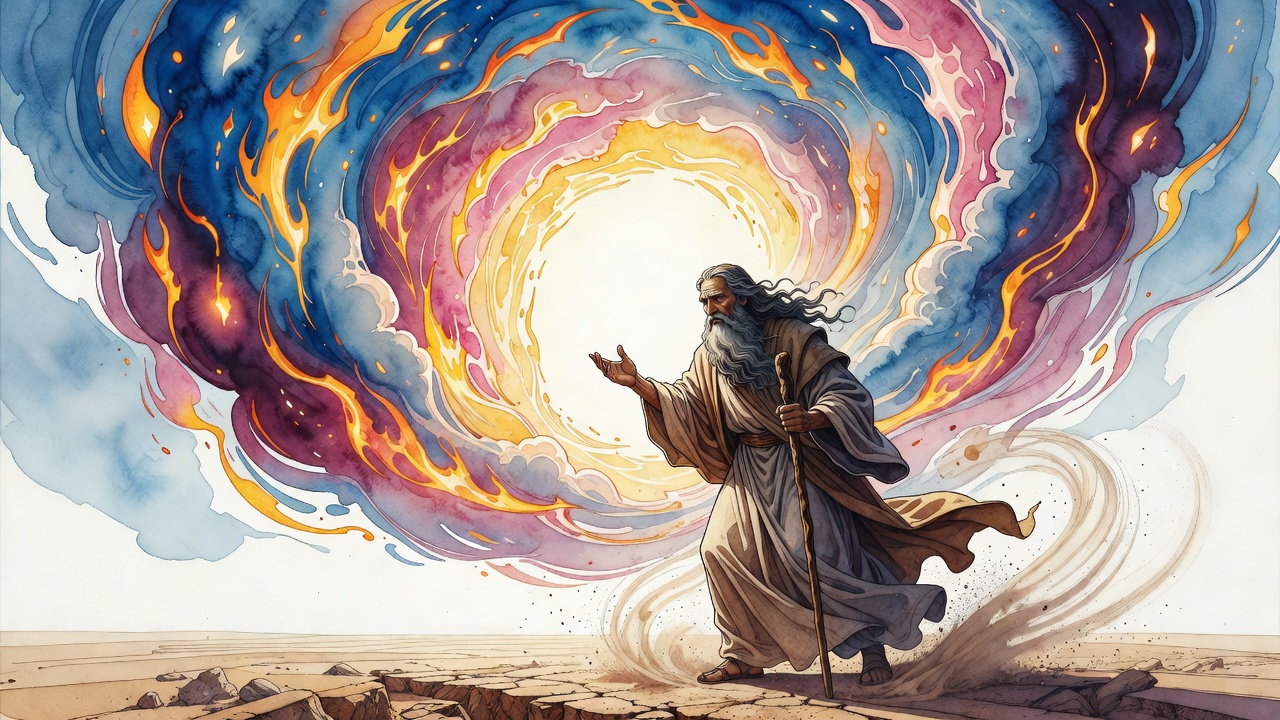
God offered Moses a nation of his own if Israel died. Moses argued the people free. At the Jordan he asked for himself and the door stayed shut.
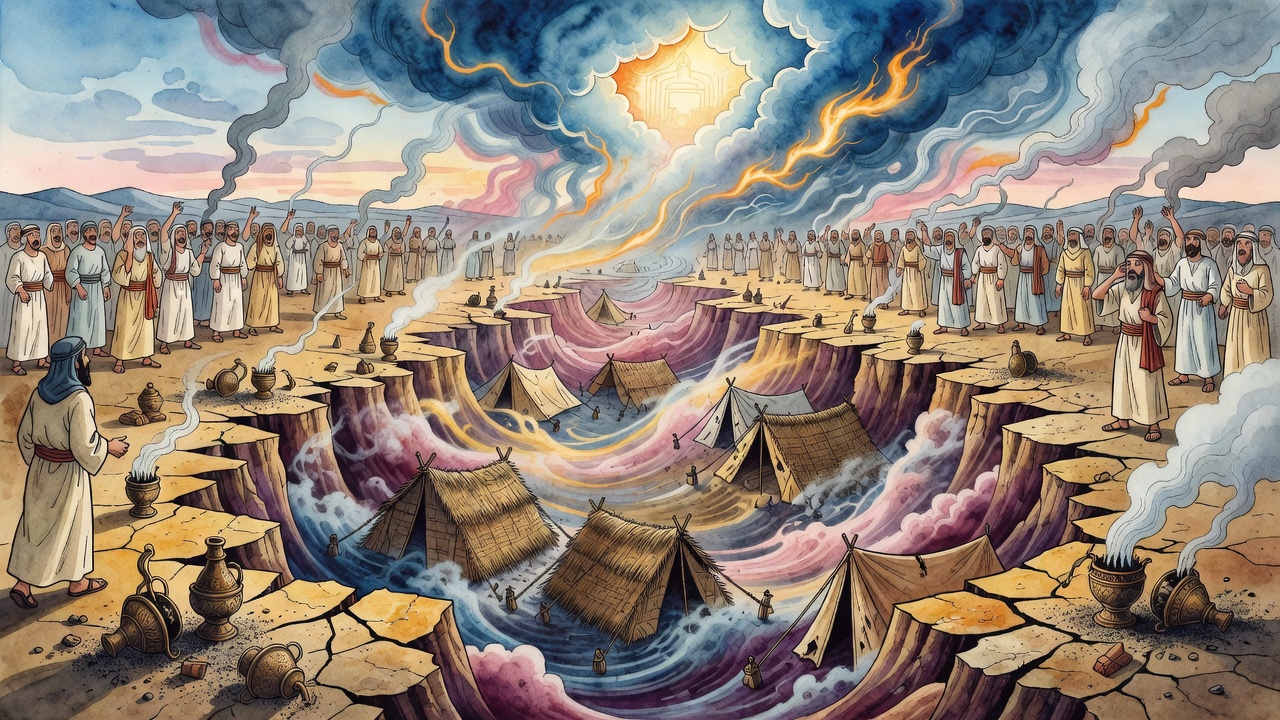
Korah still wore Pharaoh's keys when he came for the altar. Moses gave them the night. By dawn, nobody wanted the priesthood less.
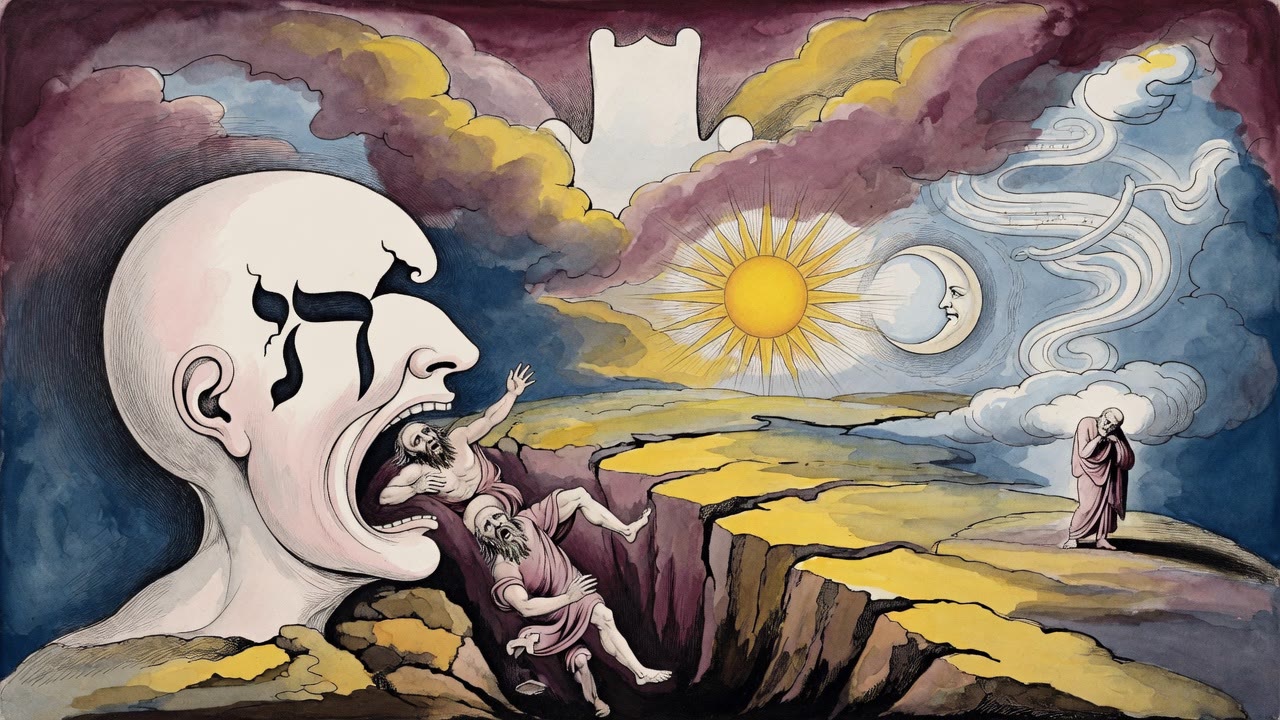
Dathan and Abiram would not leave their tent doorways. They stood there and slandered Moses, so Moses asked God for a mouth in the ground, and got one.
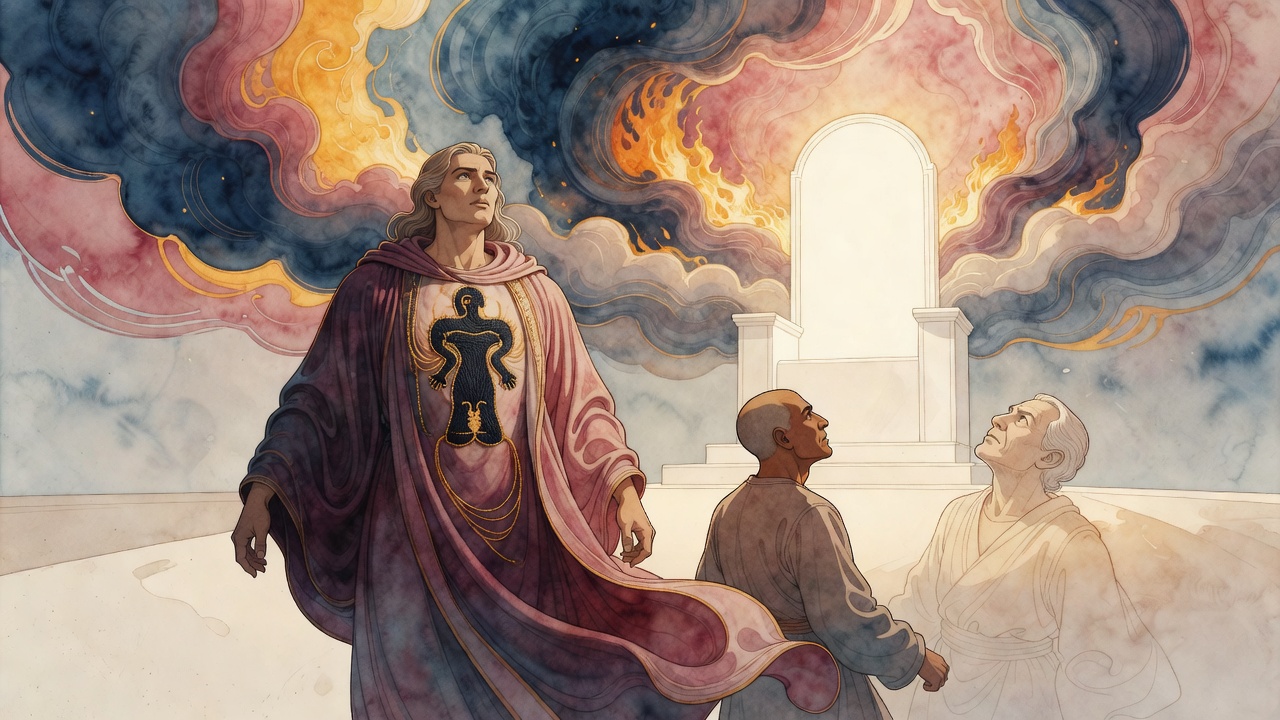
Ahasuerus saw the treasure of Judah's kings and the ten sons standing like a private wall, and promoted Haman. Mordecai was the only man who would not bow.
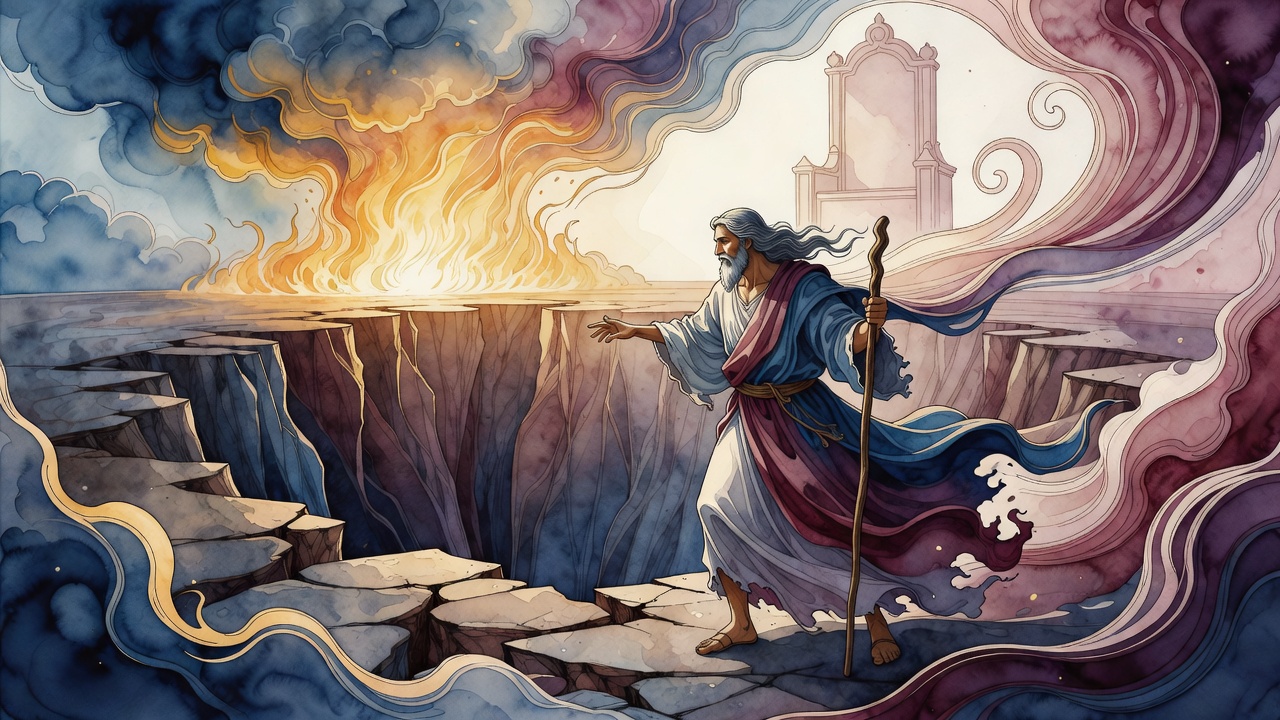
At the border of death Moses asked if one Egyptian he slew outweighed Egypt's firstborn. Afterward the abyss still heard Amram's son.
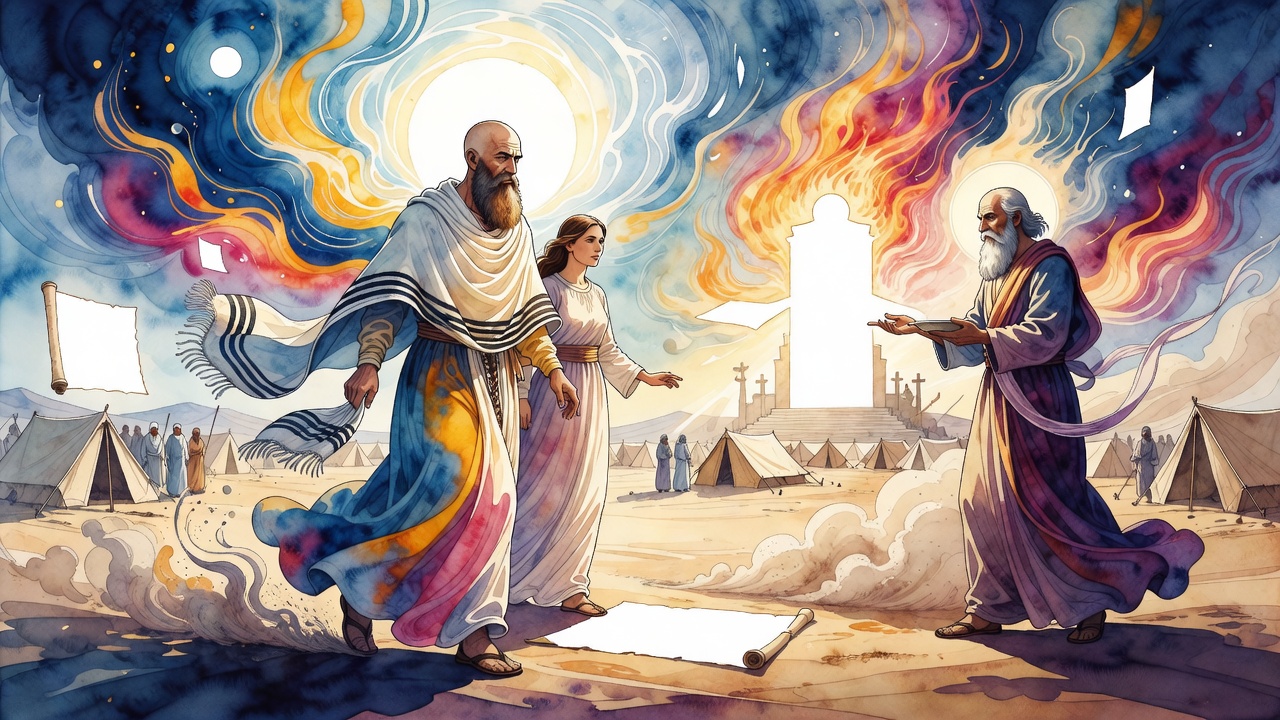
The camps did not know Korach's face. He said Moses had waved him by the hands and feet, then dressed Aaron like a bride.
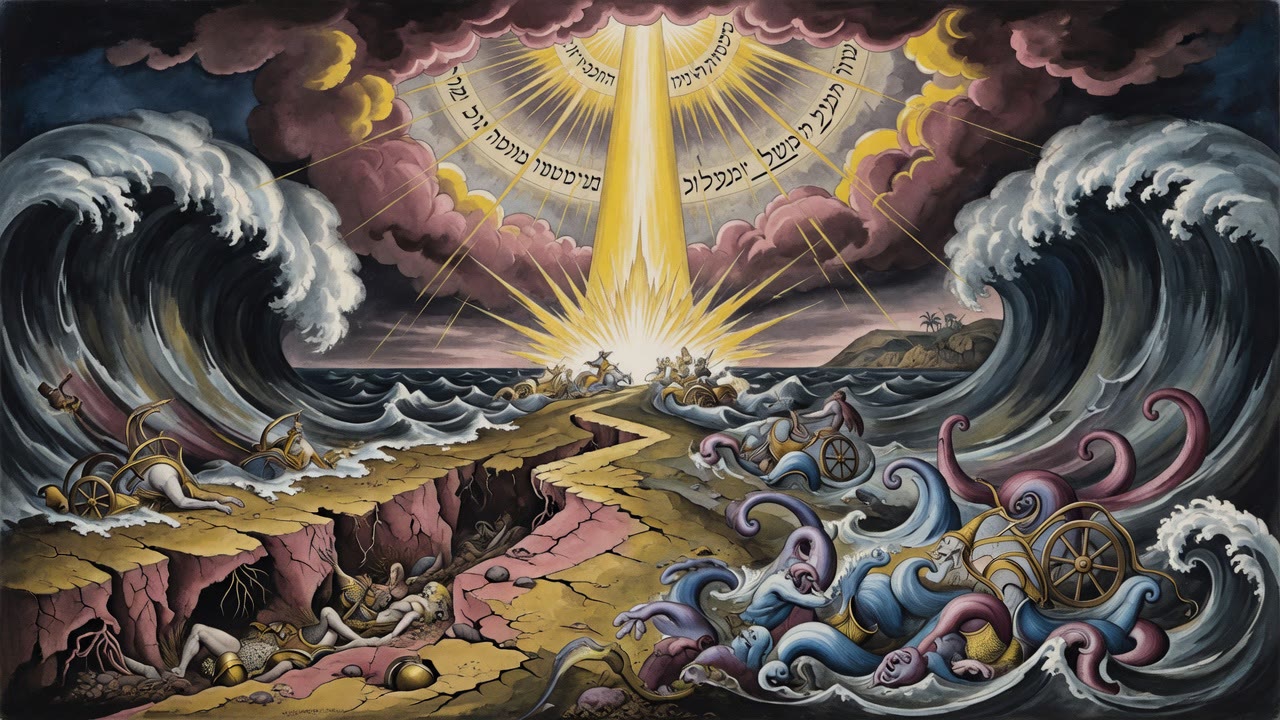
Korah counted Kohath's four sons on his fingers in the tent. The youngest brother's child held the staff. His own hands were empty.
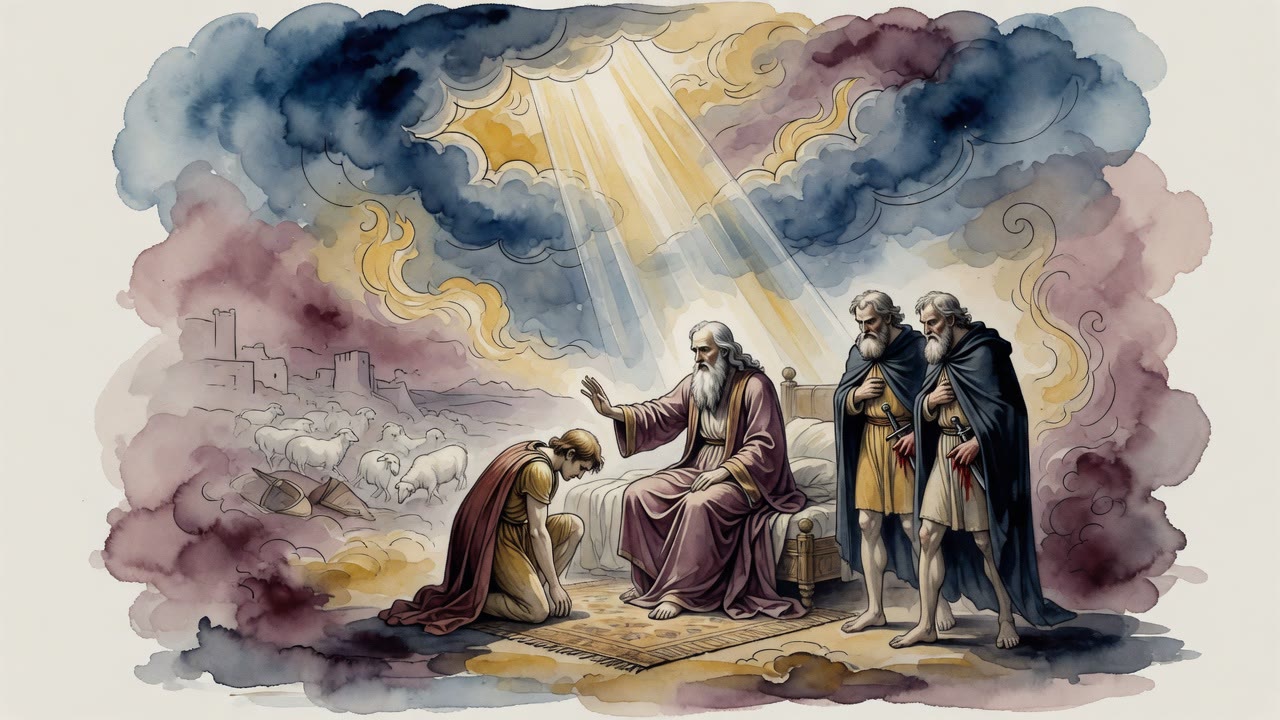
Jacob still calls Reuben firstborn despite the bed. He, not Esau, summons sons to bless. He bars his name from Simeon and Levi's future sins.
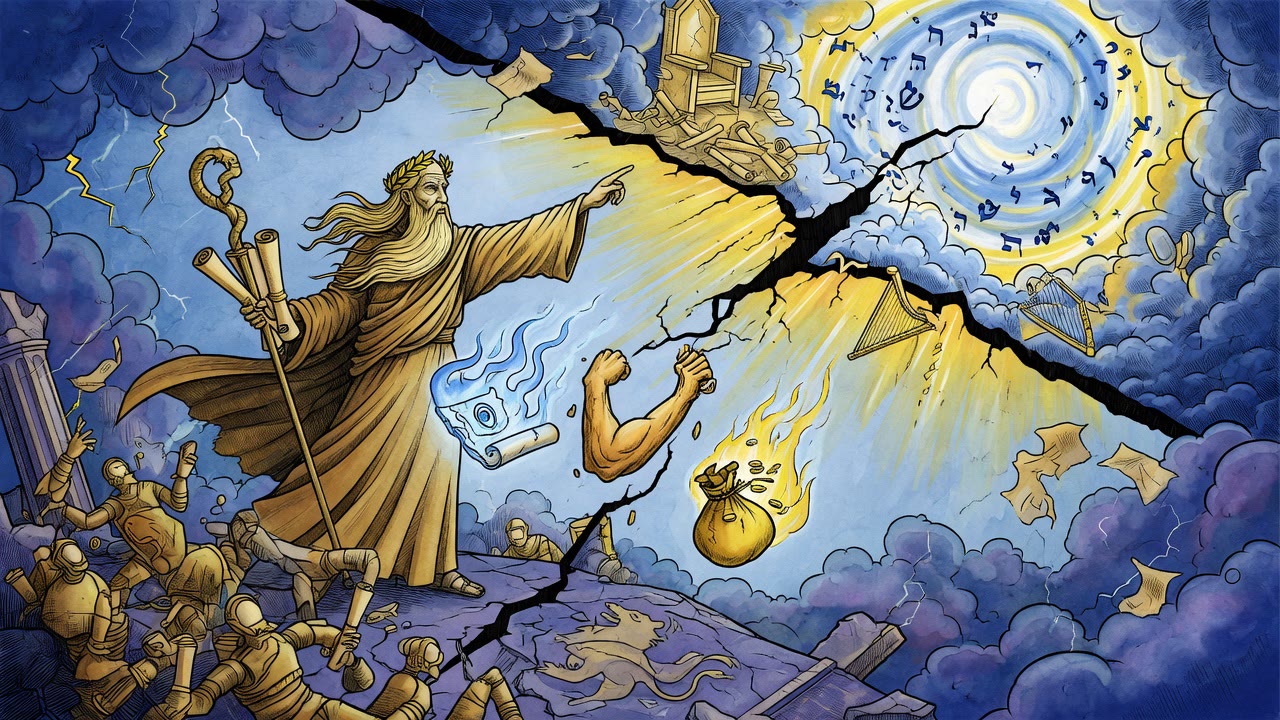
When Ahithophel spoke, David's court went still. Men set down their cups. No one wanted to argue with a mind that never missed.
