65 myths · Page 1 of 3
Each story names the sources it was written from.
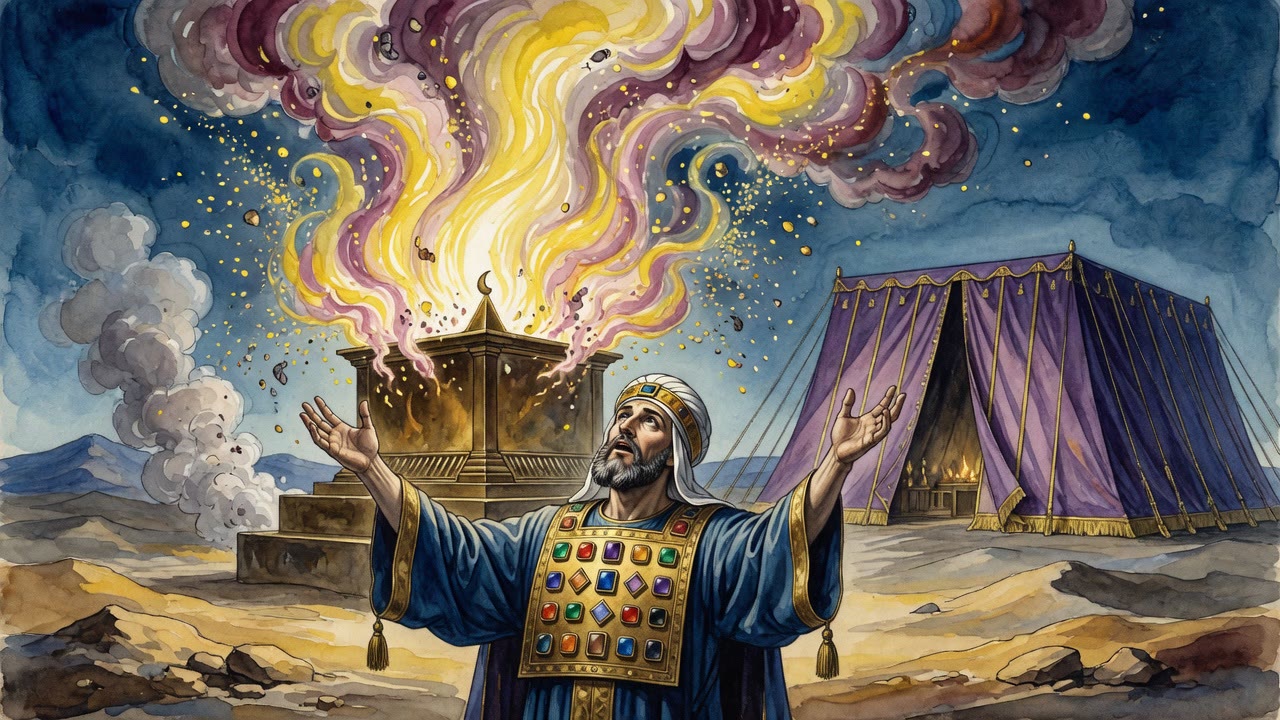
For seven days Moses put the Tent up and took it down. On the eighth, Aaron froze, because the calf was waiting at the altar's corner.
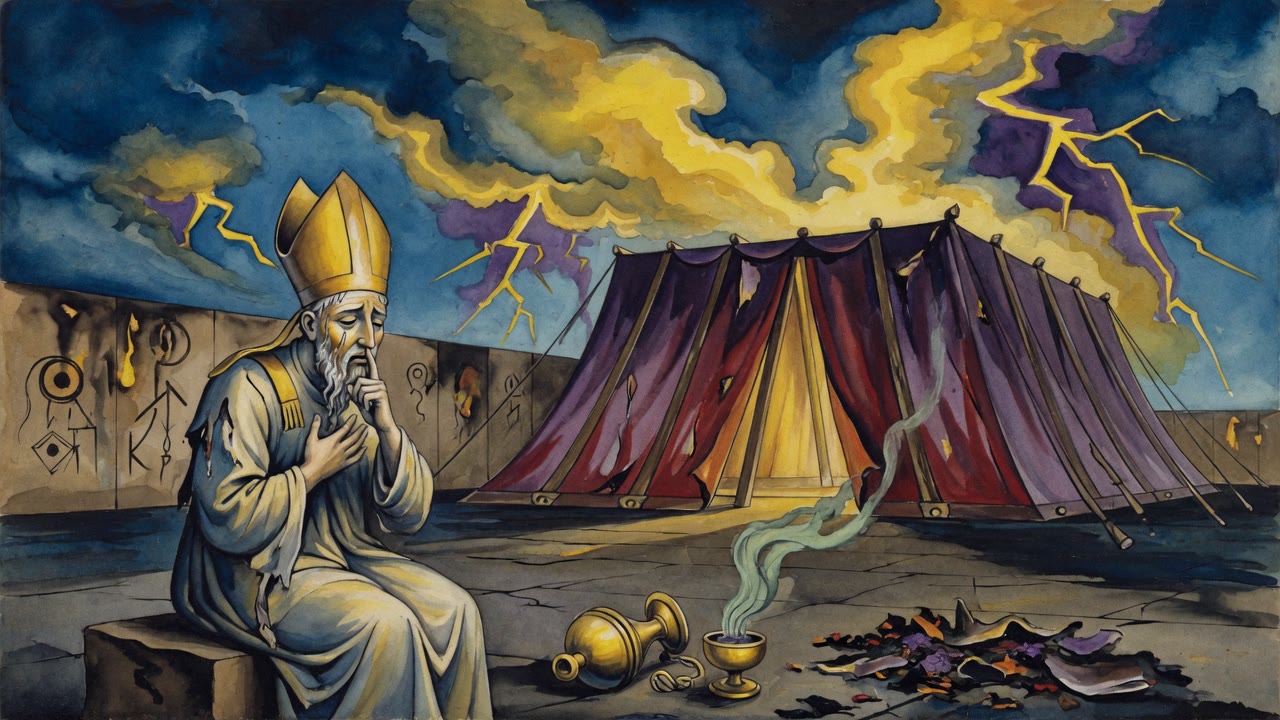
The flame did not burn cloth or blacken skin. It went in through the nostrils and took the soul, leaving two bodies dressed for service, garments whole.
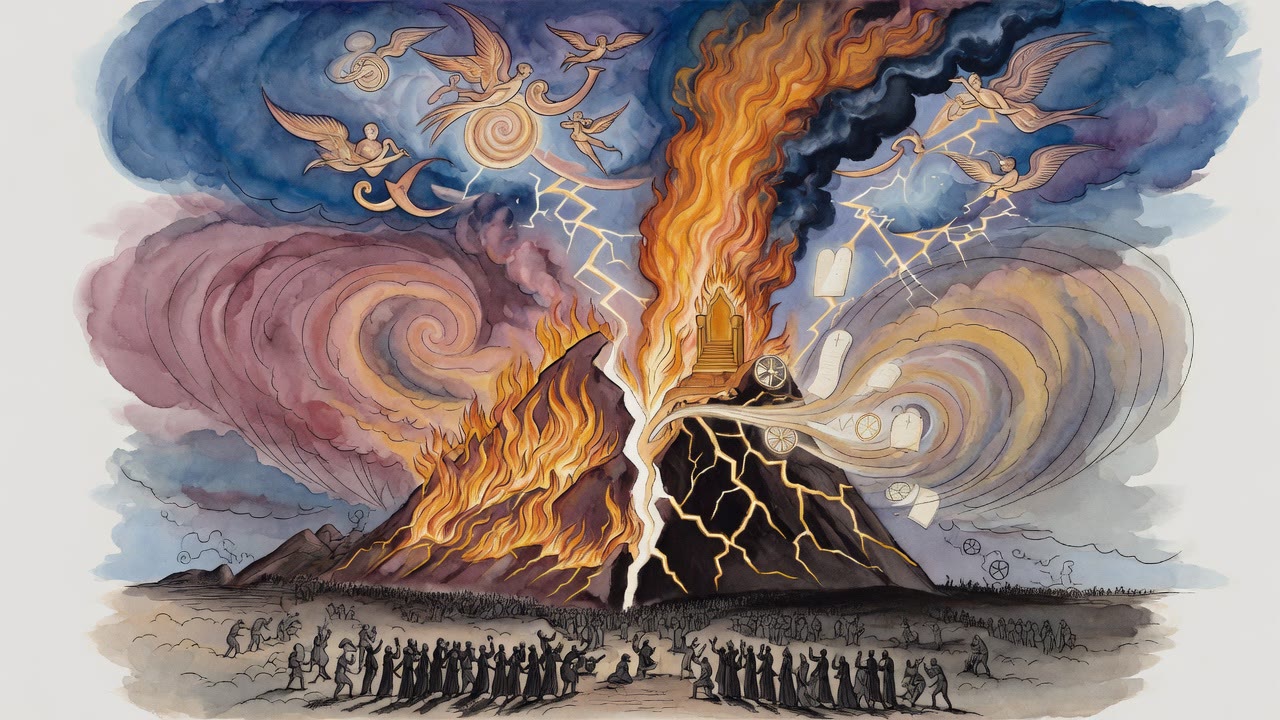
The first word emptied them. Angels pushed the bodies twelve mil back to the mountain. Dew had to fall before they could hear the second.
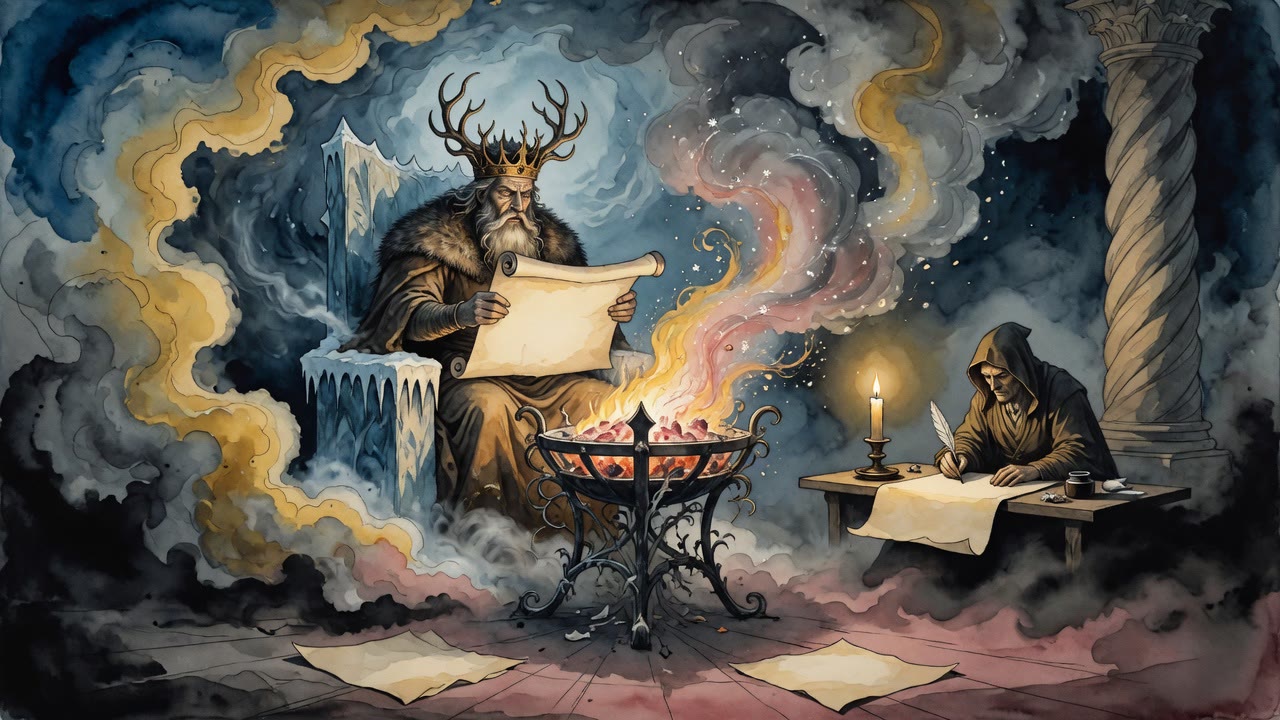
Jehoiakim sat in the winter house and fed Jeremiah's columns to the brazier. Three officials begged him to stop. No one in the room tore his clothes.
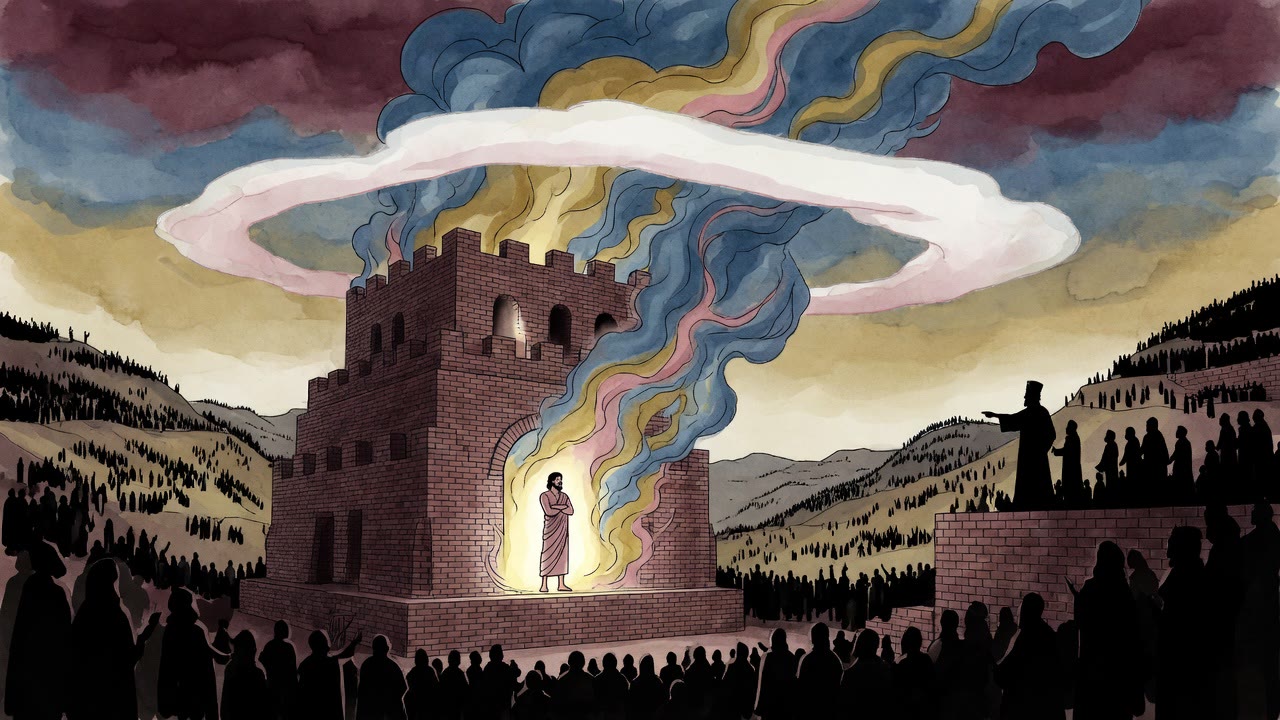
Terah told the king it was Haran who had advised the swap. It was a lie to save himself, and it put his own son in front of the fire.
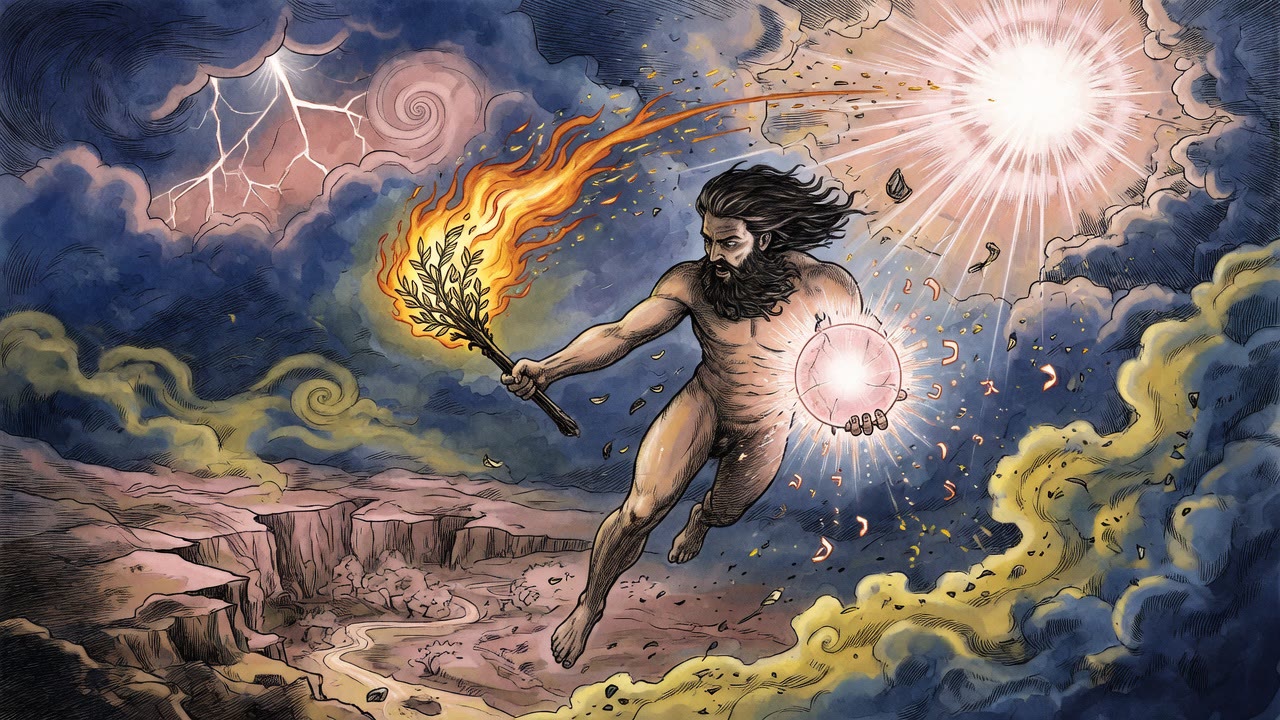
Before Adam walked the earth, an older tradition says he dwelt in heaven. When he came down, the sky blazed. He brought fire and light with him.
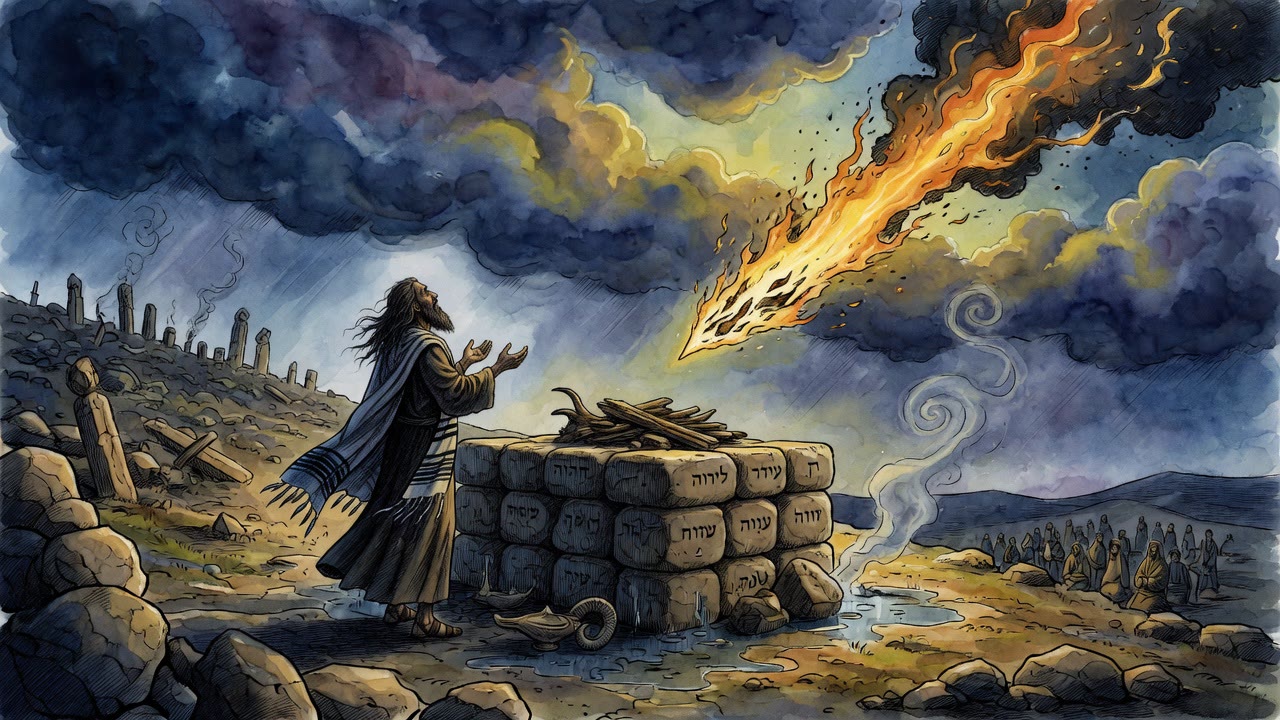
Hiel lay under Baal's altar with a coal ready. A serpent found him first. Elijah still did not pray until the afternoon offering.
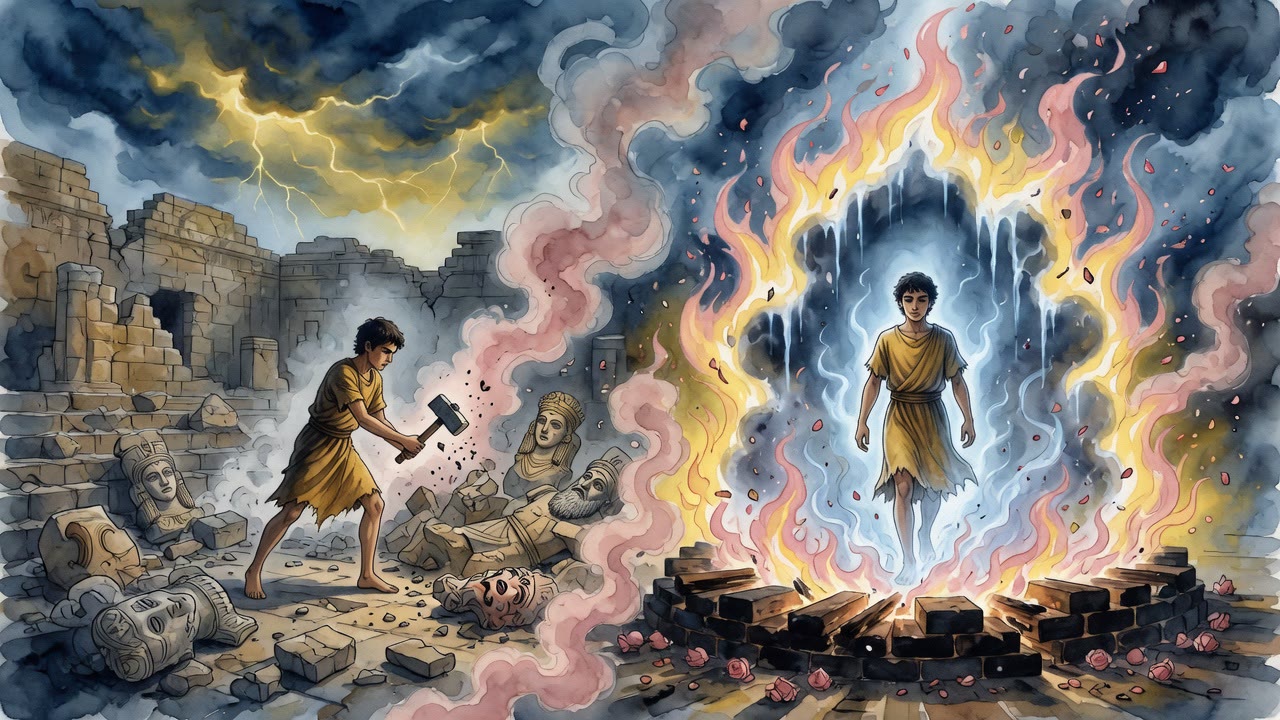
Terah found the shop in pieces and a hatchet in the biggest idol's fist. His son said the large one had fought the others for the meat.
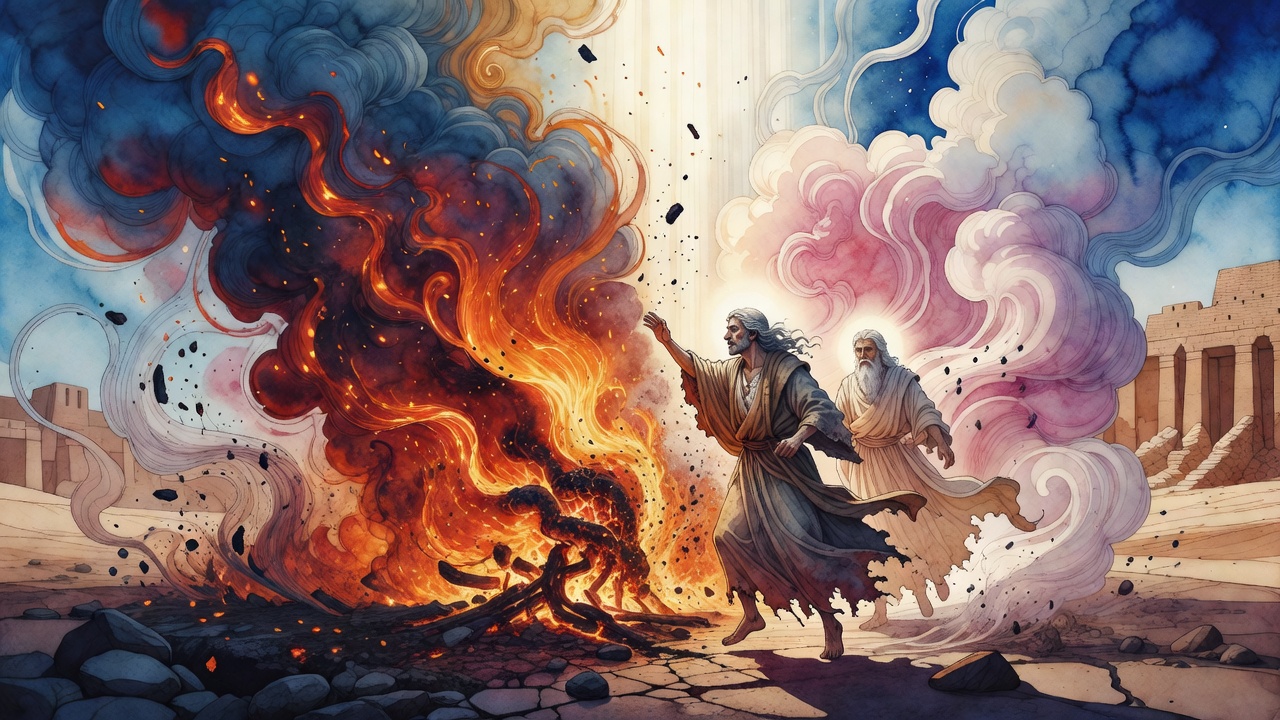
Gabriel offered to go down and cool the furnace himself. God turned him down, gave a reason, and promised him three men in Babylon instead.
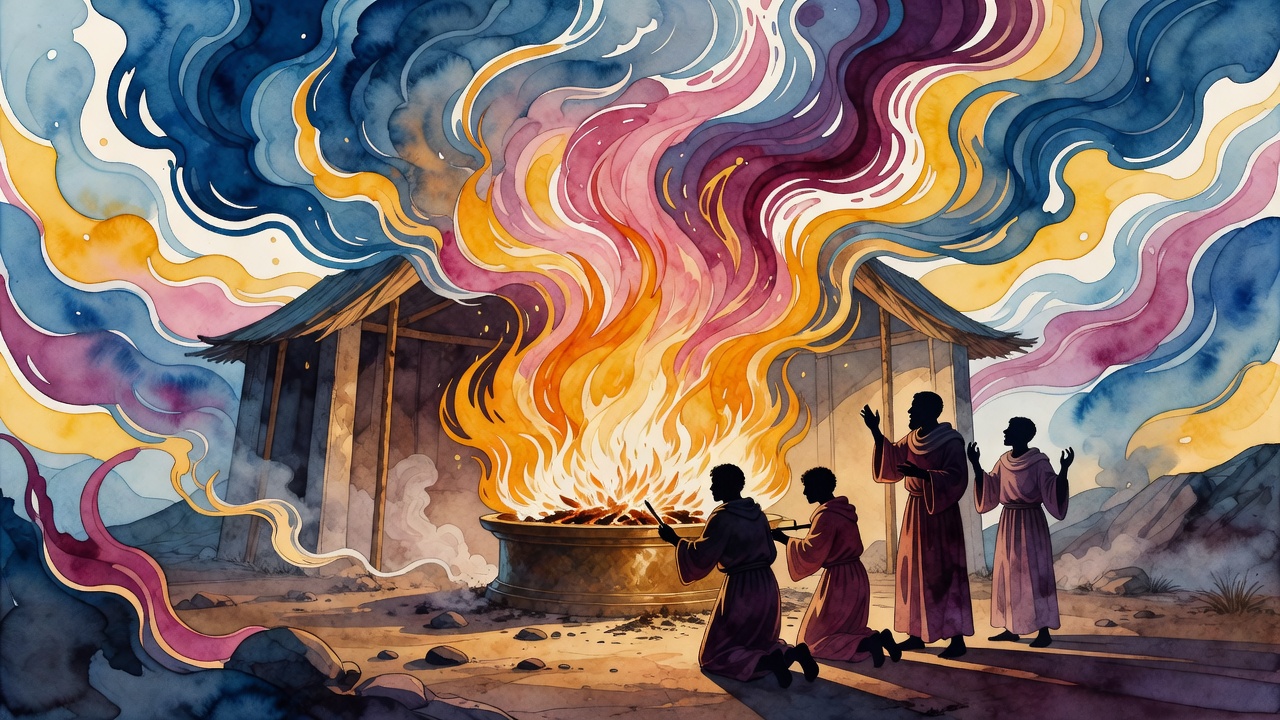
On the eighth day of the Tabernacle's dedication, fire fell from heaven and did not go back. It consumed offerings and sons with equal precision.
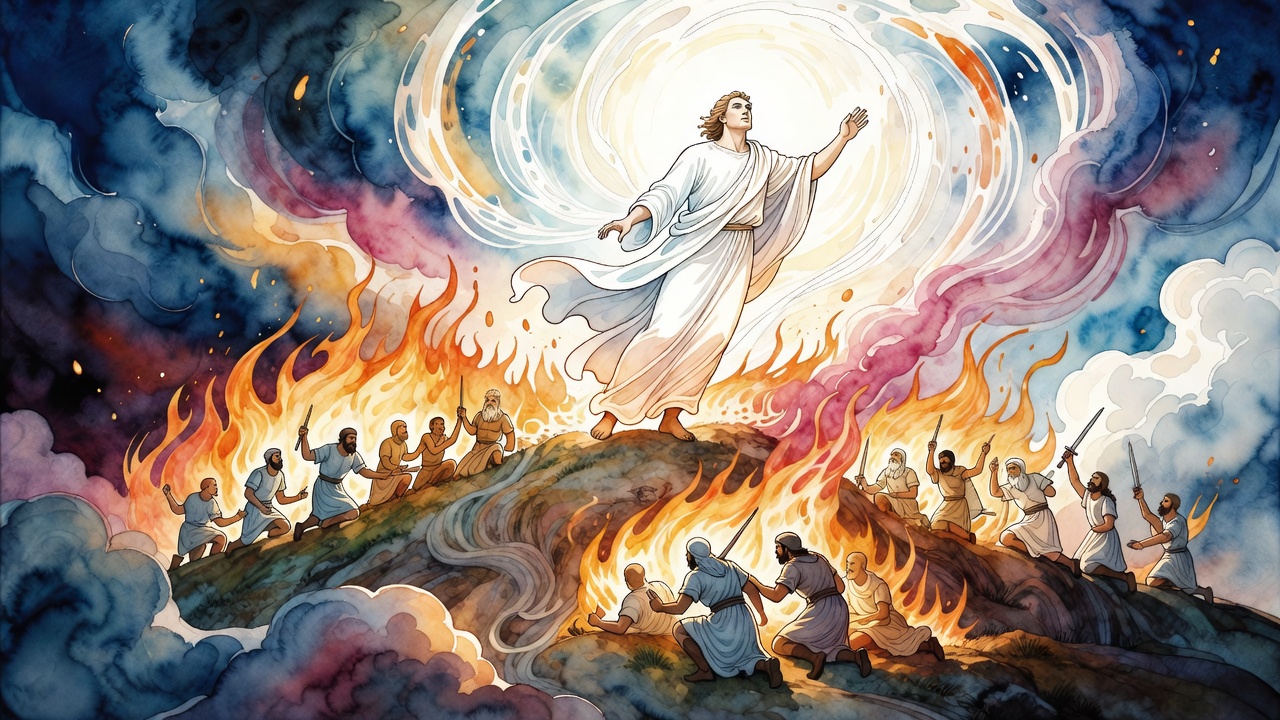
Ahaziah sent fifty men up a hill to drag the prophet down. Fire took them. The next fifty burned the same way, still on their feet.
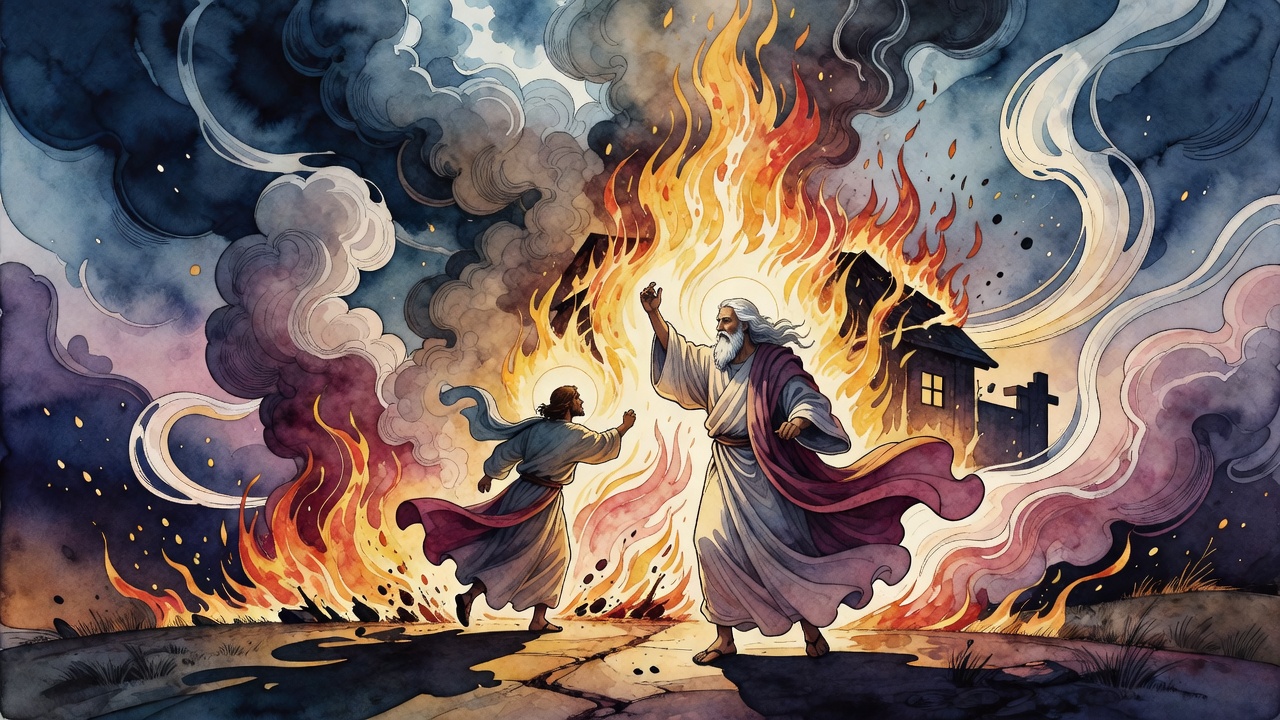
At sixty years old, Abram rose in the night and burned the house of idols. His brother ran in to save the gods and never came out.
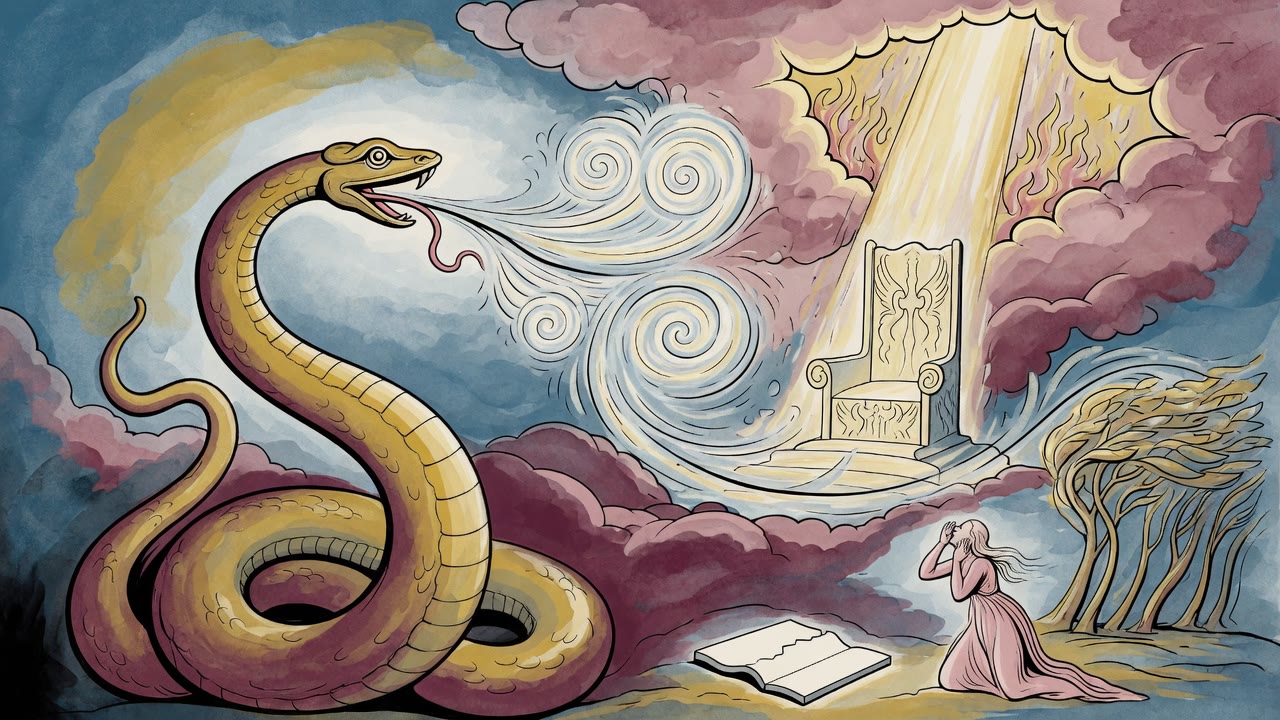
Terah had reported his own son to the king. Three days later Abraham walked out of the fire, cords burned off, the governors flat on the ground.
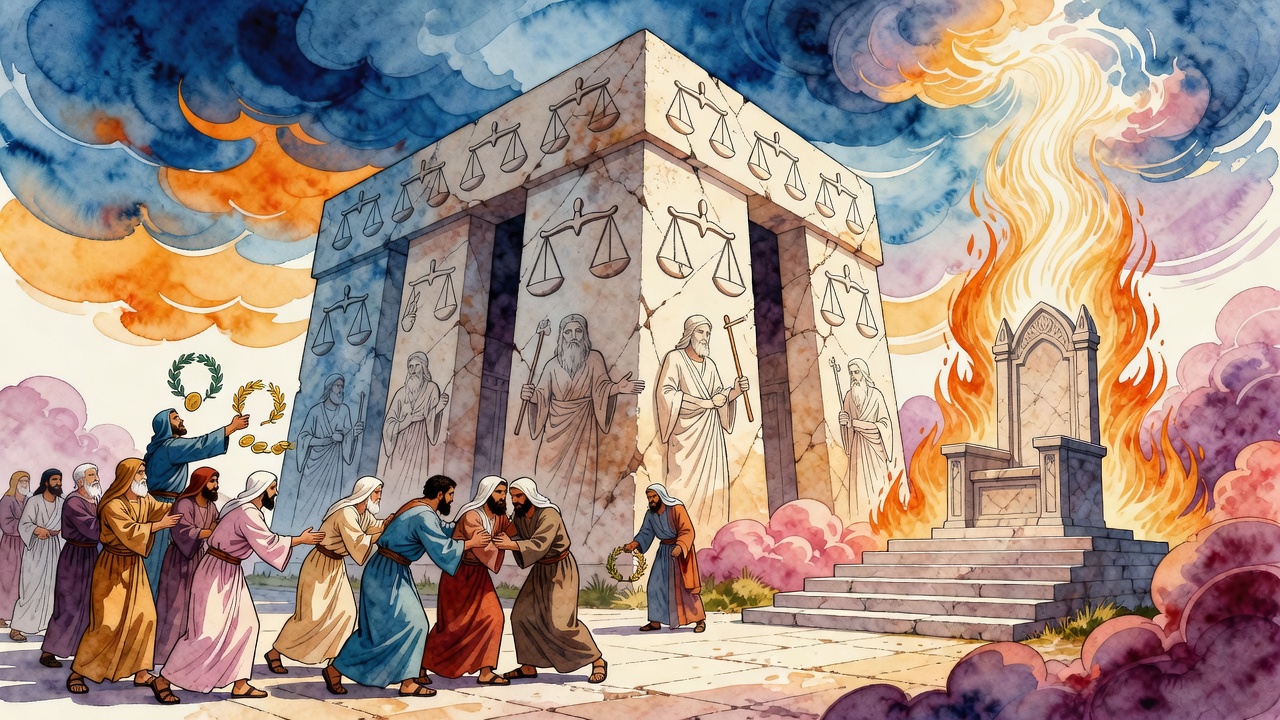
A girl in Admah hid bread for a stranger. The city smeared her with honey and hung her on the wall. Her cry reached heaven before she did.
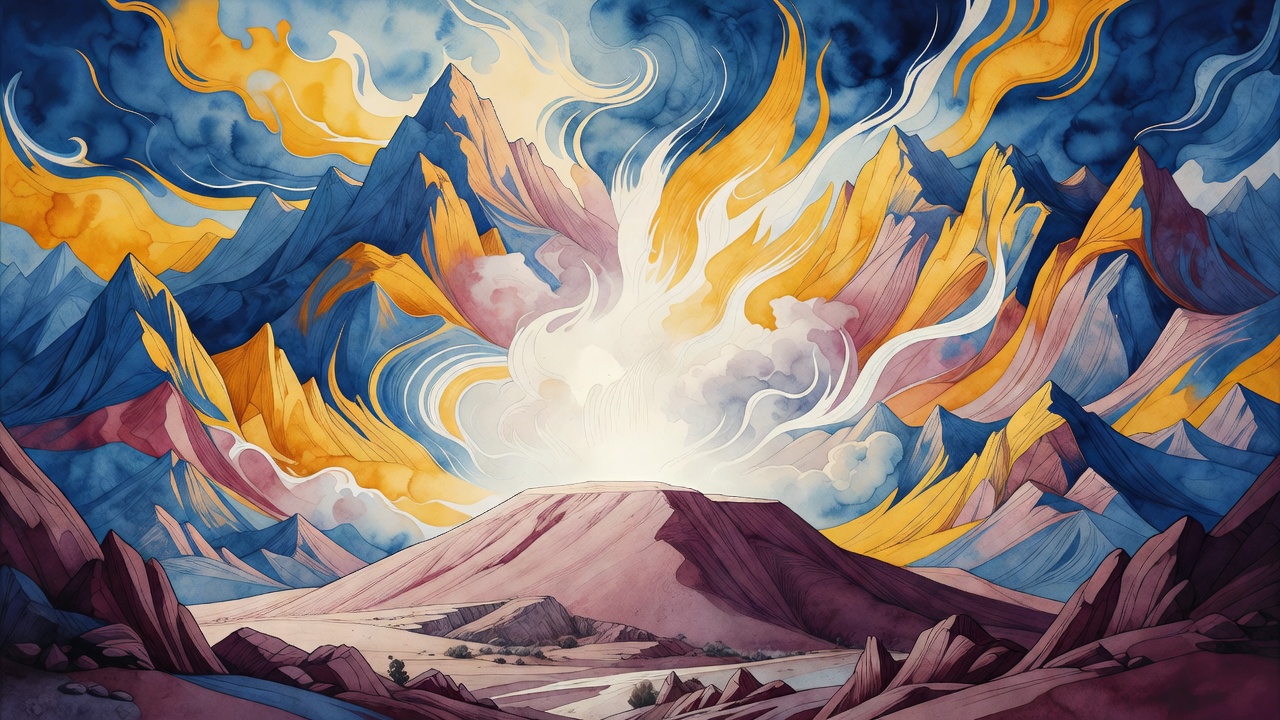
Tabor still had dry shoulders from the Flood. God sent the tall peaks home and chose the small one that had torn itself from Moriah.
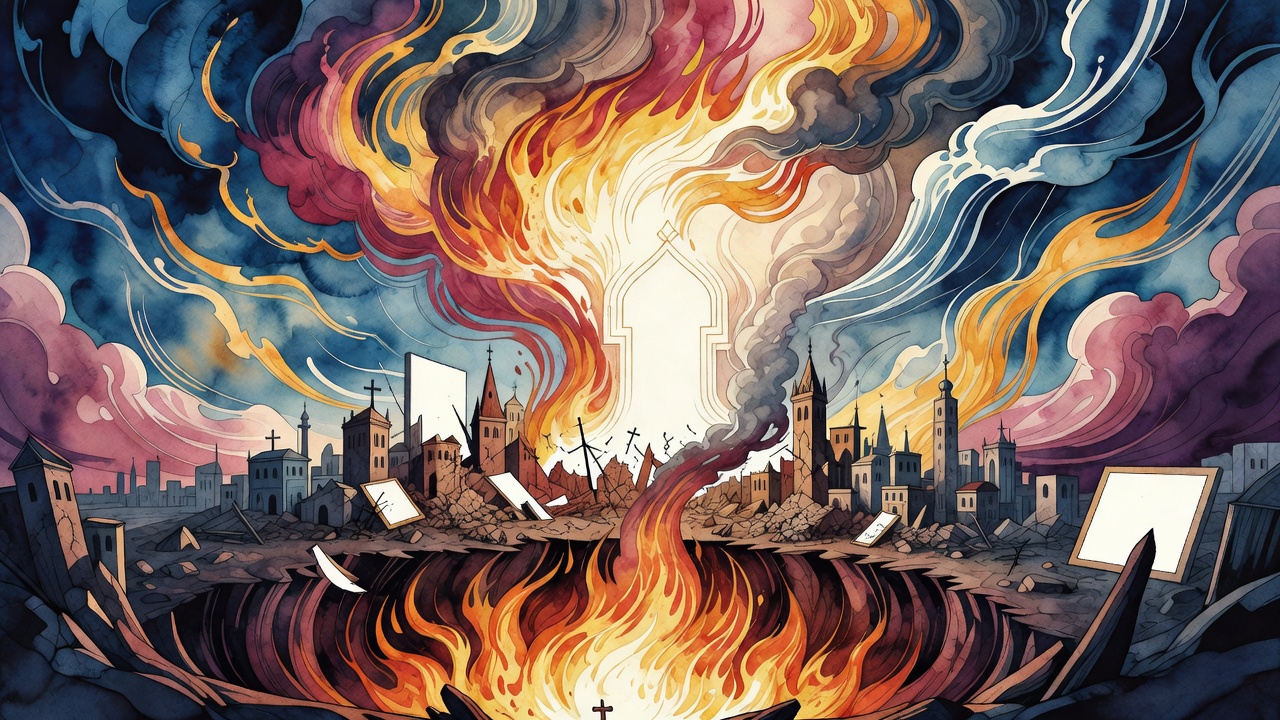
The fire that fell on Sodom from the sky had a partner rising from Gehinnom (afterlife of judgment) beneath. Both were prepared before the world began.
The Angel of Death met Elijah at the edge of heaven and refused to move. He had jurisdiction over every human being alive, and he said so.
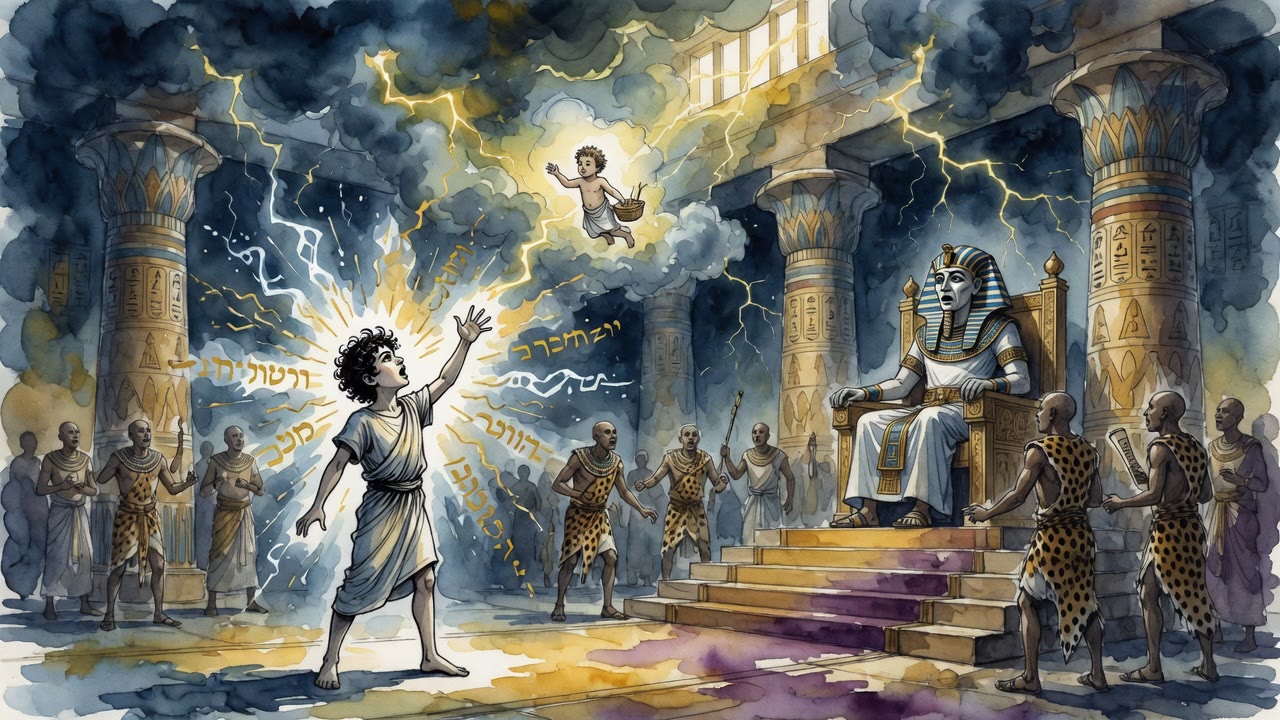
An old man hung merchants' scales in front of the throne, put every noble in Egypt in one pan and a baby goat in the other, and the goat went down.
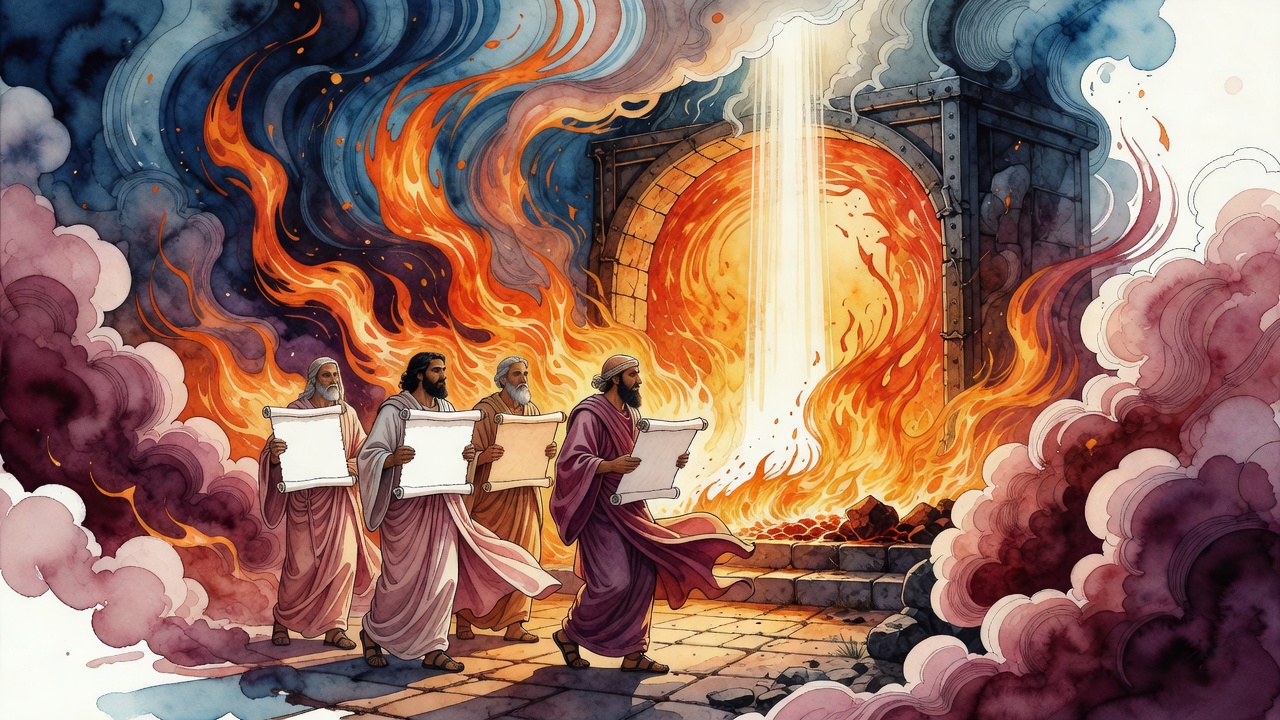
The king gave them three chances to bow. They told him their God might not save them, and that it made no difference to what they were going to do.
The nations were offered the law first and turned it down. God stood up and shook the earth, and the world came within one answer of ending.
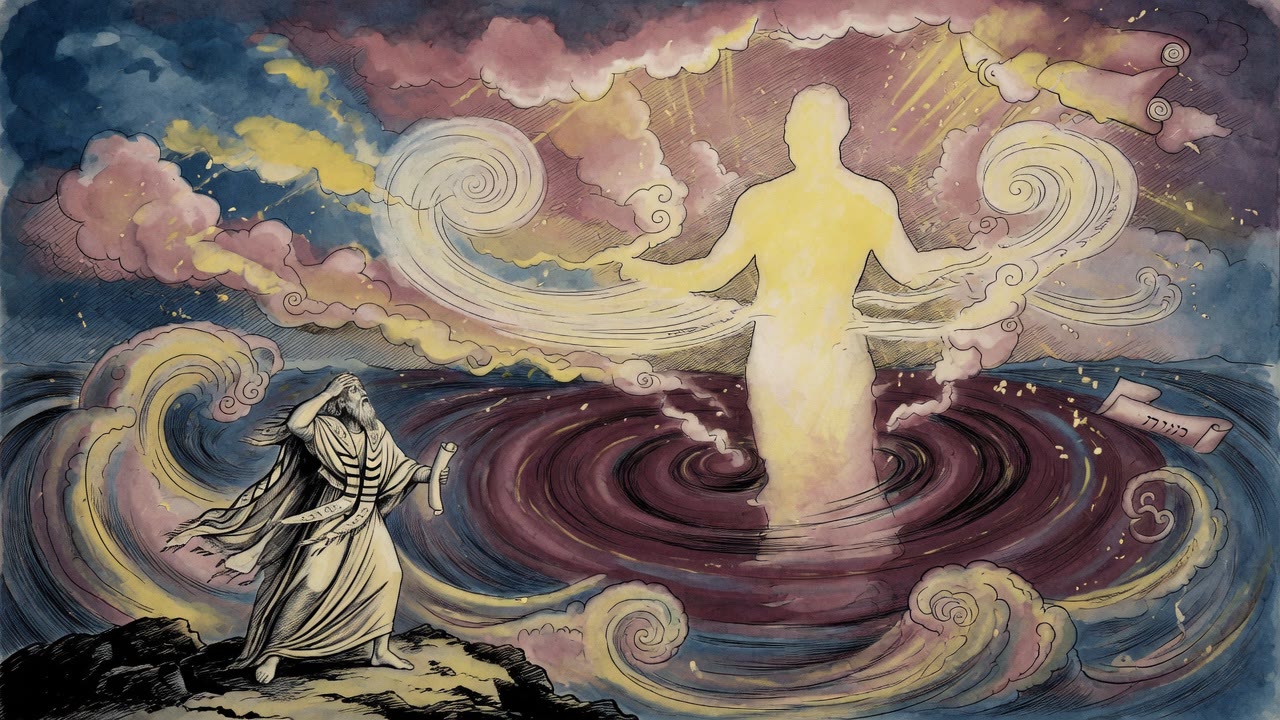
When the exiles returned, Nehemiah's priests dug for the sacred altar fire and found only thick water. He ordered them to pour it anyway.
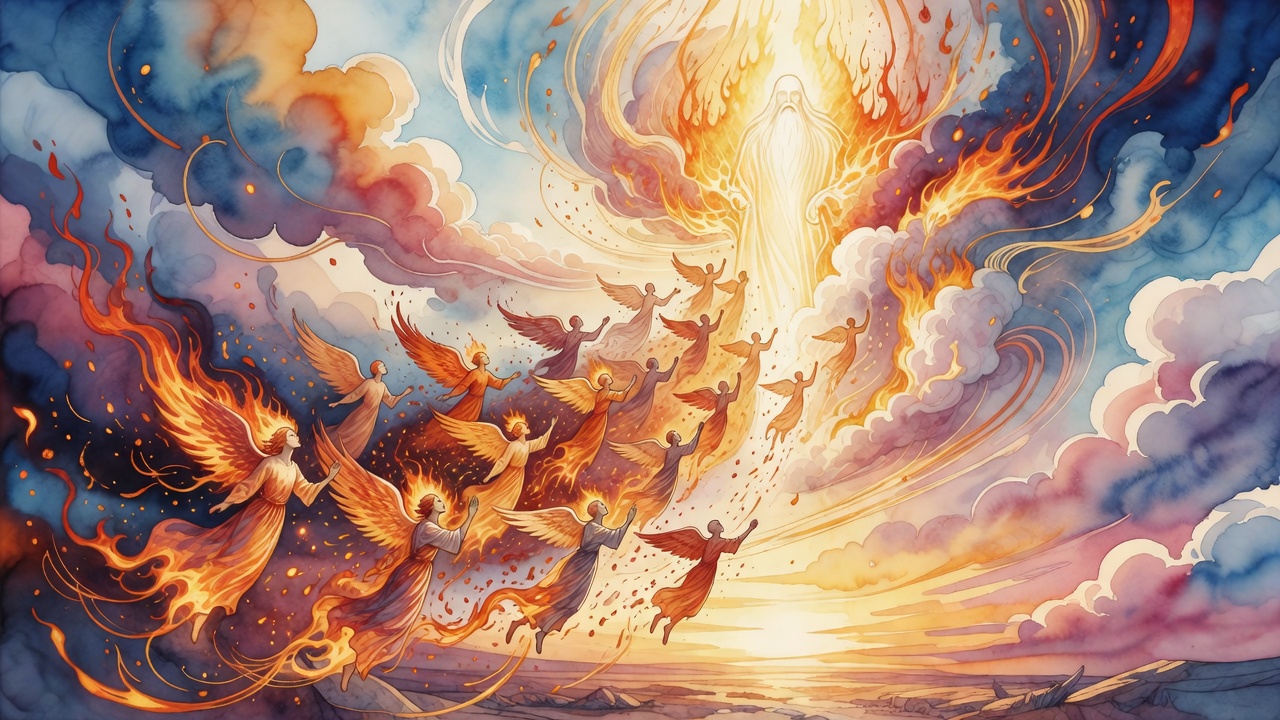
Every dawn a new host of angels is created from fire, sings one song before God, and is gone before the morning has fully opened.
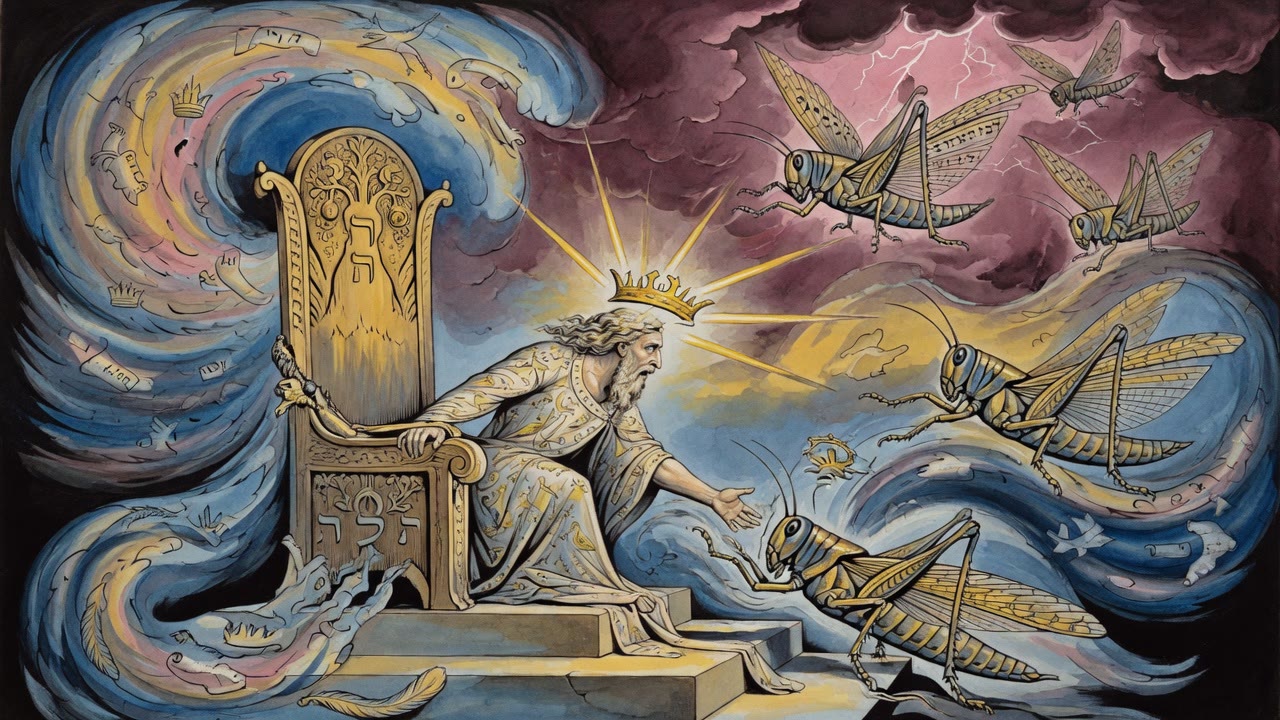
Wet wool sat over his heart so the fire would burn slowly. His students asked what he saw. The parchment burned. The letters rose.
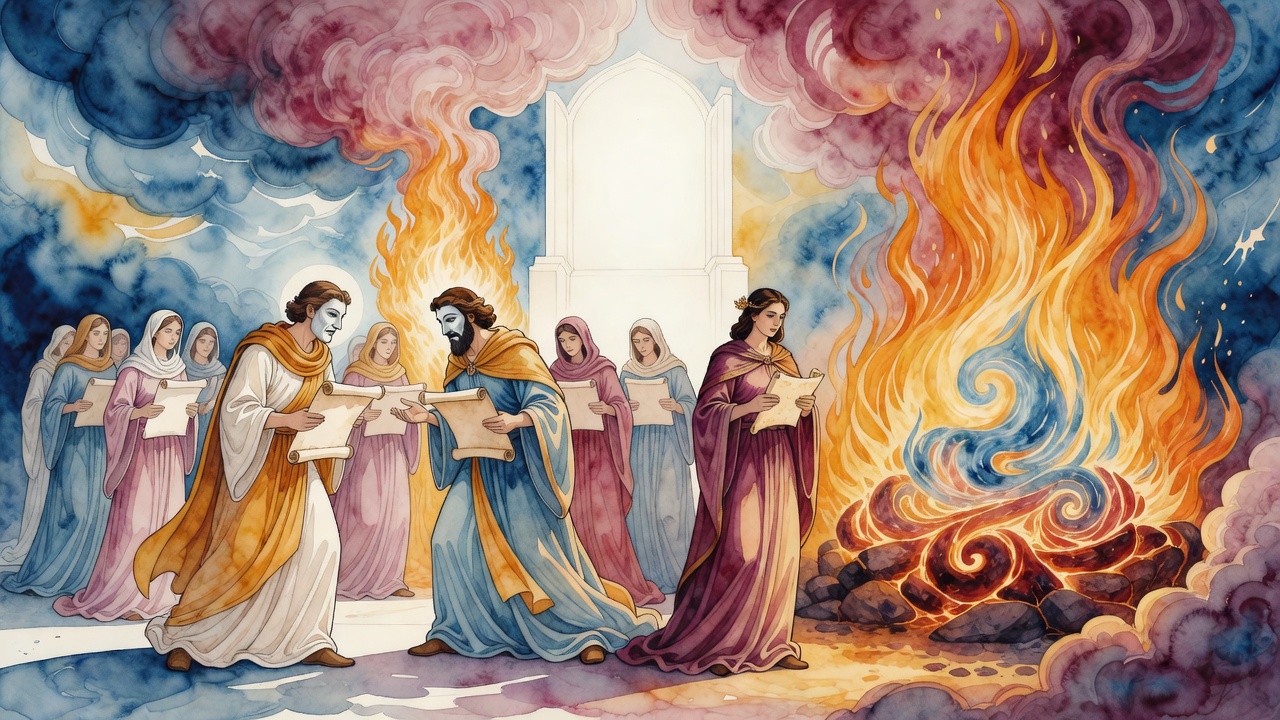
Two false prophets use matched lies to seduce women in exile. When they try the scheme on Nebuchadnezzar's wife, the furnace becomes their verdict.
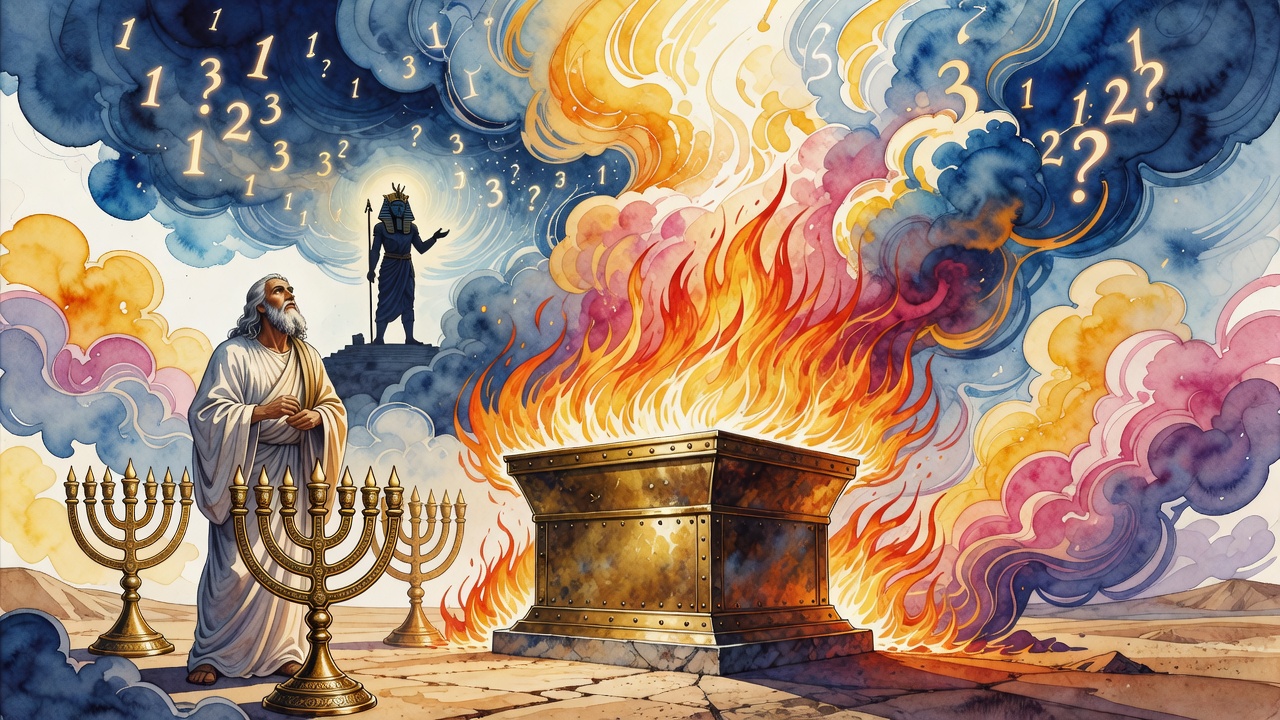
Pharaoh asked how many cities God had conquered; Moses forgot the menorah (the lampstand) three times; and the brass altar stood in constant fire without ever.
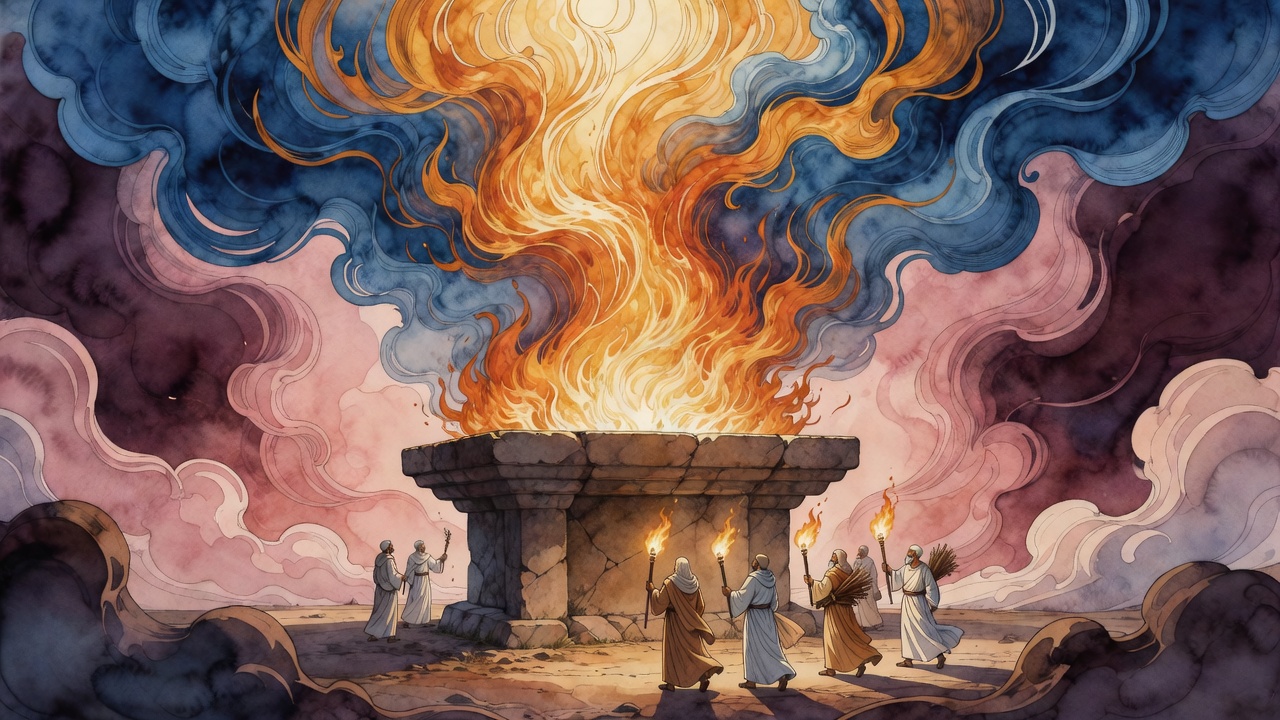
Fire descended from heaven onto the altar and stayed, yet the Torah still commanded priests to bring human fire, because the kindling itself was a commandment.
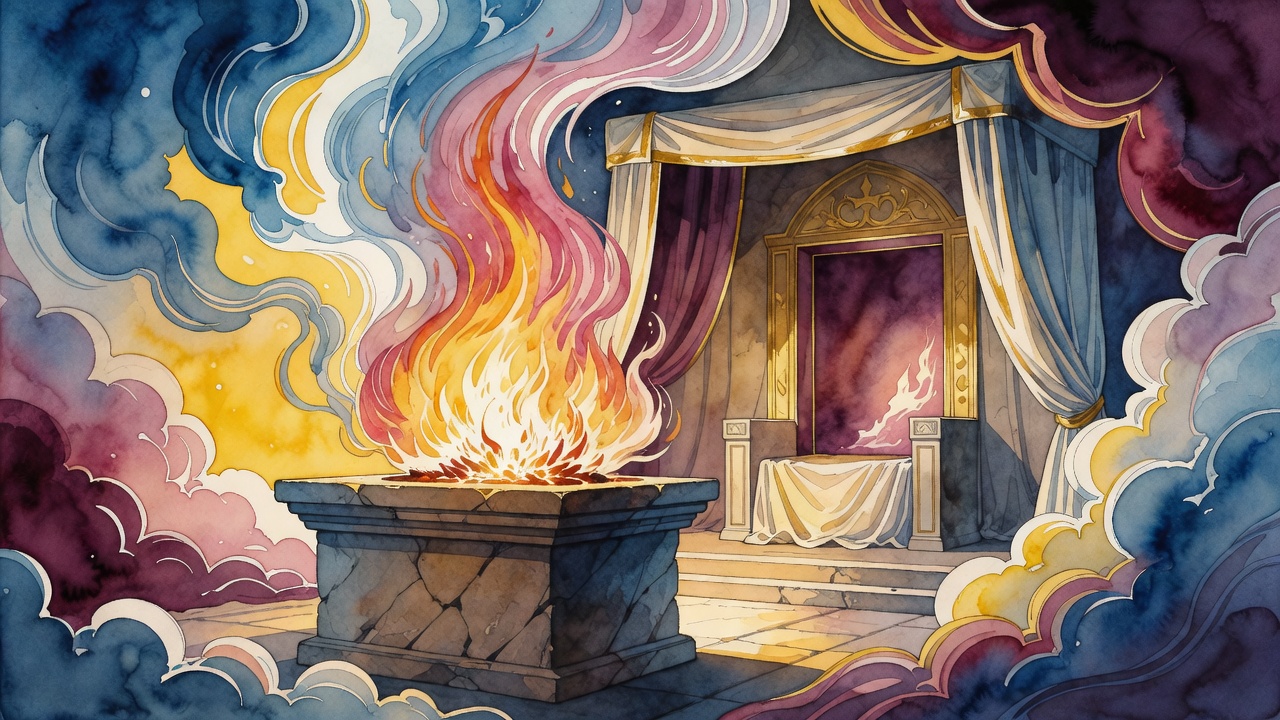
A flame from heaven lodged on Moses's altar and stayed four hundred years. In the same Tabernacle, gold was plated in one place no human eye would ever find it.
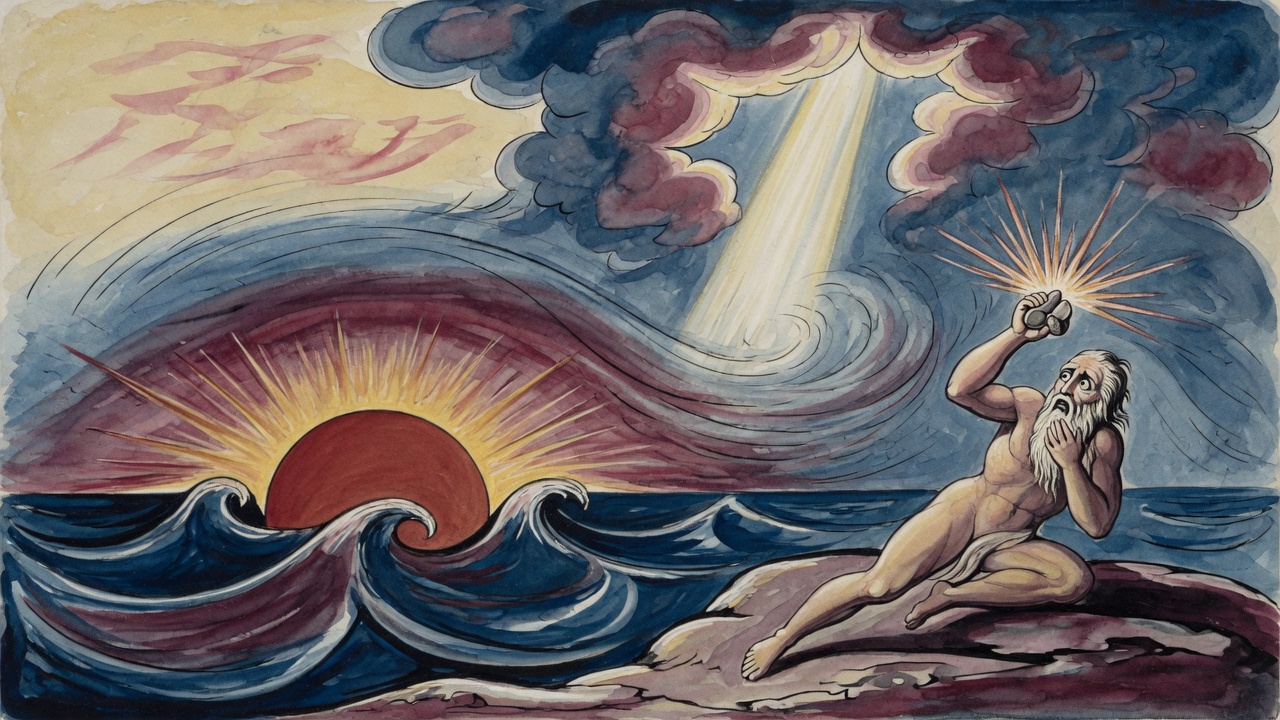
For a week the world never set. Then the first Sabbath ended, the sun drowned in the sea, and a terrified Adam struck two stones in the dark.
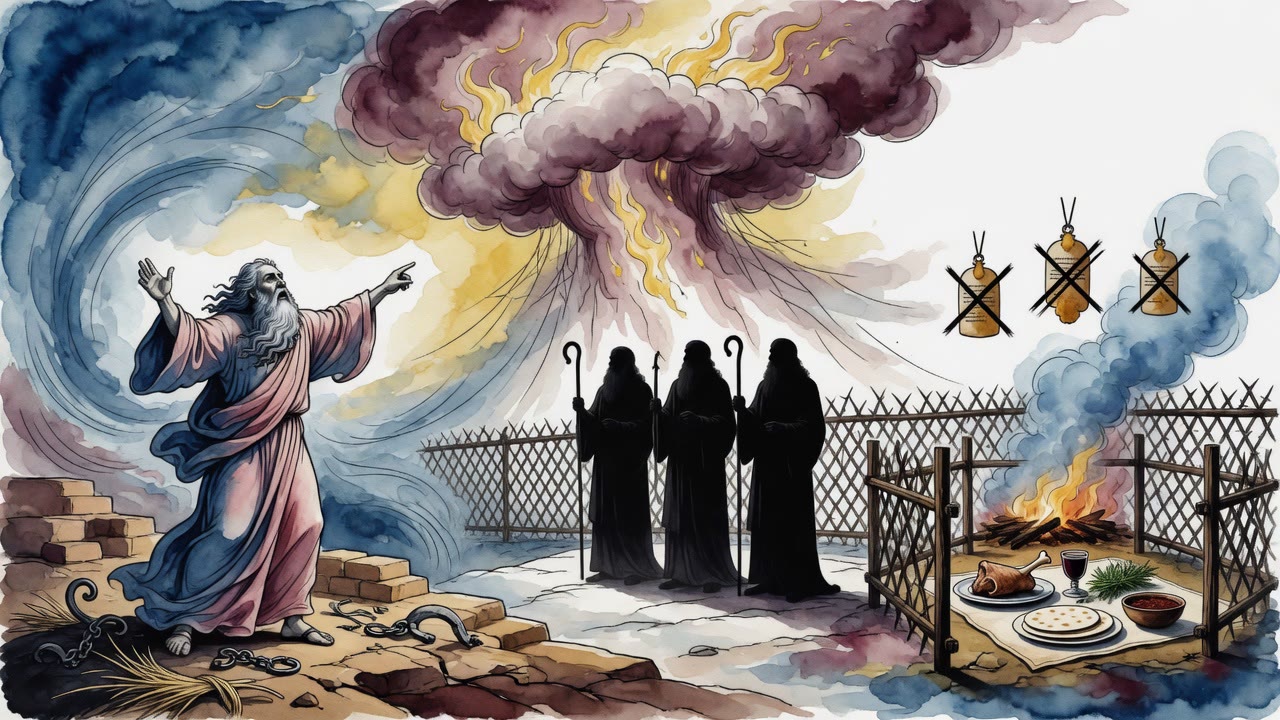
The rabbis counted six fires that break the rules of burning. Then a mountain of flame found David asleep in a forest and refused to consume him.
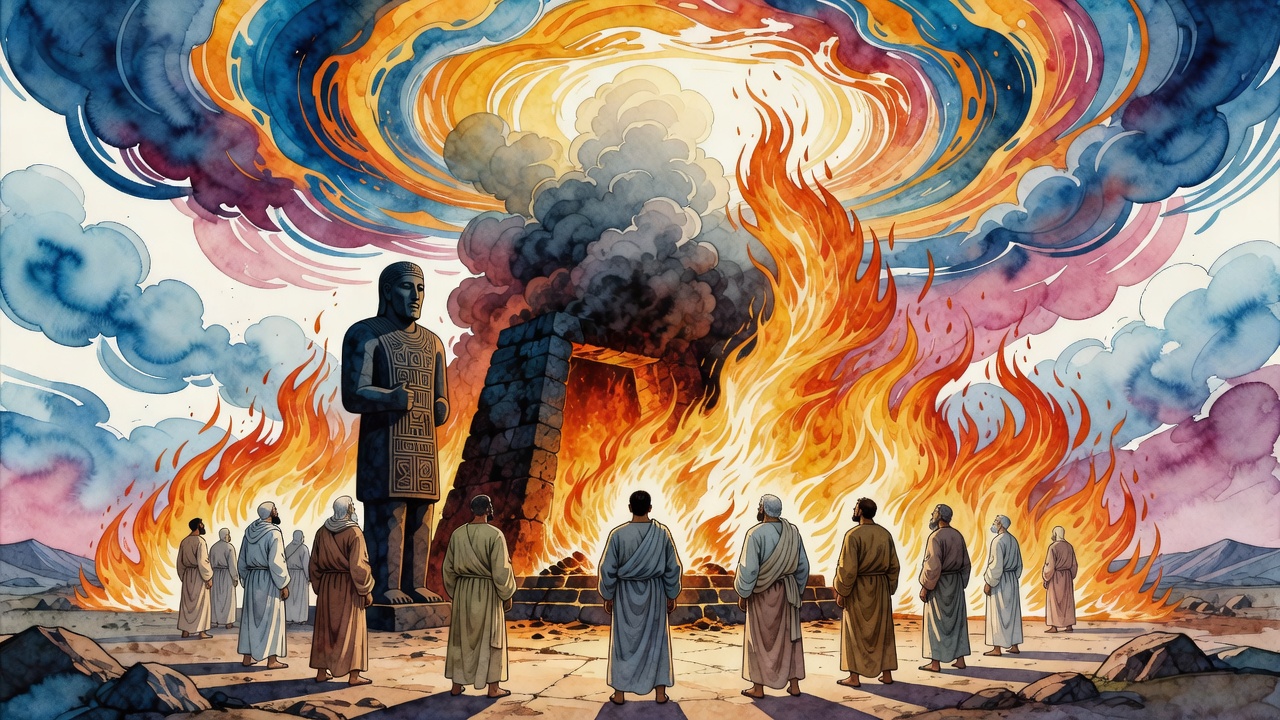
An idol, a furnace, and seven men who would not bow, until heaven sent the lord over fire to turn the tyrant's flames back on his own servants.
