65 myths · Page 2 of 3
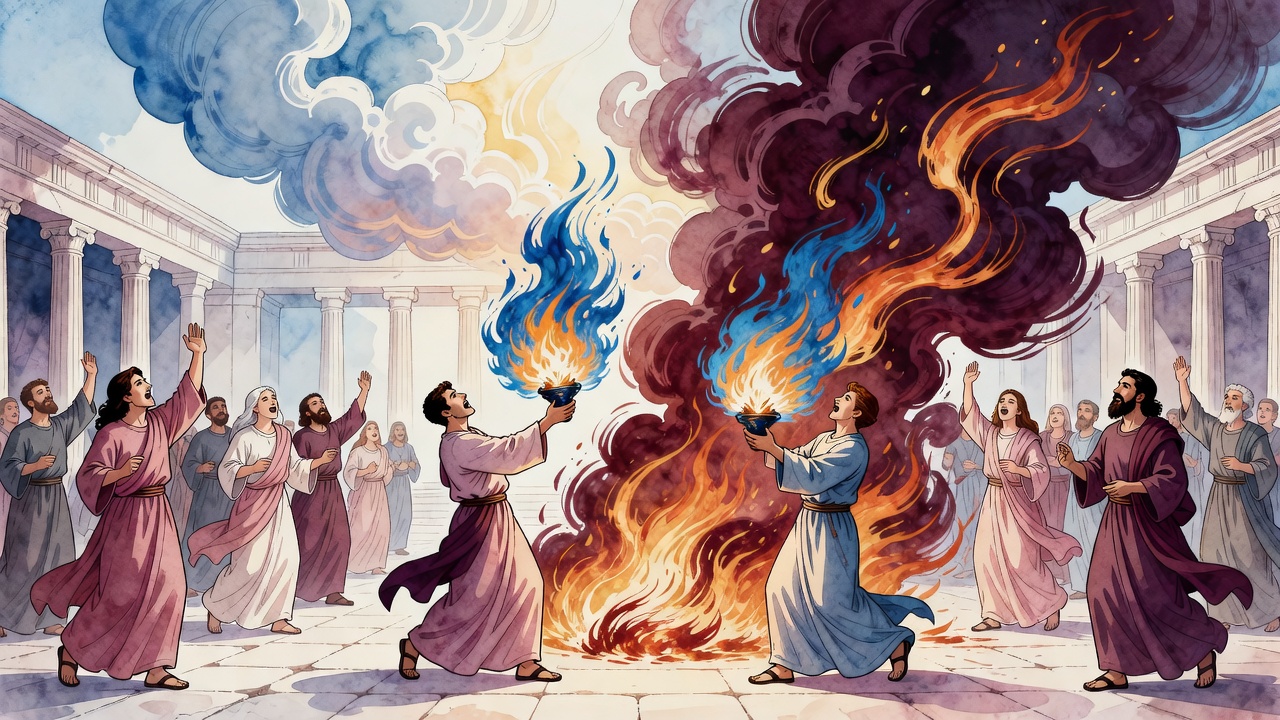
This was the best day of Elisheba's life. Her husband was high priest. Two of her sons were dead before the morning service ended.
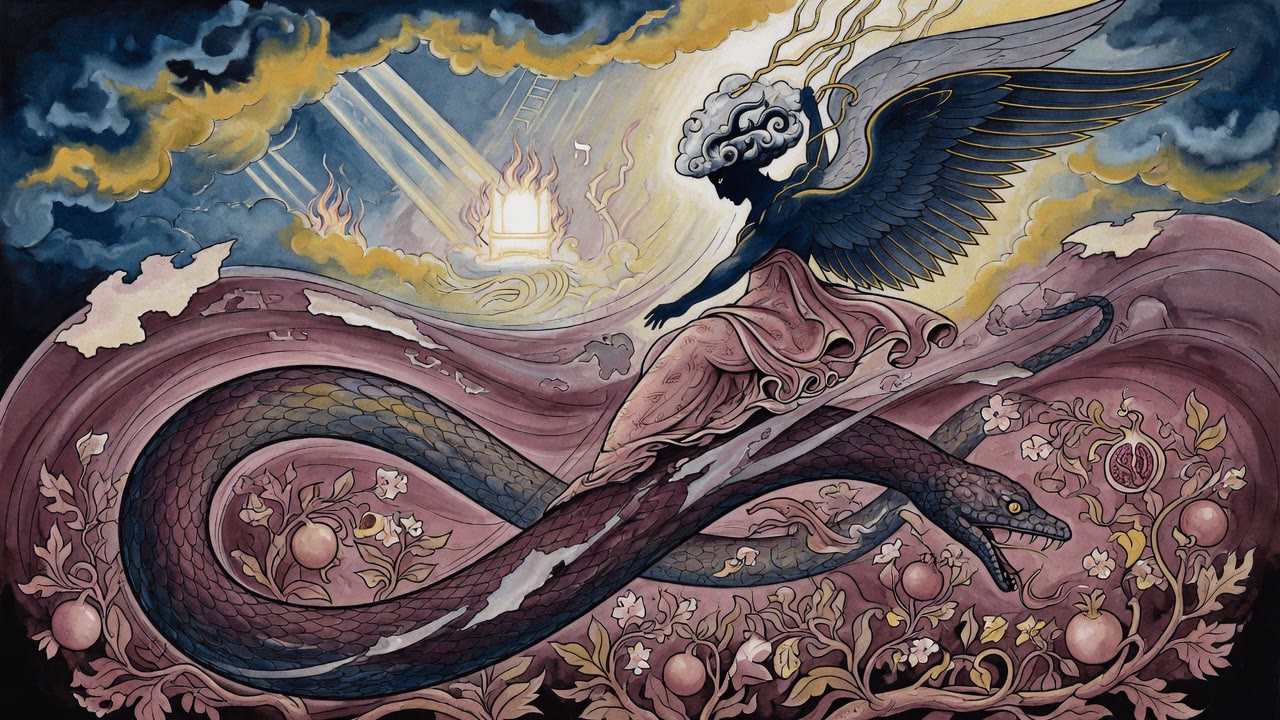
A king stood by a baker's oven. For a friend he drew out warm bread. For an enemy he raked up coals from the same fire.
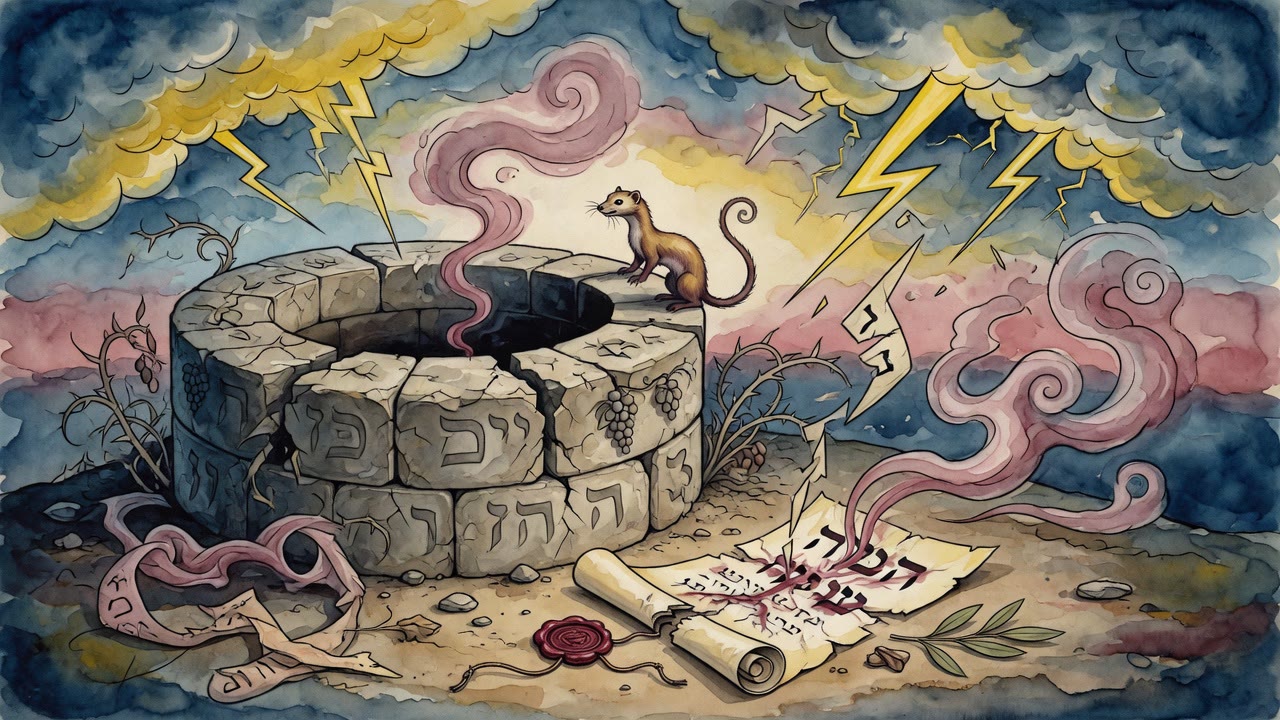
Returned exiles found no sacred fire until an old man led Ezra to Jeremiah's cache, oil that rose into pure flame.
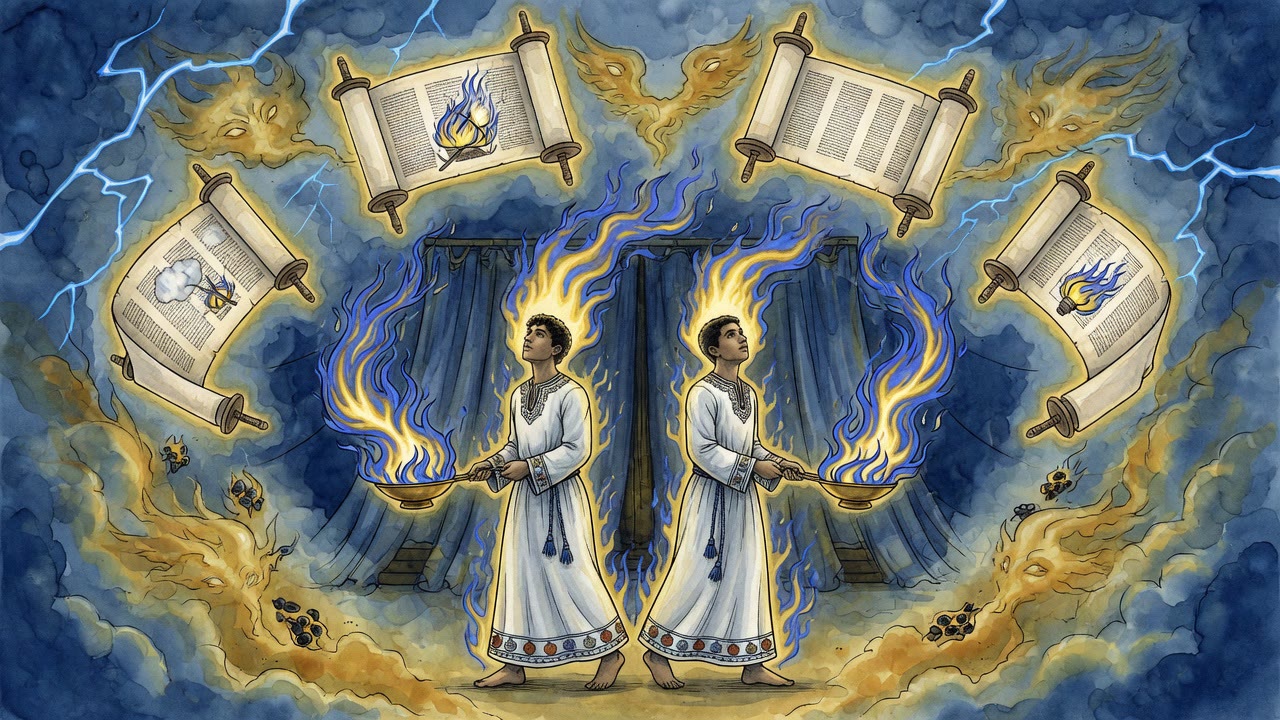
Each brother lifted his own pan. The coal came from a stove, not the altar. By noon Aaron's sons were dead on the court stones.
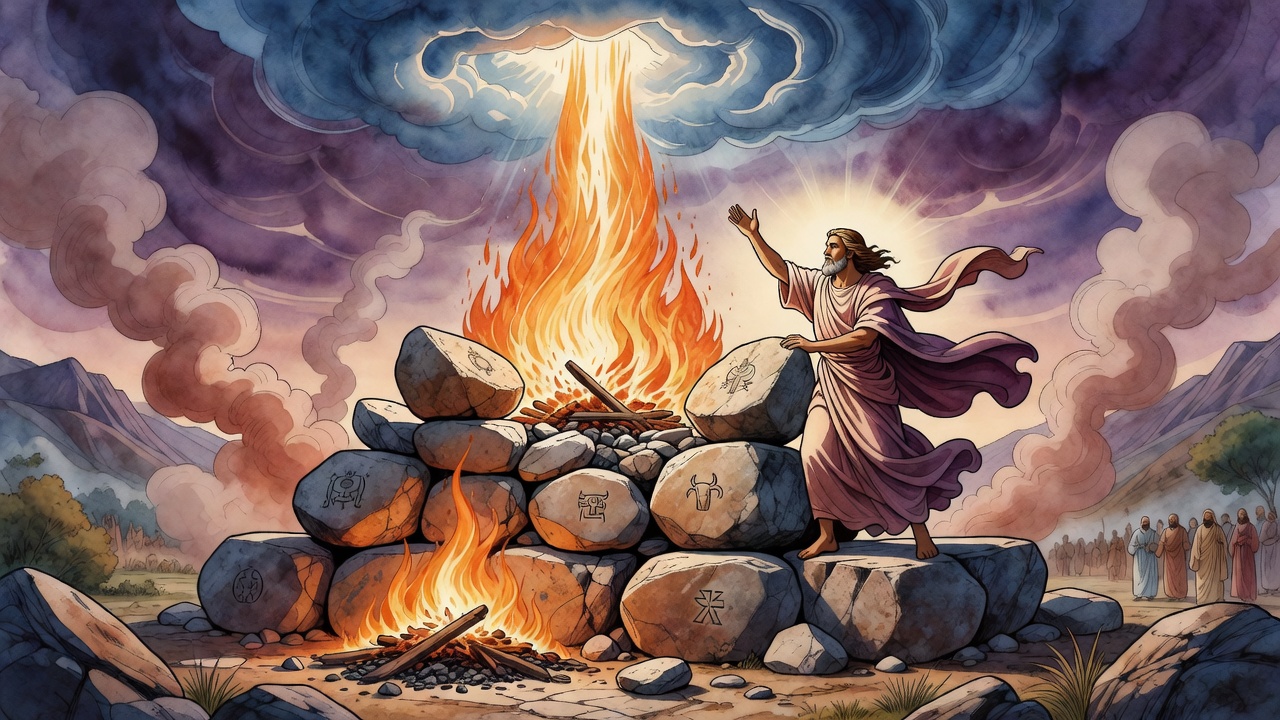
On Carmel Elijah rebuilds a broken altar with twelve stones, one for each tribe. Fire falls, idolatry burns, and a prophet matches Moses step for step.
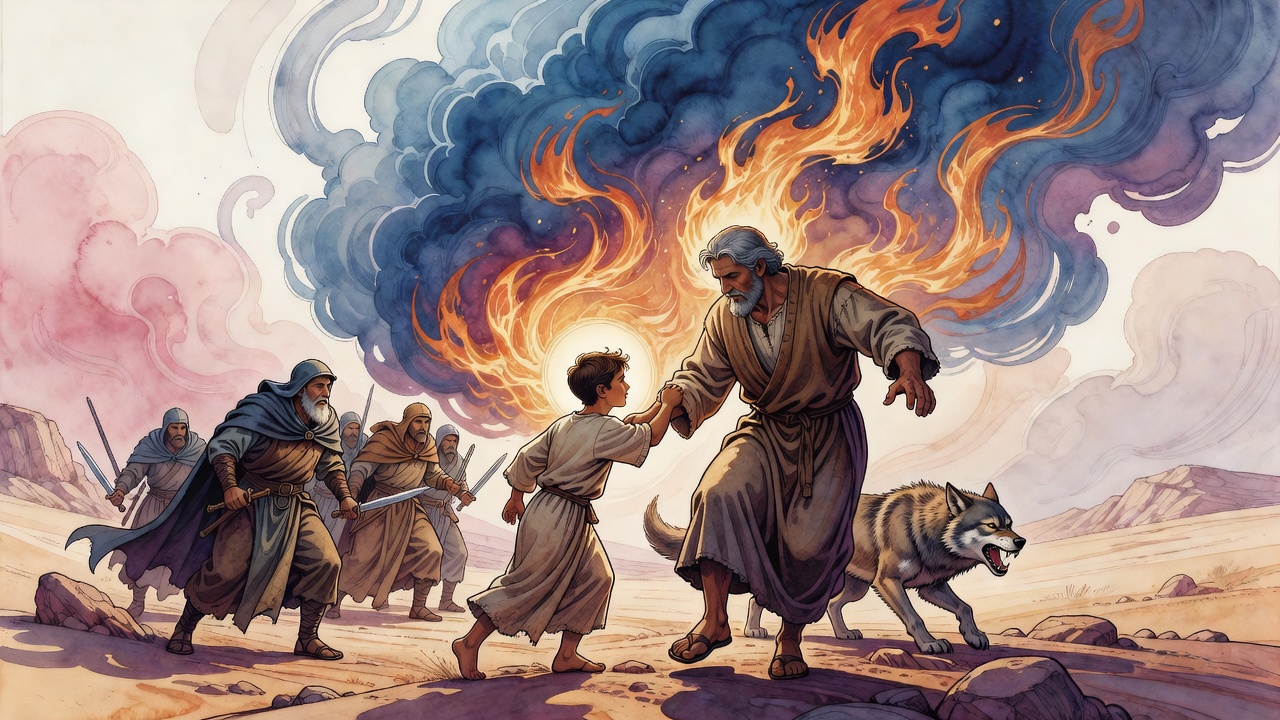
Bandits ahead, a wolf behind, sun on the boy's neck. A father keeps moving the child. Cloud and fire take the same shifts so Israel is never left alone.
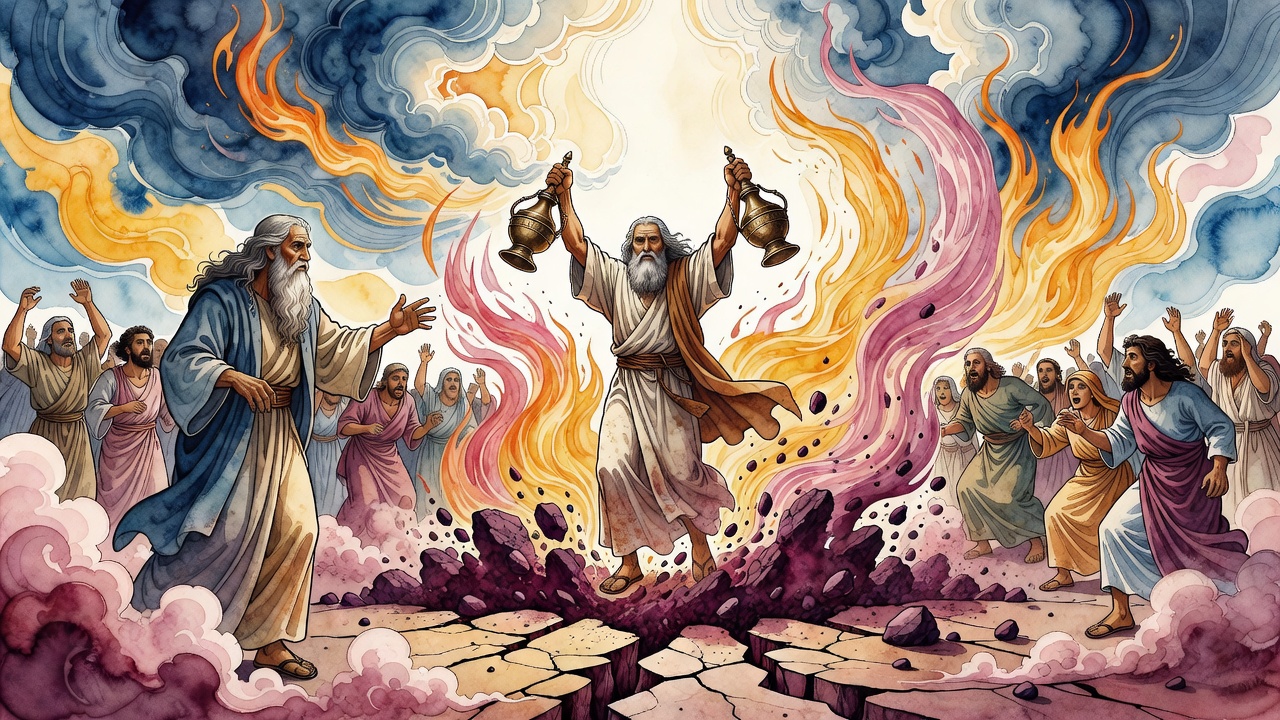
Moses pleaded like a brother. Take heed, he said. Do not stake your souls on a contest you cannot win. They would not hear him.
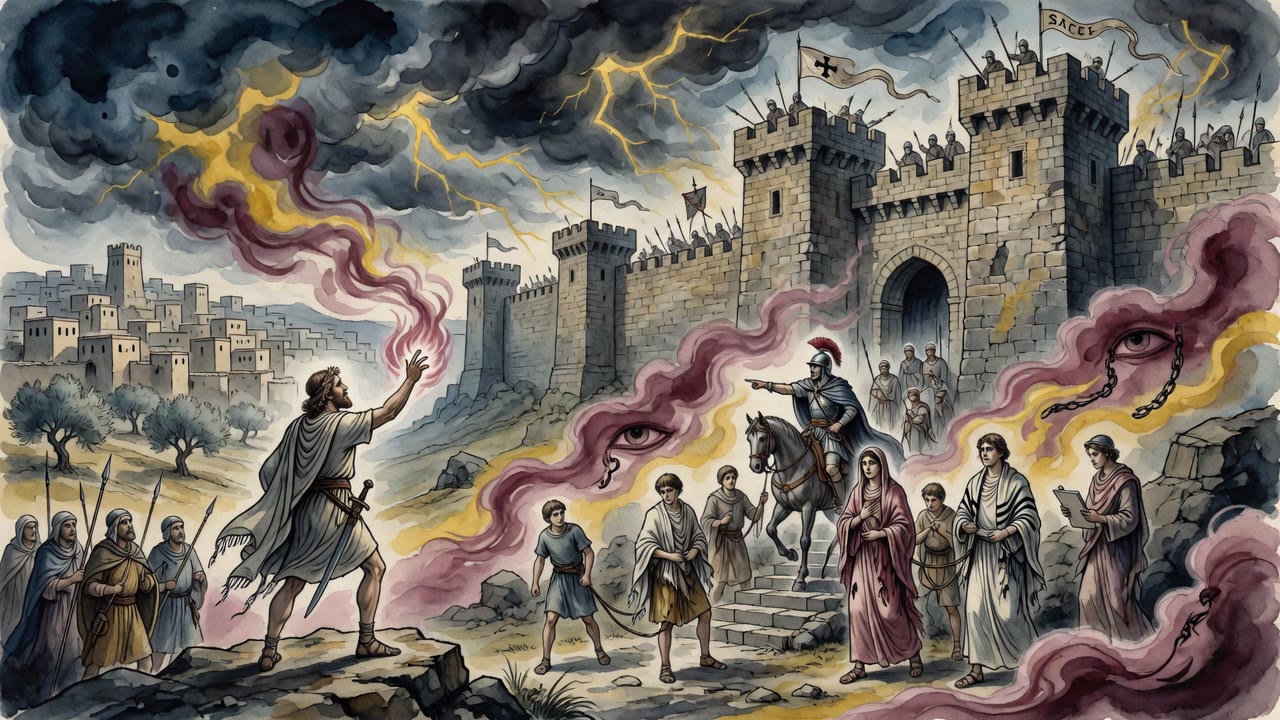
Two men told the king's daughter that God had chosen her for them. Nebuchadnezzar put them in a furnace, and only the high priest walked out.
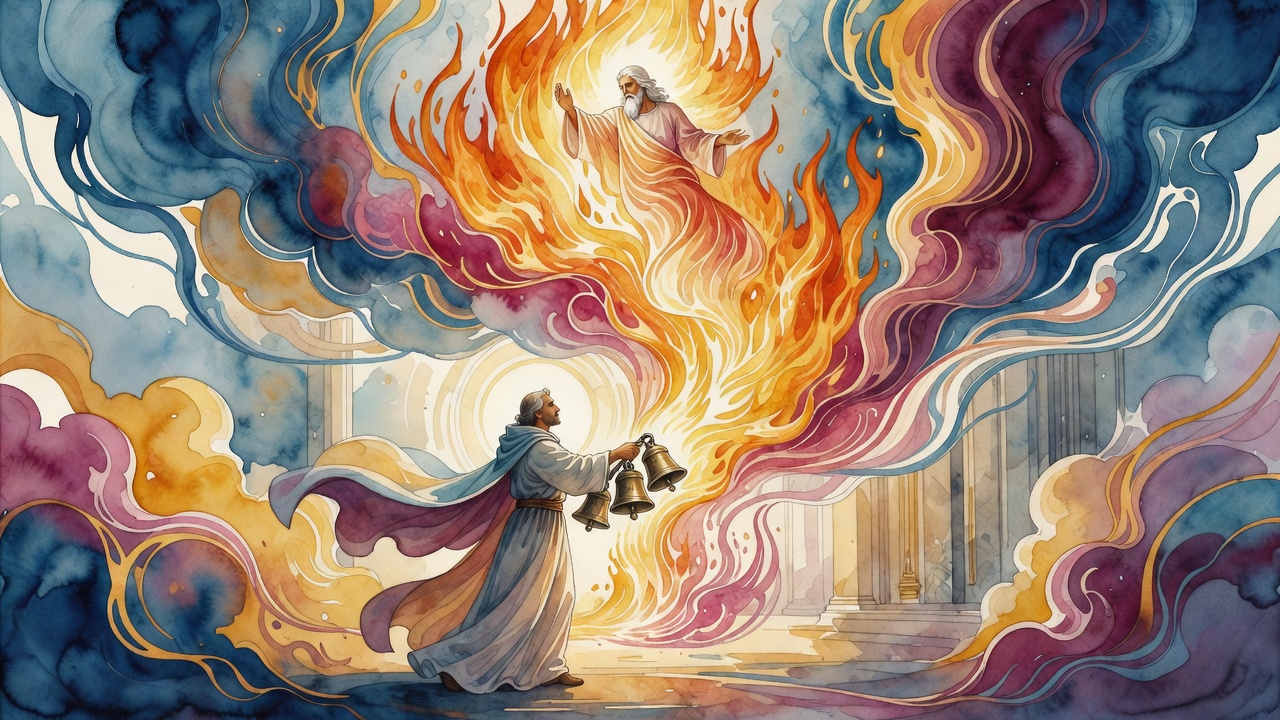
Aaron stopped at the curtain until the gold on his hem spoke. Without that sound, the Holy Place would have taken him as fuel.
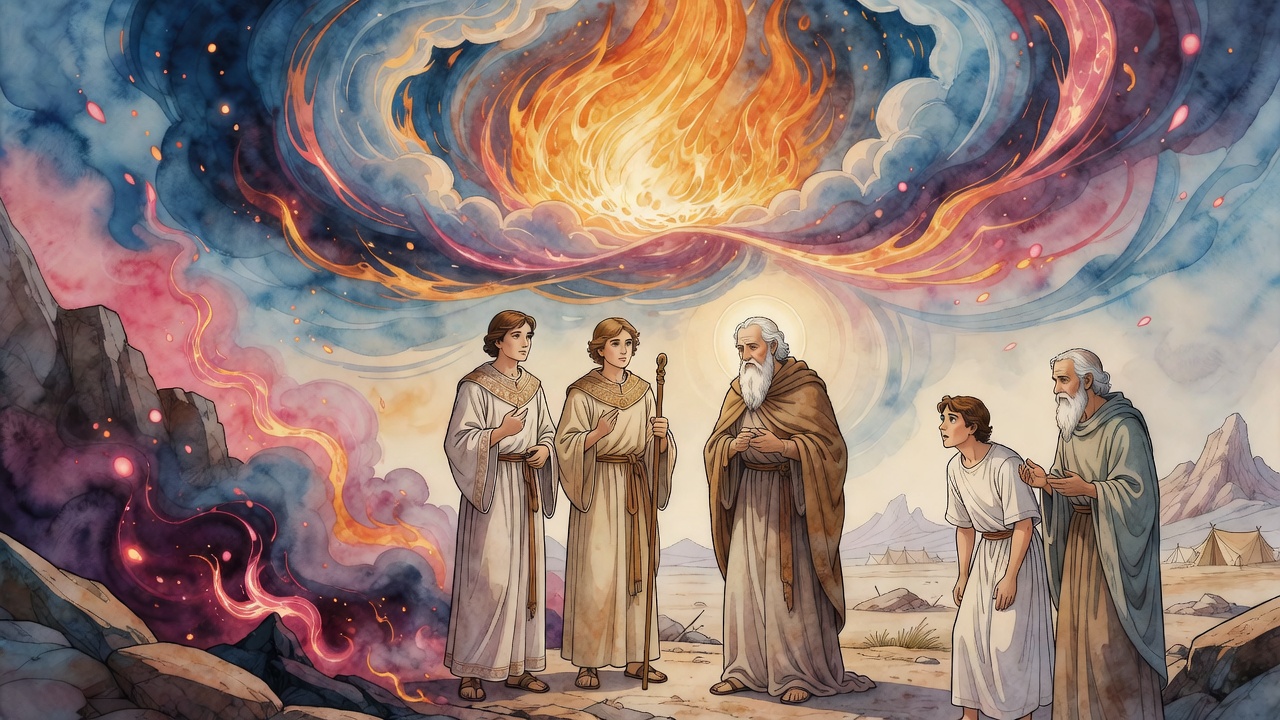
Two sons of Aaron decided law with Moses present, and fire answered. A later student learned the same danger when a master timed his death in a week.
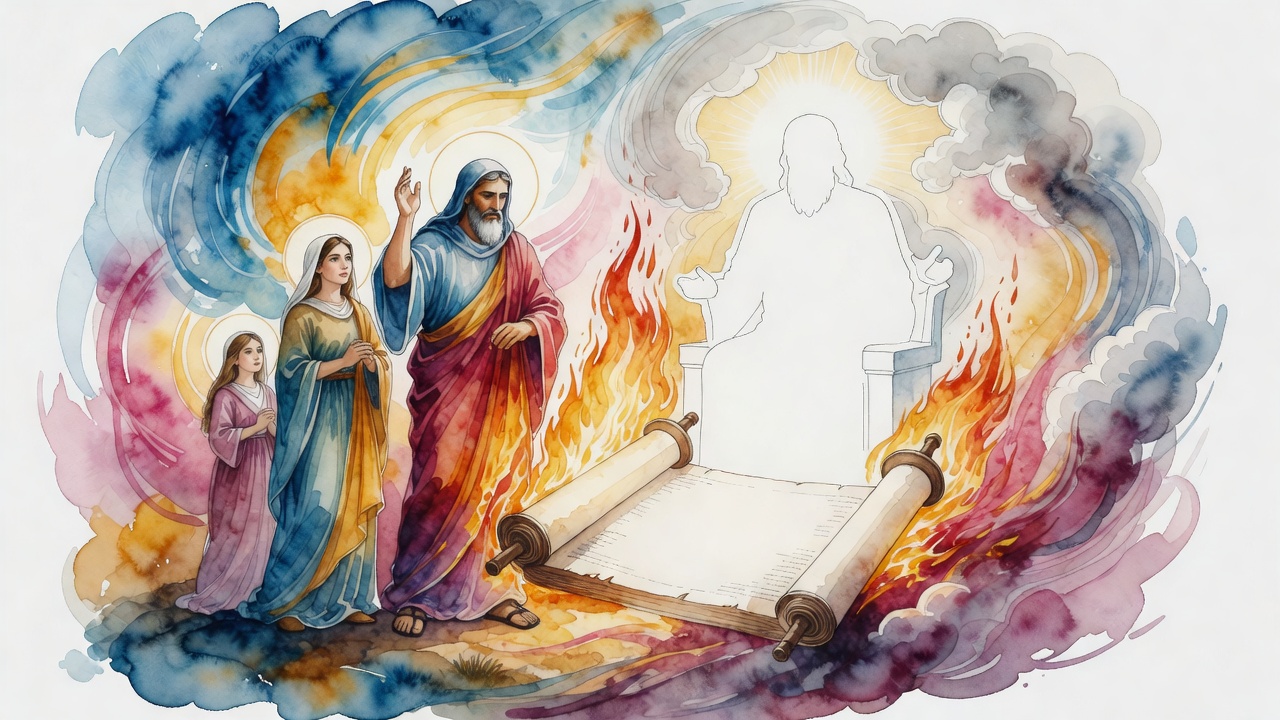
They stacked the wood while the parchment was still against his ribs. His wife answered first. A stranger asked to share the same fire.
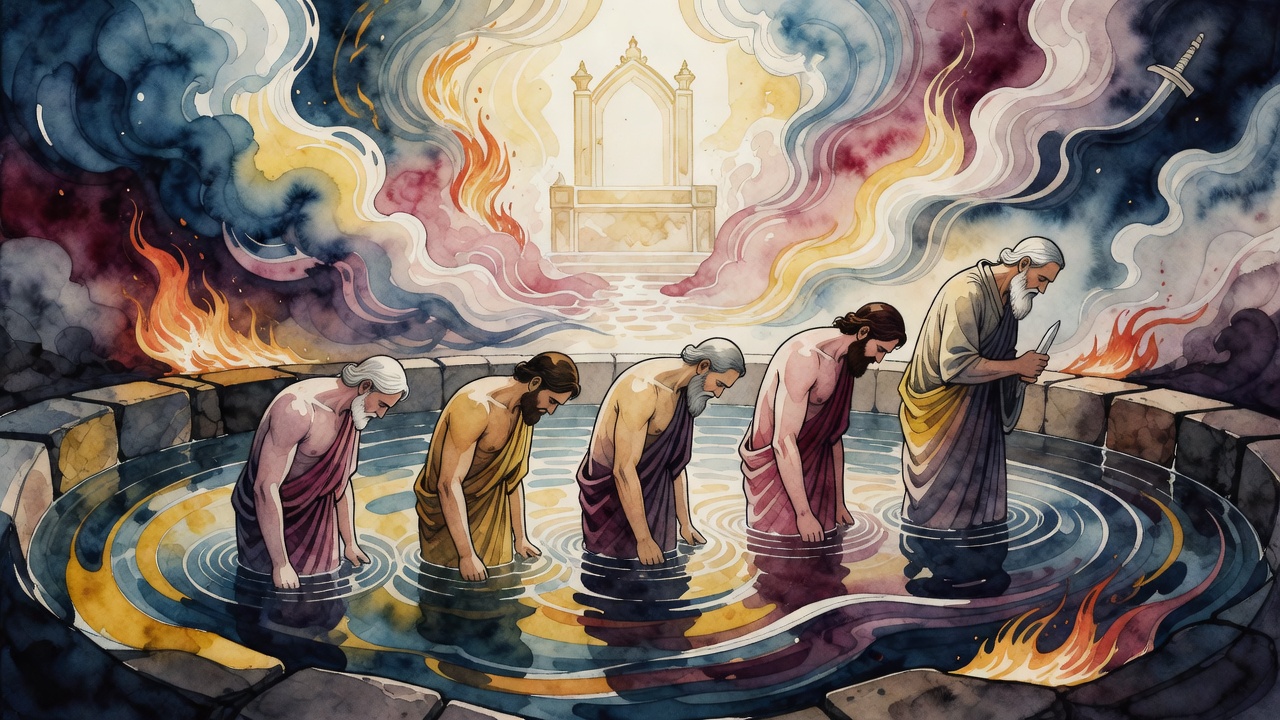
Confession left his mouth with the water still at his throat. He walked home with wet hair and no argument left in his chest.
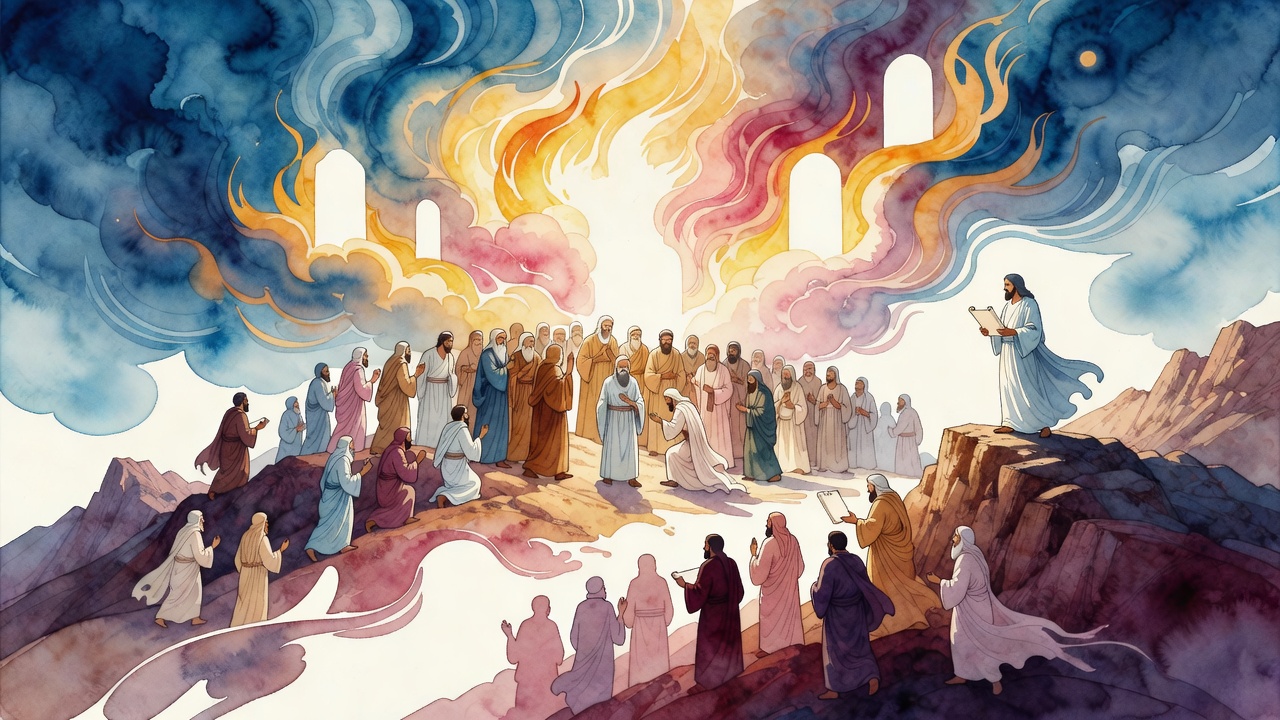
Seventy men climbed with bread in their fists. Heaven owed them fire that morning. It waited, and Moses counted empty seats.
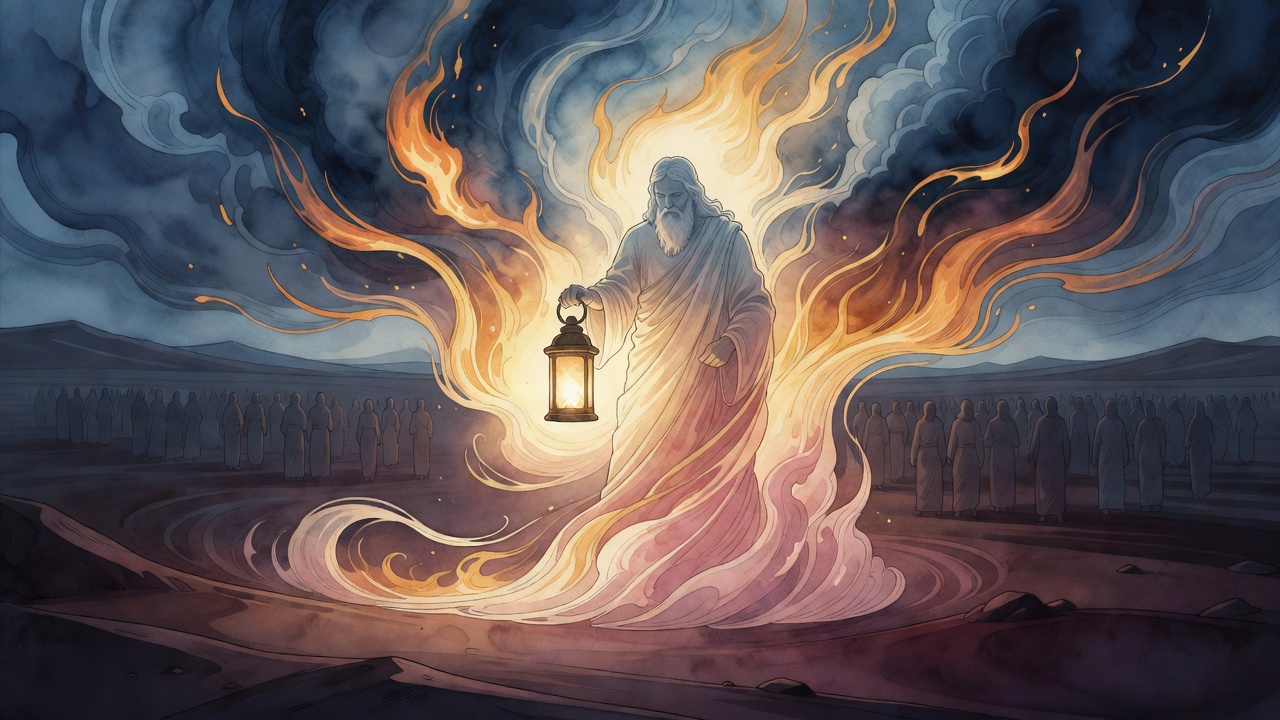
The desert had no road after the sea. At the front of the camp a lamp moved, close enough that a child could name who held it.
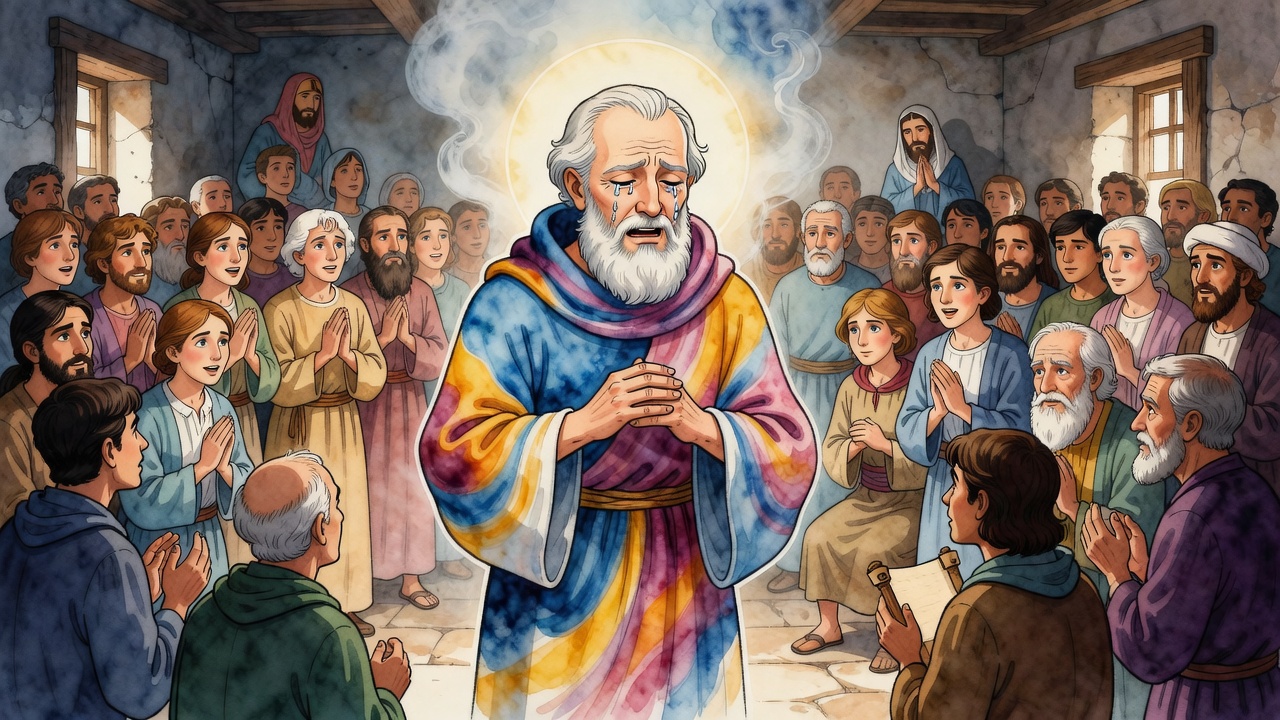
Students packed the house as their master prepared to leave the world. He wept because the fire that once kept them back had gone out, and the room was full.
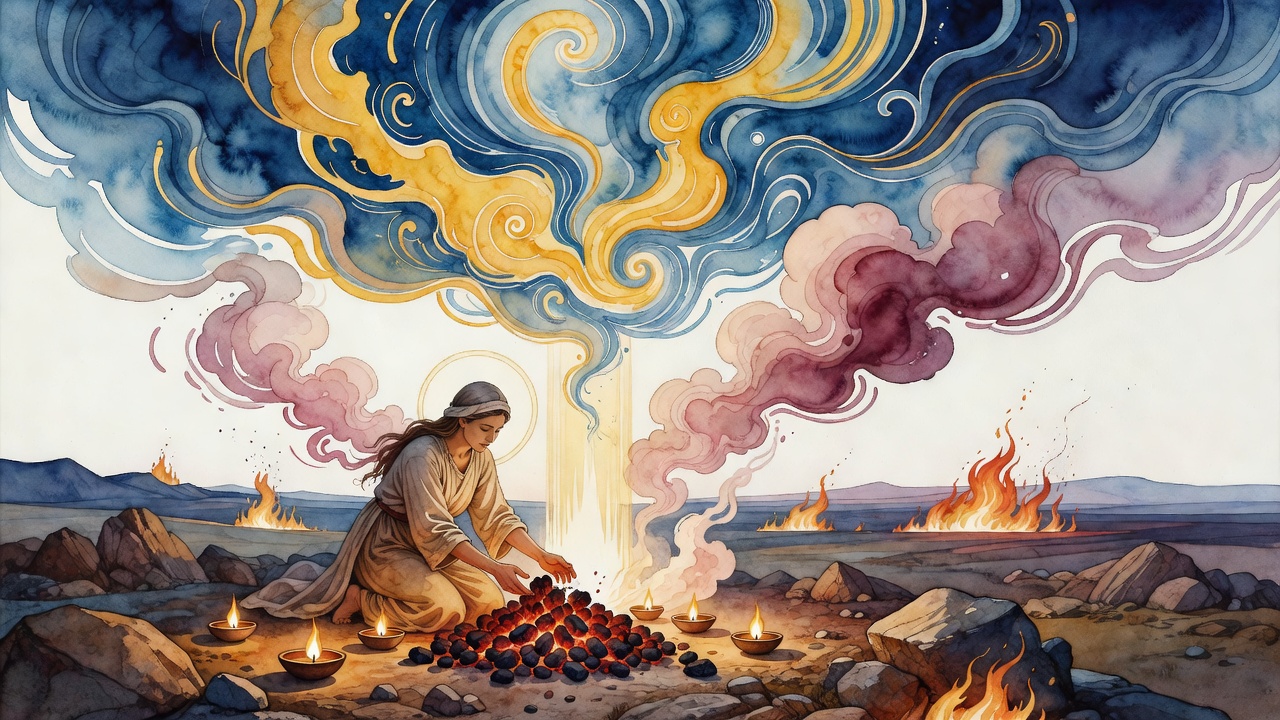
She raked the coals into a pile and set the pot where the heat would hold. Fire may be lit on Friday, not on the Sabbath. She lit the lamp before dark.
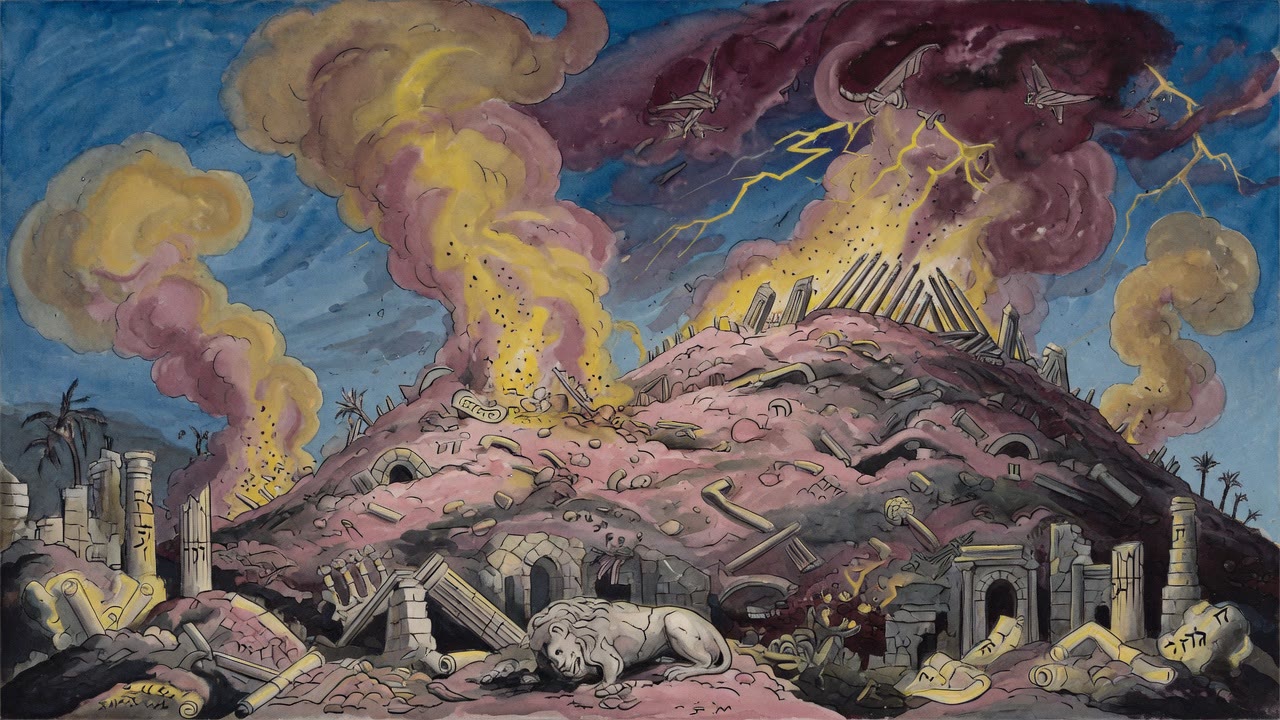
Scouts return with proof of a city's idolatry, courts dig until truth holds, and fire claims the square while holy writings are hidden from the flames.
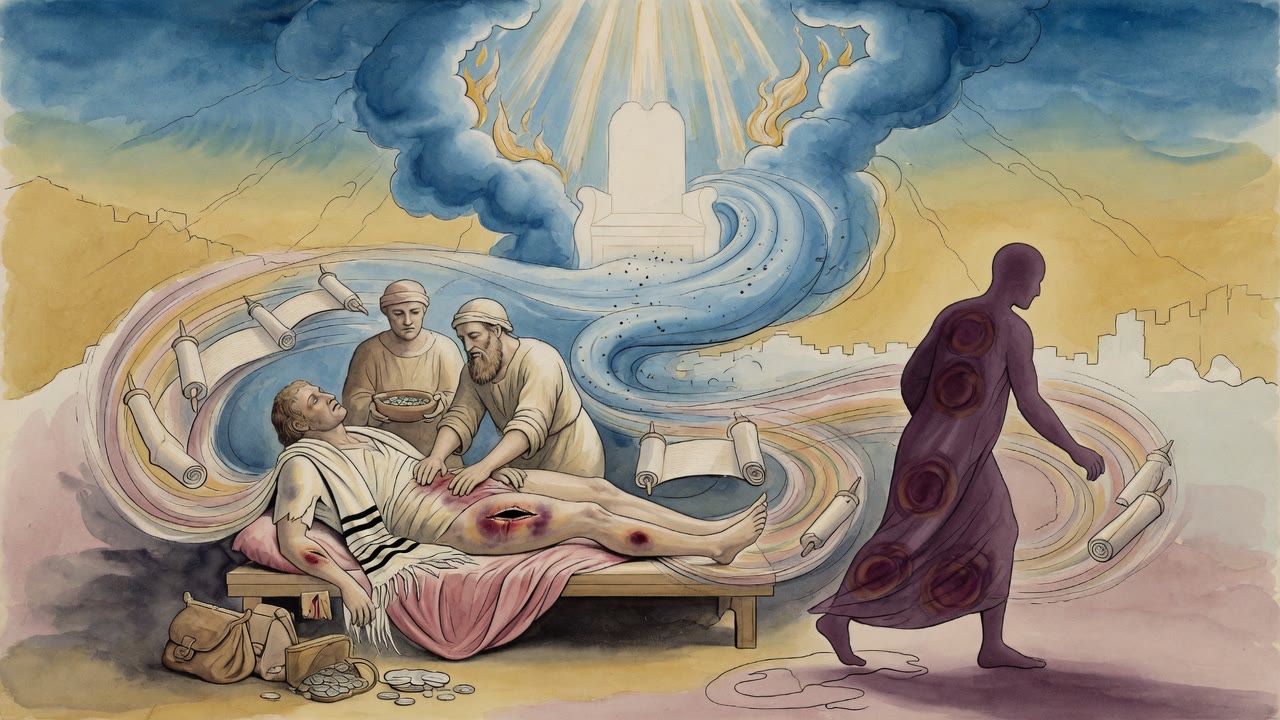
A father led his child toward the fire and named Molech. One abomination was enough. Seed, flame, and a foreign name braided into a single crime.
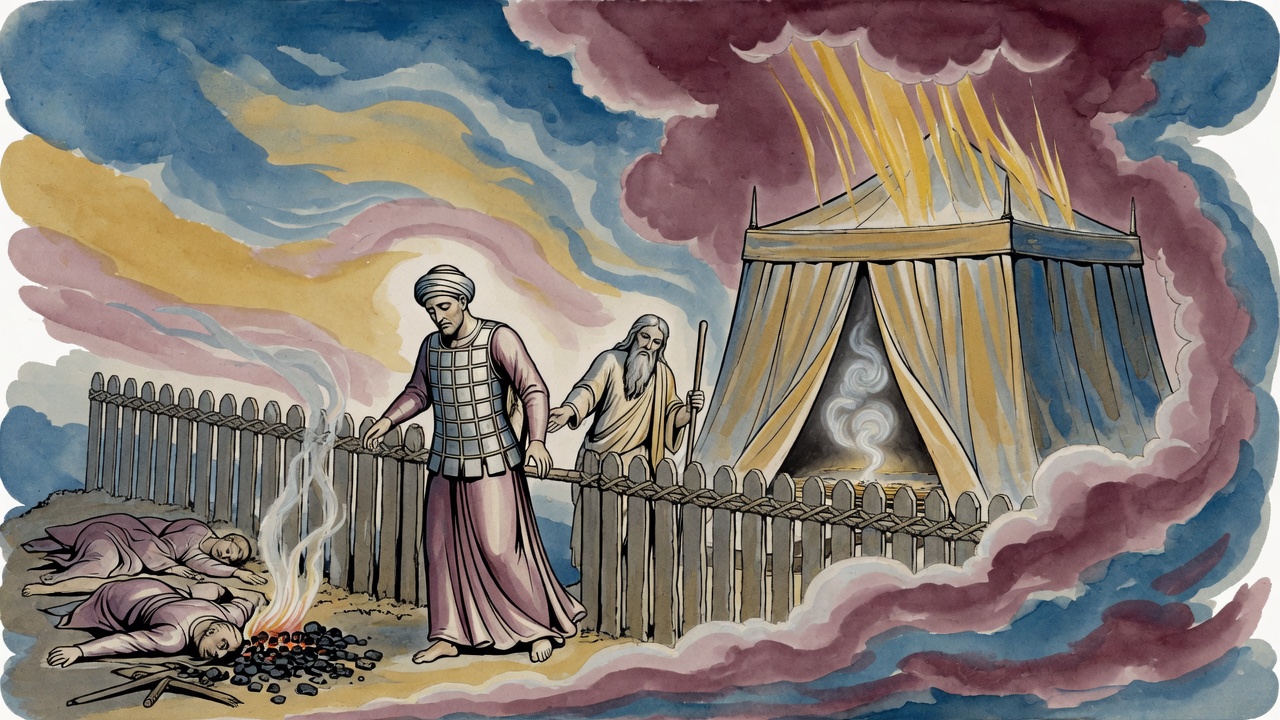
The household's refuse got hauled outside and stacked where the master would step. Servants braced for disgust and a sharp order. The smell reached him first.
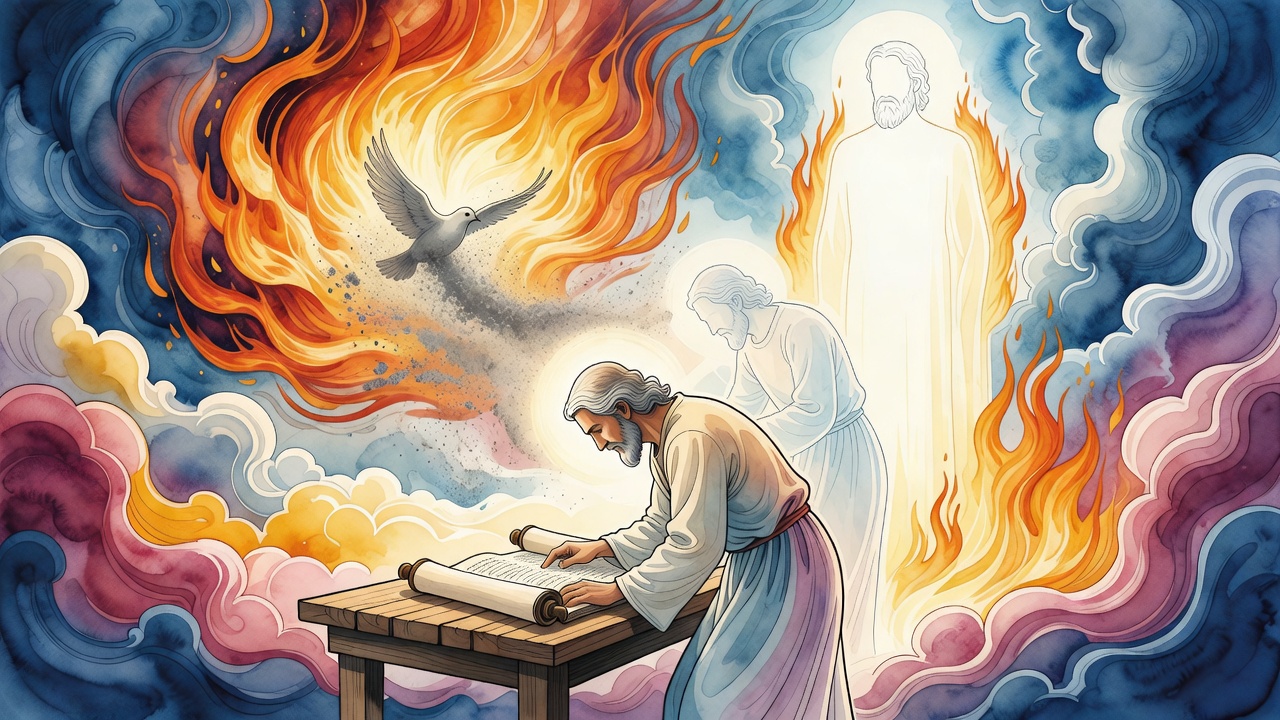
Any bird crossing the air over Yonathan ben Uziel while he studied came down as ash. When flames ringed Ben Azzai, his students asked what he was doing.
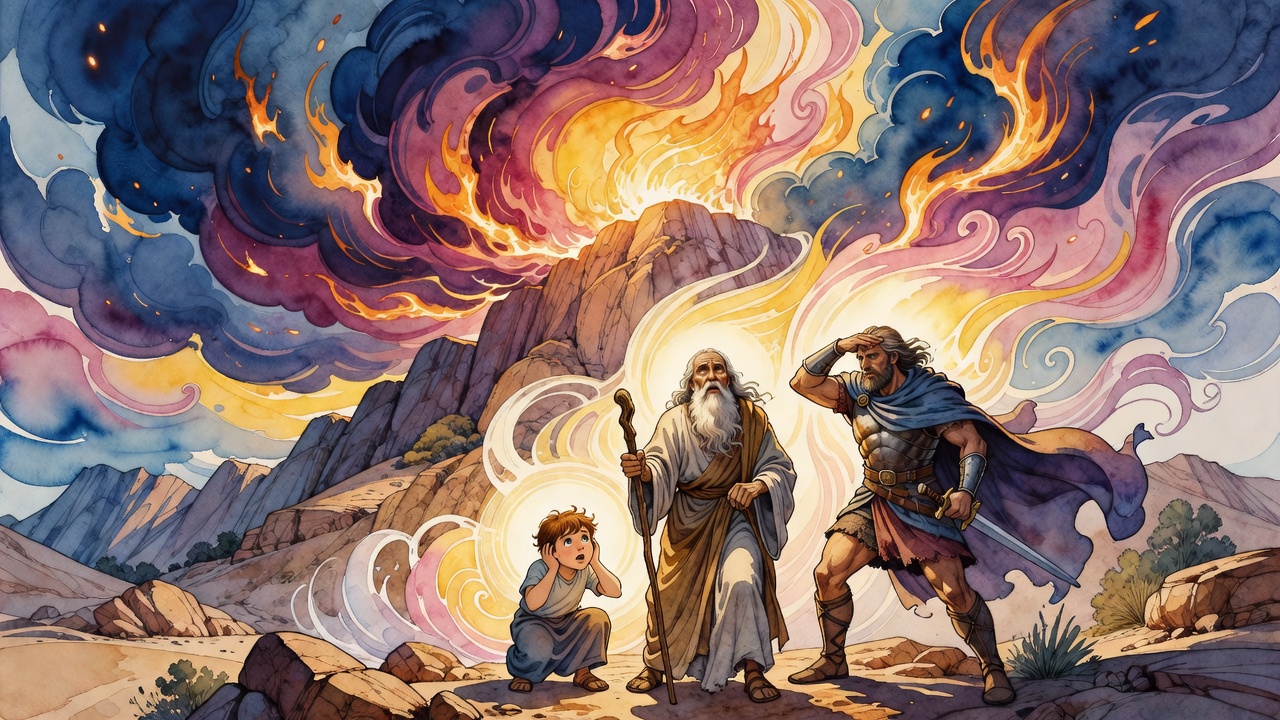
At Sinai the fire spoke one Word, yet a child, an elder, and a warrior each survived a different measure of the same sound.
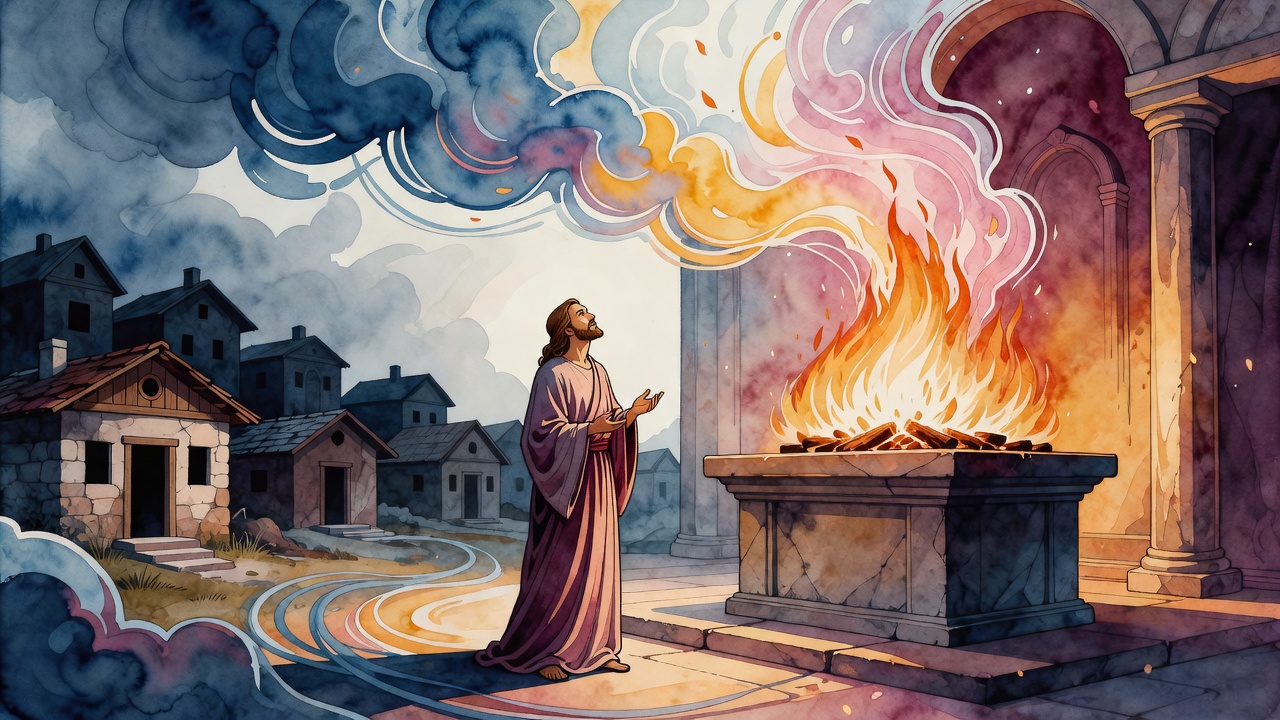
Sabbath houses sat without new flame. In the Temple the perpetual fire kept eating wood, and a disciple asked why fire alone was named.
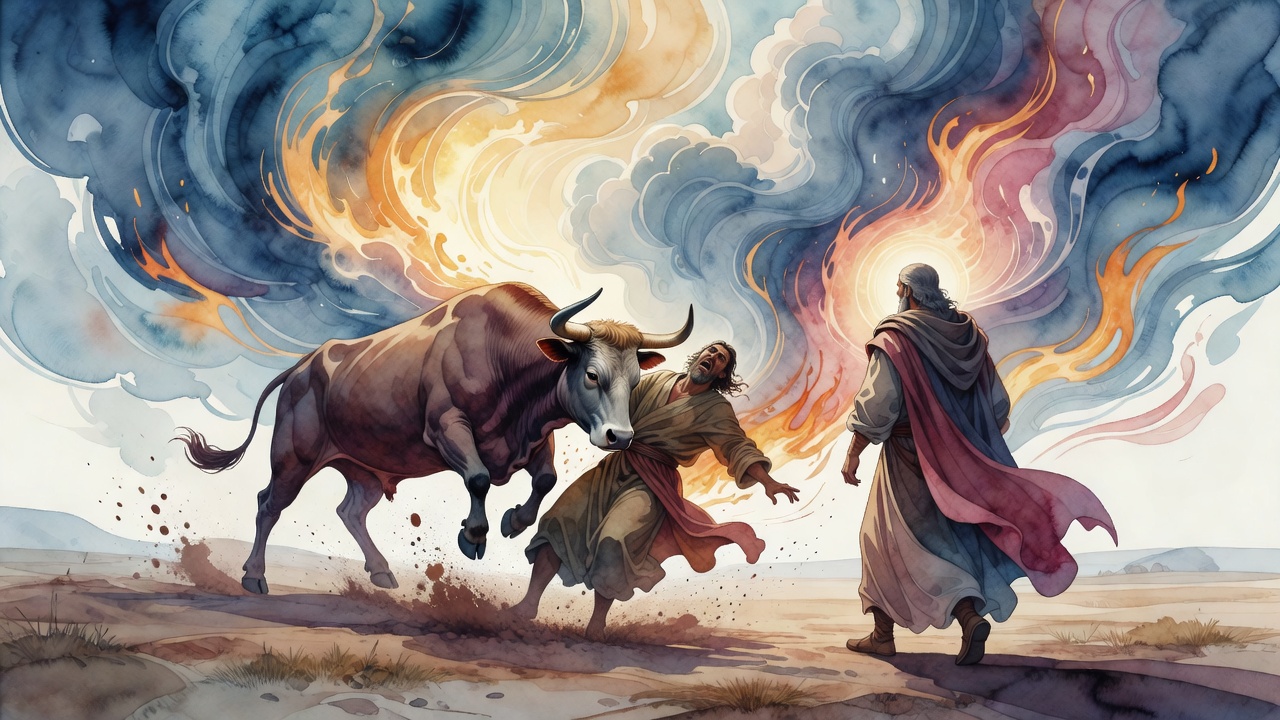
The ox had been quiet for months. Then it lowered its head in the lane and a man went down. Its owner left court owing nothing and slept badly.
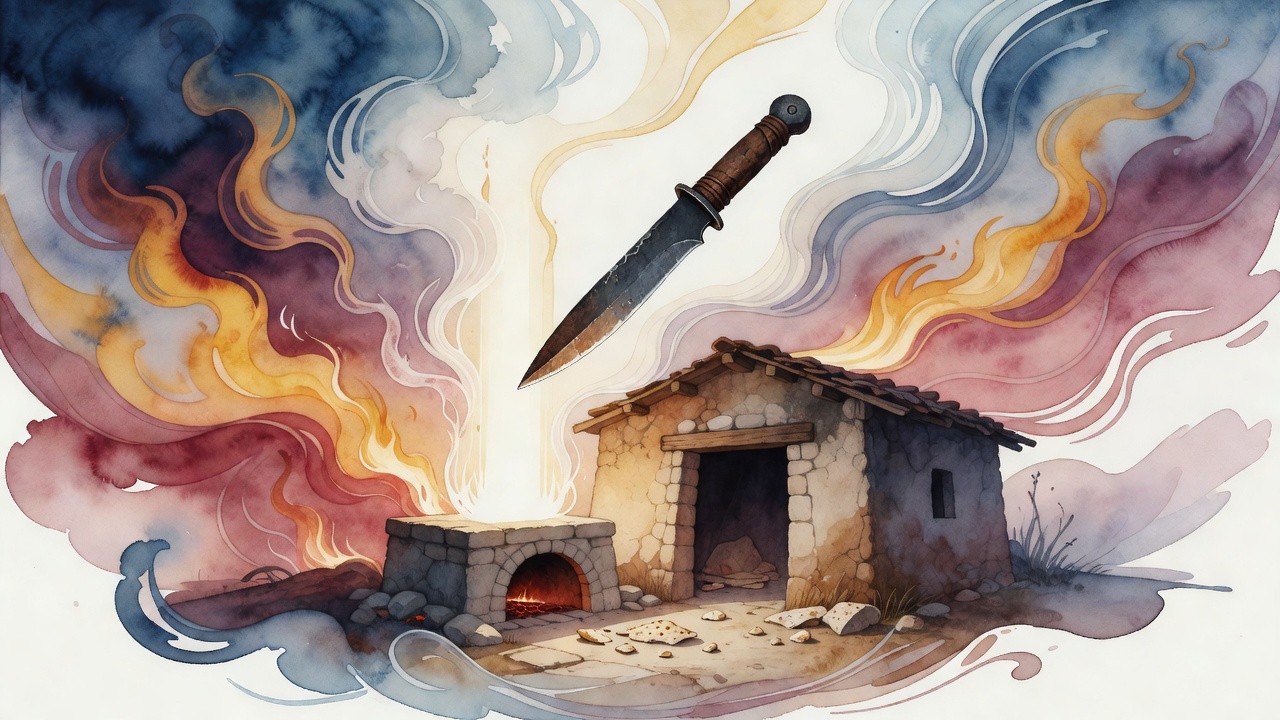
A jar of old dough sat in the corner of the house. The lamb hung ready, but no one could cut its throat until the last crumbs were burned.
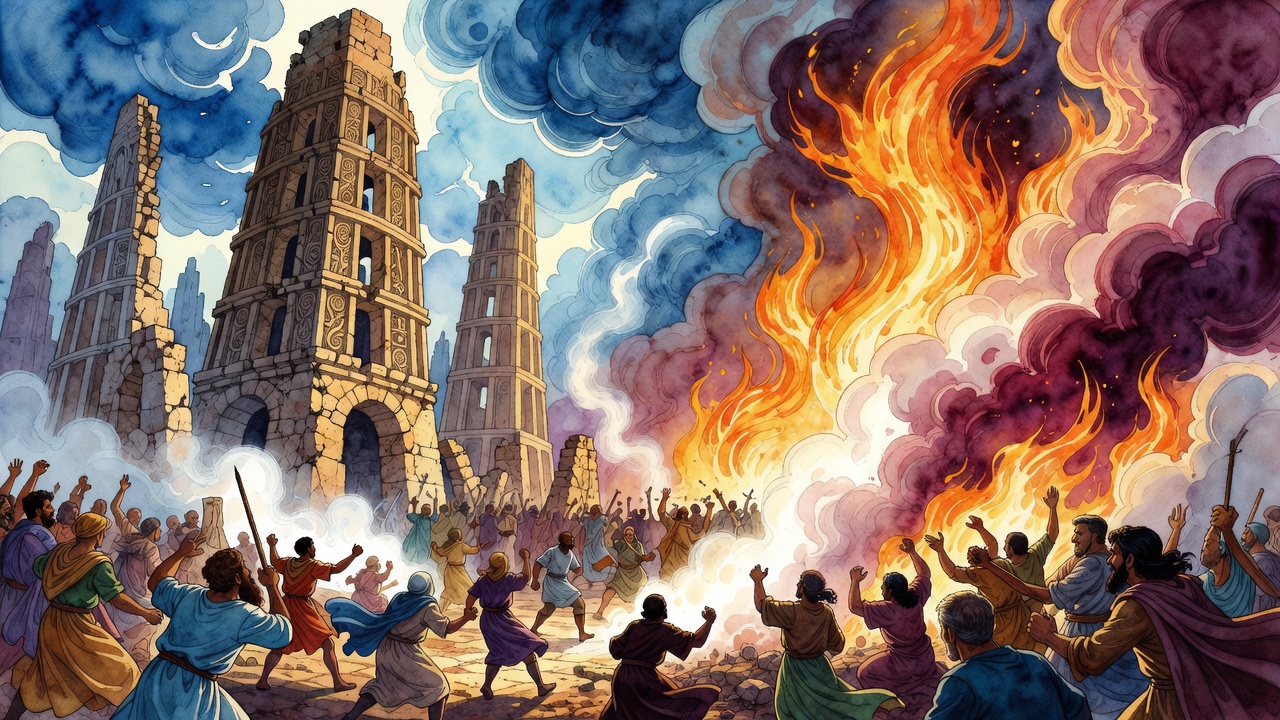
On the plain of Shinar the bricks rose fast because no one had to stop and translate a doubt. They aimed the one tongue upward like a spear.
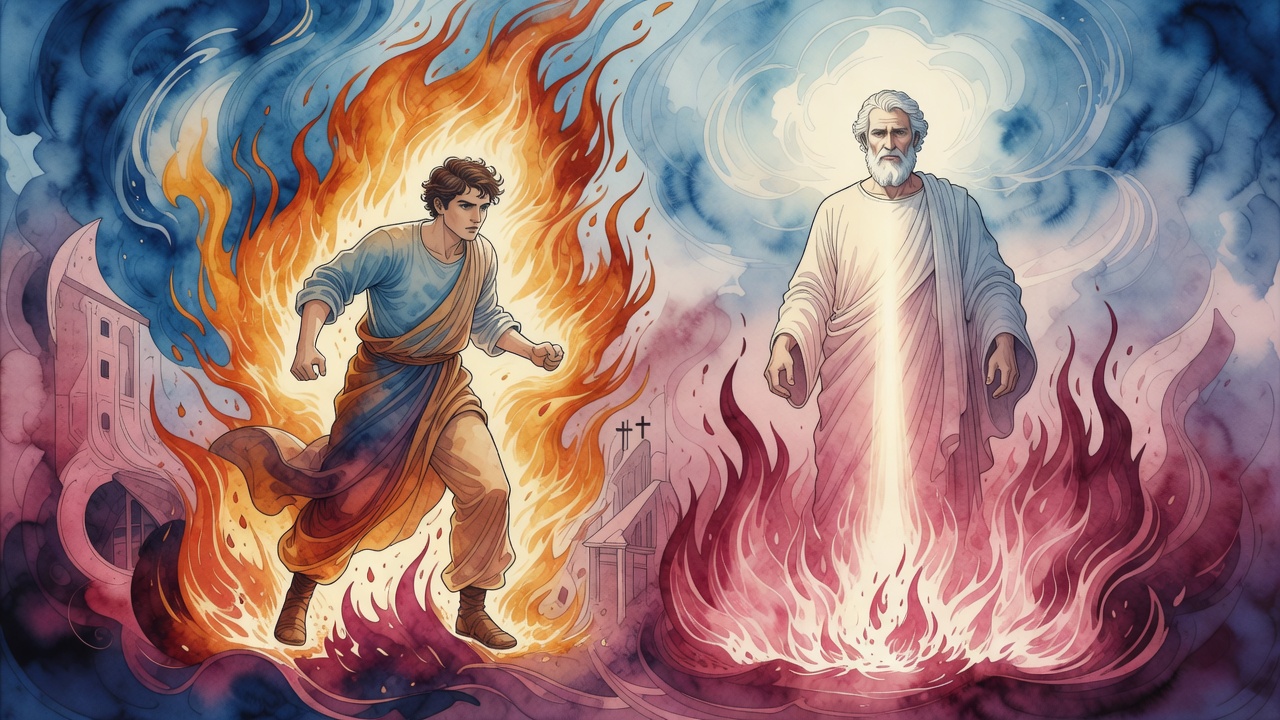
A young man's judgment flared like fire that would not listen. Years later the same fire sat lower in him, still hot, no longer wild enough to burn the house.
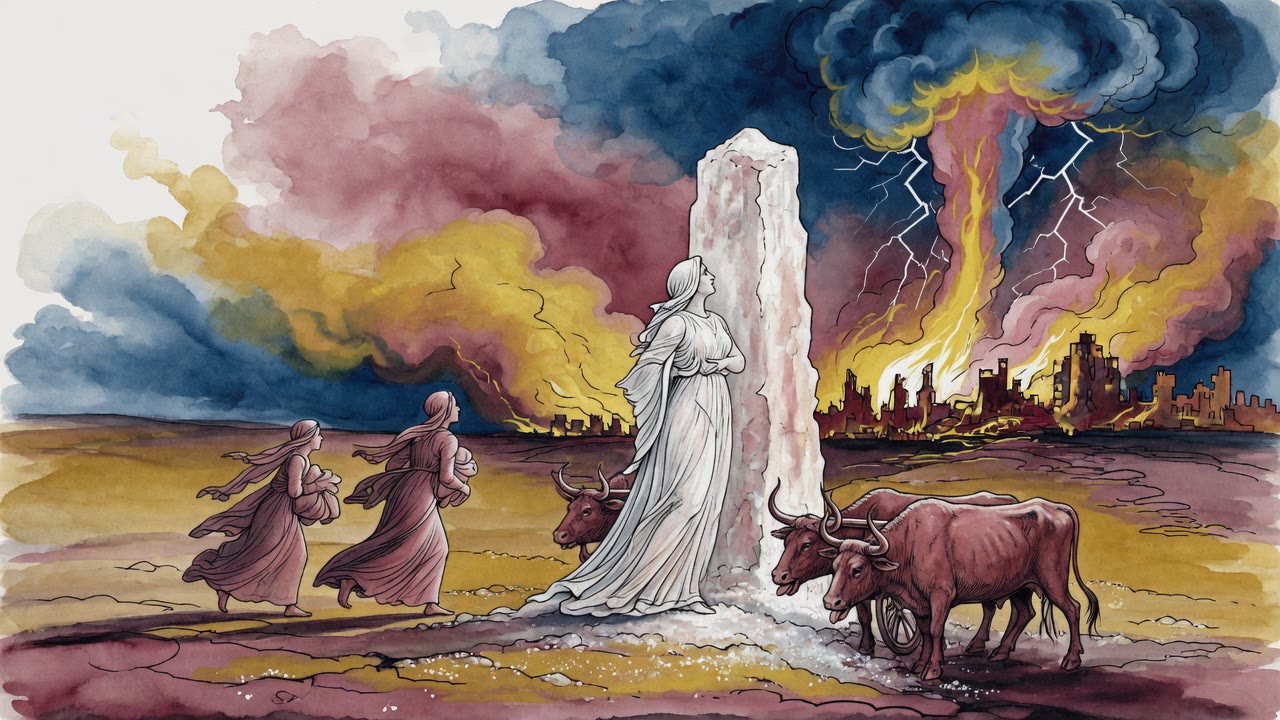
Fleeing Sodom under orders not to look behind, Lot's wife turned once toward the fire and stiffened into a pillar of salt the oxen still lick by day.
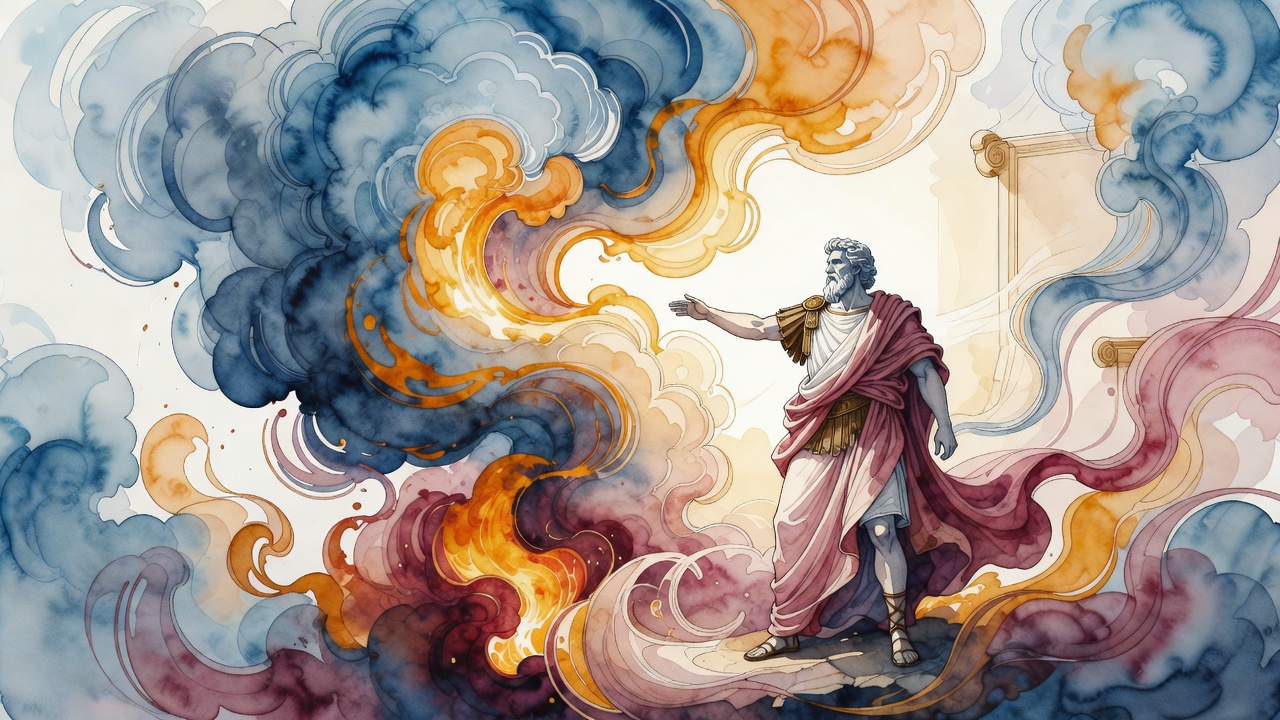
A living emperor told a rabbi he outranked Moses. Then a sick governor needed hot water, and the ban lasted one night.
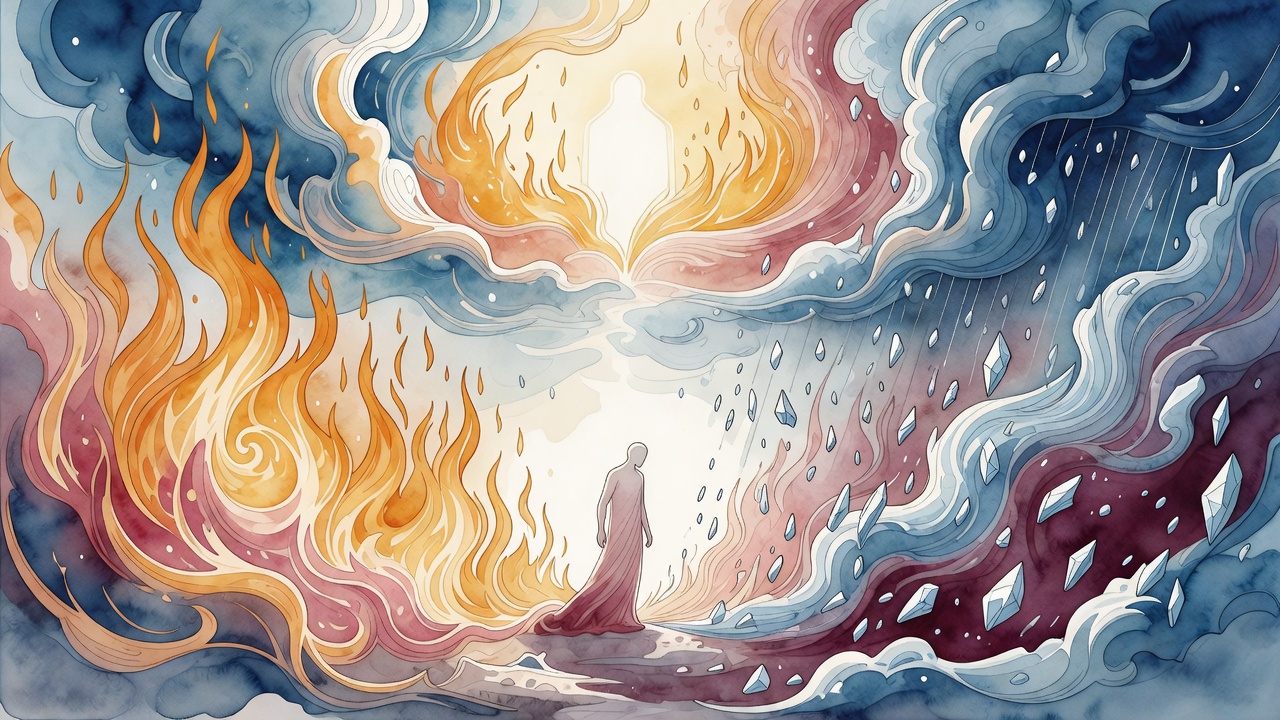
The soul arrived without the body it had argued with for years. Its guides did not explain. They pointed at the half that burned and the half pelting ice.
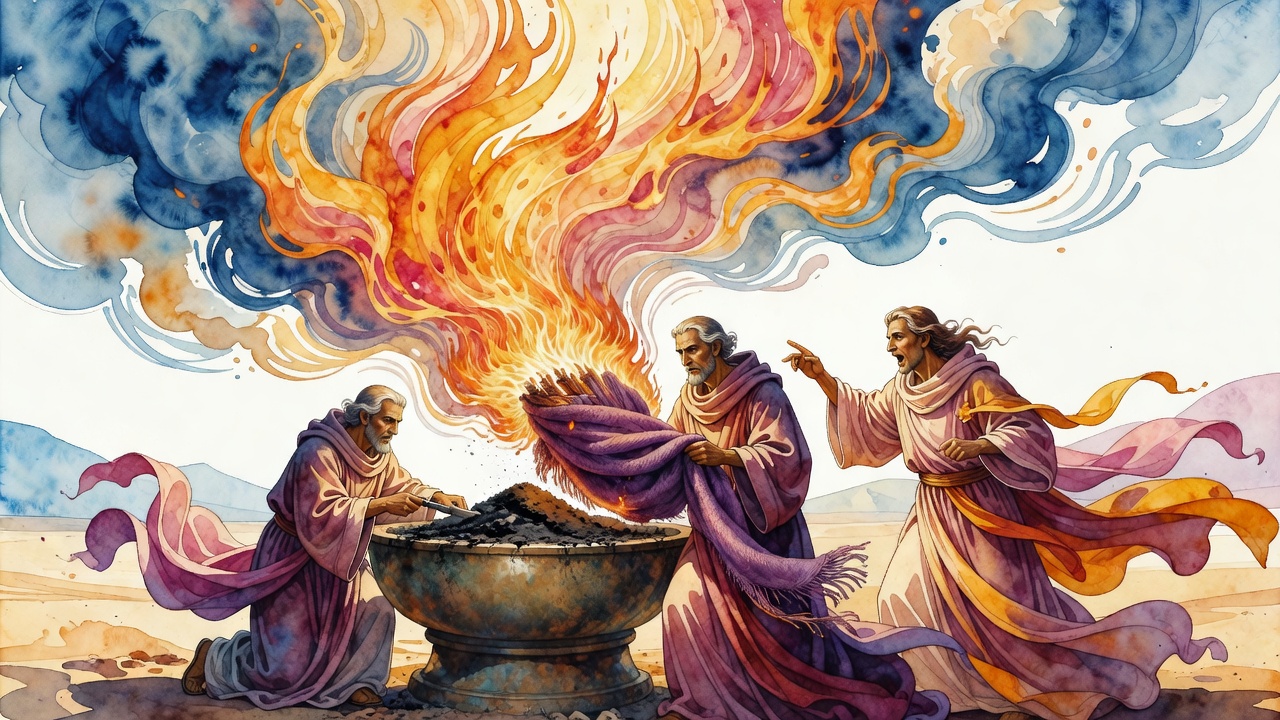
Ash still clung to the bronze when they lifted the poles. Someone overturned a pot over the last coal and hoped the desert would not win.
