Babylon Roasted the Prophets Who Lied for Lust
Two men told the king's daughter that God had chosen her for them. Nebuchadnezzar put them in a furnace, and only the high priest walked out.
Table of Contents
 Click for full size
Prophecy Worn Like Perfume
Ahab ben Kolaya and Zidkia ben Maaseya walked the exile streets of Babylon with soft eyes and harder appetites. They called themselves prophets. They spoke the Name as if it were a password into other people's rooms, and the exile, hungry for any voice that sounded like home, sometimes listened longer than it should have.
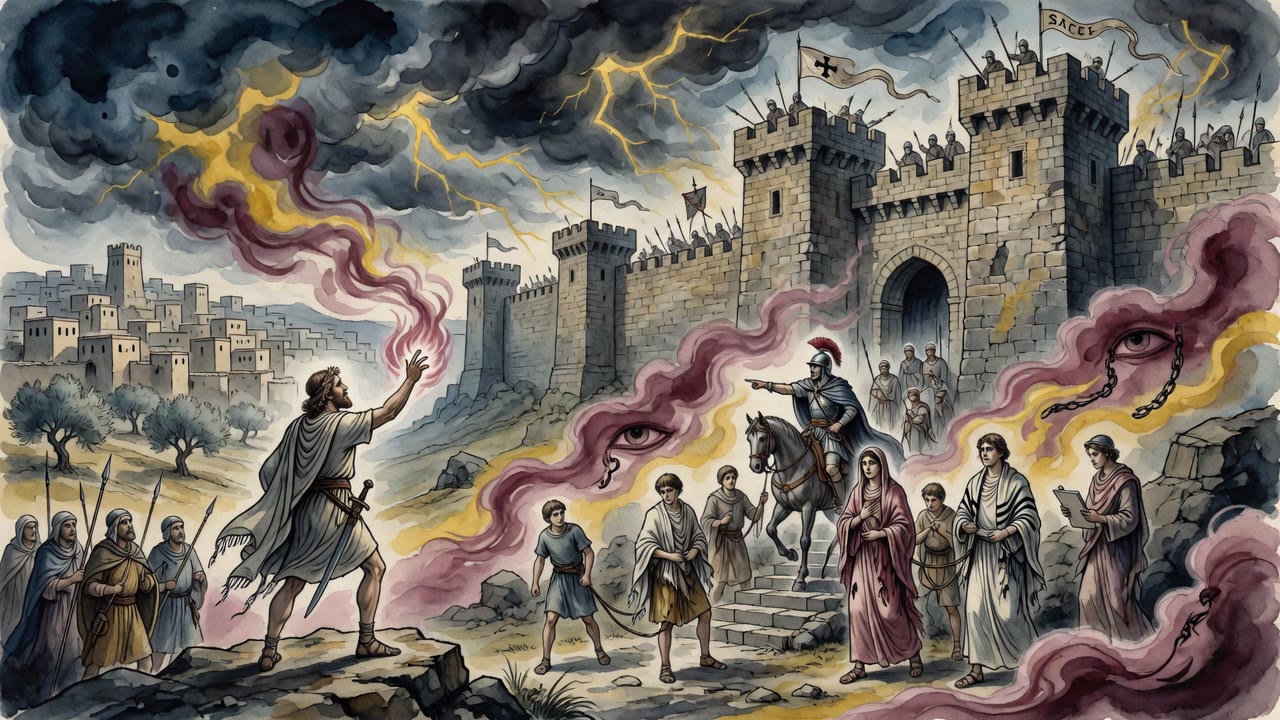
When they reached the household of the king's daughter, they did not come as beggars. They came as messengers. "God has chosen you," each man said in his turn, dressing lust in the cloth of revelation. The lie had the shape of holiness and the smell of a bargain struck after dark. They used standing the way other men use keys.
Jeremiah had already named them from the ruins of Judah: men who prophesied falsely and would be roasted by the king of Babylon (Jeremiah 29:21-23). In the capital the words waited like dry tinder for a match. Markets still sold dates. Canals still moved. Under the ordinary noise, a trial was assembling.
The King Who Knew Jewish Law
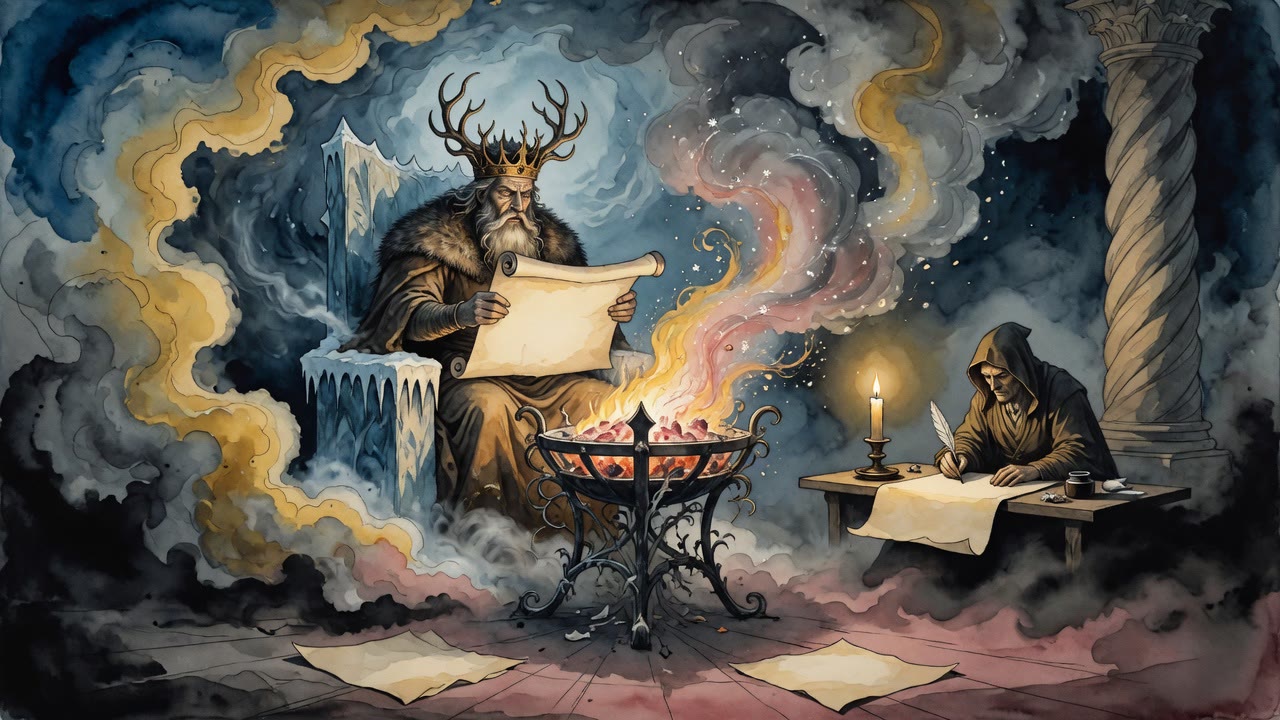
Nebuchadnezzar heard the report and did not laugh. He knew enough of Israel's teaching to smell the fraud. No true word of God sends a man to another man's daughter as a prize. The king decided on a test the empire already understood: fire.
"If you speak for heaven," he said, "walk into the furnace as Hananiah, Mishael, and Azariah did, and come out clean. If you do not, the heat will finish the argument."
The two impostors felt the heat before they felt the flames. Their mouths, so quick with holy phrases, went dry. They asked to be thrown in with the high priest Joshua son of Jehozadak. Three had been saved once. Three might save them again. They wanted his merit as a cloak, and his company as arithmetic. If the righteous man walked beside them, perhaps heaven would be confused about whom to burn.
Joshua did not volunteer. The court ordered. The furnace did not care who had arranged the guest list.
Three Enter, Two Become Ash
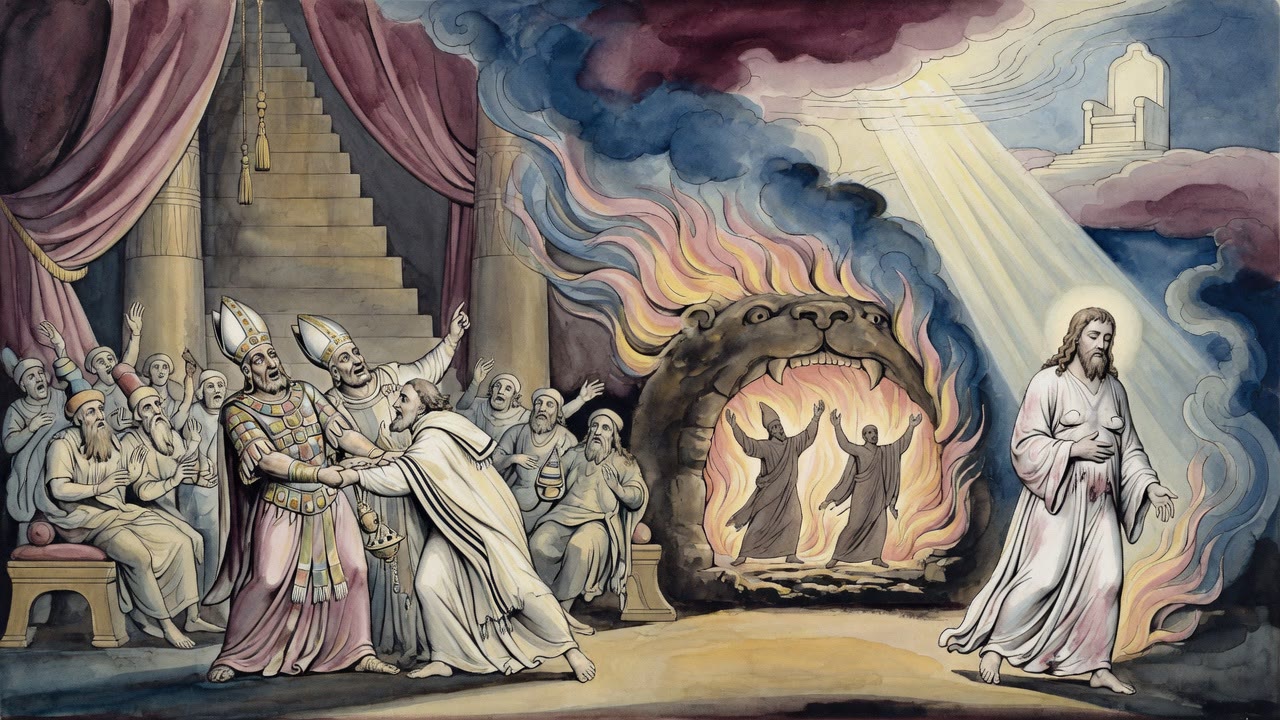
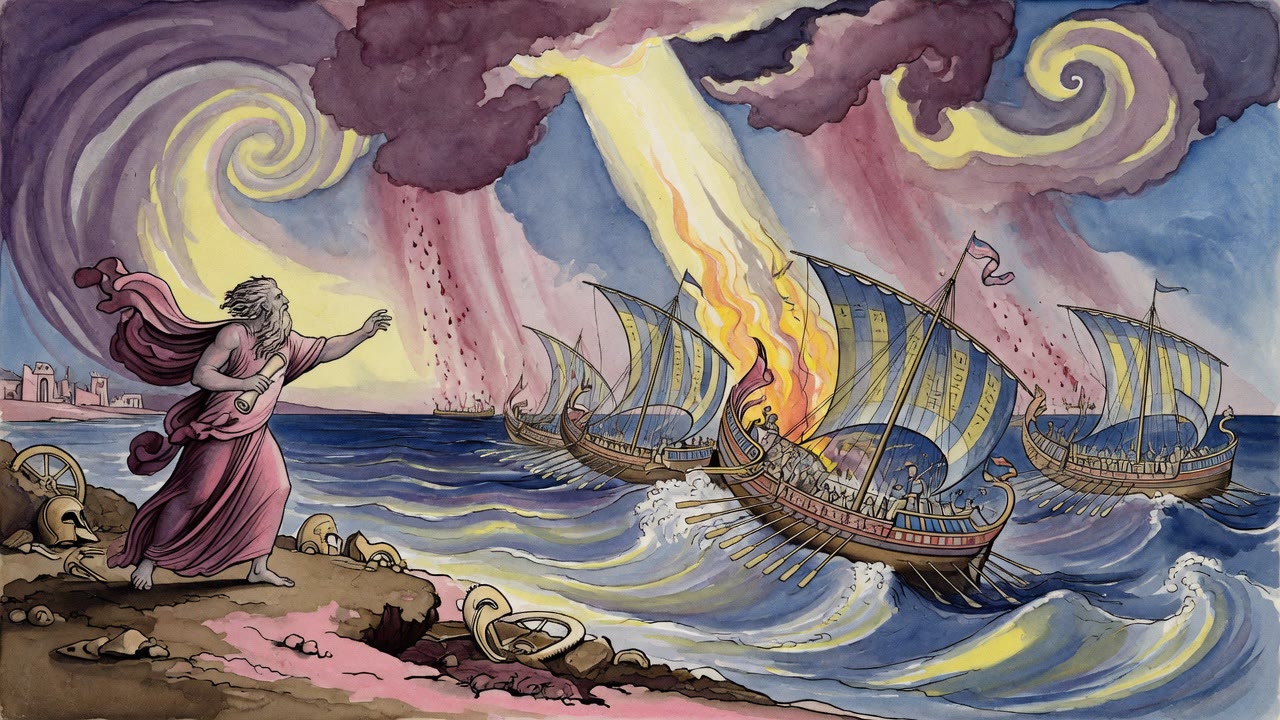
The furnace opened its mouth. Heat peeled the air. Guards stepped back. Ahab and Zidkia went in wearing the confidence of men who had always talked their way past doors. Joshua went in because empire forced his feet, not because he shared their crime.
When the doors opened again, the false prophets were gone into smoke and bone. No speech left. No soft eyes. Joshua walked out alive, but the fire had kissed him. Singed hair. Scorched edges of robe. The tradition holds that even a righteous man pays for the company he keeps, and that the high priest had not been strict enough in other matters to leave the ordeal unmarked. Nearness to liars is never free. Fire sorts claims faster than courts.
Babylon learned a sentence without a sermon: a lie dressed as prophecy burns the wearer first. The king's daughter lived. The Name was not available for rent.
Words That Cut Like Weapons
False speech is never only breath. The sages line it up with spear, sword, and arrow: heavy at close range, sharp in the hand, able to strike from far off. Ahab and Zidkia used the Name the way a man uses a blade in a crowded market, swinging for what he wants and calling the swing holy. Slander and false testimony do not stay in the mouth. They travel into other bodies and leave wounds that look like destiny.
In the exile camps, people had already learned to distrust sweet mouths. After the furnace, the distrust hardened into a story mothers told at the river: do not follow a prophet who wants your body more than your repentance. Do not let desire borrow the vocabulary of Sinai. If a man claims heaven told him to take what is not his, watch whether he will walk into fire without dragging a better man along for cover.
Joshua lived with burn marks that remembered the day. The two who borrowed the Name for lust did not. Between ash and singed cloth, Babylon kept a record even Israel could cite: prophecy is not a costume, and the furnace does not flatter.
After the Smoke Cleared
In the days that followed, exile Jews retold the furnace the way free people retell a border crossing: carefully, with names attached. Ahab and Zidkia had not only wanted a body. They had wanted the cover of revelation, the oldest costume for appetite. Joshua's singed edges became a walking footnote. People looked at the high priest and remembered that bad company is a kind of fuel.
Nebuchadnezzar did not convert. He did not need to. He had only needed to know that Israel's God does not stamp lust with a prophetic seal. The court returned to taxes and canals. The story stayed in the alleys where mothers warn daughters and where men who like to speak for heaven learn to watch their own mouths. False prophecy dies hard. Fire is one of the few teachers it respects.
Jeremiah's letter from the ruins had already called the ending. Babylon merely staged it. Between the prophet's ink and the king's furnace, two men learned that the Name is not a key for other people's doors, and one priest learned that even survival can leave a mark when you walk in with liars.
← All myths