God Stood as Advocate Then Became Their Accuser
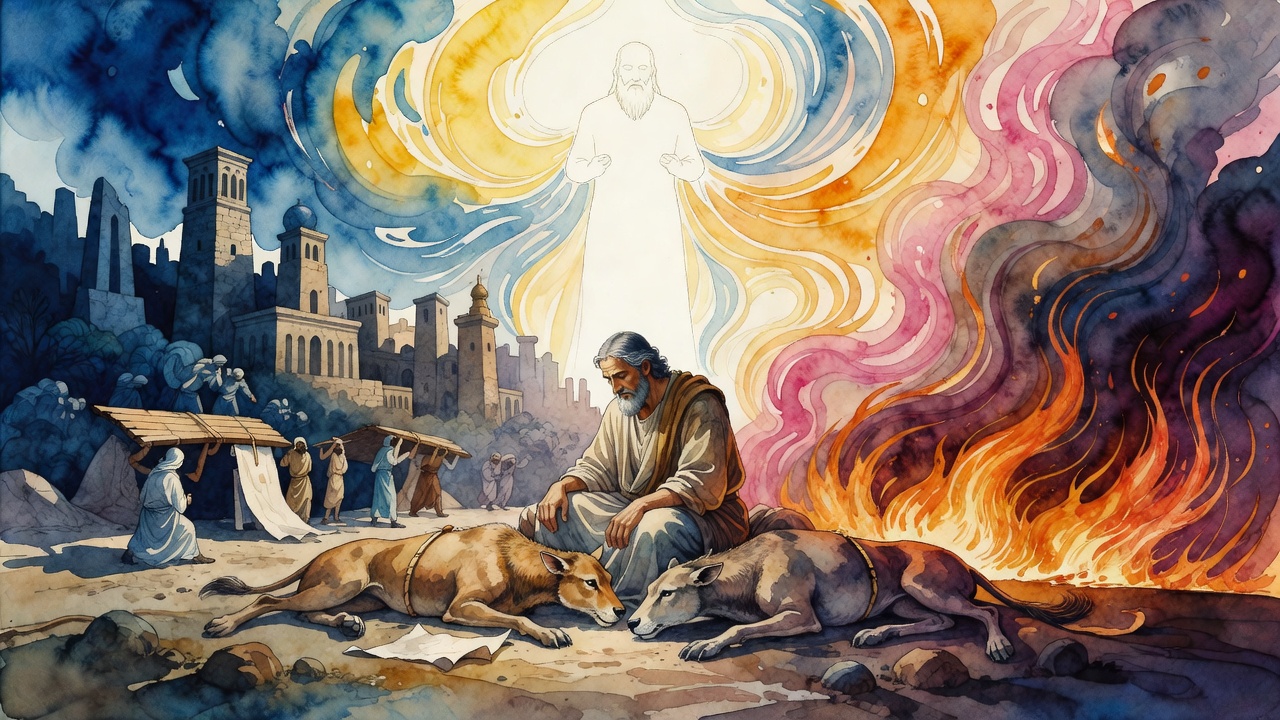
In the heavenly court God pleaded for Israel like a father. One twisted word later He stands as prosecutor, and the land itself begins to sell its people away.
Table of Contents
 Click for full size
A Father at the Bar
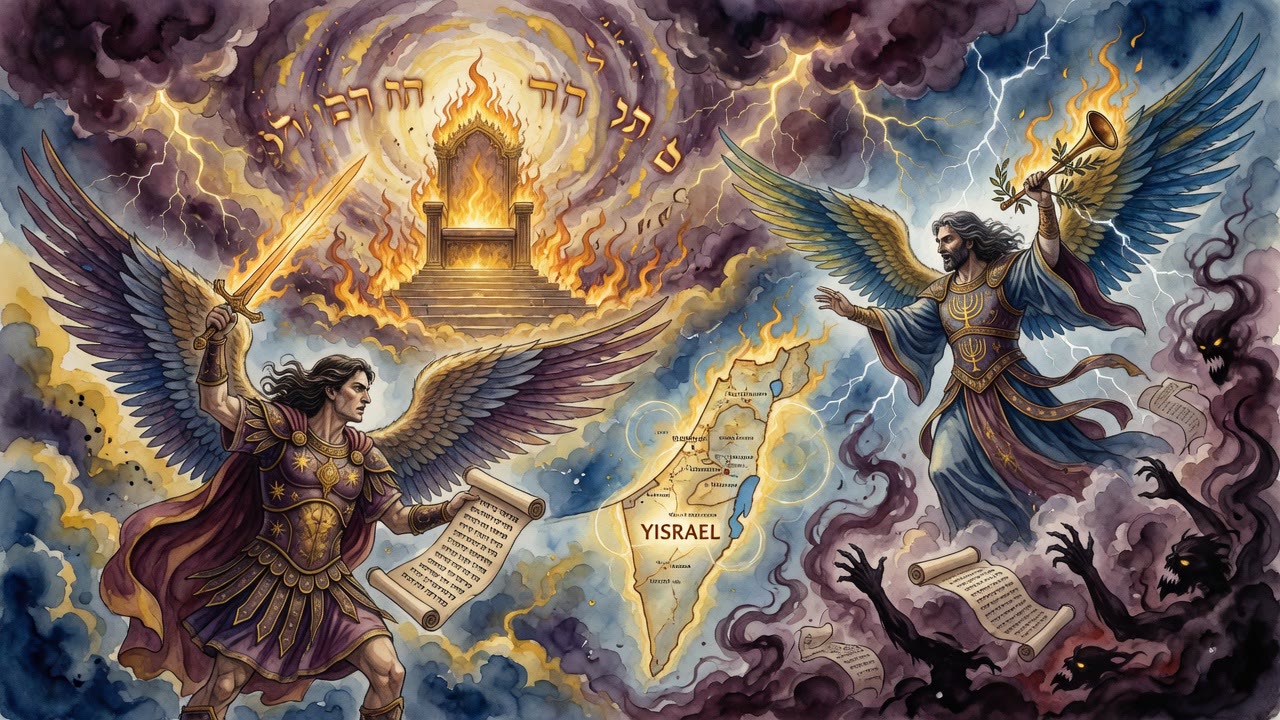
In the heavenly court the Holy One rose not as Judge first, but as counsel. He stood for Israel the way a father stands for a son already late to the hearing. The verse still trembled in the air: "How I would set you among the children" (Jeremiah 3:19). Love shaped the sentence. He meant to place them among beloved sons, not among the guilty.
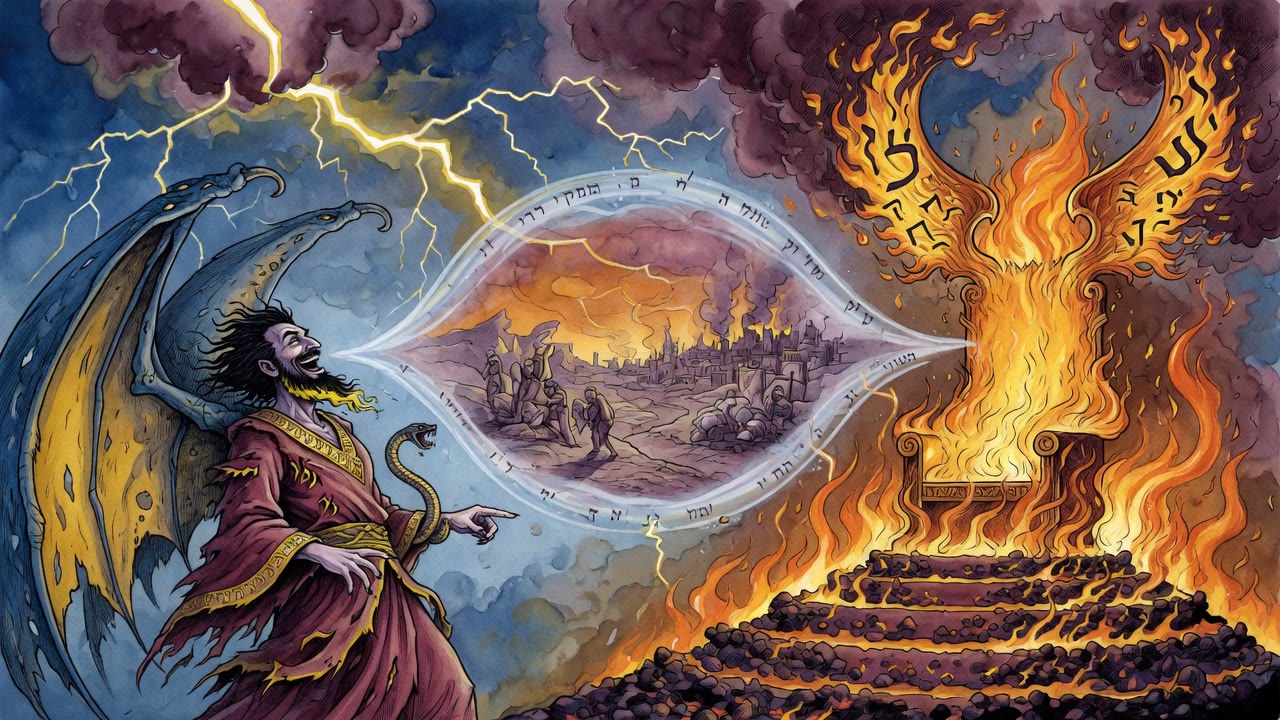
Then one Hebrew root turned under His tongue. Ashitkha, "I would set you," shares the sound of yushat, the word used when a ransom is laid upon a man found liable (Exodus 21:30). The same root that should have cradled them among children carried the clang of a penalty set on a debtor. God heard His own plea change key. "I was standing as your advocate," He said to Israel. "How have you forced Me to become the one who brings the accusation?"
The grief in that "How" is older than any empire. A Father who wanted to defend finds Himself reading the charge sheet He never meant to hold.
The Slow Sale of a People
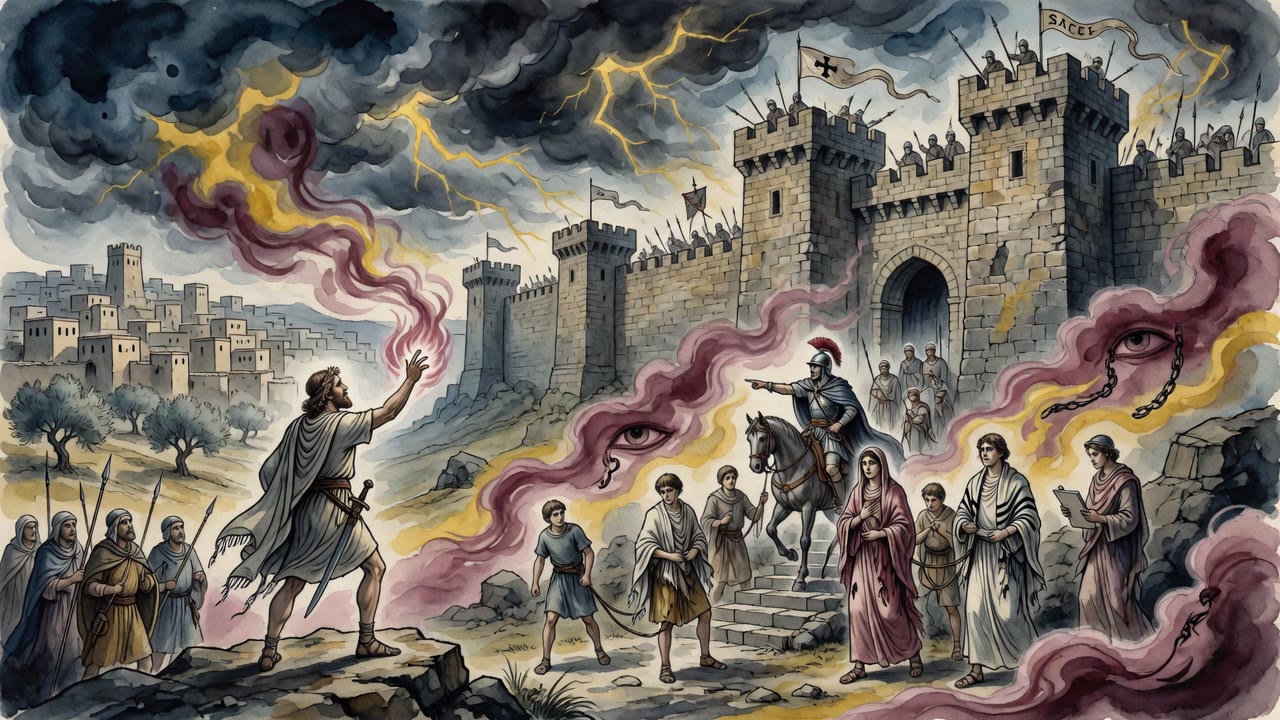
On earth the charge does not arrive as lightning. It arrives as a ladder of losses. Profane the Sabbatical Year, and watch a household come apart in measured steps. First a man sells his goods. Then his field. Then his house. Then he stands at doorways with an open hand. Then he sells himself. At last he is sold to the nations, and not he alone. The whole people follows the same slide.
In the days of Jeremiah, because they broke the Seventh Year, the king of the Chaldeans carried off the vessels of the House of the Lord. Moses once argued the other way for them: "Master of the World, did You not say, If your brother becomes poor, uphold him? Israel is Your brother." The answer did not cancel the sale. It changed who walked into exile. When their strength failed before Nebuchadnezzar, God said He Himself went with them: "For your sake I was sent to Babylon." Babylon, Media, Greece, and the fourth kingdom all found a door opened by a year that should have rested and did not.
A people can force their Defender into the prosecutor's seat, and still He will not abandon the dock. He prosecutes, and He travels with the condemned.
The Land That Will Not Stay Sold
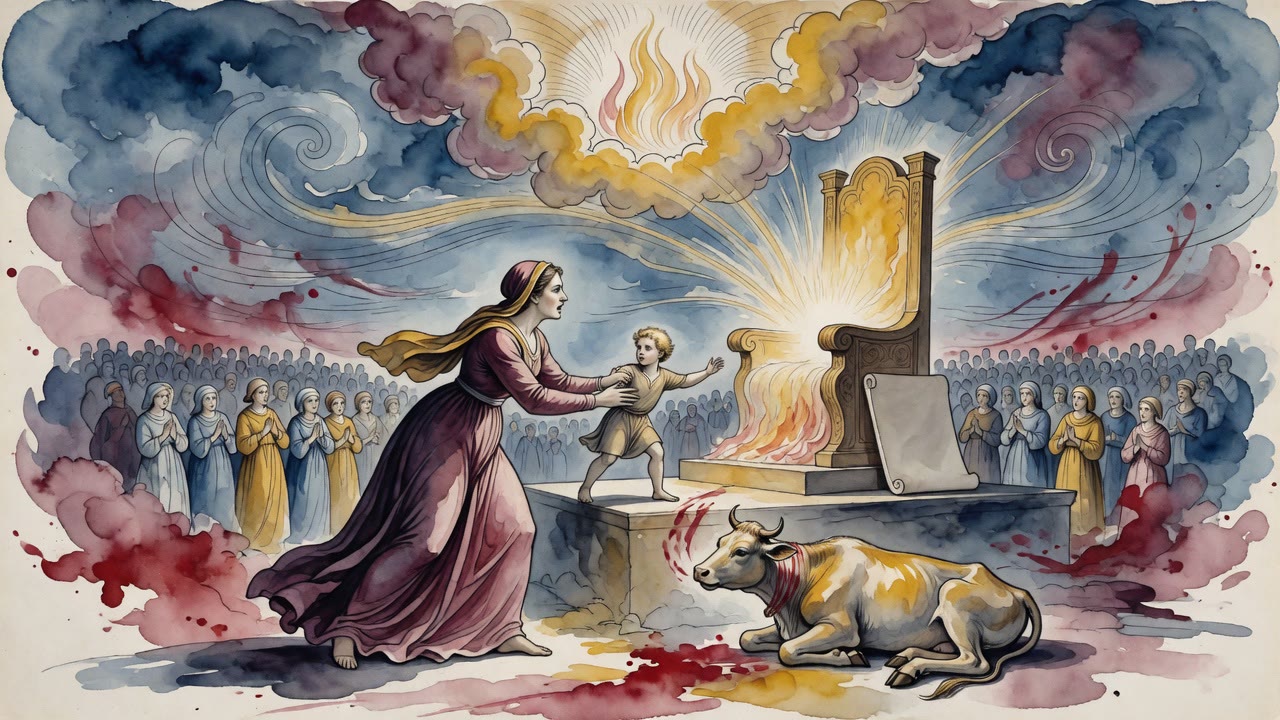
Even the soil refuses finality. The Torah forbids selling the ground of Israel forever, "for the land is Mine." The Holy One explains the law with a story about His own heart. I once sold My people, He says, and I turned back and drew them near again. "Return, O backsliding children, for I am a master over you." Through Isaiah He adds: you were sold for nothing, and without money you shall be redeemed.
So too a field. A redeemer may always buy it back. Where no redeemer appears, the buyer holds only until the Jubilee, when owner and children walk out free again. Borders were guarded so tightly that no inheritance crossed from tribe to tribe. The daughters of Zelophehad argued for their father's portion and were told they had spoken rightly. Land and people share one rule: sale is never the last word when the Owner still claims the deed.
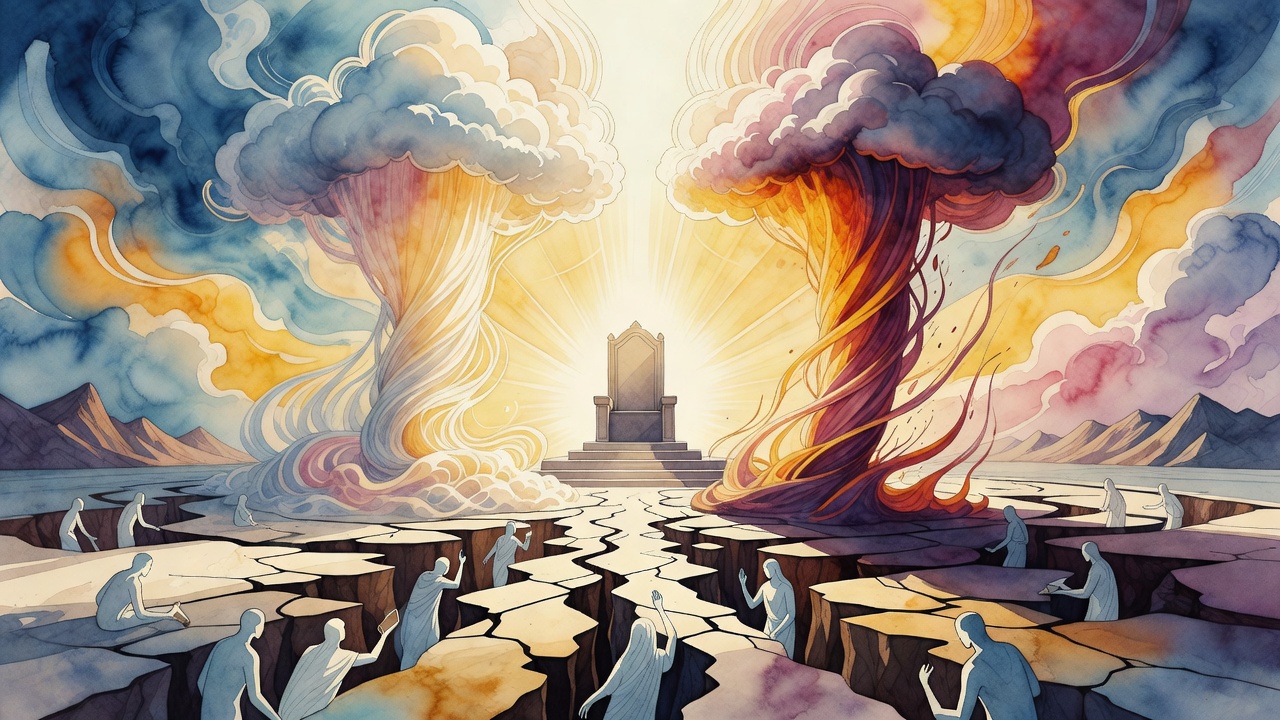
The courtroom in heaven and the registry of fields on earth tell the same plot. What looks permanent is only a lease until the year of redemption arrives, "for the day of vengeance is in My heart, and My year of redemption has come."
How a Pleading Becomes a Charge
Return to the single word that broke the Father's defense. He wanted to set them among children. Their deeds bent the verb toward judgment. The heavenly court does not need a new prosecutor when the old advocate's language already holds the root of a fine. Israel did not merely sin. They rewrote the speech prepared for their rescue.
That is why the grief is so sharp. An enemy's accusation is expected. A Father forced to read the accusation against his own house is another order of pain. He still numbers them as children even while He names the charge. He still walks into Babylon with the sold, even while He lets the Chaldean seize the vessels. Mercy and severity share the same throat.
The Year That Opens Empires
Keep My sabbaths, He warns, so the curses written after never reach them. The Seventh Year is not a farmer's nicety. It is the hinge on which whole kingdoms swing. Break it, and the ladder of sales begins. Keep it, and the land stays in the family of the covenant, always recoverable, never swallowed by a permanent deed in a stranger's hand.
In the end the scene is simple and unbearable. God stands up to plead. Israel's hands Him the brief of their guilt. He becomes their accuser with a Father's mouth. Then He refuses to leave them alone with the verdict. The same One who sets the penalty sets the Jubilee. The same voice that sells for nothing redeems without money. Between those two acts lies every exile Israel has ever walked, and every return still owed to the land that will not stay sold forever.
← All myths