Holy One Calls Nebuchadnezzar a Ground-Up Corpse
God spits the name of Babylon's king like a man cornering a friend in the street, then counts each broken Word that opened the Temple to fire.
Table of Contents
 Click for full size
A Name Spit in the Street
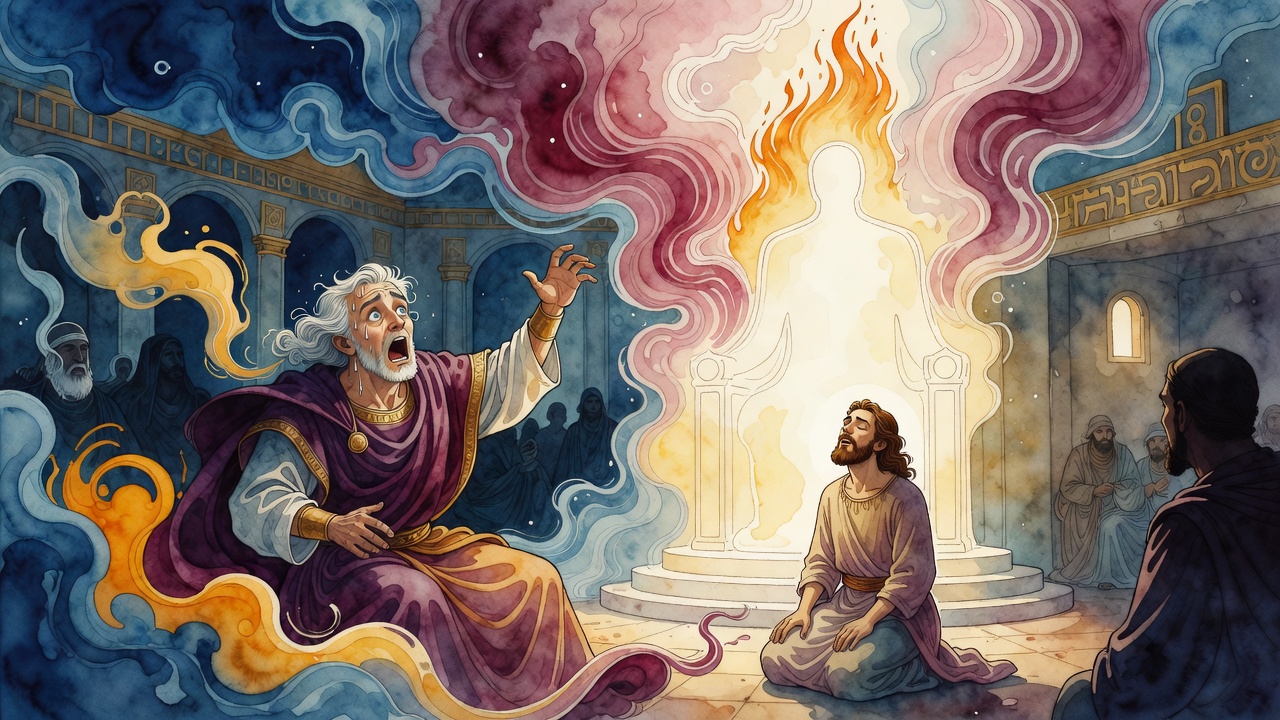
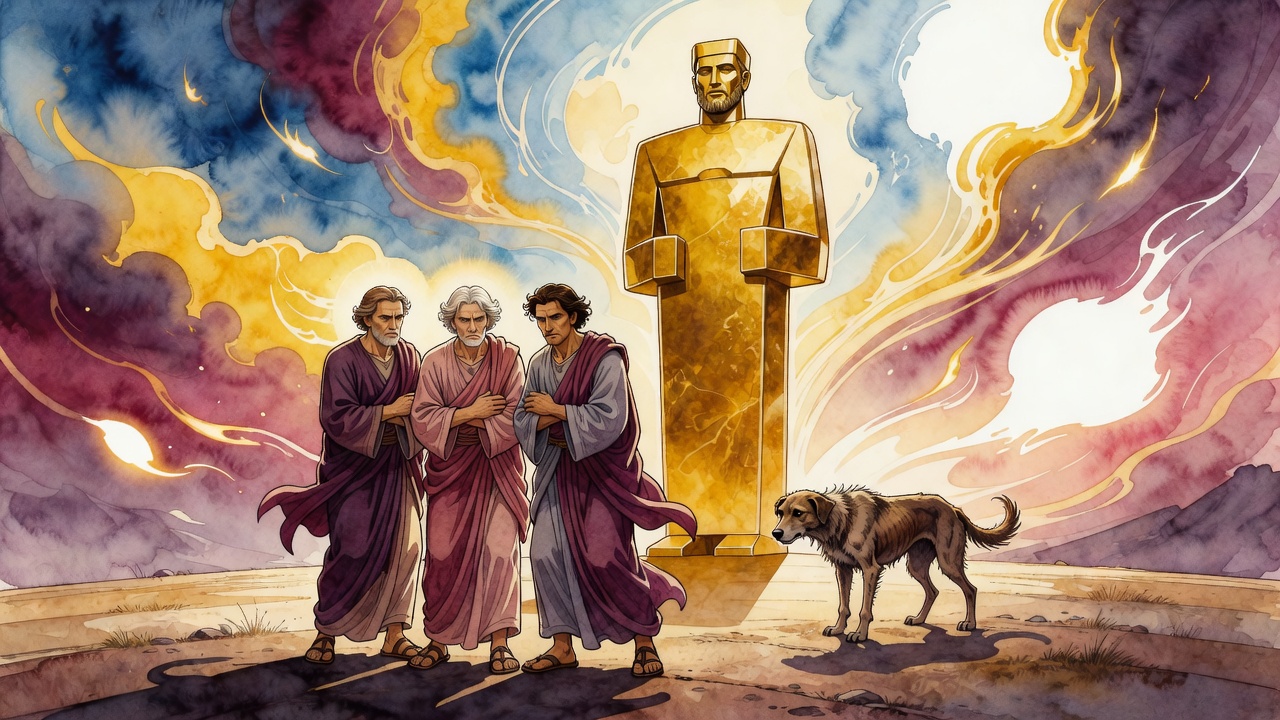
Rabbi Tanhum bar Hanilai pictured the Holy One like a man who corners a friend and cannot keep the bitterness down. See what so-and-so did to me, the man says, and the name of the enemy comes out like spit. So too God speaks of Babylon's king with open contempt, calling him a ground-up corpse and the dwarf of Babylon. Three biblical books carry the complaint. The camera does not linger on imperial banners. It stays on a divine mouth that has run out of polite titles.
The deeper sorrow is not aimed at Babylon alone. The prophet's name, Yirmeyahu, becomes a window into the disaster. It echoes the laments that open with that aching word, How. It hints at death. Most of all it carries a charge against Israel itself. The Temple did not fall because a foreigner was clever. It fell because a word spoken long before was finally kept.
Ten Words Returned Broken
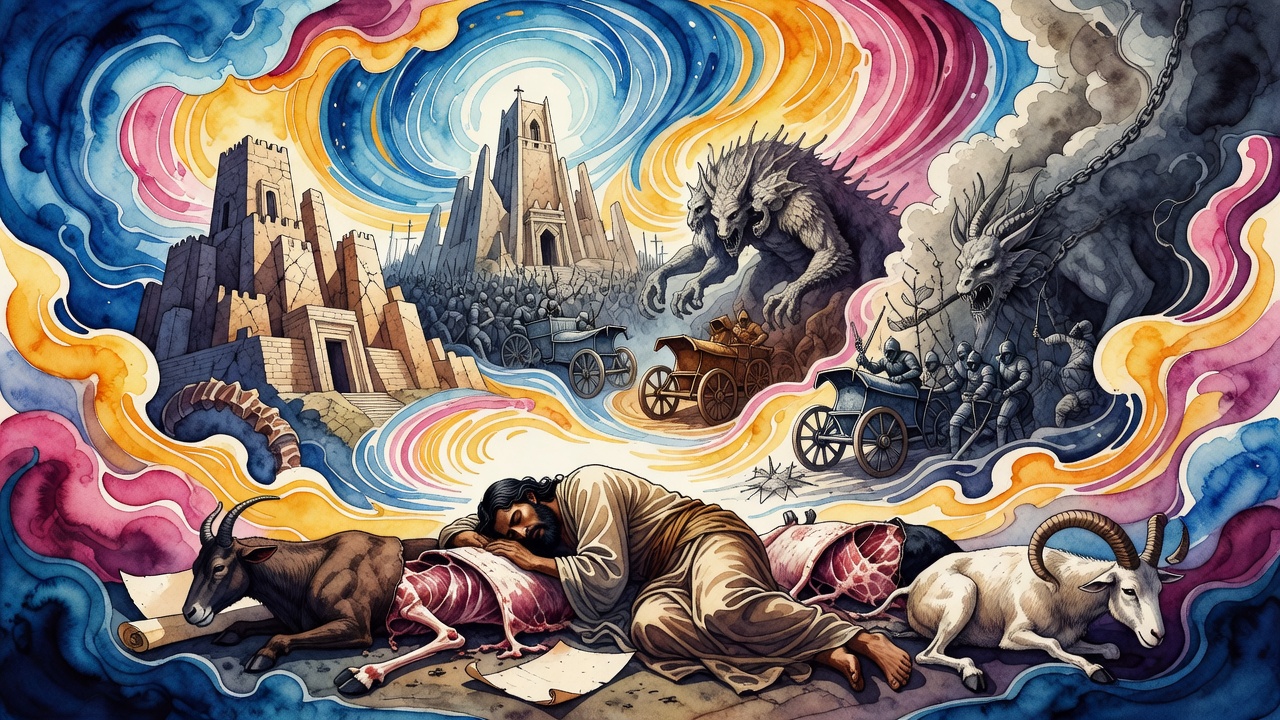
The midrash lines up the Ten Words one by one and sets a verse against each that shows how the people broke it. I told them I am the Lord your God, and they called a block of wood their father. I told them keep no other gods, and they bowed to the host of heaven from their rooftops. I told them do not swear falsely, do not murder, do not steal, do not covet, and prophet after prophet records that they did each of these things.
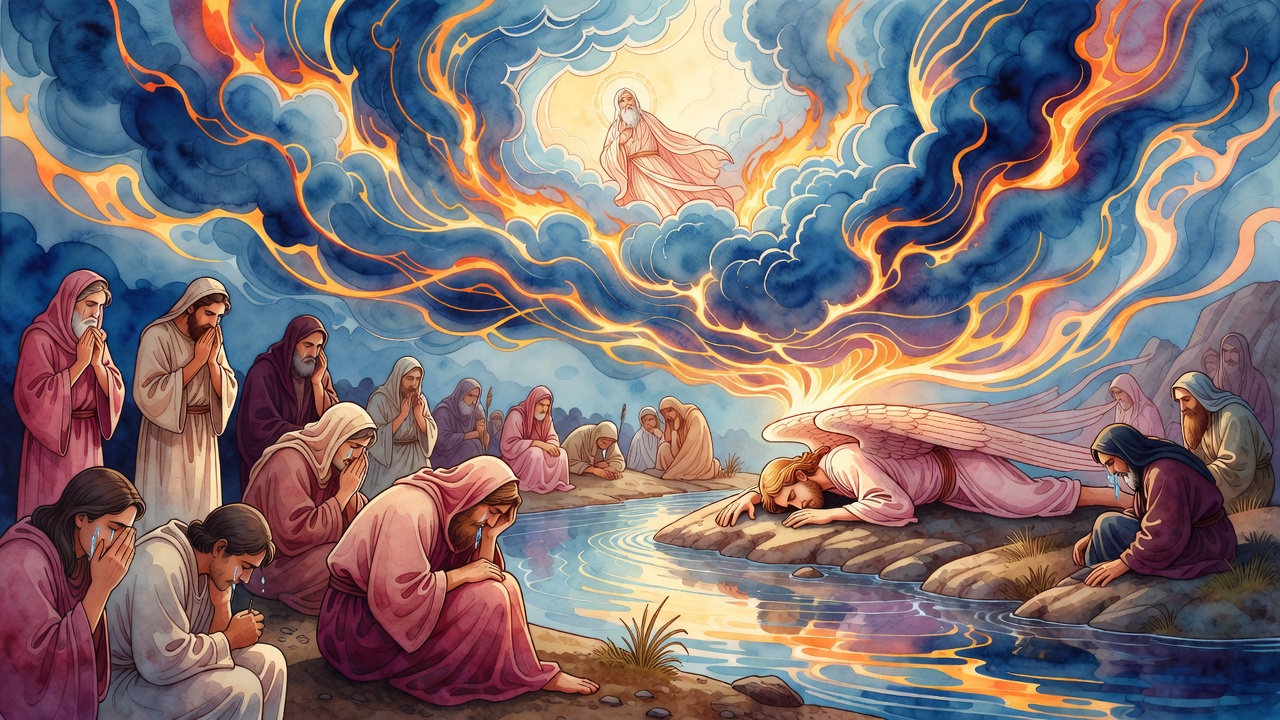
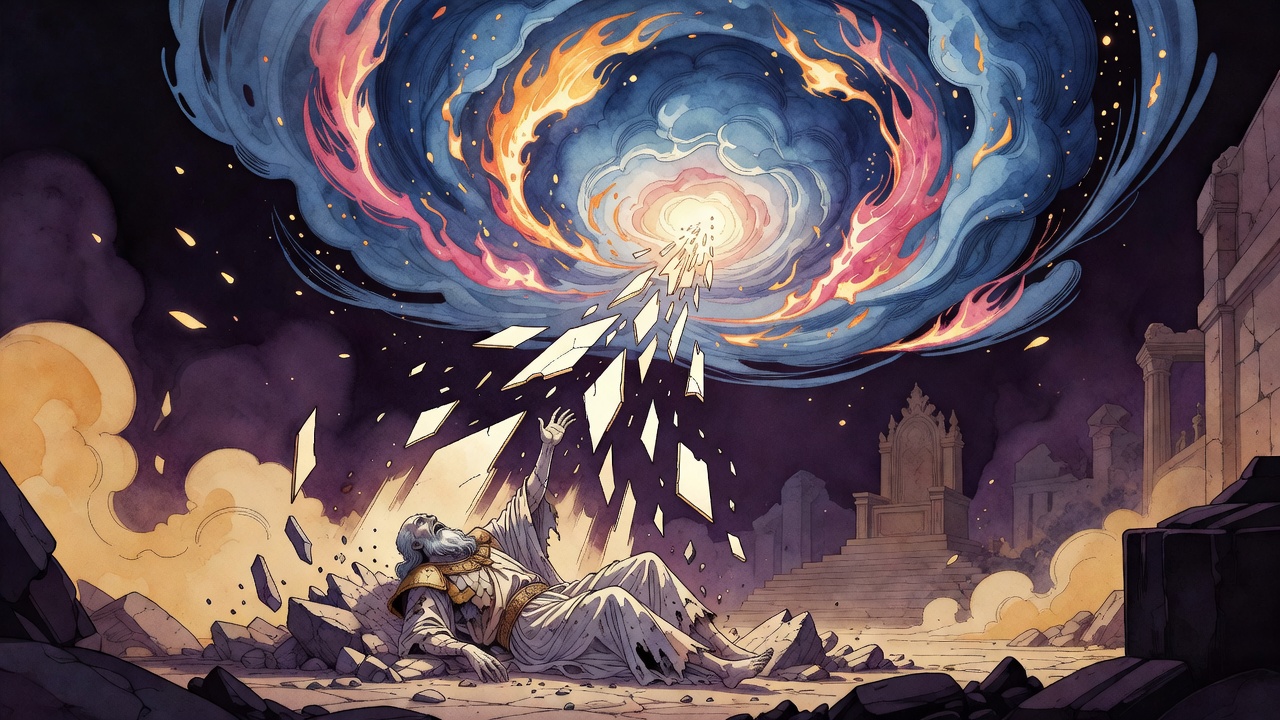
The grief is not abstract. The Holy One says, I seek My words back from them, as though the commandments were a gift returned smashed. Nebuchadnezzar is the hammer. The broken tablets of practice are the real wound. When God names the king a corpse, He is also naming a covenant that Israel treated like rubble before the city became rubble.
When the Earth Trembles
Elijah once pressed Rabbi Nehorai about earthquakes. Tithes? Elijah said no. When God sees the nations sit in ease while the Temple lies destroyed, He looks at His world and seeks to destroy it. "Be the one who looks at the earth and it trembles," the verse says. The ground shakes under a grief that has nowhere else to go.
Joy has left the Holy One's world, says Rabbi Berachia in the name of Rabbi Levi, while others find ease. The face of the earth waits to be renewed. Until then, every tremor is a reminder that the House is still down and the King has not forgotten the absence of His house.
Cedars Planted for Honor
Rabbi Chanina taught that the cedars of Lebanon were created for the honor of God, trees satiated because their whole being is praise. "There is no Lebanon except for the Temple," he said, turning a mountain range into a building and a building into the reason forests stand. Rabbi Shimon ben Lakish went further: gold fit for creation did not exist until it was needed for the Temple. Matter itself was summoned for a House now ash.
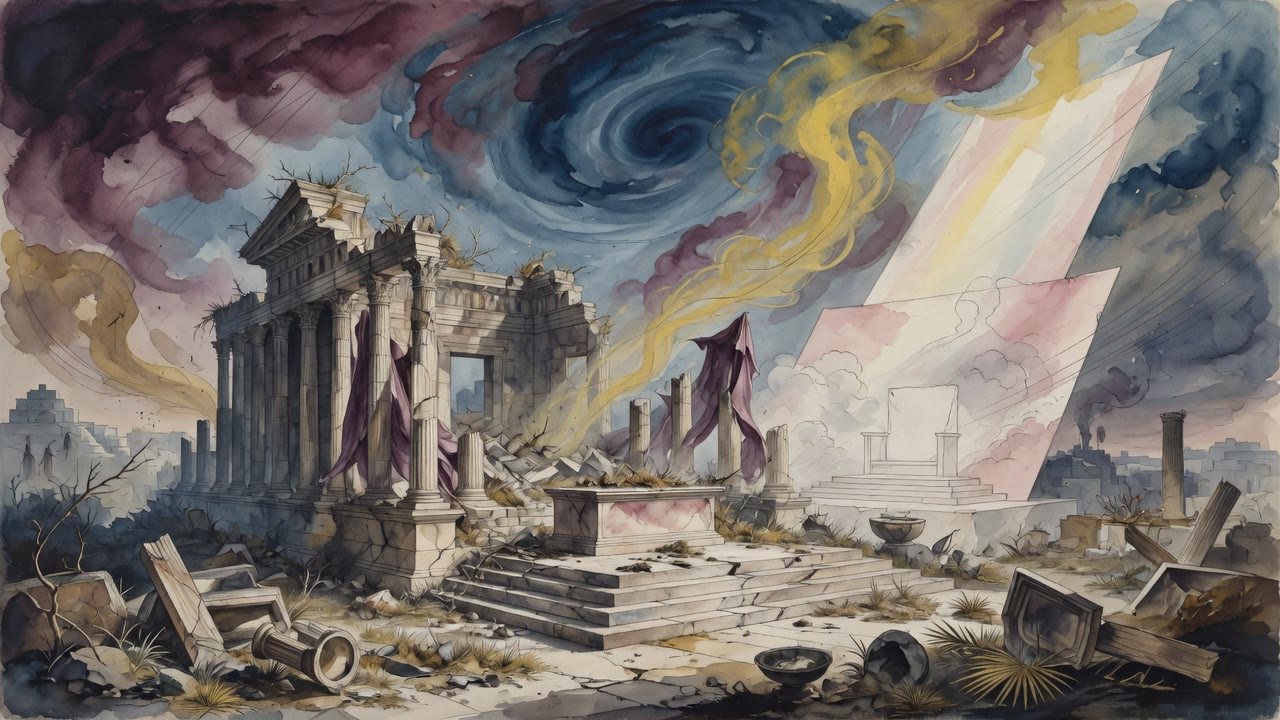
When Babylon's dwarf king burned that House, he did not only destroy wood and stone. He struck at the purpose for which Lebanon's trunks and the earth's gold had been spoken into place. The Holy One's insult of Nebuchadnezzar is the other side of that love of cedar and gold.
The Complaint That Does Not End
The street scene never fully empties. God still has a name to spit and a people to indict and a House to miss. Prophets keep the ledger of broken Words. Earthquakes keep the body of the world from sleeping through the absence. Cedars in memory still wait for a Lebanon that means Temple again.
Nebuchadnezzar remains, in this telling, a ground-up corpse of a man who thought fire was the last word. The last word is the One who still seeks His commandments back and will not call a dwarf a king.
Rooftops and Wooden Fathers
Picture the nights before the siege closed. Families on rooftops, faces turned to the host of heaven, incense thin in the dark. A block of wood set up in a corner and called father. Oaths sworn lightly in the gate. Hands quick for a neighbor's vineyard. The midrash does not need Nebuchadnezzar yet. The Ten Words are already cracked in domestic rooms.
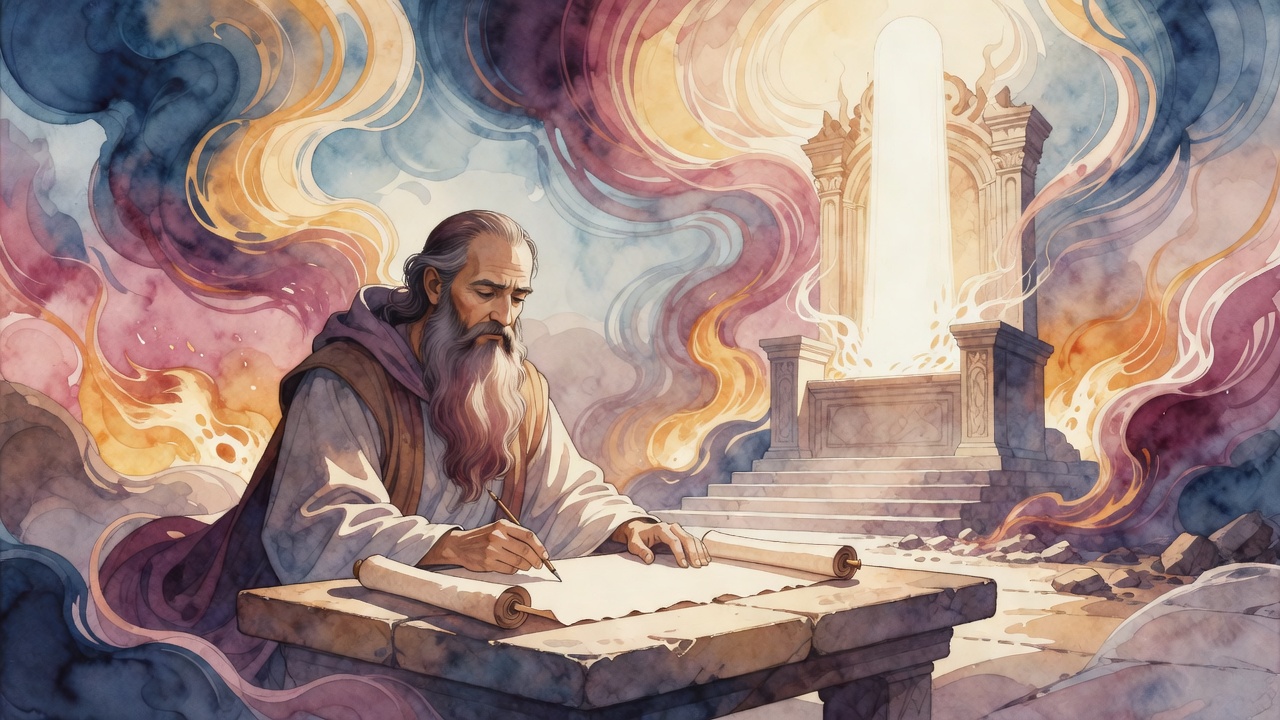
Jeremiah walks those rooms with a name that sounds like lament. How lonely sits the city. How the gold has grown dim. The Holy One's later contempt for Babylon's king is real, but it is the second anger. The first anger is for a people who returned the commandments like broken tools and then wondered why the House could not stand.
When the earth shakes years later under foreign ease and Jewish ruin, Elijah's teaching makes the tremor personal. God looks at a world that parties over ash and nearly unmakes the whole stage. Cedars that existed for Temple honor stand in memory like unpaid witnesses. Gold that was spoken for the work of the House lies melted in foreign treasuries. The dwarf of Babylon thinks he won. The midrash answers with a nickname that strips the crown to bone.
← All myths