Jeremiah Chose God for the Exiles at the River
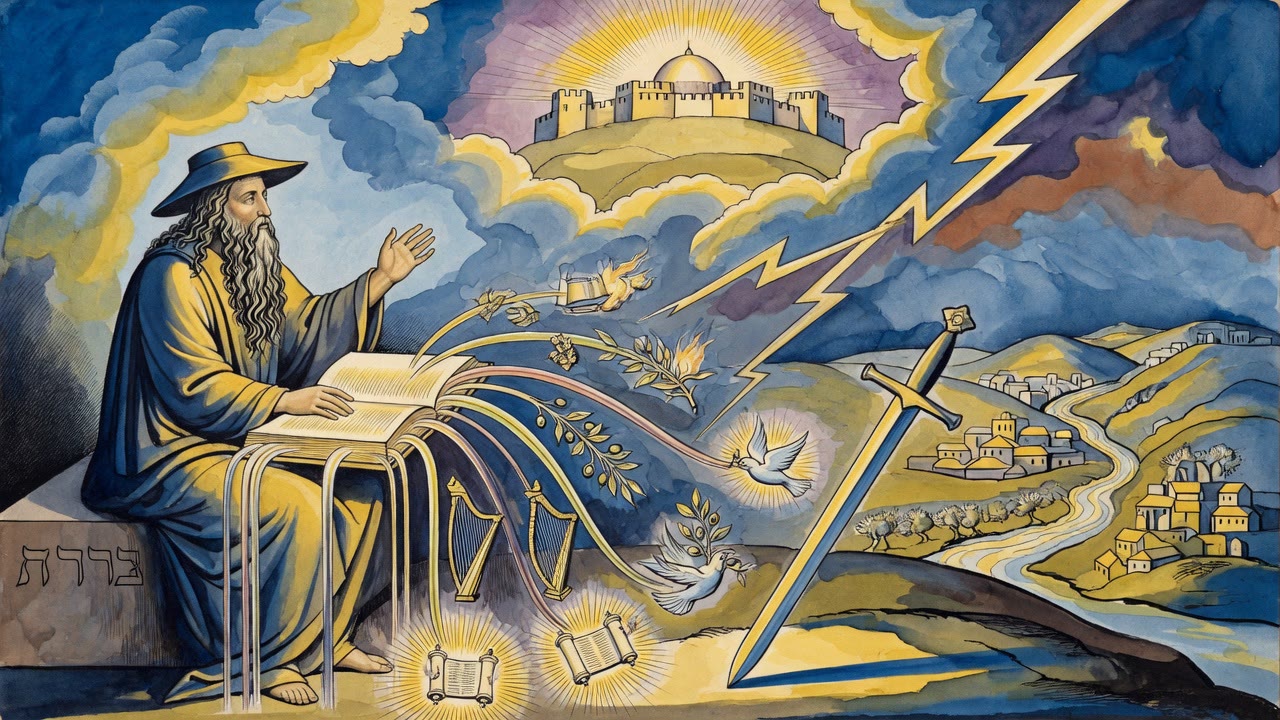
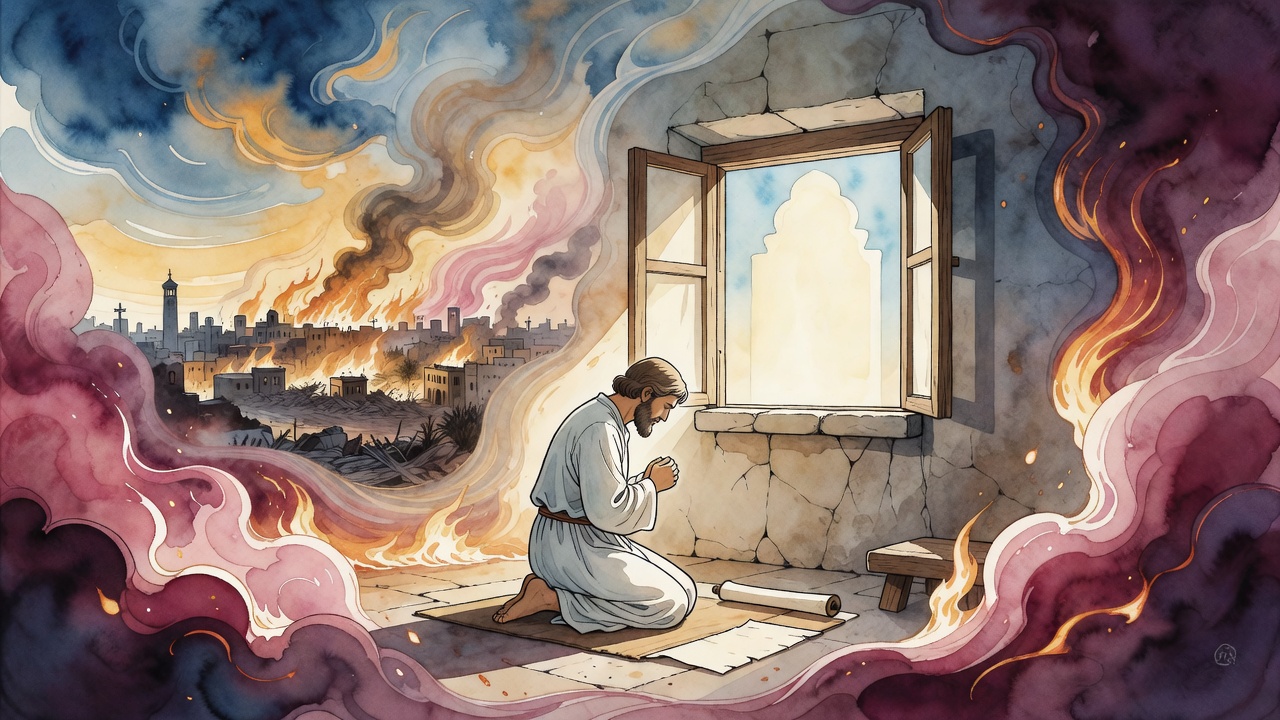
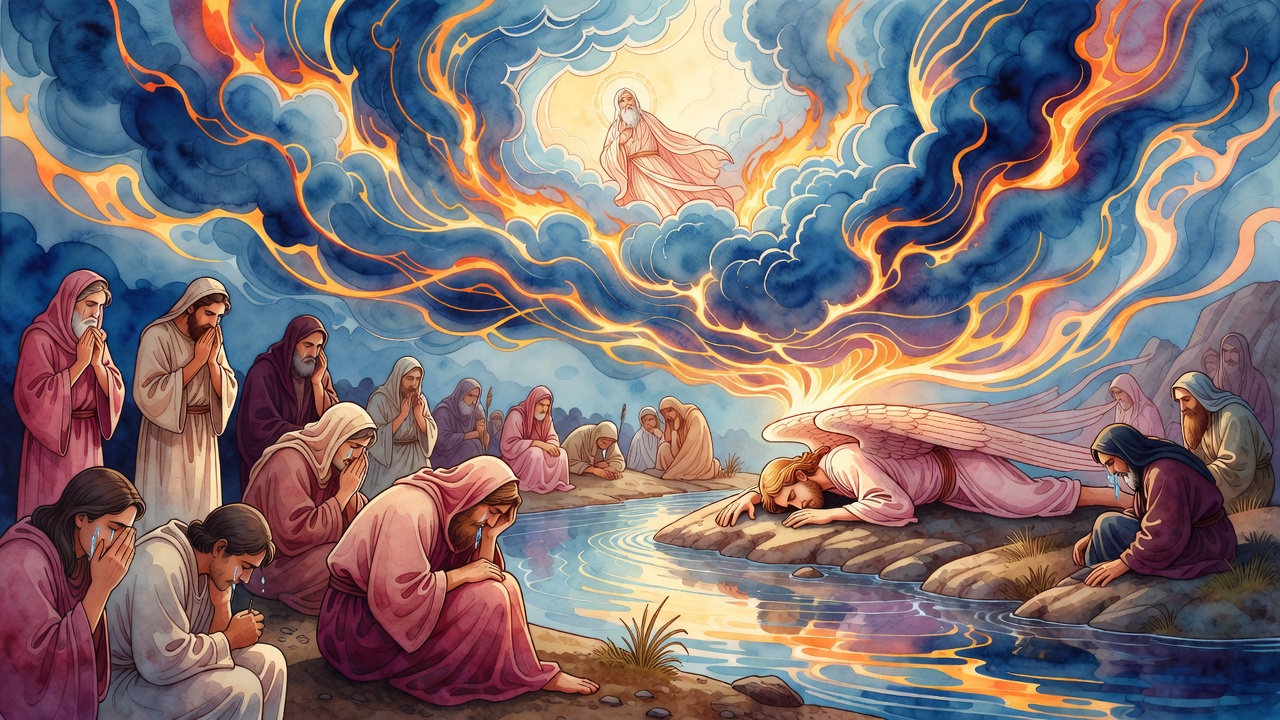
Jeremiah walked with the exiles to the Euphrates, then turned back so God would go with them into Babylon through the dark.
Table of Contents
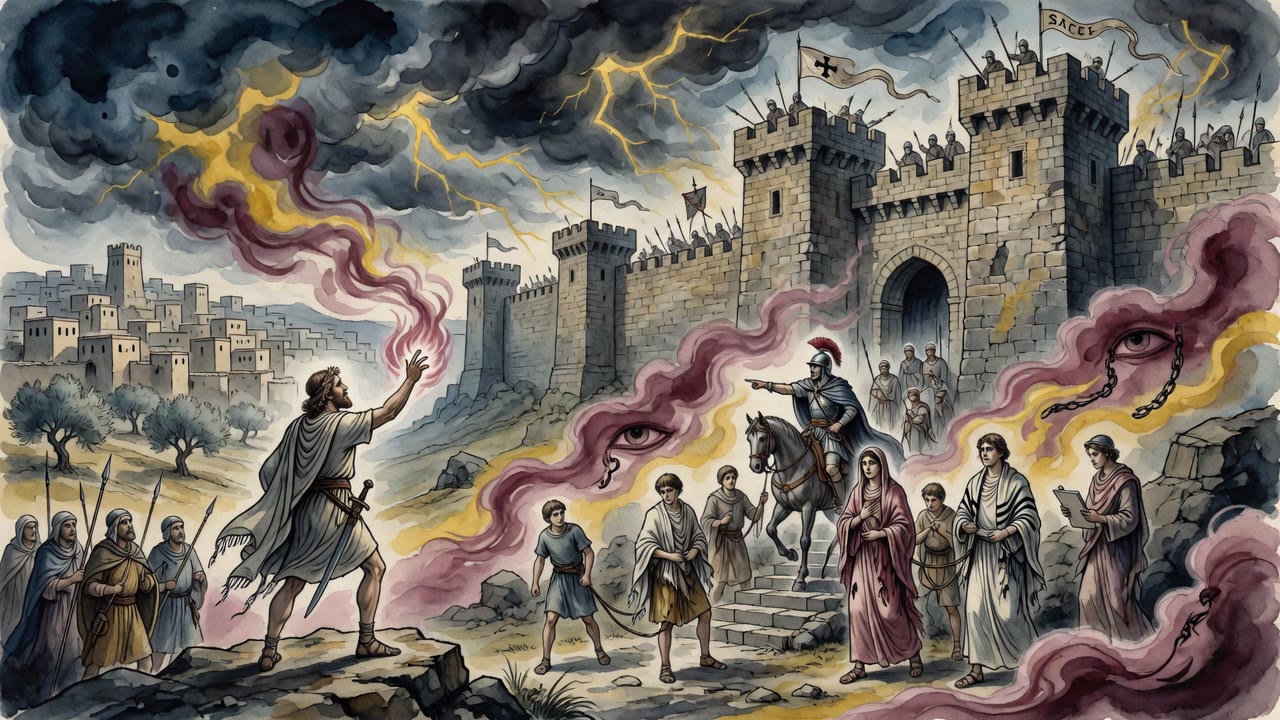
Jeremiah was offered mercy by the officer who had just broken Jerusalem. Nebuzaradan had his orders from Nebuchadnezzar: leave the prophet unharmed. "Stay in the land," he said. "Come to Babylon, if that is your wish. Either way, no chain will be fastened on your neck."
 Click for full size
The prophet did not step aside. He had spent years warning Jerusalem that the sword was coming. Now the sword had come, and freedom tasted too bitter to swallow while his people stumbled barefoot into exile.
The Prophet Chose the Captives
He joined the march.
The captives moved east in a line that could not keep its shape. Children clung to torn garments. Old men leaned into the road as if the dust itself had grown teeth. Behind them, Jerusalem smoked. Ahead of them, Babylon waited with walls, canals, guards, and a language that would make even bread sound foreign.
Jeremiah walked among them without a guard at his back. That made his presence sharper, not easier. The prisoners could see the difference. His hands were empty. Their wrists were bound. He could turn when he pleased. They could not turn at all.
The Road Refused to Forget
The highway carried more than living bodies. Blood ran in the ruts. Corpses lay where the weak had dropped and where soldiers had not bothered to count the dead. The captives had to pass them, step around them, sometimes over them, until grief became a place their feet touched again and again.
At the border of the Holy Land, the whole company broke. The cry rose from prophet and people together. Jeremiah did not soften the words he had carried for forty years. "My brothers, my countrymen," he said, "all of this has come upon you because you would not listen."
He wept while he said it. The truth did not make him clean of sorrow. It only made the sorrow exact.
The River Drew the Line
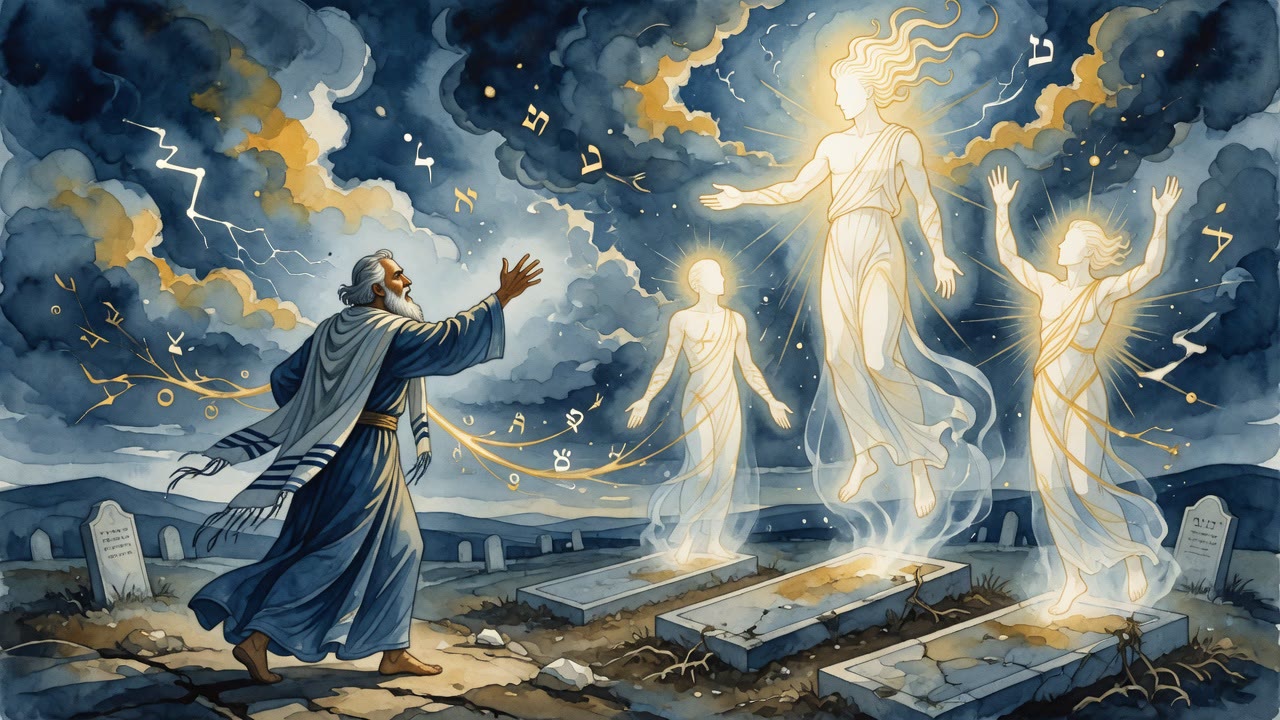
They came at last to the Euphrates. The river lay before them like a border drawn through the world. On one side stood the land promised to the fathers. On the other side waited the long captivity, a road with no visible end.
There God spoke to Jeremiah.
"If you remain here, I will go with them. If you go with them, I will remain here."
The choice was cruel because both halves were love. Jeremiah could walk beside the exiles, a father among torn children, or he could remain in the devastated land and send the King with them. The prophet knew what his own company was worth. He knew what divine company was worth.
"Master of the world," he answered, "if I go with them, what help is that? Only if their King, their Creator, accompanies them will it sustain them."
Father Jeremiah Turned Back
The captives saw him prepare to leave and cried out to him as children cry when a hand is pulled from theirs. "Father Jeremiah, will you abandon us too?"
His answer struck harder than comfort. "I call heaven and earth to witness," he said. "If you had wept once in Zion, you would not have been driven out."
One tear in the city would have weighed more than a river on the border. One broken heart before the flames would have been stronger than a thousand cries after the gates were gone. Now the cries followed him as he turned west, back toward the land where the dead still lay unburied.
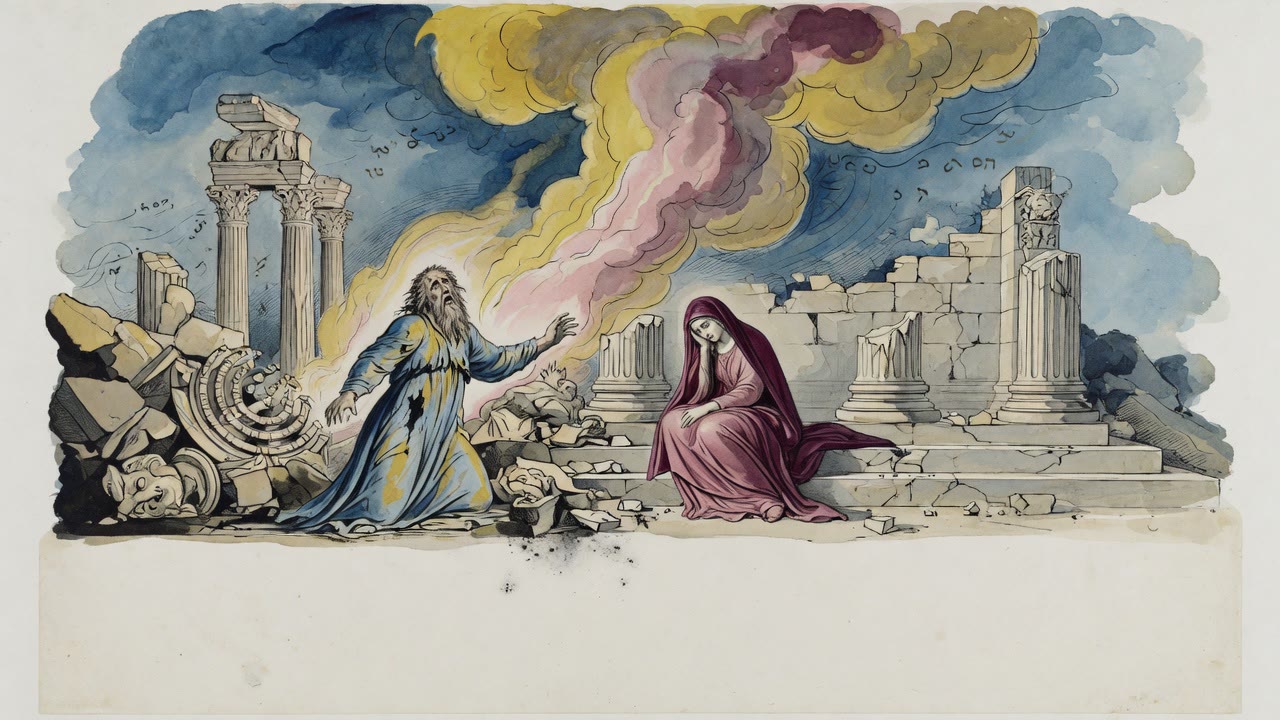
He walked home alone through the road of ruin. Severed fingers were scattered on the ground. Jeremiah bent down, gathered them, pressed them to his heart, kissed them, and wrapped them in his cloak. The prophet who could not save the living carried the fragments of the dead as if each one still had a name.
The Daughters Fell From the Chariots
There was another wound waiting for him in the memory of Jerusalem's daughters. Before the fall, when Jeremiah warned them to turn back, they had laughed away the danger. "Why should we worry?" one said. "A prince will marry me." Another lifted her chin and promised herself a prefect.
For one terrible moment, the boast seemed almost true. The nobles of the Chaldeans looked at the young women of Jerusalem and desired them. Rank, comfort, and survival glittered before them from the conquerors' chariots.
Then the glitter rotted. Disease came upon their bodies, disfiguring what had drawn the foreign lords toward them. The men who had offered rank now recoiled. They threw the women from the chariots and drove over them without pity.
Jeremiah kept walking. Behind him, God went with the exiles. Before him, Zion lay torn open. In his cloak were the fingers of the dead, held close against the prophet's chest while the river carried the captives farther east.
← All myths