The Heavens That Rained Bread on Israel Also Rained Fire on Sodom
A king stood by a baker's oven. For a friend he drew out warm bread. For an enemy he raked up coals from the same fire.
Table of Contents
 Click for full size
The King Stood at the Oven
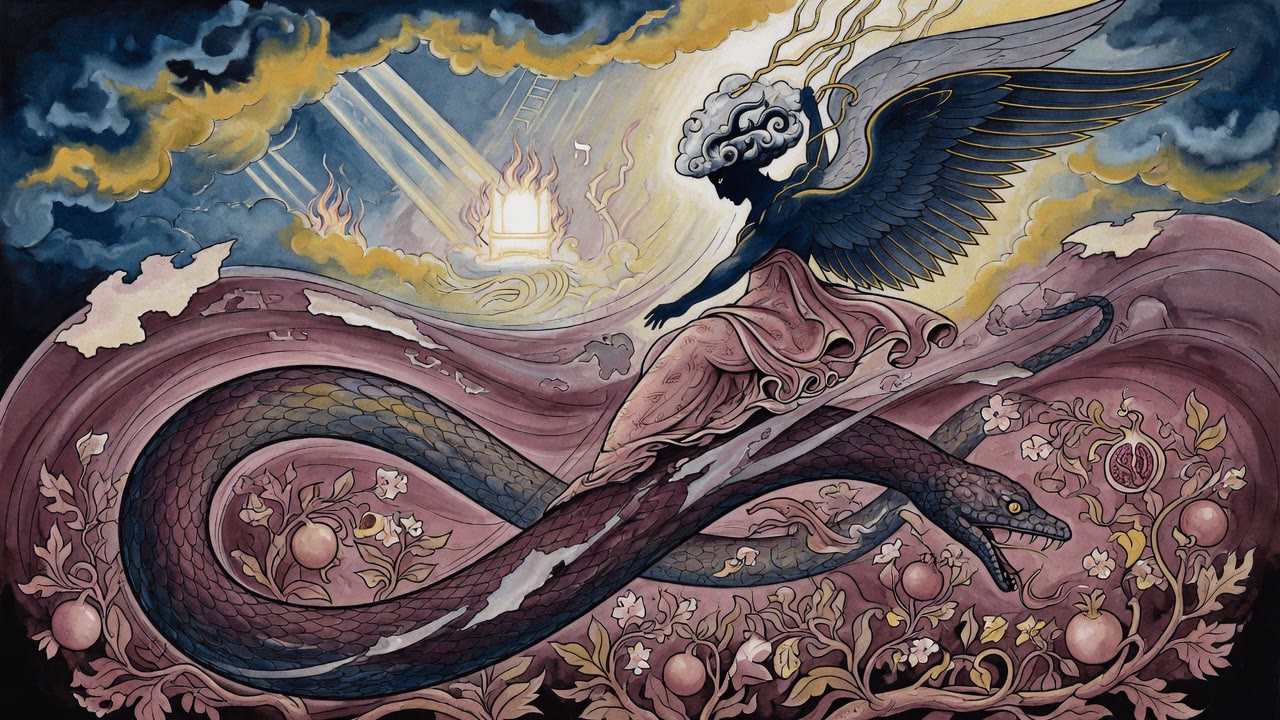
A king stood beside a baker's oven and waited to see who would come through the door. A beloved friend walked in. The king reached into the heat and drew out warm bread for those hands. An enemy entered. From that same oven the king raked up burning coals and handed them over.
One fire. Two harvests. The difference was not the oven. The difference was who stood before it.
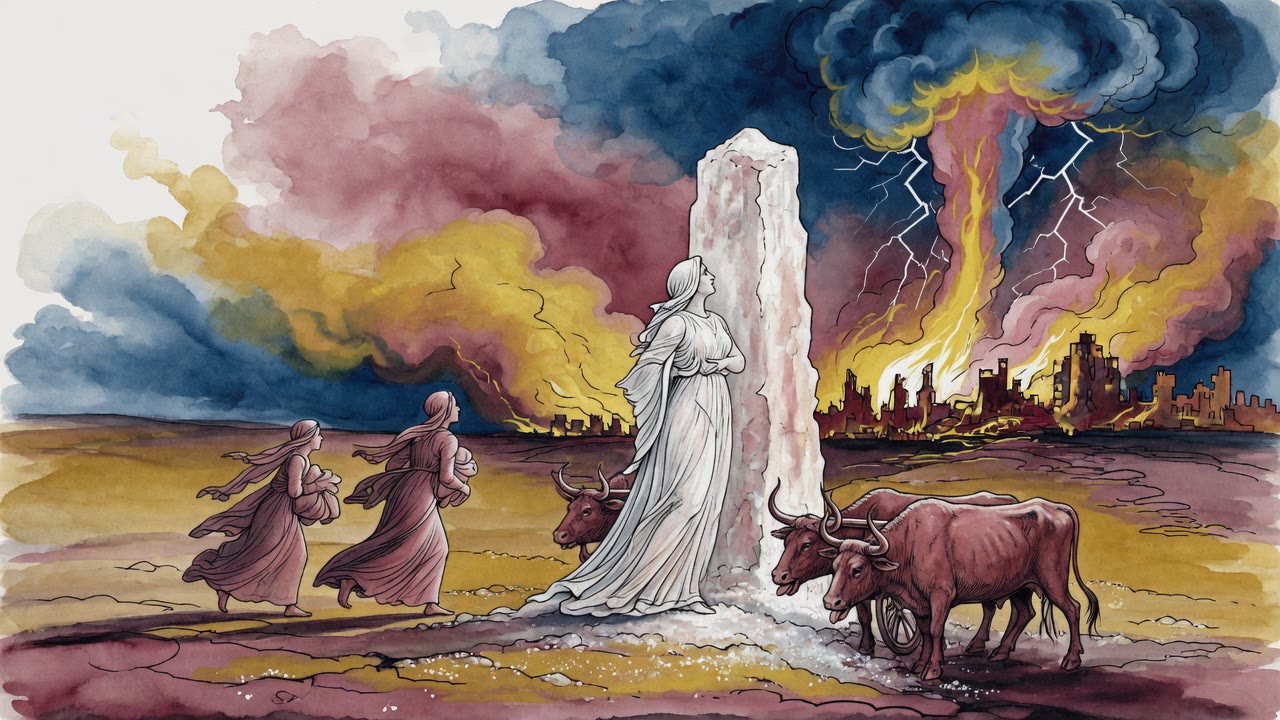
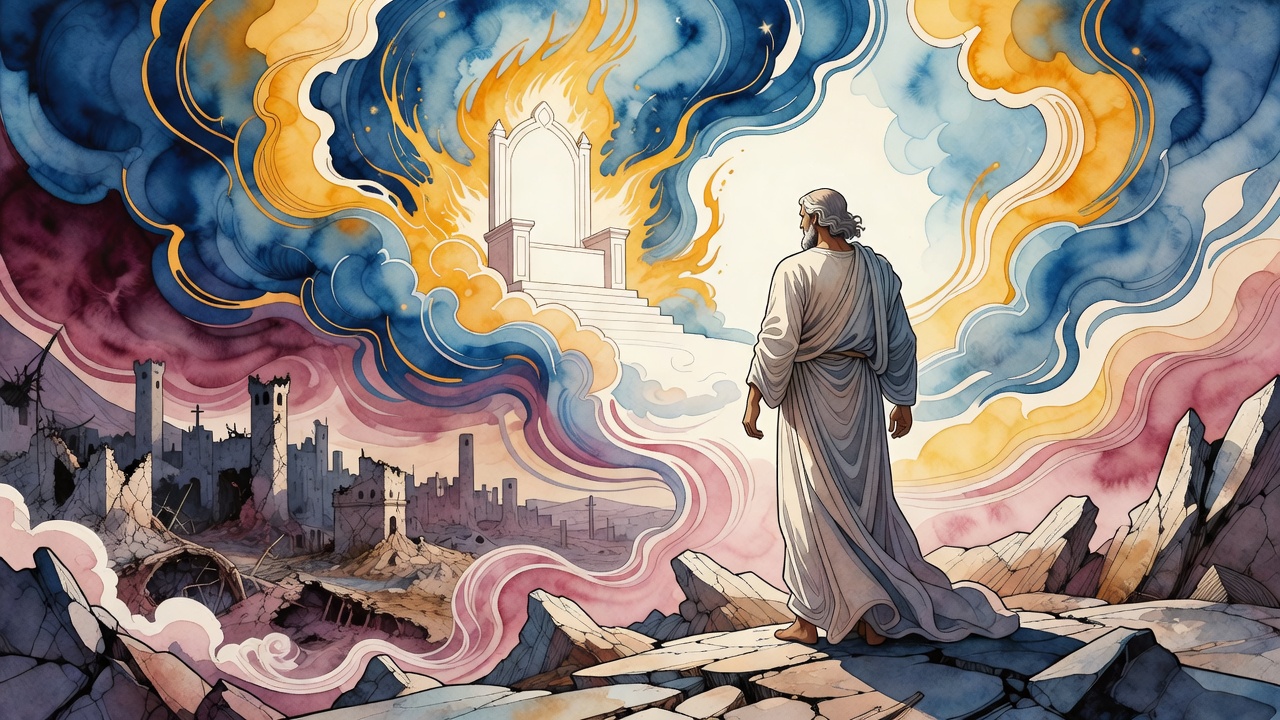
So it is with the Holy One. The same heavens hold two gifts. When Israel came into the wilderness, He rained down bread upon them. "Behold, I will rain down for you bread from the heavens" (Exodus 16:4). When the men of Sodom filled their measure with transgression, from those very heavens He rained down fire. The sky that fed a camp could also finish a city.
A Court of Seventy-One
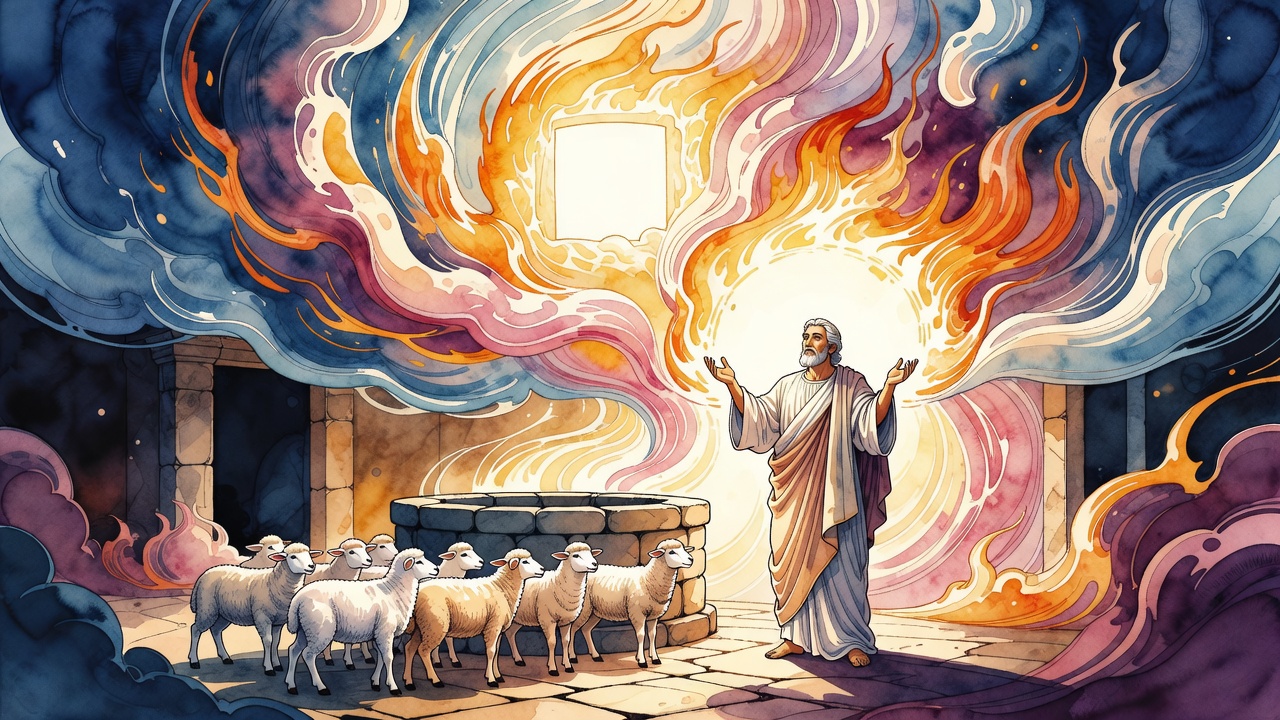
Abraham had stood on a ridge and bargained the city down toward ten righteous. The court still sat. The measure still filled.
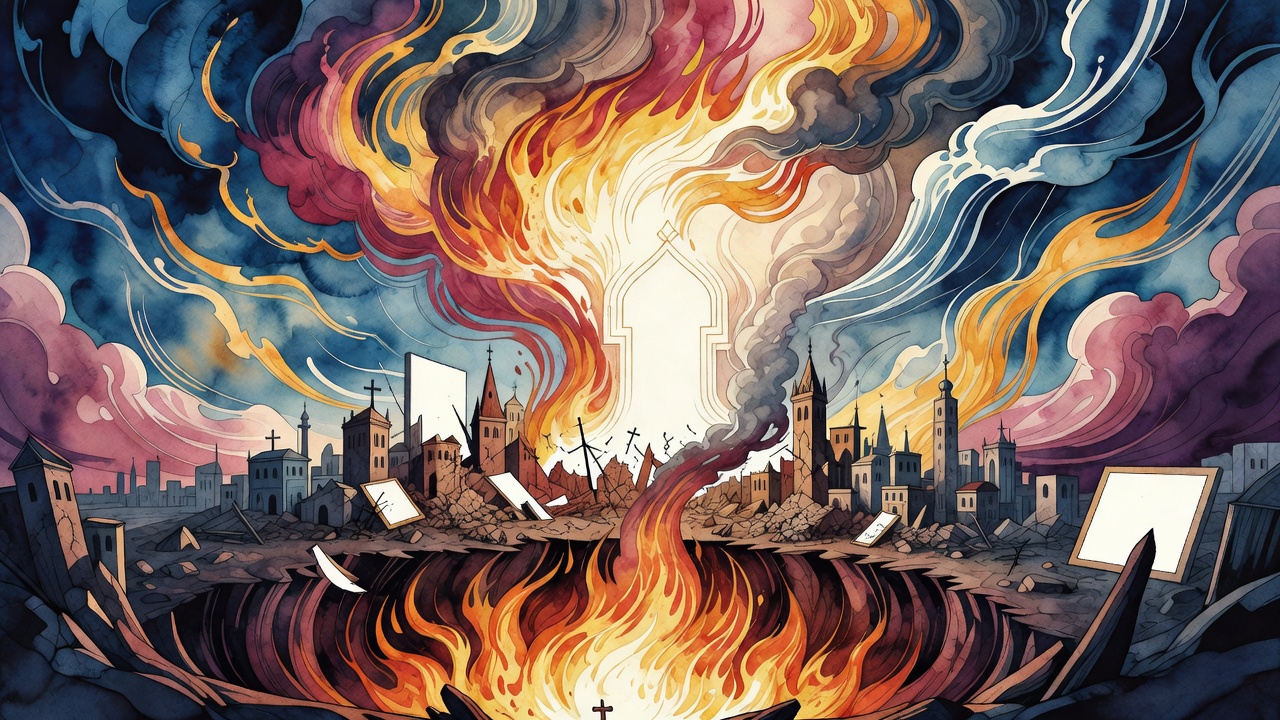
The Lord did not strike blindly. He sat over Sodom in judgment, a court of seventy-one, weighed the city, found it guilty, and only then sent down the fire that carried it off to burning. Scripture names Him twice over the rain. The doubled Name is the seal after the hearing, the way a decree is sealed with a king's ring.
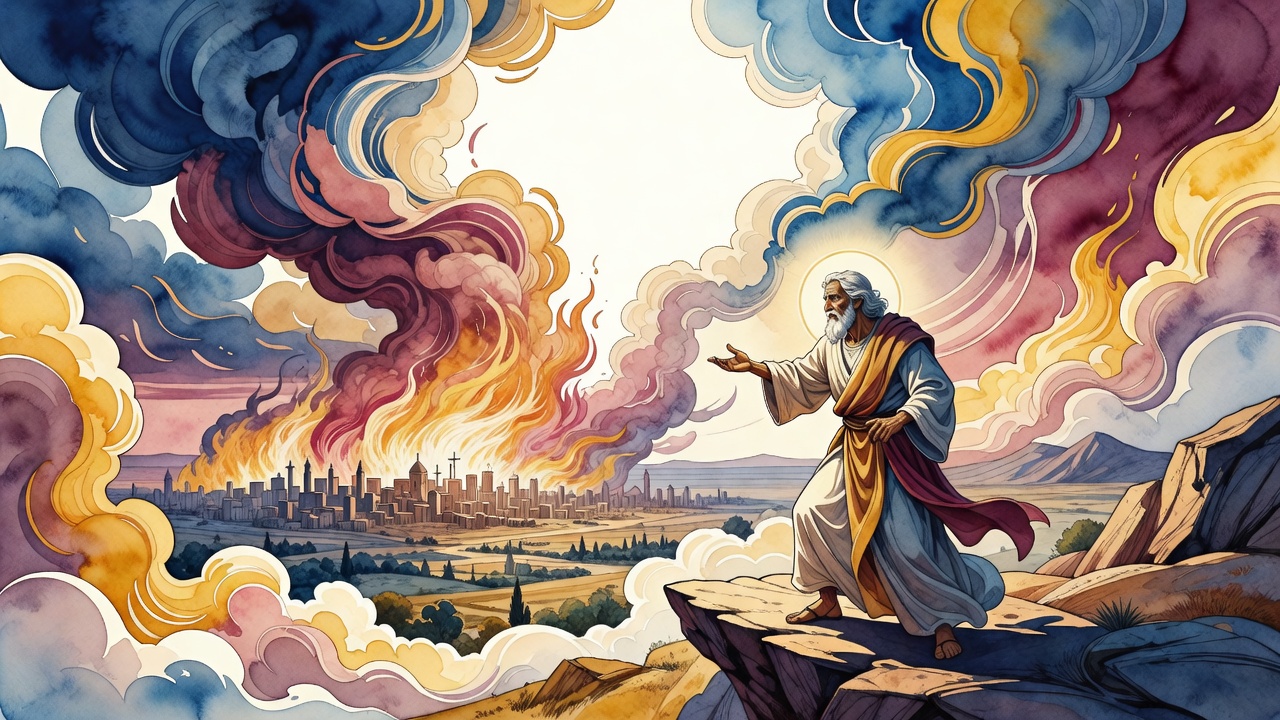
The men of Sodom had burst the banks of their lust and broken into harlotry. Fire was their sentence before the first flake of brimstone fell. For other sins the Holy One opens a door of atonement. For this, none who touches her shall go unpunished. "And the Lord rained upon Sodom and upon Gomorrah brimstone and fire" (Genesis 19:24).
Go Down and Destroy
Once the verdict sealed, the Holy One turned to the two messengers. "Why do you stand idle? Go down and destroy."
They went. Evening found them at the city gate with the hour already written. The men of the city still thought they had time. They did not. The court had closed before the messengers' feet touched the street.
On the morning after the plain smoked, the oven of heaven had not moved. Only the hands that reached into it had changed. Warm bread when the camp walks in covenant. Burning rain when a city fills a measure past mercy. Abraham's bargaining still hung in the air. The messengers still left the divine court only after the verdict was sealed.
Seventy Brothers on One Stone
Measure answers measure beyond the plain of Sodom. Hear the tale of two men who bore one name. The first Abimelech, king of Gerar, lifted his eyes to father Abraham and showed him honor, and his name stayed clean in the telling. Then came a second Abimelech, son of Gideon, and his hands were not clean.
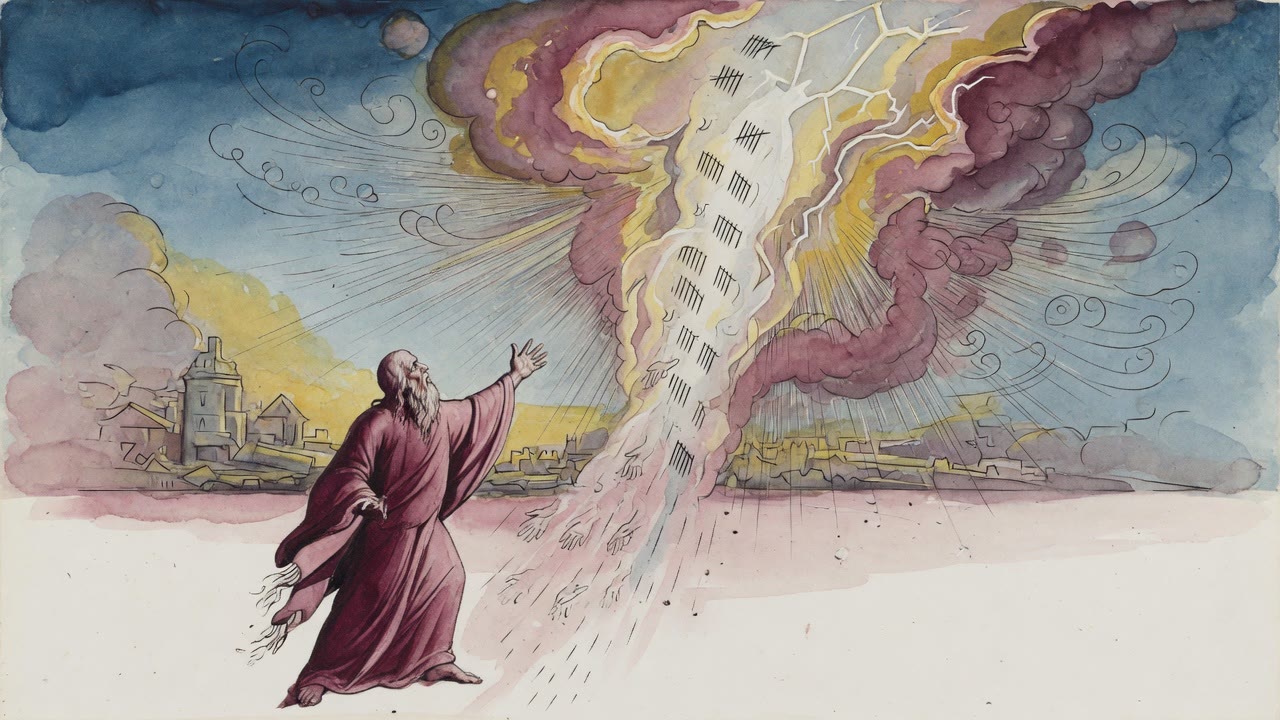
The Holy One turned to him. "Wicked one, look upon the honor the first Abimelech paid to Abraham. And you? You rose up and slew your own brothers, seventy men, upon a single stone. Woe to that man."
He had killed by a stone, and by a stone he would die. A woman climbed a tower wall and dropped a millstone upon his head. Whoever digs a pit shall fall into it, as Solomon taught. Heaven spoke again. Fear of the Lord lengthens a man's days, but the years of the wicked are cut short. "You shed your brothers' blood. By your life, I cut your years." That Abimelech ruled over Israel three years, no more.
Abimelech of Gerar had honored Abraham and kept a clean name. Abimelech son of Gideon stacked brothers on one stone and taught heaven how he wished to die. Three years of rule were all the ledger would pay. The millstone from the tower wall finished the sentence his own hands had written in blood. Bread for the friend. Coals for the enemy. The same fire. The oven had not moved.
← All myths