God Walked Before Israel Holding a Lantern
The desert had no road after the sea. At the front of the camp a lamp moved, close enough that a child could name who held it.
Table of Contents
 Click for full size
Does a High Officer Carry a Lamp
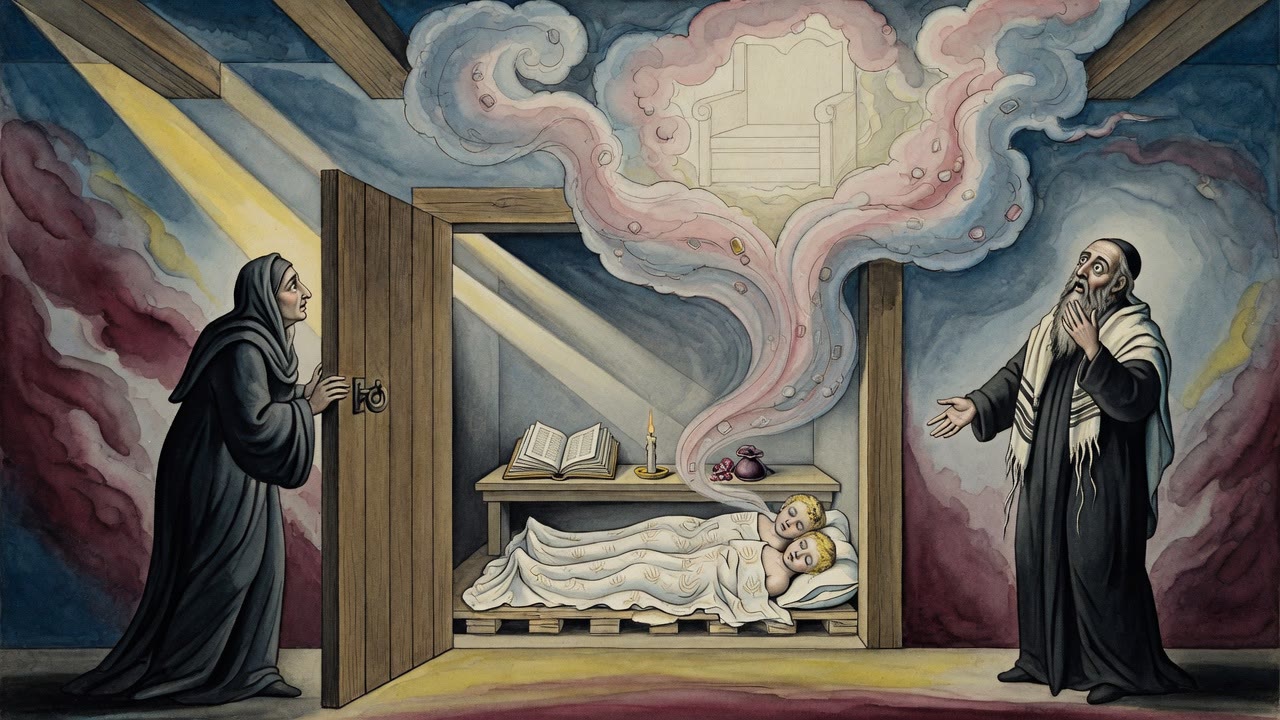
The men taking Onkelos already knew how lamps moved in the empire. A low clerk carried fire before a higher clerk. That man before a duke. The duke before a governor. The governor before a comes, the high officer whose boots never had to find the dark for anyone else.
"Does a comes ever carry a lamp for ordinary people?" Onkelos asked.
"No," they said.
"The Holy One carried a lamp before Israel."
They looked at him. He was a convert they had been sent to fetch. The road was Roman. The picture he gave them was a desert road, and a God who walked it holding a lantern.
A Father Walked the Dark
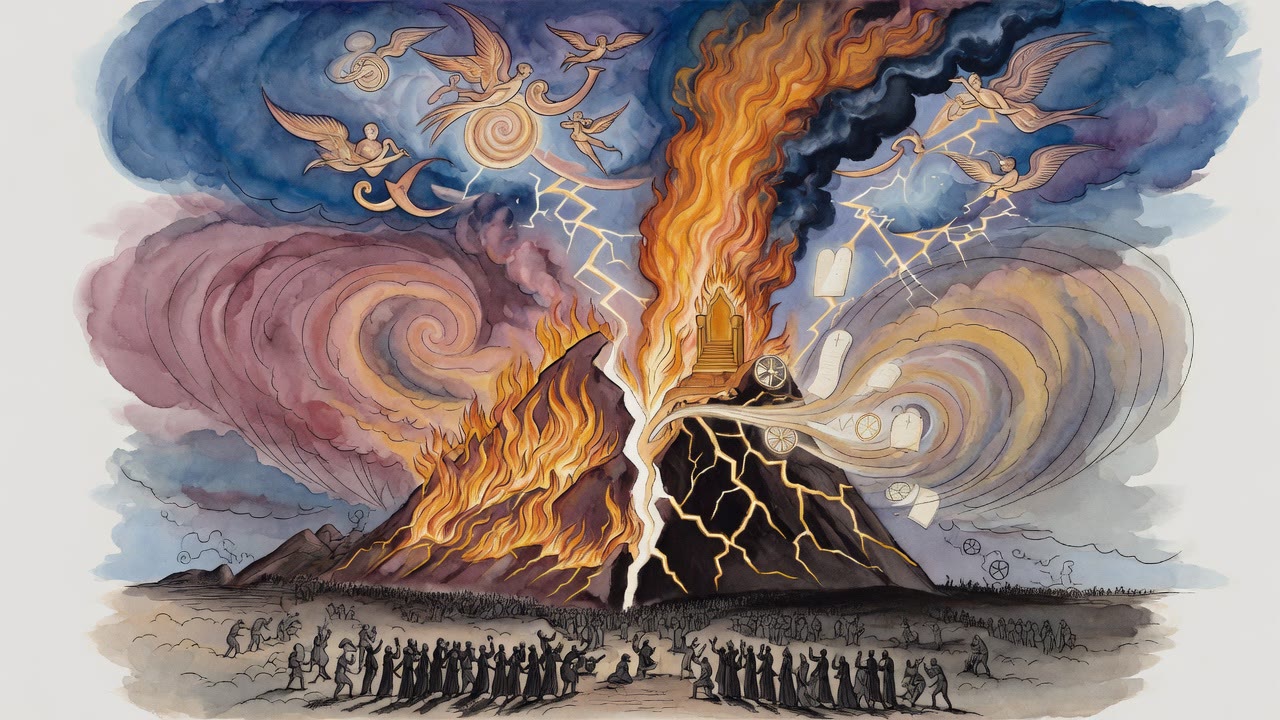
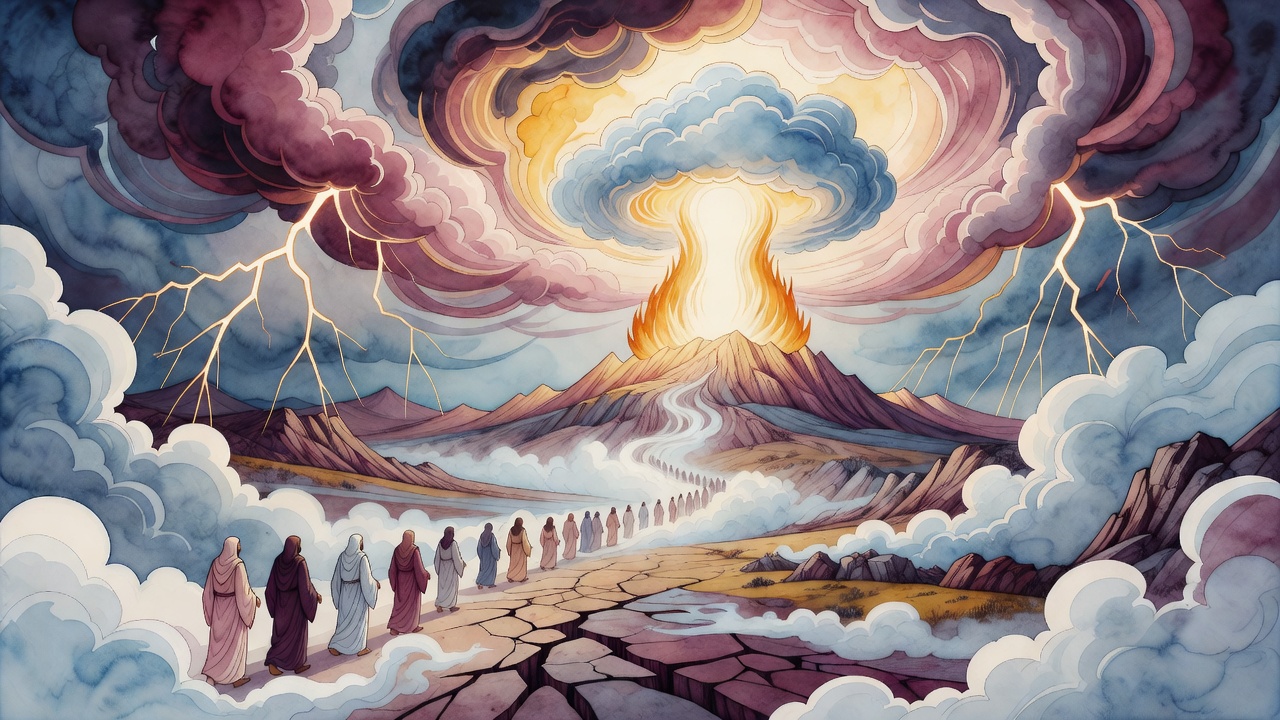
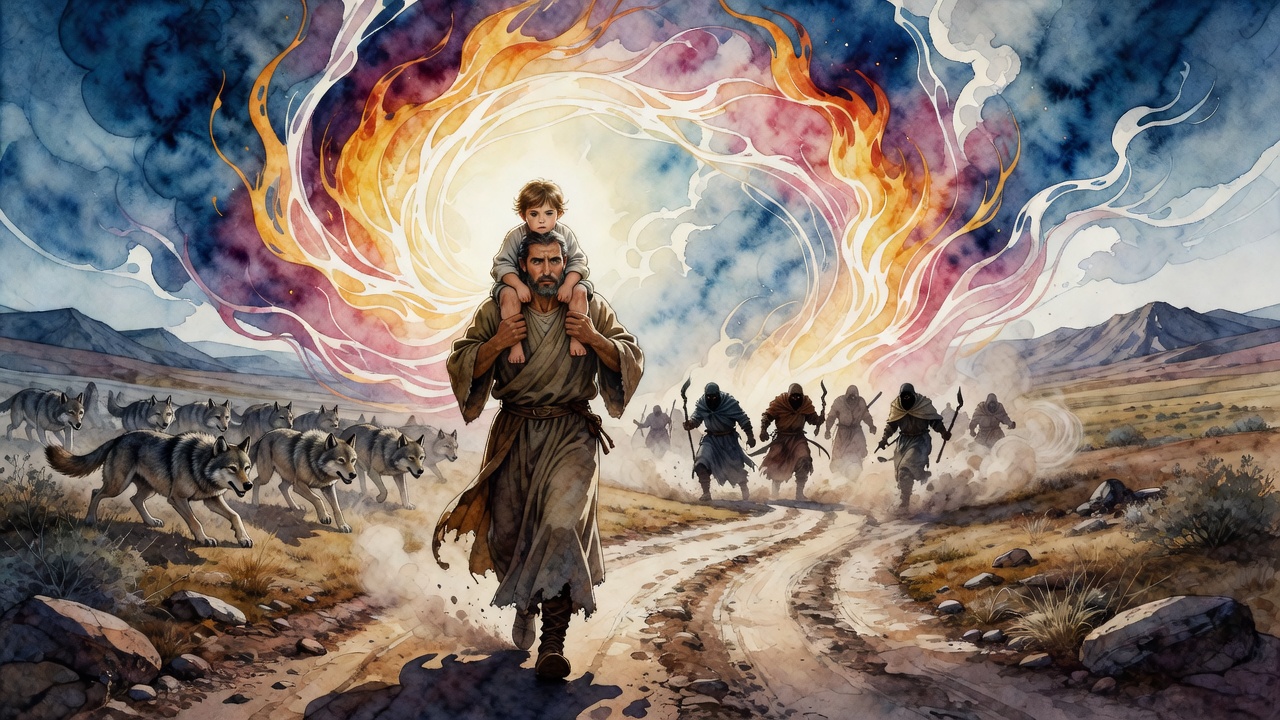
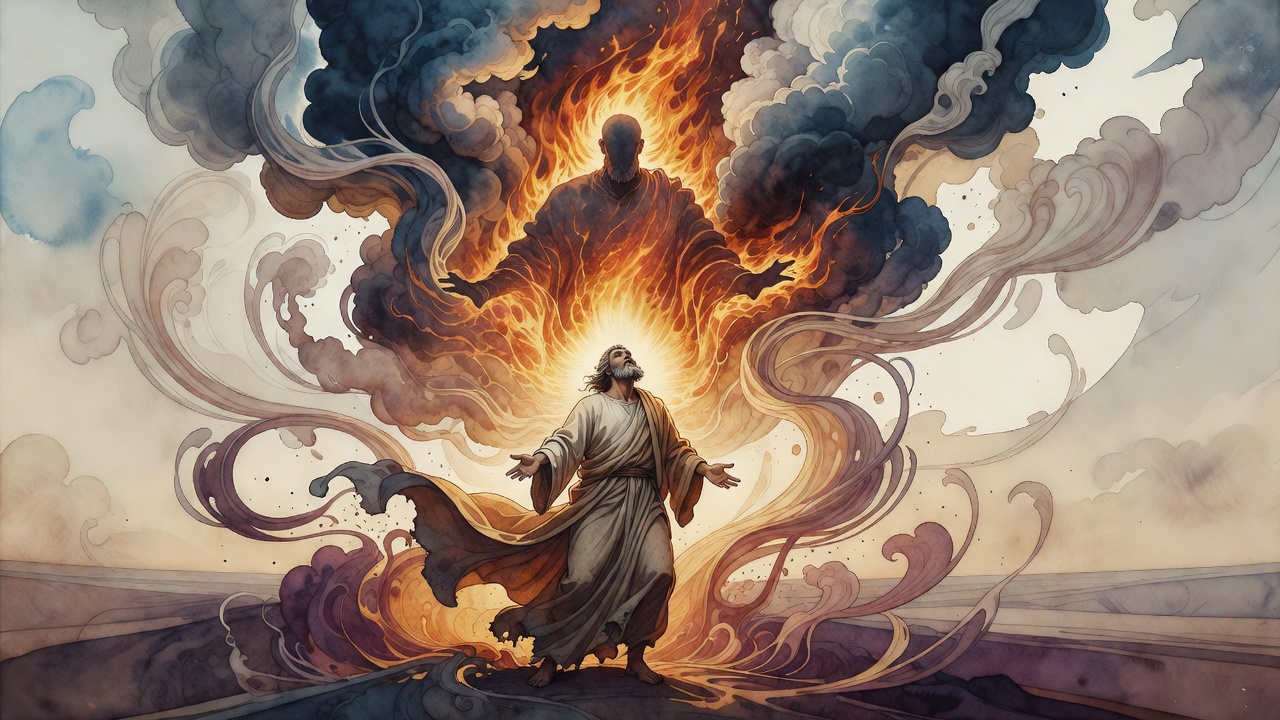
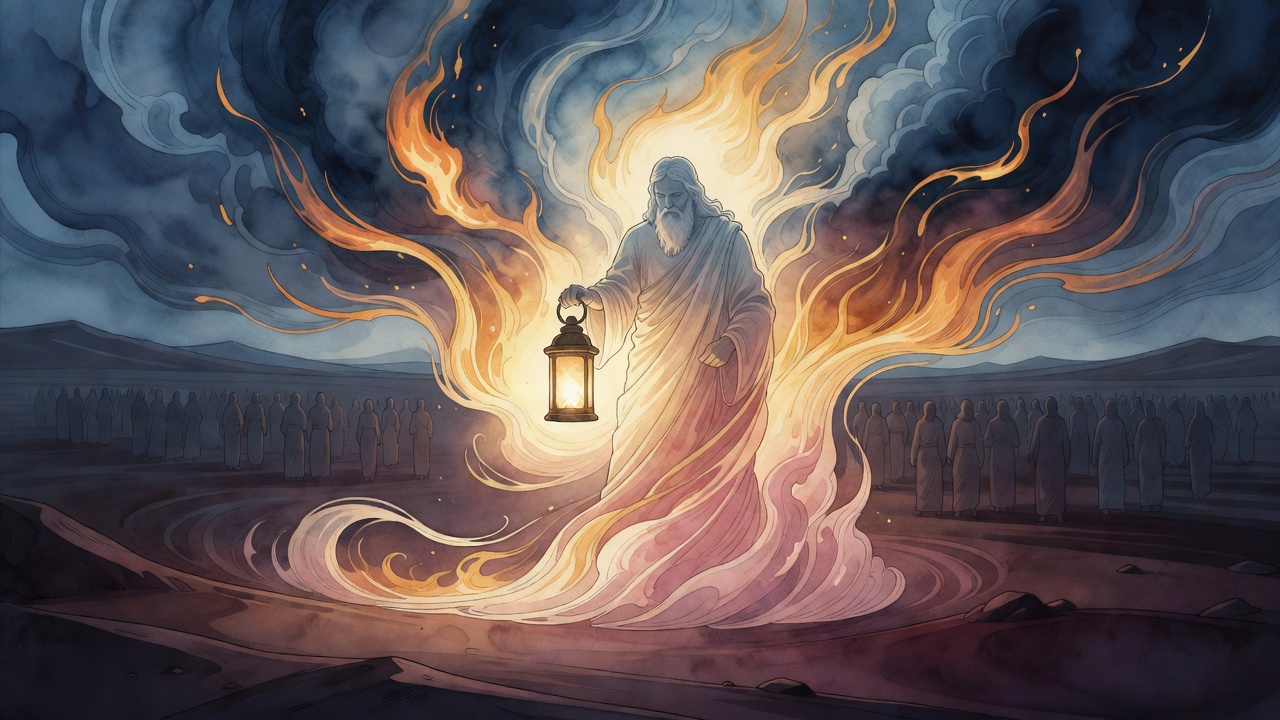
After the sea closed, the wilderness opened black and long. Cloud by day and fire by night are the famous shapes. In the camp the light was closer than a pillar. God went before them with a lantern, like a father holding a torch for his son, like a master lighting the path for a servant.
Not a pillar only. A hand. A lamp. Children born in the sand never saw Egypt, but they saw the light that went first. When the lamp moved, they folded tents. When it rested, they learned the shape of a holy stop.
A boy once ran to the edge of the camp and pointed. The flame sat in the dark the way a kitchen lamp sits in a doorway, except the doorway was the whole night, and the hand that held it did not tire. His mother pulled him back by the sleeve. The lamp did not pull back. It waited until the last donkey was tied, then it went on.
Sand underfoot. Stars overhead. Between them, a light that moved when the camp moved and stopped when the camp stopped. The desert did not get to define the night.
The Nations Were Told to Look
Guidance was not the whole gift. Display was part of the mercy. God went before Israel so other nations would treat them with care, seeing who walked at the front of that column. A lantern is an intimate tool. It is also a public claim. This people is not abandoned cargo.
Amalek still struck the rear. Thirst still came. Snakes still found the path. The lantern did not erase danger. It refused loneliness. A father does not carry a lamp because the road is easy. He carries it because the road is dark and his child is on it.
Inside the camp a child could point and say the night had a leader. Outside, the same light was a warning. Treat this people carefully. Look who walks in front. Egypt still nursed rage across the water. Midian watched from the east. The column kept moving with a divine lamp-bearer at its head, and the nations had to decide whether to mock a people who followed a light or to step aside.
Fire That Did Not Melt the Copper
The same element that walked ahead as a lamp had another career. Whoever exalted himself was judged by flame. The generation of the flood sneered at serving the Almighty, and even their drowning rains were brought to a boil. Sodom lifted itself and got brimstone. Pharaoh asked, "Who is the Lord?" and hail came down with fire inside it. Sisera pressed Israel with insults. Sennacherib asked which god of the lands could stand. Nebuchadnezzar asked what god could deliver from his hand. Each raised a neck. Each was answered by fire.
Israel, lowly in this world, was not punished by fire. Fire comforted them. The Lord promised to be a wall of fire around His people. For more than a century, fire clung to the altar without consuming wood or melting copper. Moisture on the metal was only a film as thin as a coin. Temple fire behaved like no earthly flame.
Lantern and wall, escort and altar. One element. Two jobs. Furnace for the proud. Fence and lamp for the people who did not strut. Forty years is a long time to hold a lantern. God did not light the first night and leave the rest to memory. He went before them until the Jordan edge.
The Officers Put Down Their Rank
Onkelos finished the picture on the Roman road. Forty years of a God who held a lantern. Forty years of a camp that folded and rose by that small stubborn light. He did not dress it as a pillar. He dressed it as a hand.
The officers had come to take a man. They stood in a chain of rank that never carried fire for anyone below it. Then they heard of a God who walked first, holding a lamp a child could understand, through a desert that had no other road.
They converted in the road. The lamp they had refused to imagine in a comes' hand was already older than Rome. Israel had walked inside it until the land's edge taught them a new kind of light.
Cloud and pillar still stand in the verse (Exodus 13:21). The lantern stands beside them, closer to the hand.
← All myths