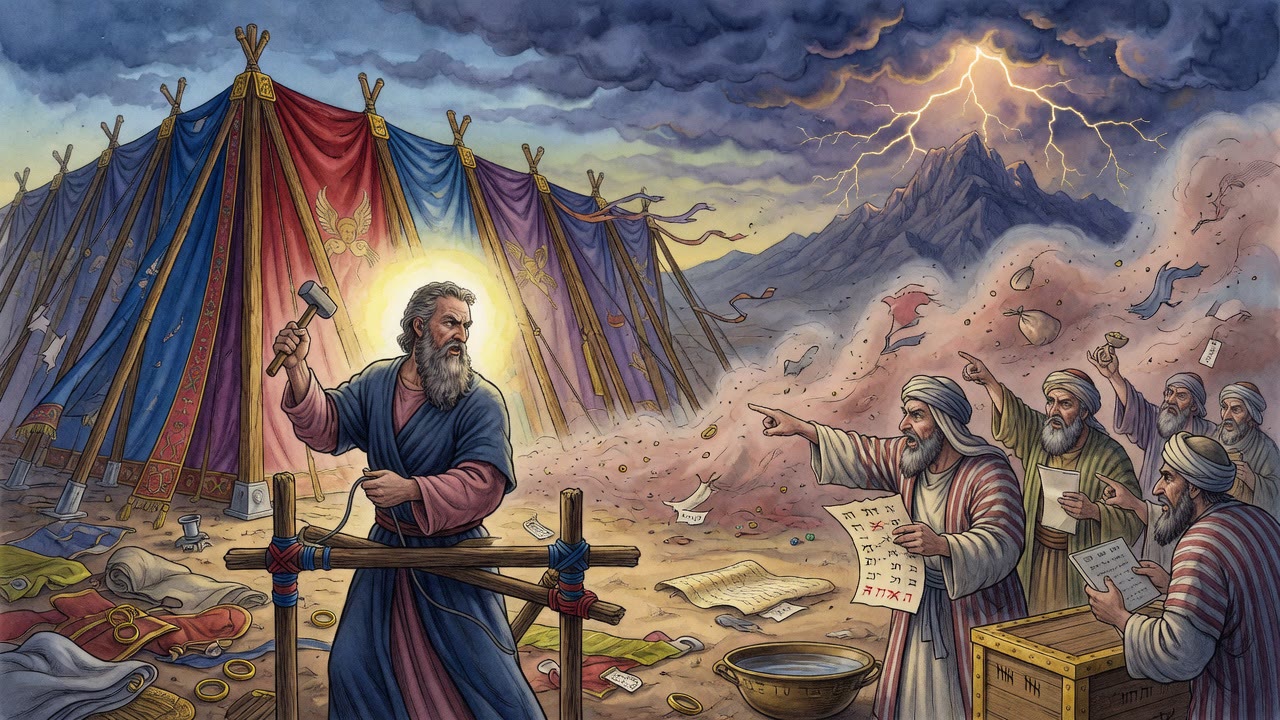
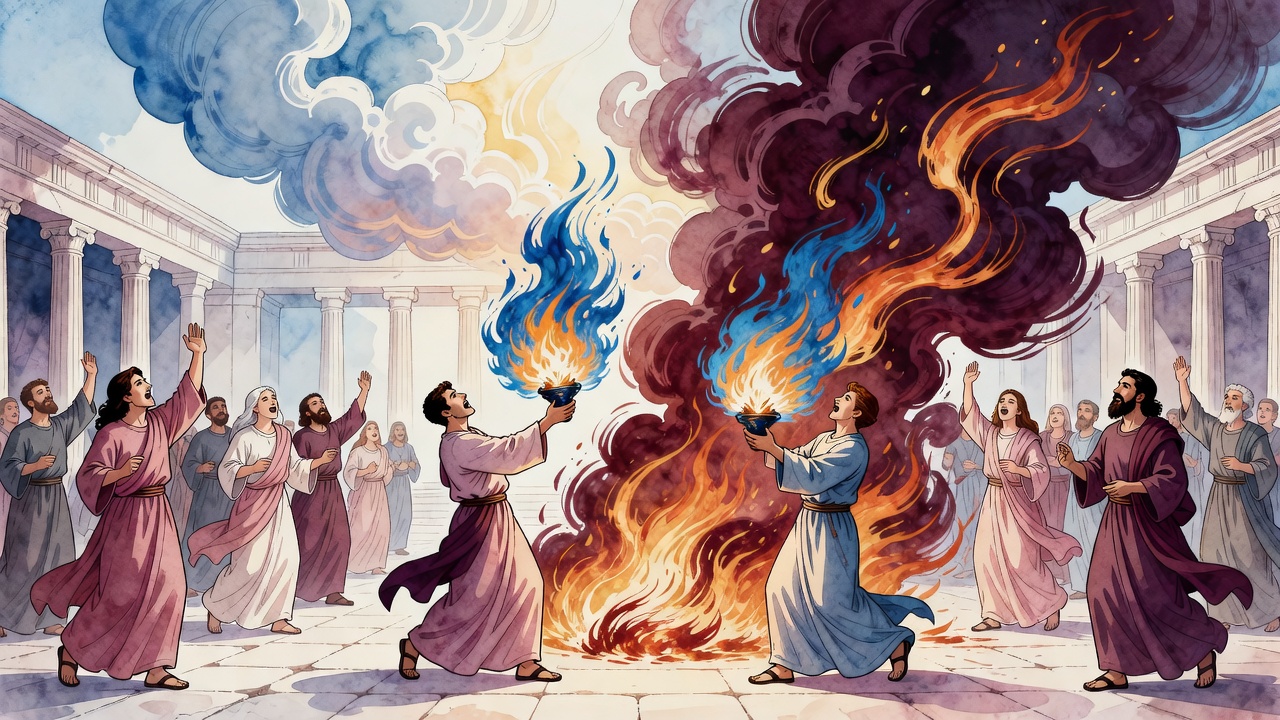
Homes Went Dark While the Altar Fire Stayed
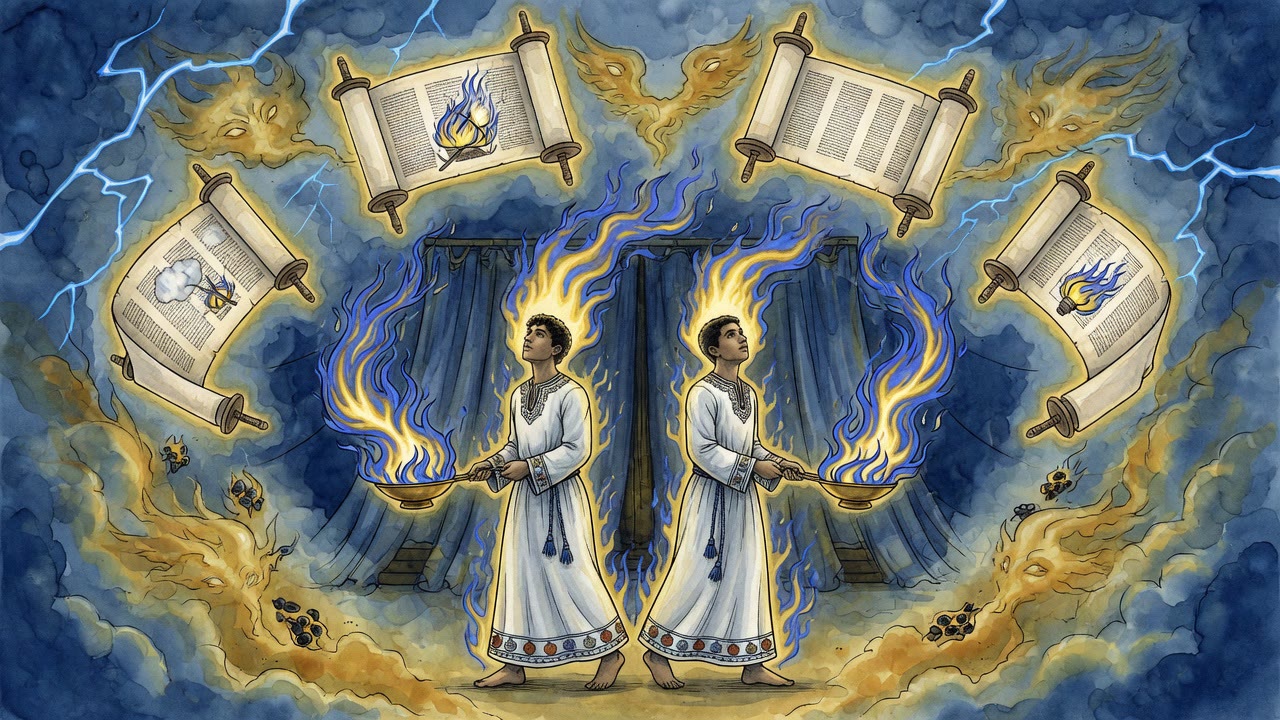
Sabbath houses sat without new flame. In the Temple the perpetual fire kept eating wood, and a disciple asked why fire alone was named.
Table of Contents
 Click for full size
Cold Hearths at Dusk
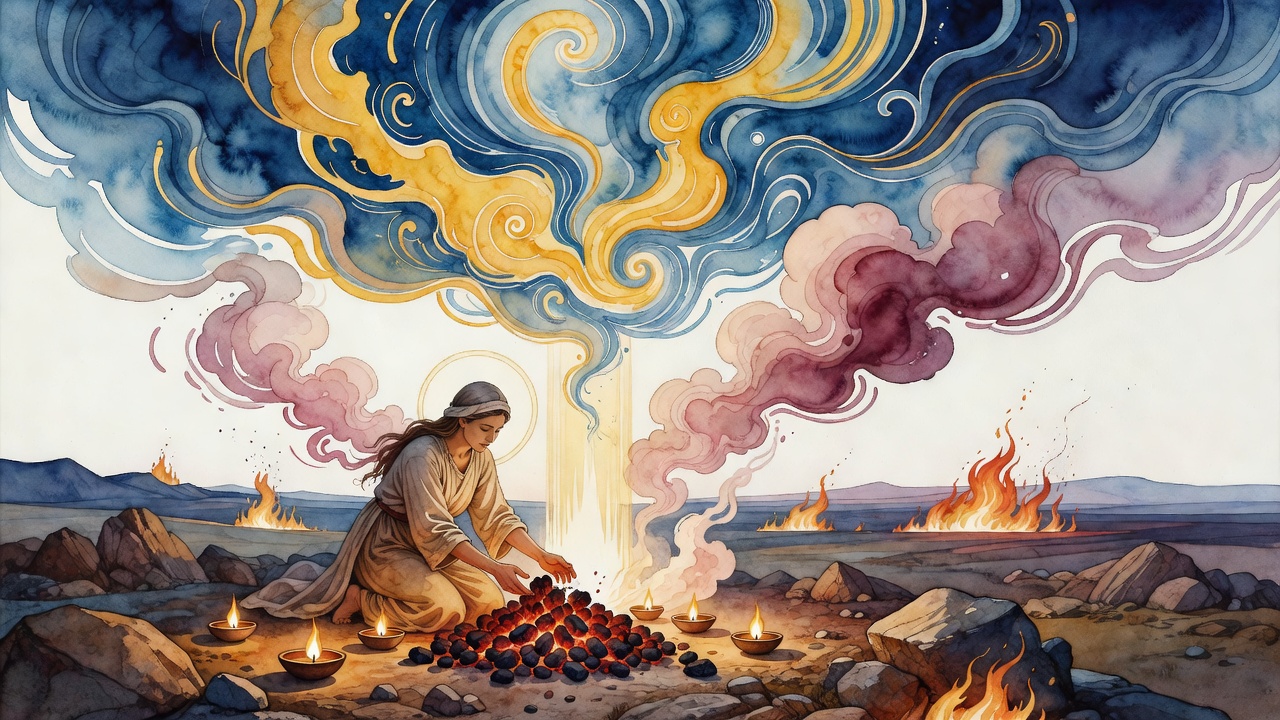
Across Jerusalem the pots cooled. "You may not light a fire in all of your dwellings" on the Sabbath (Exodus 35:3). Mothers banked what they could before the day arrived. Children learned the dark as a guest, not a failure. The holy day entered houses as a held breath over every spark.
A child who reached for a coal felt a hand close gently over his wrist. What he learned was not fear of flame alone. It was the shape of time: six days for making, one day when making stops so that a people can remember who finished the world and rested.
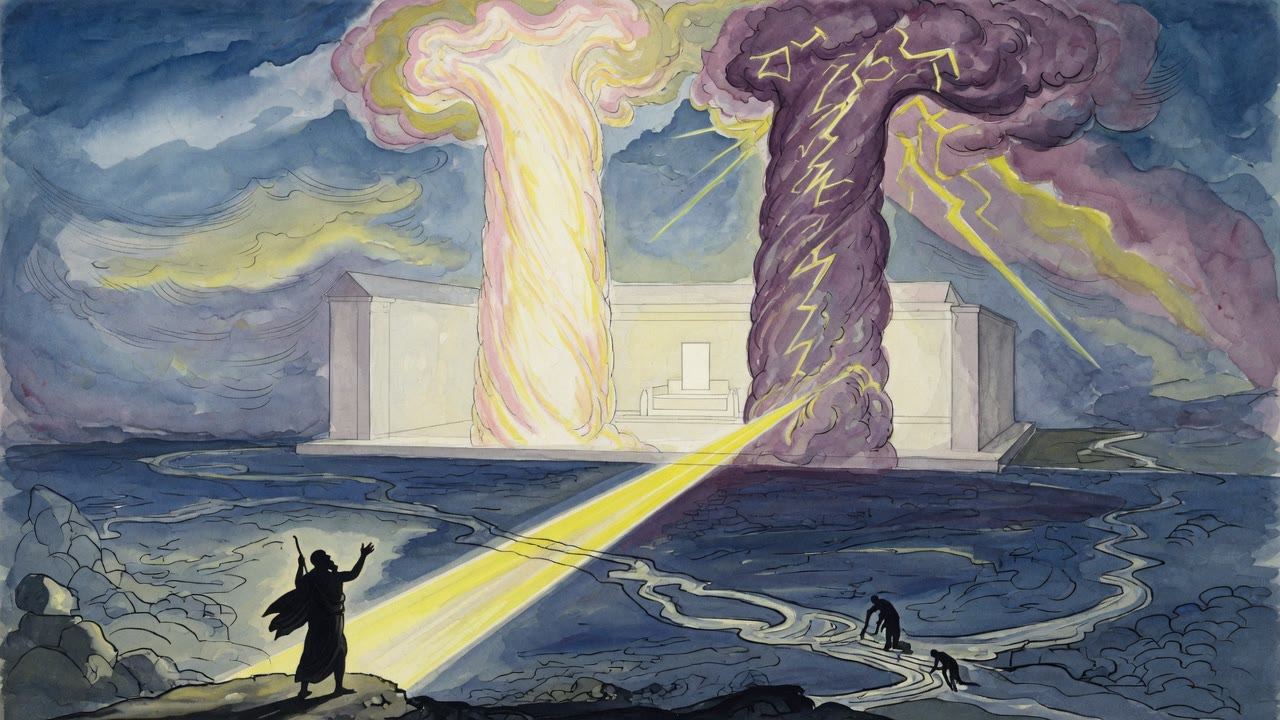
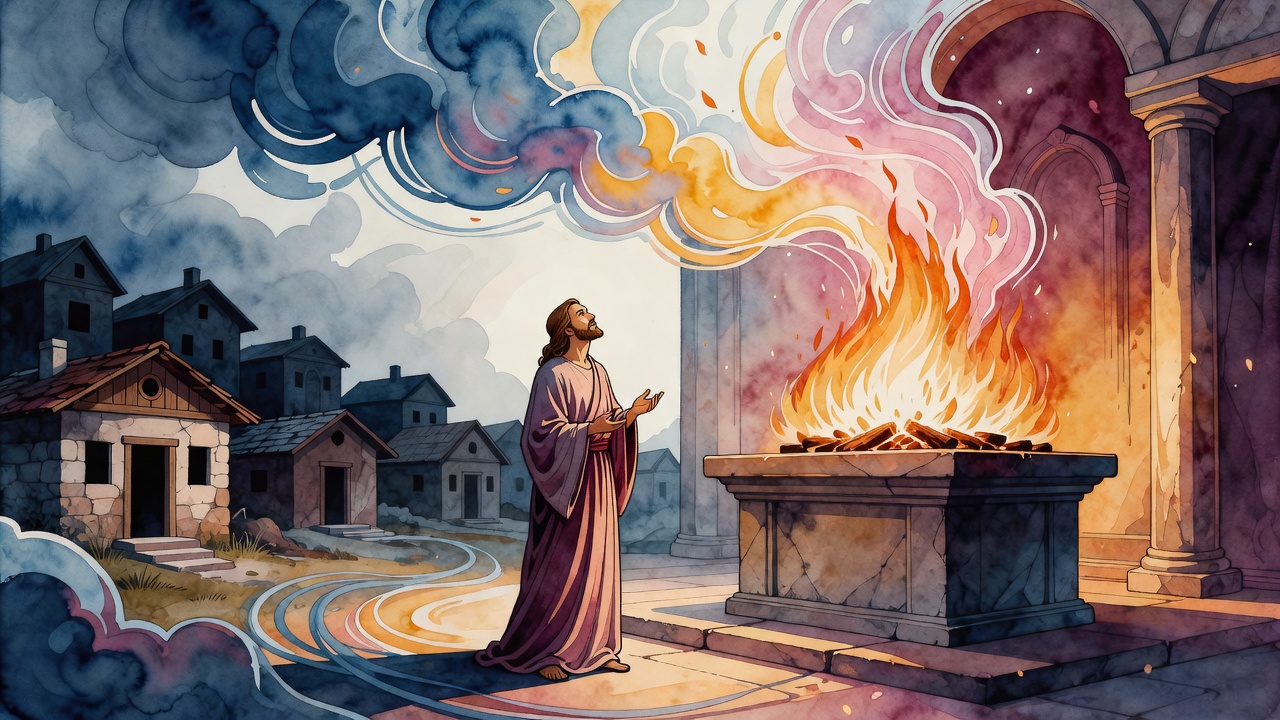
In the sanctuary another order held. "A perpetual fire shall burn on the altar; it shall not go out" (Leviticus 6:6). Wood still met flame. Smoke still rose. The same God who darkened kitchens kept a fire eating on the altar through the seventh day.
Dwellings, Not the House of God
The clash looked absolute until the verse's last words did their work. In your dwellings, no. For the Temple woodpile, yes. Kindling for the altar is not the private hearth. The death warning on Sabbath profanation does not strangle the service already commanded to never fail. Home rest and public fire stand in different rooms of the same law.
A disciple in the academy of Rabbi Yishmael still raised his hand. Why single out fire if general Sabbath labor already covers it? He walked the penalties. A sin whose judgment is death. Those who profane the Sabbath shall be put to death. Do courts kill on the holy day? Does "put to death" mean heaven's hand? The fire-verse becomes a lens for when and how the day is enforced, not a random extra ban.
The Chamber of the Hearth
Priests on night watch had a warm room, the Chamber of the Hearth. The Mishnah says they lit its fire as dusk came. Rabbi Yehudah tied that comfort to the dwellings-verse by contrast: homes no, Temple precinct yes. Rav Chisda pushed back. If so, the verse would seem to license that hearth even on the Sabbath itself, which is not the law.
So Rav Chisda cut finer. The verse's real permission is not a cozy room. It is the altar's ongoing work: limbs and fats already on the fire before Sabbath that must finish burning on the holy day. Service already underway continues. A new flame for comfort does not get the same pass. The boundary holds even inside sacred walls.
What the Dark Teaches
A family sat without a fresh coal and knew the day by the absence. A priest watched altar wood collapse into red and knew the day by the presence. Both were obedience. The disciple's question kept the academy honest. Fire is named because fire tempts every hand, and because the altar will not be extinguished by a mistaken piety that freezes the offerings mid-burn.
Profanation still kills. Courts still wait for weekday justice. Heaven still keeps its own accounts. The dark kitchen and the bright altar are not a contradiction. They are a map: rest for dwellings, continuity for the fire that belongs to God alone.
Smoke Over Two Kinds of House
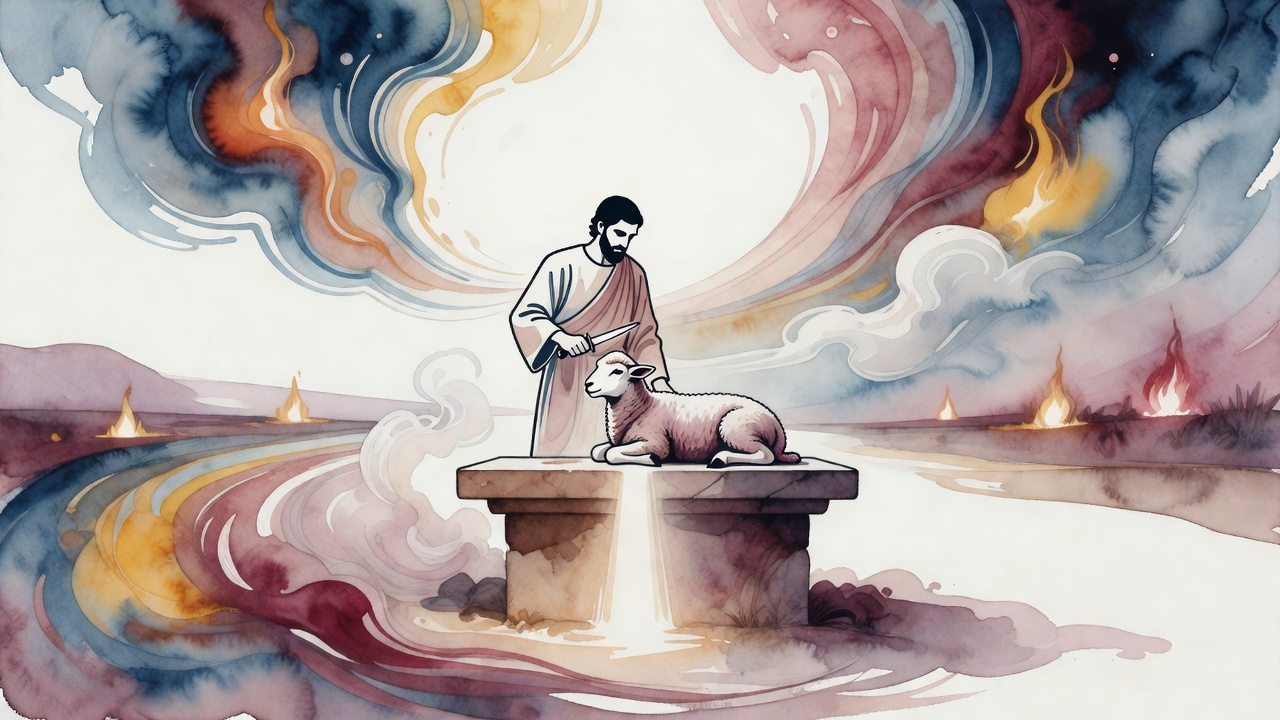
When Sabbath ended, home hearths woke again. The altar never needed to. Between those facts a people learned the difference between a house they own and a House they serve. The disciple went home with soot of argument on his tongue. The priests banked nothing on the altar. The city smelled of held sparks and unfinished smoke.
Penalties Mapped Onto Holy Time
The disciple's alternatives matter. If "those who profane it shall be put to death" means deaths other than court execution, heaven's hand stays in view. If it means court death, then weekday timing protects the Sabbath from becoming an execution day. Fire is singled out because it is the labor every household understands and because the altar's "it shall not go out" must not be misread as a license to treat all flames as equal.
Rav Chisda's cut saves the day from two errors: freezing the offerings, and turning the Temple into a spa of permitted hearths. Limbs and fats already on the fire may finish. A new coal for comfort waits for the stars to come out. Cold kitchens teach the people. Continuing altar smoke teaches the priests. The city holds both lessons in one night of smell and restraint.
By morning the debate in the academy would still be warm. Fire named. Dwellings limited. Altar continual. Hearth chamber narrowed to what the offerings require. The people did not need every argument to keep the day. They needed the dark kitchen and the knowledge that somewhere a commanded flame still served without turning their rest into hypocrisy.
← All myths