A Penitent Stooped Four Times in the Mikveh to Accept Four Executions
Confession left his mouth with the water still at his throat. He walked home with wet hair and no argument left in his chest.
Table of Contents
 Click for full size
Water Up to the Neck
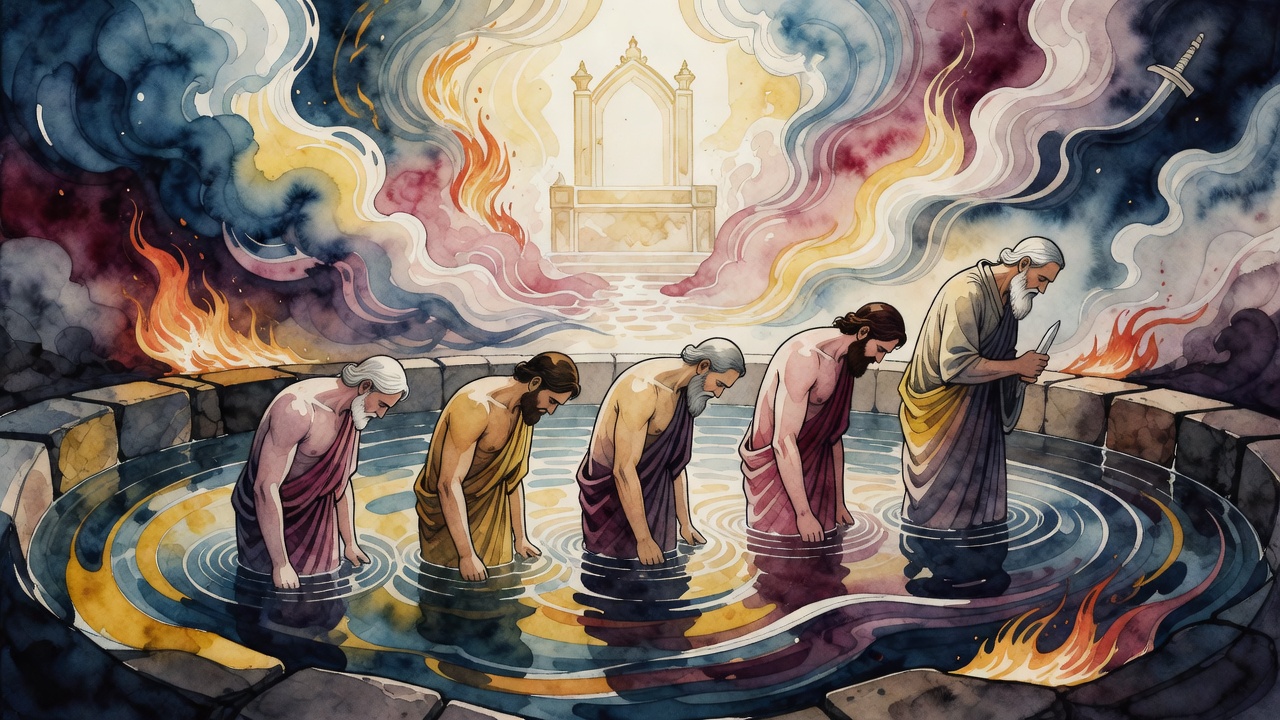
He stepped into the mikveh. The water hit his knees first, then his waist. He did not splash. He stooped until it reached his neck, then rose, then stooped again. Four times. Each stoop was deep enough to drown the posture of a man still arguing his case. His breath shortened. His eyes stayed open under the surface until the count finished.
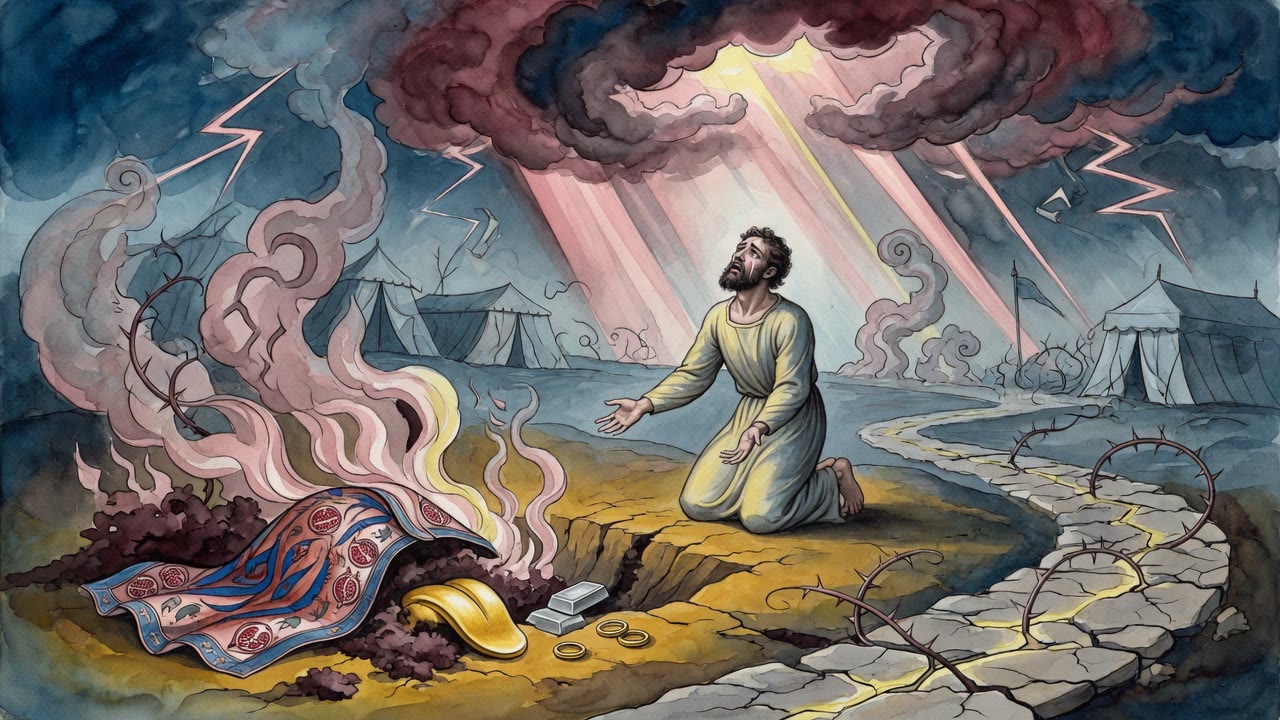
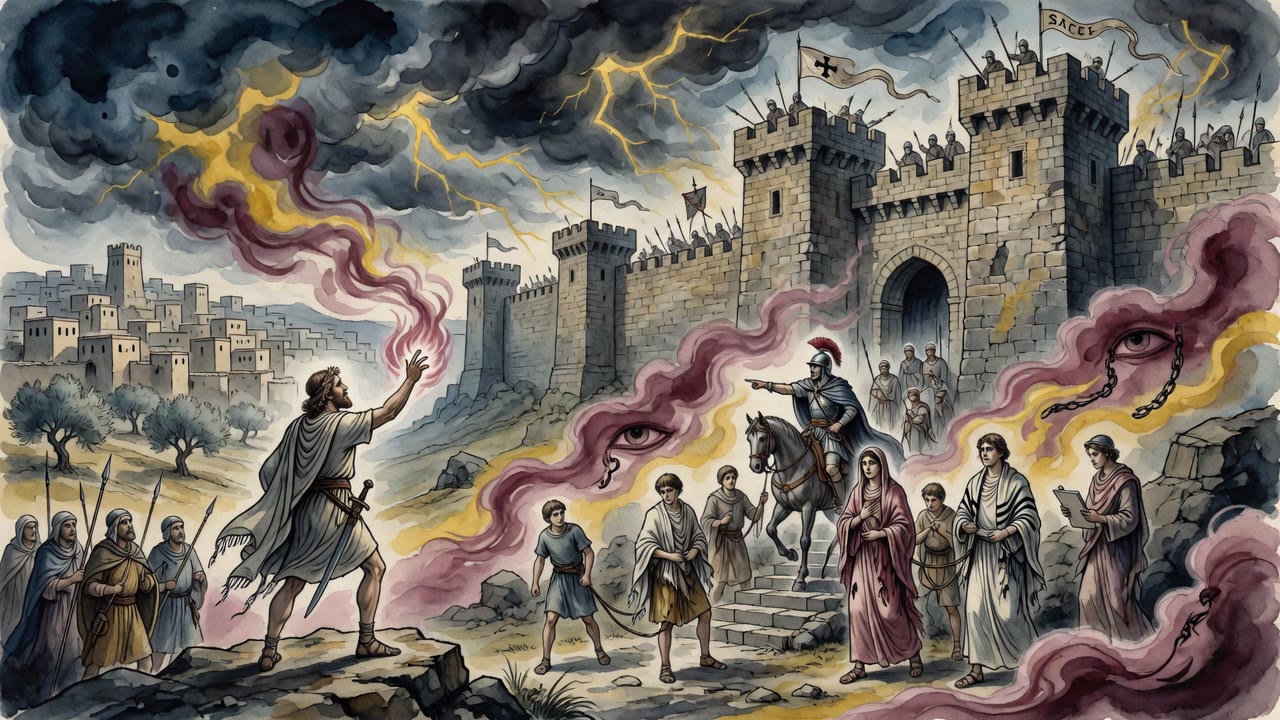
Four immersions for four executions the court once knew. Stoning. Burning. Beheading. Strangulation. He accepted them in the body so the man who climbed out could stand as one already tried. The living man borrowed the shape of a verdict and left the guilt in the water. No one clapped. The room held only water sounds and the small courage of finishing the fourth stoop.
On the fourth he stayed down a beat longer. The water pressed his throat. He came up with it still there, a cold line where a rope or a blade might have sat, and he did not wipe it off.
Three Verses at the Throat
With the water still touching his throat, he spoke confession. After confession, three verses of mercy. Who is a God like You, pardoning iniquity (Micah 7:18-20). Correct me, but in measure (Jeremiah 10:24). I called in distress; the Lord answered and set me in a large place (Psalms 118:5).
Mercy named while the neck still felt the court's four shadows. He did not wait until he was dry. Dry would have been easier. Dry would have been a man already telling himself the bath had done the work.
The words came out slow because his mouth was half in the water. He finished them anyway.
Cleanse Me in the River of Fire
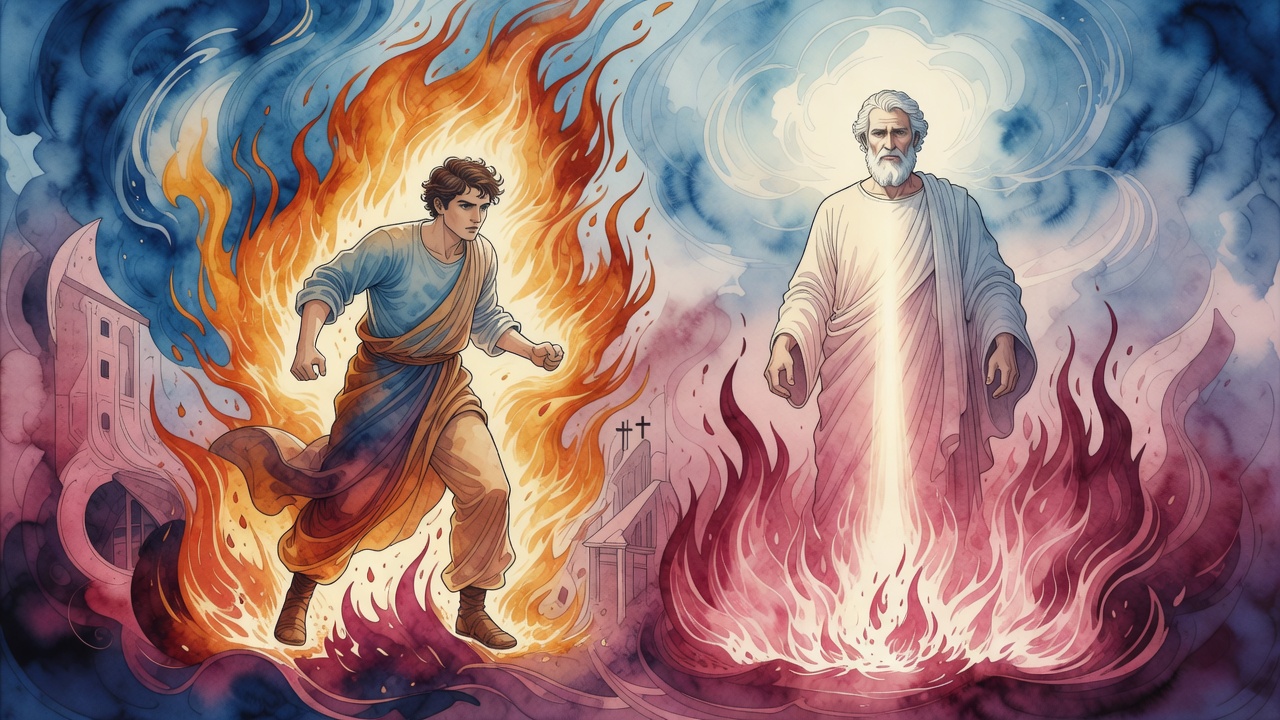
"As I cleanse my body here below, formed of dust, so cleanse my soul and spirit above, where the river of fire runs." The mouth said what the stoops had already begun. Water below. Fire above. One person asking both courts to finish their work without leaving a residue that would follow him home like smoke.
He asked the ministering angels to do in the river Dinor what he had just done in a stone bath. Sanctify the spirit the way he had sanctified the skin. He did not invent the sequence. A kabbalistic manual had counted the stoops and paired them with the four capital forms so a penitent would not leave any death unspoken. The body learns what the tongue alone can fake.
When he left the bath his clothes felt ordinary. The day did not look different. The difference was the quiet where the argument used to live.
The Teacher Went Bald Between Two Demands
In another room, years and cities away, Rav Ami and Rav Assi sat with Rabbi Isaac Naphcha and pulled him two ways at once. Tell us a beautiful legend. No, explain a fine point of law. Rabbi Isaac smiled the smile of a man with two wives in a parable. The young wife plucked his gray hairs. The old wife plucked his black hairs. Between them he went bald.
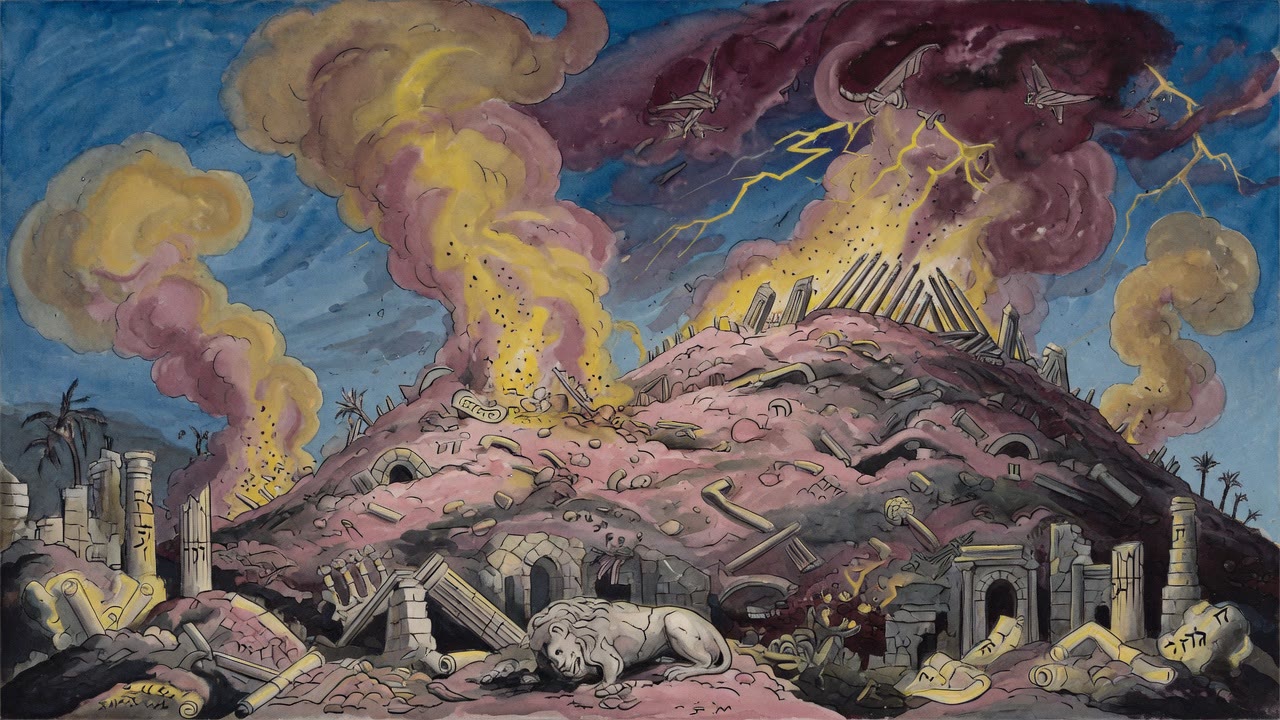
So he gave them both at once. If a fire breaks out and catches in thorns so that stacks of corn are consumed, the one who kindled the fire shall make restoration (Exodus 22:6). The Holy One said, I must both sit as judge and also pay the damages, for I Myself kindled a fire in Zion.
Law wrapped in legend. Liability that reaches the highest Name. The man in the water had just asked that same Judge to finish a case and pay what the fire had cost. Rabbi Isaac did not know the bathhouse. He only knew two students who would not let him speak, and a verse in which God owns the flame He lit.
The stacks burned. The Judge did not walk away from the bill.
He Walked Home With Wet Hair
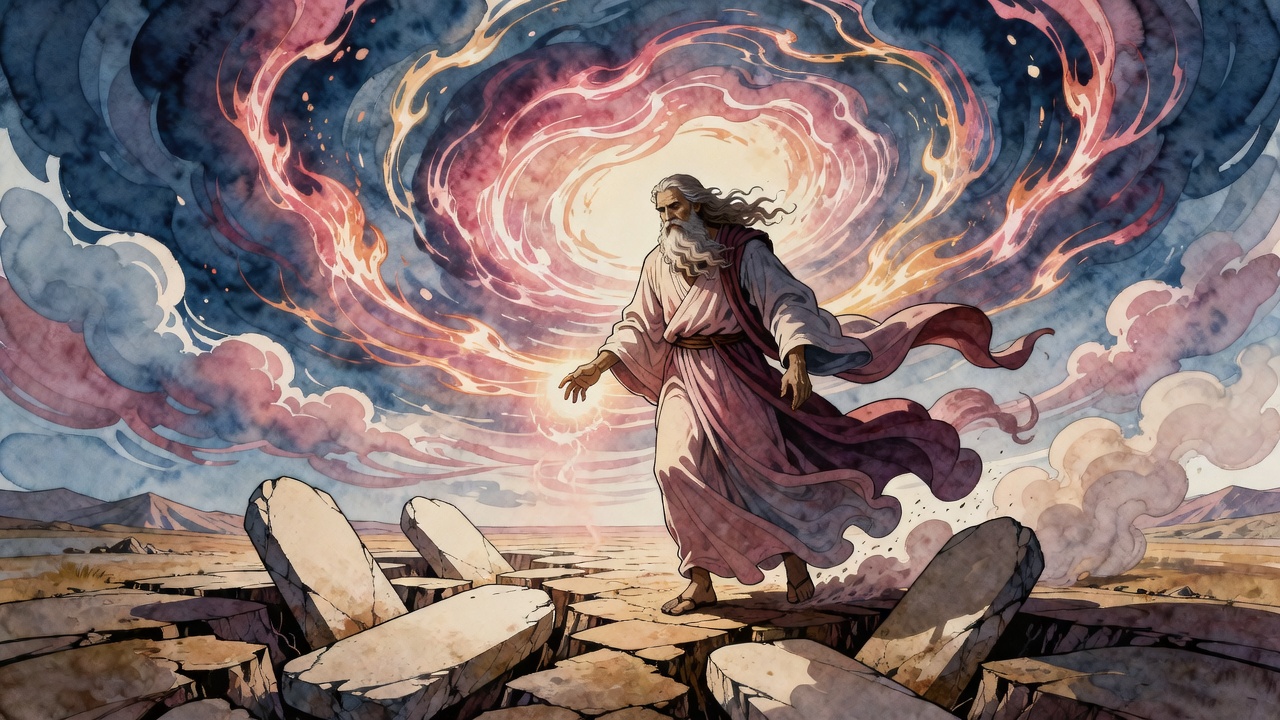
Moses stood apart from every other prophet. Others saw through clouded glass. Moses saw through a clear lens, face to face, as a man speaks to his friend (Exodus 33:11). He could approach without waiting for a summons. He paid for that closeness by living ready, separated from ordinary household ease, because the call could come at any breath.
The penitent in the water is not Moses. He is trying to become audible again after noise. He needed four stoops and a confession said with water at the throat like a hand on the pulse. The river of fire above does not need his permission to keep running. He asked it to run for him anyway.
He walked home wet-haired and lighter. Zion's fire and the four deaths of the court all left their mark in one ordinary bathhouse hour. The day continued. He continued inside it without the old argument lodged in his chest like a stone. Night and day traded places around him without offering comfort, only the next requirement that would not be postponed.
The floor of the street did not speak. He walked as if it might still be listening.
← All myths