Enoch Fathered Methuselah, Then Left on a Horse of Fire
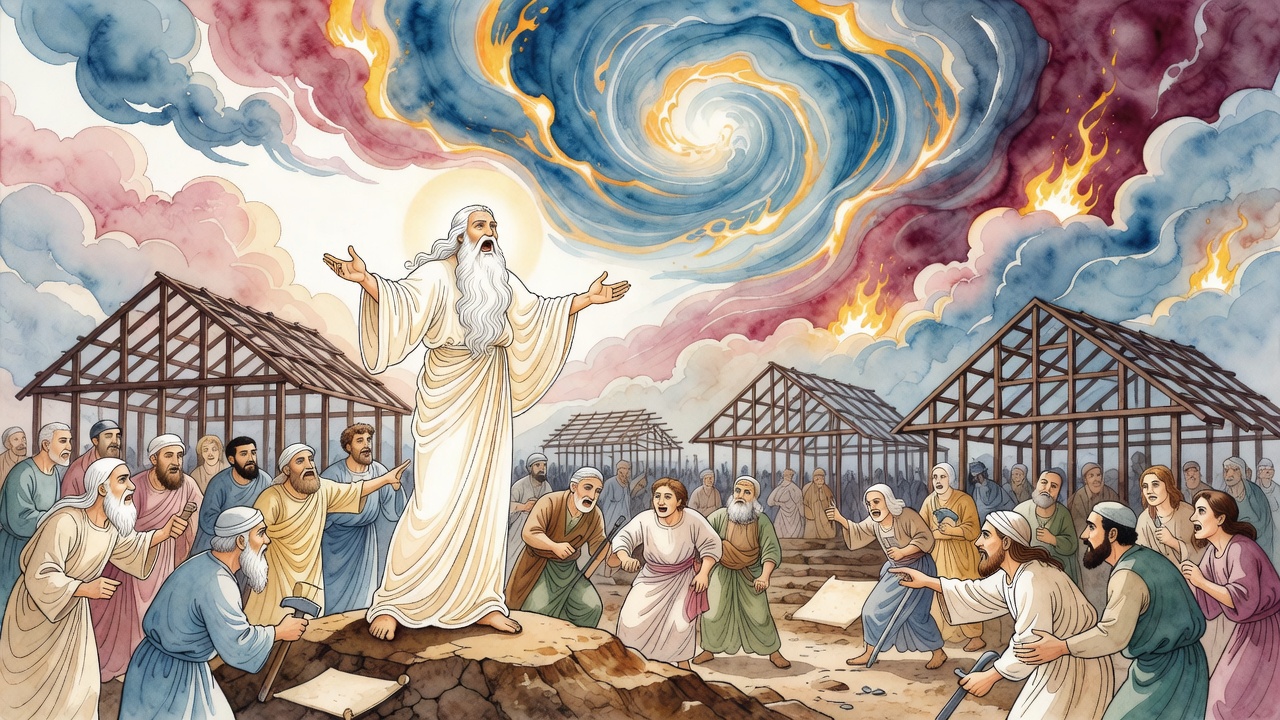
A horse paced in the air above the crowd. Enoch said it had come for him. Eight hundred thousand men followed him out of the city anyway.
Table of Contents
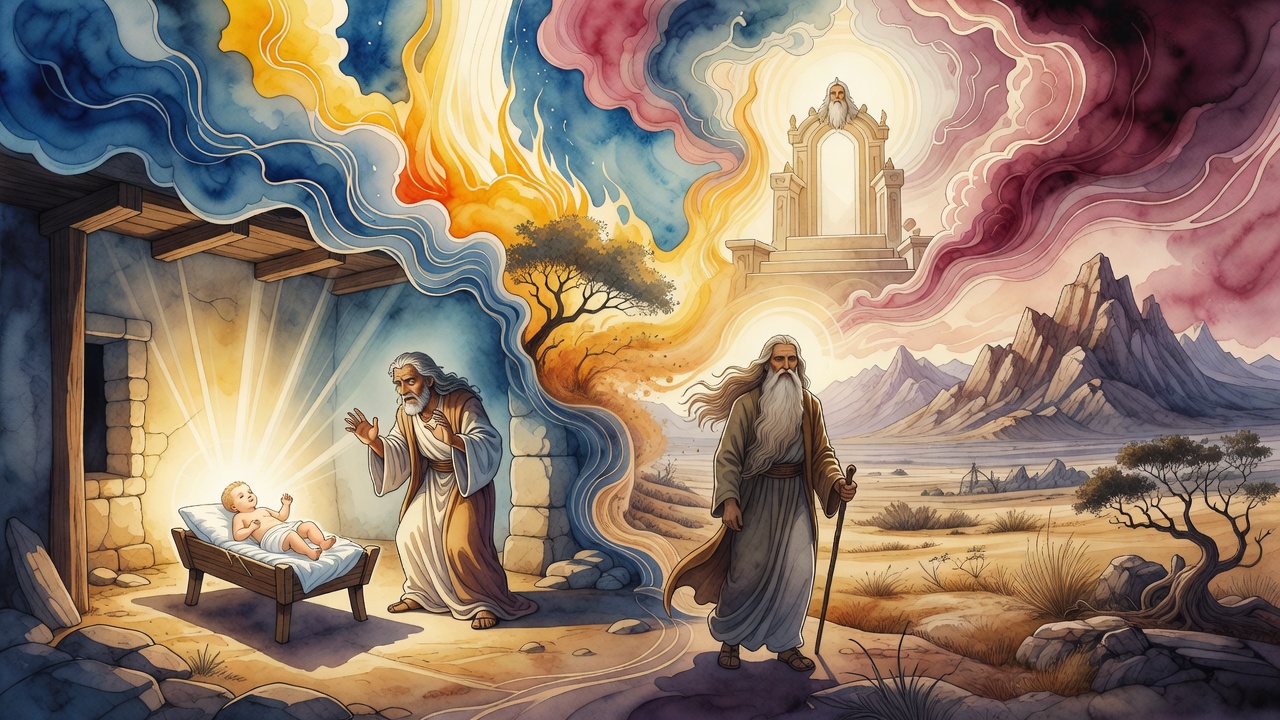
Enoch was sixty-five when the boy was born. He named him Methuselah. After that, not before, he walked with God. He turned away from the noise of the settlements, shut himself in a chamber, and stayed there a long time, serving and praying, while the child grew up outside the door.
 Click for full size
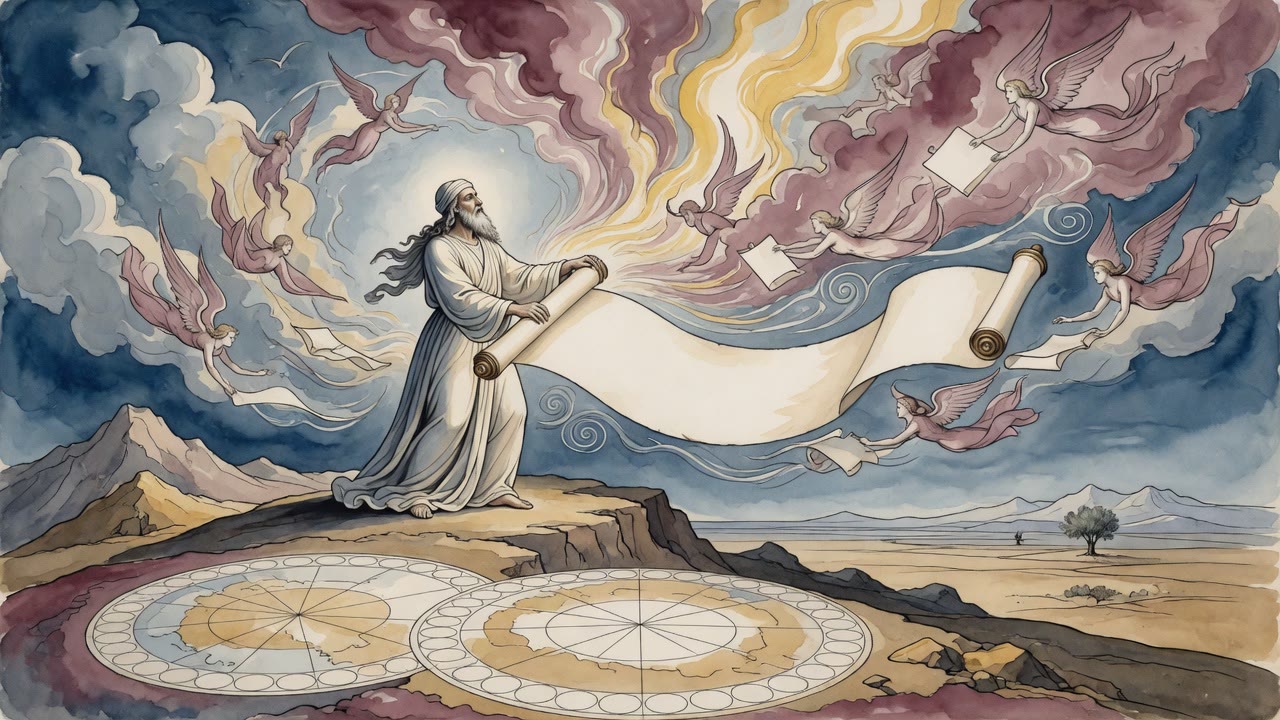
Then an angel called him by name twice. "Enoch, Enoch, make yourself ready. Leave the house and the secret place. Assume dominion over men, and teach them the ways they shall walk, so they may walk in the ways of God."
One Hundred Thirty Kings Bowed
Enoch left the retreat and went back to the haunts of men. He sent messengers through the camps: "Whoever wishes to know the ways of the Lord and good works, let him come to Enoch." They came. In droves. Kings came. Princes. Judges. One hundred and thirty of them assembled and asked him to reign, and he consented.
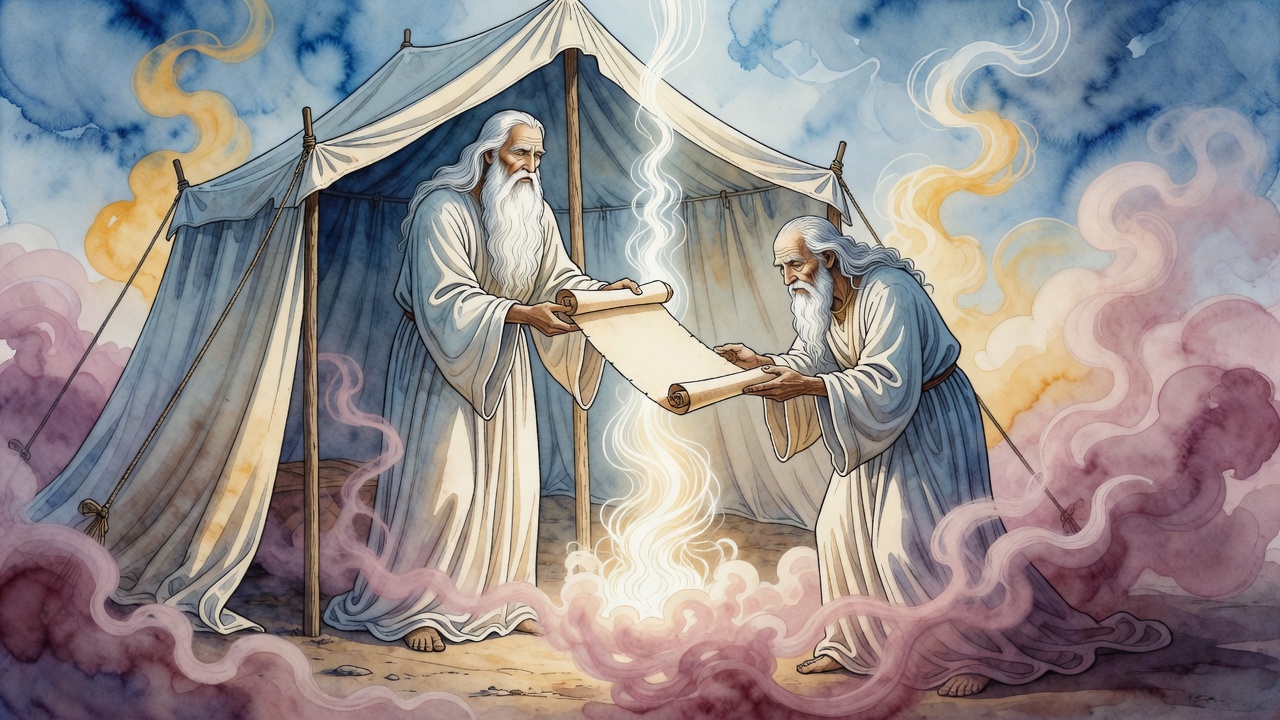
They bowed. They made him king. Peace sat on the earth for two hundred and forty-three years while he taught them wisdom and the ways of the Lord and settled their disputes. He left a record in their mouths and in their courts, statutes and judgments to do on the earth, because a father who has a son that will live nearly a thousand years cannot keep what he knows in a locked room.
His Face Grew Too Hard to Look At
In the year Adam died, nine hundred and thirty years old, Seth and Enosh and Enoch and Methuselah buried him with the pomp of kings in the cave God had shown him. Enoch resolved to withdraw again. He did it by inches. First three days in the chamber and one day among the people. Then six days hidden and one day in seven. Then once a month. Then once a year.
The kings still wanted his face. They could not bear it. Awful majesty sat on his countenance, and they feared for their lives if they only looked. So they waited for the day he showed himself, and on that day they packed every petition into the hours they had. When he came out they prostrated themselves and cried, "Long live the king! Long live the king!"
The Horse Paced in the Air
On one of those days, while he was still teaching, an angel called from heaven. God had resolved to install him as king over the angels, as until then he had reigned over men. Enoch gathered the inhabitants of the earth and told them the truth he had. "I have been summoned to ascend. I do not know on what day I shall go. Therefore I will teach you before I go hence."
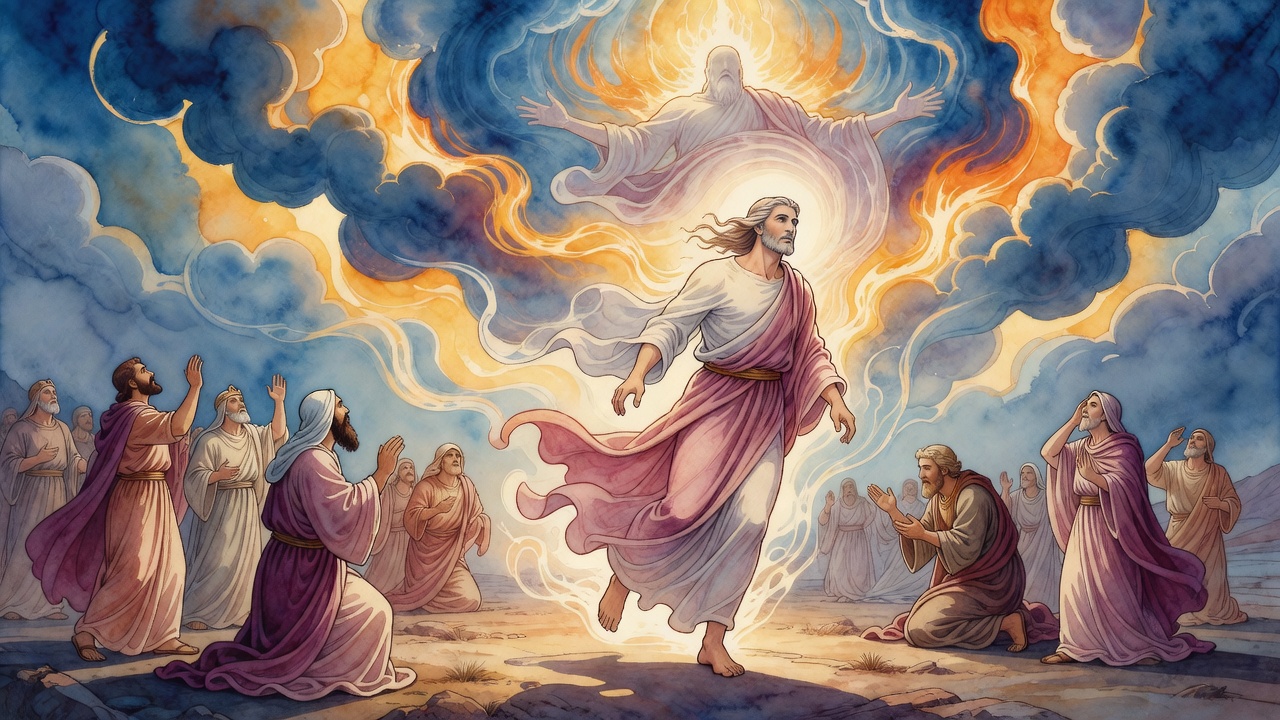
He spent the days that were left on wisdom, piety, law, and order. Then the people lifted their eyes and saw the likeness of a great horse descend from the sky, pacing in the air. They told him. He said, "The horse is for me. The time has come. I leave you, and I shall not be seen again."
The horse stood before him. He mounted. He went on teaching from its back, exhorting them to serve God, while the animal waited under him as if it had all day.
Snow Where the Men Had Stood
Eight hundred thousand people followed him a day's journey. On the second day he turned in the saddle. "Go home. If you follow farther, you may die." Most of them heeded him and went back. A number stayed. He told them every day to return. They would not.
On the sixth day the remnant clung to him. "We will go with you to the place where you go. As the Lord lives, death only shall separate us." He stopped arguing. They went after him.
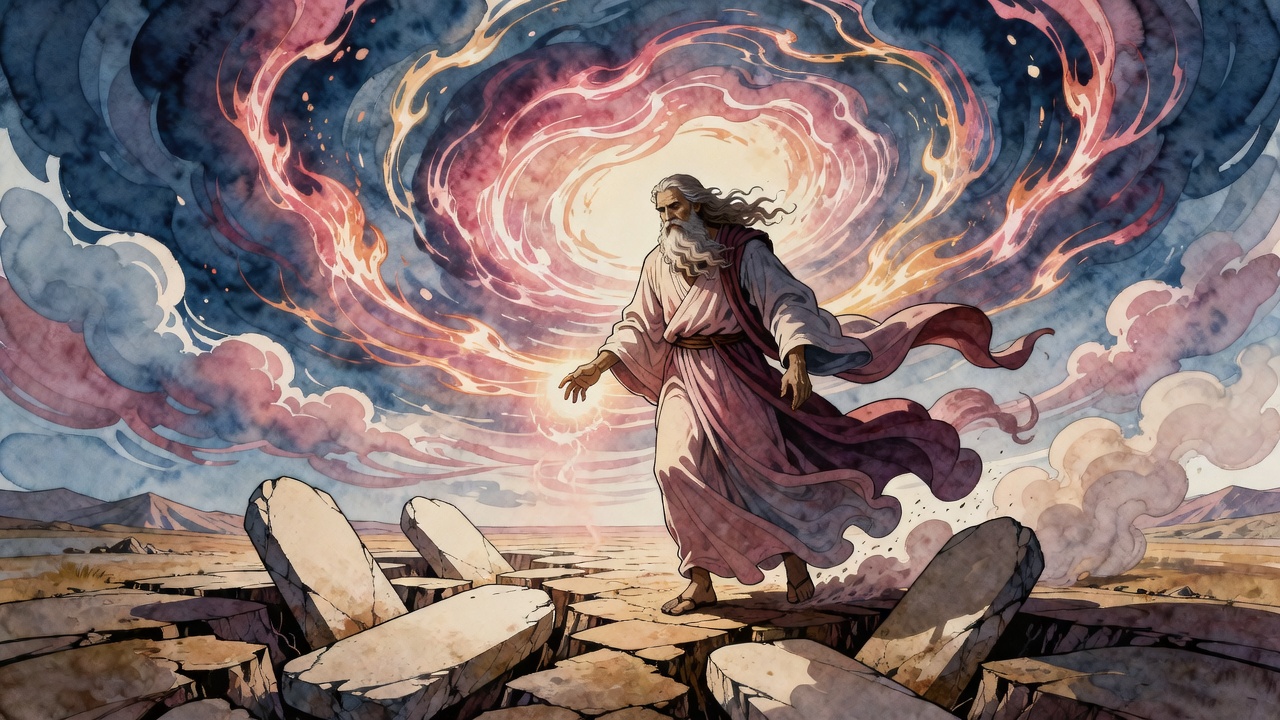
On the seventh day Enoch was carried into the heavens in a fiery chariot drawn by fiery chargers, a whirlwind of horses and fire. On the eighth day the kings who had turned back sent to count the men who had stayed. They came to the place. The earth there was filled with snow, and upon the snow were large stones of snow. They said to one another, come, let us break through, perhaps the men are dead under the ice.
They searched. They found no one. The ones who would not leave him were gone, and the king who had fathered Methuselah and taught a hundred and thirty kings was gone with them. What he left was not a body and not a grave. It was the teaching in the mouths of the ones who had turned back on the second day, and a patch of snow no one could explain.
← All myths