He Passed His Child Through Fire to Molech
A father led his child toward the fire and named Molech. One abomination was enough. Seed, flame, and a foreign name braided into a single crime.
Table of Contents
 Click for full size
The Path to the Flame
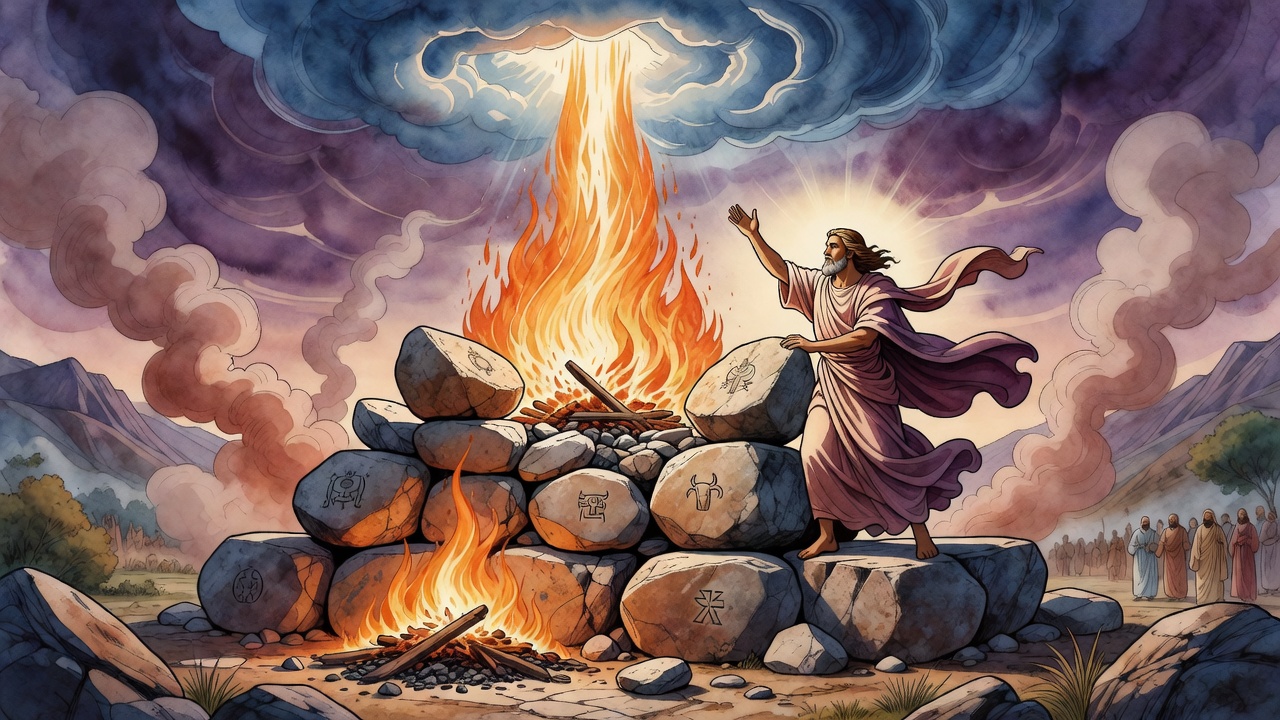
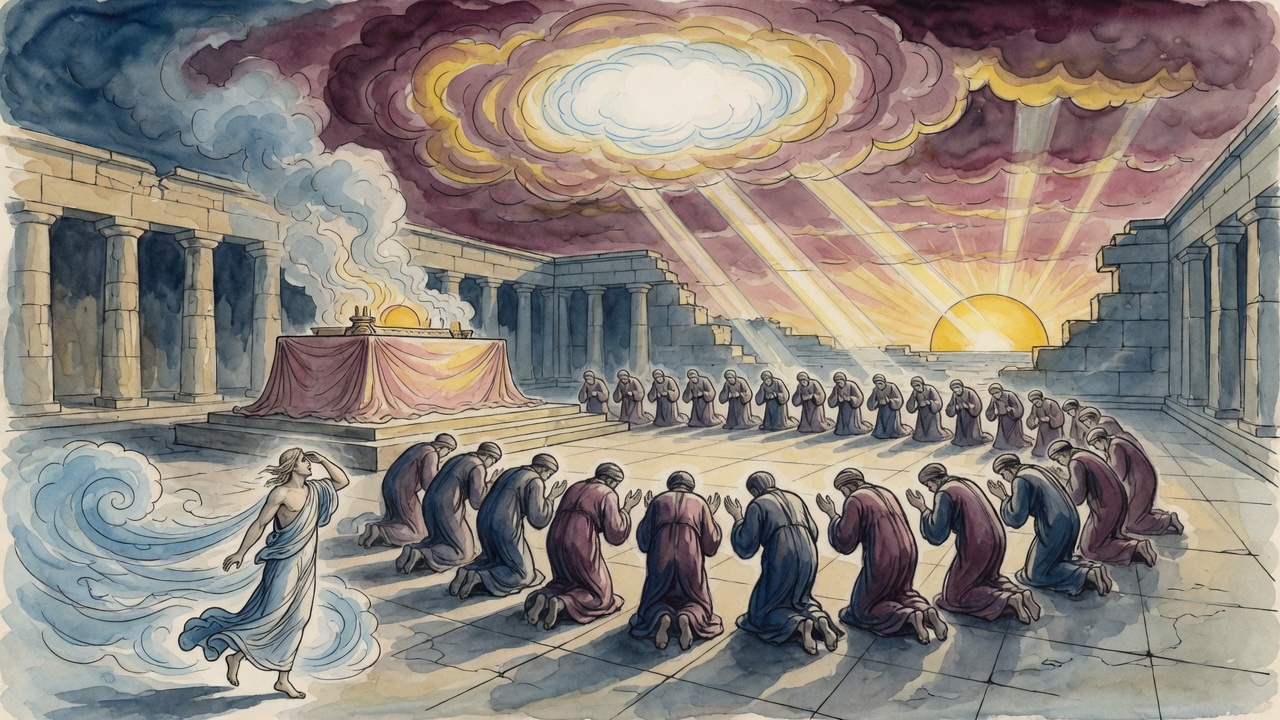
The child walked because a father's hand said walk. Heat lifted off the stones. Someone had already spoken the name Molech as if it were weather. This was not a parable in a study house. It was a night when Israel had to decide whether "passing through fire" was theater, covenant, or murder dressed as worship, and whether a court could name it before the smoke cleared.
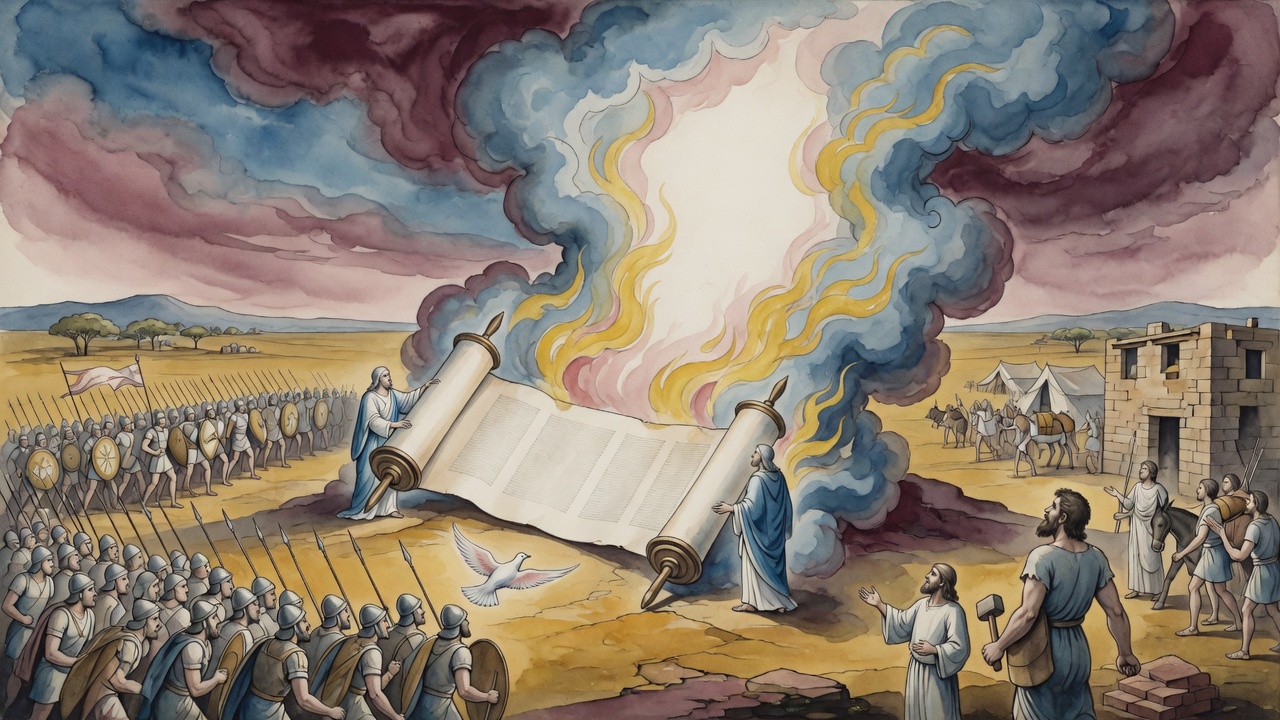
Deuteronomy names the one who passes son or daughter through fire. Leviticus widens the wound with "seed." The midrash refuses to let either verse stand alone. Hand over the child. Pass him through fire. Direct it to Molech. Without the full braid, the court cannot be sure it has named the same horror the Torah hates. Partial rites and clever renamings die in that braid.
Grandchildren and the Word Seed
"Son or daughter" might have stopped at the first generation. "Of his seed he has given to the Molech" pulls grandchildren into the same fire-law. A man who thinks he can keep the letter by offering a line once removed still meets the same ban. The crime is not only nearness of blood. It is the gift of lineage to a power that is not God, a future handed over like coin.
Passing here and passing there lock together by the sages' identity of language. Fire from one verse, Molech from another, until both sides of Scripture say the same black sentence. The father cannot claim he only warmed the child for a rite without a name. Names and flames have to meet for the liability the sages describe. A spectator who smells smoke without hearing Molech still knows enough to run for judges.
Other Covenants Cut in Two
Another reading hears a man passing his child between halves of a calf, sealing a covenant with idolatry the way Jeremiah saw men walk between split meat. Another hears a man who joins an Aramean woman and raises a son who becomes a foe of the Lord. The fire is not the only doorway. Any path that hands the next generation to other powers stands under the same storm cloud that empties lands.
Meisha of Moab and the daughter of Yiftach and even the binding of Isaac flash in the midrash as points of comparison when the Torah says what God did not command, did not speak, never entered His heart. Isaac lived because a voice stopped the knife. Other children in other stories did not. Molech never speaks that mercy. The comparison is not comfort. It is a map of what never entered God's heart, so that no father can claim surprise.
One Abomination Is Enough
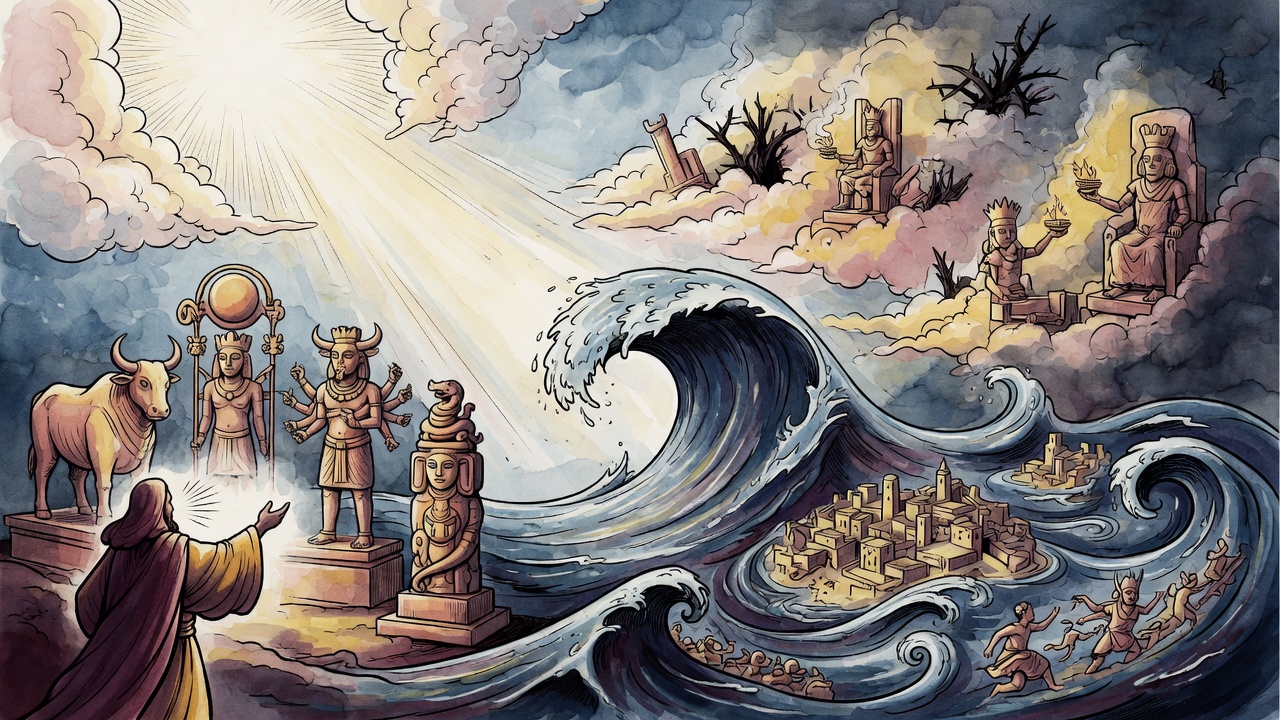
A man might hope the list of abominations is a checklist, that he is safe until he completes every horror in the chapter. "All who do these" cuts that hope down. Even one of these is enough. The court does not wait for a full career in darkness. A single gift of a child to flame and foreign name can stand alone as the abomination that drives nations out of the land before Israel ever arrives.
Rabbi Shimon said the Canaanites were warned for such things, for punishment without warning would be a different kind of injustice. When Rabbi Akiva reached the verse about abominations that cause expulsion, he cried woe. If clinging to impurity draws a spirit of impurity, how much more should clinging to the Shechinah (שכינה), the divine presence, draw holiness, and what sins have sundered us from that nearness? The cry is not philosophy. It is a man seeing fire and absence in the same verse.
After the Fire
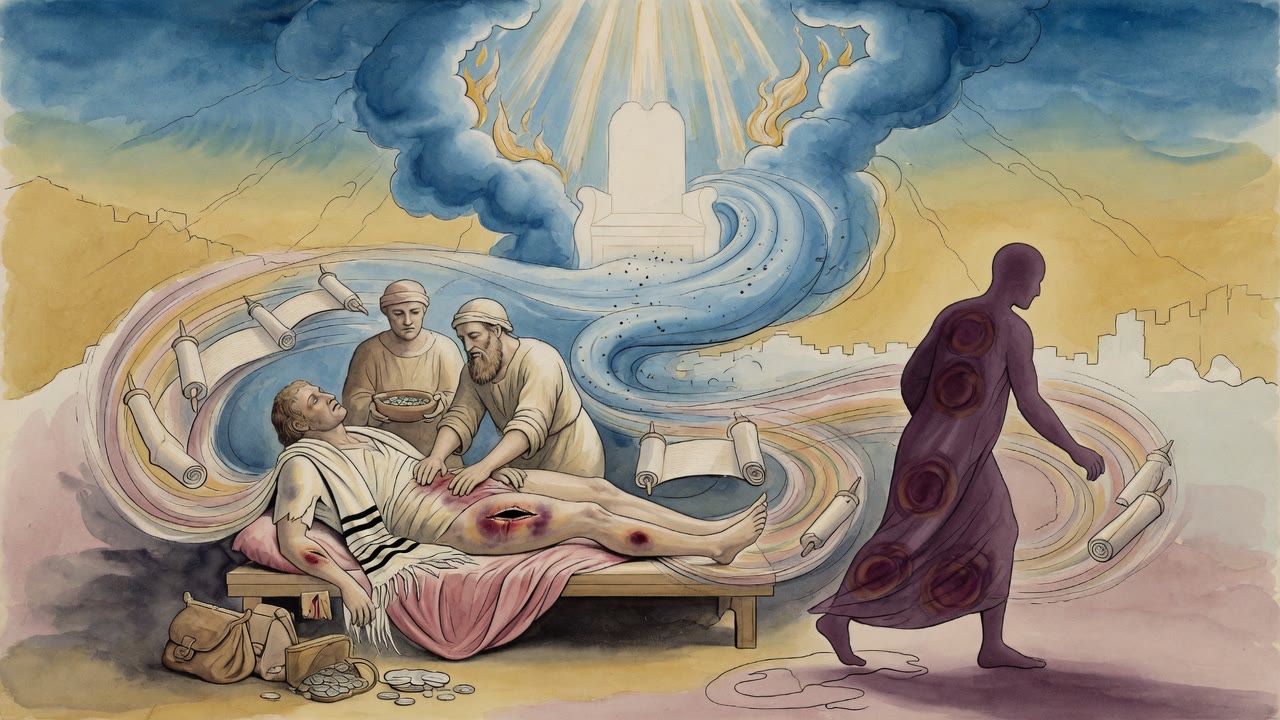
If the child lives, the father's hands still carry the intent and the court still has a case. If the child dies, the land itself is said to vomit the practice, and neighbors who smelled smoke become witnesses under oath. Judges inquire well. Seven examinations can unmake a weak testimony. True and correct must stand before stones rise. The Torah's patience for complexity ends where a parent treats a child as fuel for a god that is not God, but it does not end carefulness. Carefulness is how justice avoids becoming another fire.
The story the law tells is not curiosity about foreign rites. It is a wall built of words so that no Israelite father can say he did not know. Seed. Fire. Molech. One act. Enough. The child on the path is the whole argument. Everything else is the court catching up to a night that should never have been walked.
← All myths