Enosh's Idols Took God's Name and the Ocean Drowned a Third of the World
Rabbi Chanina said Molech means anything people let rule them, even a splinter or a pebble. Idol makers switch to cheaper metal when money runs short.
Table of Contents
 Click for full size
When Artifacts Borrow the Name
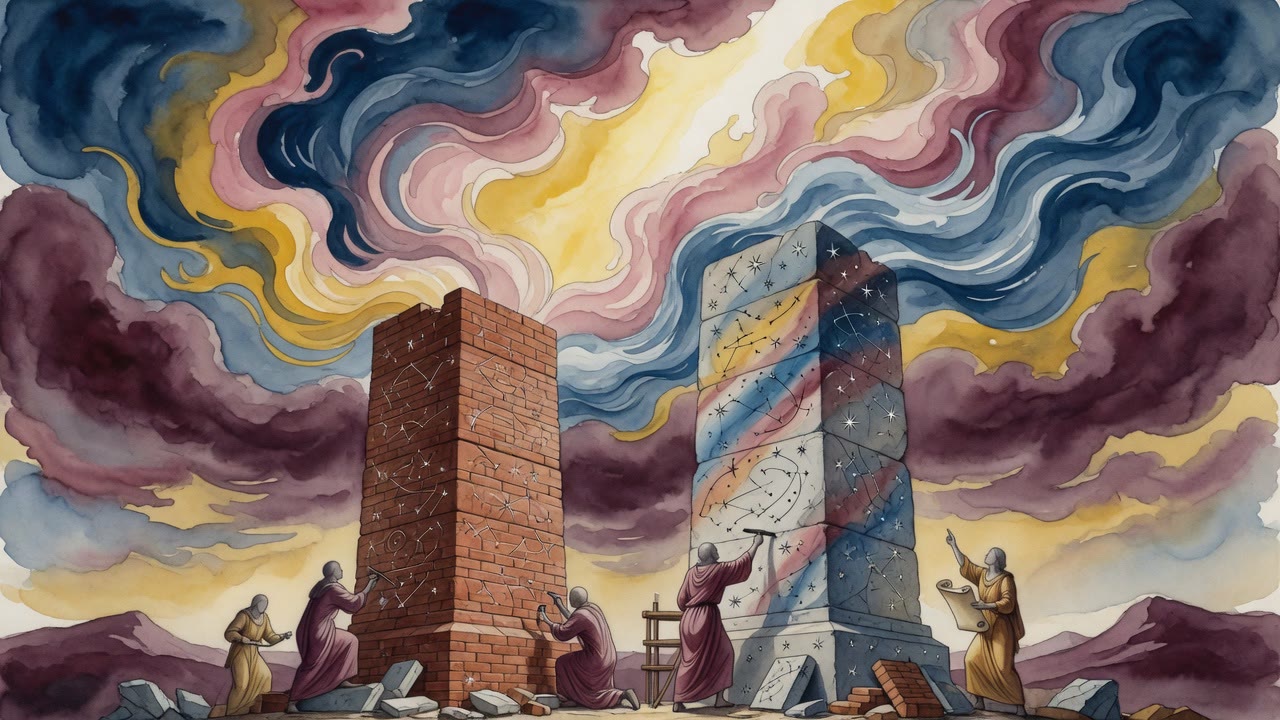
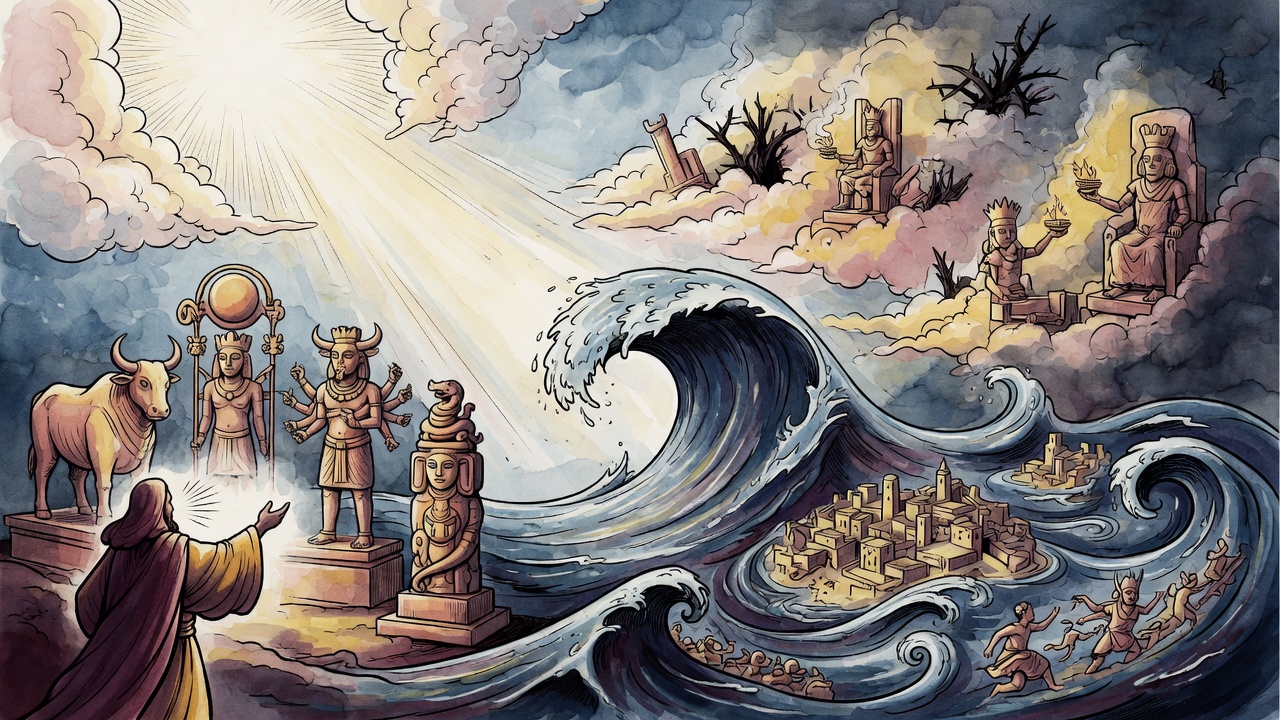
In the days of Enosh, people did not only carve. They named. Genesis says they began to call artifacts by the name of the Lord. Rabbi Yossi hears the danger in that grammar. Why does Scripture later call idols elohim at all? So no future generation can claim, If only we had called them by His name, they would have worked. They did call them by His name. The names did not save the wood.
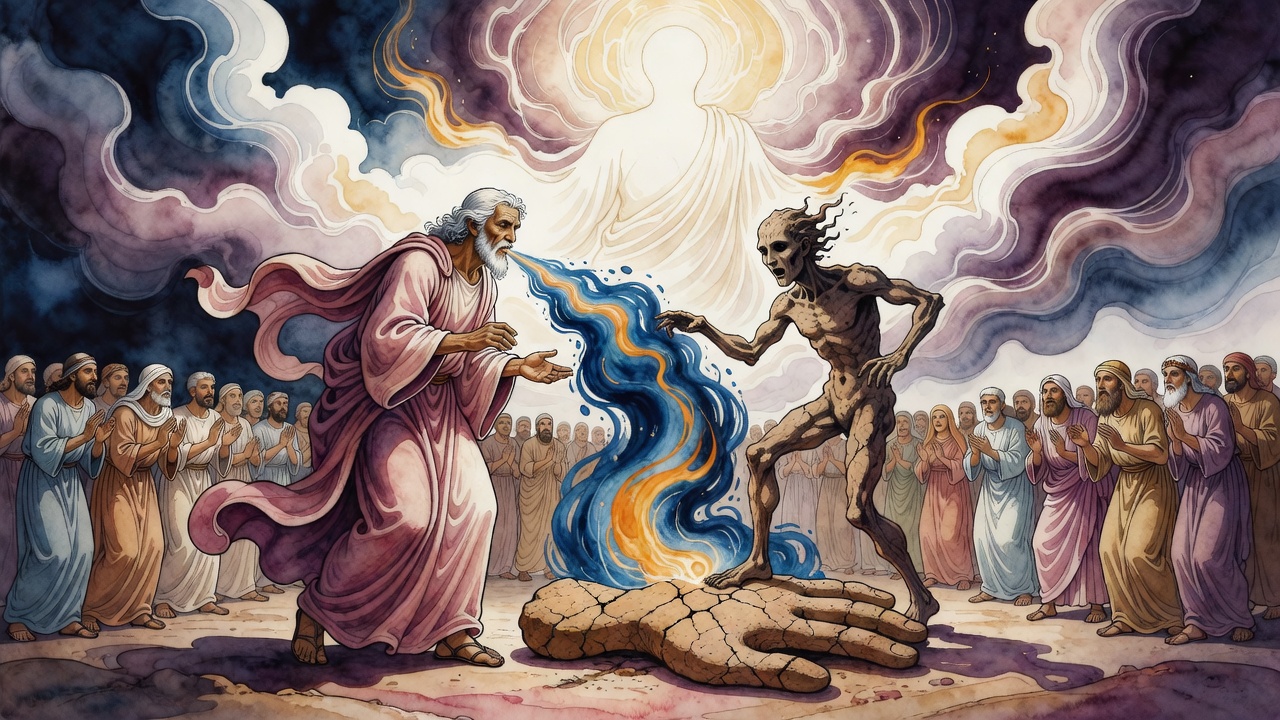
At that time Oceanus rose and flooded a third of the world. God answered invention with invention. You made something new and called it by My name. I too will do something new and call it by My name. Amos records the voice: He called to the waters of the sea and spilled them on the face of the earth. The Lord is His name. The flood is not random weather. It is a counter-naming.
Even a Splinter Can Be King
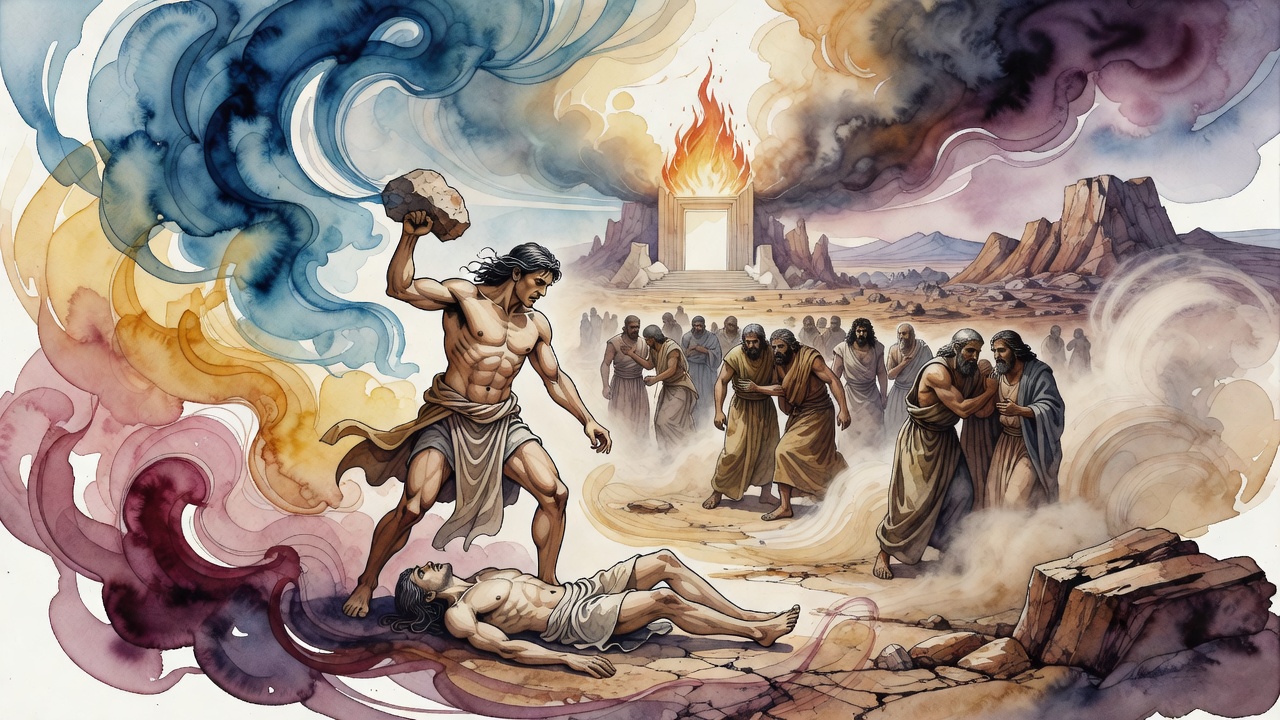
Rabbi Chanina ben Antignos opens the word Molech like a door. Why Molech? Because it marks anything people make to rule over them, yamlichuhu, even a splinter, even a pebble. The terror is not only a famous foreign cult. The terror is the human talent for crowning trash.
Other gods are called other, acherim, because they come after man, the last of the creations, who manufactures them and then bows. You bow to them, the verse says, and the midrash hears the insult: you bow to them, but not to Me. At the calf they bowed and sacrificed to what their own hands poured. Plural language, "these are your gods," teaches either many calves or a mingling of names that almost destroyed them.
Gods That Change Metal When Money Gets Tight
Rabbi Eliezer watches the workshop. Why other gods? Because worshippers fabricate many. Gold today, silver tomorrow, copper when silver is needed for a debt, iron, lead, wood. The deity is liquid assets with a face. Rabbi Yitzchak adds that if every idol name were spelled out, all the hides in the world would not suffice for the scroll. Scripture saves parchment with the blanket phrase "other gods."
In Enosh's generation the problem is earlier and worse: not only many names, but the Holy Name glued to the product line. When the ocean rises, it is heaven refusing to let sacred language become marketing for carved things.
Doors Shut, Lamps Out
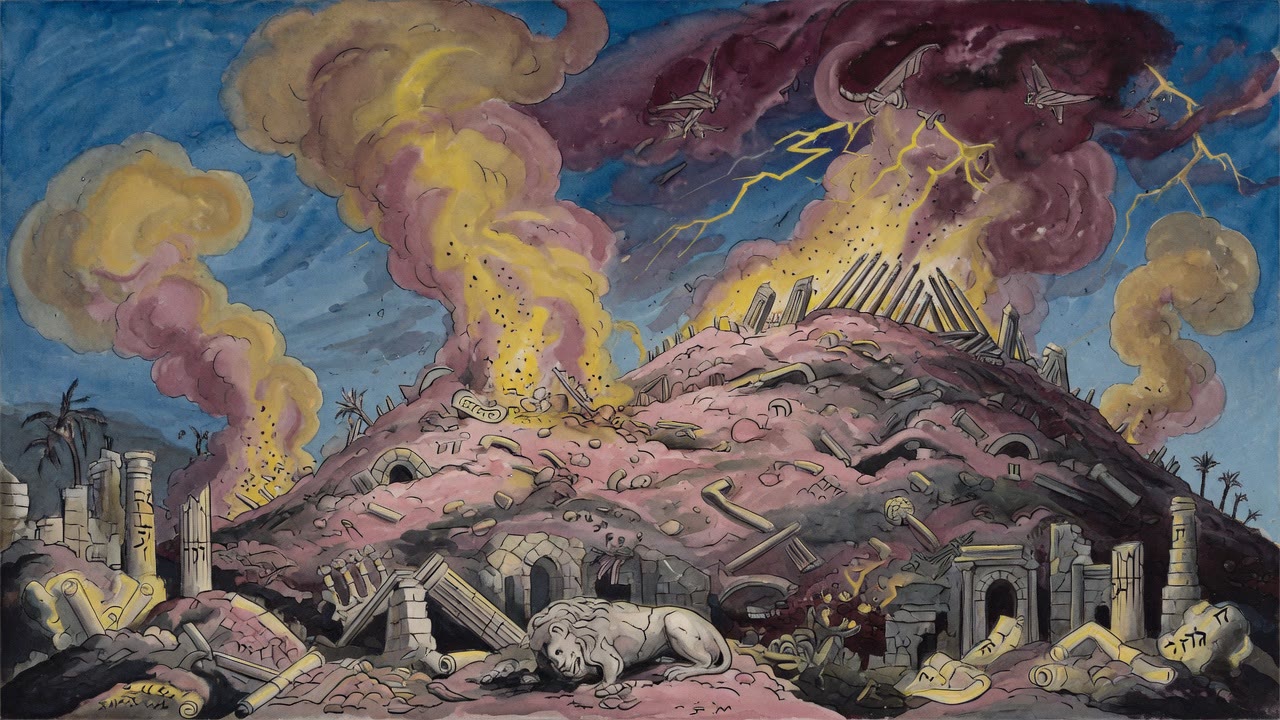
Later kings would shut the doors of the ulam, put out the lamps, and refuse burnt-offering in the holy place to the God of Israel while incense rose somewhere else. Holy place empty, profane place busy. The pattern begins whenever a people lets a pebble rule the pulse. Molech is the title for whatever sits on the will. Enosh is the first chapter of that abdication written in borrowed holiness.
A third of the world under water is a hard teacher. Survivors of that surge would have walked shores littered with the toys they had called divine. The midrash wants that image beside every later warning against other gods: the danger is not that wood suddenly grows power. The danger is that human speech loans God to wood, then kneels to collect the loan as if the Name were a battery.
Between a splinter crowned in a fist and a sea called by the Lord, the story chooses sides without softness. Rule nothing that you made. Name nothing holy that your hands can melt for coin.
The Fist That Crowns a Pebble
Watch a hand close on a splinter and call it master. That is Molech without theater. Chanina ben Antignos will not let the word stay foreign and far. Anything you enthrone rules you. A pebble can sit on a will as firmly as a statue in a high place. Other gods arrive after their makers, late to the world, then demand early morning bows.
Enosh's generation added sacrilege to manufacture. They did not only shape wood. They loaned the Name. When Oceanus rose, the counter-speech was water with a title. God called the sea and spilled it and kept His name on the act. A third of the world under flood is a large eraser drawn across a small blasphemy that wanted to look like prayer.
Later workshops would melt gods when debts came due. Gold becomes silver becomes copper becomes iron becomes lead becomes wood. Liquidity is the theology of a god you own. Scripture refuses to list every brand name lest hides run out. "Other gods" is enough. Enough to warn. Enough to remember Enosh when someone says the problem was only that the idols lacked the right label. They had the label. The ocean still rose.
Shut doors of the ulam, dead lamps, incense to something else: the pattern is old. Rule nothing your hands can melt. Speak the Name only where the Name belongs.
← All myths