Flame Leapt from the Altar When Ezra Sprinkled Jeremiah's Hidden Oil
Returned exiles found no sacred fire until an old man led Ezra to Jeremiah's cache, oil that rose into pure flame.
Table of Contents
 Click for full size
Stone Over a Spring That Was Not Water
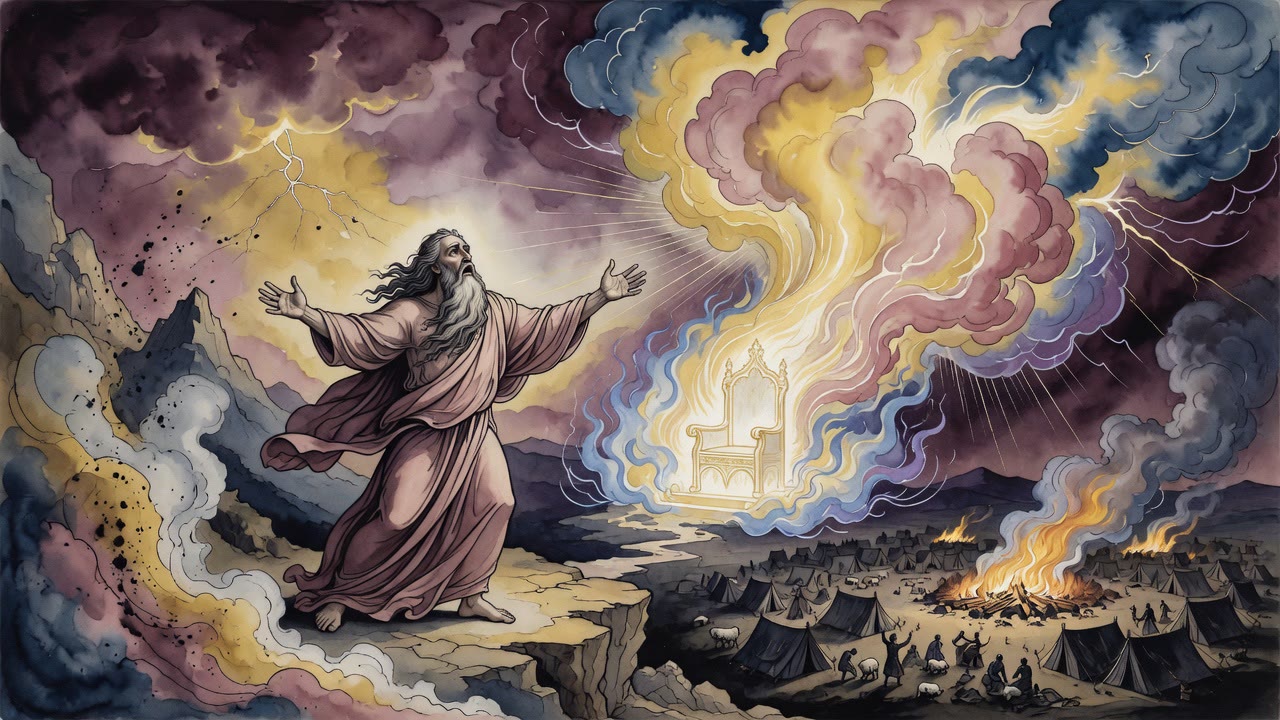
Ezra stood with the returned people before a cold altar. The Temple's first offering waited, knives ready, incense dry, and the flame that had burned since Moses was gone. No one dared bring strange fire. Priests remembered what happened to sons who tried that (Leviticus 10:1-2). The crowd pressed close and the silence of the stone hurt more than exile had.
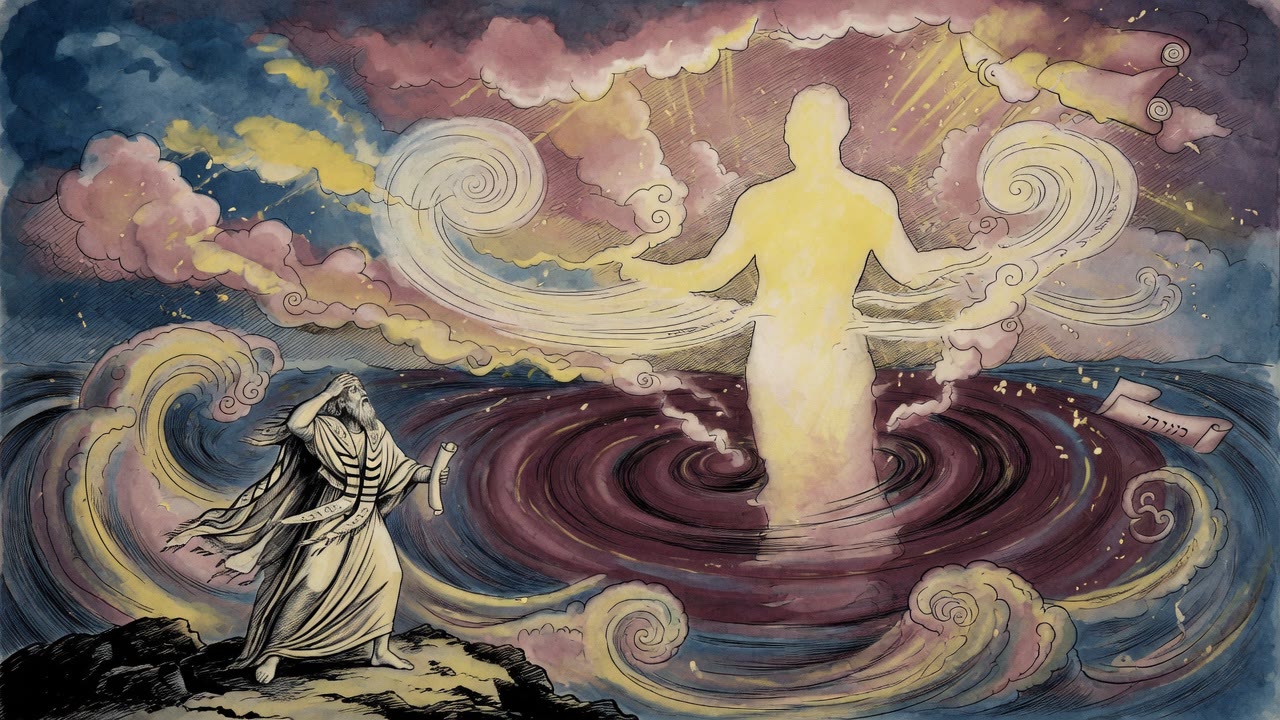
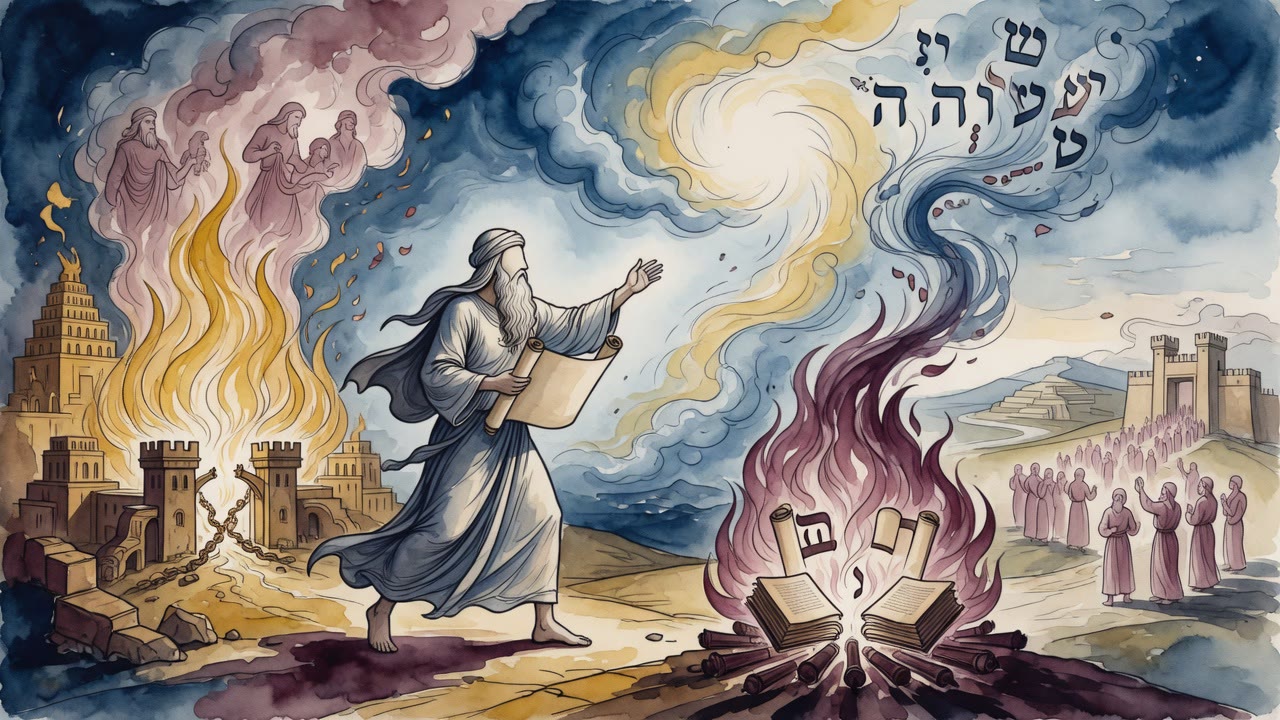
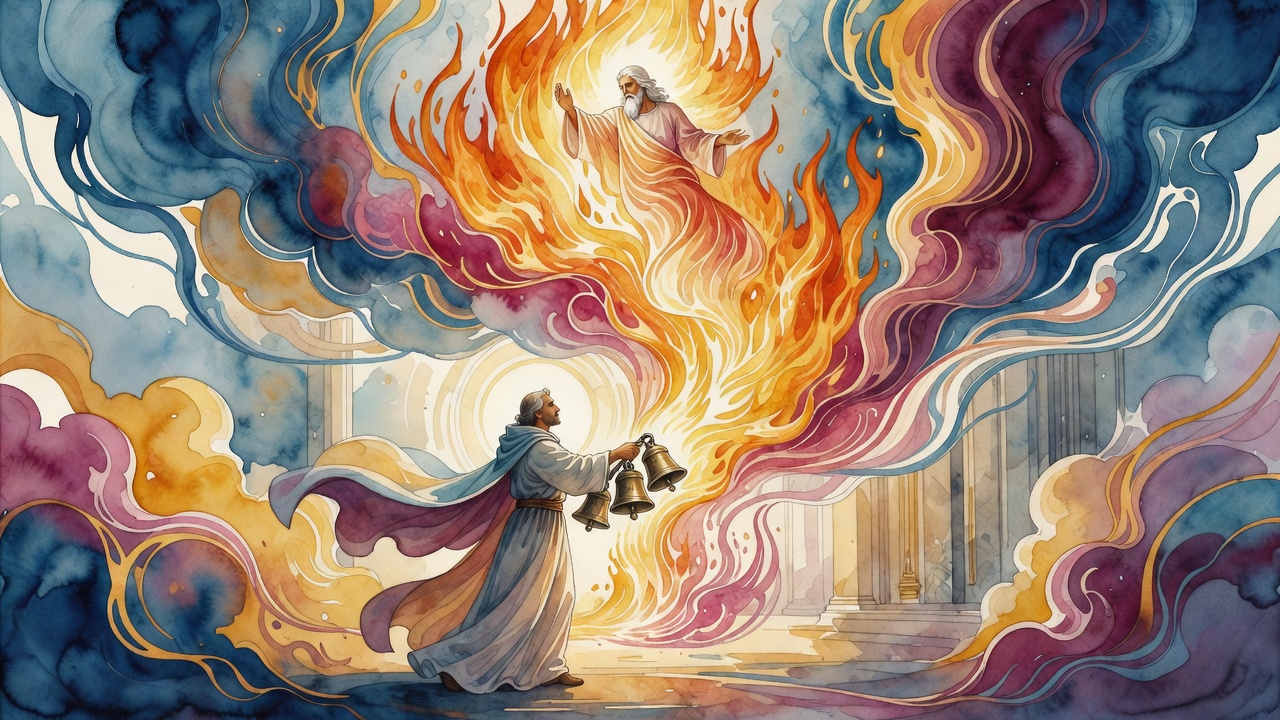
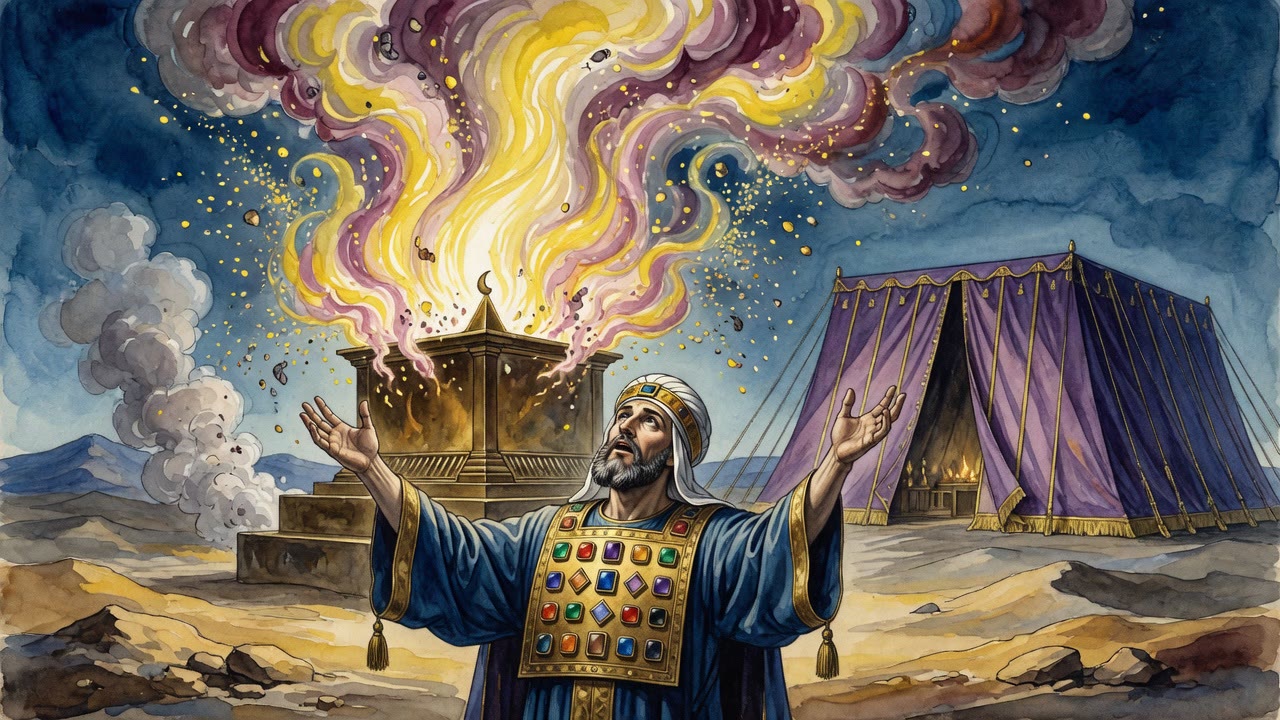
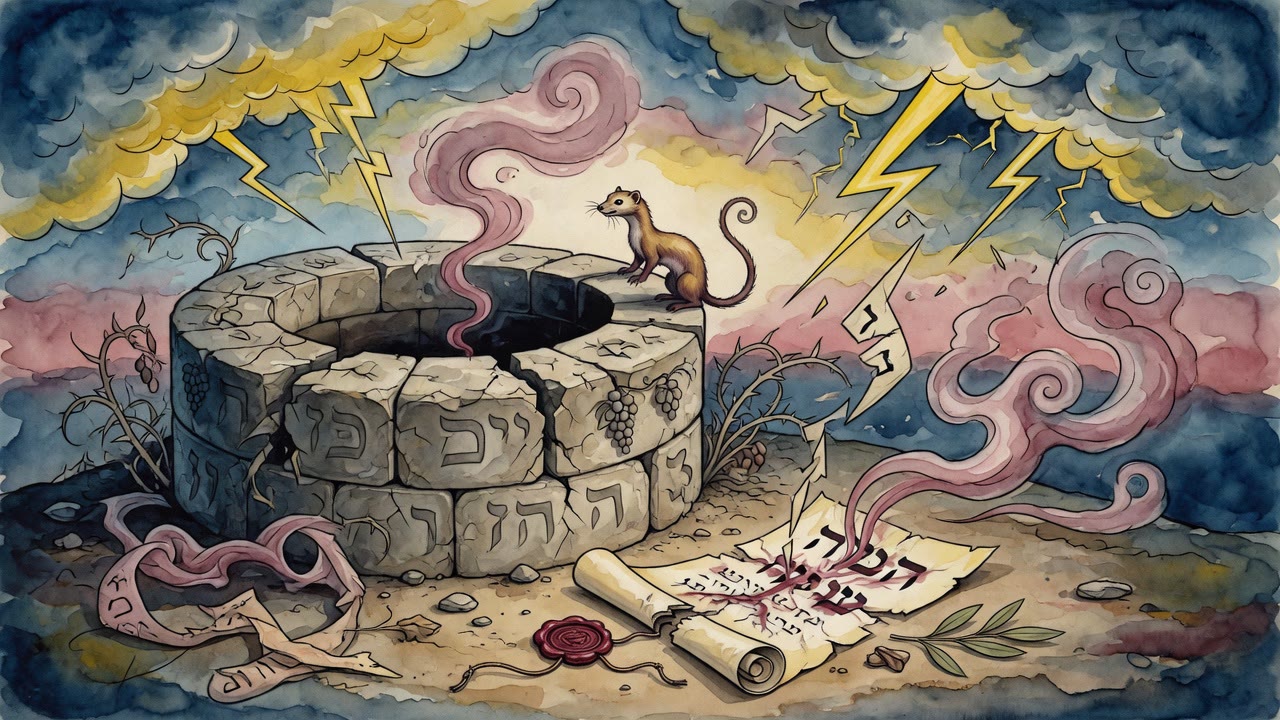
An old man stepped forward. He had been a boy when Jeremiah hid the celestial fire before the city fell. He led elders to a sealed place. They rolled the stone. Under it ran a spring that was not water but a pale oil, thick as memory. Ezra ordered it sprinkled on the altar. Flame leapt skyward. Priests scattered, then returned and guarded the heat that would not leave the stones again.
For a breath the courtyard smelled of old cedar and new fear. A woman near the gate covered her child's eyes, then uncovered them so the boy would remember. Fire that had slept under rock now stood upright like a servant who never left his post.
A Scribe Who Almost Stood Where Moses Stood
Before he left Babylonia, Ezra traced his own line as if the map of blood could steady a broken people. The tradition says that if Moses had not come first, the Torah would have been given into Ezra's hands. It names how hard he worked to put forgotten words back into living mouths.
He divided the Torah into weekly portions so Sabbath after Sabbath could carry a people through the scroll without losing the road. He pushed the script into clearer Assyrian characters so eyes tired by market dust could still read. He ordered more schools for children even where old schools already stood, because rivalry over learning would raise the whole generation.
He gathered families judged unfit to remain behind and brought them toward Palestine, a hard convoy of identity under repair. Purity of marriage pressed on him like a second exile. Teaching pressed harder. He wanted Torah as speech at every table from dawn bread to night lamp.
Market Days Turned Into Torah Days
Ezra's ten regulations began on Mondays and Thursdays, when villages poured into town to buy and sell. He set Torah readings for those market hours so commerce and covenant shared the same dusty street. Court sessions met on the same days, when the people were already gathered and justice did not have to hunt them.
Sabbath afternoons gained their own reading. Laundry moved to Thursday so Friday would not drown in last-minute work. Garlic on Friday nights and early baking for the poor stitched health and charity into the week. Peddlers of cosmetics walked the towns with permission, because women's needs belonged inside the rebuilt life.
A merchant who came only for grain left with a verse stuck under his tongue. A judge who came for a dispute found the scroll already open. Ezra bent the calendar until holiness fit the traffic.
Purity Before Prayer, Hair Combed for the Mikveh
He widened the mikveh. Anyone who wished to pray or study Torah would prepare as if approaching a threshold that could not be crossed dirty. Before immersion, hair had to be combed so water reached every strand. The rule sounded small. It made the body honest before speech to God.
Modesty garments, court calendars, market readings: each regulation pressed holiness into ordinary pressure. Ezra did not wait for a pure people to appear. He built habits that could hold purity while the people were still half rebuilt.
Some grumbled that oil and flame were miracle enough. Ezra answered with schedules. Miracle without habit cools into memory. Habit without miracle becomes dry law. He wanted both burning on the same altar week after week.
The Flame That Stayed After Fear
Once the oil had become fire and the fire had settled on the altar, the priests learned its temper. It purified vessels and then confined itself to the place of offering. It did not wander. It did not die. The same man who lit that flame also lit schedules for Torah, courts, laundry, bread, and water.
Years later a child in those extra schools would open a portion Ezra had marked and never know why market days smelled of parchment as well as spice. The oil under the stone would be remembered. The Monday reading would be a habit. Between the two, a people learned that hidden fire and public order serve one return.
At dusk the altar still glowed. A priest banked the coals the way a scribe banks ink. Ezra walked the lane between market and sanctuary and heard bargaining voices and the soft scrape of a comb before water. The city was not finished. The fire, at least, had come home.
A young levite practiced the blessing under his breath while the flame settled. He had never seen fire behave like a trained animal, arriving when called from oil and then refusing to roam. When he later taught children the weekly portion, he would pause at the word "fire" and taste cedar smoke again.
On the first market Monday after the regulation took hold, a woman selling figs stopped mid-haggle when the scroll-reader raised his voice. She left two figs on the mat as if payment for the verse and walked home lighter. Ezra saw such small conversions and counted them equal to stones set in a wall.
← All myths