Ezra Carried His Ancestors Out of Babylon to Rekindle a Nation
Two fires drove Ezra home from exile, a hunger for the bloodline and a hunger for Torah, into a country that answered his summons in a whisper.
Table of Contents
Ezra did not pack his scrolls first. He packed his ancestors.
 Click for full size
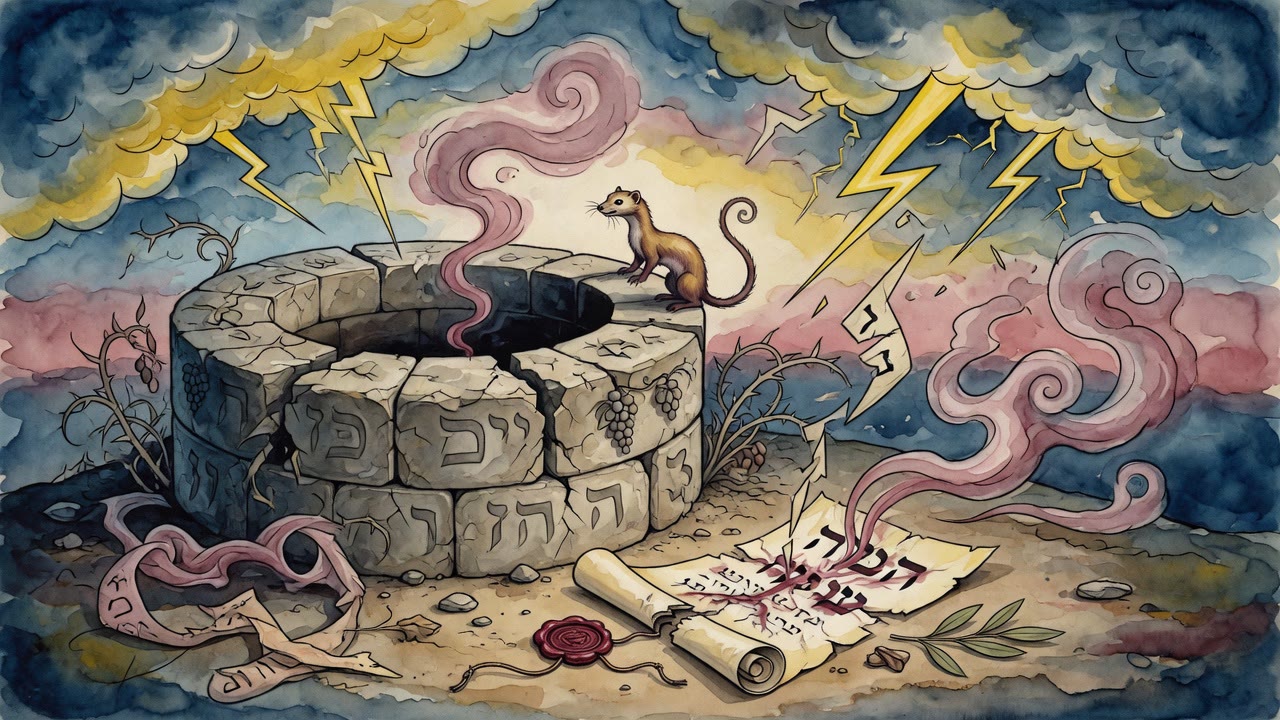
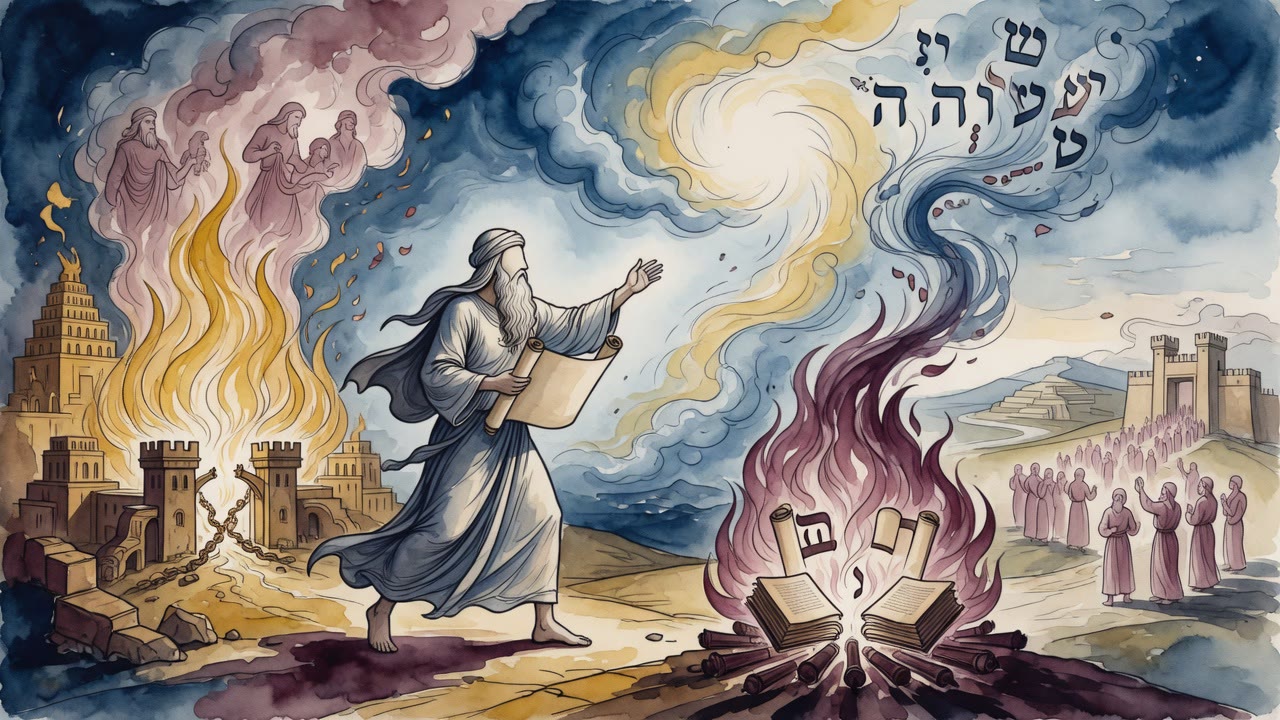
Before he would set one foot on the road out of Babylonia, he sat in the lamplight and unrolled his own descent, name after name, fathers and grandfathers reaching back through the priestly line until the chain locked clean into Aaron. He checked it the way a man checks a rope before he trusts his weight to it. If he was going to demand purity from a whole people, he would carry an unbroken pedigree of his own. Vanity had nothing to do with it. He simply refused to ask of others what he could not first prove in himself.
The Two Fires He Carried Out of Exile
Two desires burned in him, and neither would let him rest.
The first was for the purity of the people, blood and spirit both. Generations of exile had blurred the lines. Jewish men had taken wives from the nations around them, and to Ezra each of those marriages was a thread pulled loose from a garment that was already coming apart. He saw a people dissolving quietly into the lands that had swallowed them, and he could not bear it. So he set himself against intermarriage with everything he had, not out of contempt for the nations but out of terror that Israel would simply stop being Israel.
The second fire was the Torah itself. Ezra wanted more than a Temple rebuilt in stone. He wanted the teaching alive again in ordinary mouths, woven so deep into daily life that a farmer and a child and a judge all drew from the same well. A rebuilt sanctuary with an empty mind around it was no rescue at all.
The Unfit He Refused to Leave Behind
To guard the families who would stay in the East, Ezra made a decision that must have cost him sleep. Those he judged unfit, the ones whose lineage was tangled or broken, he did not abandon to quietly corrupt the communities of Babylonia. He gathered them up and brought them with him to Palestine.
Imagine the column of them on the road. The logistics alone were brutal, the supplies, the distance, the sorting of who belonged where. And underneath the logistics ran a harder weight, the grief of families told they did not measure up, the difficult arithmetic of a leader deciding whose presence purified and whose diluted. He carried that arithmetic openly. He would not pretend it was painless.
The Call That Echoed Into Half-Empty Rooms
Then came the part that broke something in him.
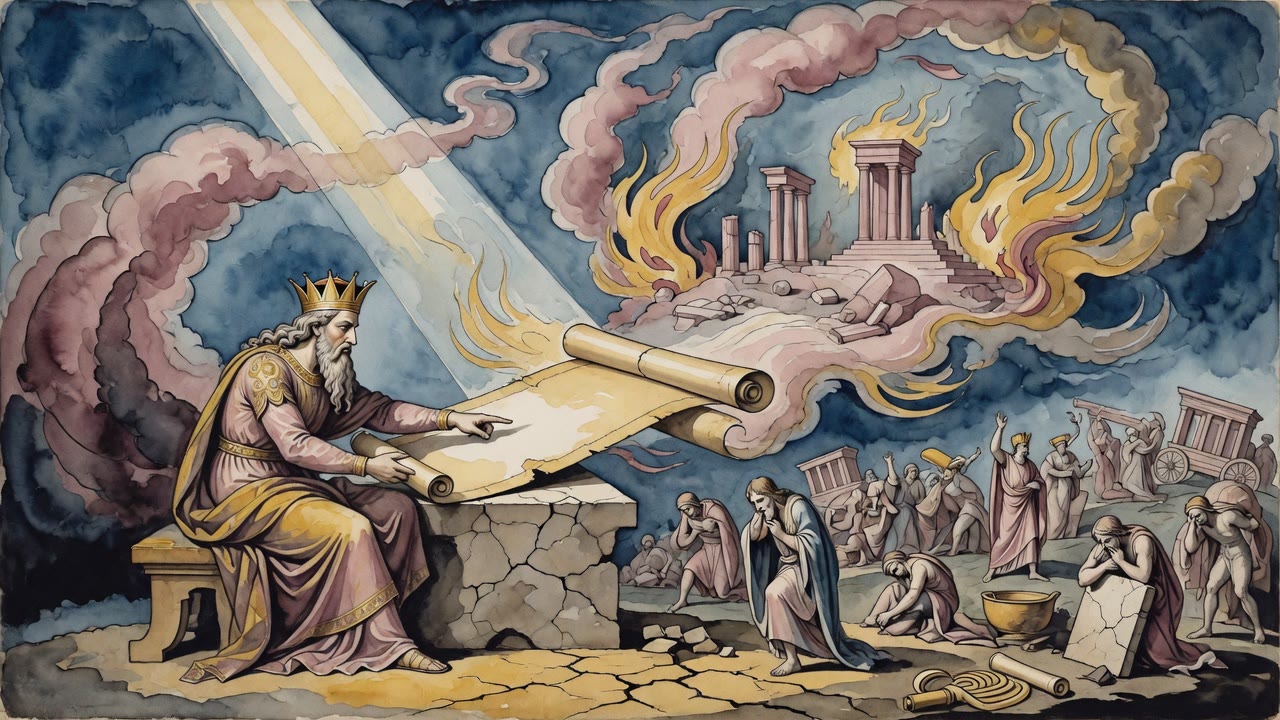
He called the people home. Come back to the land, rebuild the Temple, rebuild yourselves, take hold of the thing larger than any of you. He poured himself into the summons. And a surprisingly small number answered. The great mass of the exiles heard the call to return and stayed exactly where they were, comfortable in Babylonia, rooted in the lives they had built on foreign soil.
The Levites were the bitterest absence of all. The tribe of Levi, whose whole inheritance was service at the altar, whose hands were made for the Temple, should have been first on the road, crowding to the front, desperate to resume their sacred work. They showed almost no eagerness. The men born to serve the rebuilt house could not be bothered to come and serve it.
The Silence Where the Prophets Used to Speak
Heaven seemed to answer that lukewarm return with a withdrawal of its own.
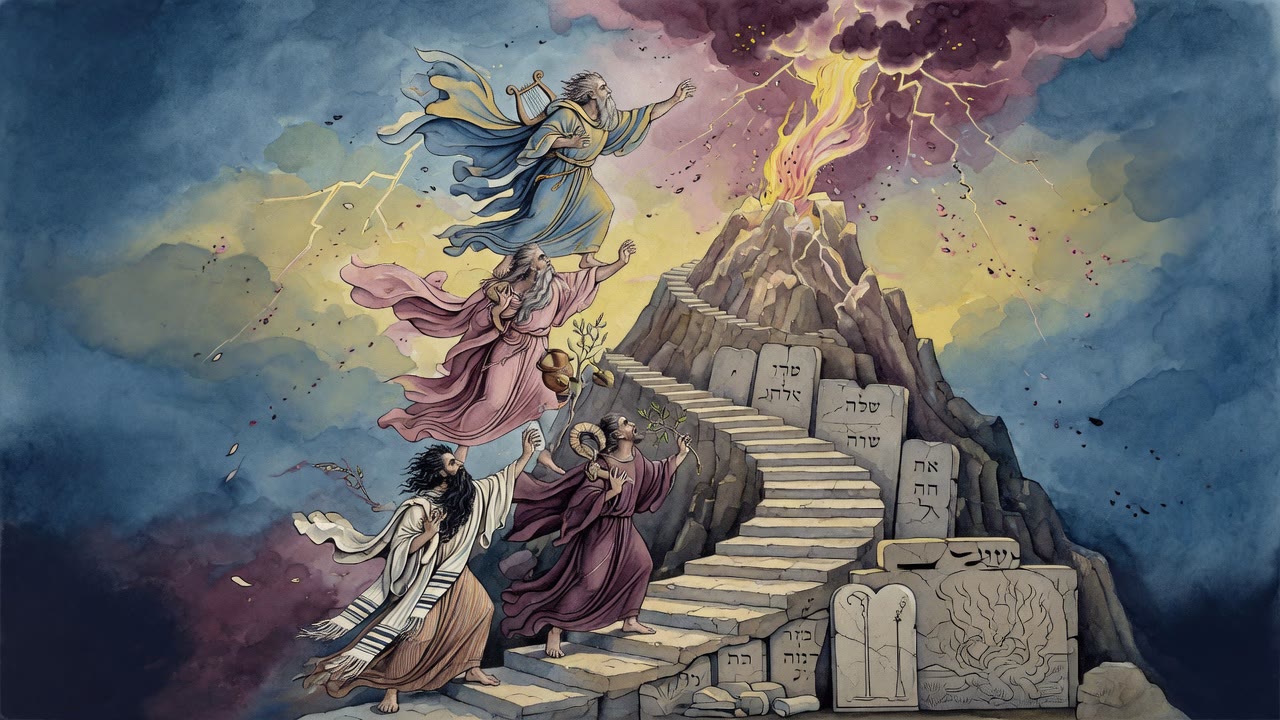
The Second Temple rose, but the voices that had once thundered over Israel began to fade. Haggai, Zechariah, and Malachi spoke, and then the prophetic spirit fell quiet. They were the last of the prophets, the last mouths directly lit by God, and after them came silence. The sages read that silence as no accident. The divine presence had been waiting, leaning toward a people who barely leaned back, yearning for a passionate embrace and meeting instead a half-empty country and a handful of weary returnees. A nation that answered its summons in a whisper got a whispering heaven in return.
What the Levites Lost by Staying Home
The Levites' indifference cost them something they could count.
By ancient right the ma'aserot, the tithes of crop and herd set aside from the harvest, belonged first to the Levites. That was their portion, their living, the reward of their service. But men who would not return to serve had loosened their grip on the privilege of being served. So the tithes were redirected to the priests instead, lifted from the hands of a tribe that had stayed behind in comfort. It was a tangible loss, a hole in the household budget of an entire tribe, the price of a road they had refused to walk.
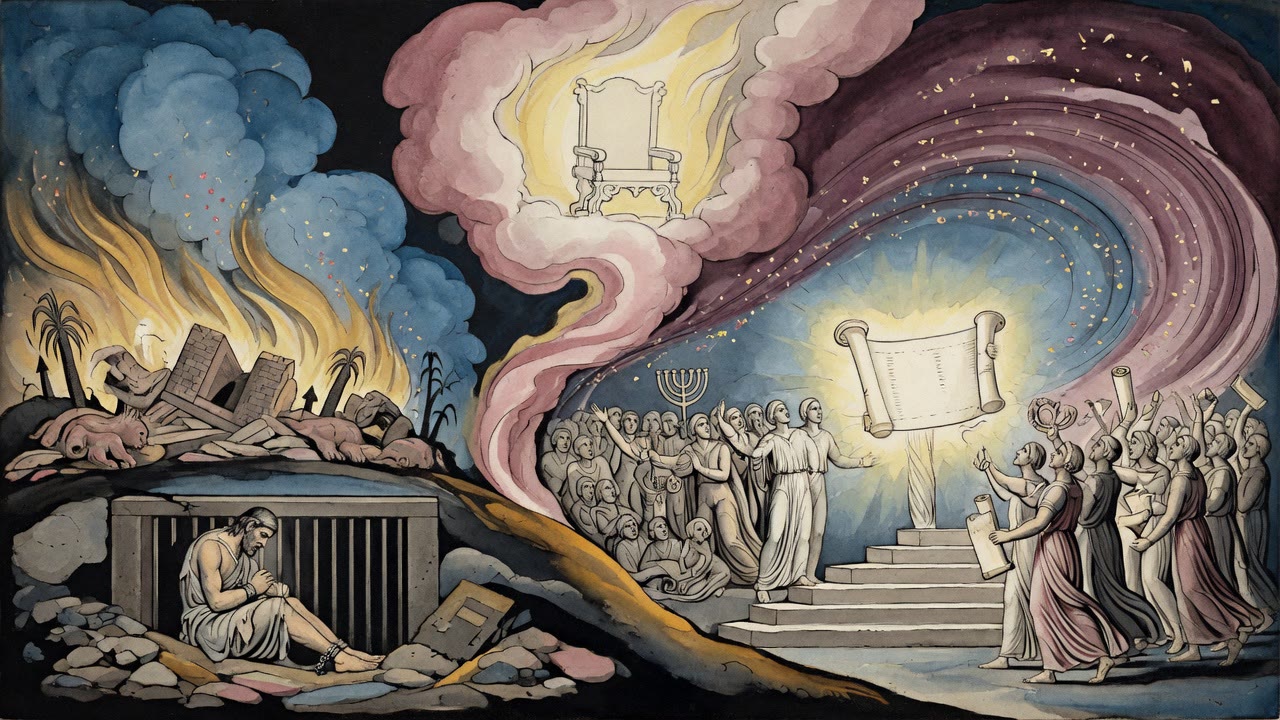
Ezra walked it. He had traced his blood, sorted the unfit, emptied his lungs calling a nation home, and built a Temple for a remnant in a country that answered him in a murmur. He had set out to rekindle a whole people from the ash of exile, and he learned what every fire learns. A flame can only catch where something is willing to burn.
← All myths