Abraham Debated Egypt's Priests and Taught Astronomy
Abraham entered Egypt to debate its priests, not just escape famine. When he left, Pharaoh was plagued and the Egyptians had learned arithmetic.
Table of Contents
 Click for full size
The Patriarch Who Walked Into a Foreign Court Looking for an Argument
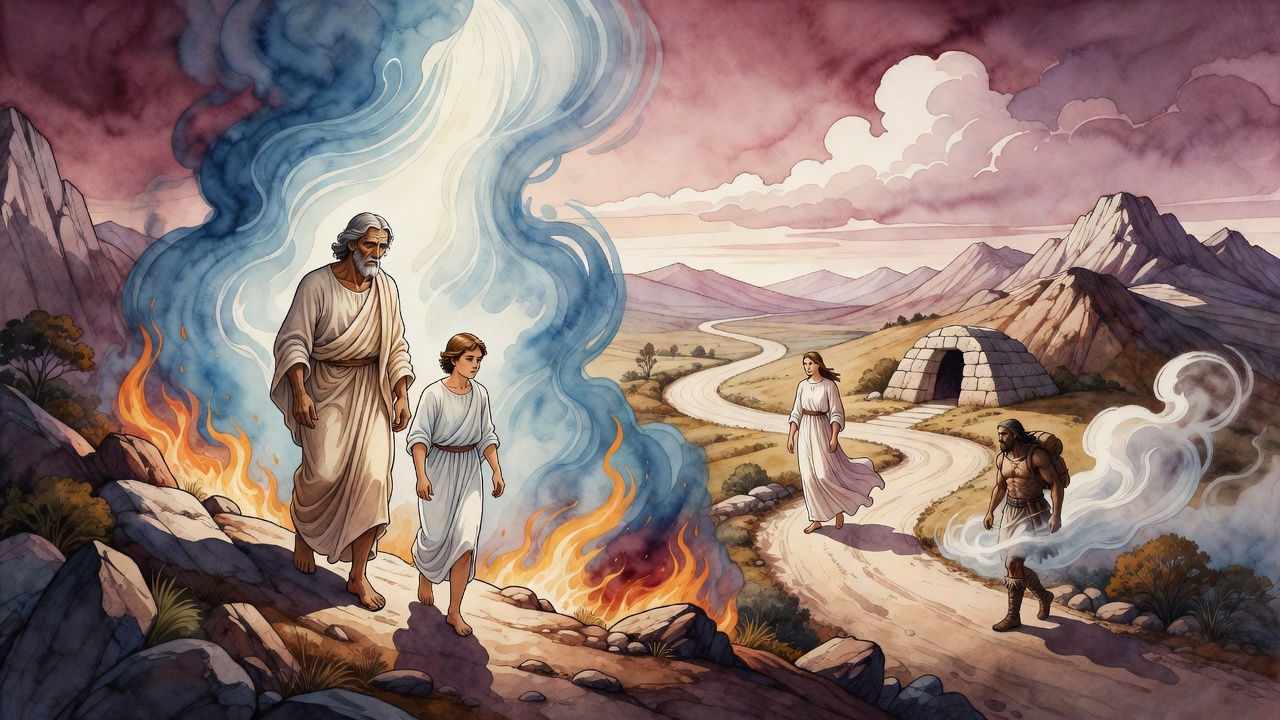
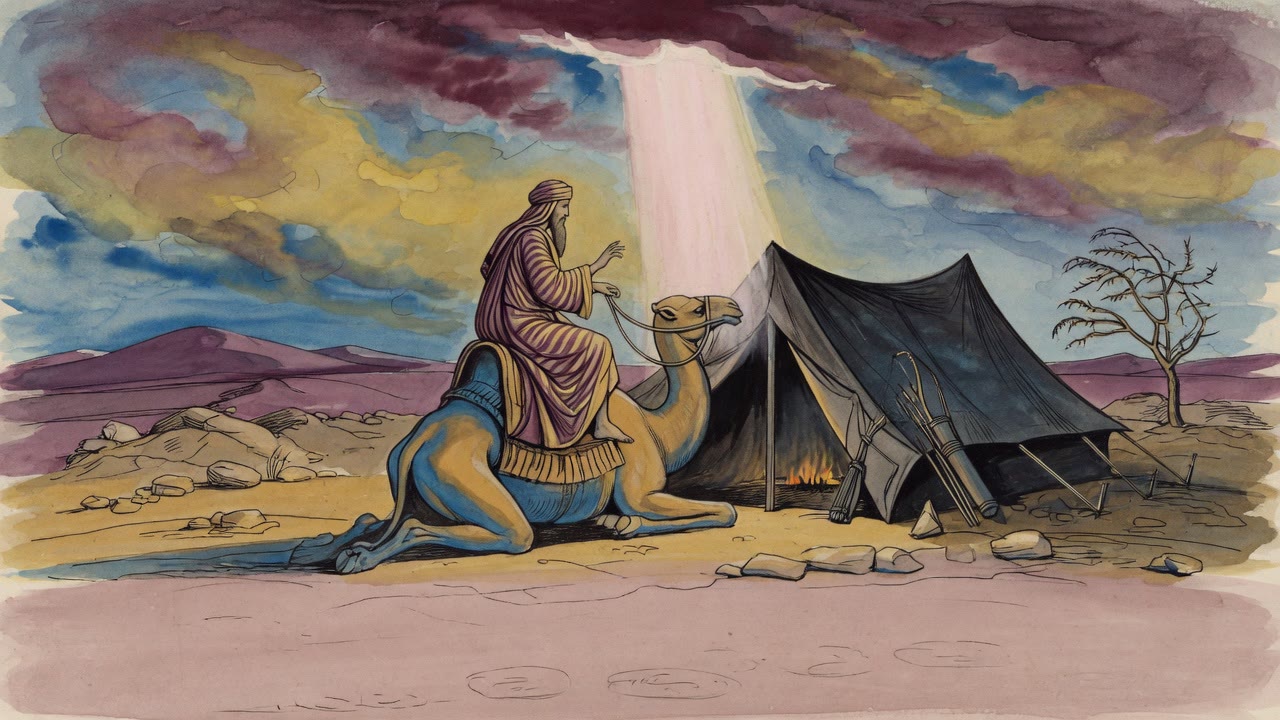
Famine had emptied Canaan. Abraham heard that Egypt was prosperous, loaded his household onto camels, and turned south. He had a double purpose. He wanted Egypt's grain, yes. But he also wanted Egypt's scholars. If the priests of Pharaoh held better ideas about the nature of God, Abraham intended to follow them. If they did not, he intended to convert them. That is the kind of man Josephus presents in his first-century account: not a refugee grateful for sanctuary, but an intellectual who walked into foreign courts ready for a fight.
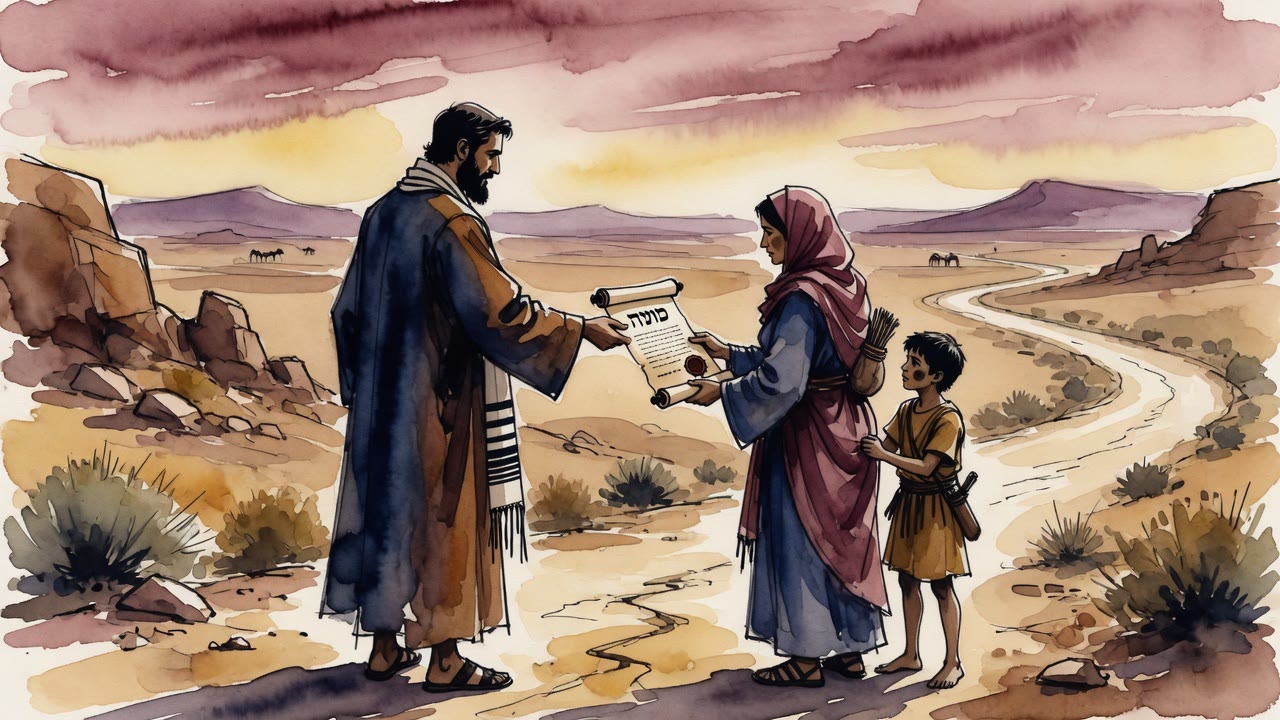
The problem was Sarah. She was beautiful in a way that made kingdoms dangerous. Abraham understood precisely what Pharaoh's court would do to a man whose wife the king wanted. He told Sarah to identify herself as his sister. The Torah records this without comment. Josephus records the consequence: the stratagem failed almost immediately. Pharaoh's officials noticed Sarah, reported her beauty to the palace, and she was taken in.
The Astronomer Before the Throne
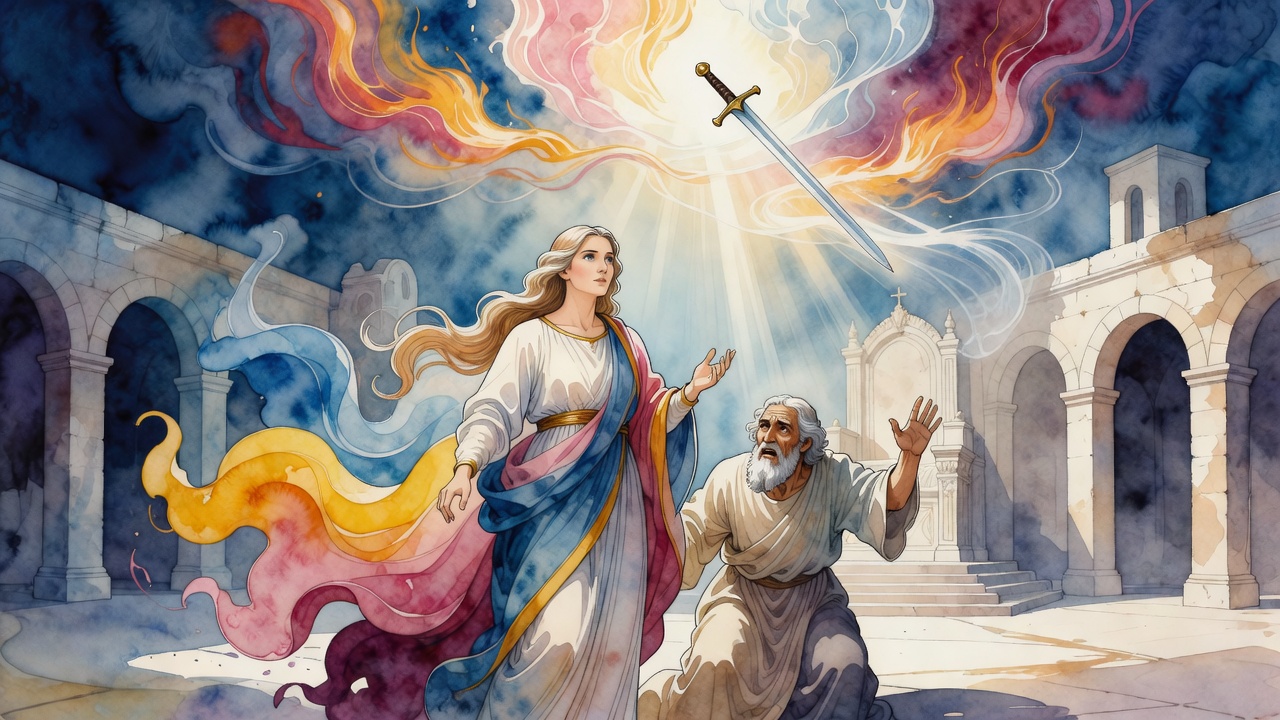
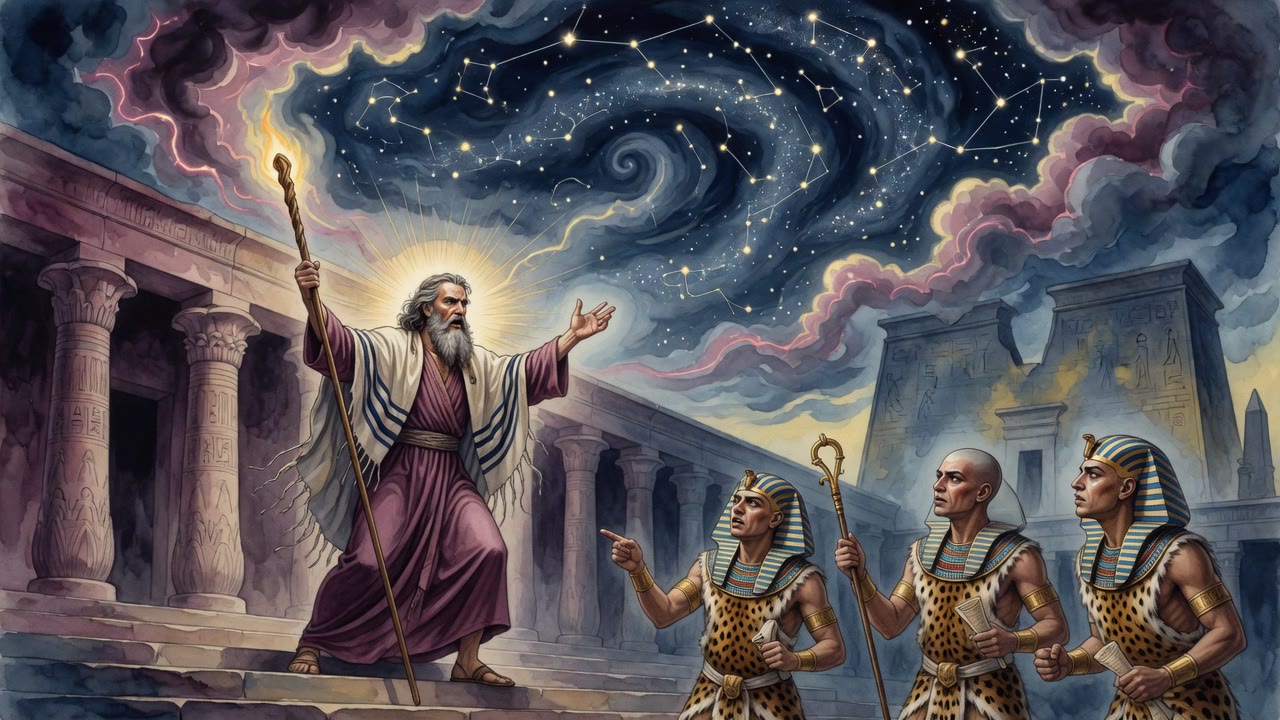
What happened next is the detail that later traditions could not leave alone. God struck Pharaoh's household with plagues, severe enough that Pharaoh summoned Abraham for a reckoning. Josephus does not have Abraham cower. Instead, Abraham stood before the most powerful ruler in the known world and made his case.
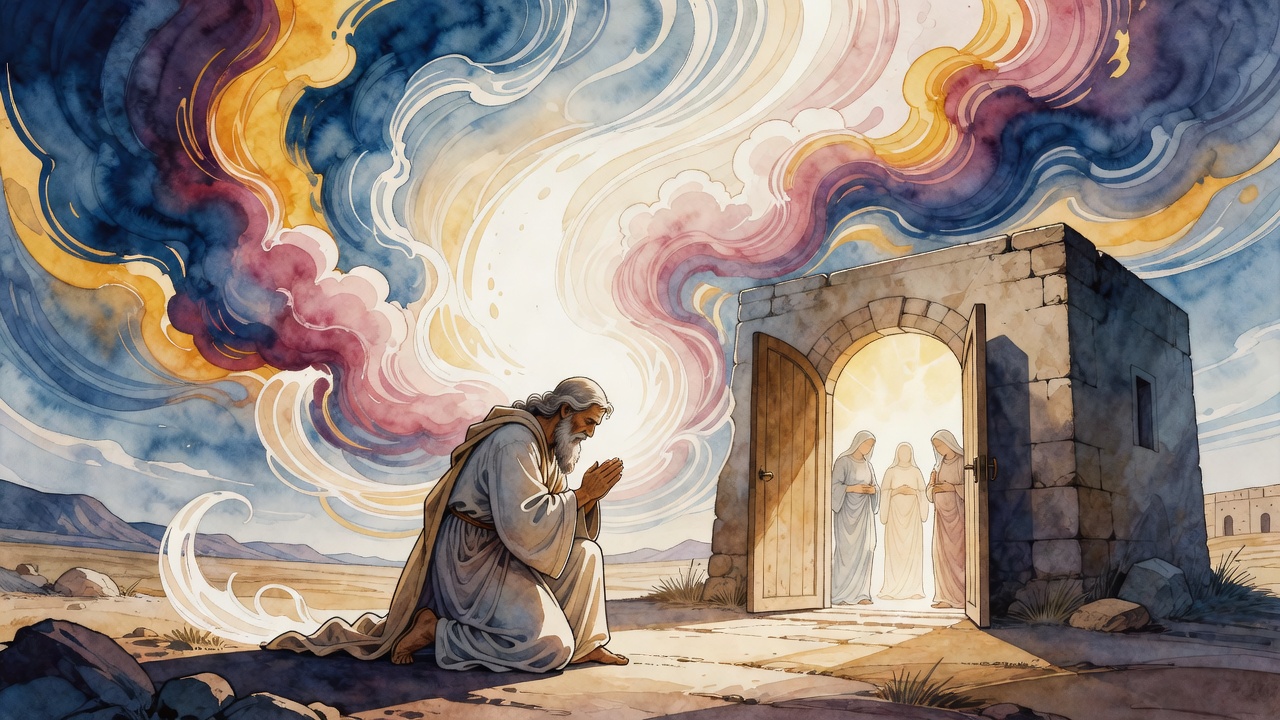
Then the second act begins. While Sarah was in Pharaoh's court, Abraham was given access to Egypt's scholars. He did not waste it. He taught them arithmetic. He taught them astronomy. According to Josephus, before Abraham arrived, the Egyptians had not possessed these sciences in their current form. Abraham had brought them from Chaldea, from the world of precise celestial observation that had already given the ancient Near East its calendar. He presented these disciplines to the priests, and they accepted them.
The Book of Jubilees adds the material weight to what the tradition remembered. When Abraham left Egypt, he was laden with sheep and cattle, asses and horses, camels, servants, silver and gold. The list is extraordinary. Jubilees connects this wealth to the gifts Pharaoh gave when he took Sarah into his house. The divine intervention reversed the situation, but the wealth remained. Abraham walked out of Egypt richer than he had entered it.
The Cup That Could Not Be Emptied
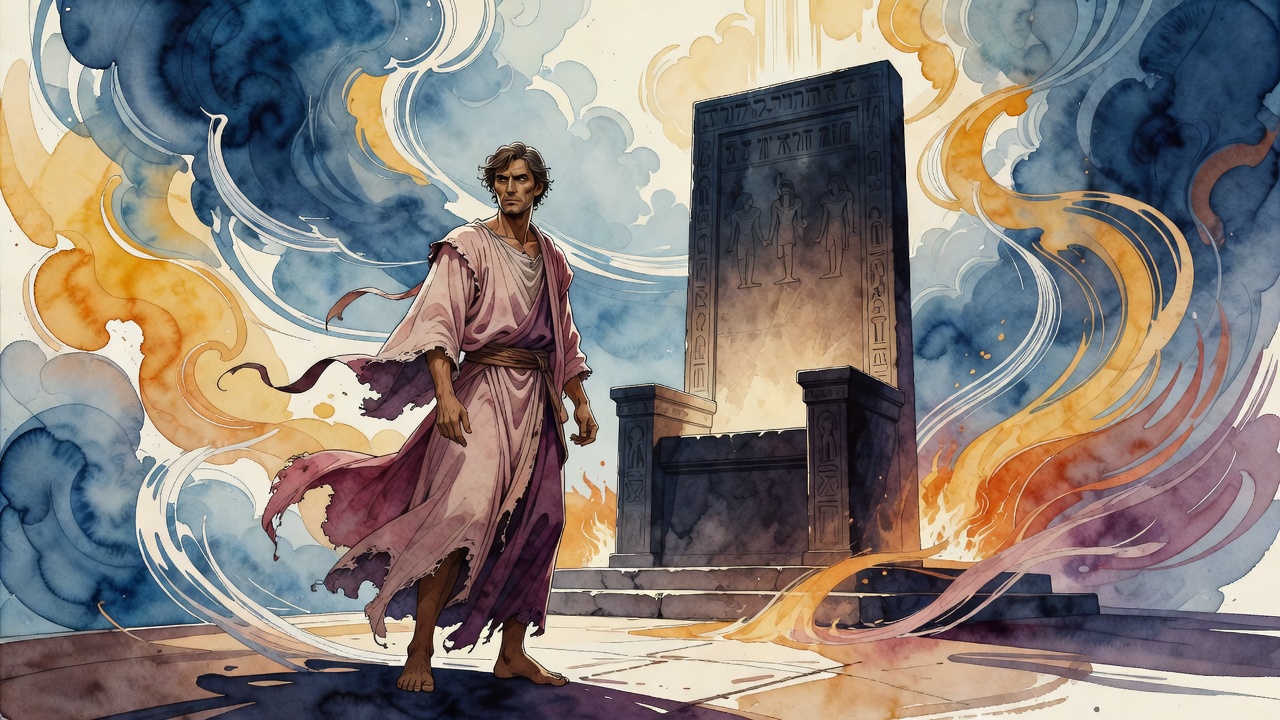
Midrash Tehillim, the rabbinic commentary on Psalms compiled in the early medieval period, returns to Pharaoh's punishment and refuses to let it end with the biblical text. In a dramatic scene set at the final reckoning of nations, God presents a cup to Pharaoh and demands he drink. Pharaoh protests. He objects to what is being given to him. He points to precedent, to argument, to justification. God does not accept his protest.
The rabbis identified this cup with accumulated judgment. They cited the Talmudic discussion of a vessel that can be emptied yet still be said to contain a full measure, filled again with old wine, the weight of prior deeds. Pharaoh's cup held not just the sin against Sarah but the accumulated record of how Egypt treated the family it claimed to welcome. The midrash reads Pharaoh's fate as divine precision rather than divine anger: what a king brings to his guests eventually comes back to him in kind.
What Abraham Gave Egypt and What Egypt Could Not Keep
Three texts circled around Abraham's descent into Egypt for over a thousand years. The Book of Jubilees, composed in Hebrew during the second century BCE, focused on the material outcome: Abraham came away wealthy because God vindicated him. Josephus, writing in Greek for a Roman audience in the late first century CE, focused on the intellectual dimension: Abraham the philosopher who arrived in Egypt with superior knowledge and left having transmitted it. The midrash focused on divine justice: Pharaoh received exactly what his treatment of the patriarch deserved.
Together they build a portrait that the Torah's twelve verses do not quite give. Abraham in Egypt was not a man who survived by luck or by one clever lie. He was a man who carried knowledge that the most sophisticated civilization of his era did not yet possess, who faced a palace arrest and came out of it having taught his captors, and whose departure was marked by a divine intervention that left the wealthiest kingdom in the world diminished and a wandering patriarch enriched.
← All myths