120 myths · Page 1 of 4
Each story names the sources it was written from.
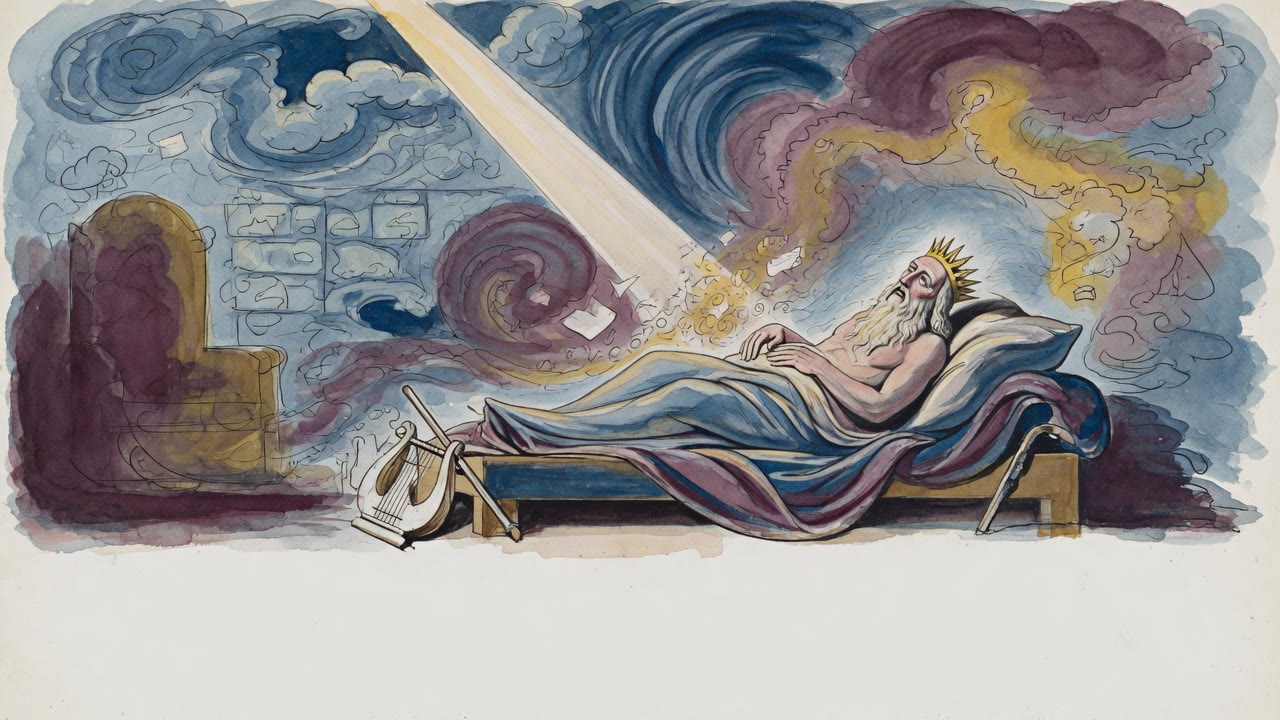
King David survived lions, bears, and Goliath, but under his own blankets the old king could not get warm, and his inner fire was leaving.
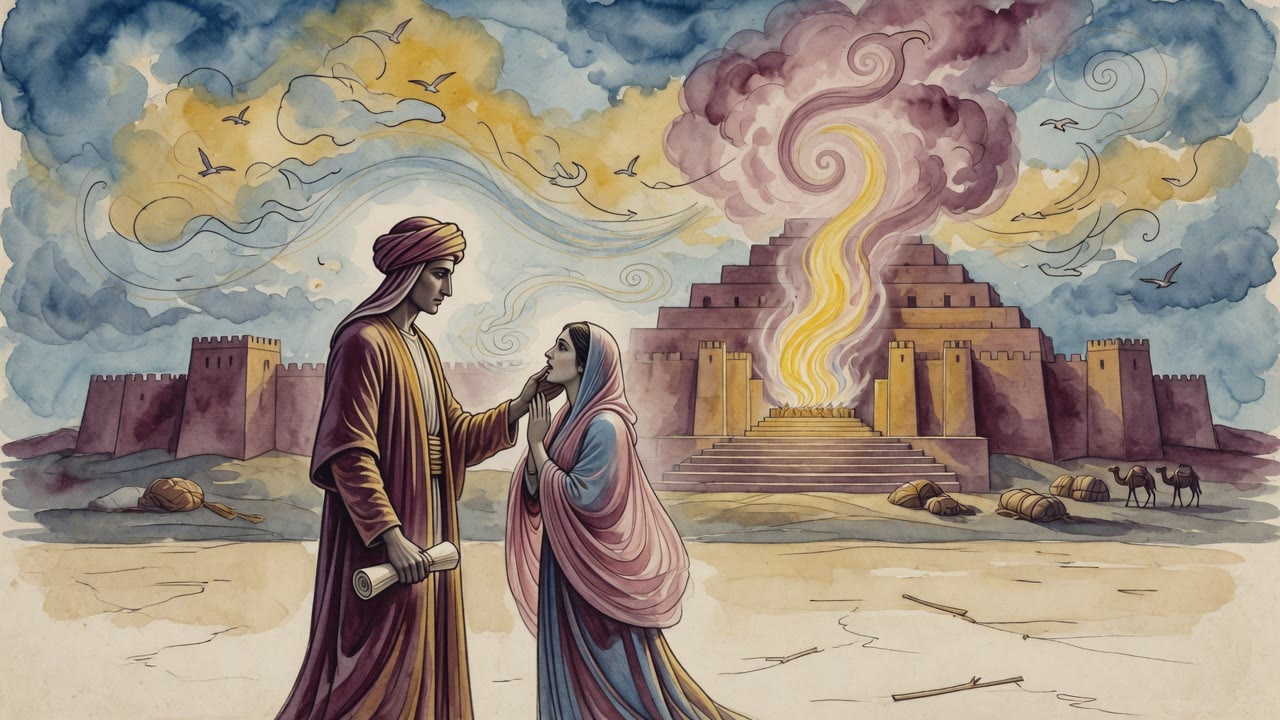
Before Abraham left his father's house, he asked Sarah for one kindness, a single word she would speak in every strange land. Call me your brother.
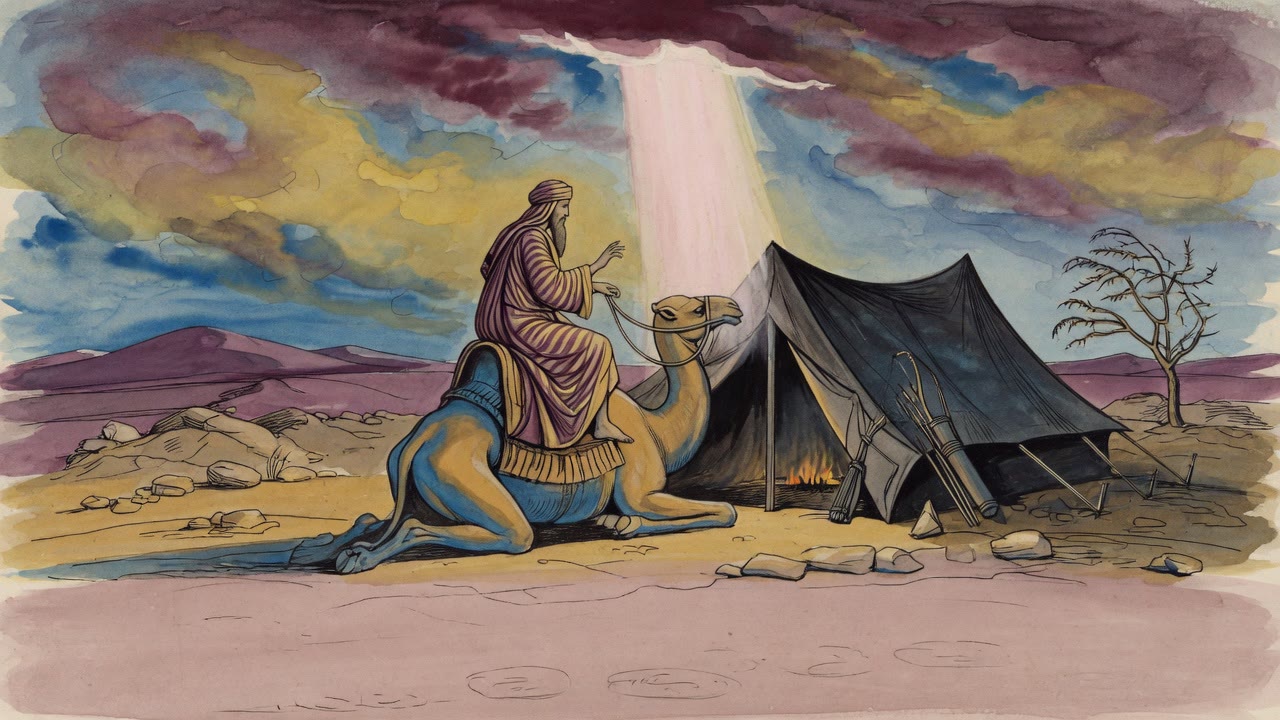
Sarah named the price before he left. See the boy. Stay in the saddle. He rode into Paran with that vow locked in his knees.
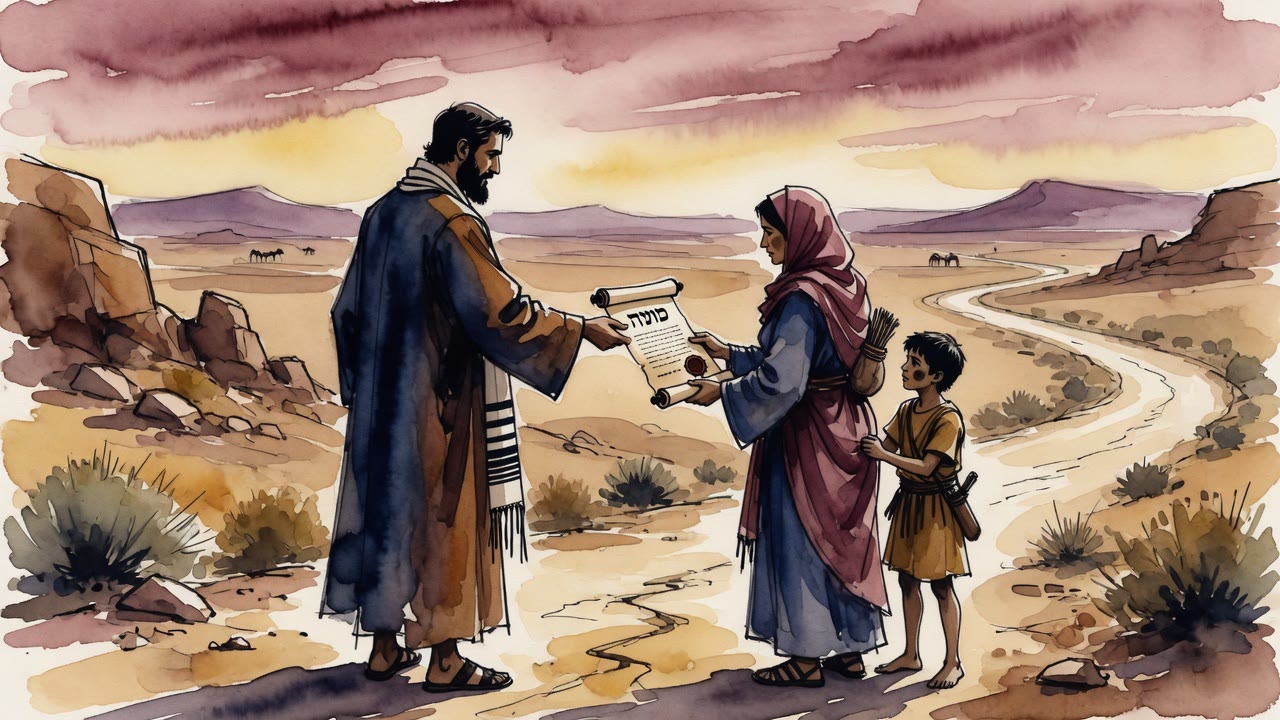
Sarah wanted the slave and her son out of the house. Abraham did not argue with his wife. He argued with God, and God told him to do what she said.
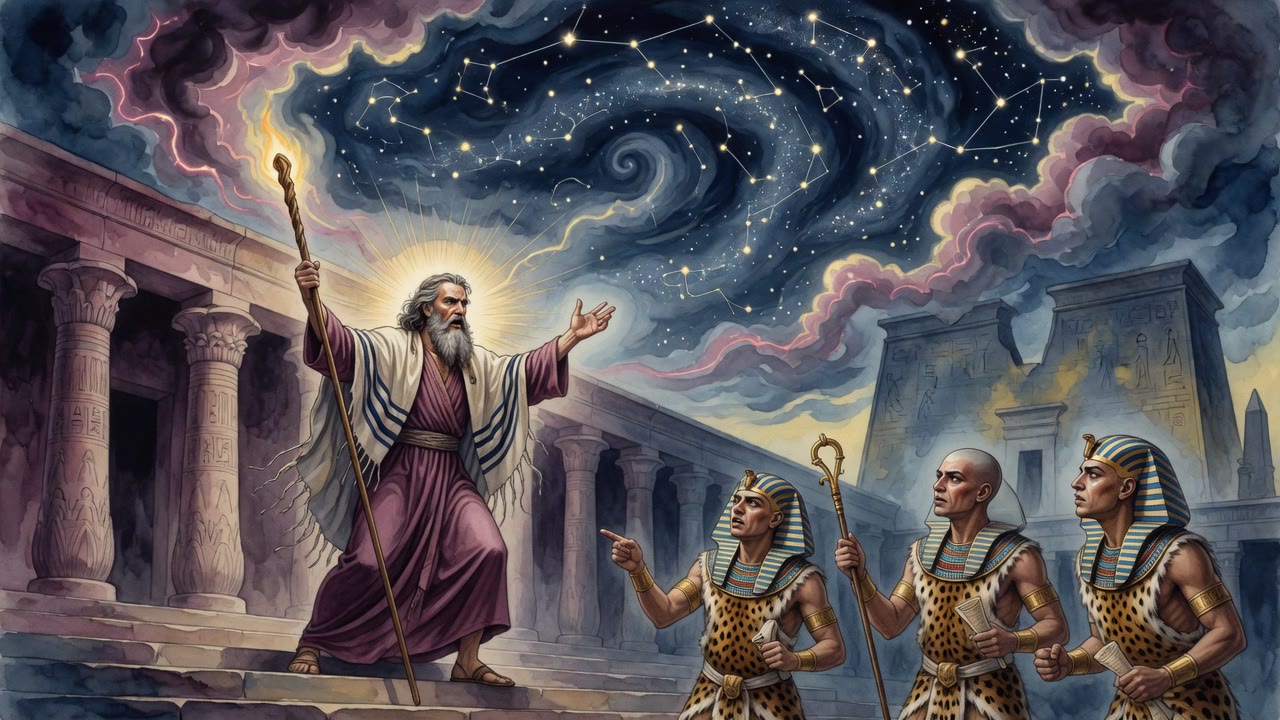
Abraham entered Egypt to debate its priests, not just escape famine. When he left, Pharaoh was plagued and the Egyptians had learned arithmetic.
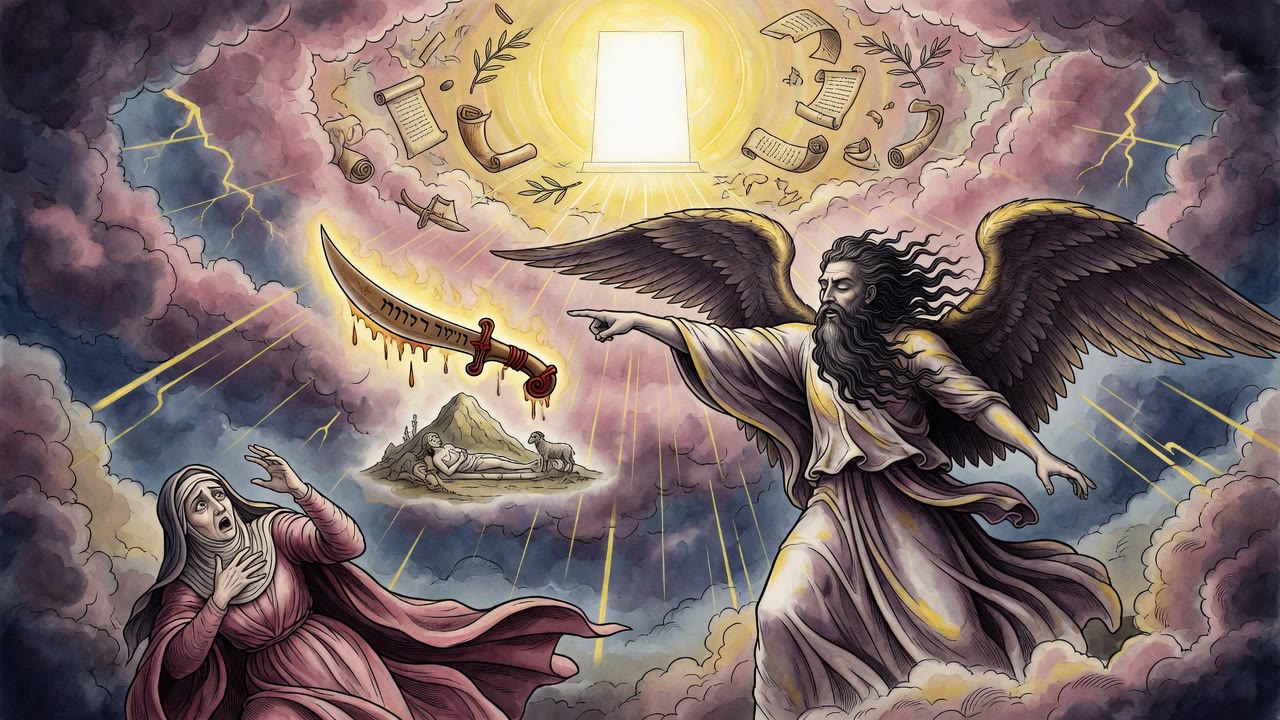
Abraham took Isaac up the mountain, and a stranger came to Sarah's tent with a vision of the raised knife. She screamed once, and her soul left.
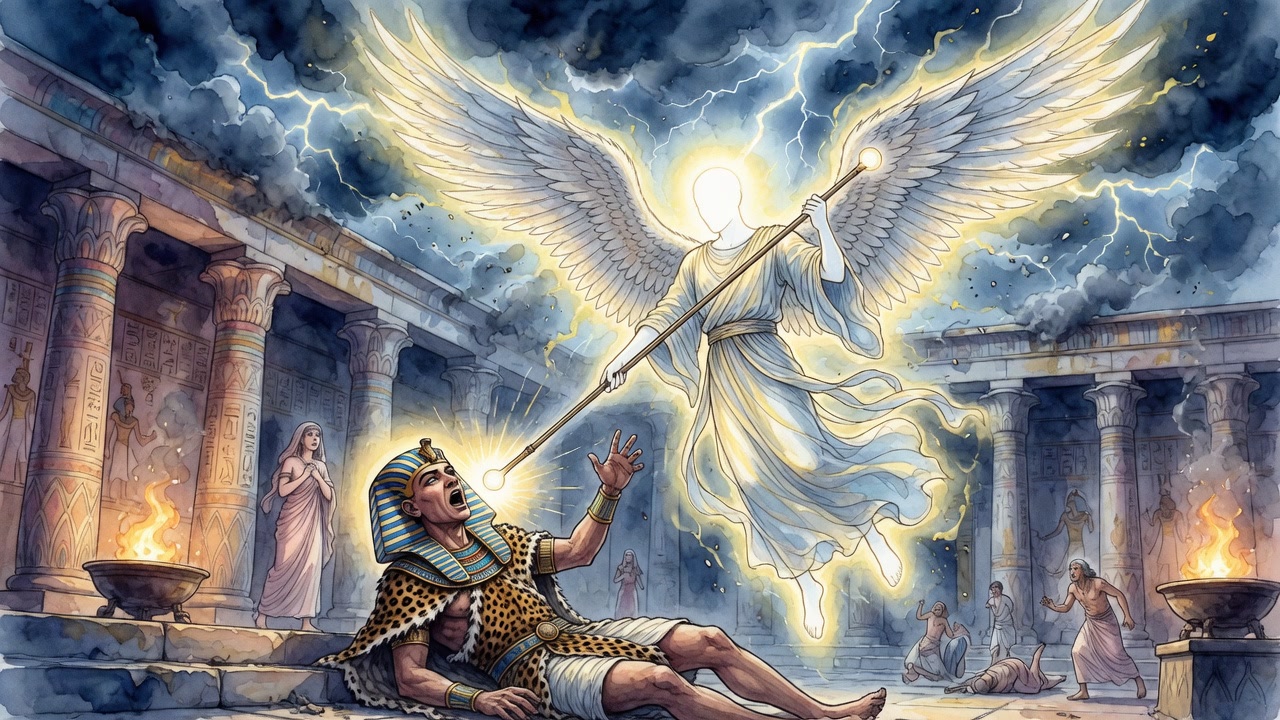
Pharaoh reached for Sarah's shoe in the palace dark. The angel raised the rod and waited for her to say whether it should fall.
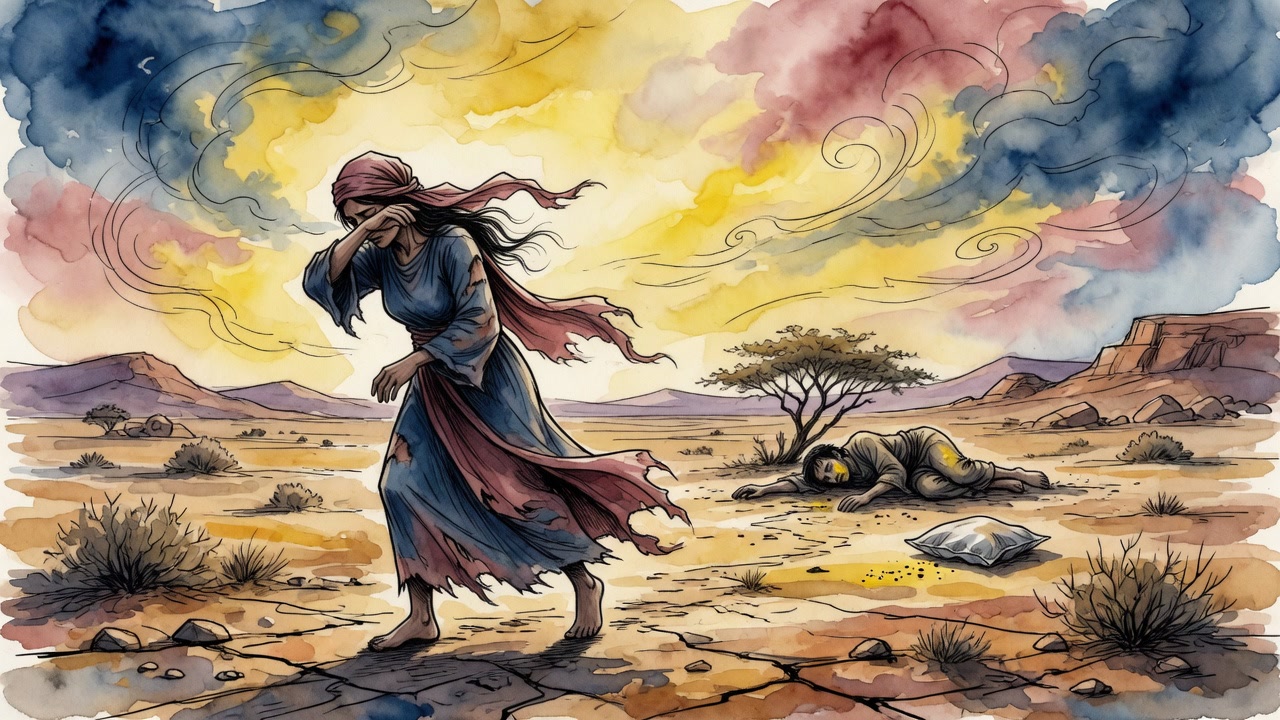
When the water ran out in the wilderness, Hagar put Ishmael under an olive tree and walked a bow-shot away. She could not watch him die.
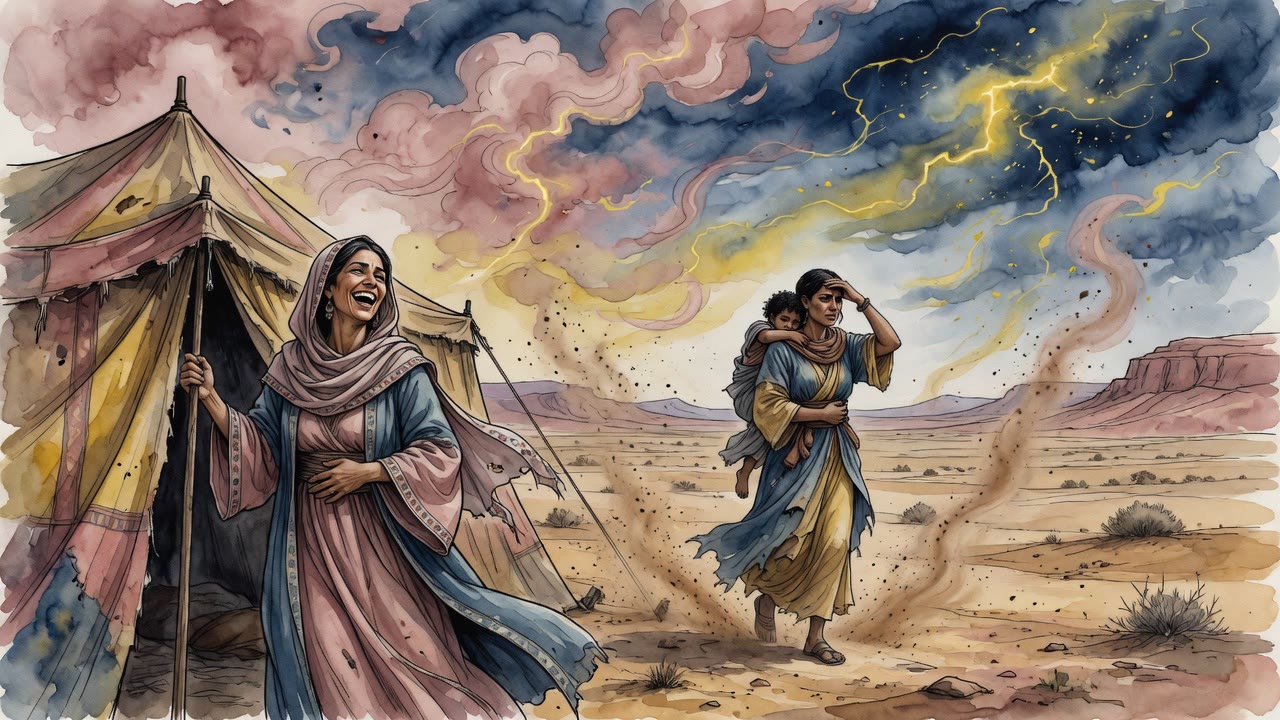
Abraham put bread and a water-skin on Hagar's shoulder. When it ran dry she set Ishmael under a bush and sat far enough not to watch him die.
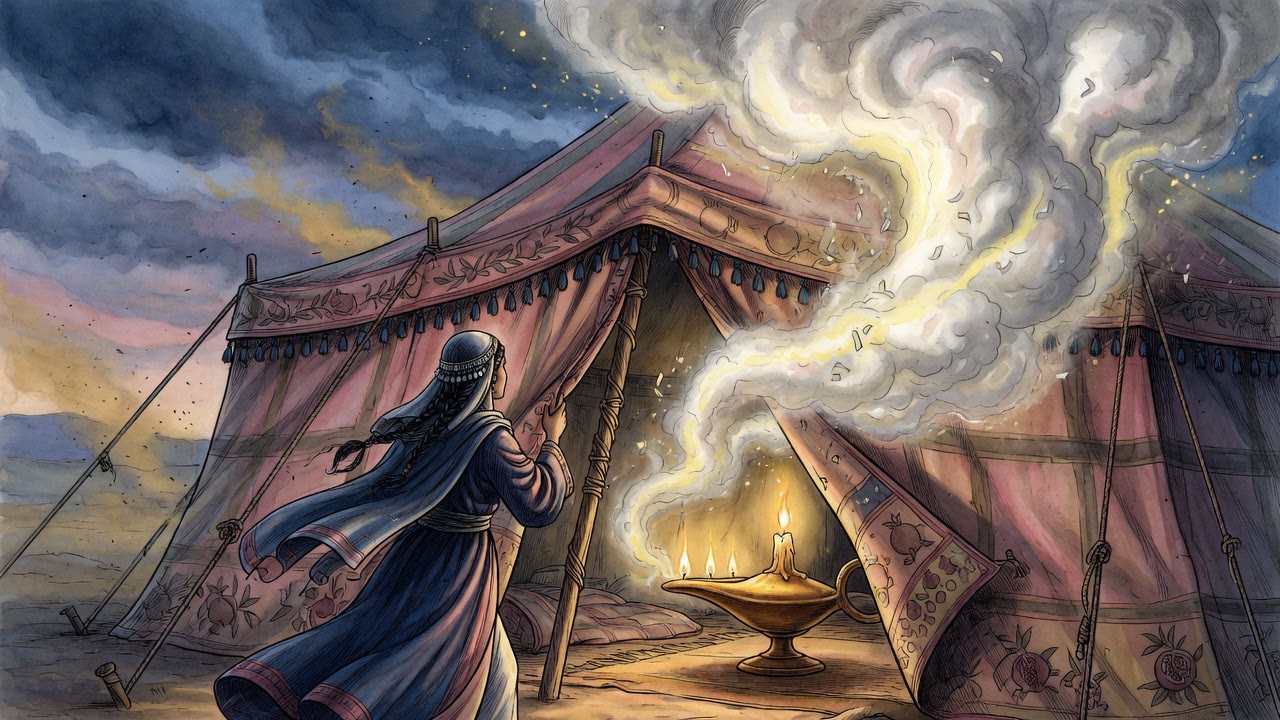
Sarah's tent had gone dark and empty. Then Isaac led Rebekah inside, and the cloud returned, the candle relit, the bread rose.
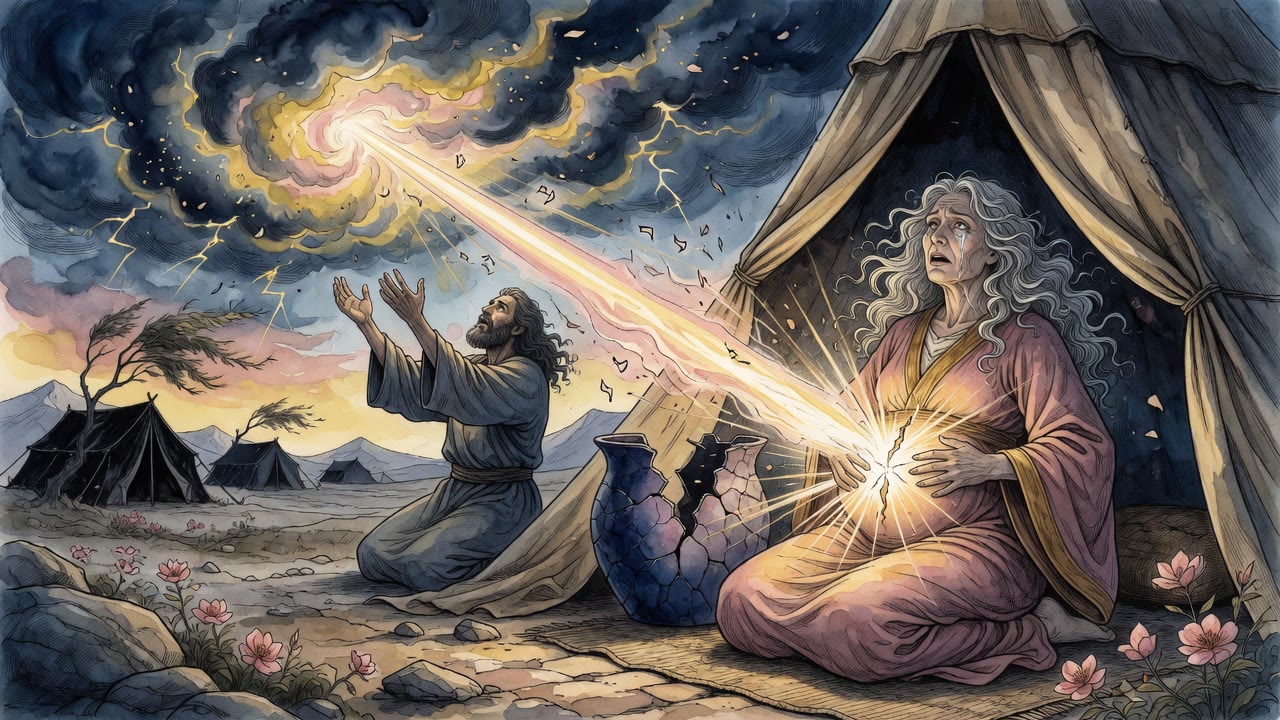
Sarah stood in a palace where every womb had shut, even the hens. Abraham prayed for that king, and the next name heaven spoke was hers.
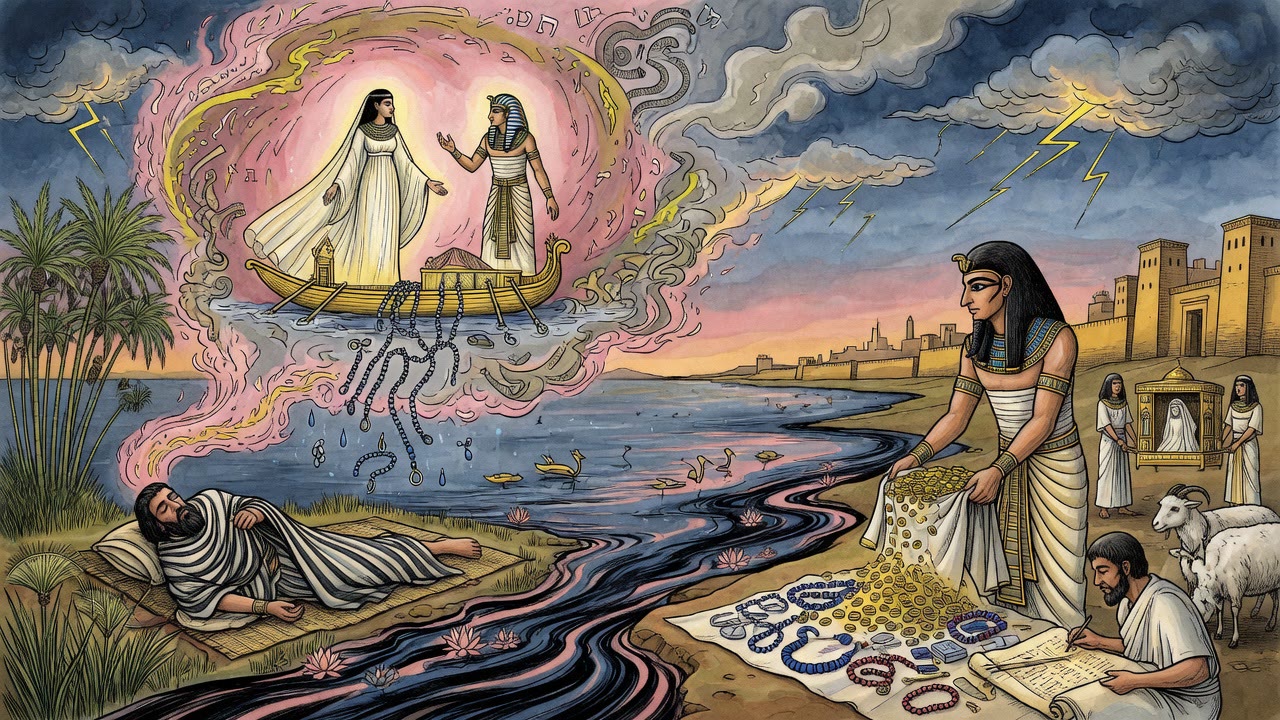
Hebron had no bread left in the famine. At a branch of the Nile, a palm spoke in Abraham's sleep and bargained for the cedar beside it.
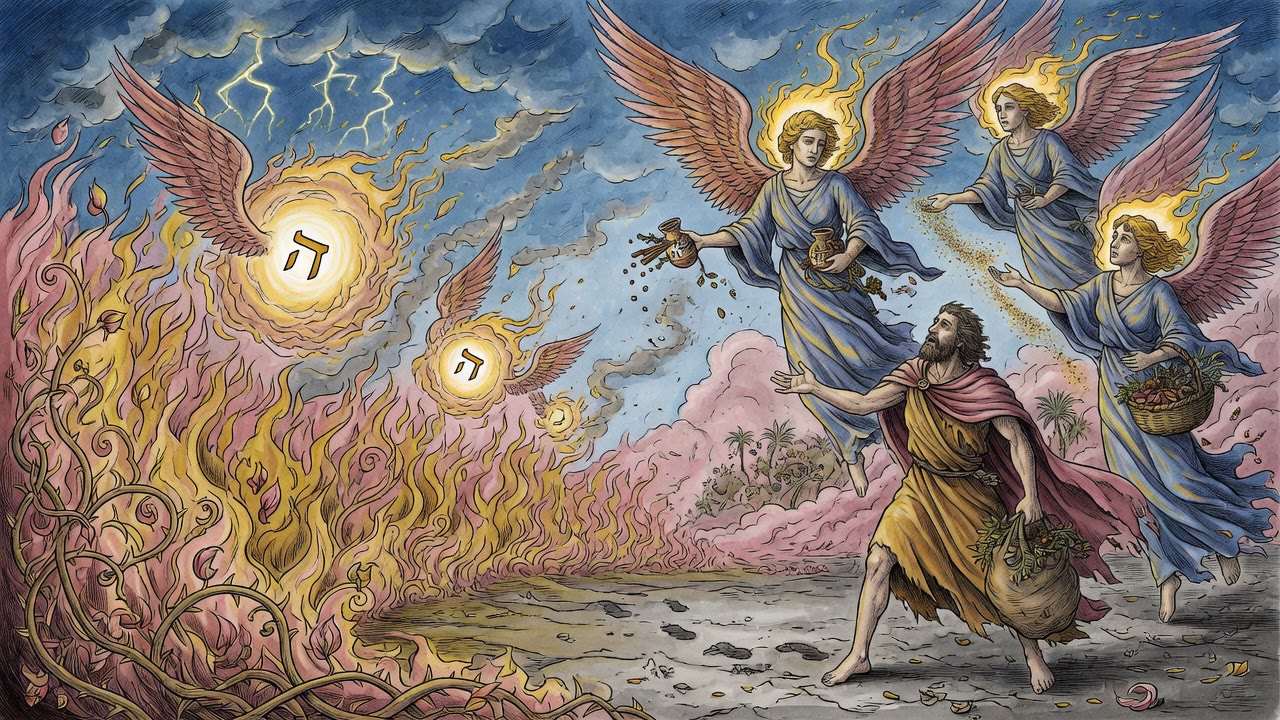
Driven from the Garden in the twelfth hour, Adam wept and begged the angels for one thing before the gates closed: spices, so he could still pray.
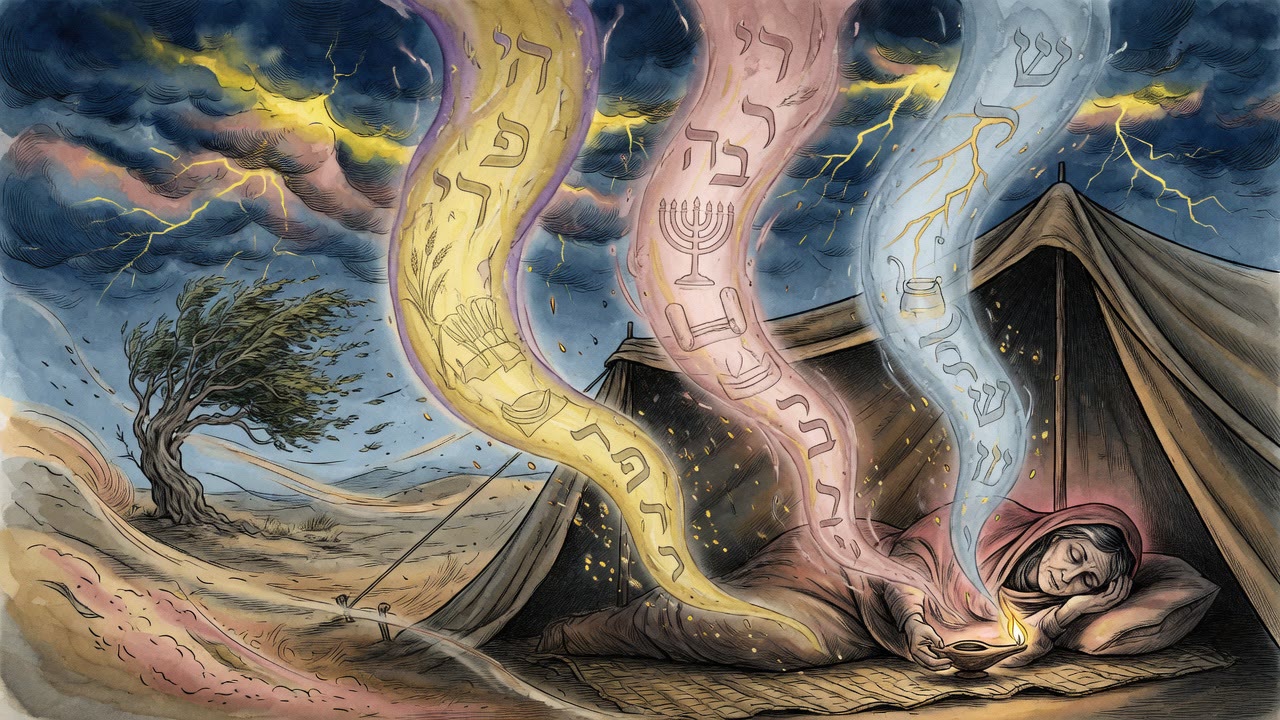
Pharaoh woke at dawn and could not explain the night. He had brought Sarah into his palace and had not been able to come near her.
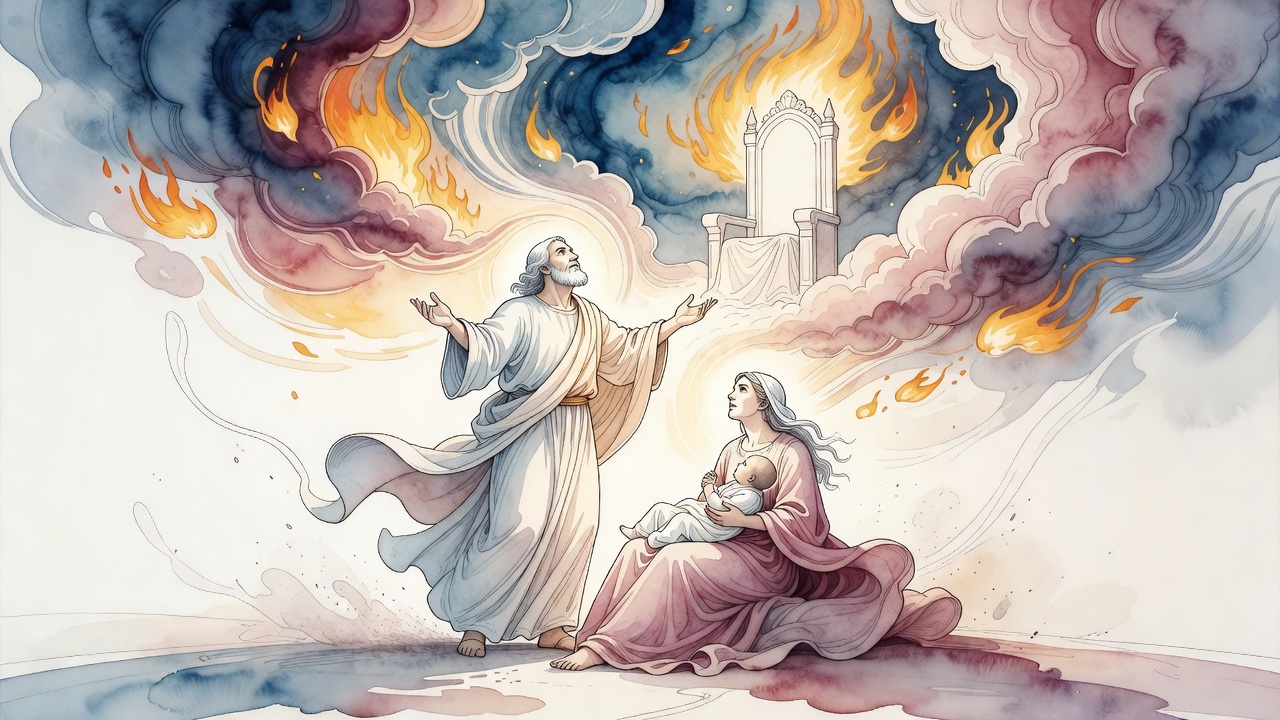
Abraham prayed for a stranger's house, and the closed wombs there opened. Then heaven turned to his own tent. Isaac was born with Abraham's face.
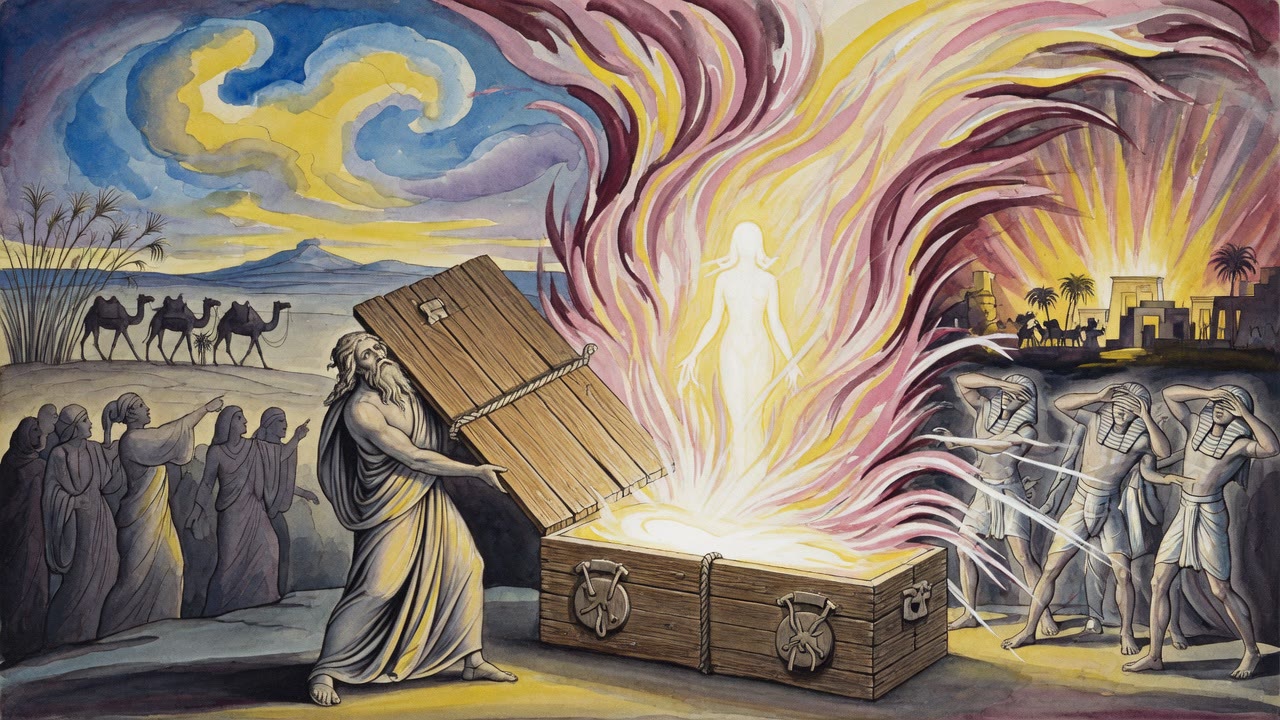
Abraham had been married to Sarah for years before her reflection in a stream stopped him. At the border he paid the tax on gems rather than open the lid.
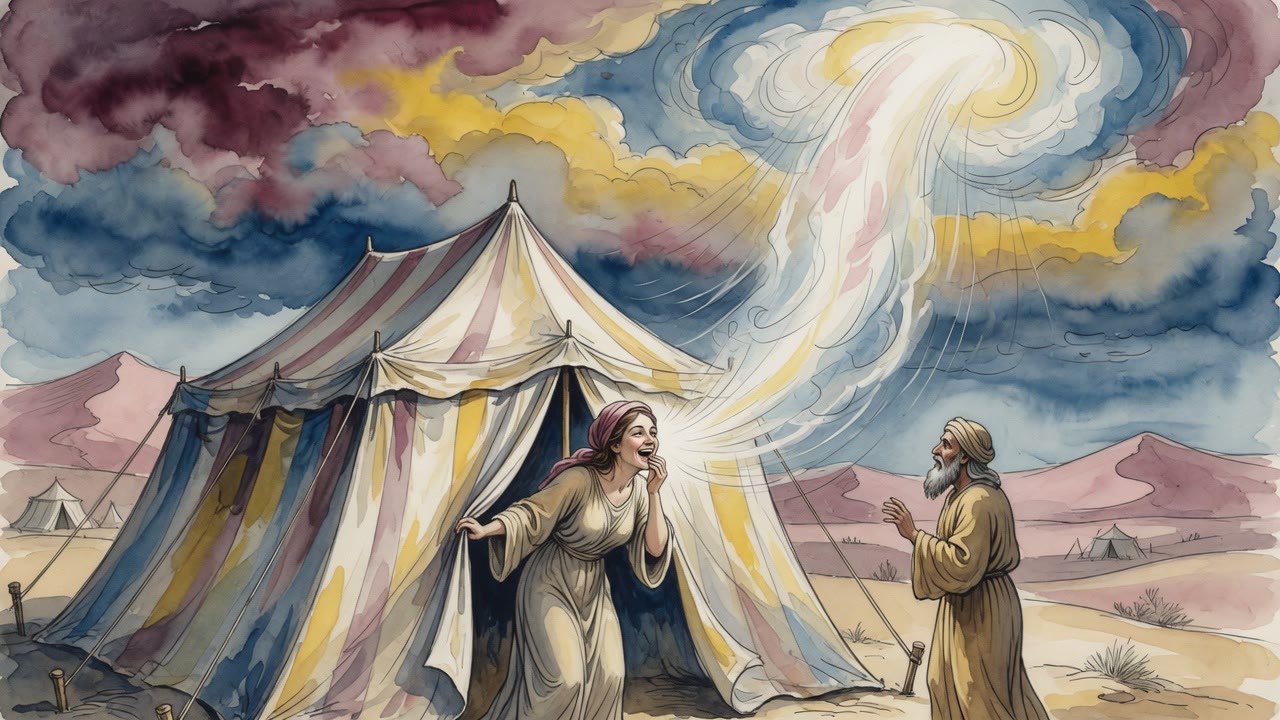
Three visitors promised her a son. She laughed inside the tent and then denied the laugh. The voice that answered her sent no angel.
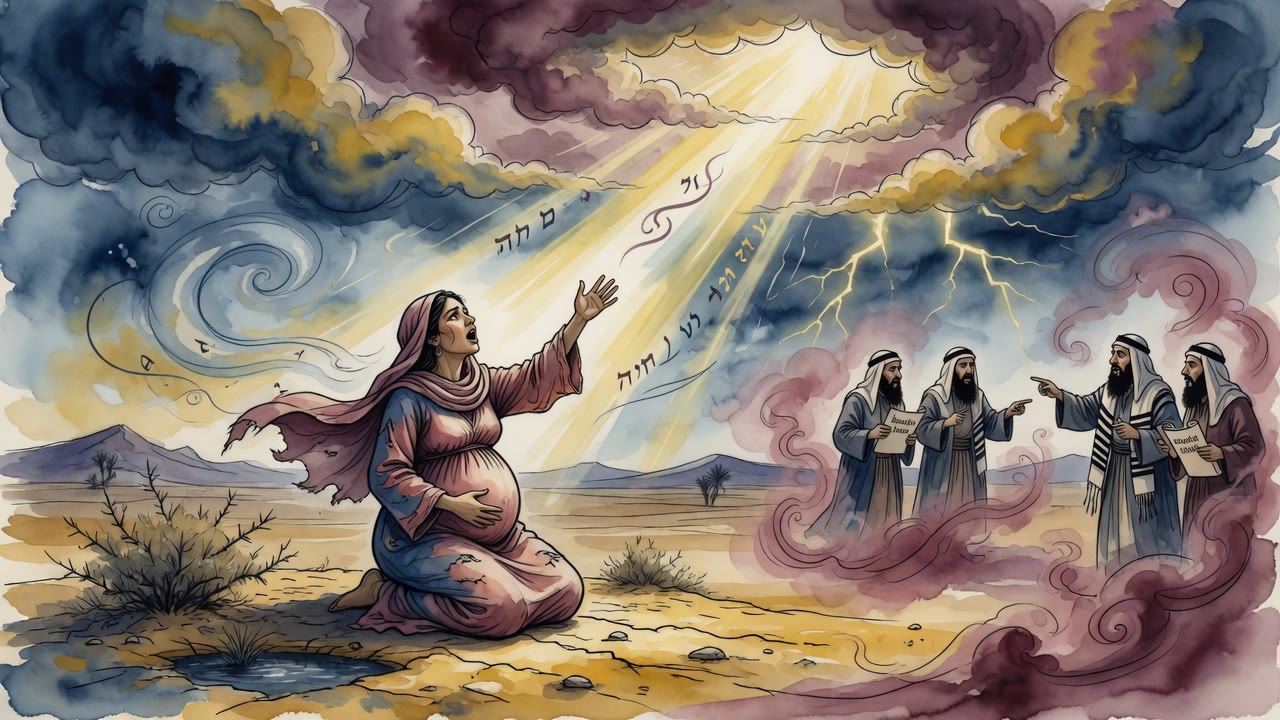
Pregnant in the desert, Hagar called the voice she heard El Ro'i, God Who Sees Me. Bereshit Rabbah and Philo's Midrash disagree about who she spoke to.
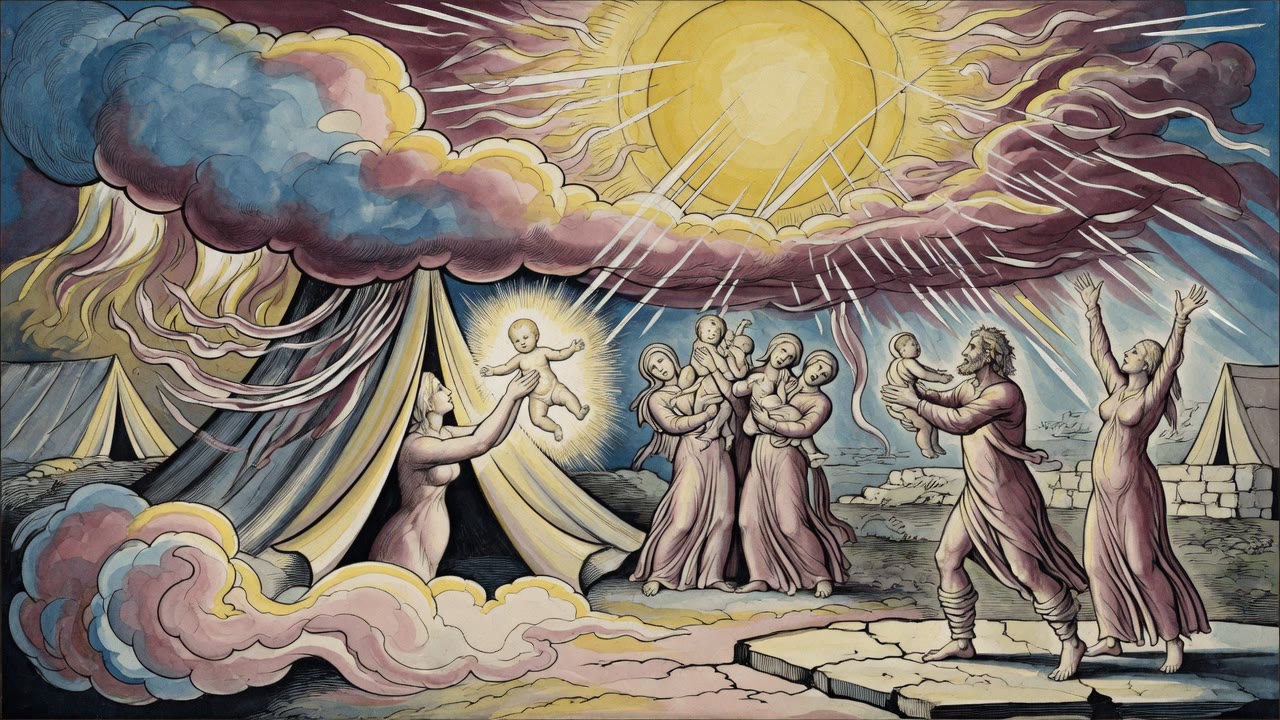
Isaac entered the world and barren women held children, broken bodies rose whole, and the old light of Eden flashed across the sun.
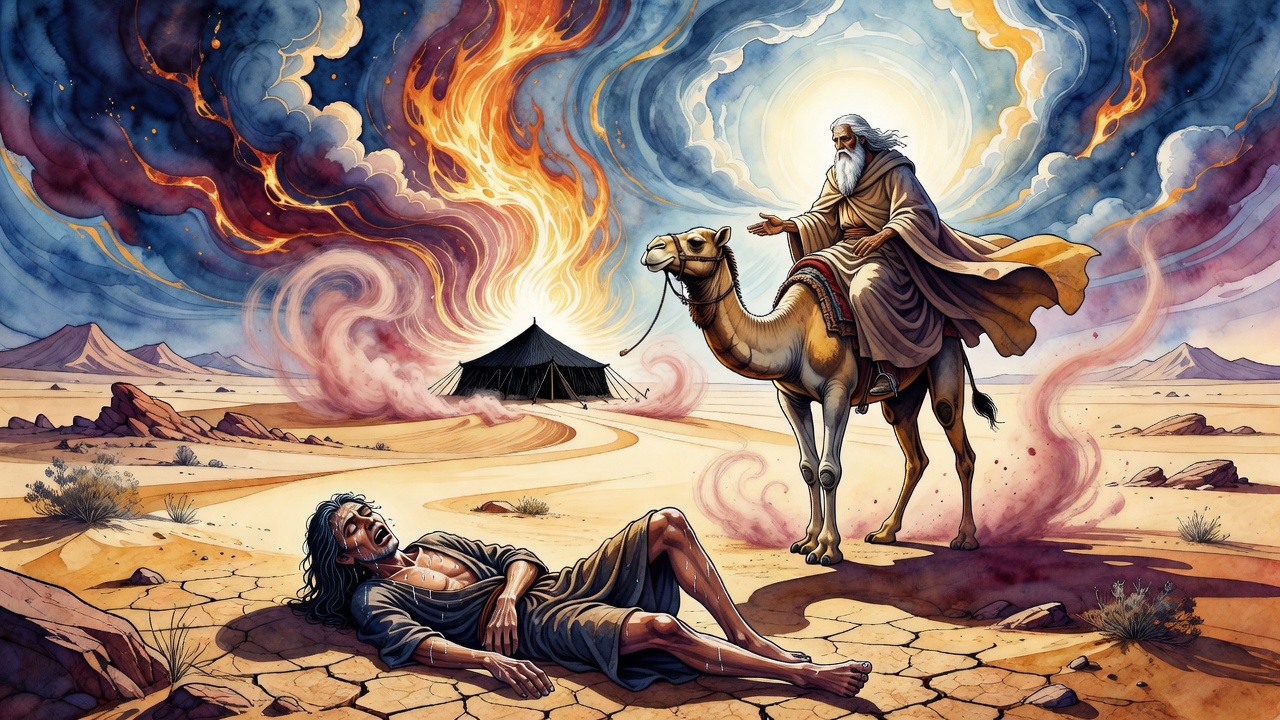
Ishmael burned with fever in the desert, but God judged him by the moment. Years later, Abraham blessed his tent from camelback.
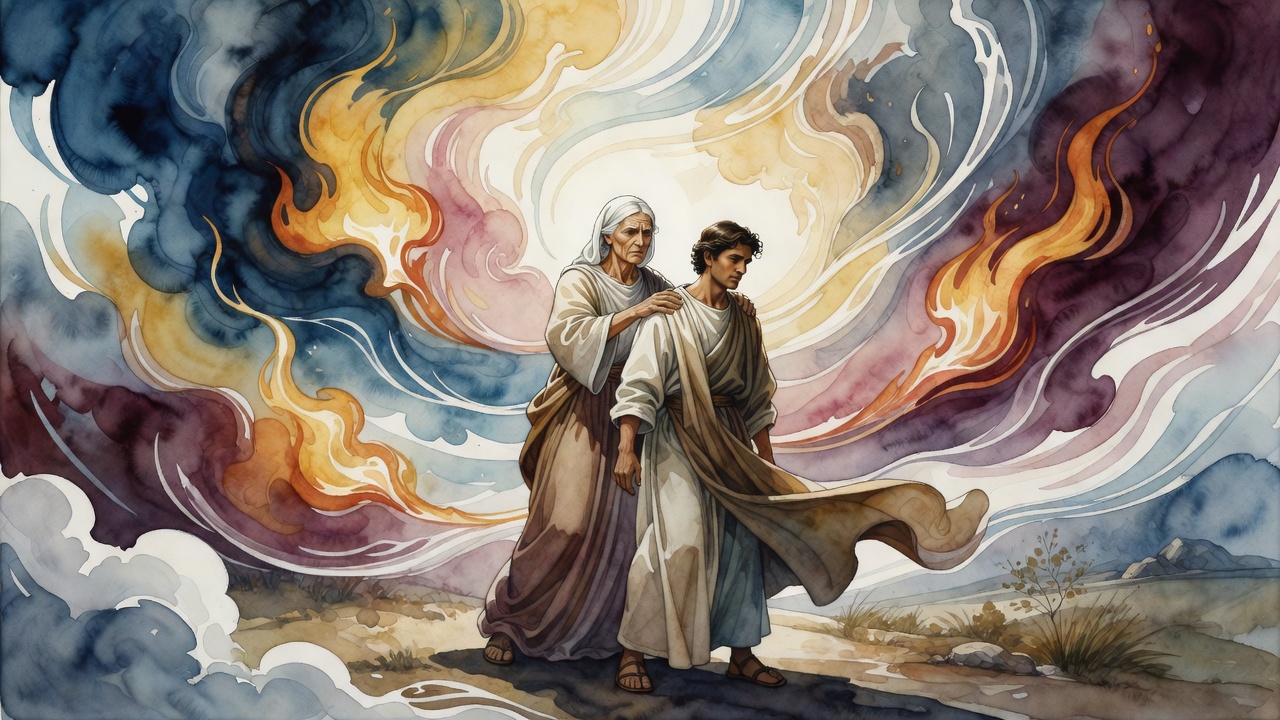
Rebekah laid hands on Jacob, dressed him in priestly garments, and sent him from Esau. Her warning became prophecy at Jacob's burial.
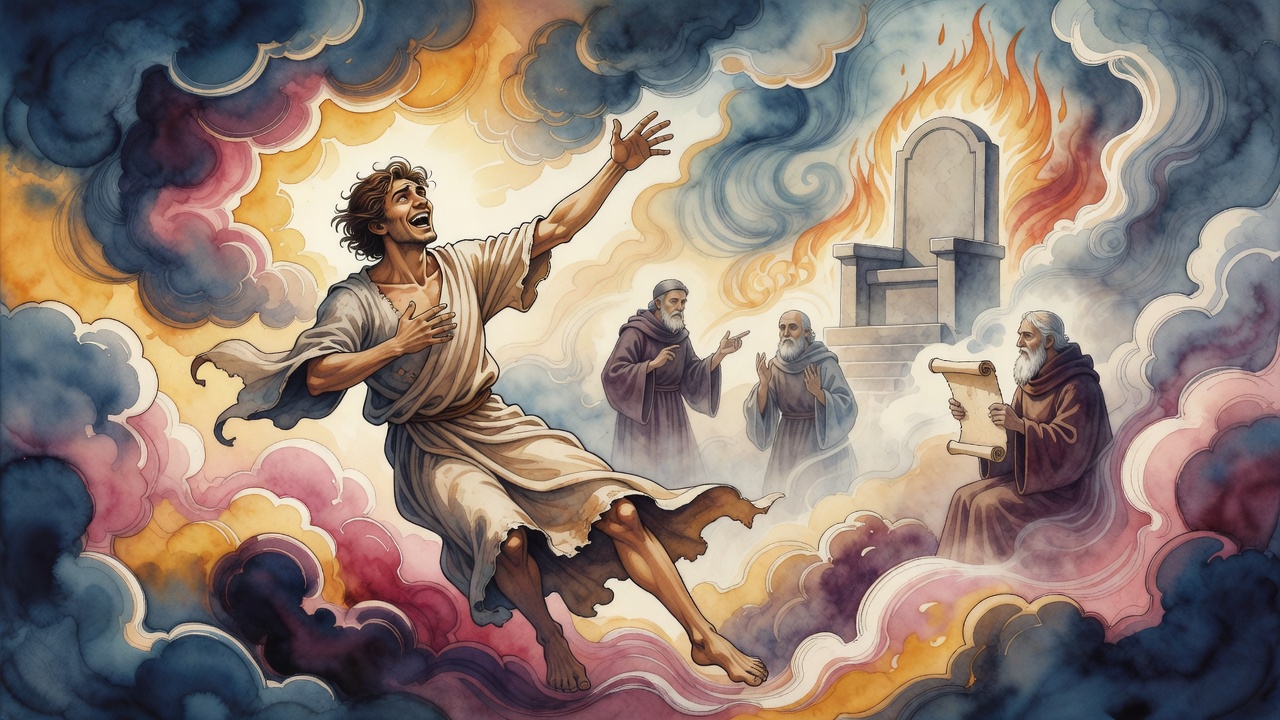
Sarah watched him in the yard with a bow. Then she told Abraham to send the boy and his mother out of the house for good.
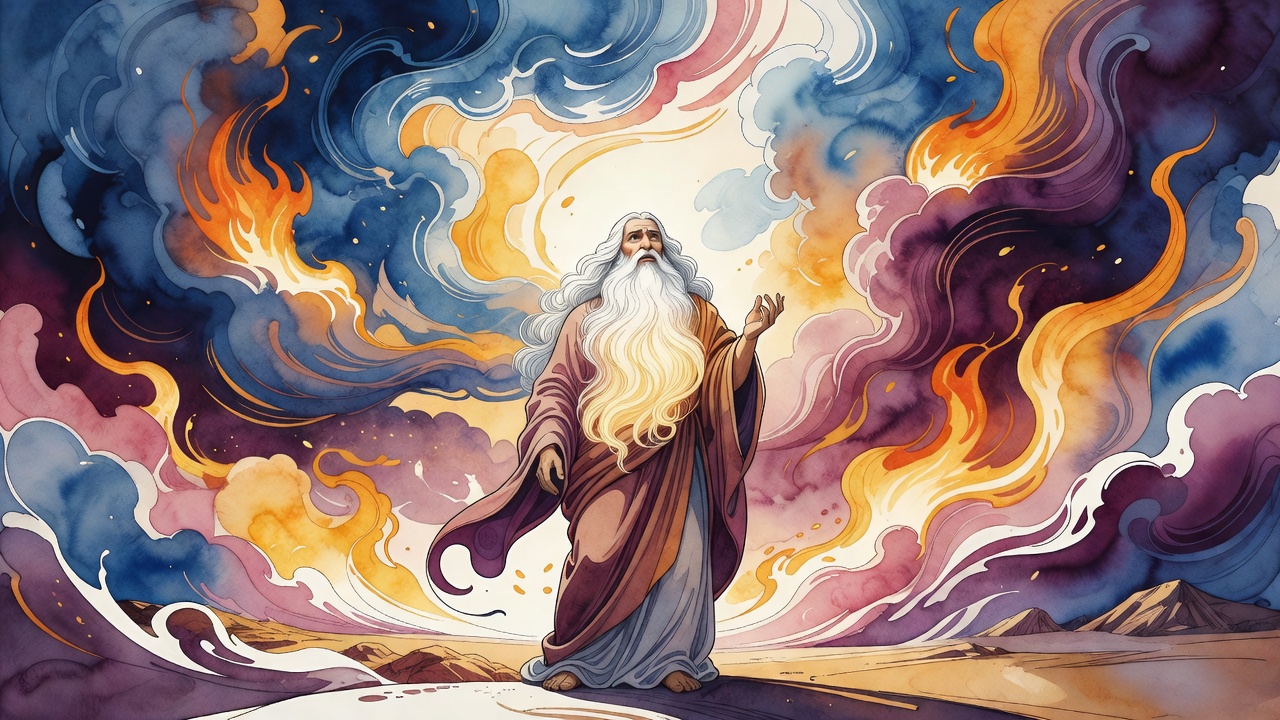
Before Abraham, no one looked old. He asked God to make age visible so the young would know whom to honor. By morning his beard had gone white overnight.
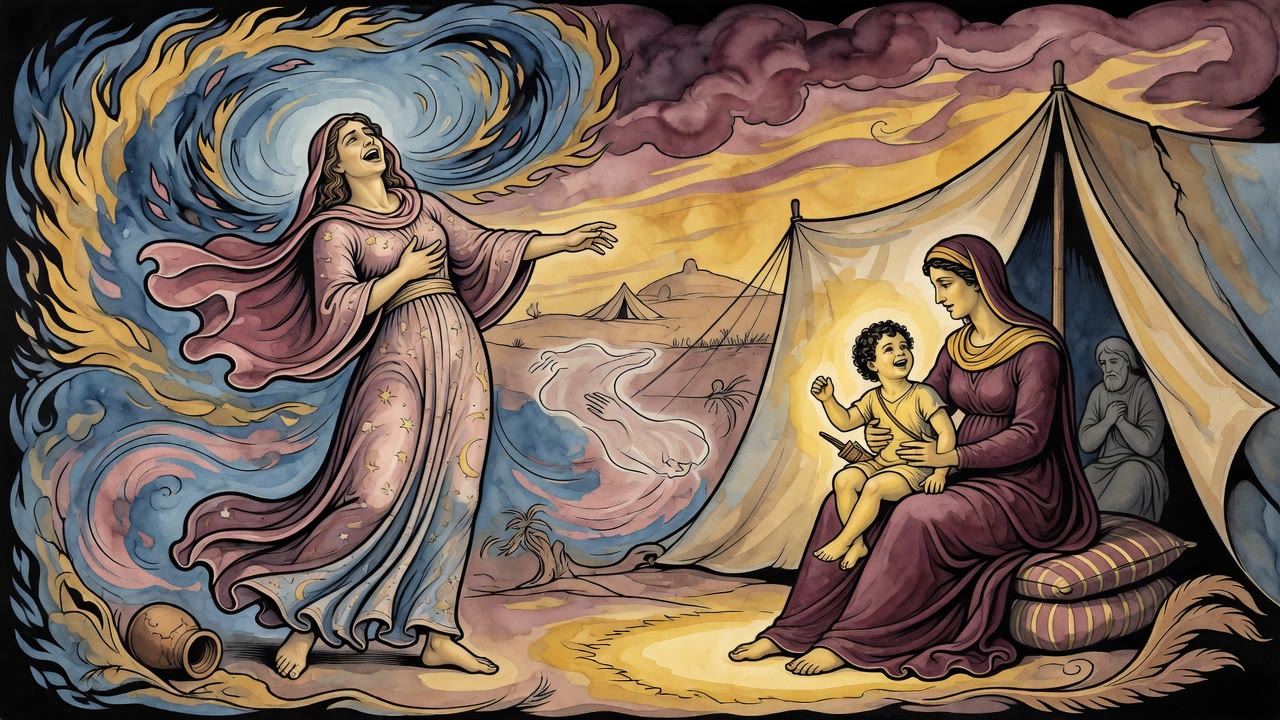
Go in unto Hagar, my Egyptian maid: Sarah said it first, and Abraham listened. Years later he sent Hagar off with bread and a skin of water on her shoulder.
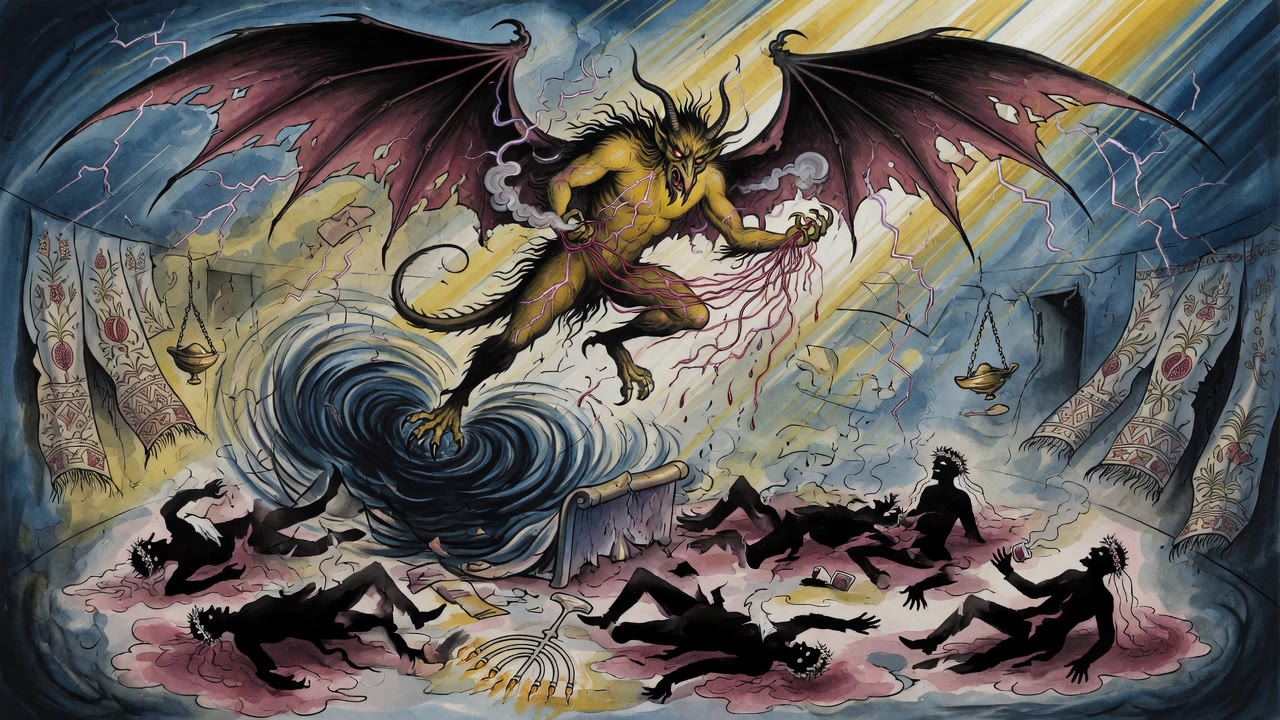
The maids would not call her Sarah. They called her Trouble. Seven wedding nights had ended with a body, and none of them were hers.
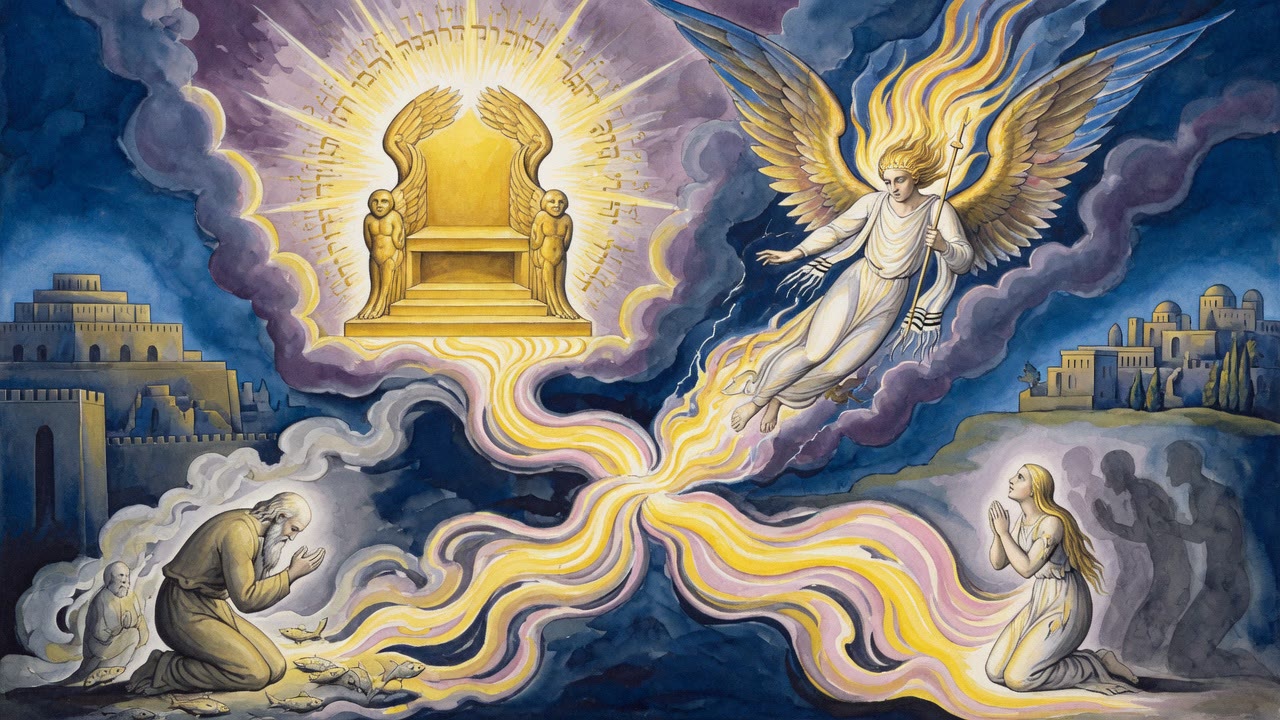
Tobit prayed for death in Nineveh. Sarah prayed for death in Media. Both prayers reached the throne of glory at once, and one angel answered them both.
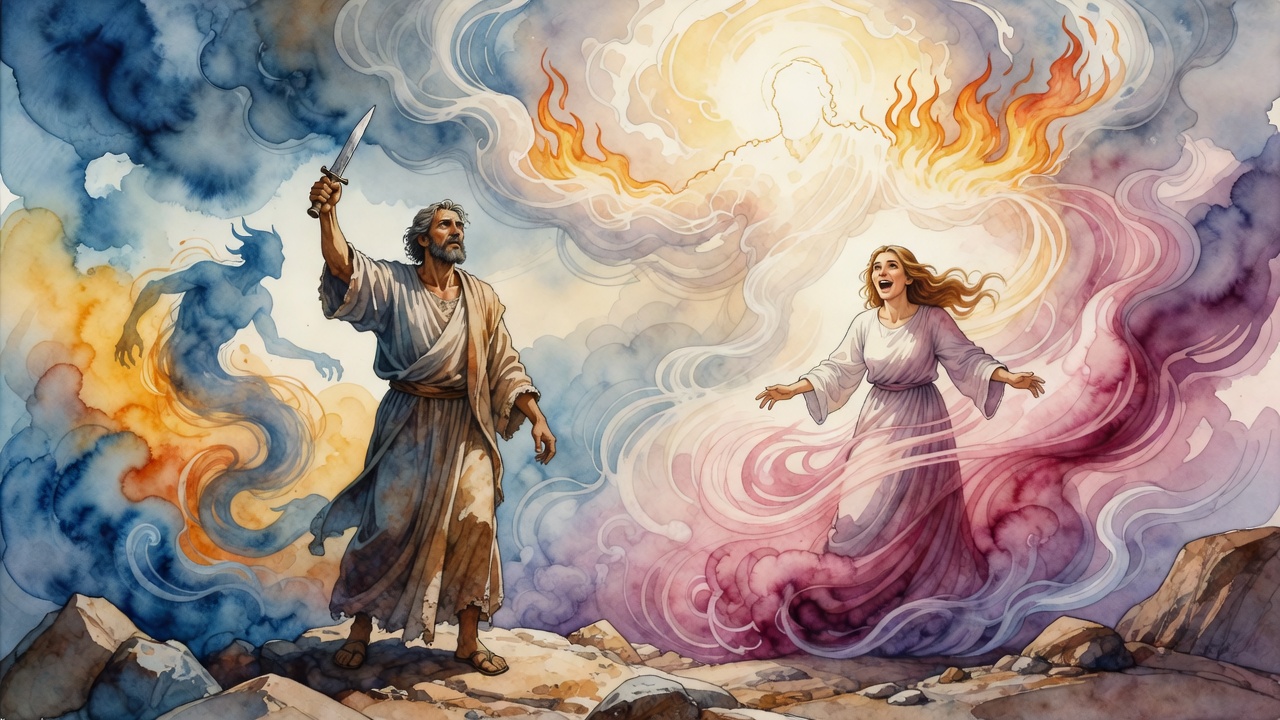
She went looking for Isaac as far as Hebron. No one had seen him. Then an old man came back to say the first news had been a lie.
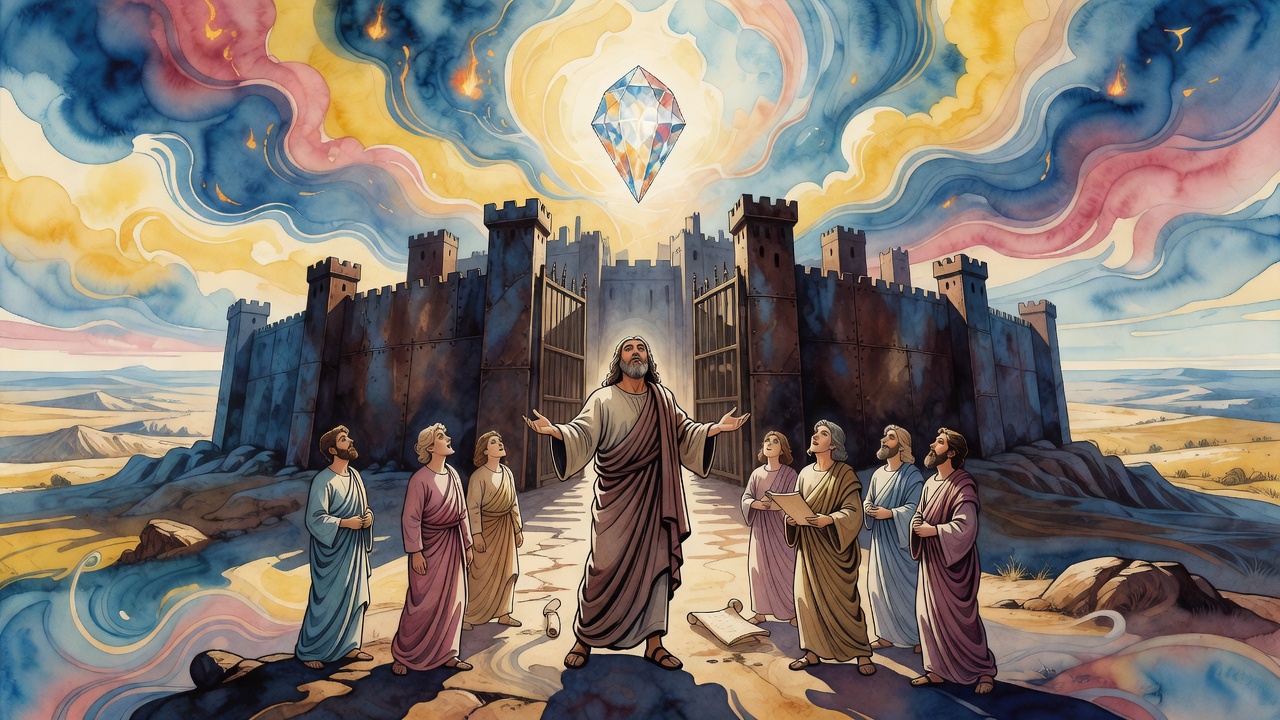
Abraham had six sons by Keturah. He gave them a gem that outshone the sun, taught them secret arts, and built them an iron-walled city in the eastern lands.
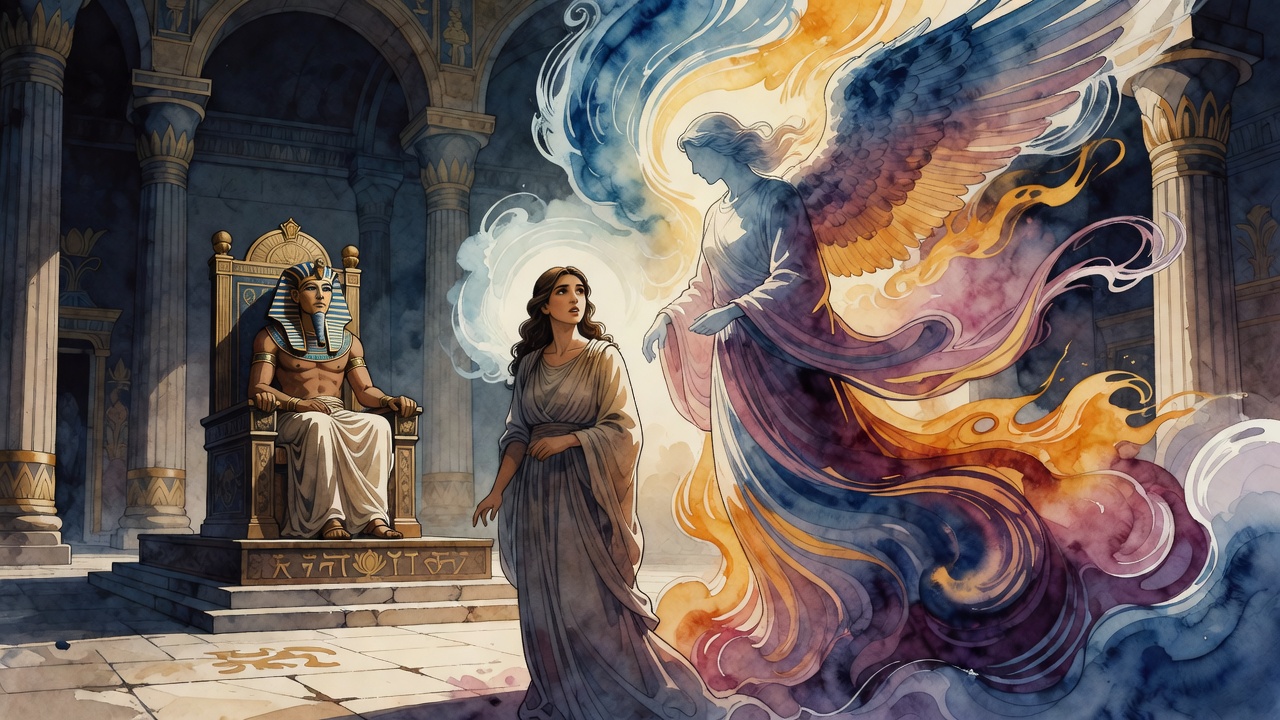
An angel appeared in Pharaoh's throne room while Sarah stood before the king. Only she could see him. He told her not to be afraid.
Hagar was Pharaoh's daughter, given away as a servant after the plagues. Sarah put it in writing: any son Hagar bore belonged to Sarah's household.
