Sarah in the Palace of Abimelech at Gerar
Abimelech took Sarah the same way Pharaoh had, but the story ended differently. The difference was a raised sword in a dream and the fear of God.
Table of Contents
 Click for full size
The Pattern Repeating at Gerar
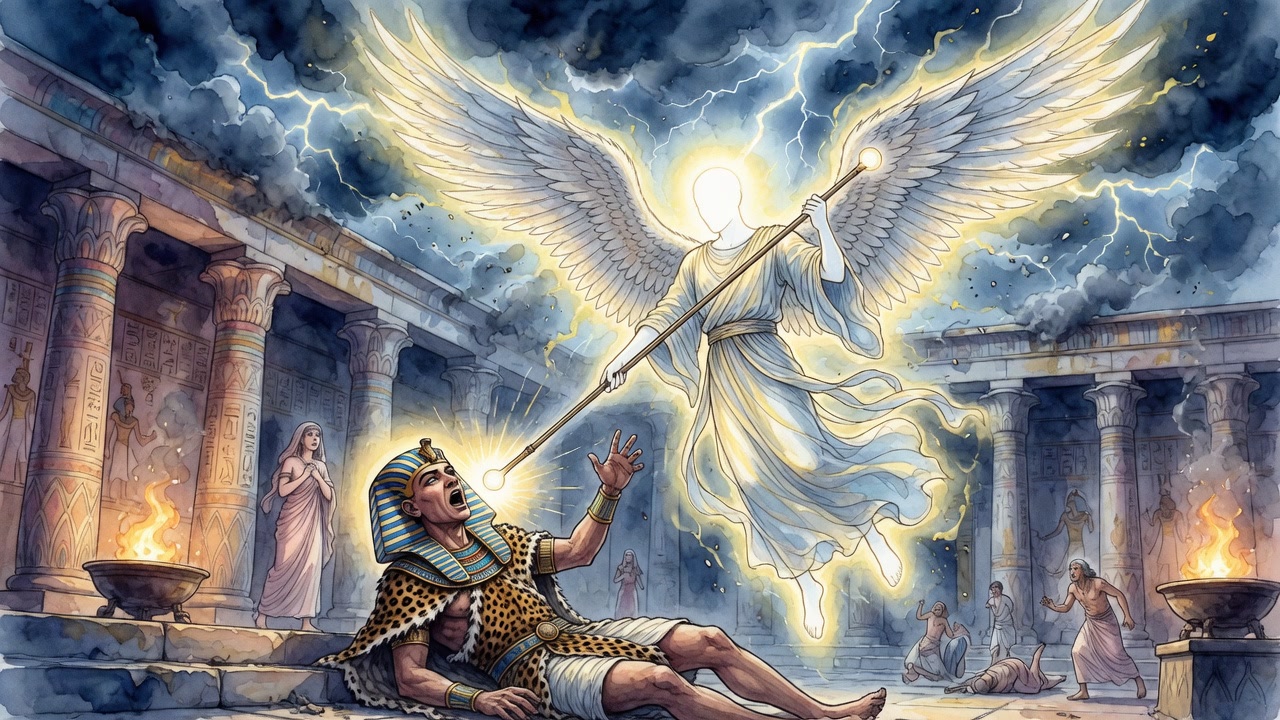
Sarah had been taken into a royal palace before. In Egypt, Pharaoh had swept her in on the force of her beauty and suffered for it through a night of plagues, an angel striking him each time he reached for her. She had walked out of that house laden with gifts, with Hagar among them, and carrying the lesson that beauty in a foreign country was a form of danger.
Now she was in Gerar, in the land of the Philistines, and the pattern was repeating.
Why Abraham Repeated the Strategy
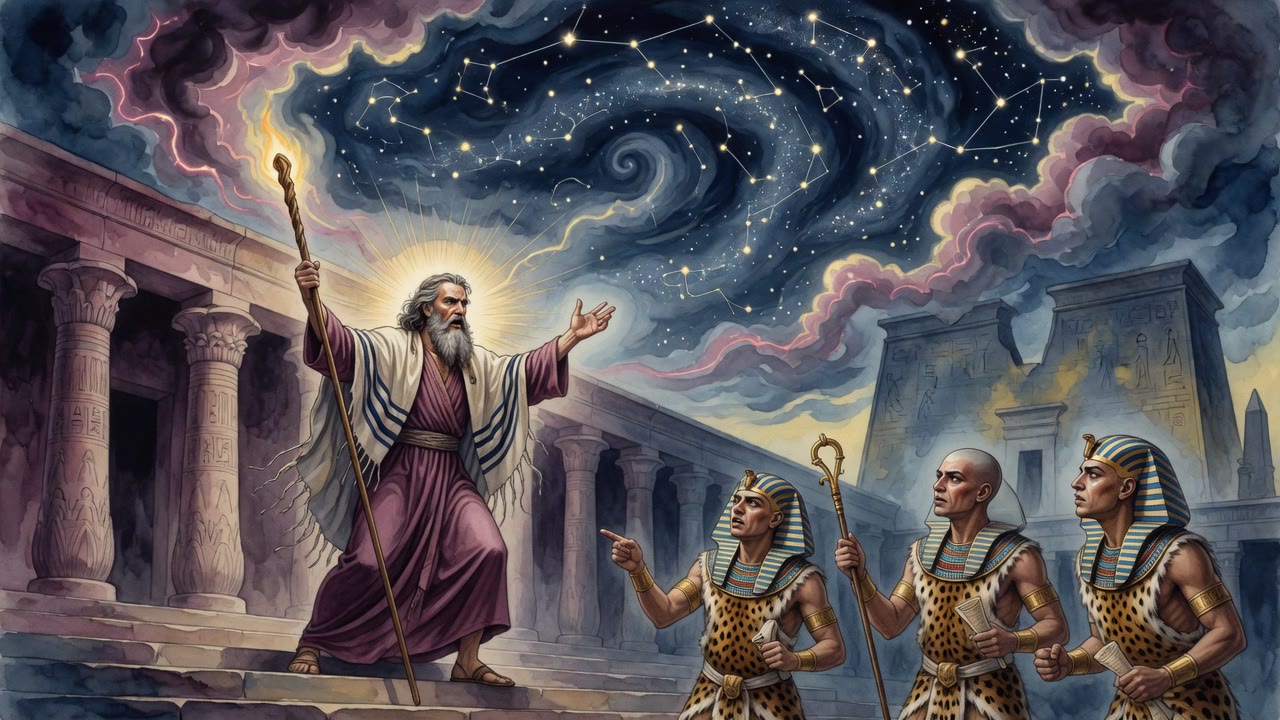
The Ginzberg tradition explains why Abraham used the same approach he had used in Egypt. After the destruction of Sodom, the roads through the southern plain had emptied. Traffic had stopped. Abraham's household depended on wayfarers and the hospitality he extended to them, and the silence of a region from which travelers had been scared away felt like a vacuum. He moved to Gerar. Before entering the Philistine territory, he and Sarah agreed again: she would say he was her brother.
King Abimelech heard about Sarah's beauty and had her brought to his palace. That evening, before he could approach her, he fell into a sleep, and in the sleep a dream came. An angel stood before him with a raised sword. The angel said: you are a dead man for the woman you have taken, for she is a man's wife.
The Fear Pharaoh Never Had
Abimelech woke in terror. He gathered his servants and told them the dream. They were afraid too. He called Abraham and demanded: what have you done to us? What sin did you see in us that you brought this on my kingdom?
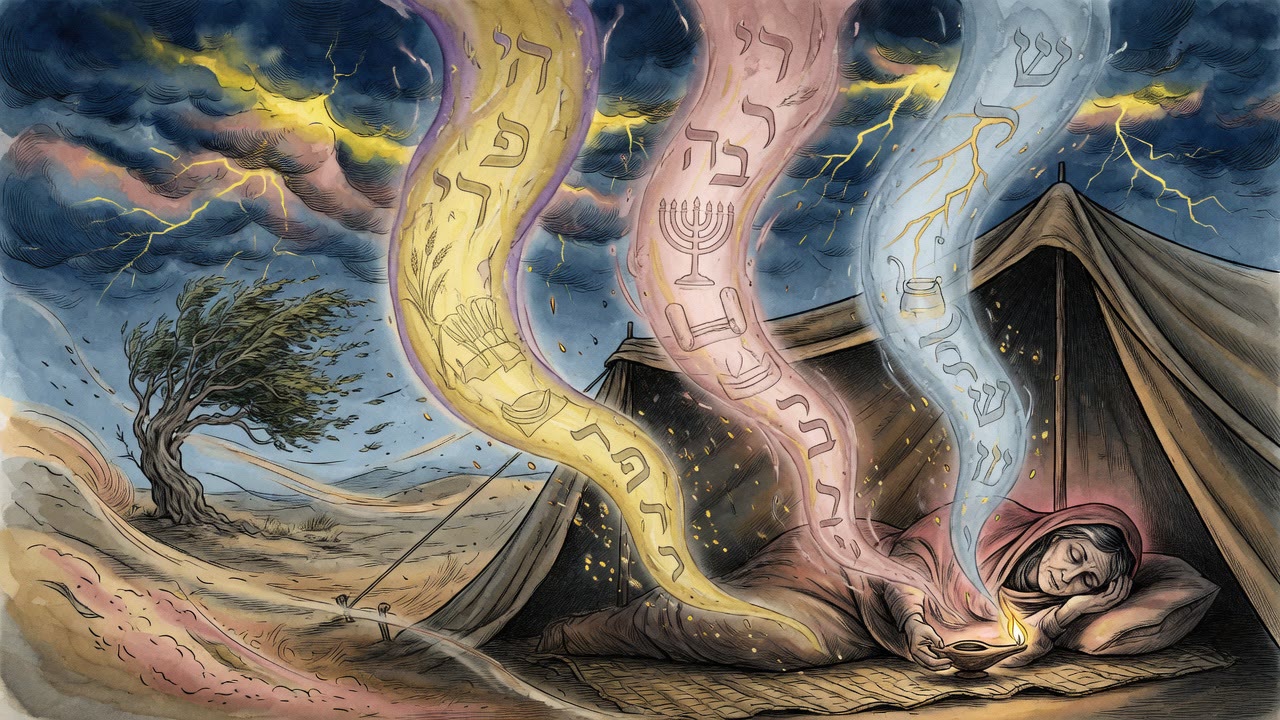
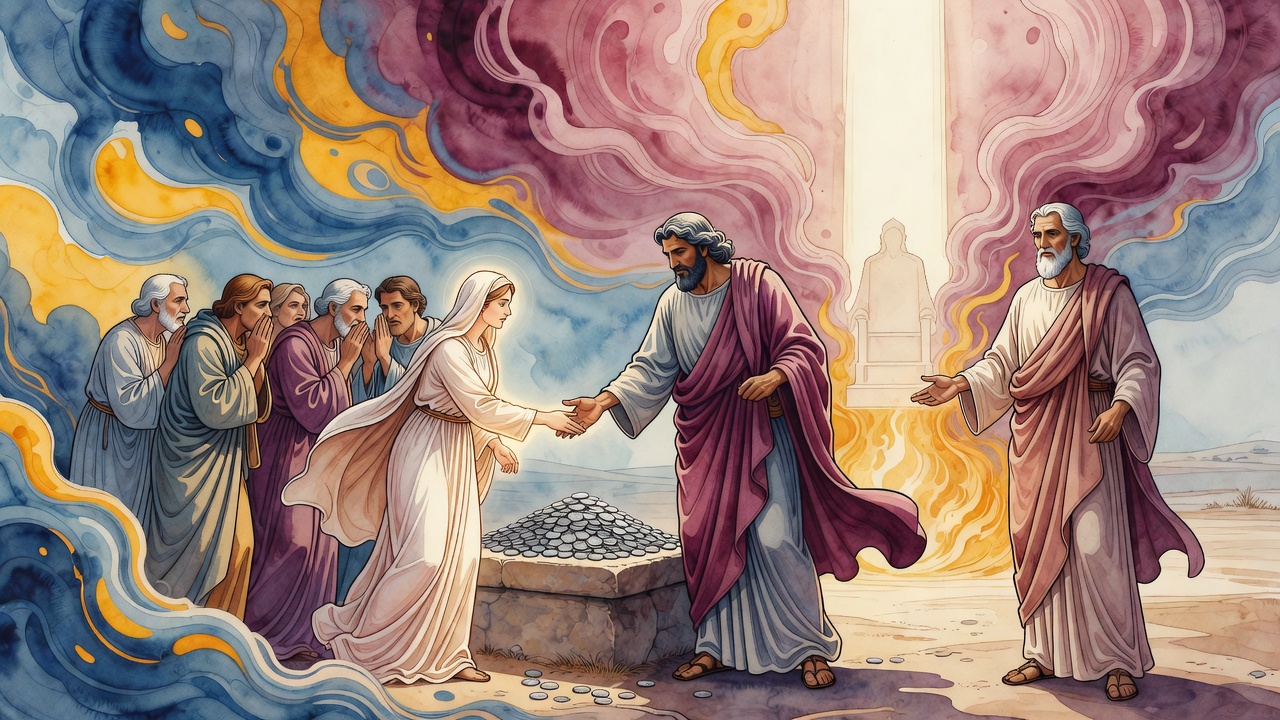
The Ginzberg tradition draws the comparison to Egypt explicitly. Pharaoh had given Sarah gifts and deeded her Goshen, but the motivation had been to purchase forgiveness after he understood what he had done. Abimelech's motivation was different from the first moment. He gave Abraham sheep, oxen, servants, and a thousand pieces of silver. He gave Sarah a costly robe designed to cover her entirely, to protect her from attention as she traveled. He asked Abraham to pray for him and for his household, because when Abraham had entered the territory, God had stopped every womb in the kingdom, every woman in Abimelech's palace had become unable to conceive.
This was a king who had acted in good faith and been struck anyway. The tradition treats this distinction seriously. Pharaoh had simply wanted what he wanted. Abimelech had been told the truth by an angel in a dream before he acted, and he had obeyed. The two palace episodes are parallel in structure but opposite in texture. Pharaoh was struck because he refused to see what was in front of him. Abimelech was struck, then restored, because he feared God.
Abraham's Explanation
Abraham told Abimelech the reasoning: he had said to himself, surely there is no fear of God in this place, and they will kill me because of my wife. He had judged the territory before testing it. The tradition notes that he was wrong about Gerar in a way he had not been wrong about Egypt. Abimelech did fear God. The assumption of godlessness had been Abraham's error, a useful error that kept Sarah technically truthful, since Sarah was his half-sister as well as his wife. But an error nonetheless.
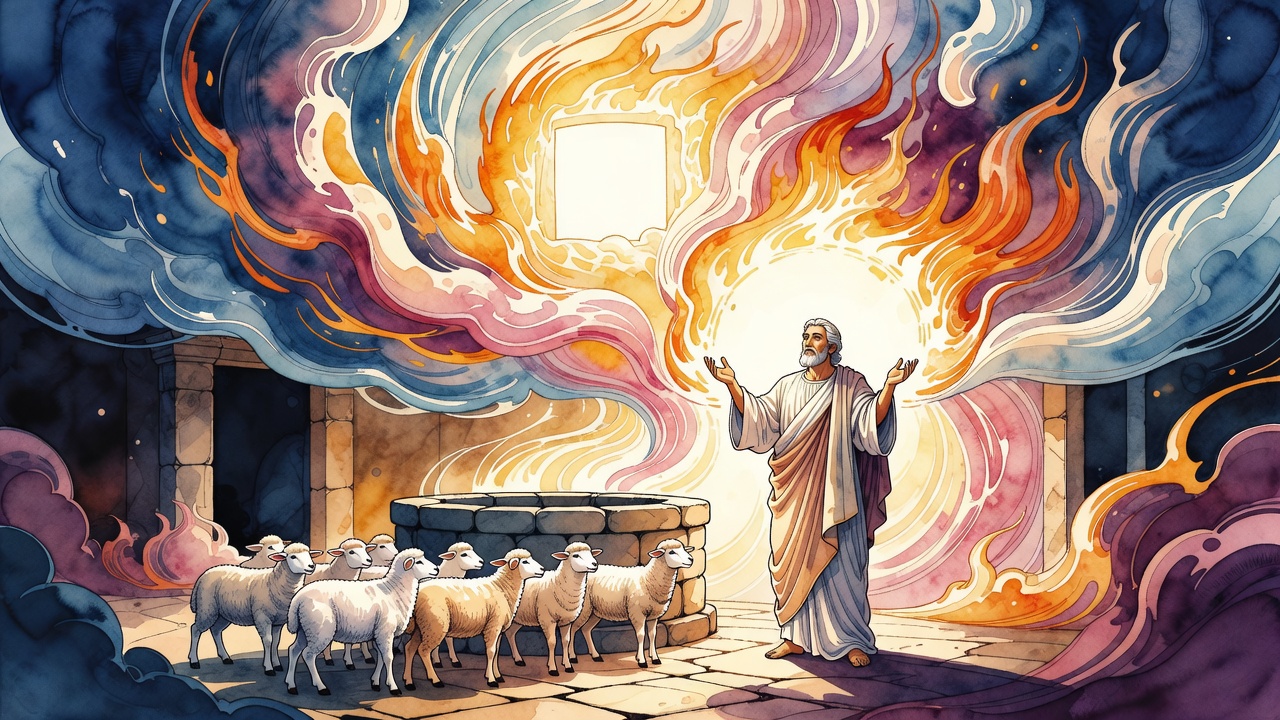
Abraham prayed for Abimelech's household. The wombs opened. Sarah, who had been barren herself for decades, was about to conceive. The Ginzberg sources connect the restoration of the women in Abimelech's household to the approaching fulfillment of the promise to Sarah: in the same season that healing came to Gerar, the child who had been promised arrived.
← All myths