The Hidden Arithmetic of God's Promises to the Patriarchs
The count of Jacob's family going to Egypt comes up wrong. The rabbis sit with the broken sum until it opens a secret about how God keeps promises.
Table of Contents
 Click for full size
A Promise That Cannot Be Withdrawn
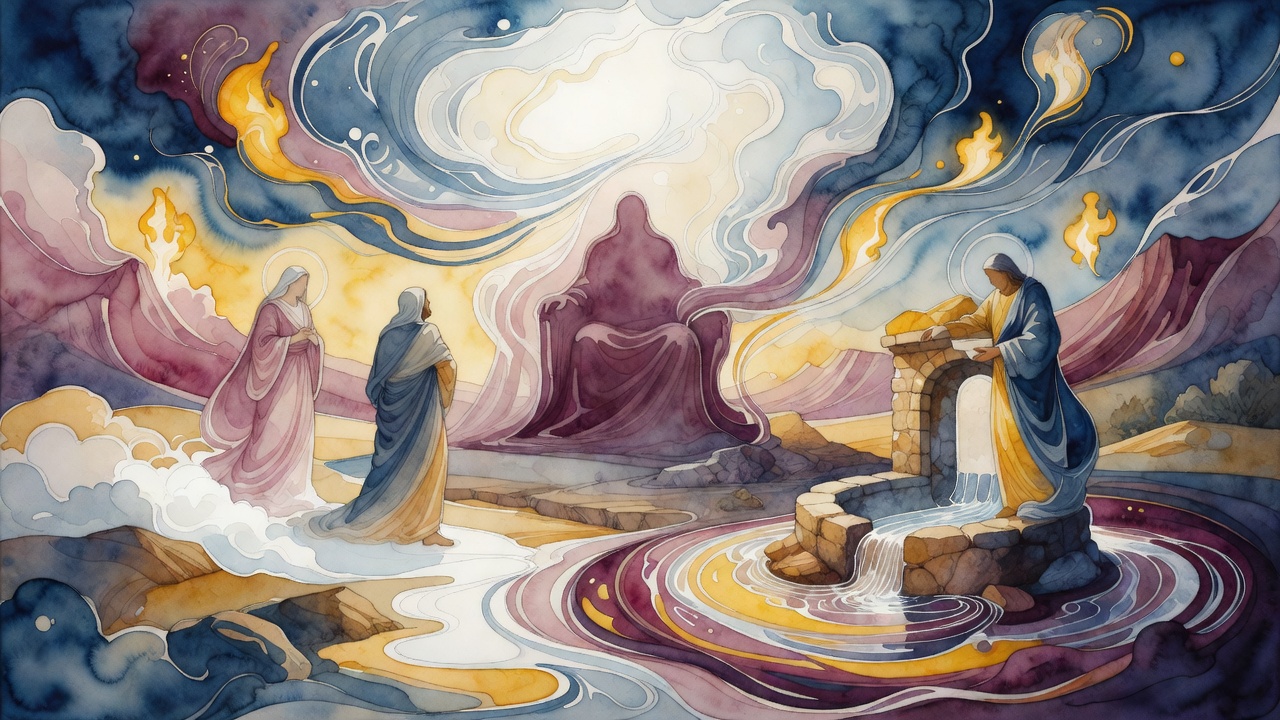
Rabbi Shmuel bar Nahman held up a verse from Numbers that should not be able to say what it says. God is not a man that He would lie, the first half reads. And will not perform what He says, the second half continues. Both halves cannot be true at once. Either God is reliable or God is not.
The rabbi's answer: the verse is not about reliability. It is about the asymmetry of divine speech. When God speaks a blessing, the word locks. When God speaks a punishment, the word breathes. A blessing issued from the mouth of God is iron. A decree of suffering is conditional, waiting for prayer, repentance, or simply time to bend it.
Good Words Lock, Hard Words Bend
He built the proof from Sarah. God told Abraham that Sarah would have a son at this season next year. Genesis reported the delivery exactly as promised. But the command to sacrifice that same son on the mountain did not result in a dead son. The decree of four hundred years in Egypt compacted itself into two hundred and ten when Israel's suffering became sufficient. Good words lock. Hard words can be argued down. The asymmetry is not inconsistency. It is how the system was designed.
What Counts as a Person
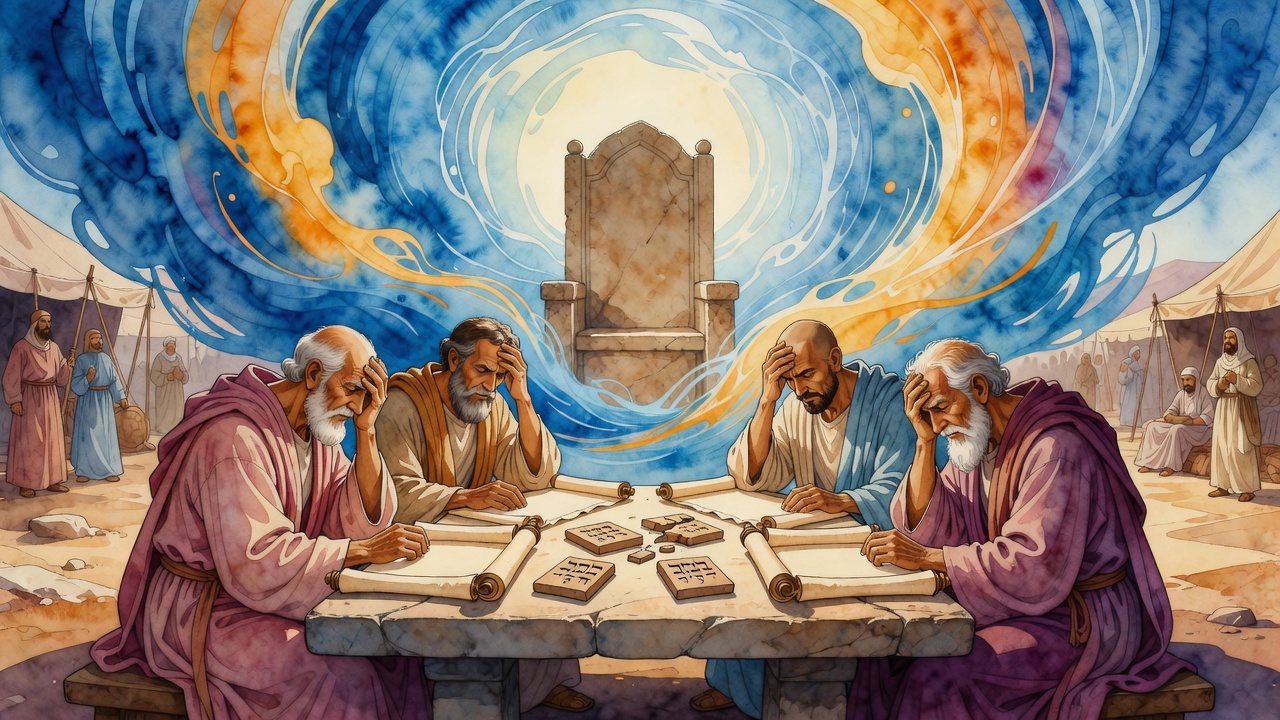
Then came the arithmetic problem. Genesis 46 lists the family members who went down to Egypt with Jacob. Count them and you get sixty-six. Add Joseph and his two sons already in Egypt, seventy. But the Torah says Jacob himself counts as one of the seventy, which makes the family sixty-six plus Jacob plus Joseph plus two grandsons. That is seventy. Except Jacob is already being counted somewhere in the sixty-six. The numbers do not resolve cleanly.
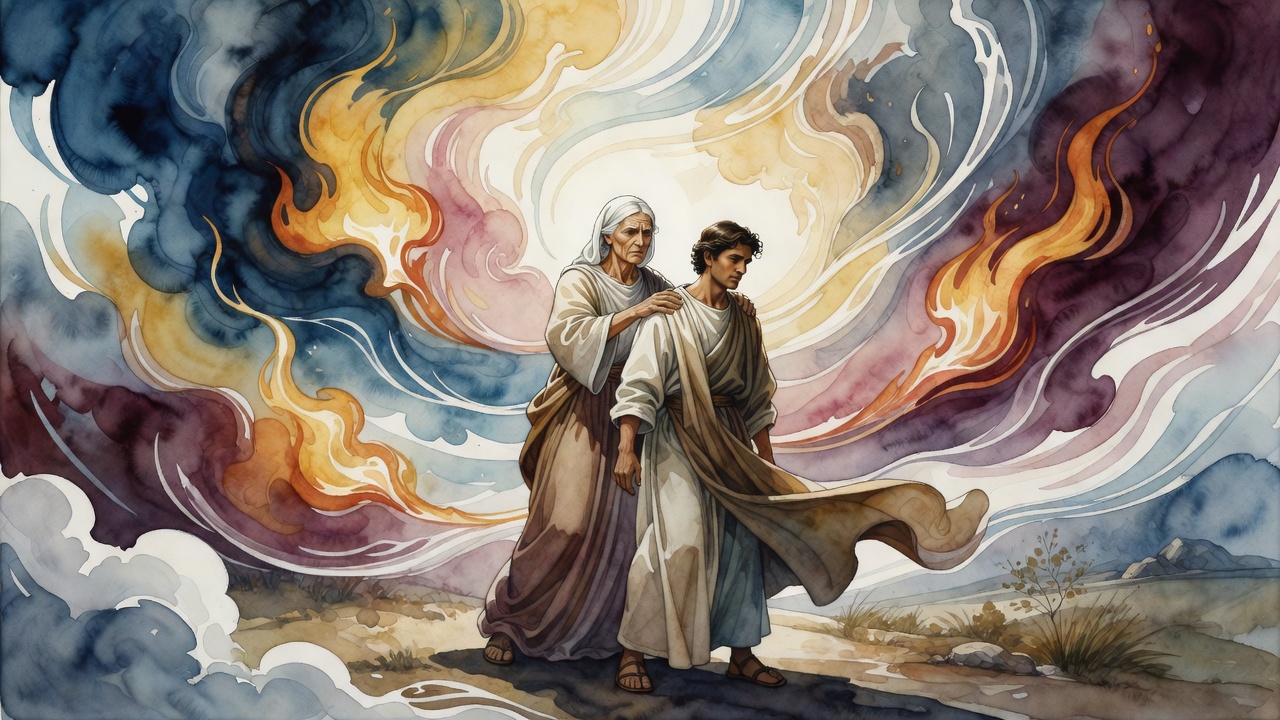
The rabbis did not try to smooth the problem. They asked instead: what is the missing person? Someone had to be the seventieth who was not in the counted family. Their answer stopped the conversation. The missing seventieth was the Shekhina herself. God's presence had gone down with Jacob into Egypt. The seventy was not complete without counting God among those who descended.
A family going into exile was not going alone. The divine presence was the unnumbered member, the one who made the count work when human arithmetic came up short.
The Deed That Changed Its Own Description
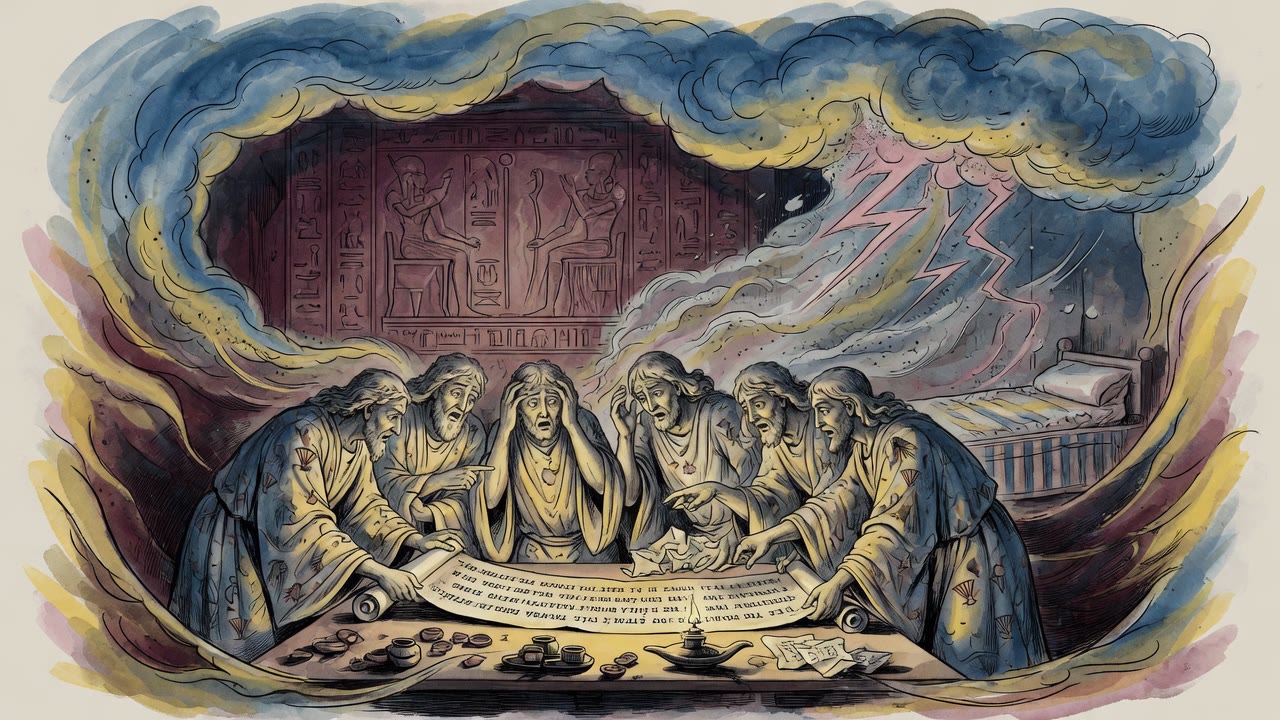
When Joseph asked Pharaoh for permission to bury Jacob in Canaan, he did not say his father had bought the cave at Machpelah. He said his father had made him dig the grave with his own hands. The rabbis noticed the substitution. The Torah had recorded a purchase. Joseph described a labor. Why?
Because in Egypt, they said, a king's word was law. A document meant nothing that a king had not authorized. If Joseph had said his father purchased the grave, Pharaoh could have challenged the title and kept the body in Egypt. But labor? A man who had personally cut a grave with his hands out of his love for a father? That was something no king could undo by reviewing a deed. Joseph was a diplomat, and he had learned in thirteen years of Egyptian court life exactly which kind of claim a Pharaoh could not confiscate.
The purchase was real. The document existed. Joseph simply described it in the language that would work in the room he was standing in. God's promise about the land had been made to Abraham. The grave was Abraham's. Jacob had always planned to go home. The arithmetic worked out, eventually, in a language Pharaoh could understand.
← All myths