Sarah's Milk Fed the Nations and Jacob Uncovered Sinai's Well
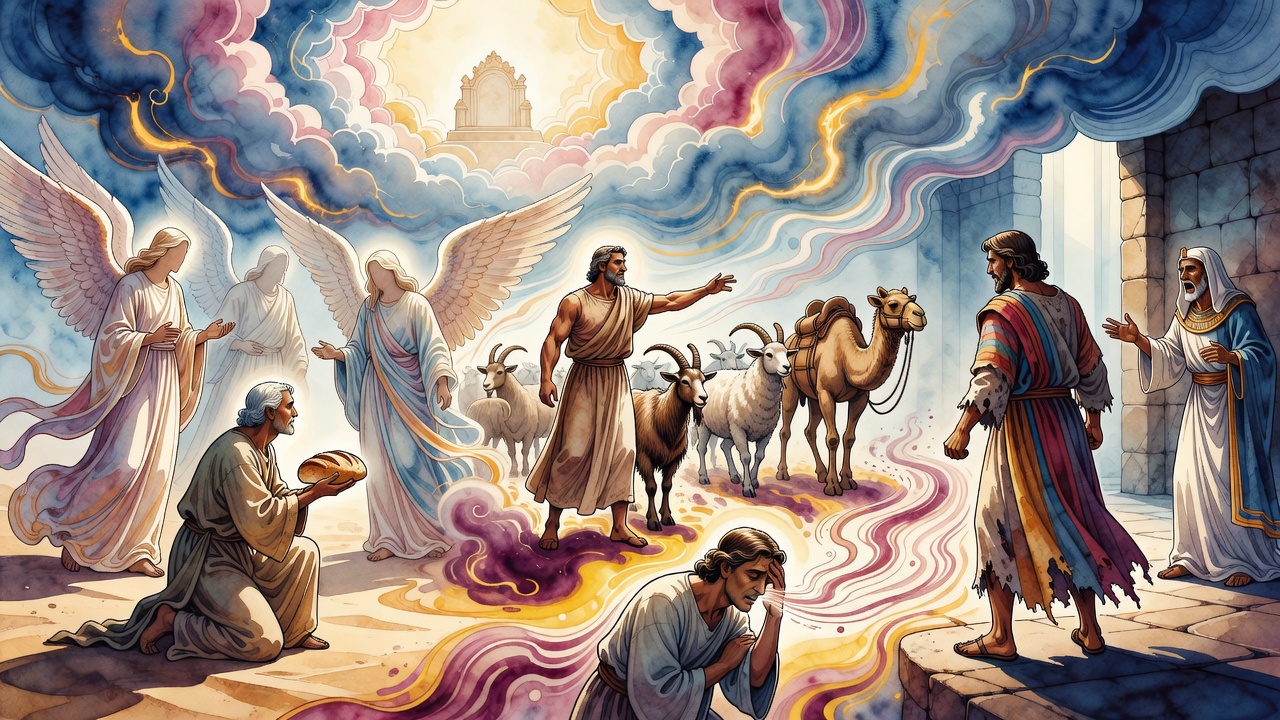
Abraham told her the hour for modesty was over. She uncovered, and the noblewomen said out loud that they were not worthy to let their children drink.
Table of Contents
 Click for full size
Not the Hour for Modesty
Isaac had been weaned, and Abraham threw a feast large enough that people came who had spent twenty-five years saying the old woman would never carry anything.
Sarah stood in the tent and asked the room a question. Who would have announced to Abraham that Sarah would nurse children.
Not who would have said. Not who would have spoken. Announced, milel, and Rabbi Pinhas in the name of Rabbi Hilkiya counted the letters out on his fingers. Mem is forty. Lamed is thirty. The other lamed is thirty. A hundred, which is how old Abraham was the night the boy was conceived. The same Rabbi Pinhas said Abraham's stalk had gone dry and brittle and then came up heavy with soft green kernels.
And children, she said. Plural. She had one child.
Sarah was modest down to the bone. Abraham came and stood in front of her in the middle of the feast. "This is not the hour for modesty. Uncover your breasts, so that every person here knows the Holy One has begun doing miracles."
Milk Like Two Wellsprings
She uncovered.
Milk came out of a ninety-year-old body like two wellsprings that had been capped and were now not capped. The noblewomen came in with their infants and stood there holding them.
"We are not worthy that our children should nurse from this righteous woman."
They handed the babies over anyway. Whoever came in for the sake of Heaven, her child grew up fearing God. Rabbi Aha pushed it further and said something harder. Even the woman who came for no holy reason at all, who came because a miracle is worth seeing and worth telling about afterward, even her child was granted rule in this world. Dominion. Standing over other men.
What They Handed Back at the Mountain
Their descendants kept it for a long time.
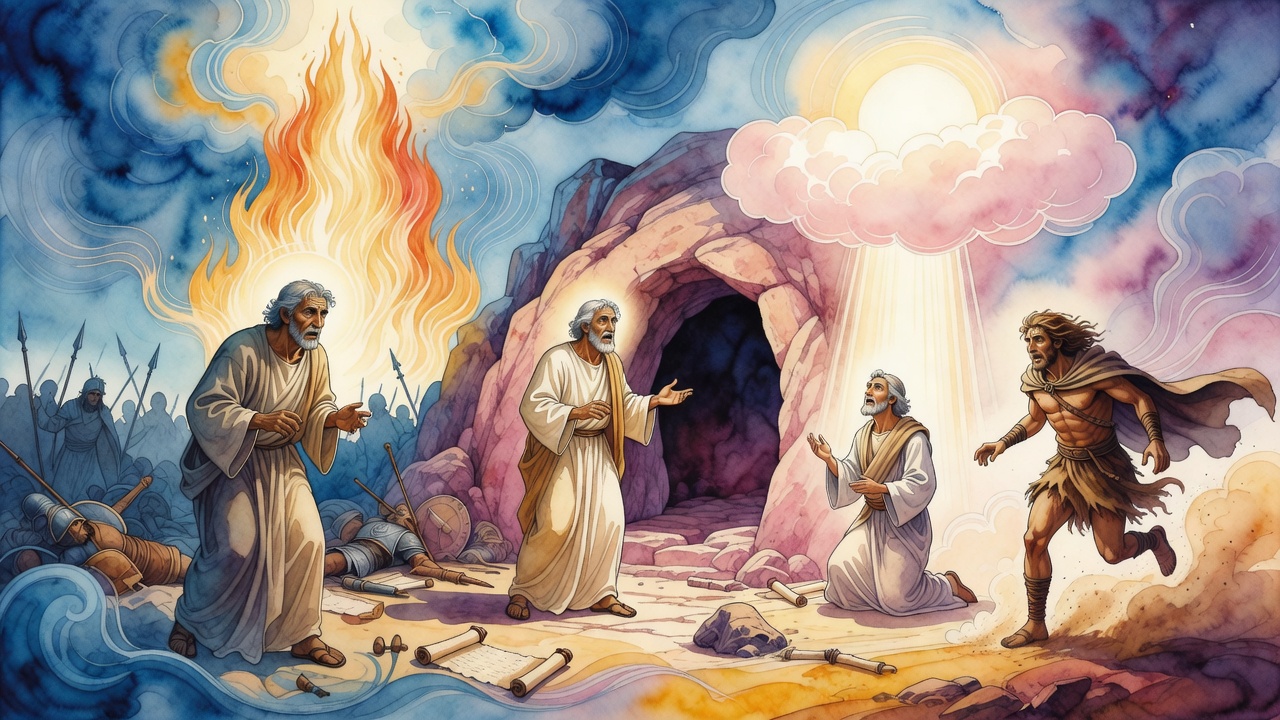
Then Israel came out of Egypt and stood at Sinai, and the nations kept their distance from that mountain and would not take the Torah, and the rule that had come to them out of Sarah's body was taken back off them.
The milk was a loan. Nobody told them that at the feast.
The Stone No Single Shepherd Could Move
Jacob came into a field with a staff in his hand and nothing else. A well in the ground. Three flocks lying around it in the heat. A great stone across the mouth of it, and the custom of that place was that nobody touched the stone until every flock had come in, because one man could not shift it alone.
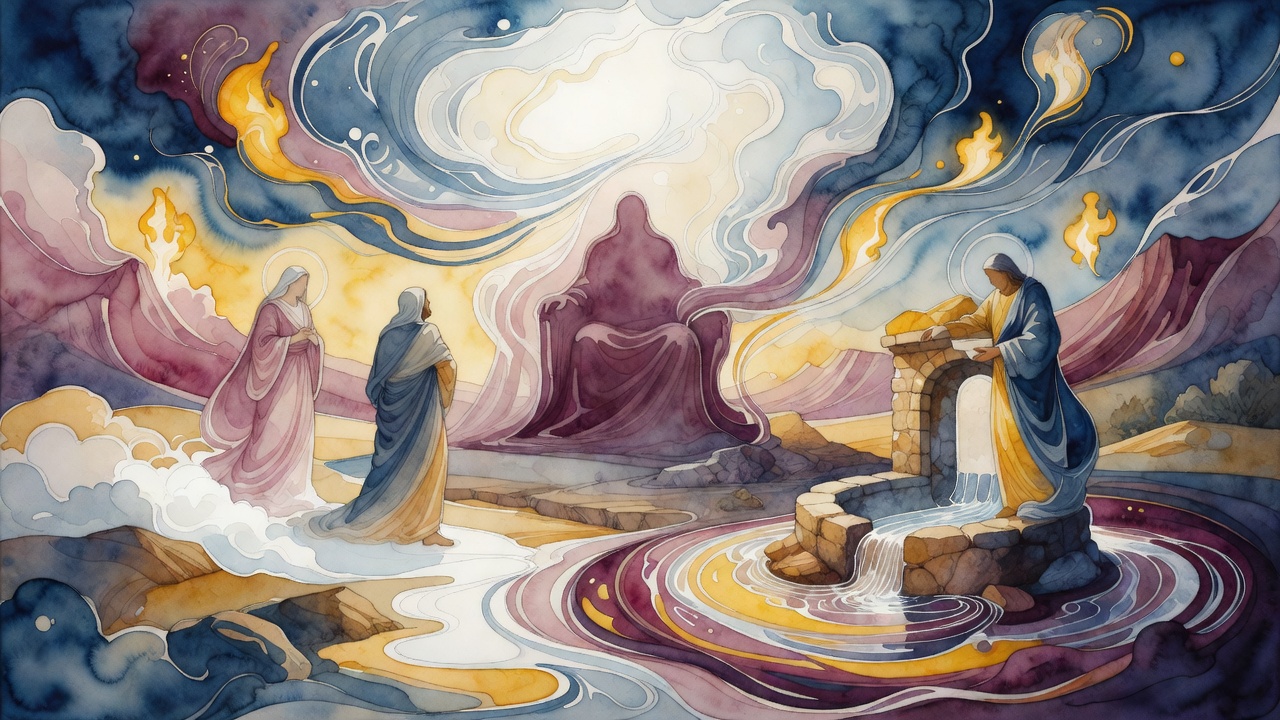
Rabbi Yohanan looked at that field and saw Sinai standing in it.
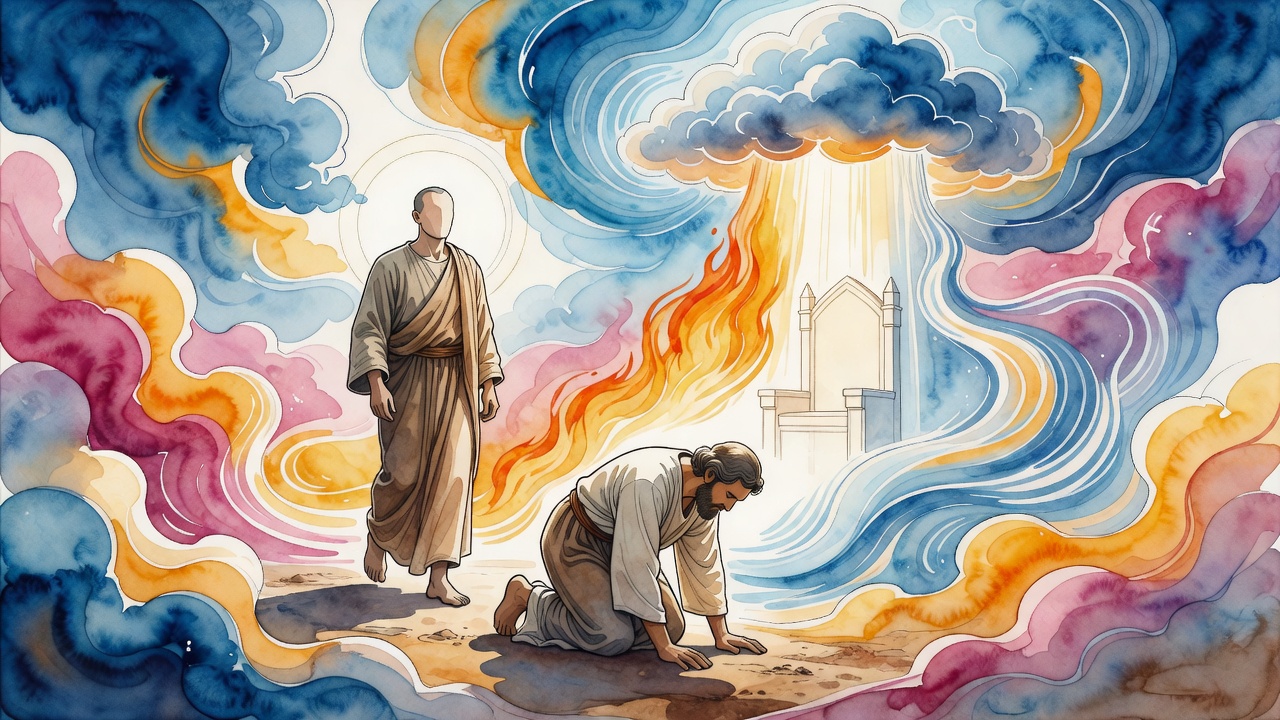
The well is the mountain. The three flocks lying there are the priests, the Levites, and the rest of Israel. The great stone on the mouth is the Divine Presence itself, resting on the opening. Rabbi Shimon ben Yehuda of Kefar Akko said in the name of Rabbi Shmuel that if Israel had been short by one person, one, the Torah would not have been given at all. Every flock comes in or the stone stays where it is.
They roll it back and water the sheep: that is the hour the voice came out of the fire and the ten words landed on them. They put the stone back on the mouth: you yourselves saw that I spoke with you from heaven.
Another teller walking the same field called the well Be'er Haim, the well of the living, and pointed at the stone and said the Shekhinah (the Divine Presence), because the blessing on Joseph names the Shepherd, the Rock of Israel, coming from there.
Jacob Took It Off Alone
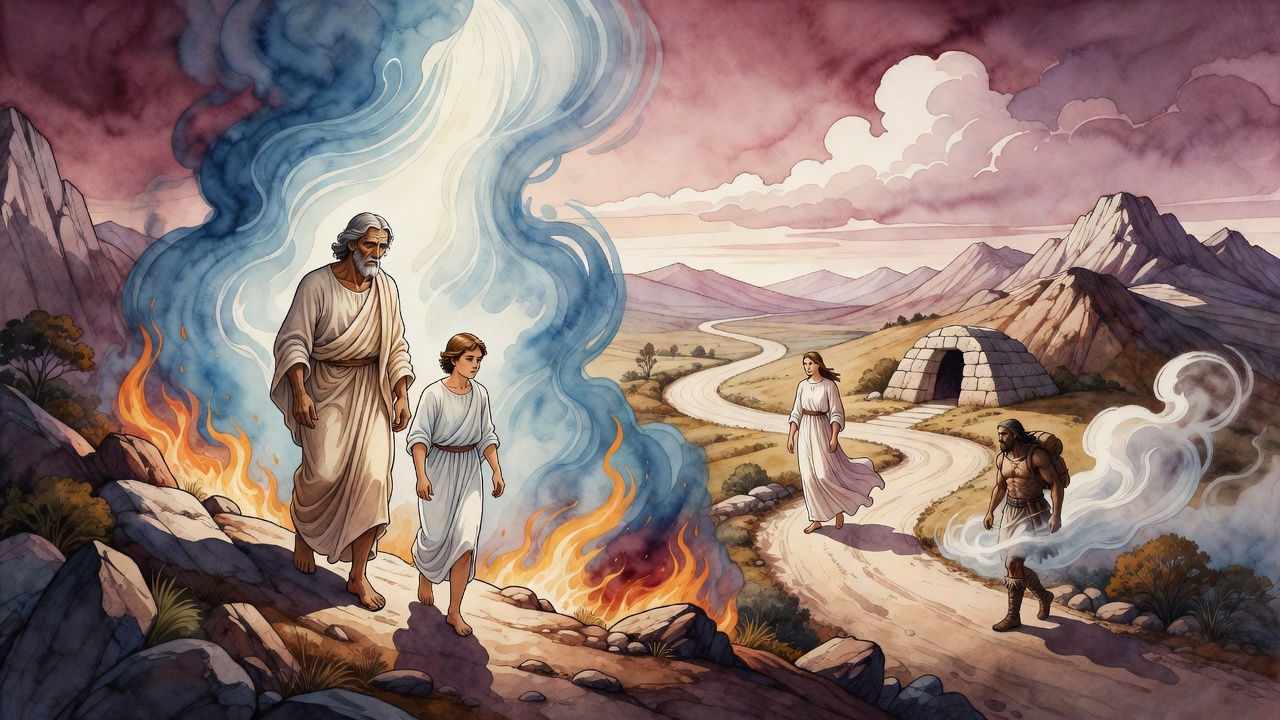
Rachel came up the road with her father's sheep, and Jacob walked past three seated shepherds and two flocks that had not arrived yet and lifted the stone off the well by himself.
Then he watered Laban's animals, which were not his, in front of men who had been sitting there all afternoon waiting for the rules to be satisfied.
← All myths