Isaac Refused to Cross the Border and Jacob Pulled Out a Quill
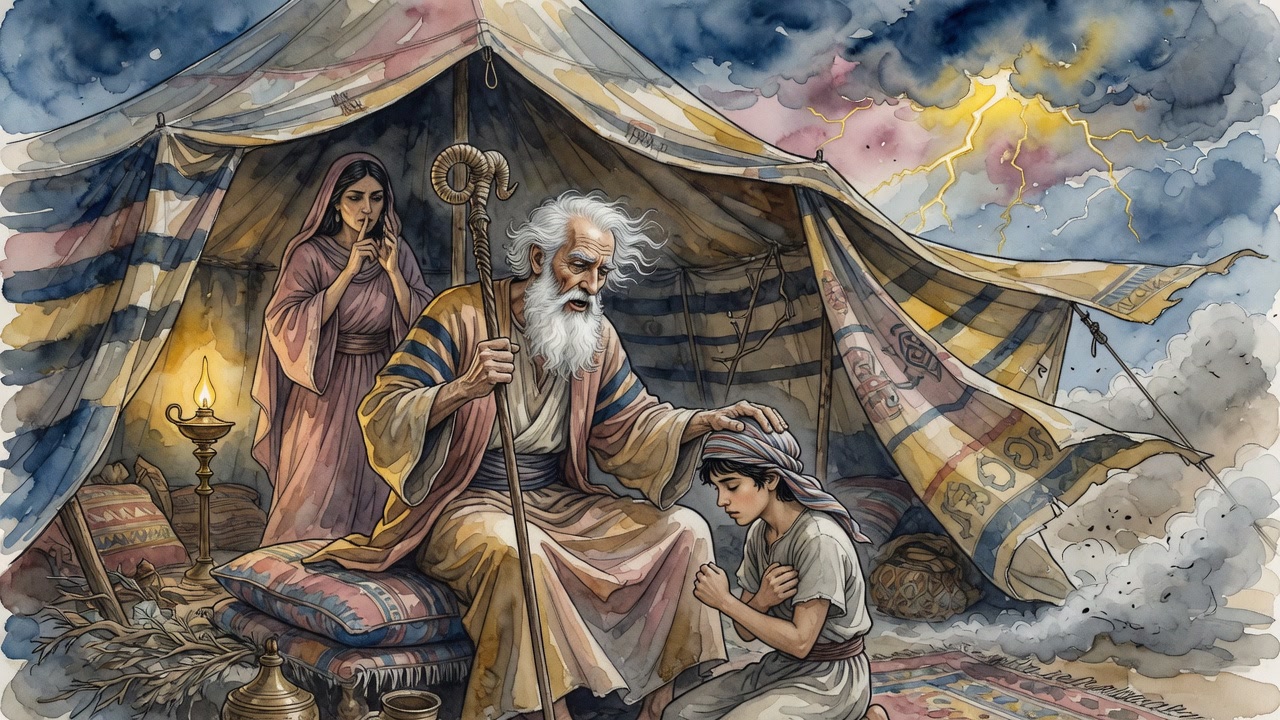
Joseph told the dream at the table. Jacob scolded him while the brothers watched. Then he wrote down the hour and the place.
Table of Contents
 Click for full size
Isaac Stopped at Gerar
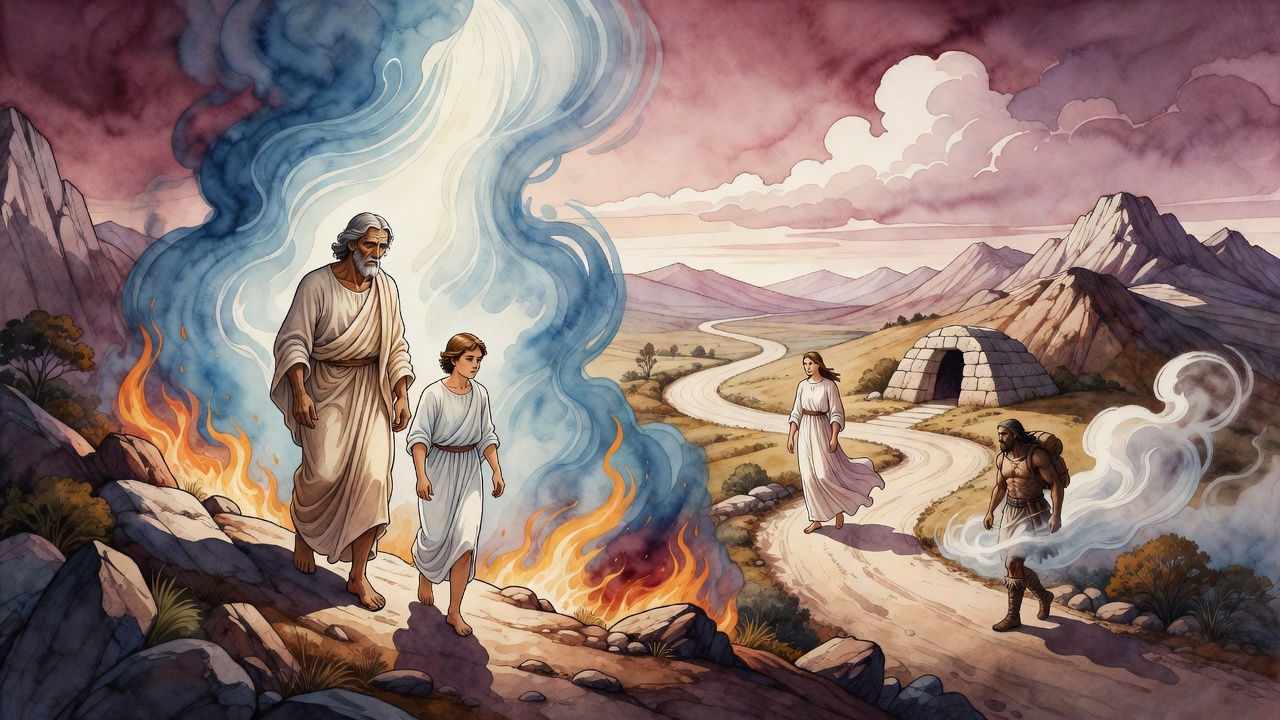
Famine pushed Isaac south. He came as far as Gerar, the last town before Egypt, close enough that a man standing in the dust could smell the other country.
People did not bother with ritual impurity there. The place sat so near the edge that ordinary rules slid off it. Isaac came to that lip and stopped.
God appeared and closed the door. Do not go down to Egypt. Dwell in the land I will tell you. Stay. Plant. Put roots in. Isaac heard it as a sentence on his body, not a suggestion about maps.
A Burnt Offering Could Not Leave
God put it plainer still. You are an unblemished burnt offering. If a burnt offering goes outside the curtains, it is disqualified. If you go out of this land, you are disqualified the same way.
Isaac stepped back from the border. The choice was real because he had come close enough to leave. Then he turned his body toward the interior and began to work the ground. He planted. He grafted. He dug again at the wells the Philistines had stopped up, and water came. The fields returned a hundredfold.
Because he did not cross, the household stayed in Canaan. A generation later that same house was still there to hear a dream it did not want.
Joseph Told the Dream at the Table
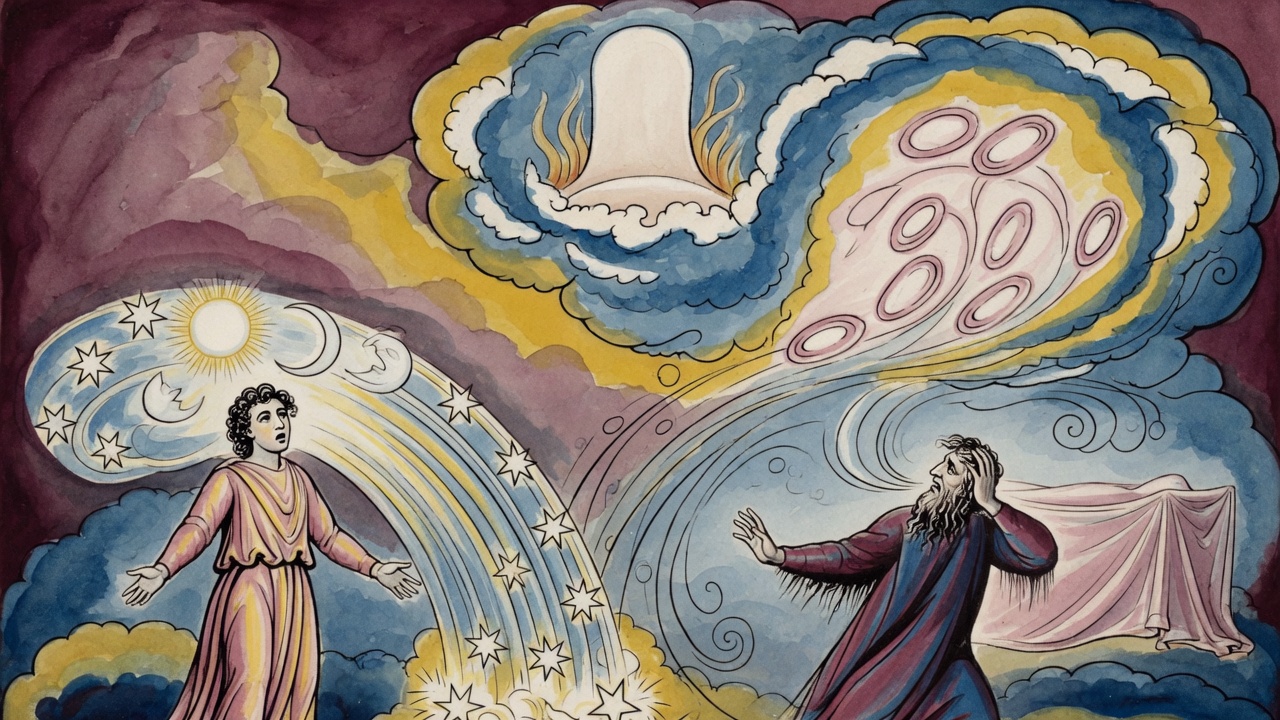
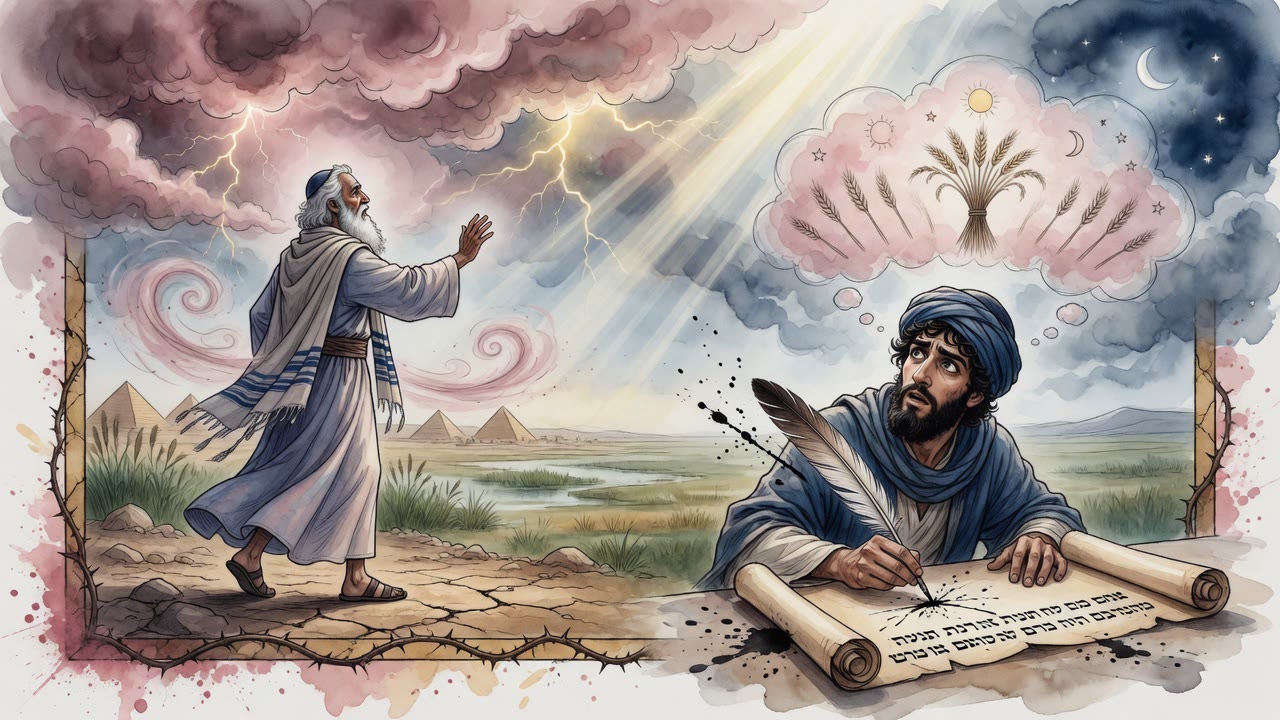
Joseph was seventeen. He came in wearing the dream the way a man wears a coat that fits. The sun, the moon, and eleven stars had bowed down to him. He told it.
The brothers' faces closed. Jacob opened his mouth in front of them and made the dream sound foolish.
"What is this dream you have dreamed? Shall I and your mother and your brothers come to bow ourselves before you?"
The mother in that sentence was already in the ground. Jacob said the dead cannot bow, and meant the living to hear that the whole vision was empty. Heaven did not like the emptying. Descendants would try the same hush on Jeremiah, softening a true word so a room would stay calm.
The brothers were not fooled. They envied the boy anyway. They could tell their father had only performed the no.
Jacob Wrote It and Sent Him Anyway
After the rebuke, Jacob pulled out a quill. He took parchment. He recorded the day, the hour, and the place of Joseph's dream. He filed it as if it were a deed.
He had heard his own dreams years before. He knew what the voice of heaven sounded like in a sleeping mind. He was not going to watch that voice walk into his house and leave without a record. If his own ledger had already been scrutinized above, and he was destined to bow to this son, the file would be there when the bowing came.
Then he sent Joseph. He sent him from Hebron, which sits on a mountain, though the verse calls it a valley. The deep place was not the ground. It was the counsel buried in that ground: Abraham asleep in the cave, and the old oath that his children would be strangers in a land not theirs. Isaac had refused that land at Gerar. Jacob wrote the dream, then put the boy on the road that would take the whole house down into Egypt after all.
Joseph answered, "Here I am," and went. Jacob kept the page.
← All myths