53 myths · Page 1 of 2
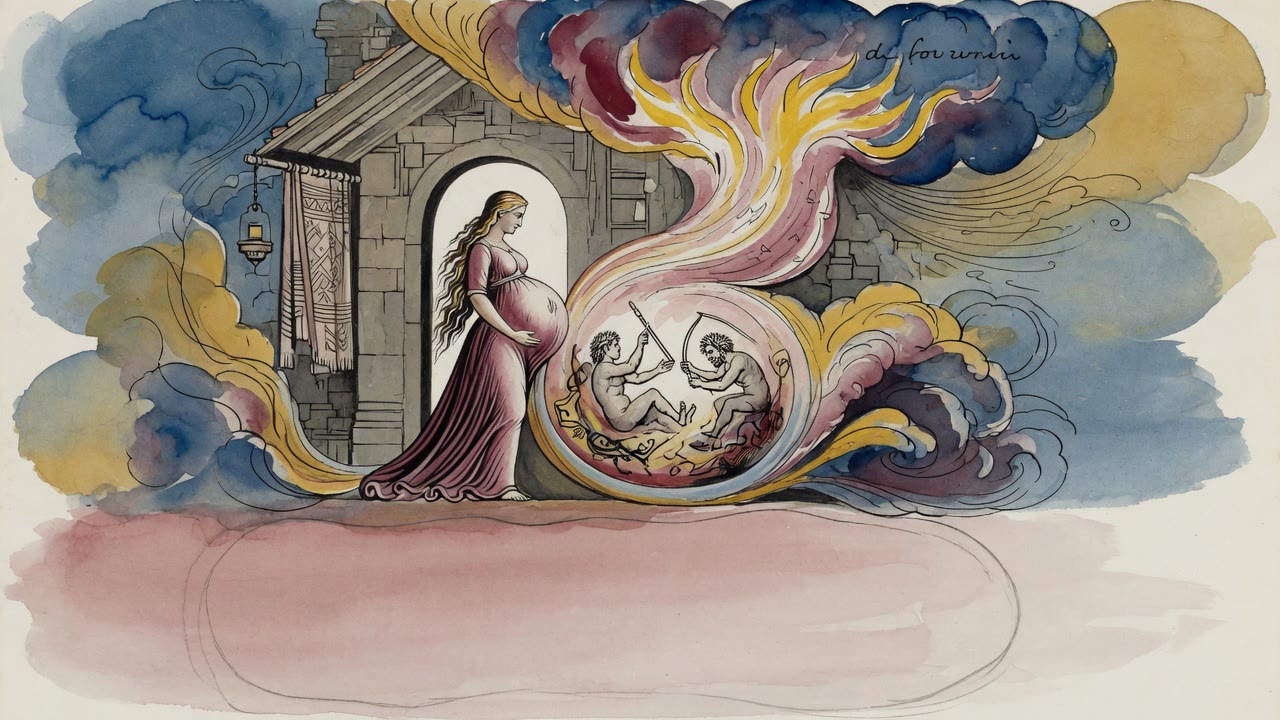
Rebecca's pregnancy became a battlefield before Jacob and Esau were born, forcing her to seek God's answer in the house of Shem.
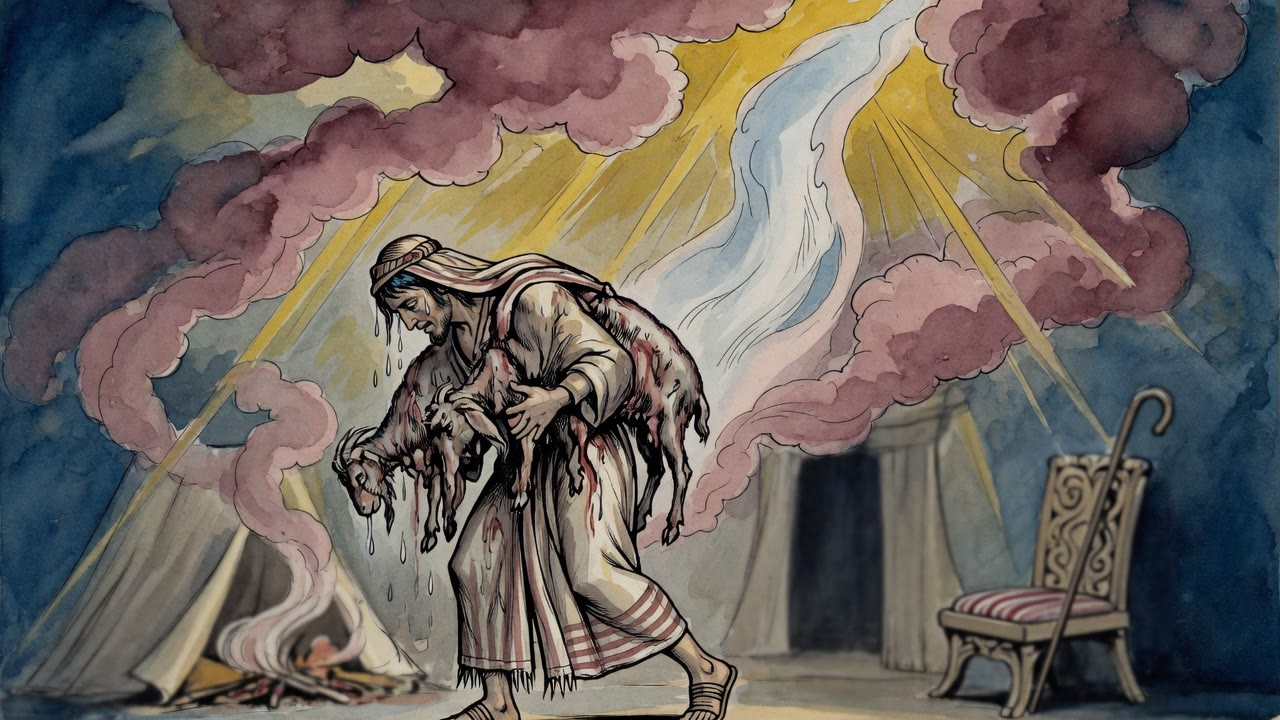
His mother told him to fetch two goats and lie to his blind father. Jacob's hands shook, his body bowed, and the tears would not stop.
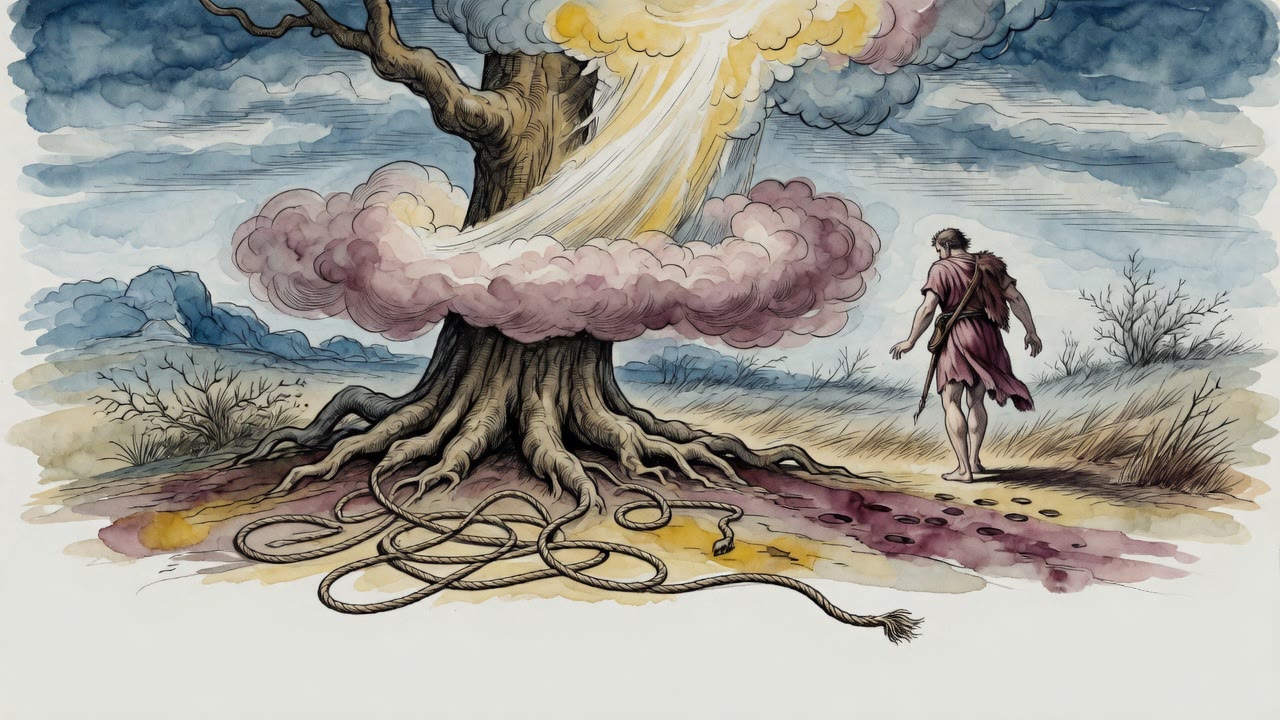
Esau tied the deer to the tree, walked off to hunt more, and came back to a loose rope and bare ground. The kill was gone again.
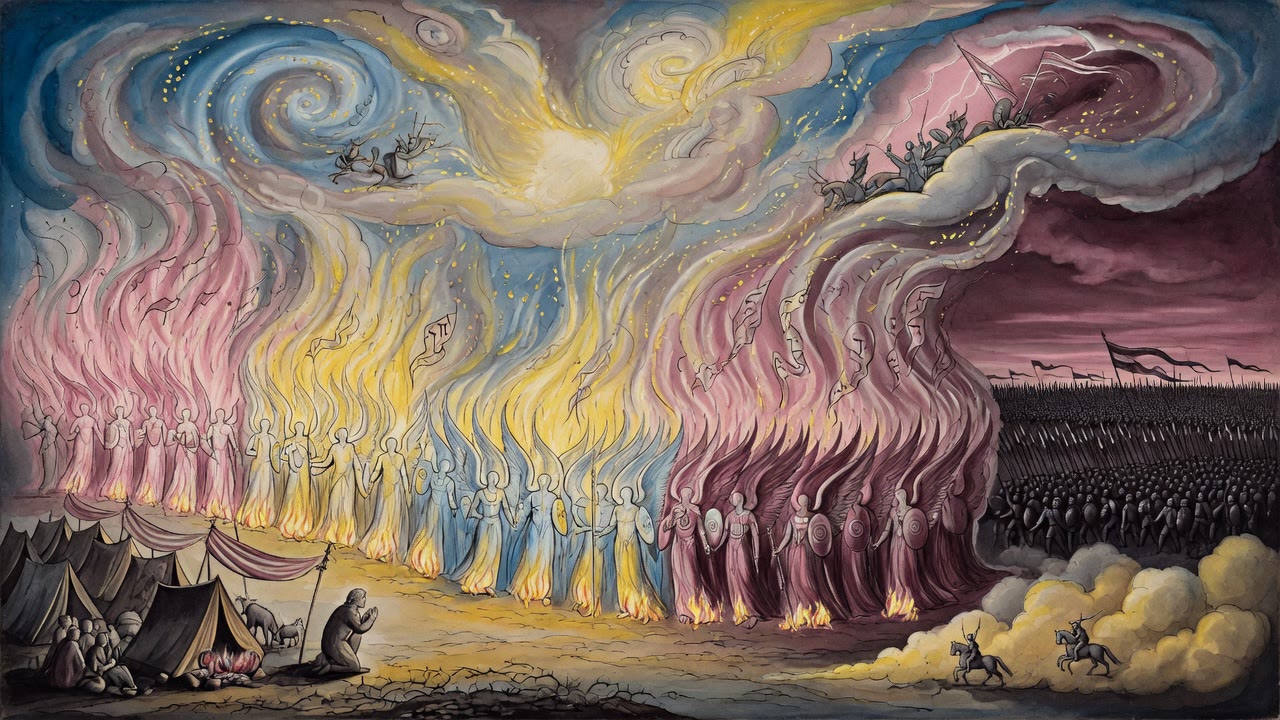
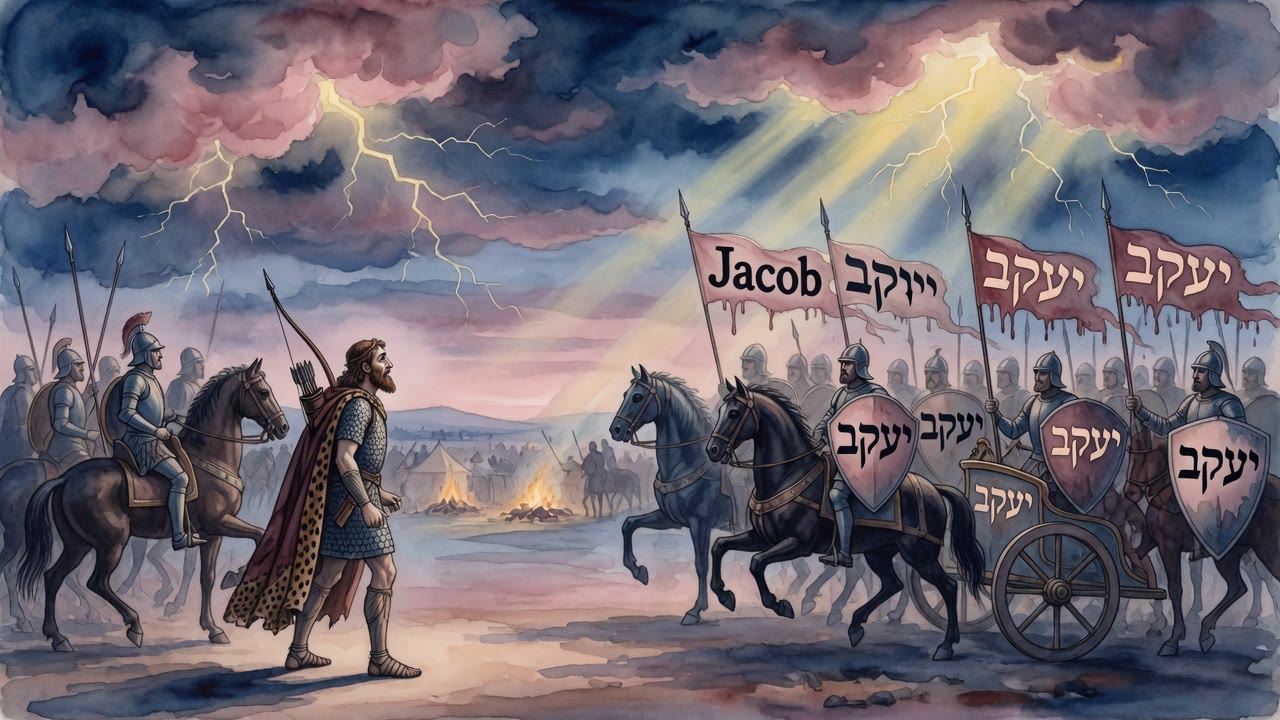
Esau came up the road with four hundred armed men. Something met them on that road in the night, and Jacob went to his grave not knowing.
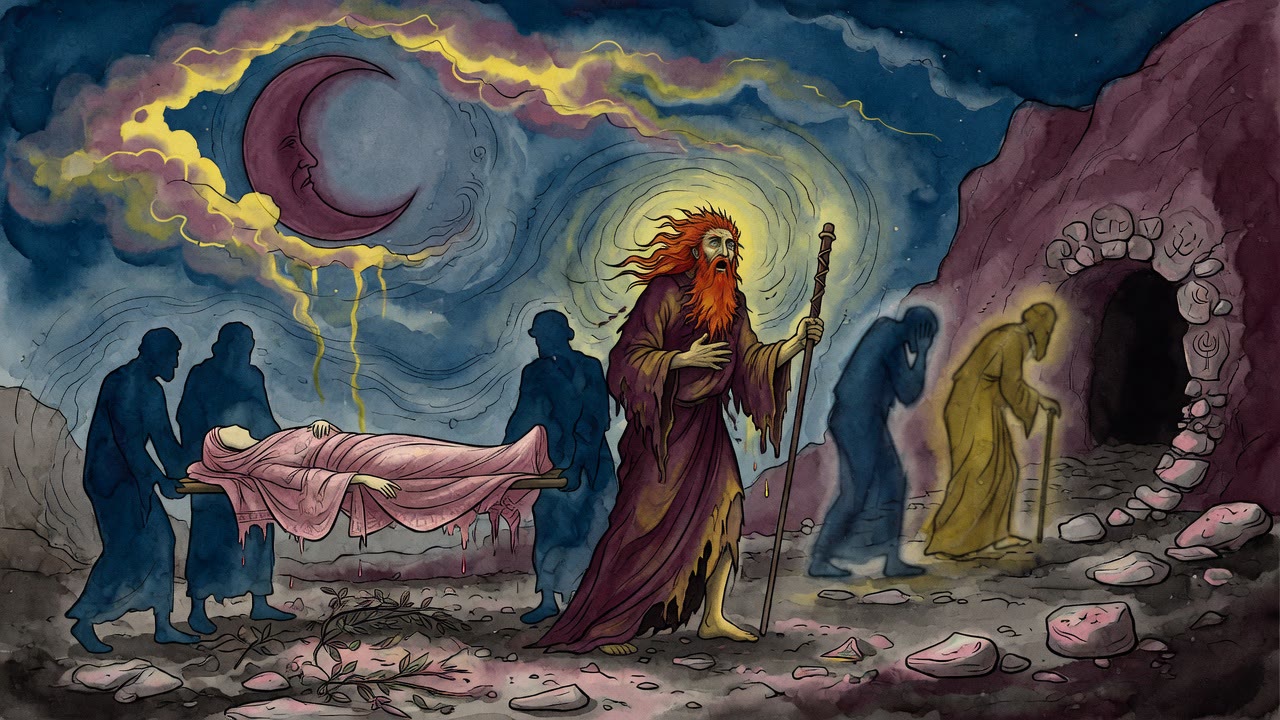
Rebekah died with only the disgraced Esau free to walk at the head of her burial, so the family carried her body out at night.
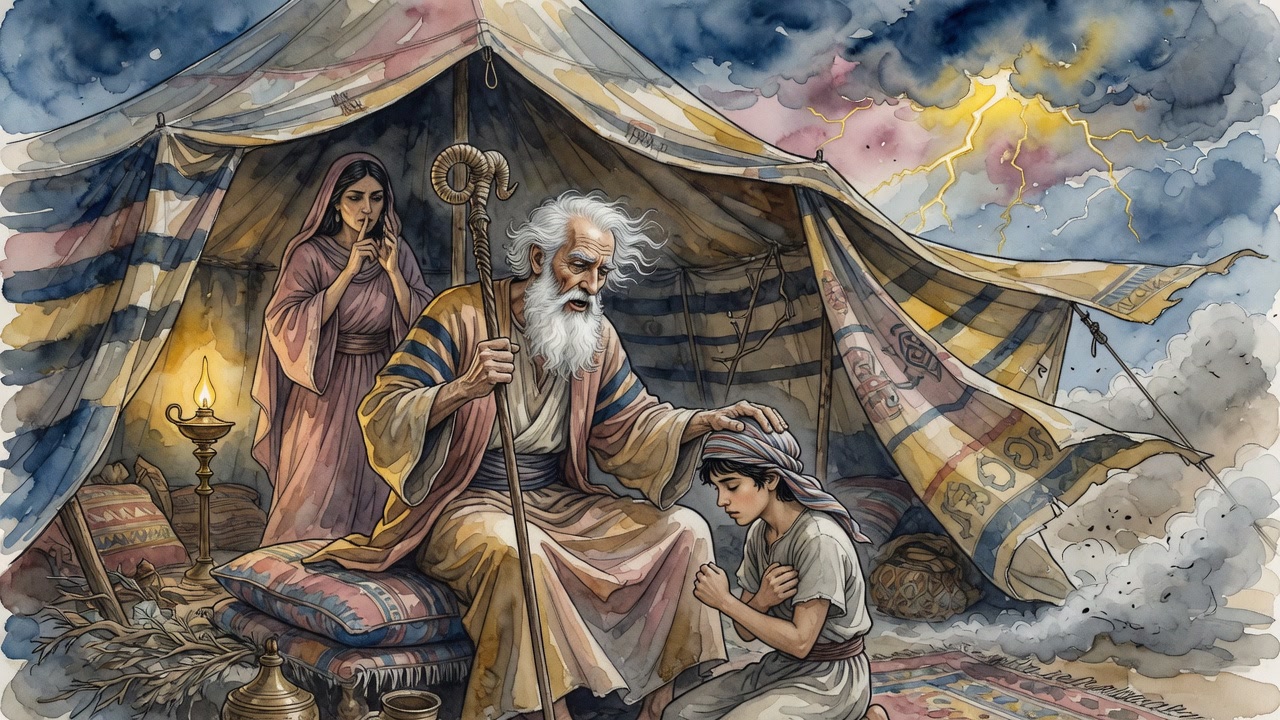
Old Abraham passes the tent flap and calls not Isaac but young Jacob to Rebecca's side, to hand him a blessing reaching back to Adam.
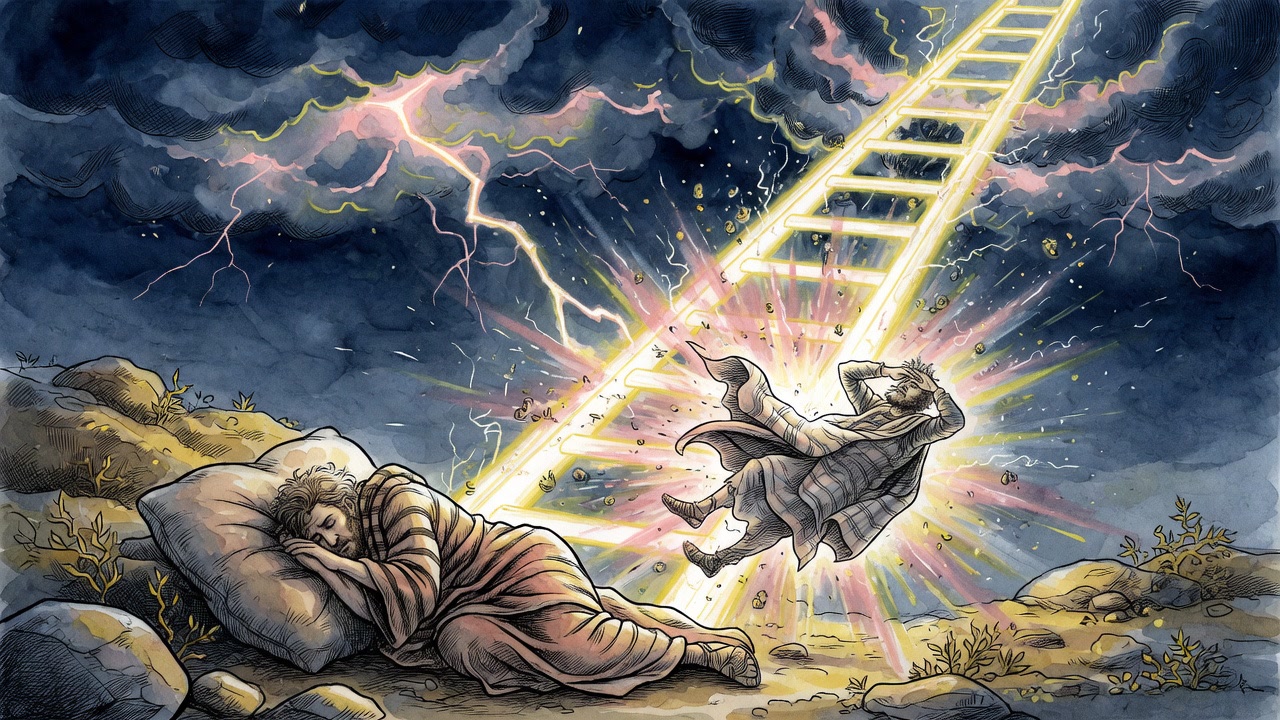
Jacob ran until the sun was gone. He struck the ground at Bethel. Stones went under his head because the place had stopped him.
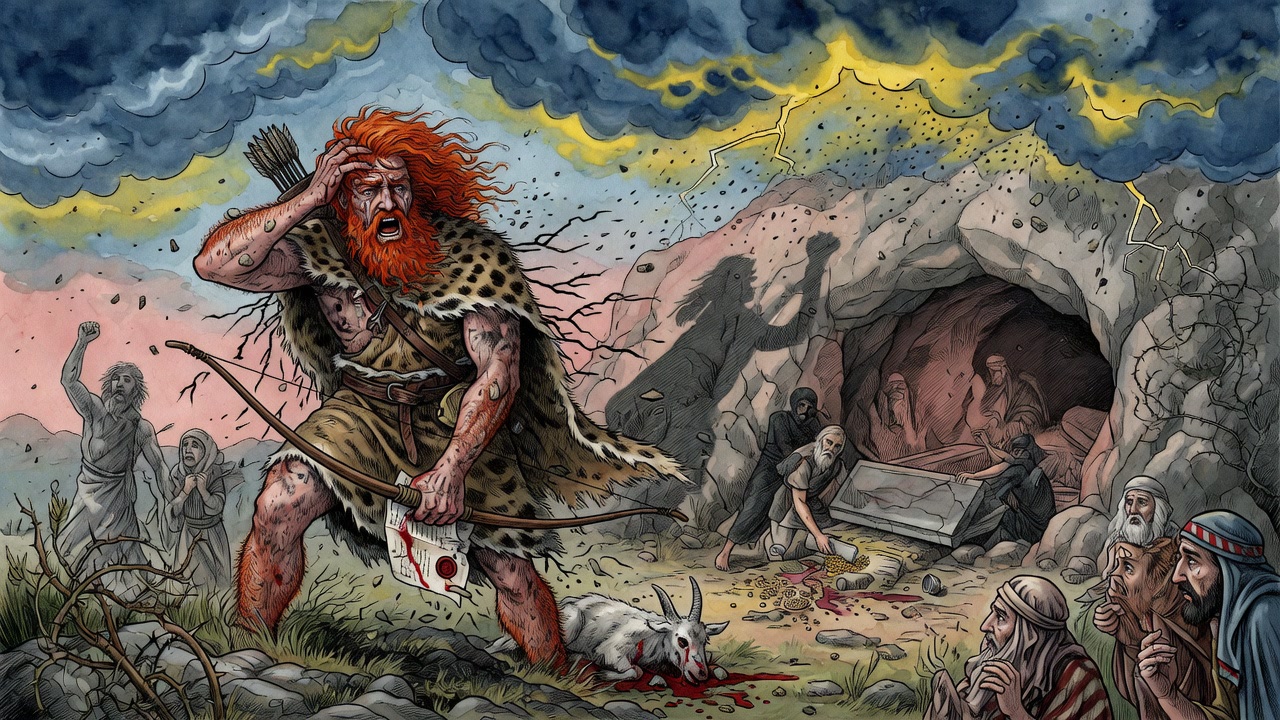
Jacob cooked lentils the morning Abraham died, food for a silent house. Esau came in from the field with the day already on his hands.
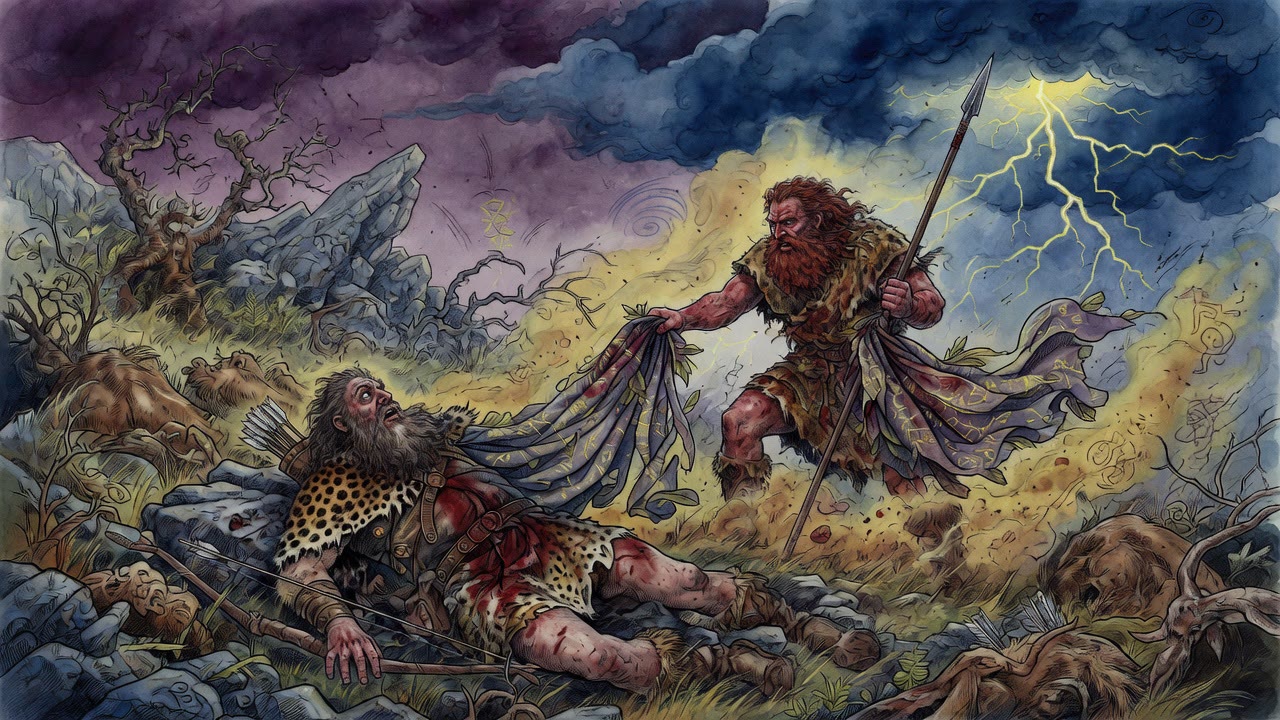
Before Esau sold his birthright, he had already killed a king. The clothes he stripped from Nimrod's body had belonged to Adam himself in the Garden of Eden.
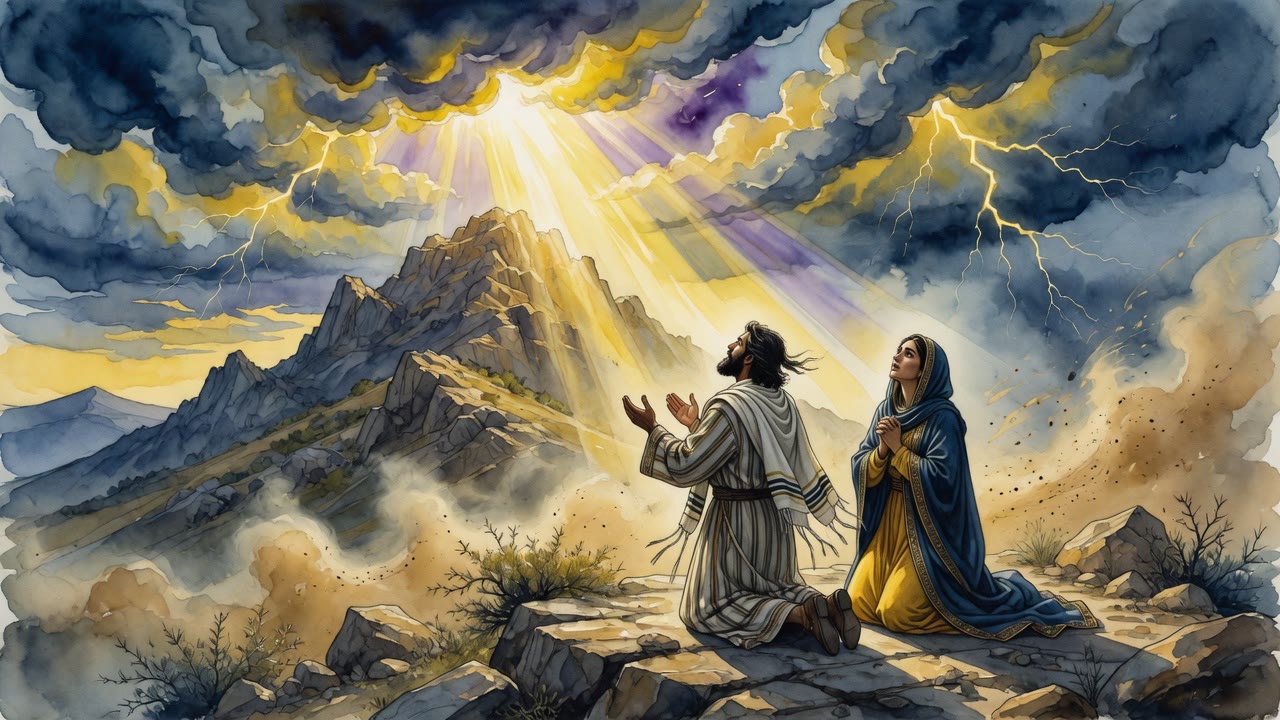
Twenty-two years of barrenness. Isaac took Rebecca to the mountain where he had once been bound and laid on the altar. He knew what the place could do.
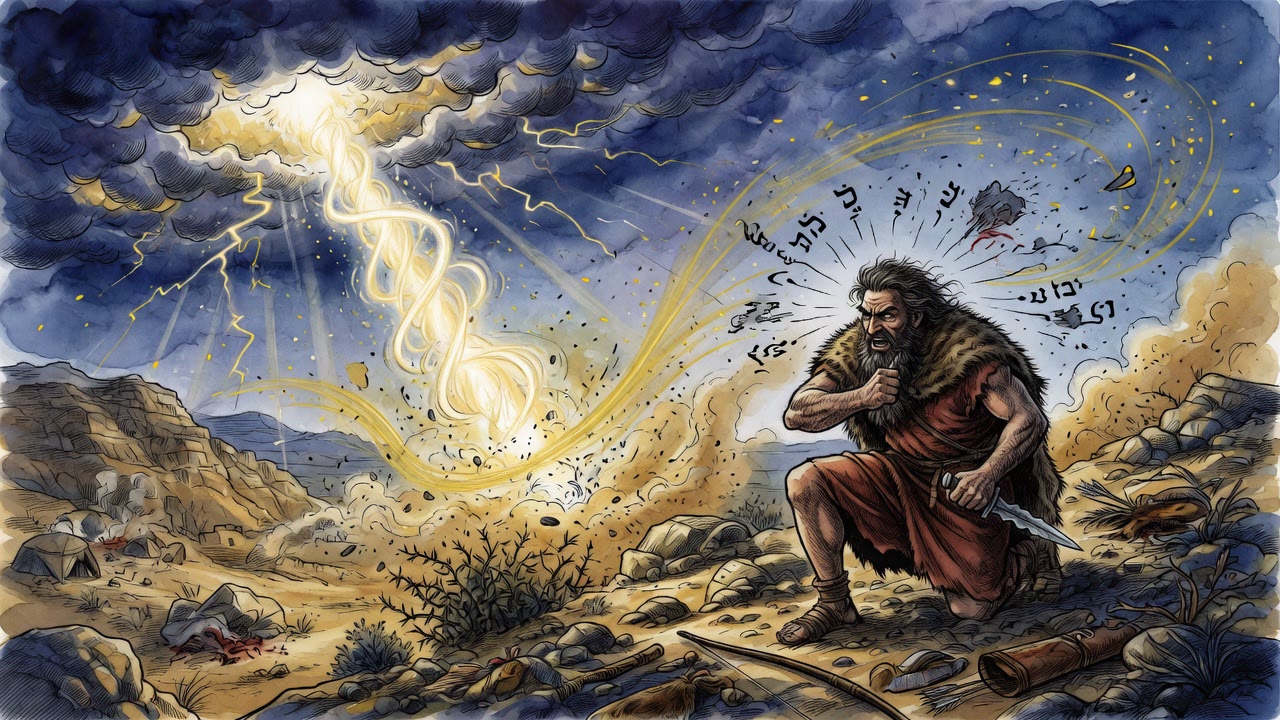
Esau never moved his lips. The murder plot stayed sealed in his heart, three deaths in careful order, until God spoke every word of it aloud.
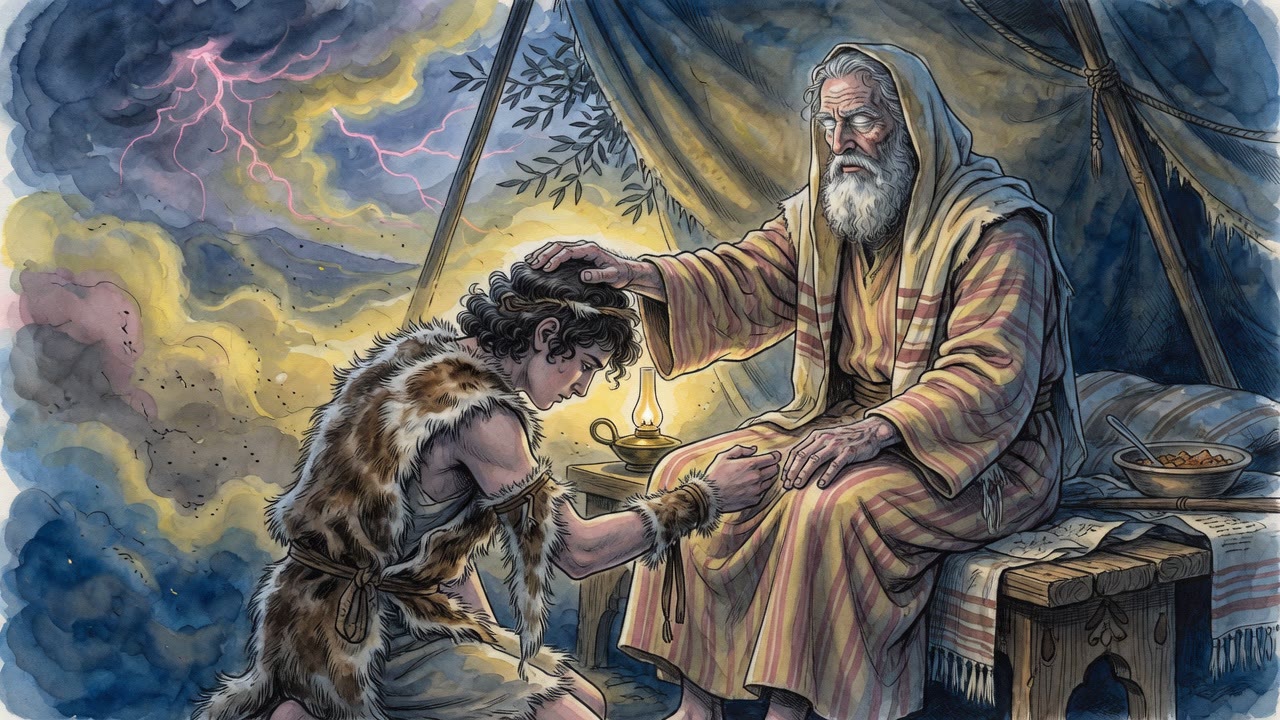
Esau tied a deer and went after the next. When he came back the cord lay empty. The Accuser had been walking the field behind him.
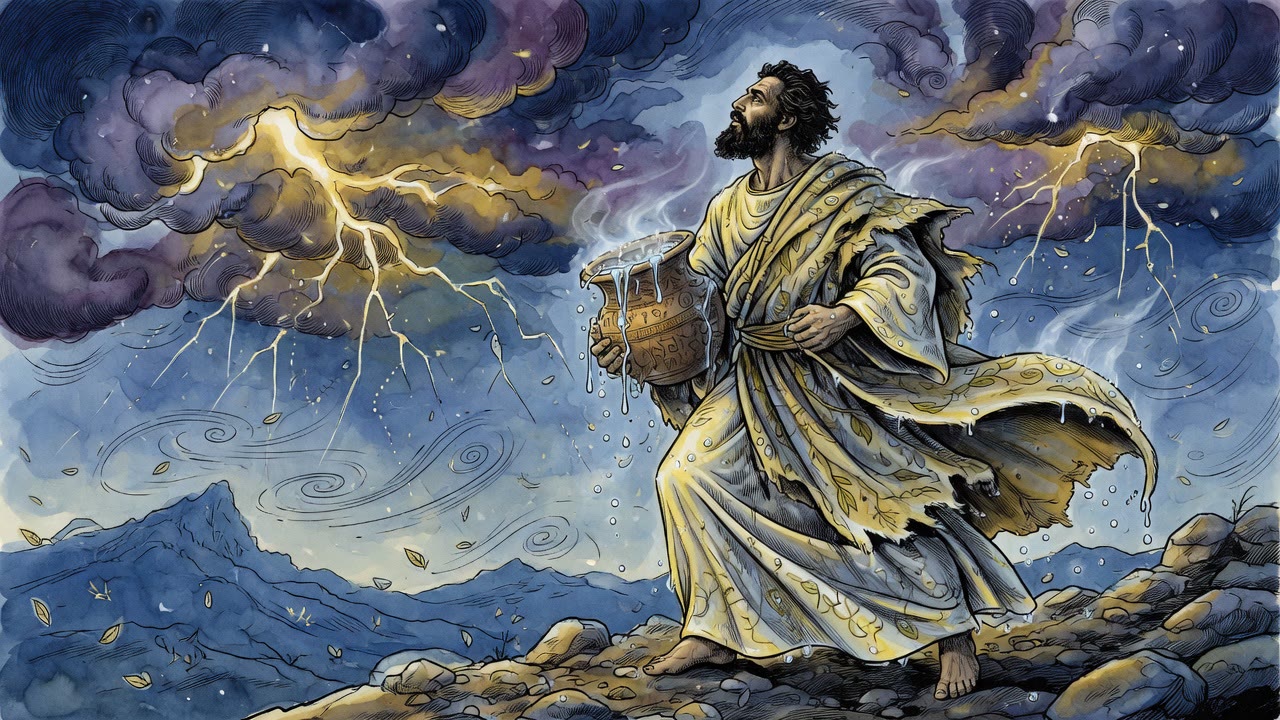
Isaac's hands found goat hair. His ears caught Jacob's voice. His nose found a field after rain, older than either son.
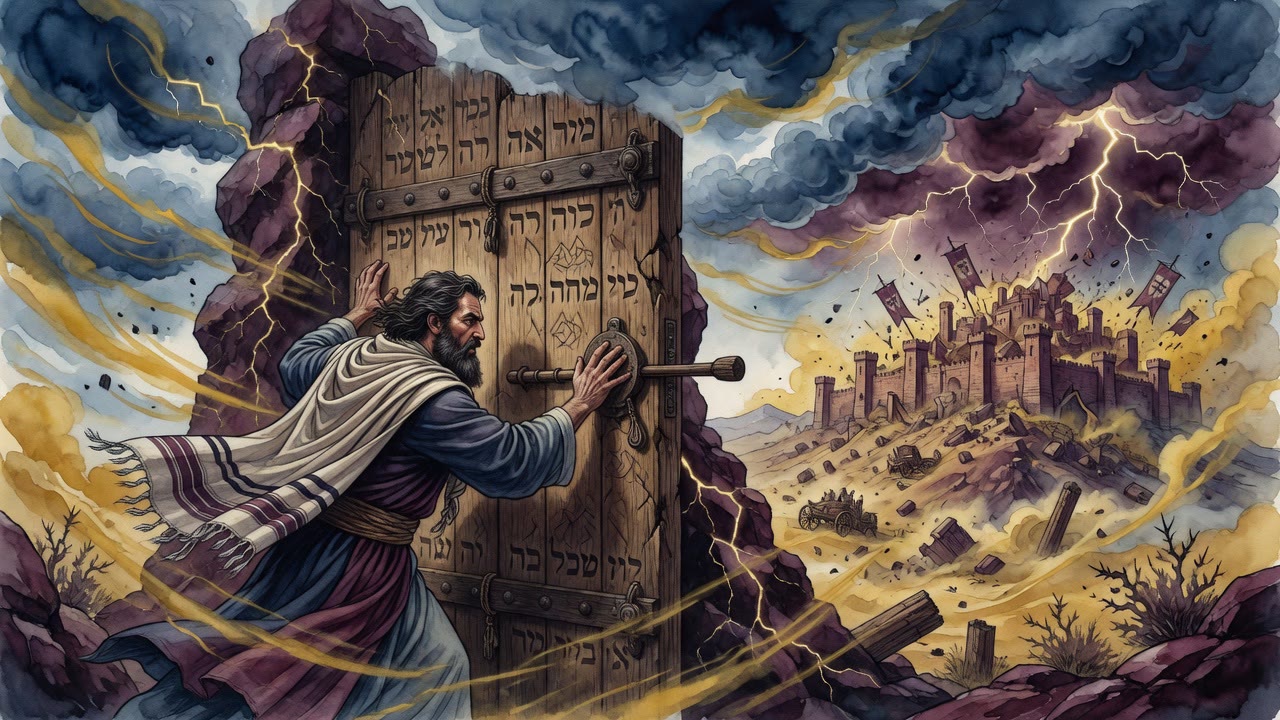
Jacob did not run because courage failed him. Aggadat Bereshit says he closed the door until Edom's kingdom spent its hour.
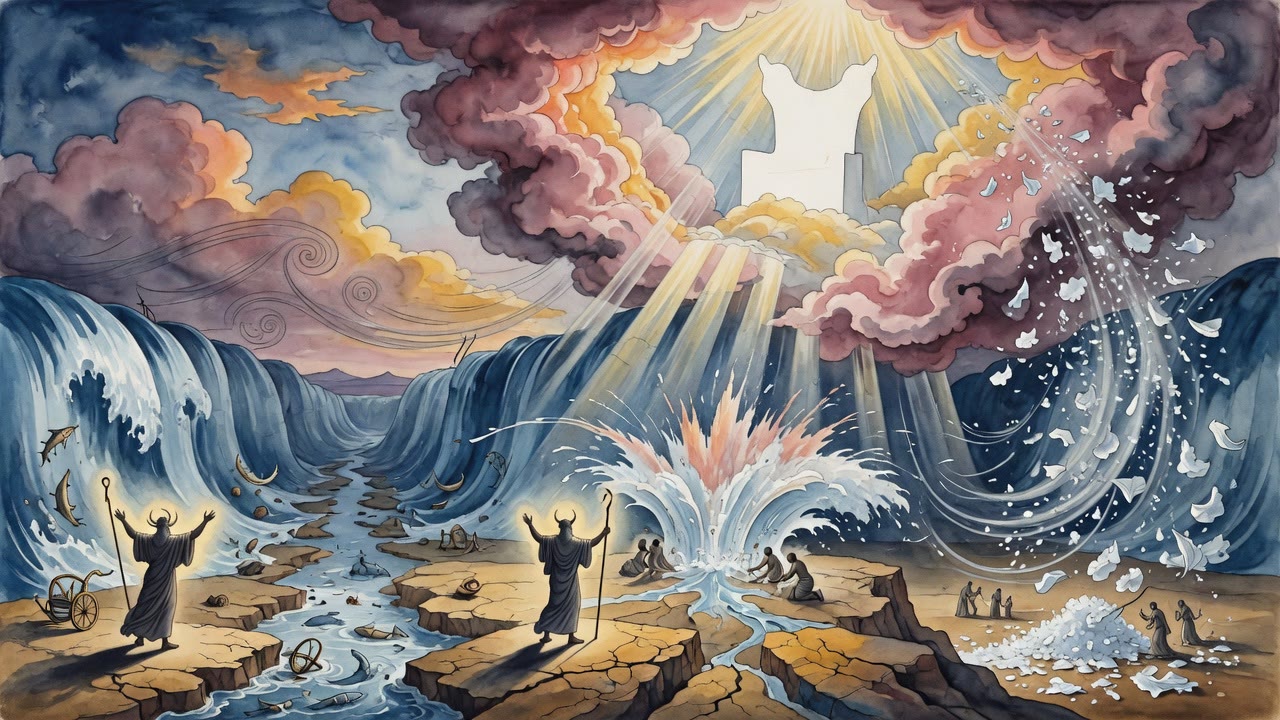
Famine opened the road to Egypt. Isaac packed. In the night a voice forbade the Nile and sent him into Philistine ground instead.
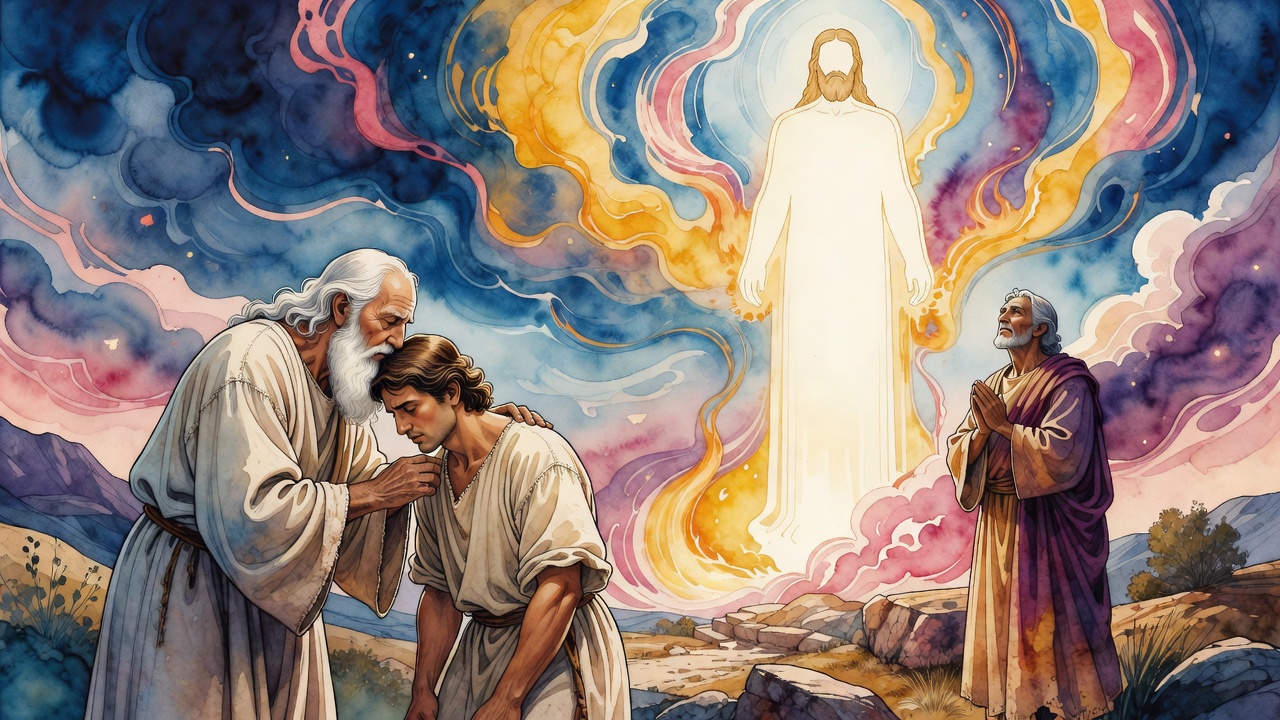
Abraham blessed Jacob and died that night. Later Jacob found the Shekhinah, the Divine Presence, waiting at Bethel, and night prayer became law.
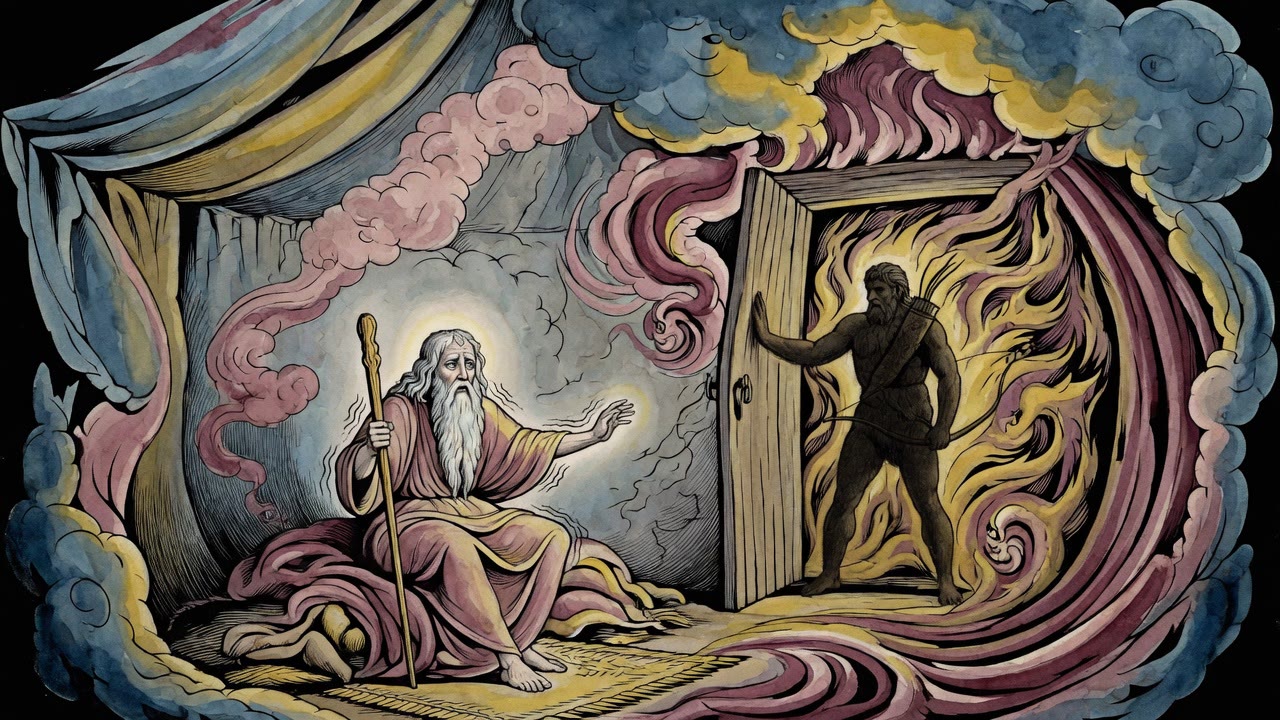
Isaac shook harder at Esau's return than he had on the altar. The walls seethed. Gehenna (afterlife of judgment) stood in the doorway. He blessed him anyway.
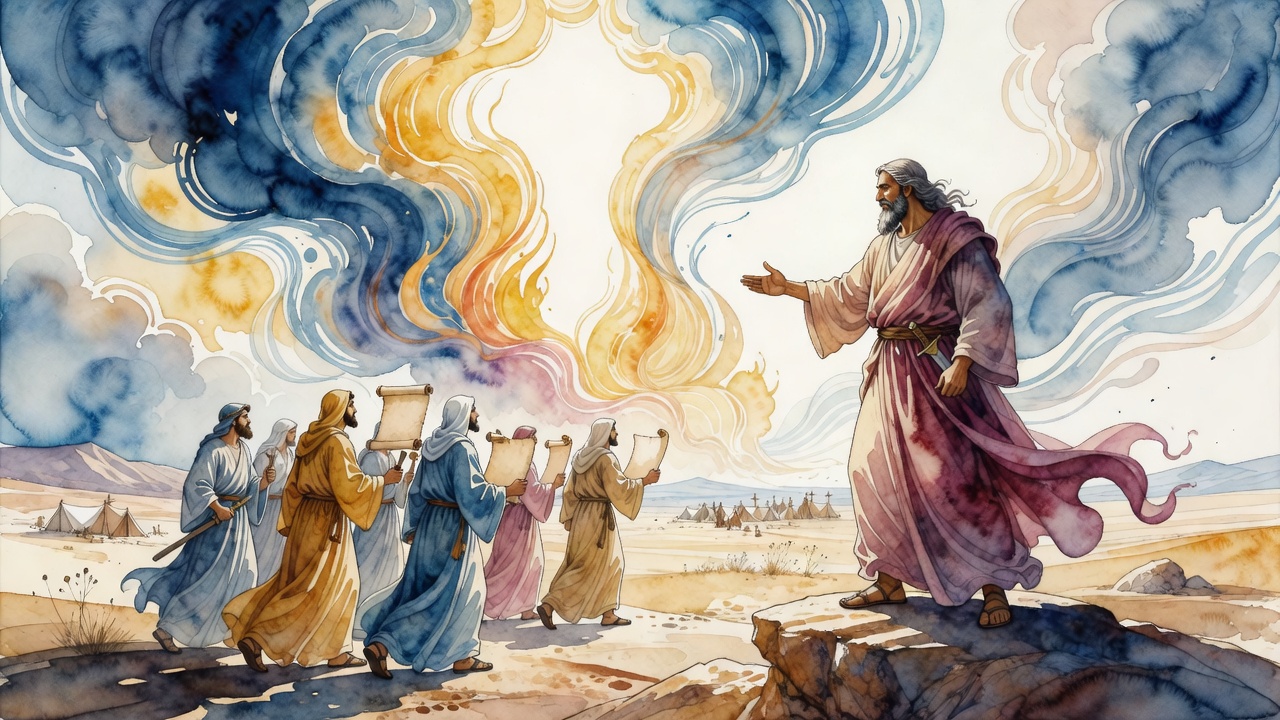
The envoys did not carry spears. They asked why Jacob envied dew when Esau had been given fat earth. They wanted to share the trouble too.
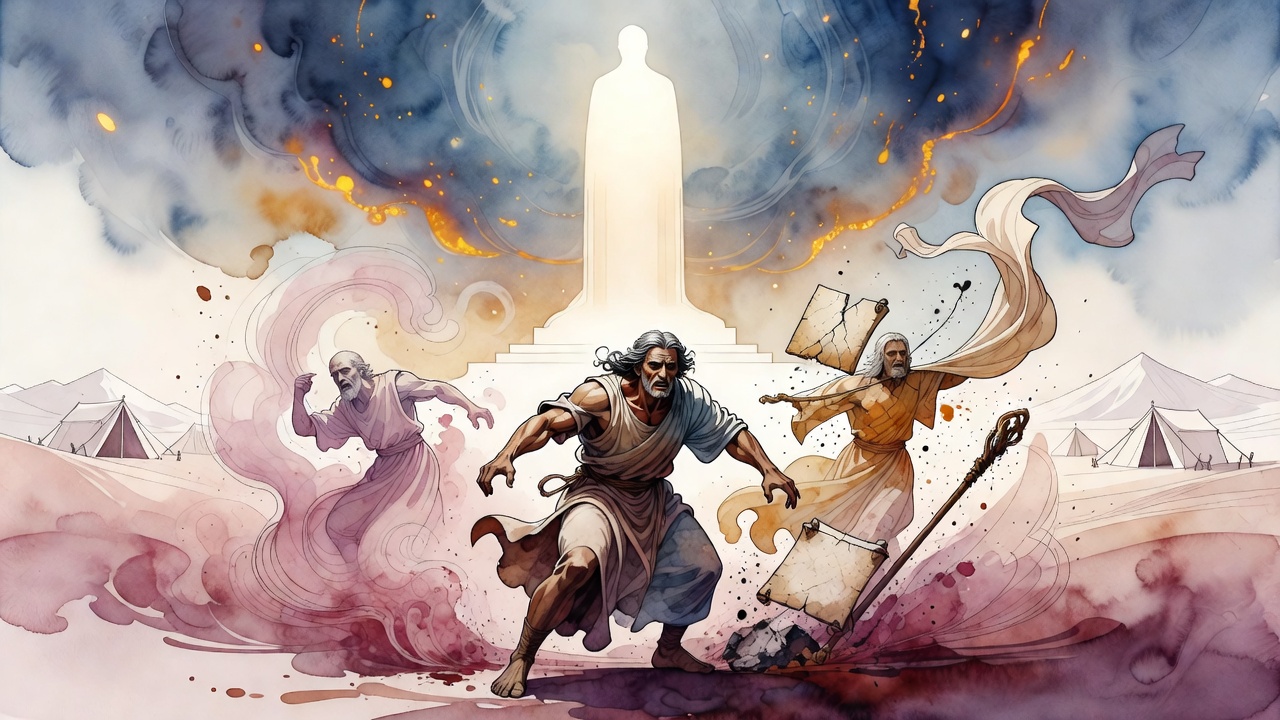
Lentils sat on the fire the day Abraham was buried. Esau did not ask what the pot meant. He opened his mouth and told Jacob to pour.
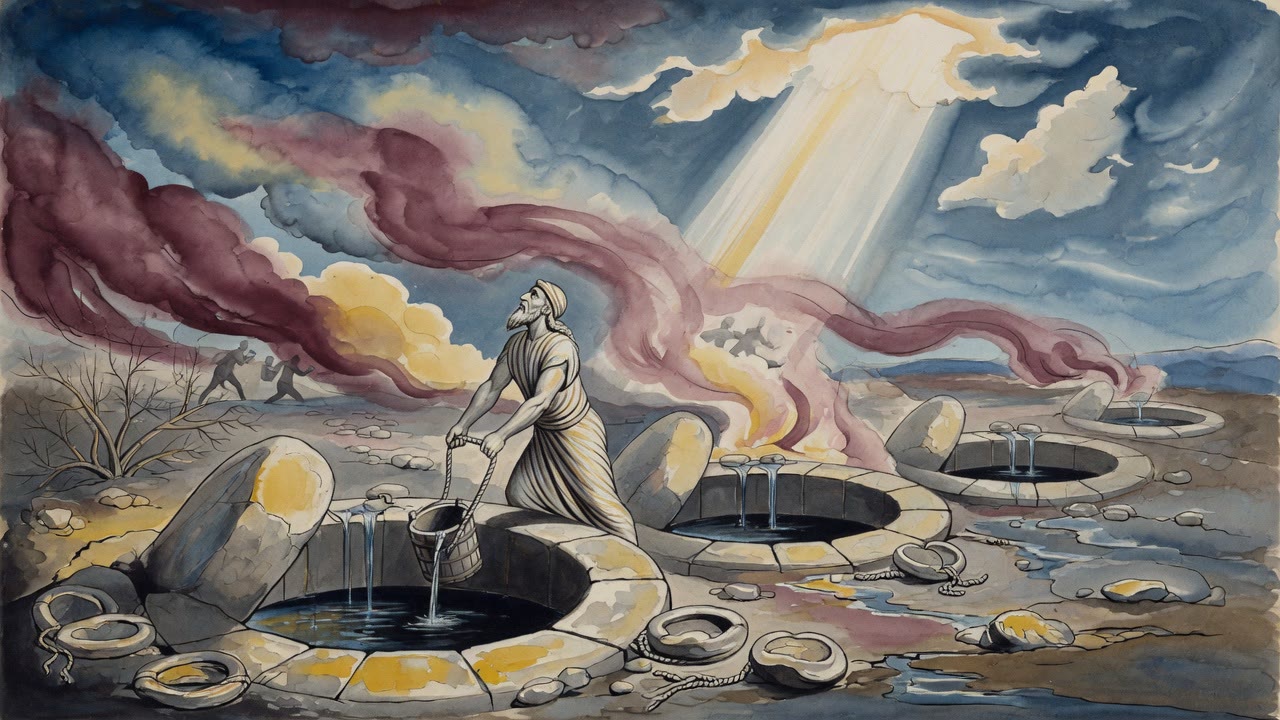
The Philistines poured earth into Abraham's wells until the rims sat useless in the sun. Isaac came back with a spade and sore shoulders.
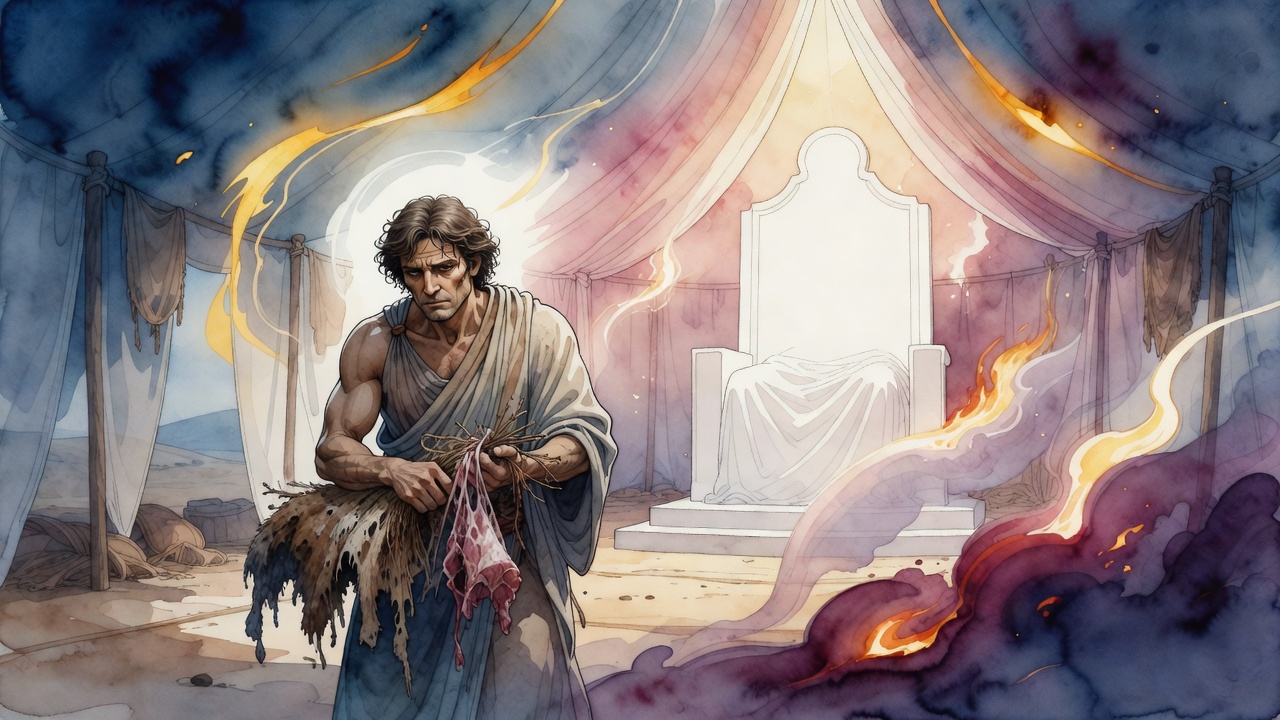
Esau came back four hours too late, carrying false venison and finding that Jacob had already taken the blessing meant for him.
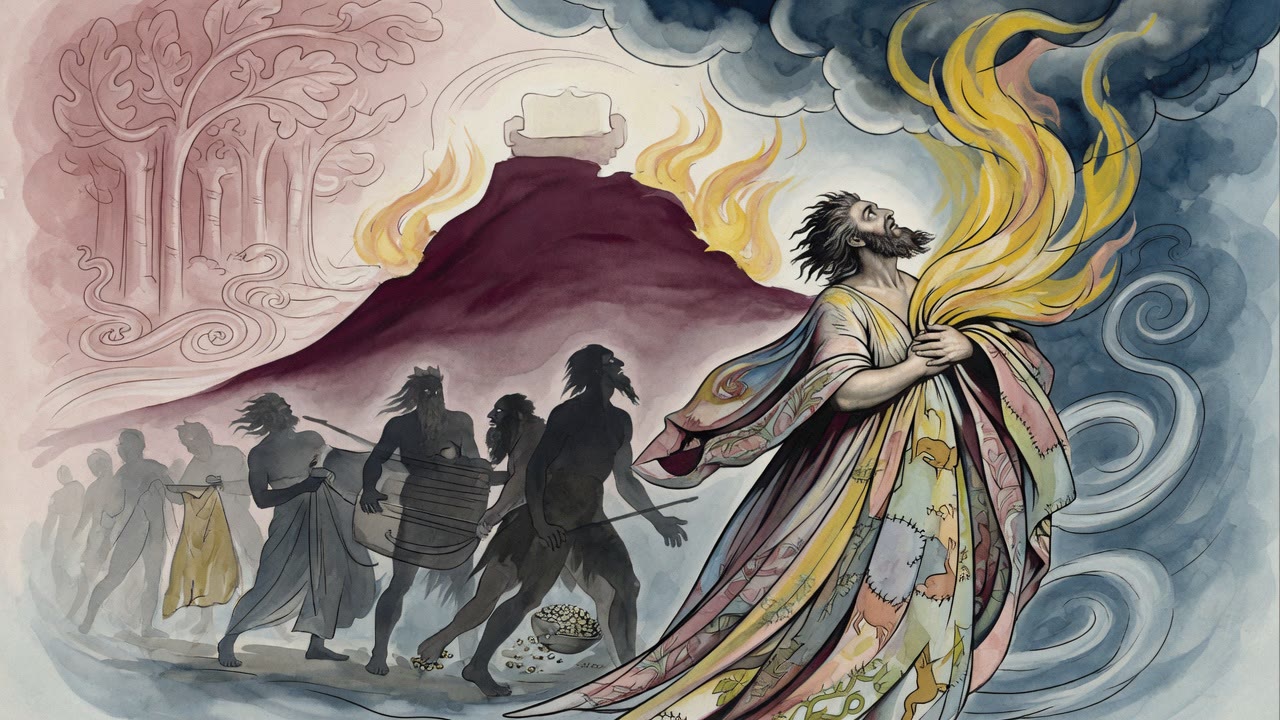
Esau sharpened murder into a plan, but Jacob carried Isaac's blessing into exile. Years later, Egypt rose to escort his coffin home.
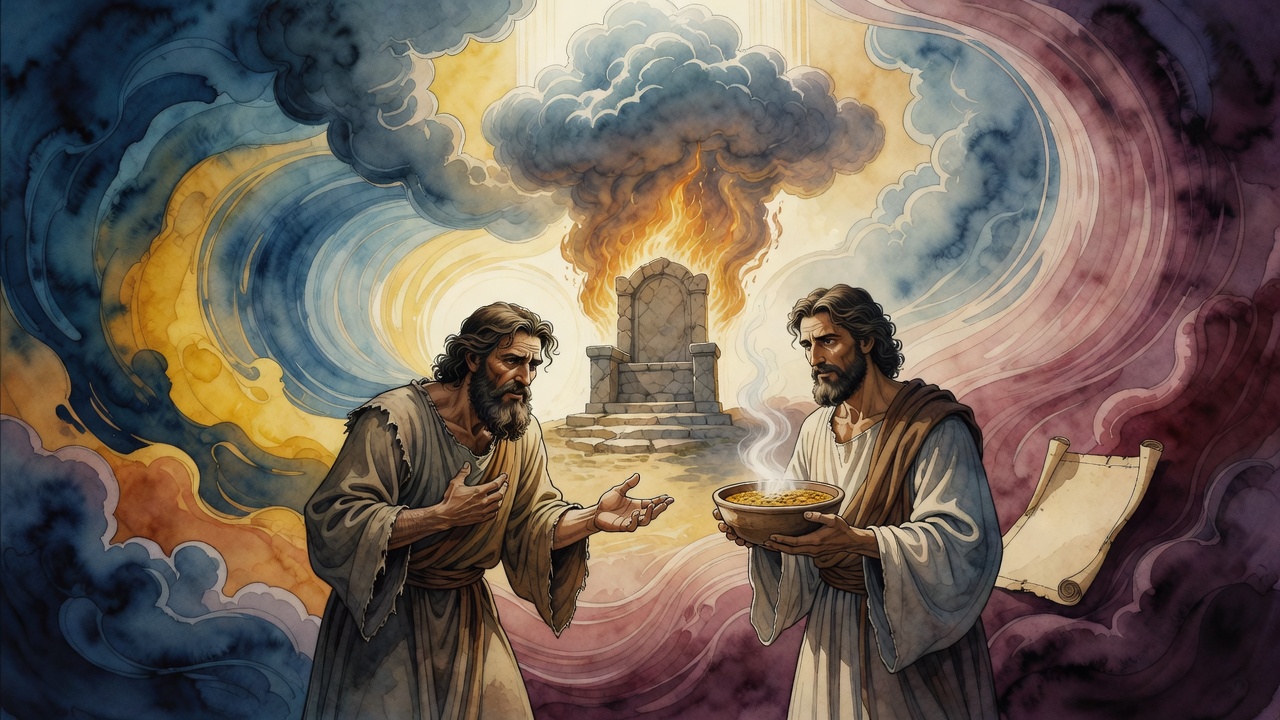
The soup was real. So was the hunger. But Jubilees and the Midrash say Esau traded away his burial place beside the patriarchs along with his inheritance.
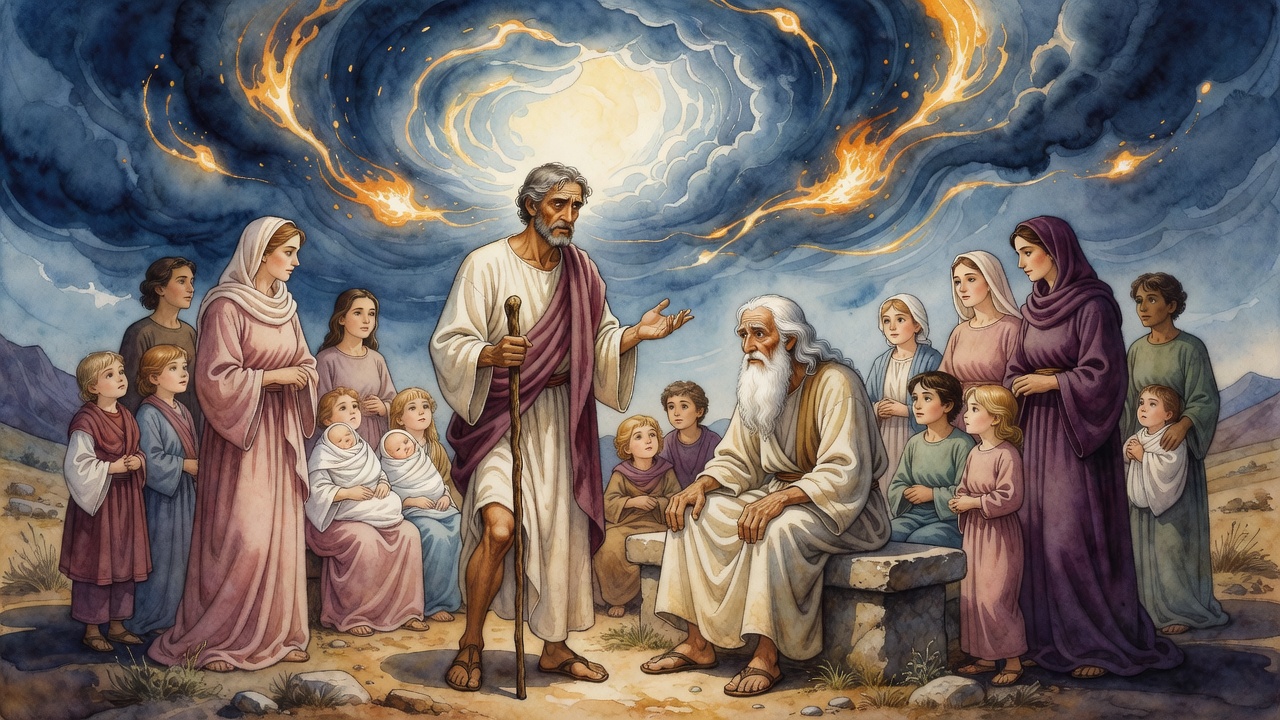
After twenty years apart, Jacob came back to Isaac with wives, children, and a limp. That night he told his father everything.
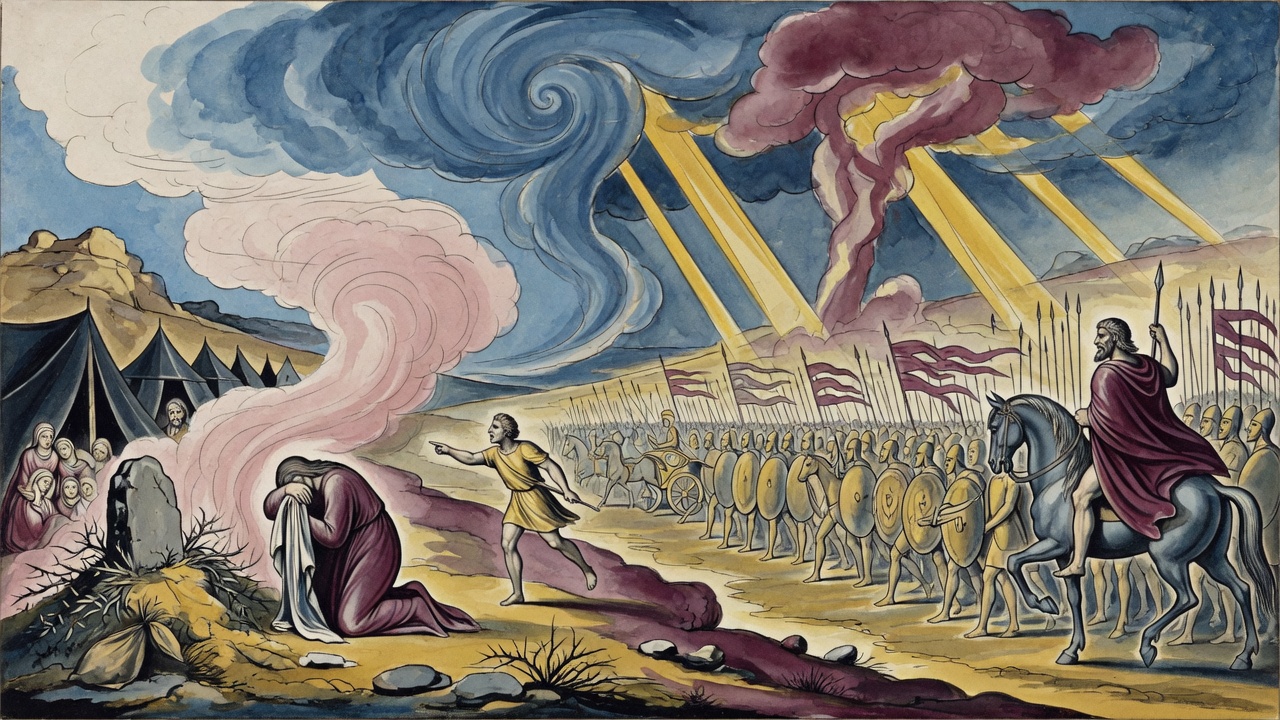
Jacob's wife had just died when the men of Hebron sent warning. His brother was coming with four thousand soldiers, and the timing was deliberate.
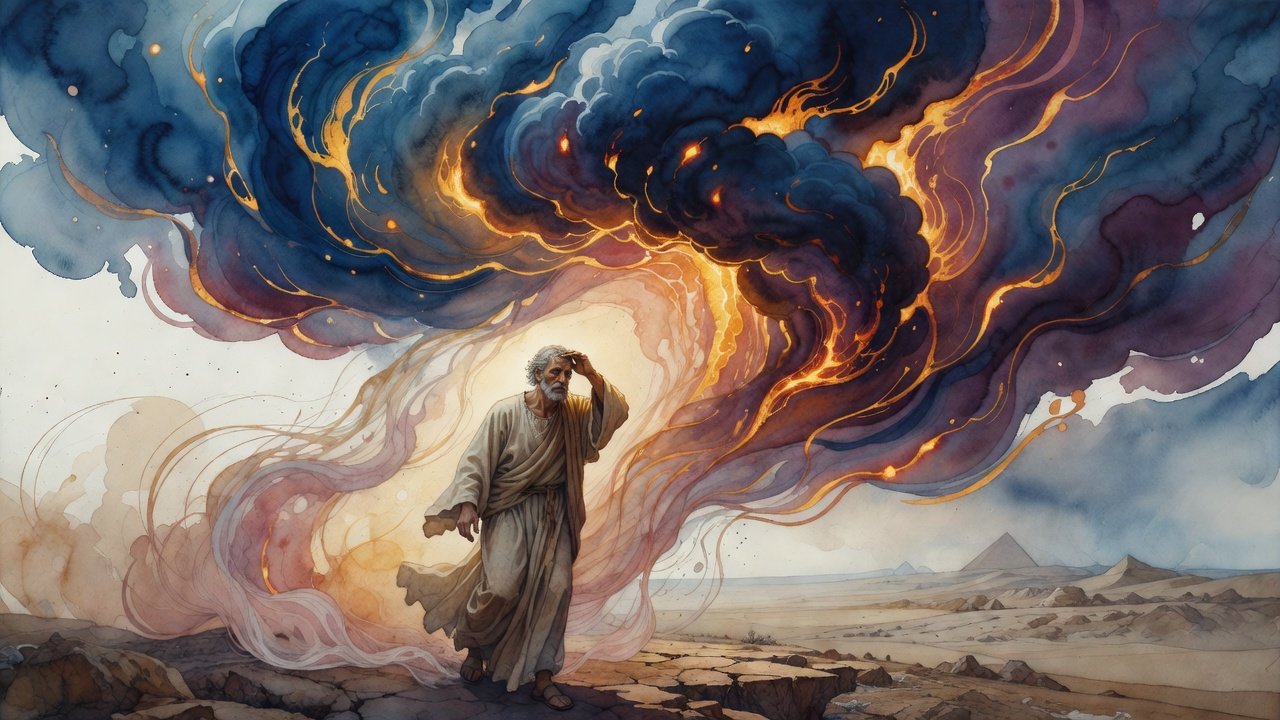
Famine struck and Isaac looked toward Egypt. God stopped him with one reason: a consecrated offering taken outside its sanctuary becomes invalid. He stayed.
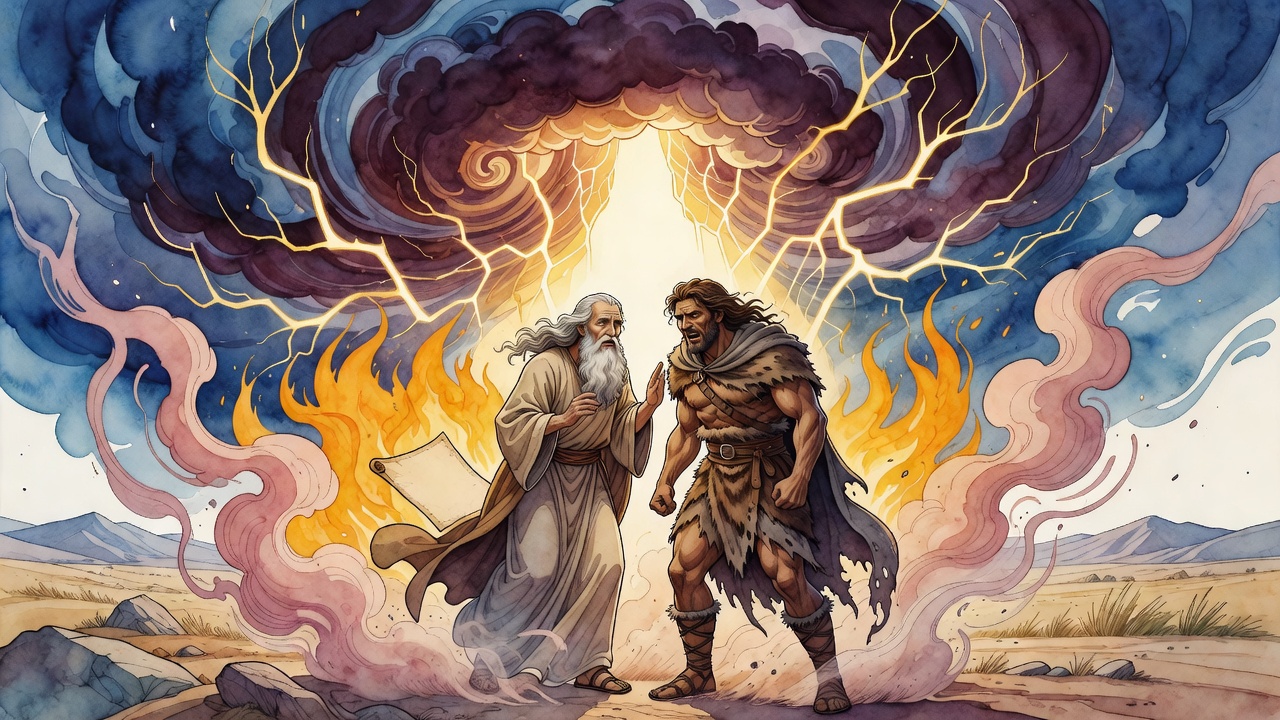
After Jacob fled with the blessing, Isaac tried to comfort Esau. God rebuked him for it. The exchange is one of the most unsettling in midrash.
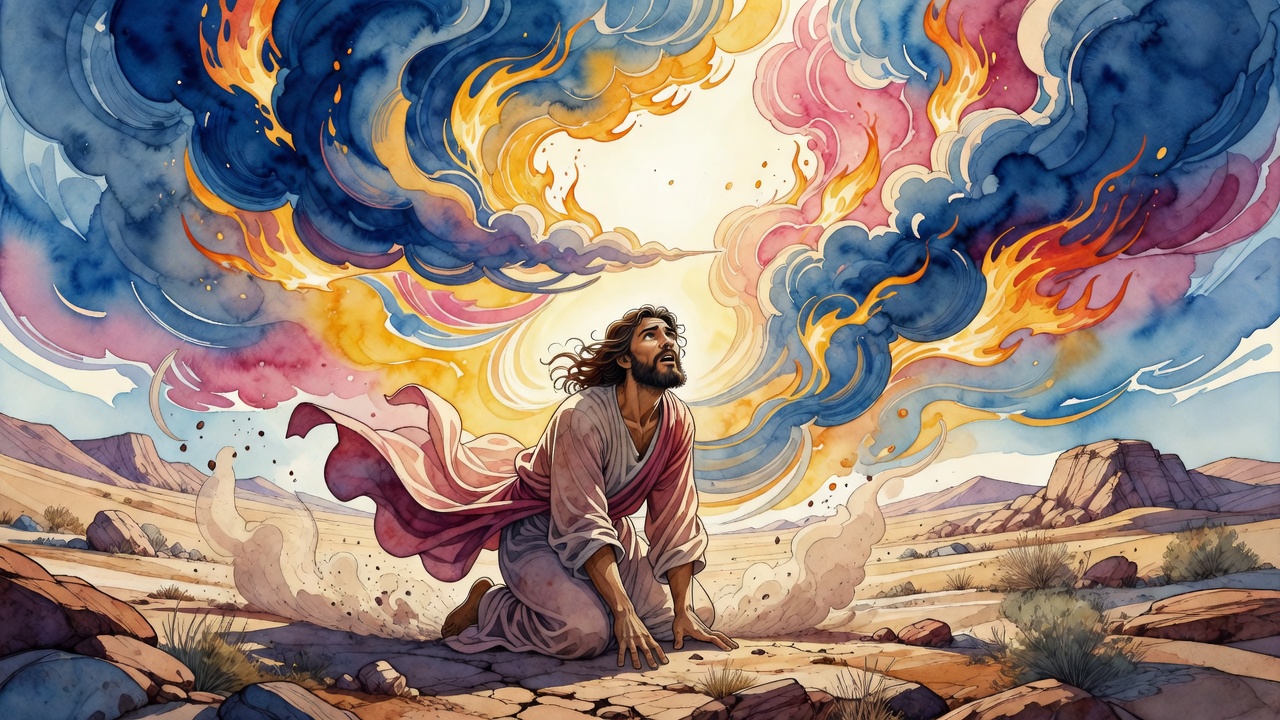
His parents told Jacob to run to Haran. He stopped at Beersheba first and waited. He needed to know whether leaving the land was God's will.
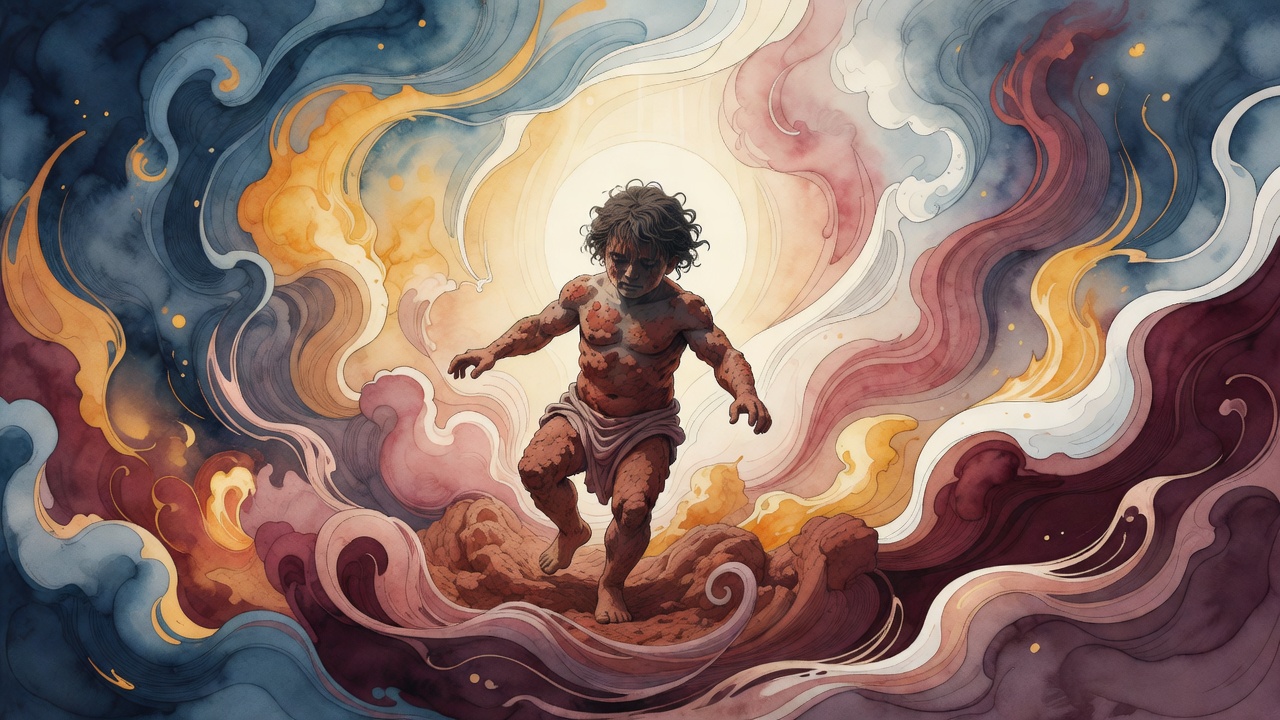
Rebekah's twins fought inside her, and one threatened to kill her to get out first. Shem told her why: her body was holding two nations.
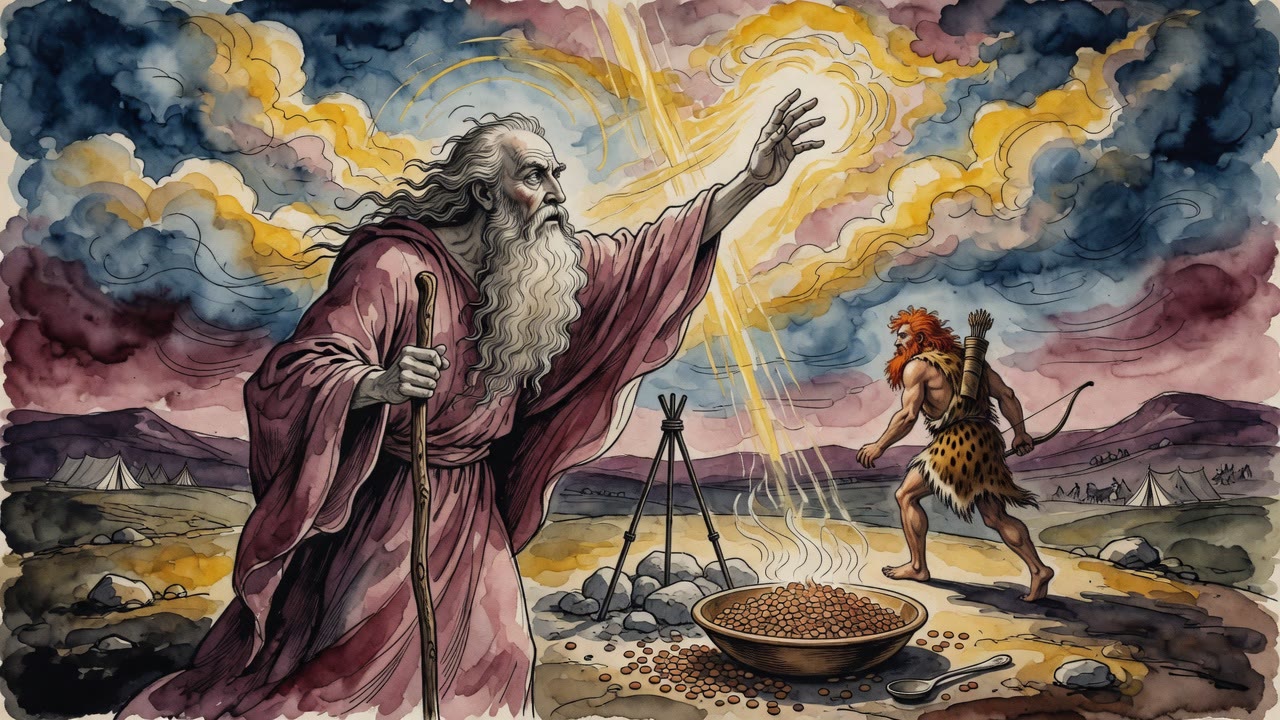
Abraham told God directly that he could see the problem in Esau. The bowl of lentil soup decades later was not a surprise to anyone who had been watching.
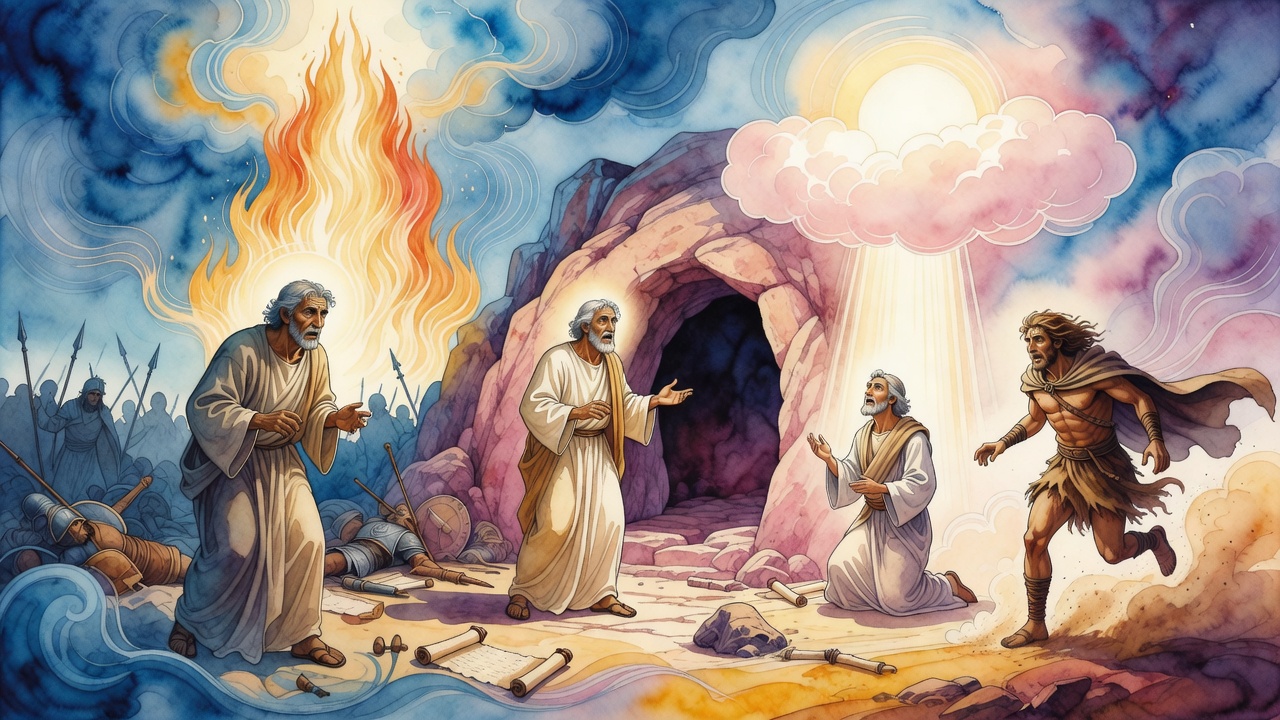
Sarah died at Hebron and Abraham owned no ground to bury her in. Ephron called the field a gift, then named a price: four hundred shekels of silver.
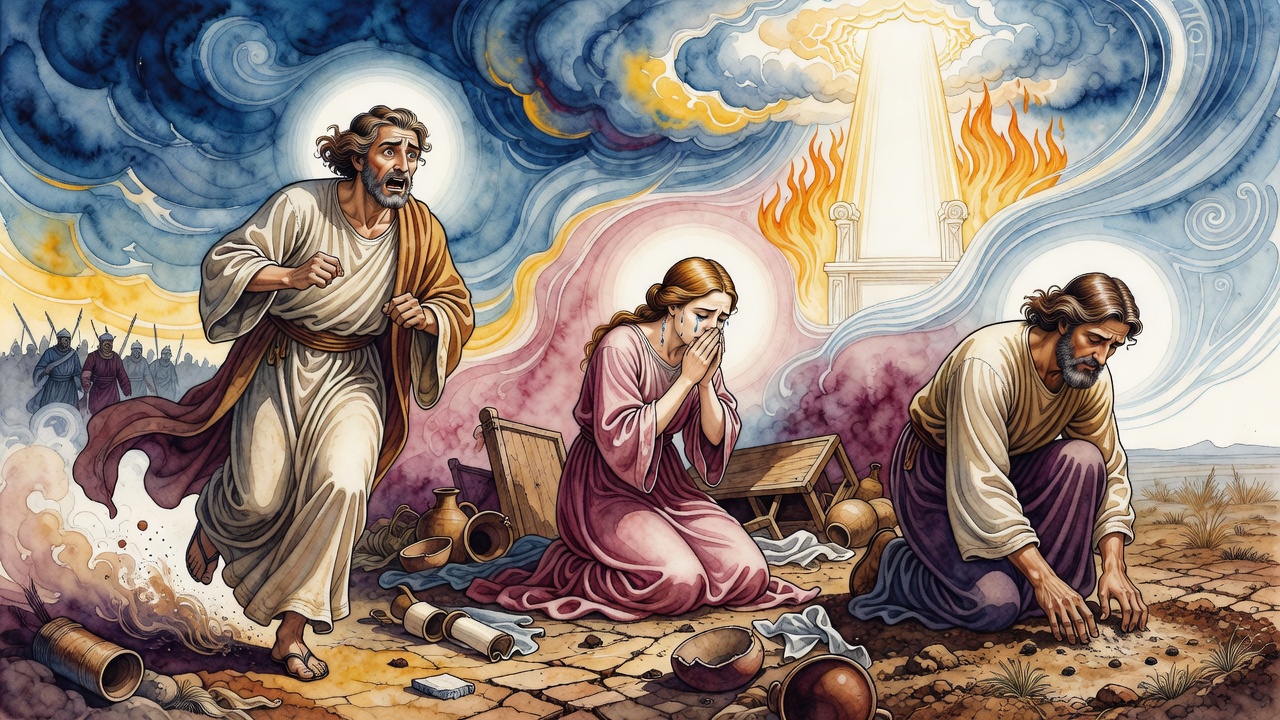
Abraham races toward enemy kings with fear in his chest. Rebecca weeps over a ruined household. Jacob plants his grief like seed and waits for the harvest.
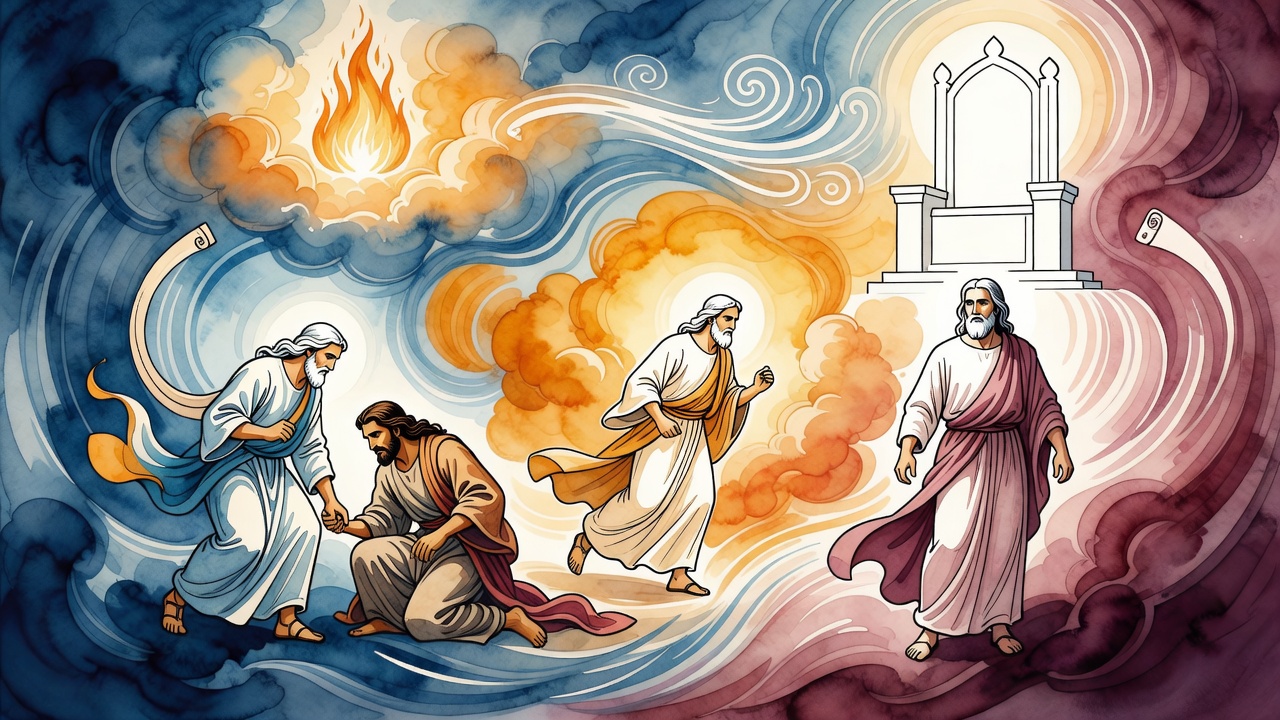
Rachel told Jacob to give her children or she would die. He shouted that he was not God. Heaven heard the answer and did not forget it.
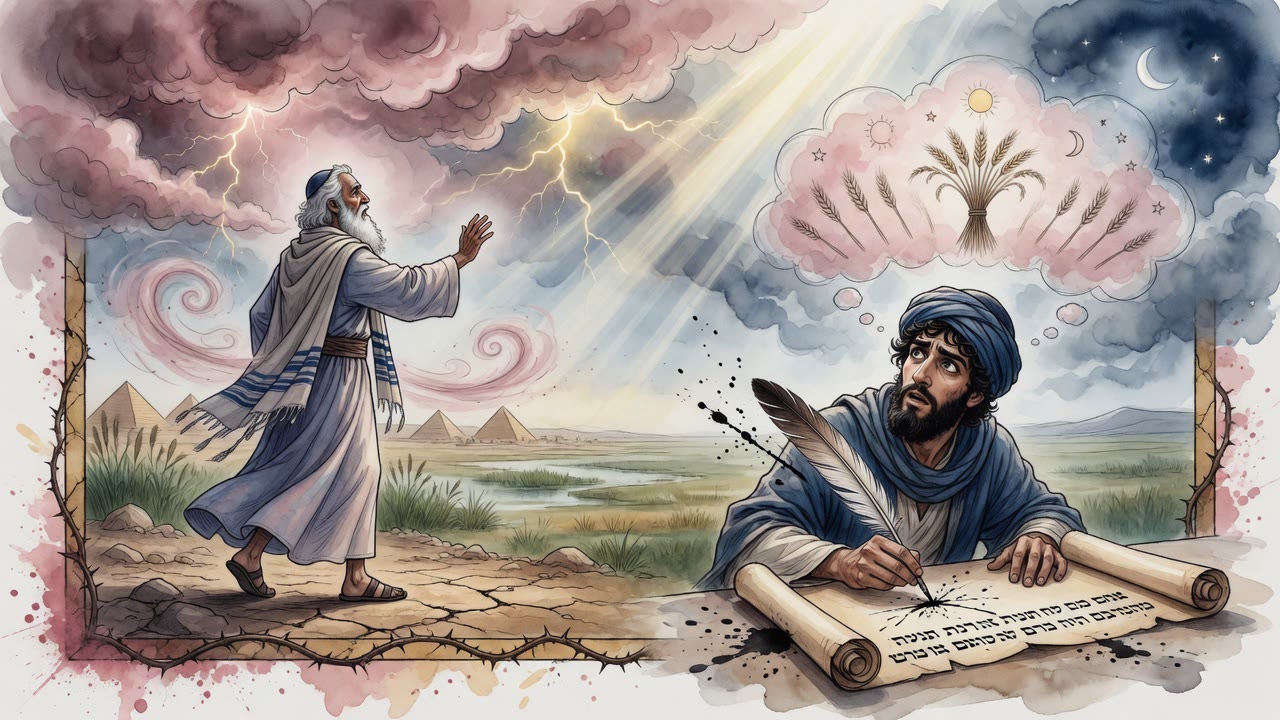
Joseph told the dream at the table. Jacob scolded him while the brothers watched. Then he wrote down the hour and the place.
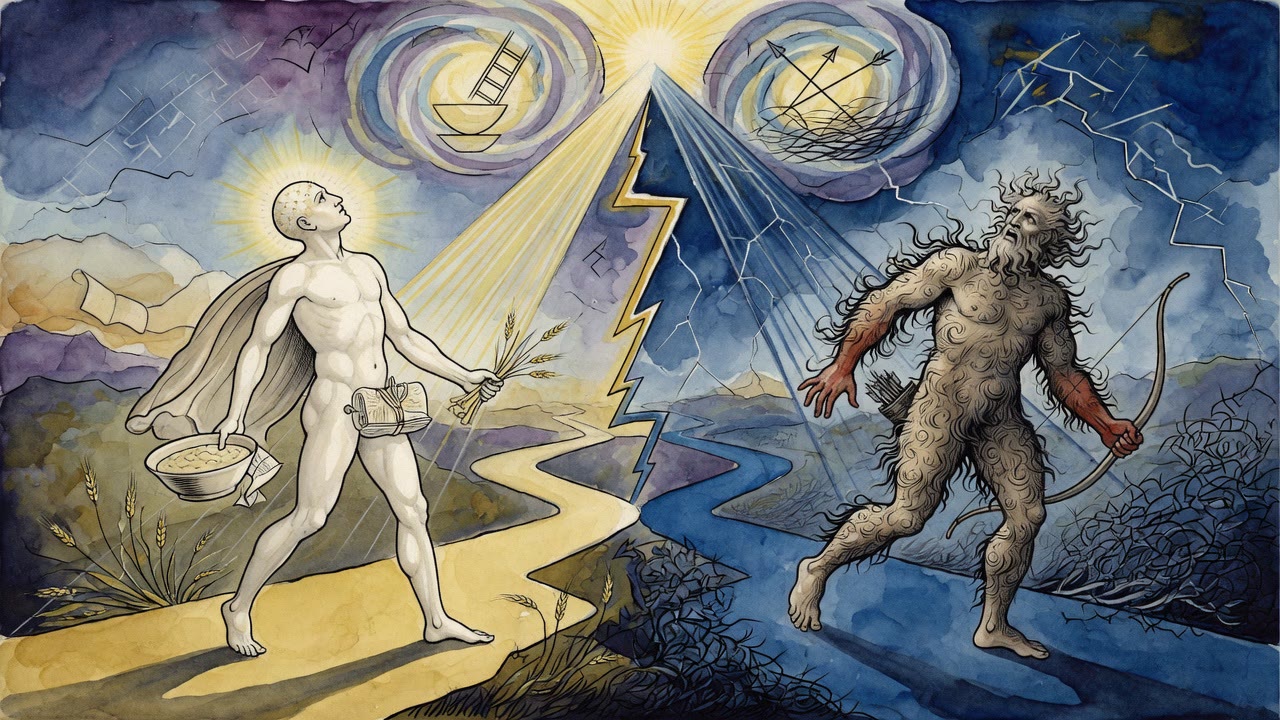
Jacob's skin and Esau's arms were more than a disguise. Two words sorted two brothers into two eternities before either one knew it.
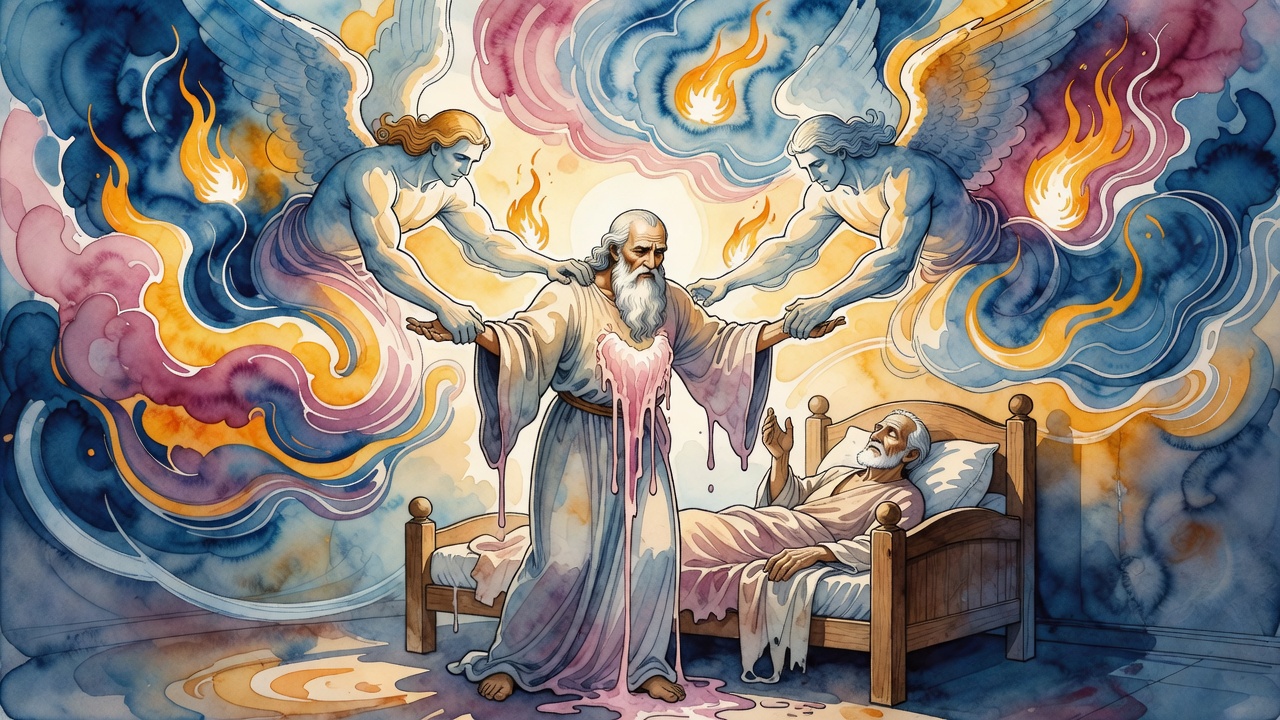
One sentence gave him away. Isaac reached out to check by touch, and the young man in the goatskins felt his own heart turn to wax.
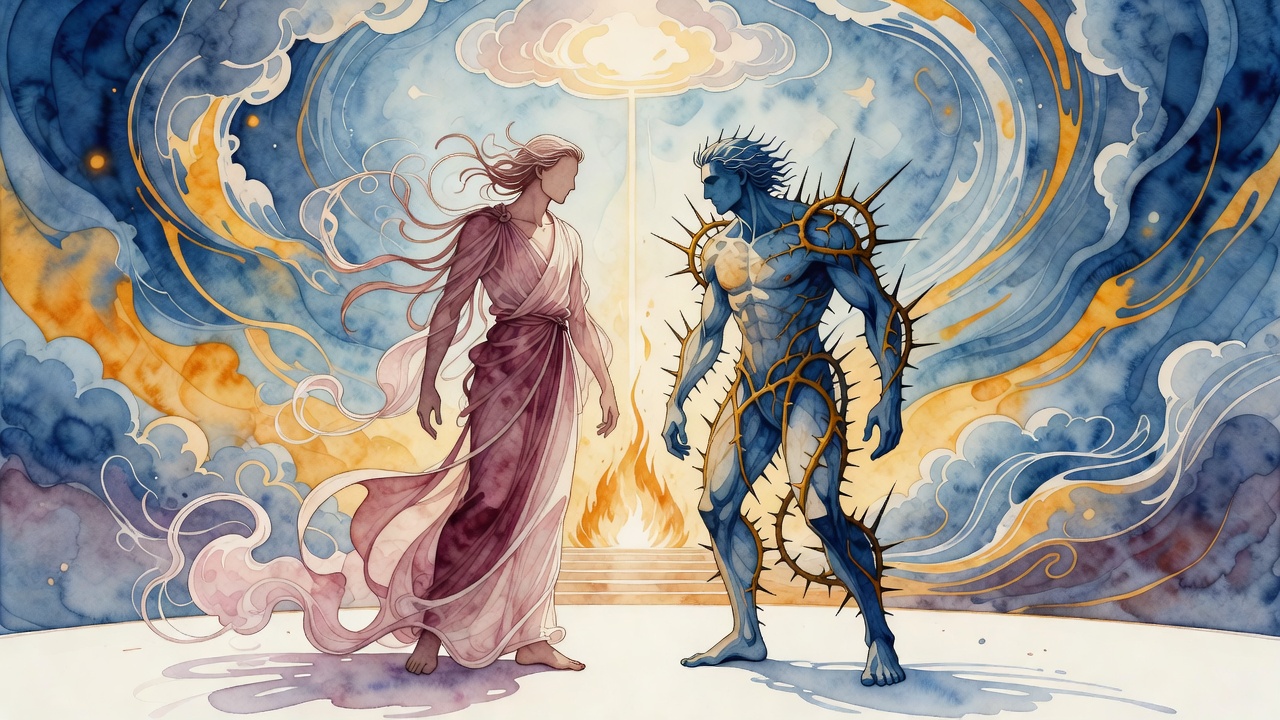
For fifteen years no one could tell Esau from Jacob. Then the myrtle breathed out fragrance, the thorn showed its thorns, and the world finally saw them.
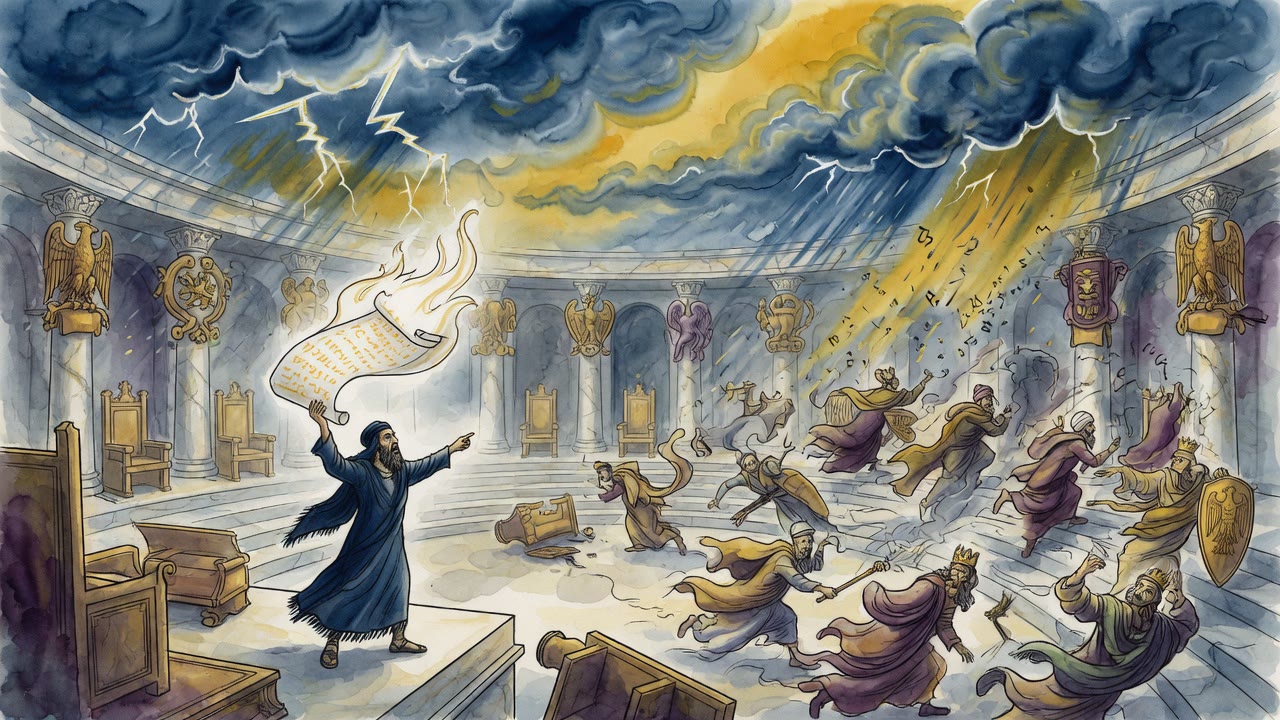
Three delegations reached Alexander in one week. They quoted Israel's book against Israel. A man the elders barely counted asked to speak first.
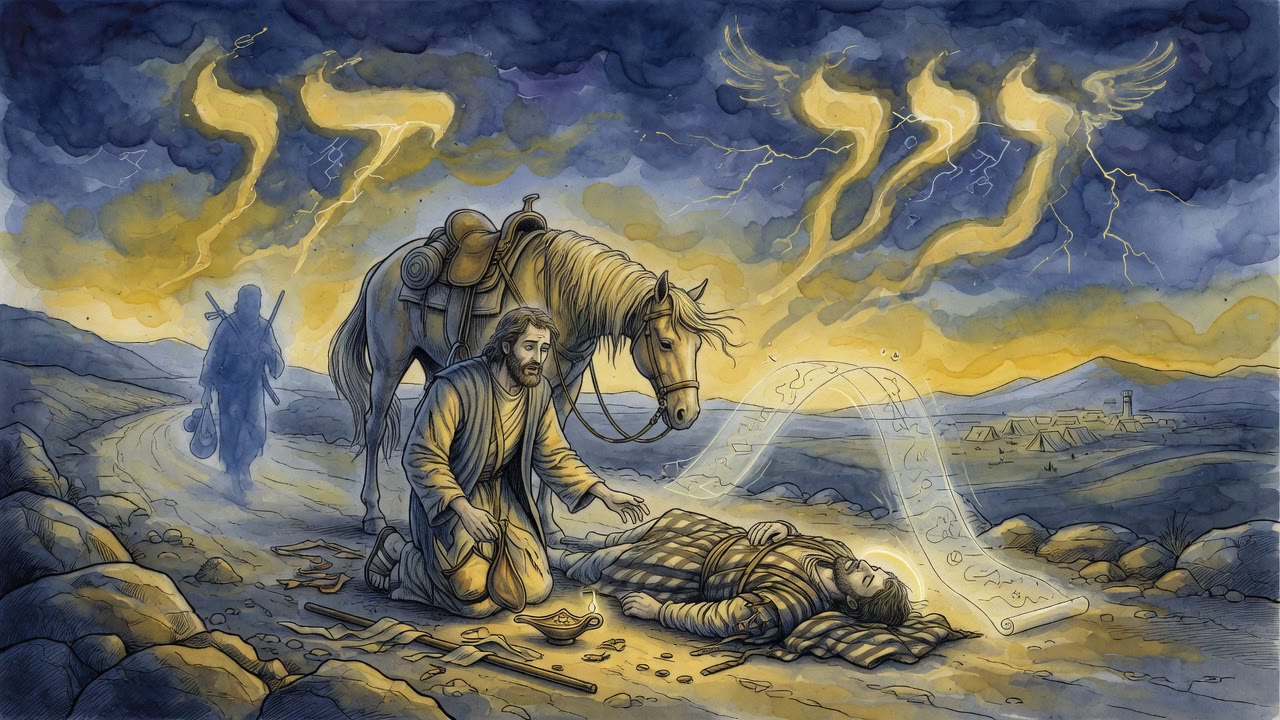
No messenger told Rebecca. Her prophecy cut a furrow inside a furrow and read the murder Esau had sworn only in his own silent heart.
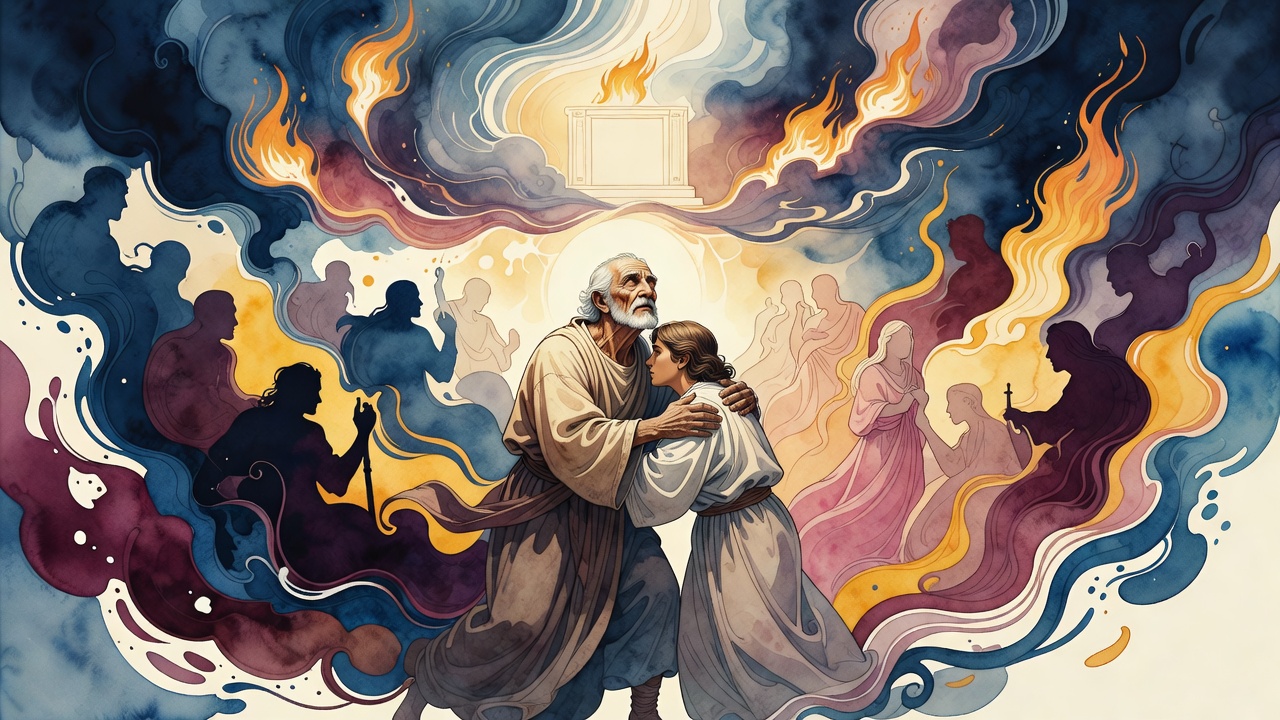
Jacob came in goat skins. Isaac's eyes were dim. The smell that rose off the clothes was not goat. It was a garden he had never walked.
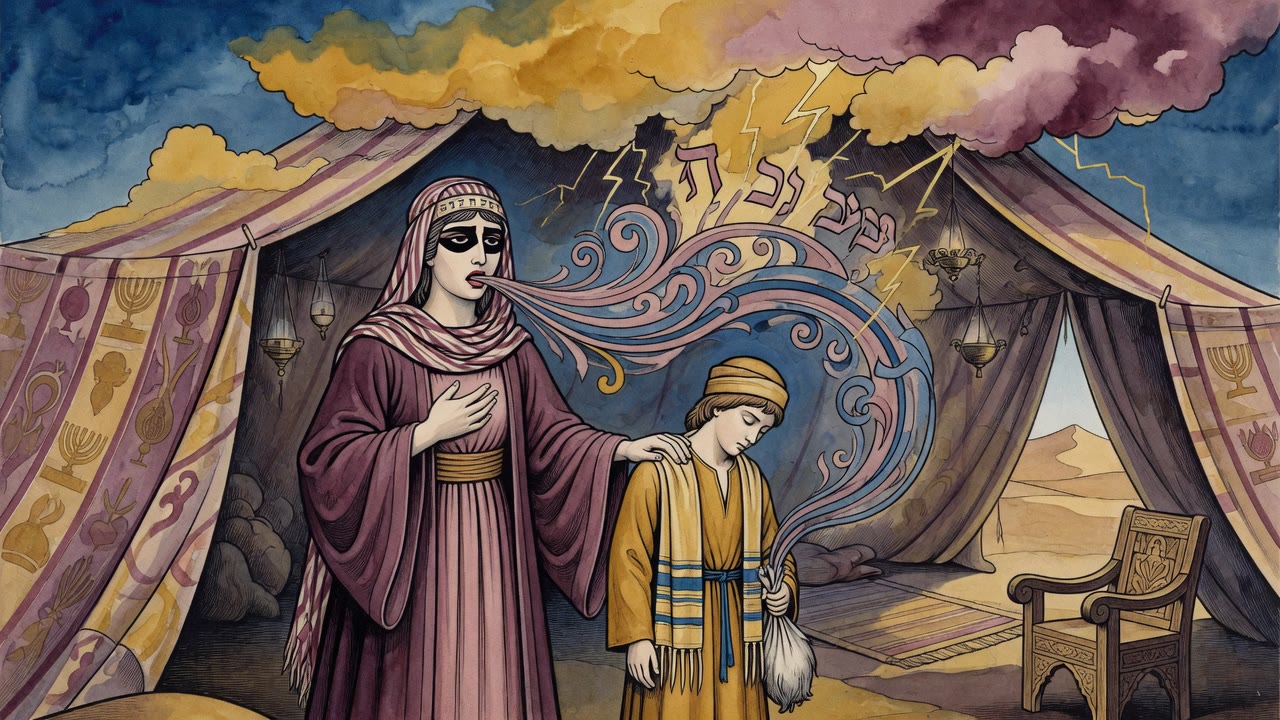
Jacob feared a father's curse more than a brother's rage. Rebecca claimed the curse for herself, dressed her smooth son, and sent him in for the blessing.
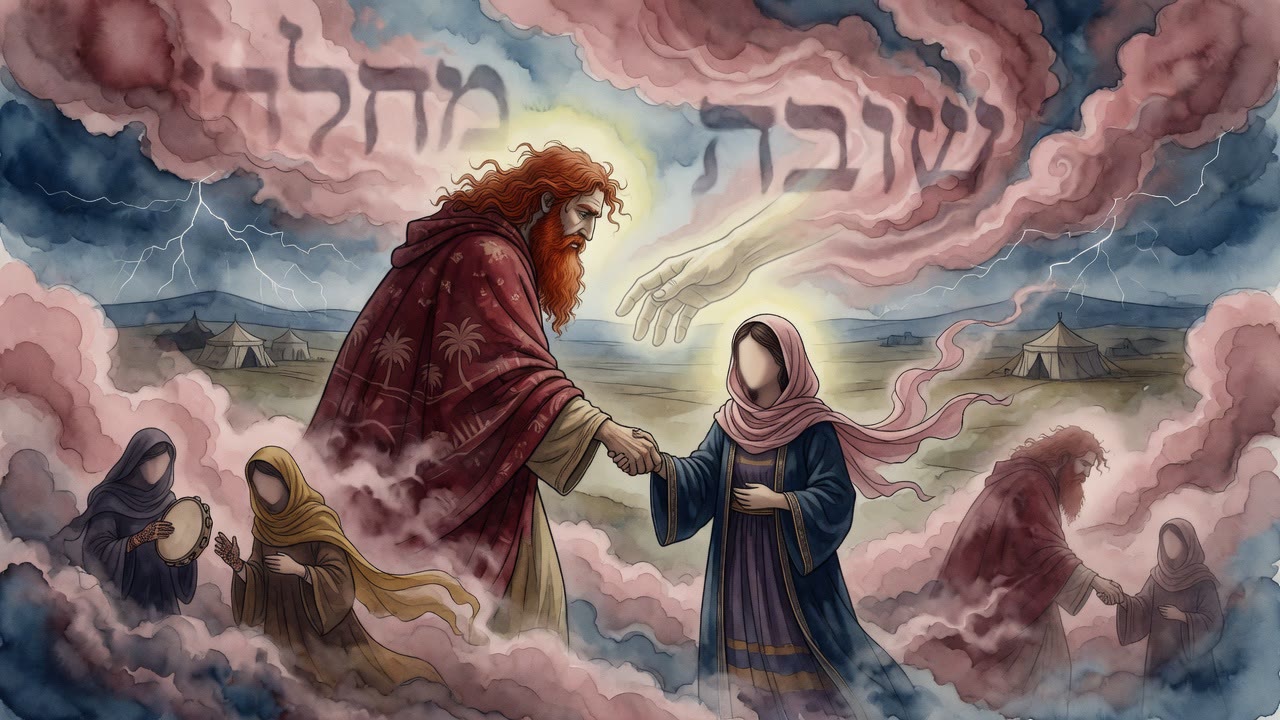
Isaac could not stand the women his son had married out of Canaan. So Esau rode down to Ishmael's camp and came back with a third one.
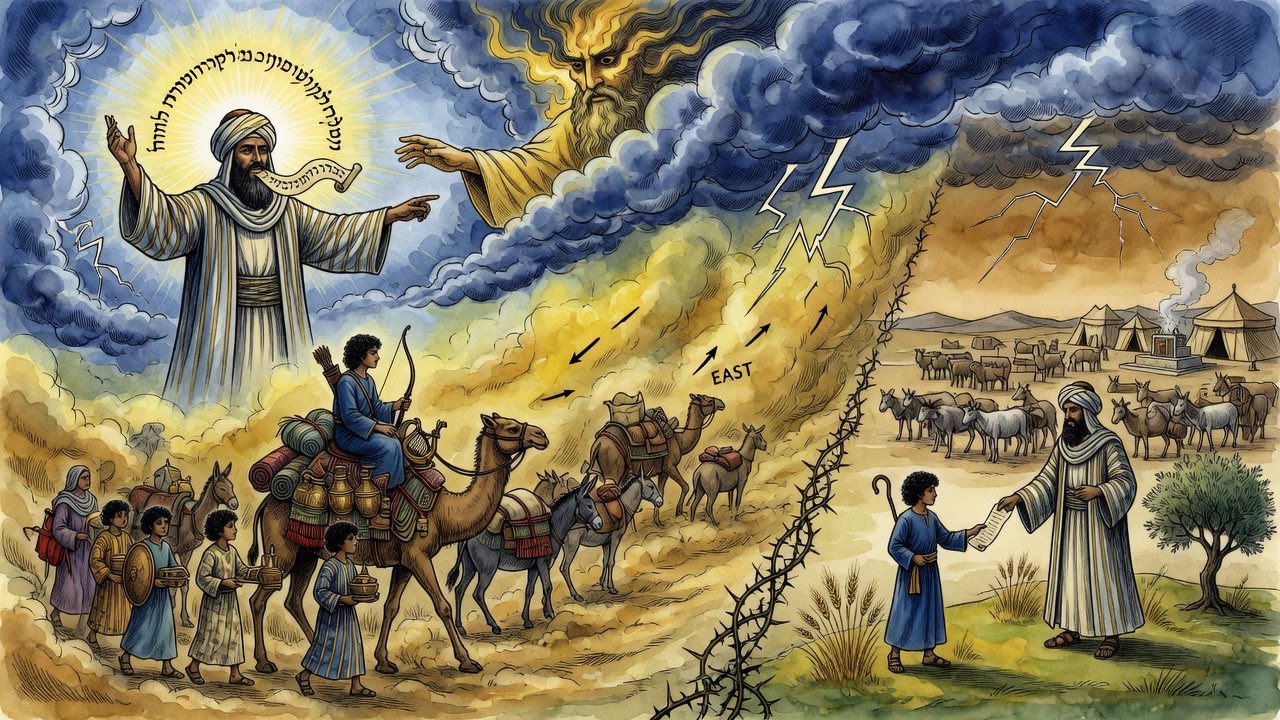
Isaac thrived among Philistines until their cruelty over wells. He cursed Caphtor's seed past sword, nations, and even Sheol (the underworld).
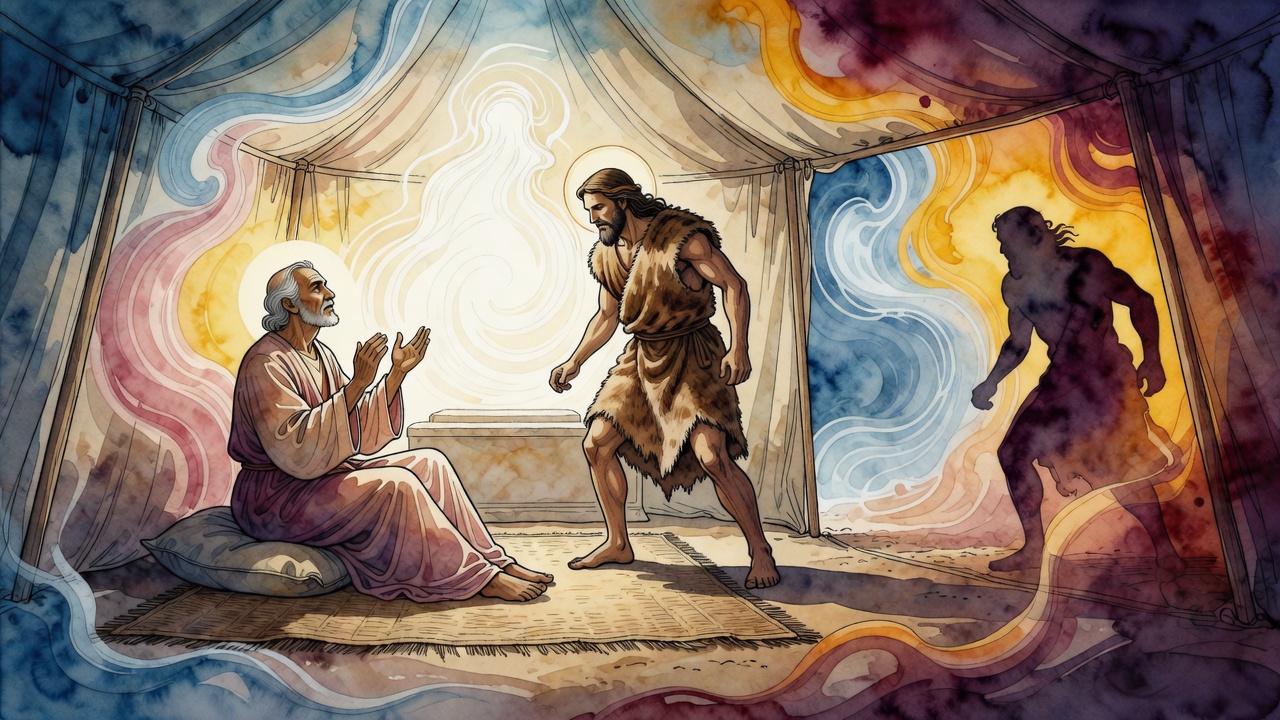
Goat hide is the foulest thing a nose can meet. Isaac pressed his face into it and said his son smelled like a field the Lord had blessed.
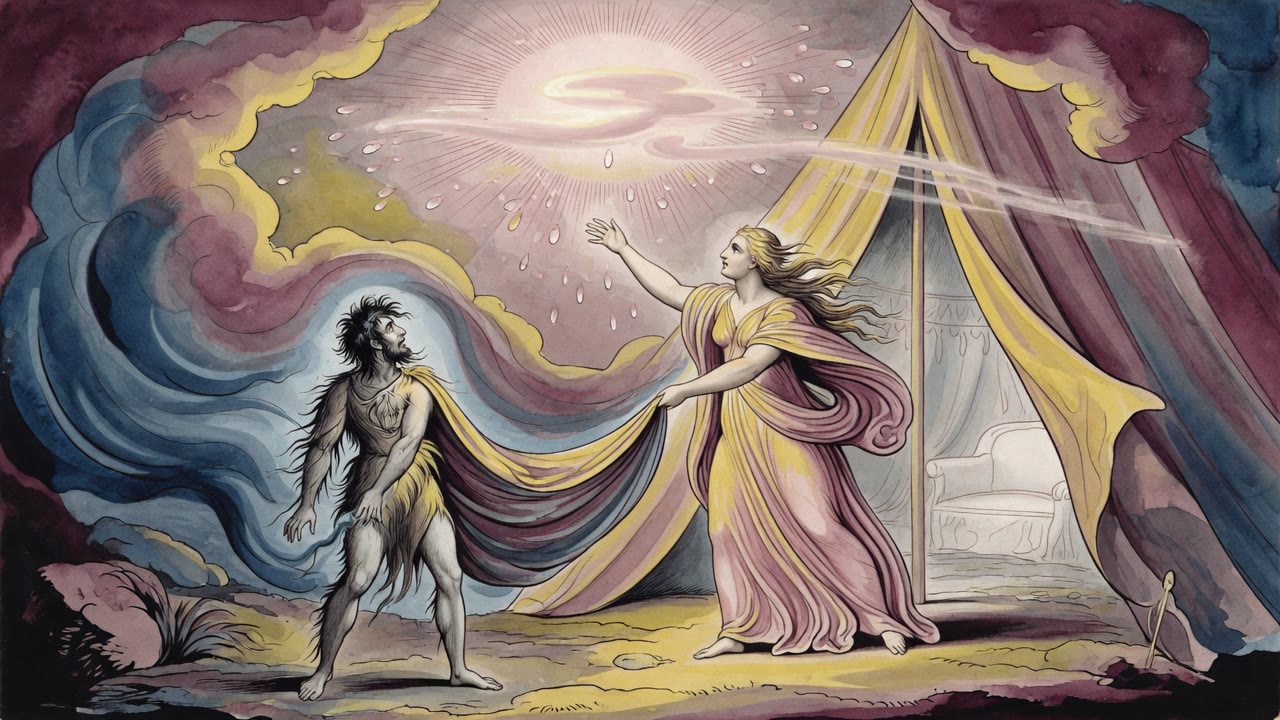
Jacob froze outside Isaac's tent, sure a deceiver earns a curse. Rebekah claimed it as earth once did for Adam, and heaven crowned him with dew.
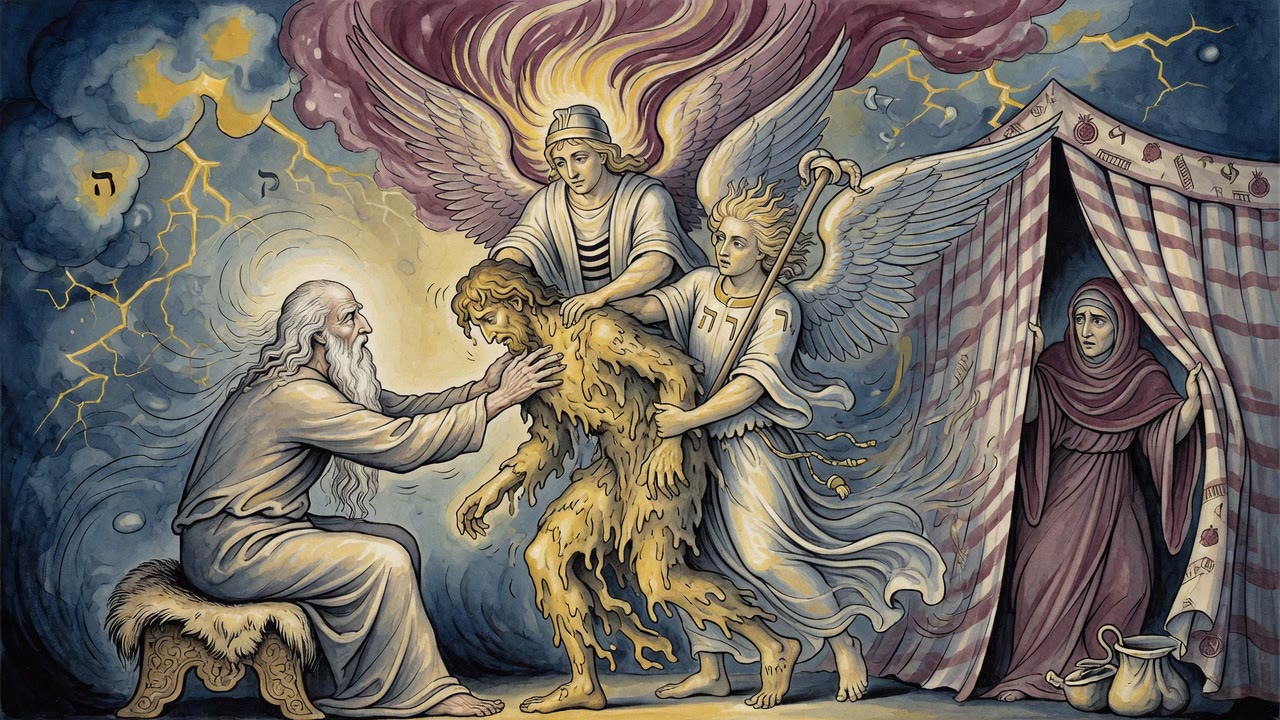
She put the dish in his hands and stepped back. Goat skins were tied to his arms. Then the old man said, "Come near, that I may feel you."
He came in from the field empty. Steam rose off a red bowl. He priced the world to come at a meal he could taste now.
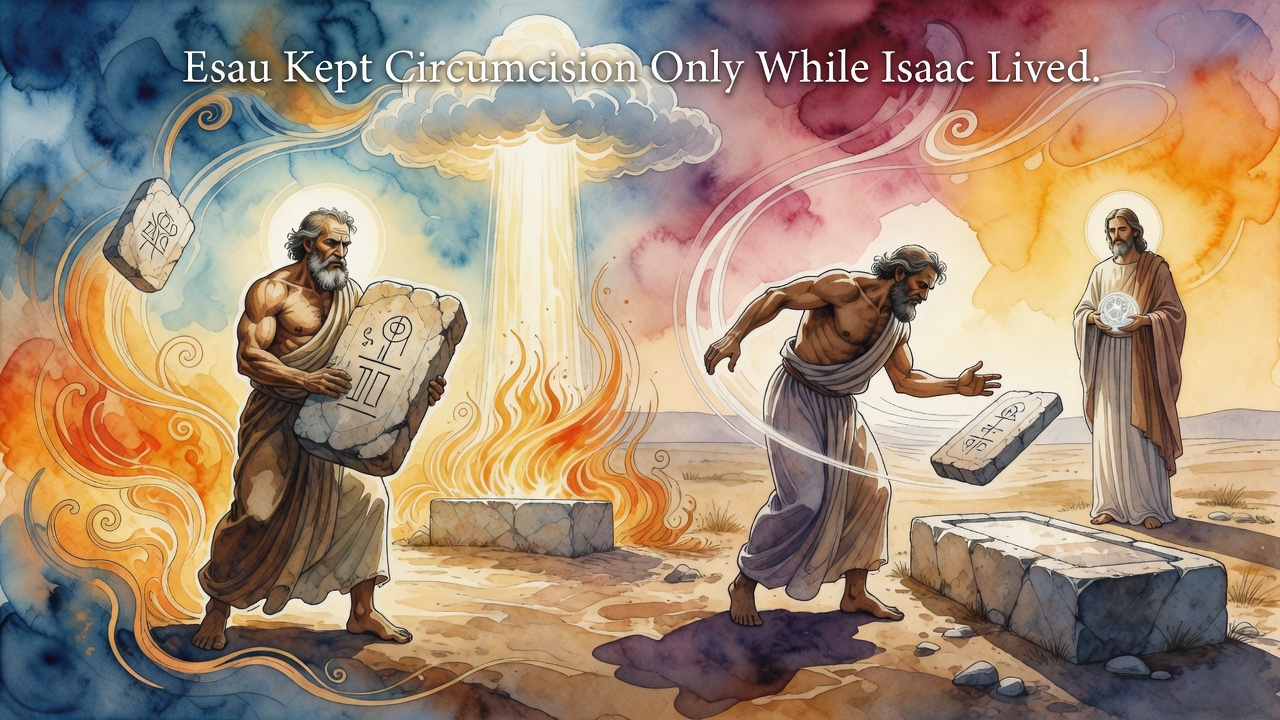
While Isaac breathed Esau held the covenant, then cast it off at the grave, while Jacob kept the moons quieter clock against the suns loud day.
