Jacob Sowed Tears Before He Reaped the Blessing
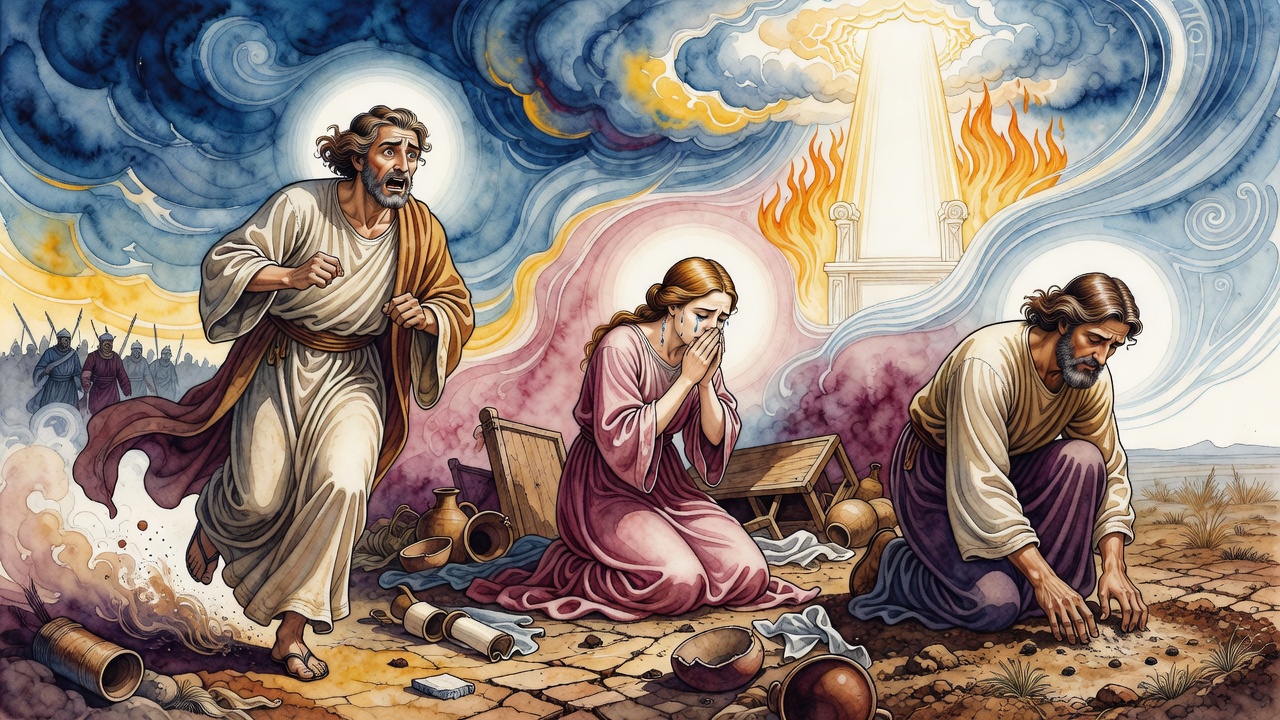
Abraham races toward enemy kings with fear in his chest. Rebecca weeps over a ruined household. Jacob plants his grief like seed and waits for the harvest.
Table of Contents
 Click for full size
Abraham Heard Bad News and Moved Anyway
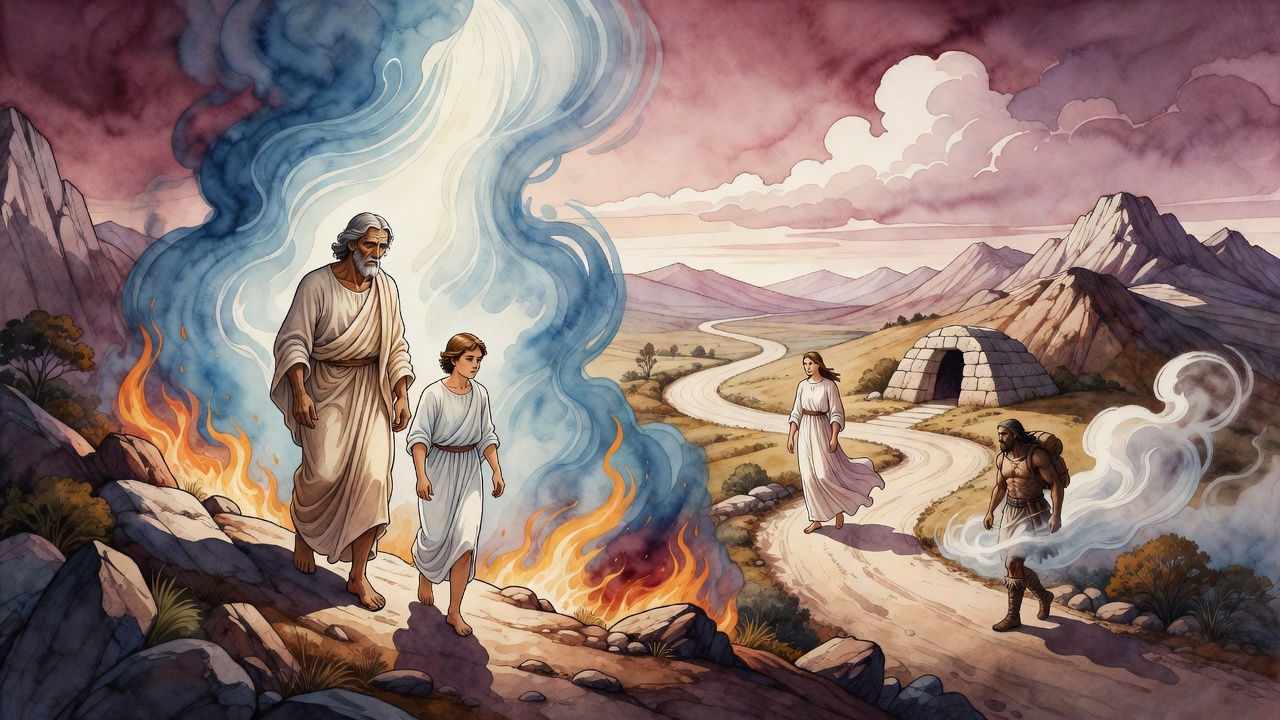
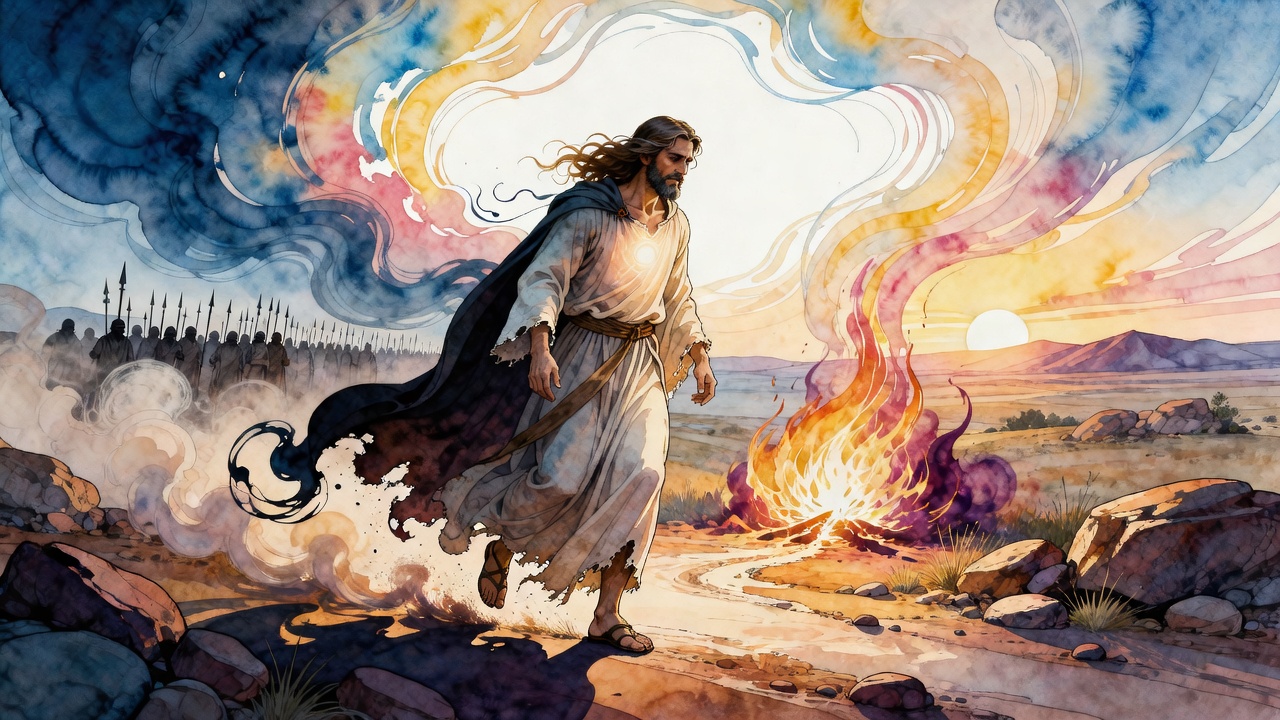
The messenger found Abraham on the road: Lot has been taken. Chedorlaomer and his kings swept through the valley, captured the men of Sodom, and carried off Lot and everything he owned.
Abraham heard this and did not collapse. He armed three hundred and eighteen men born in his household and set out by night. Bereshit Rabbah lingers on that steadiness. Psalm 112 says the righteous one fears no evil tidings because his heart trusts God. That is Abraham, the midrash says. Not because he had no fear. Because his heart had enough ground under it that fear could not stop his feet.
This is where the covenant's story actually begins, not at the altar, not at circumcision, but here, at a man who has received terrible news and is already calling his servants to arms. The promise does not remove danger. It gives a man something to stand on while danger is real.
Old Age Asked for One More Thing
Abraham was old. The Torah says God had blessed him in everything, and Bereshit Rabbah pauses on that word: everything. What was still missing? A wife for Isaac.
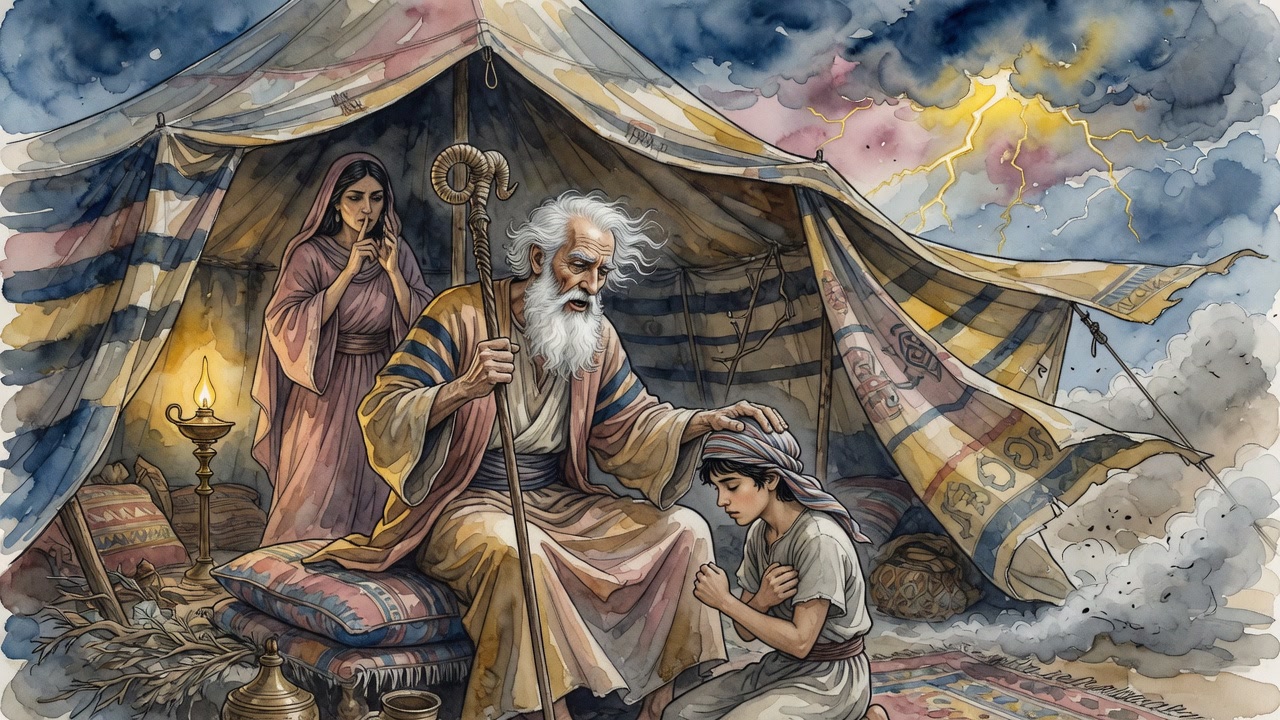
He calls his senior servant and places the oath at the thigh. Do not take my son a wife from Canaan. Go to my kindred and find the right woman. The servant asks the practical question: "what if she will not come?" Abraham does not flinch. "God will send his angel before you." He had learned, after Moriah and Sarah's death, that God moves before the servant does. The angel is already traveling the road to Haran.
Rebecca Crossed the Distance
She was at a well when the servant arrived. She drew water without being asked. She offered to water the camels too, ten of them, a task requiring real effort. The servant watched in silence. He had prayed for a sign, and this was it: a girl who gives before she is asked, who sees a need and fills it without calculating the cost.
Bereshit Rabbah follows her from that well all the way to Isaac's tent and reads the journey as more than a marriage arrangement. Rebecca is being pulled toward her place in the covenant. She will become the link between Abraham's generation and Jacob's, the one who understands what her sons are before they understand it themselves.
Rachel Cried Before She Had Children to Mourn
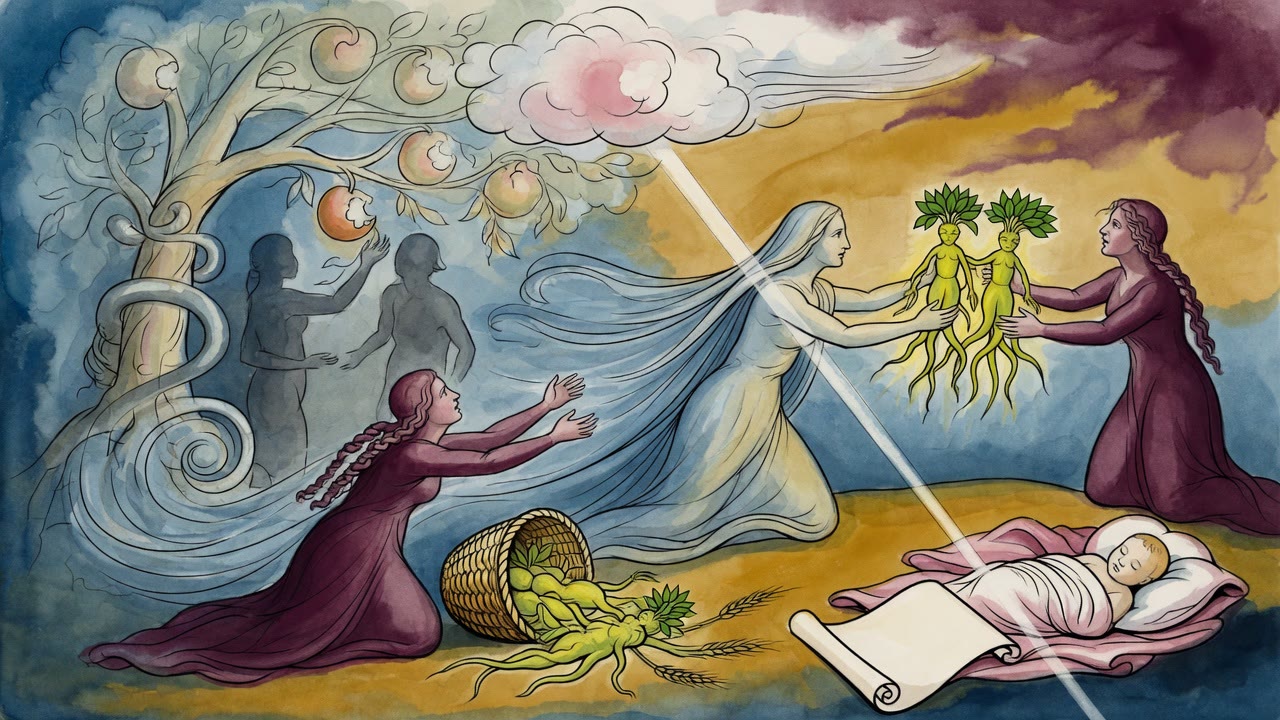
But the blessing passed through grief before it passed through birth. Rachel and Leah, sisters married to the same man, carried wounds the Torah describes only briefly. Bereshit Rabbah opens them further. Rachel was loved and barren. Leah was fruitful and overlooked. Each woman had what the other wanted. Each woman's tears were real.
The midrash holds Leah's eyes. The Torah says her eyes were soft, rakkot, and the rabbis ask why. Because she wept constantly. She had heard the elder daughter would marry the elder son, and the elder son was Esau. She cried so much her eyes changed. Her grief shaped her face. And God heard that grief, because Leah is the one who filled Jacob's house with sons.
Esau's Prayer Went Unanswered
Jacob stood before Isaac with a trembling voice and received the blessing. Esau came in from the field and found only a lesser word left for him. He lifted his voice and wept. But Bereshit Rabbah does not treat Esau's weeping as redemptive. His prayer comes too late, after the deception, after the blessing is sealed. His tears do not open the gate Jacob already passed through.
The covenant does not simply reward the loudest grief. It tracks who went out to meet it, who moved first, who stayed near the tent and listened for the right moment. Jacob had been preparing since before birth, wrestling in the womb. His tears, when they come, are of a different kind.
The Sower of Tears Came Home Singing
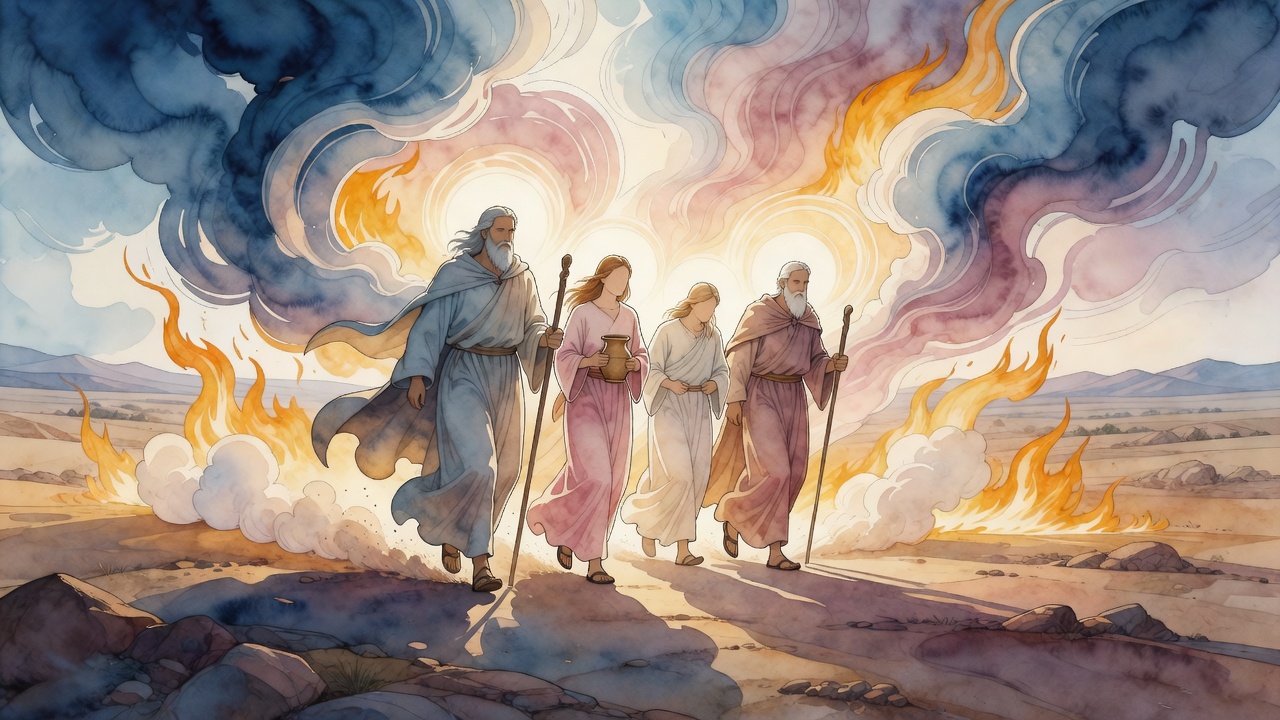
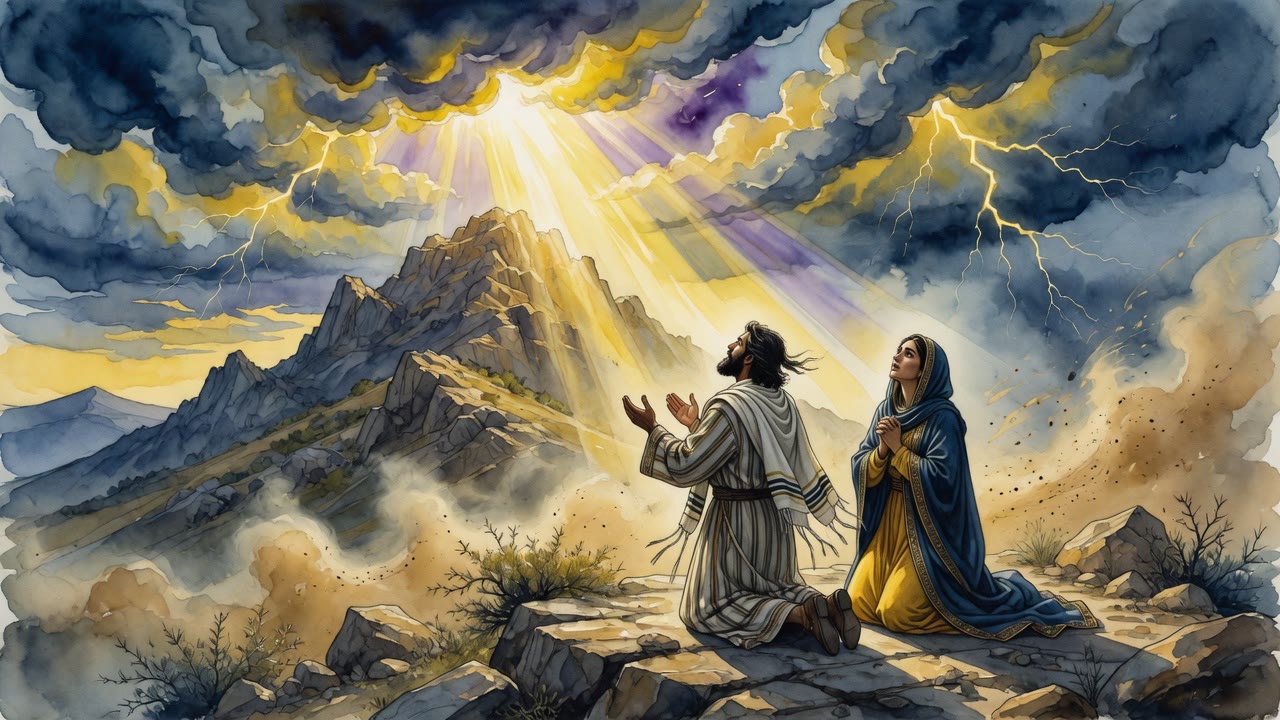
Those who go out weeping, bearing seed for sowing, shall come home with shouts of joy. Psalm 126 becomes the key Bereshit Rabbah uses to unlock the whole family story. Abraham weeping over Sarah's body. Rebecca weeping over a household about to collapse. Jacob weeping at the well when he met Rachel, arriving empty-handed. Each of these tears is a seed.
The harvest is not visible in the moment of planting. The one who sows in tears does not yet know what the field will yield. But the midrash says the returning is real. Jacob will leave Canaan frightened, cross the Jabbok, wrestle something in the dark, limp across into the morning, and return as Israel. The sowing came first. The singing is still coming.
← All myths