Jacob Rolled the Well Stone Alone When He Met Rachel
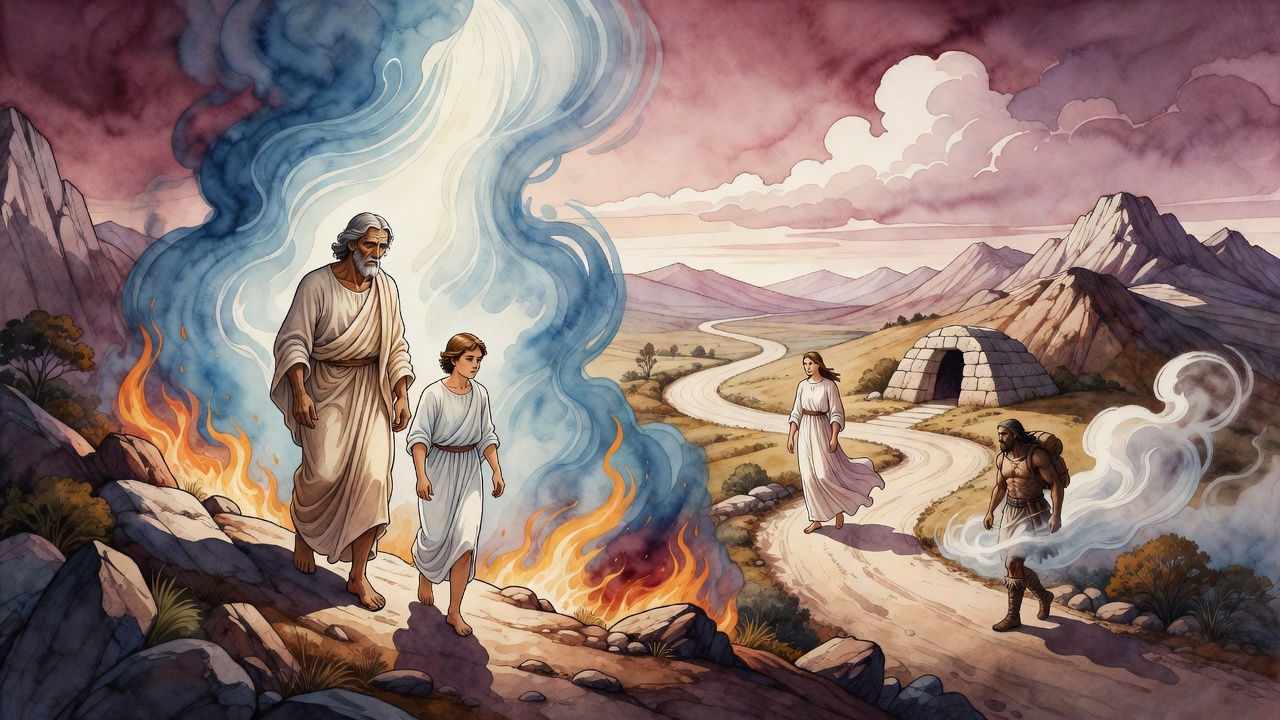
A stone that took a dozen shepherds to move. A seventeen-year-old fugitive. A girl leading her flock. Jacob rolled it off by himself.
Table of Contents
 Click for full size
The Shepherds at the Mouth of the Well
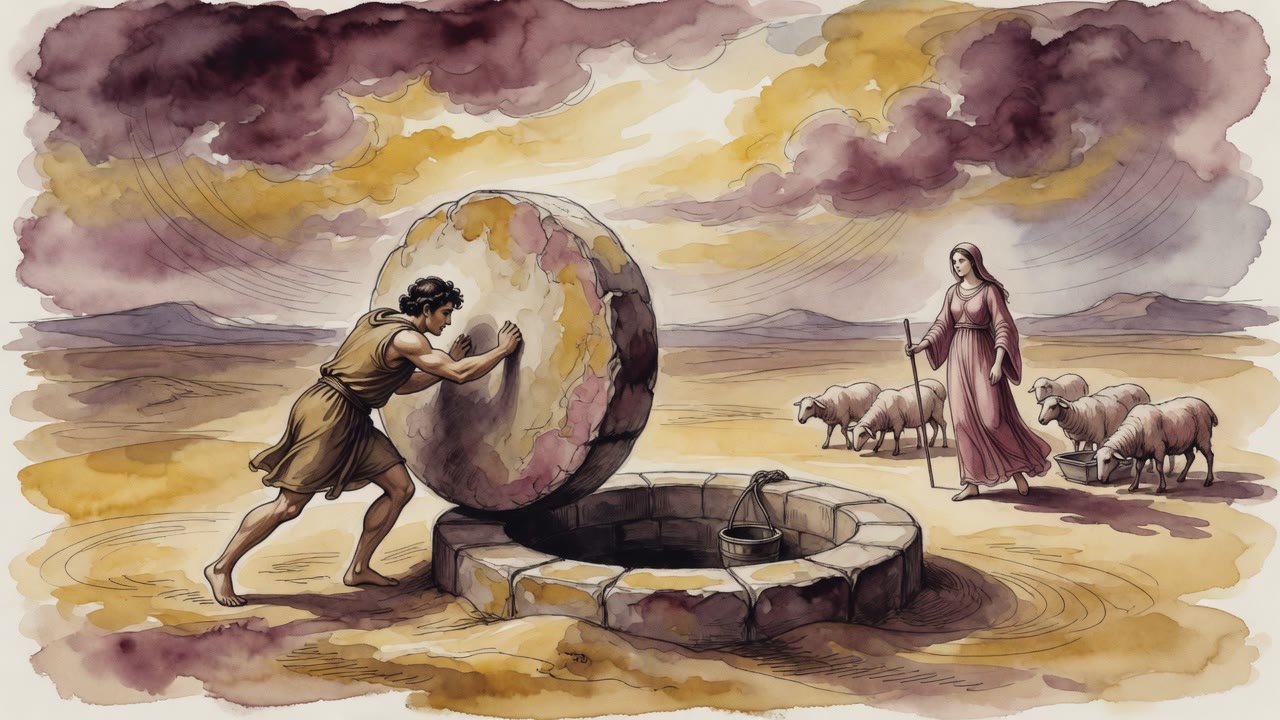
The well at Haran was sealed by a stone too heavy for one man. The shepherds had a custom about it: nobody opened the mouth alone. They waited until every flock had arrived, shared the water, and then twelve men together heaved the stone back into place. It was fair. It was orderly. It had been the rule for as long as anyone could remember.
Jacob arrived in the middle of the day, when the flocks were still scattered and three men sat idle beside the covered well. He did not understand why they were sitting. He asked why they were not working. They pointed at the stone.
Then, at the edge of the road, a young woman appeared with a small flock. She was leading the few animals her father could still afford, because a plague had taken the rest. She was Rachel, daughter of Laban.
The Strength of the Dew of Resurrection
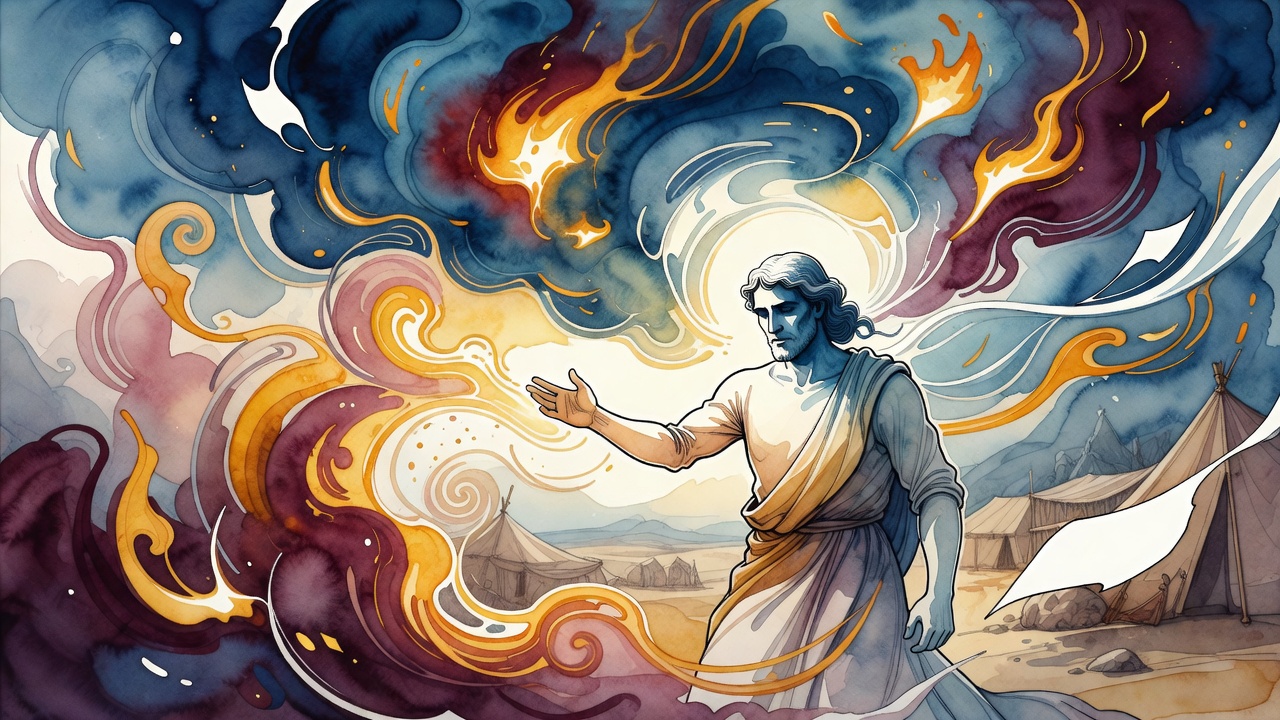
Jacob had walked five hundred miles in seventeen days. He had fled his brother's wrath with nothing but a staff. The night before, the earth had served as his bed and a stone as his pillow. He was a fugitive, and he had no right to feel strong.
And yet, when he saw Rachel approaching, he walked to the stone and rolled it off the mouth of the well as easily as a cork comes out of a bottle. The rabbis who preserved this moment were not satisfied to let it pass as simple adrenaline. They said Jacob's muscles were filled that day with the dew of resurrection, the same supernatural vitality that would one day raise the dead. He had crossed from Canaan, from the place where the divine presence rested, and the land's holiness was still burning in his limbs.
He watered the flock. He kissed Rachel. He lifted his voice and wept. This was the fourth miracle of that day, the rabbis said, after the road had shortened beneath his feet, after the ground had folded, after a single day's walk had covered what should have taken weeks.
The Years That Felt Like Days
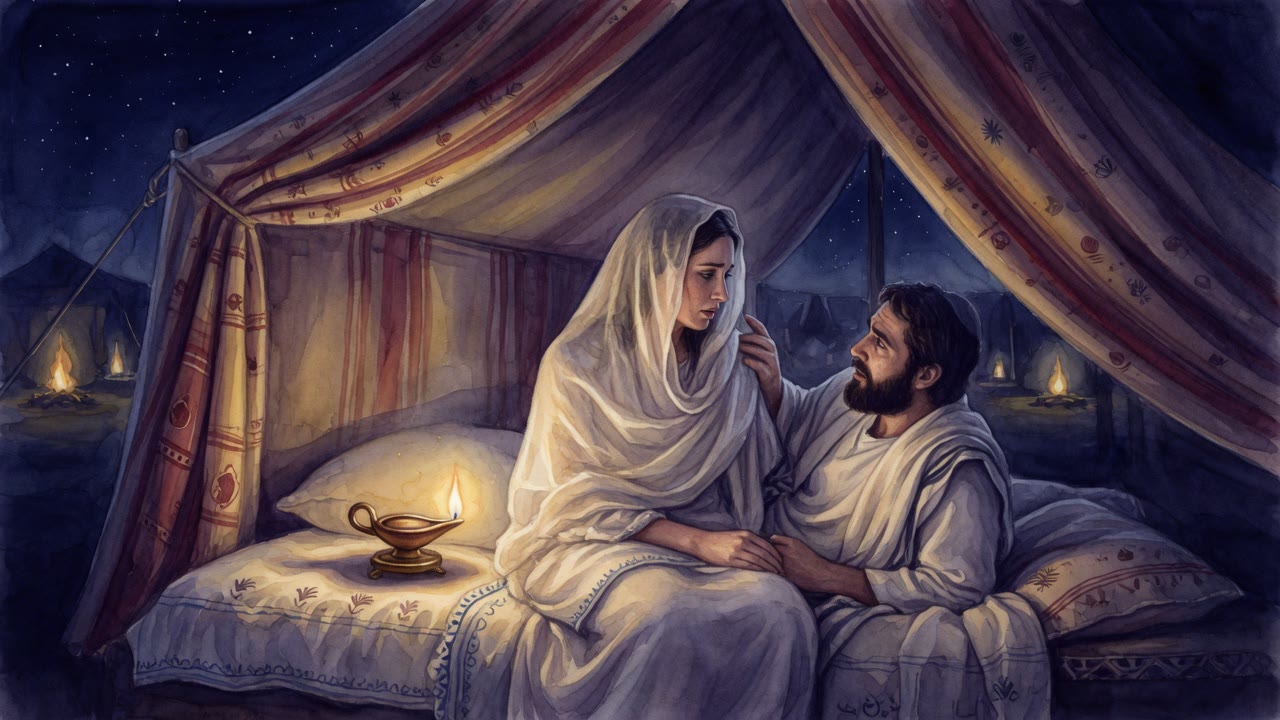
He went to work for her father. He agreed to serve seven years for the right to marry her. The Torah makes note of how time passed: the seven years felt like a few days because of his love. The rabbis read that line and said it was the only explanation for why a man would agree to such terms in the first place.
Laban put conditions on everything. Jacob, who had seen his grandfather negotiate with kings and his father dig wells and argue over water rights, specified what he meant when he named Rachel. He said it out loud, in front of witnesses: Rachel, not Leah, not anyone else, not a cousin nobody had mentioned yet. He had watched enough men shake hands on a deal only to discover the other man had counted differently.
The Idols in the Saddlebag
Twenty years later, when Jacob finally loaded his household to leave Haran, Rachel took her father's household gods. She did it to wean him from his idolatry, the old tradition says. She hid them under a saddle and sat on them when Laban came searching.
Jacob did not know about the theft. When Laban accused him, Jacob swore without hesitation that whoever had taken the idols would not live. He did not speak out of cruelty. He was certain nobody in his household would do such a thing. The curse hung over Rachel for the rest of the journey, and she died giving birth to Benjamin before they reached Bethlehem.
The rabbis held this together: the man who had the strength of the resurrection dew the day he met her, who had wept at the sight of her face as if already grieving something, who had sworn an oath that would cost more than he knew. The well stone, the dew, the seven years, the saddle, the oath. All of it in one straight thread, from the first day to the last.
← All myths