The Walls Seethed When Esau Came Through the Door
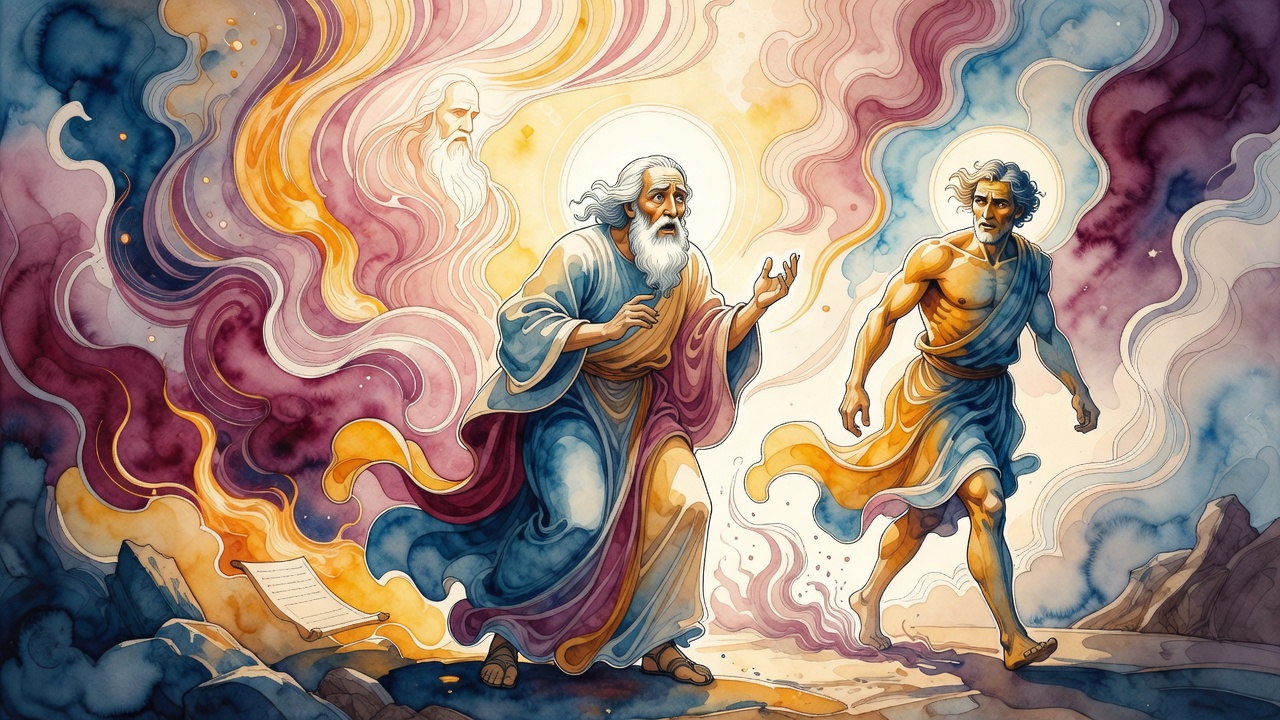
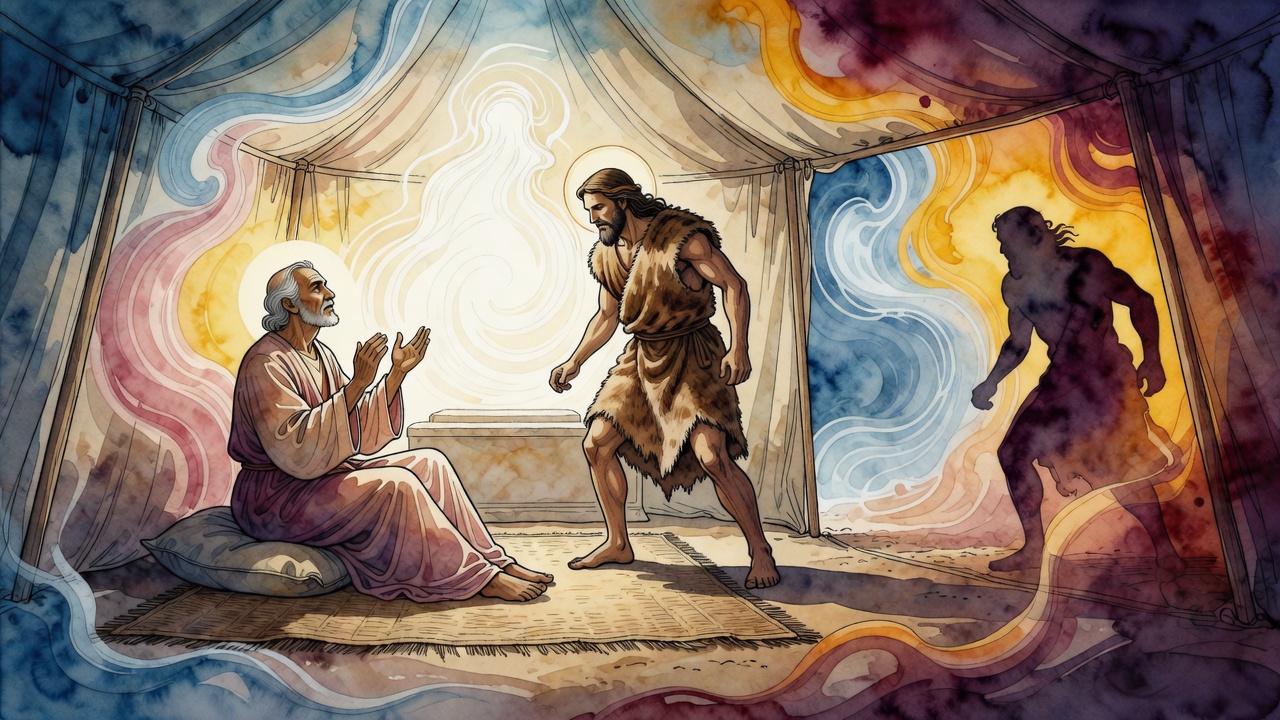
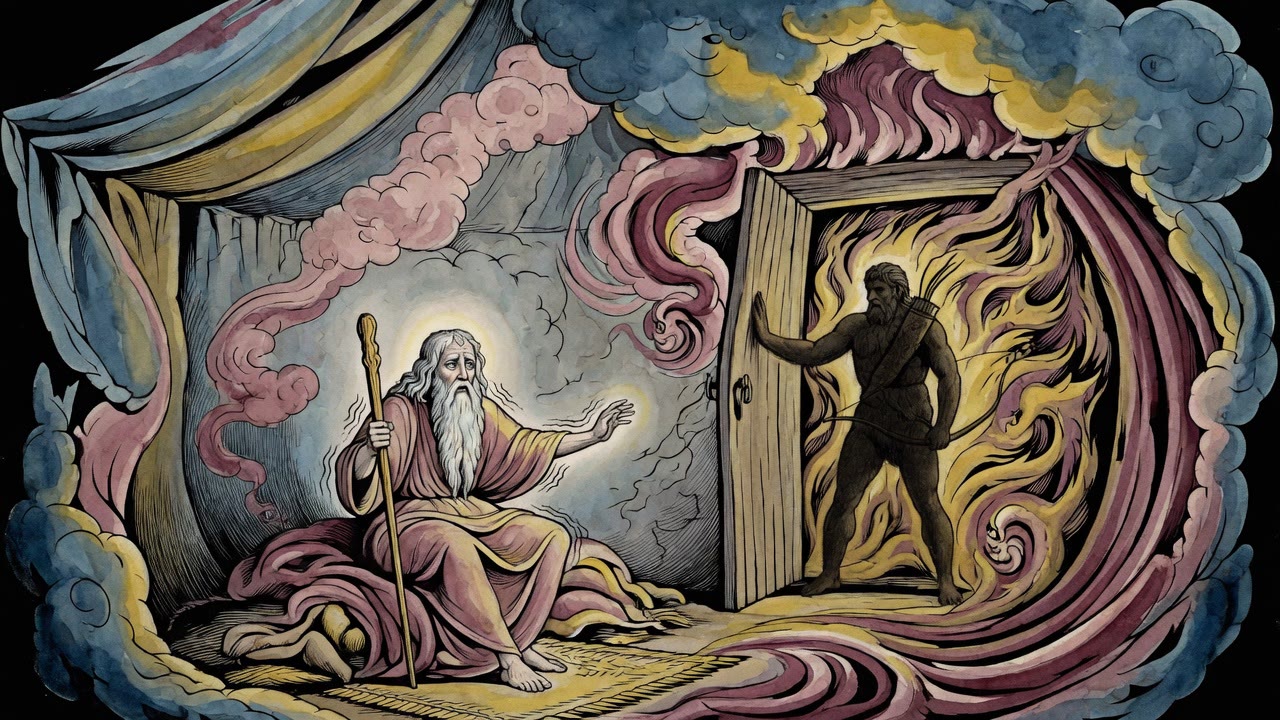
Isaac shook harder at Esau's return than he had on the altar. The walls seethed. Gehenna (afterlife of judgment) stood in the doorway. He blessed him anyway.
Table of Contents
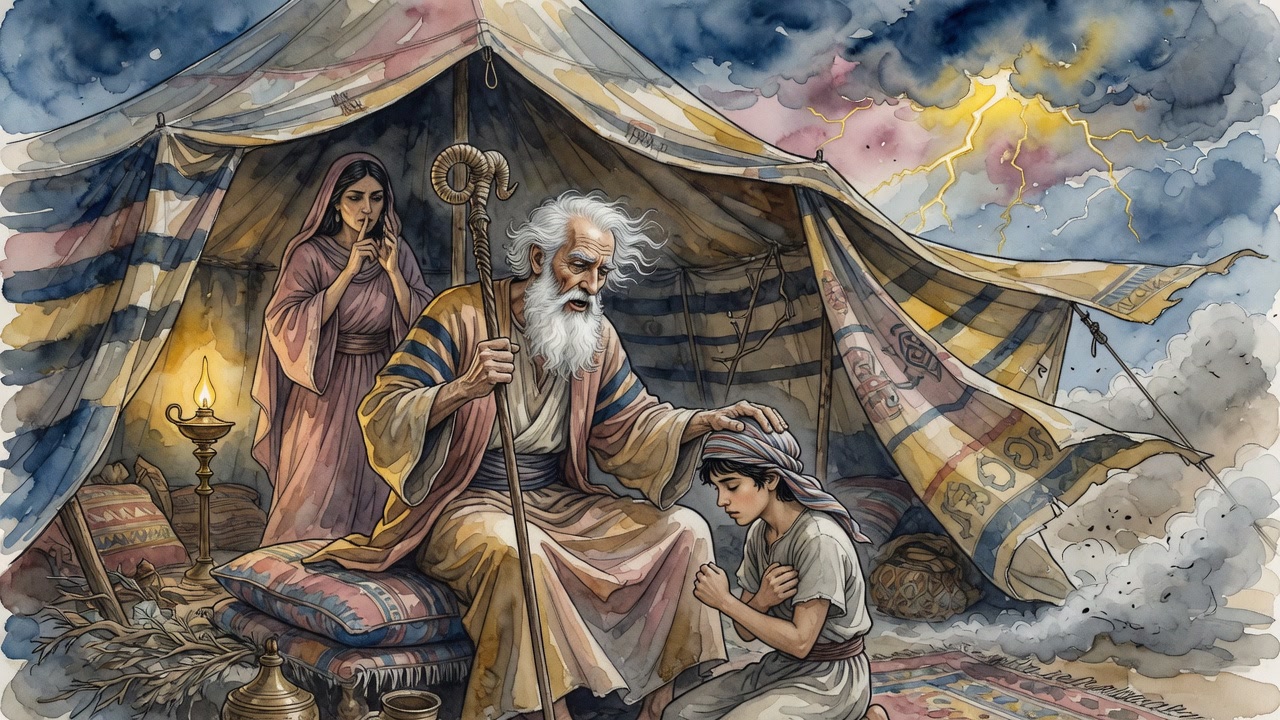
Isaac was still shaking when Esau came through the door.
 Click for full size
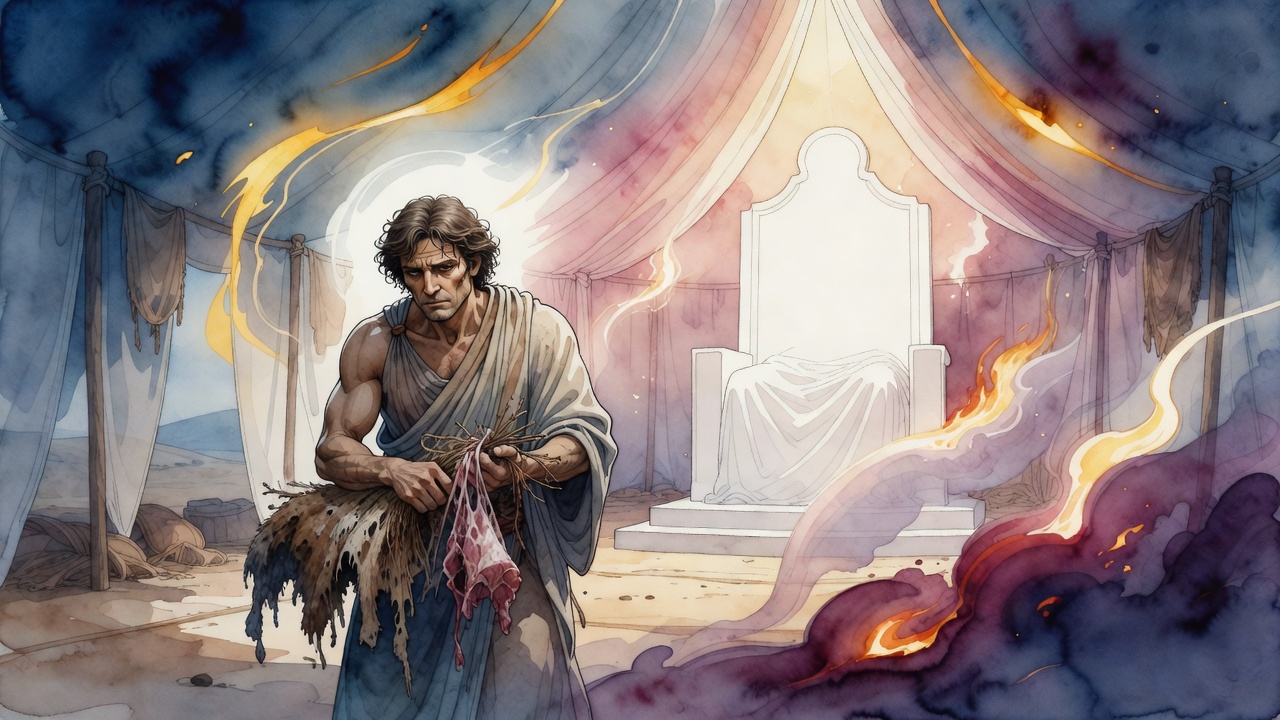
The smell of the stew was gone. What stood in its place was something the old man could not name. His whole body had seized when he realized the blessing was gone, and not merely misdirected. Gone. The words had already taken root in someone else's marrow. Rabbi Ḥama ben Rabbi Ḥanina, reading (Genesis 27:33), said the trembling that overtook Isaac that afternoon exceeded the trembling he had felt when he lay bound on the altar at the Akedah. He had trembled once as a sacrifice. He trembled harder now as a father.
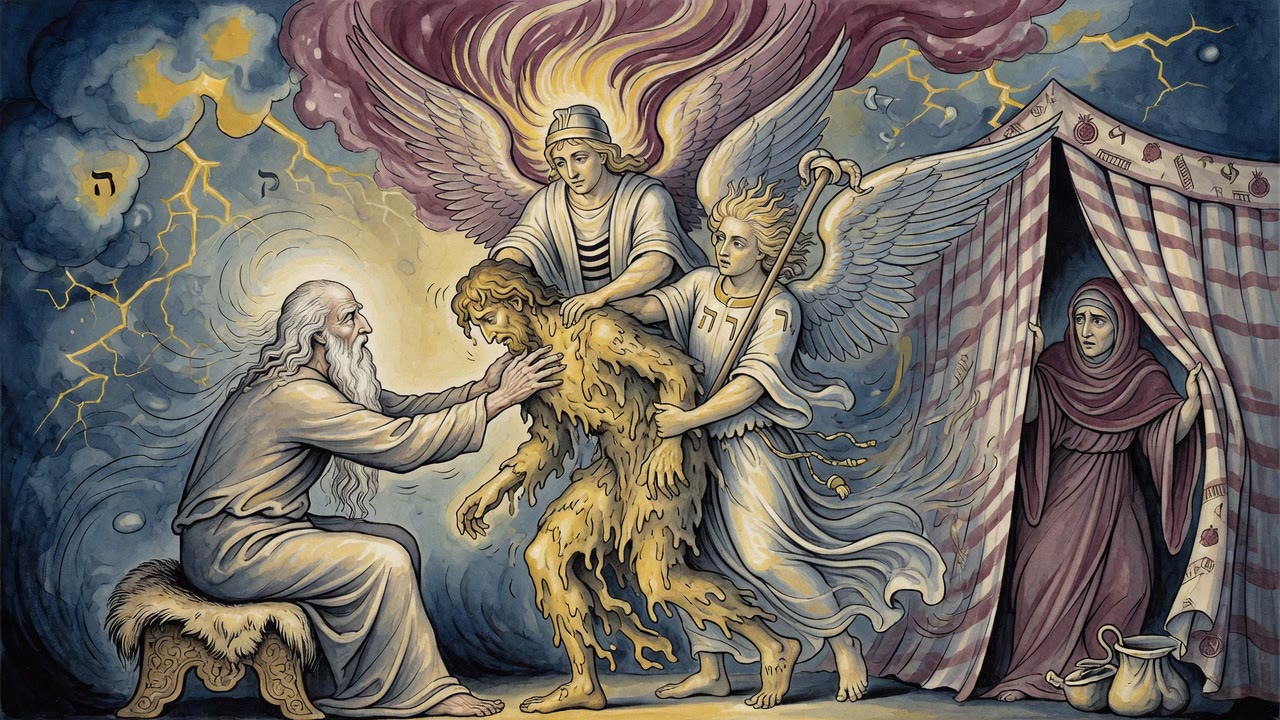
Rabbi Aḥa said: the walls of the house began to seethe. Gehenna (the realm of judgment after death) had entered the room with Esau. Isaac, in that charged moment, saw more than a deception. He glimpsed the full arc of what the blessing had set in motion, and what it had foreclosed. He asked aloud who had been the intermediary between him and God. He meant Rebekah. He already suspected. But the knowledge did not stop the shaking.
The Voice That Broke
Esau understood before he asked. He read his father's face the way a hunter reads weather. He asked anyway: "Did you not save a blessing for me?" And Isaac answered, "I gave him everything. All his brothers shall serve him. I gave him grain and wine."
"There is no more blessing left."
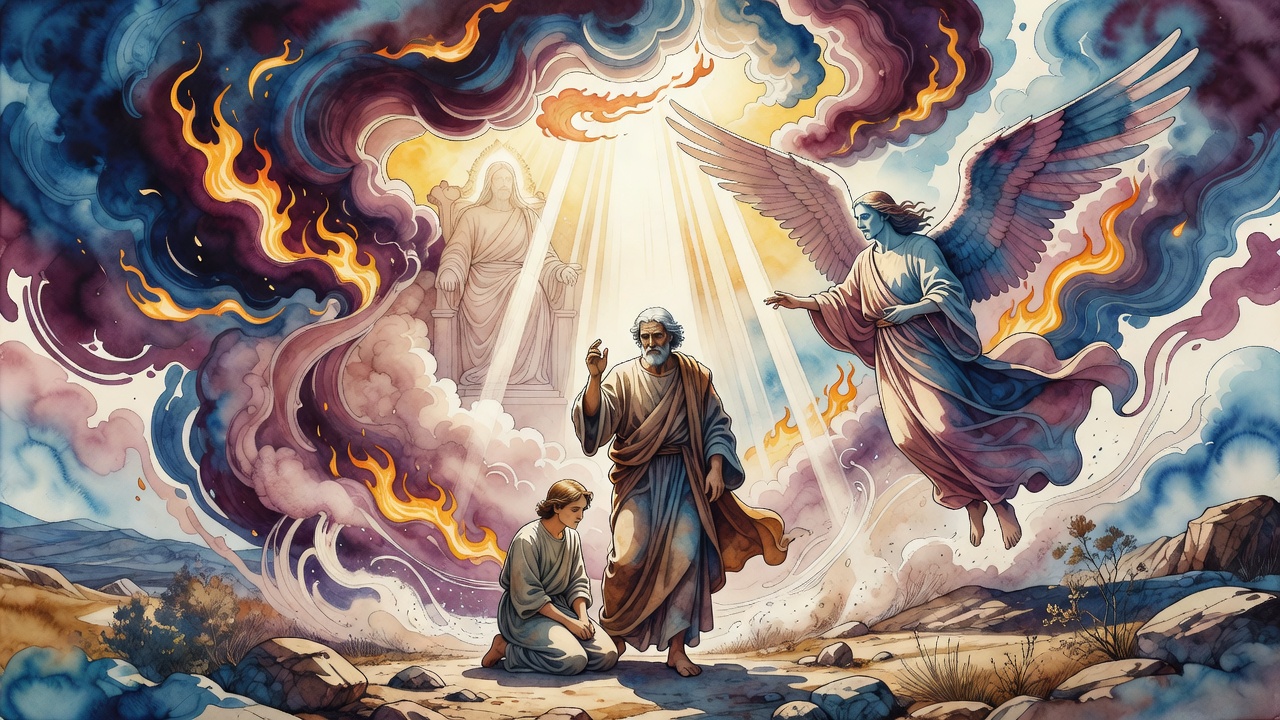
The Torah records only that Esau lifted his voice (Genesis 27:38). It says a great and bitter cry, but says nothing more. The text just lets the sound stand. Isaac, still trembling, worked at what remained. He could not restore what he had given. He found something else in the language of the divine and pressed it into a second blessing. A rougher one. Esau would live by the sword. He would serve his brother. One day the yoke would be lifted.
Isaac gave it to him anyway.
The Grandson Isaac Shaped
Esau went out into the field with his fury and his bow. But the tradition did not leave him there. Among Esau's sons, the worthiest was his firstborn, Eliphaz. While Esau lived hard in the wilderness, Eliphaz sat at his grandfather's feet. He learned the pious way of life. The same man who could not stop loving the hunter raised a prophet from the hunter's line. He was granted the spirit of prophecy.
The Eliphaz who sits with Job in his affliction (Job 2:11) is Esau's son. When Eliphaz tells Job that Abraham stood ten tests and did not flinch, when he recites the names of those whom God saved from the flood, from the furnace, from the knife, he draws on what Isaac taught him. The patriarch's lessons came out of Esau's house and sat in the ash with a suffering man.
Job, at one point, threw Esau back at him. "Look at your father," Job said. And Eliphaz answered plainly: "I have nothing to do with him. The son does not bear the father's sin. I am a prophet."
God rebuked Eliphaz afterward for the harshness of what he said to Job, and the punishment landed on Esau's house: Obadiah, one of Eliphaz's descendants, would speak a prophecy of denunciation against Edom. The line of Esau continued to produce people who could stand before God and speak, and be held accountable for it.
What Gehenna Could Not Finish
Esau was present at his father's burial. (Genesis 35:29) says both sons carried Isaac to his grave, and the tradition preserved what happened inside the cave of Machpelah. The tribes had withdrawn out of respect for Jacob. Esau crawled back in.
Judah followed. He suspected Esau would try to harm his father in the moment of grief, when no one was watching. He positioned himself behind Esau and waited. When Esau moved, Judah killed him from behind, because Esau's face resembled Jacob's, and Judah could not strike a face that looked like his grandfather's. He honored the resemblance and struck the neck.
Jacob's blessing to Judah would later say: your hand shall be on the neck of your enemies (Genesis 49:8). The tradition heard that word, neck, through the memory of this cave. The posture of the killing was its own explanation.
The Blessing That Already Left
What the tradition refused was to flatten Esau into a single shape. He is the ancestor of Rome, the empire that would one day burn the Temple. The antagonism between Esau and Jacob runs through centuries of rabbinic reading like a wound that never closes. But Esau is also the man whose son learned Torah at Isaac's knee. He is the man whose bitter weeping the Torah records without comment. He is the man who stood at his father's grave and provoked his own death.
Isaac trembled because he saw everything at once and could not take it back. The blessing had already become someone else's future. What he had said to Jacob was true, and what he still felt for Esau was also true, and neither truth cancelled the other. He improvised a second blessing because that is what a father does when the first gift has gone to the wrong child. He found what was still possible and pressed it into words.
The walls had seethed. Gehenna had stood in the doorway. Isaac's hands shook for reasons that went beyond deception. He had given away the future of the world, and the son he loved had come back empty.
← All myths