142 myths · Page 1 of 5
Each story names the sources it was written from.
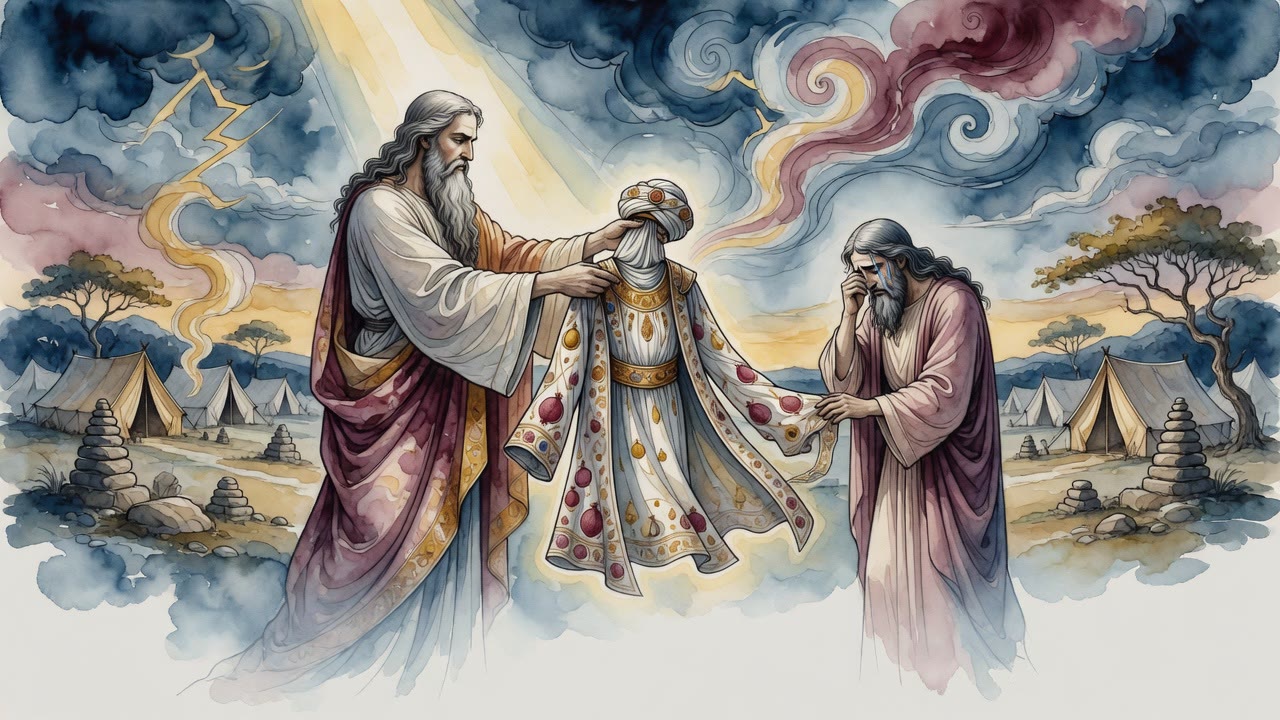
Moses crossed the camp to tell his brother Aaron he would wear the High Priest's robes, and Aaron, who shunned distinctions, wept and said no.
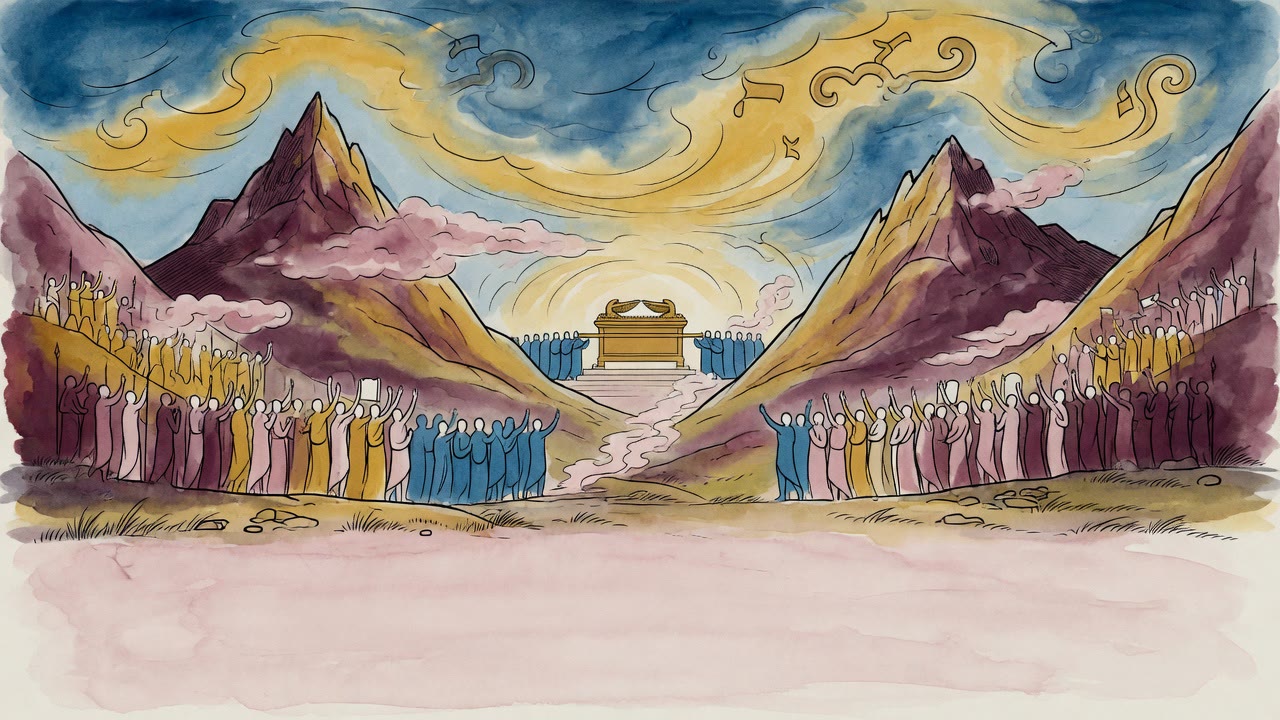
Six tribes climbed Gerizim, six climbed Ebal, the Ark stood in the valley, and Israel had to shout Amen twelve times across the gap.
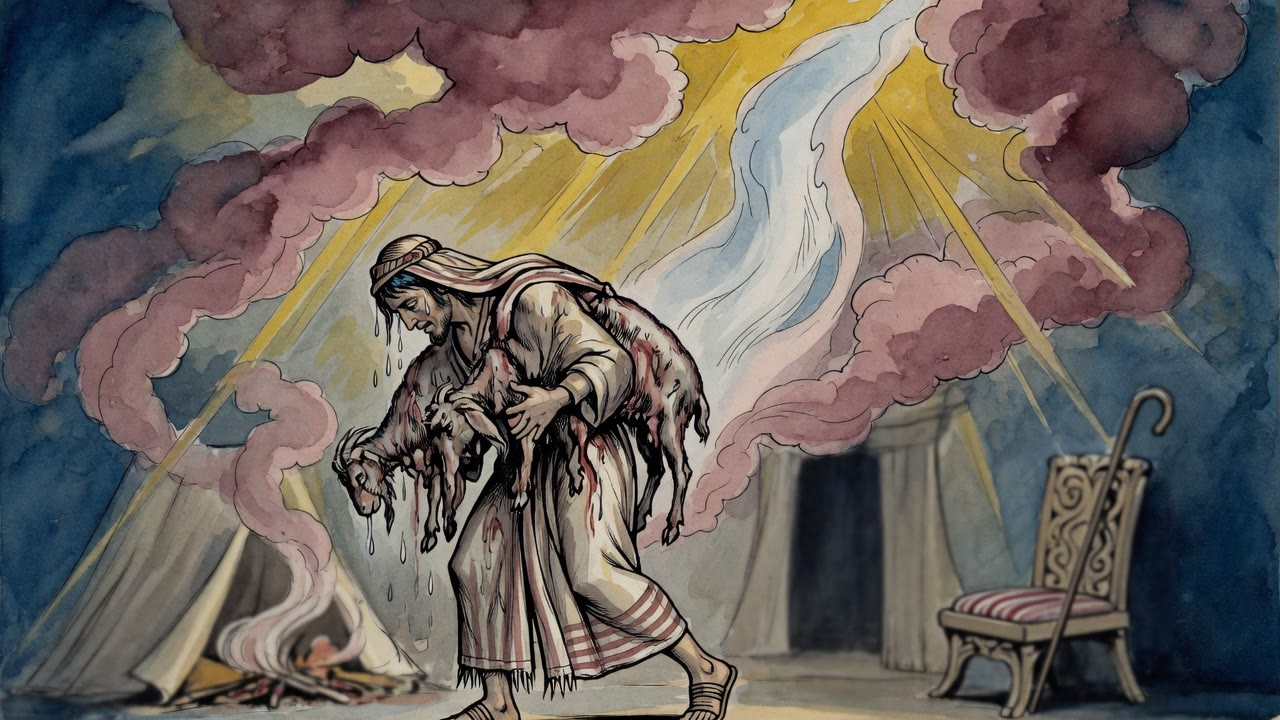
His mother told him to fetch two goats and lie to his blind father. Jacob's hands shook, his body bowed, and the tears would not stop.
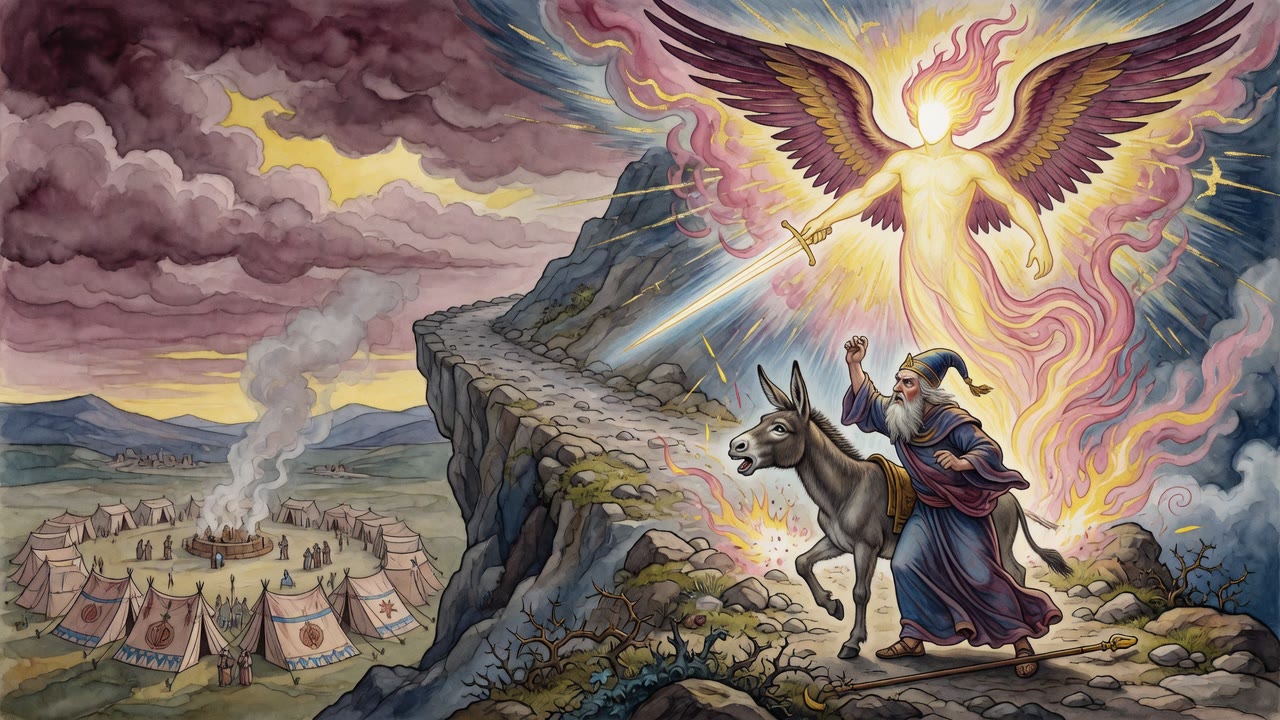
Balaam saddled his donkey before dawn, eager to curse Israel for Balak's money. The donkey saw the angel blocking the road. Balaam saw nothing.
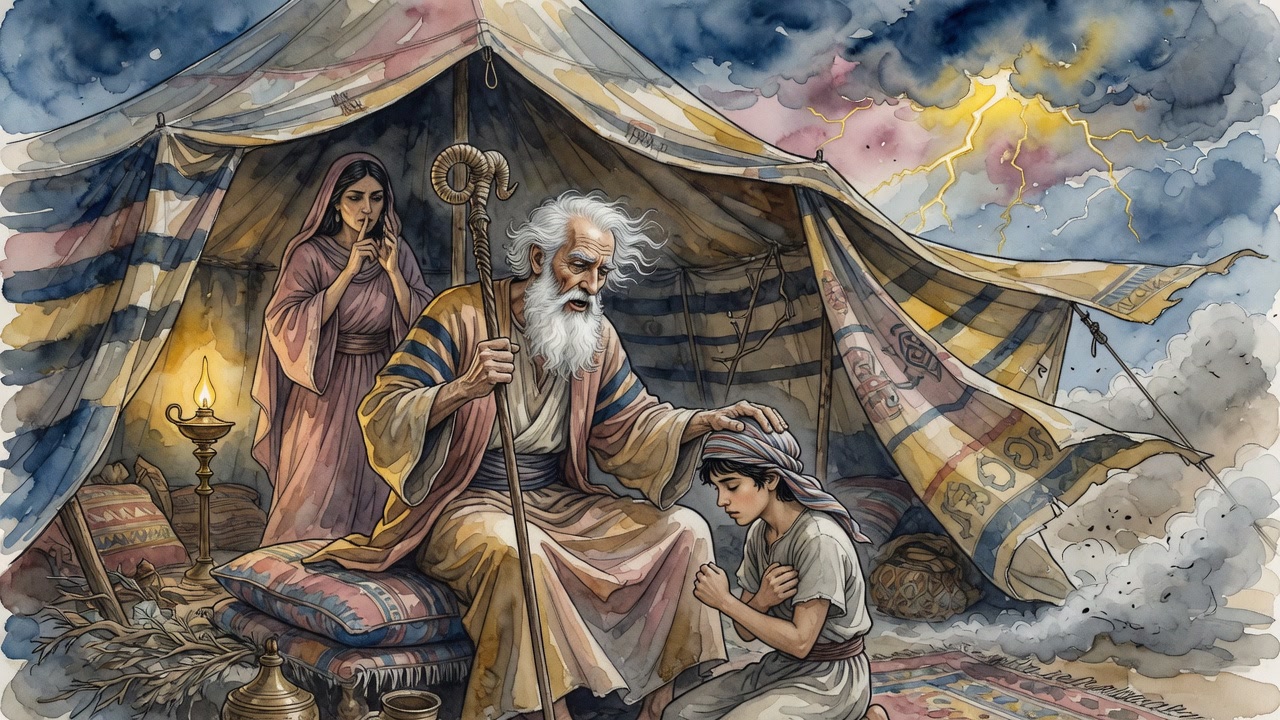
Old Abraham passes the tent flap and calls not Isaac but young Jacob to Rebecca's side, to hand him a blessing reaching back to Adam.
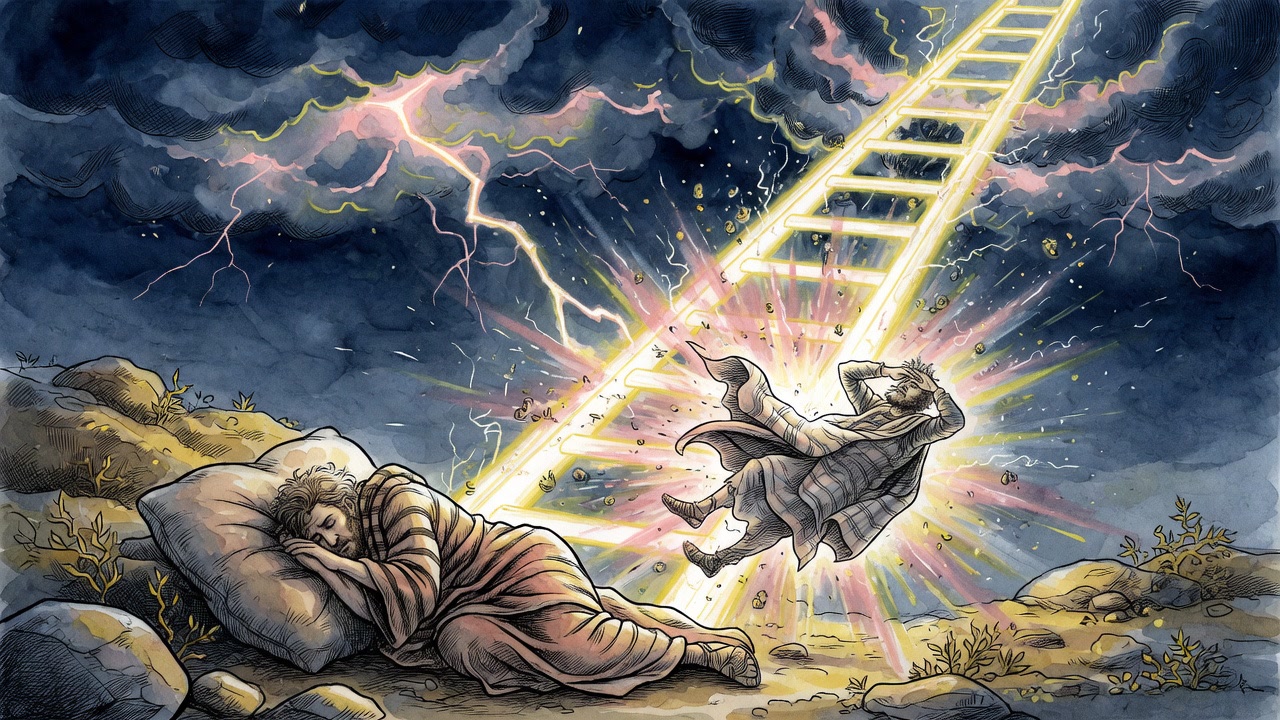
Jacob ran until the sun was gone. He struck the ground at Bethel. Stones went under his head because the place had stopped him.
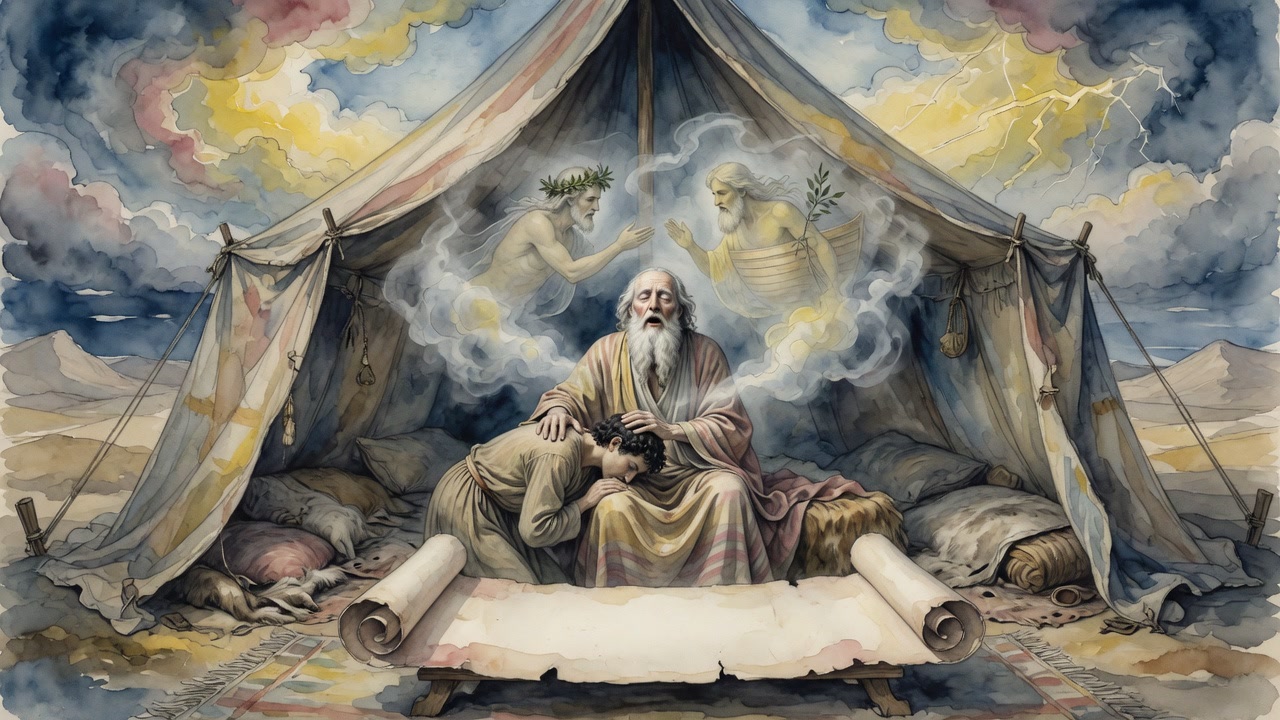
The blessing Isaac spoke over Jacob at Beersheba was not new. The same words had been spoken twice before, first to Adam, then to Noah, now to Jacob.
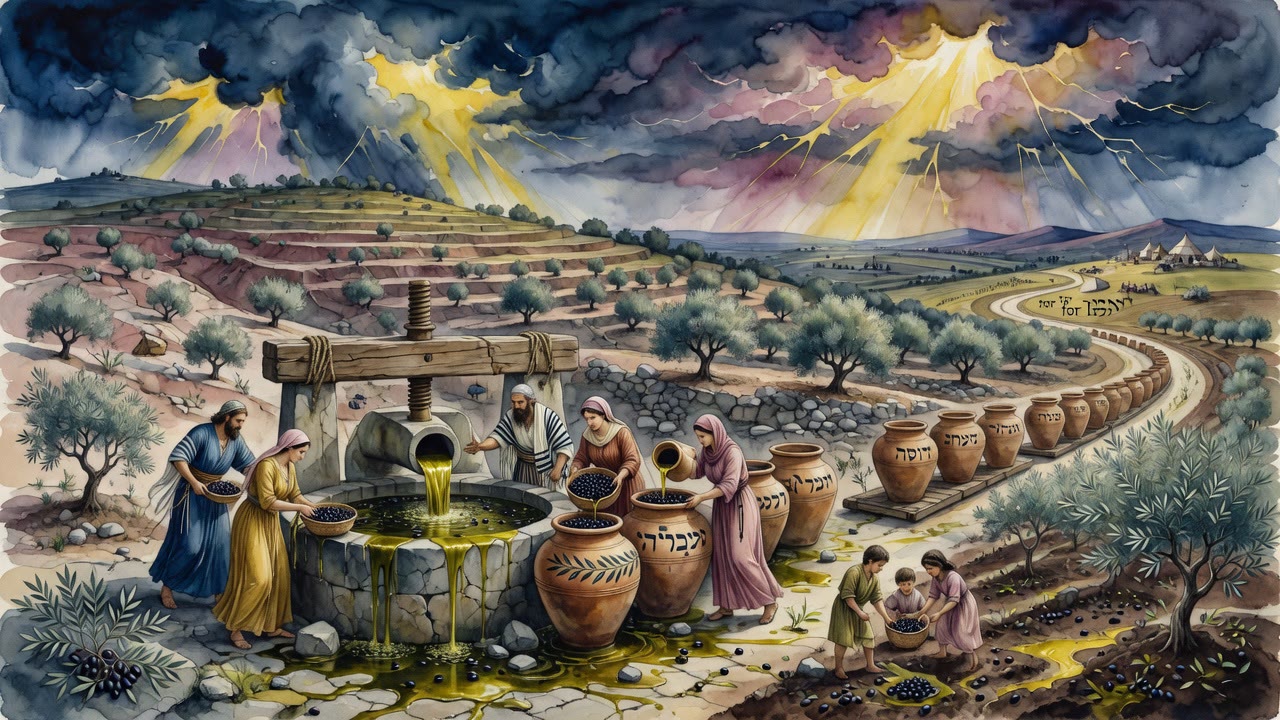
The fields lay fallow and the storehouses thinned, but in Asher's hills the oil still ran in streams, and a nation came to eat.
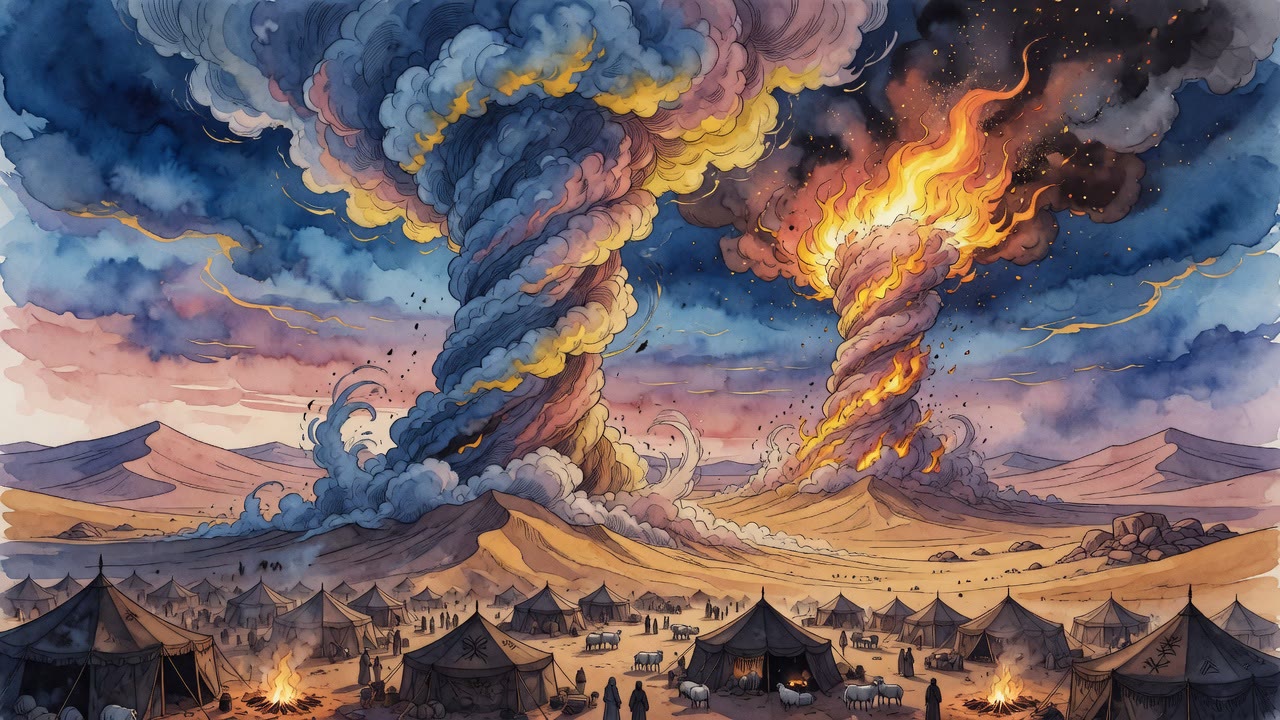
Moses blessed Dan as a lion leaping from the Bashan. The Sifrei Devarim reveals this was a prophecy: the tribe would divide and claim two separate territories.
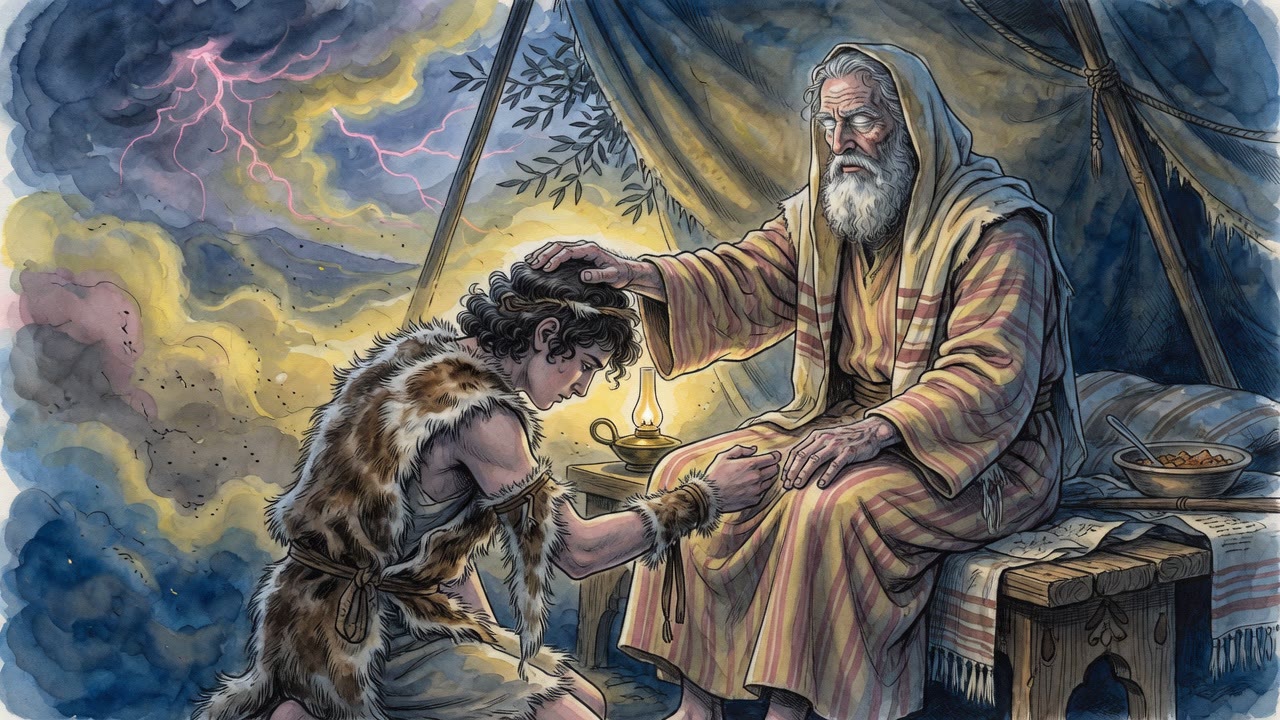
Esau tied a deer and went after the next. When he came back the cord lay empty. The Accuser had been walking the field behind him.
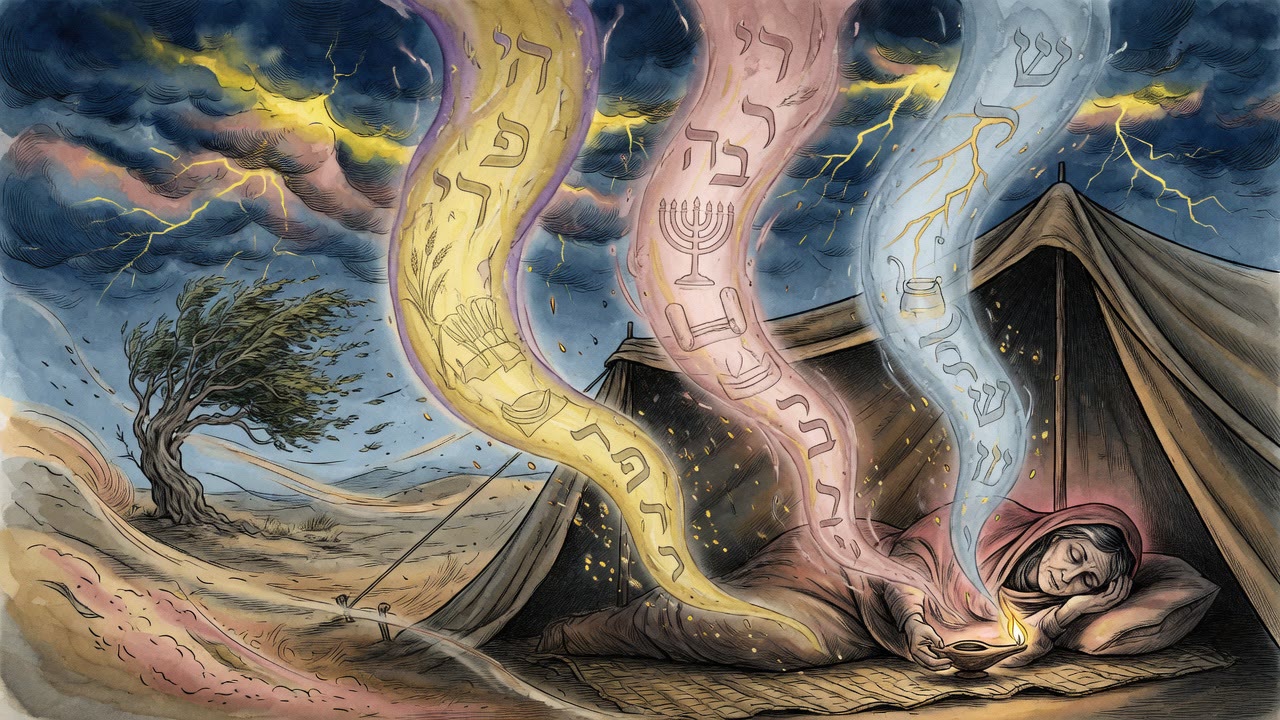
Pharaoh woke at dawn and could not explain the night. He had brought Sarah into his palace and had not been able to come near her.
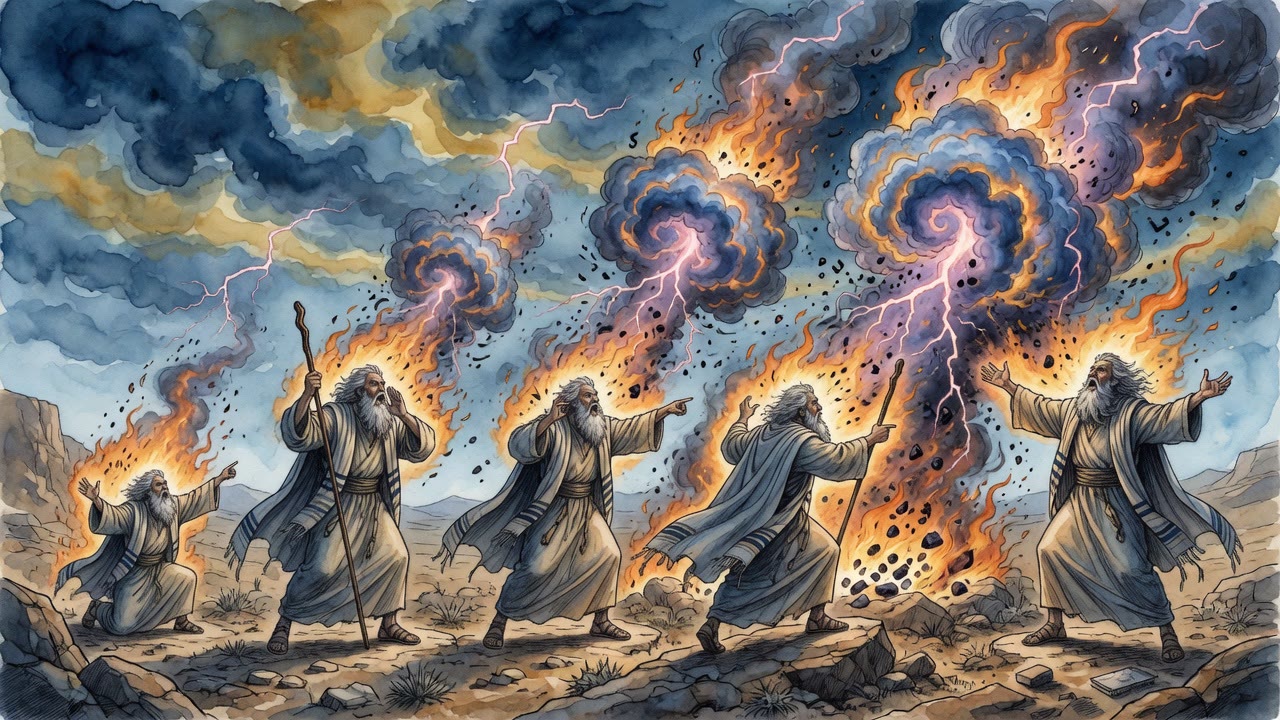
Five times Moses demanded answers directly from God. He did not always get what he wanted. He always got an answer.
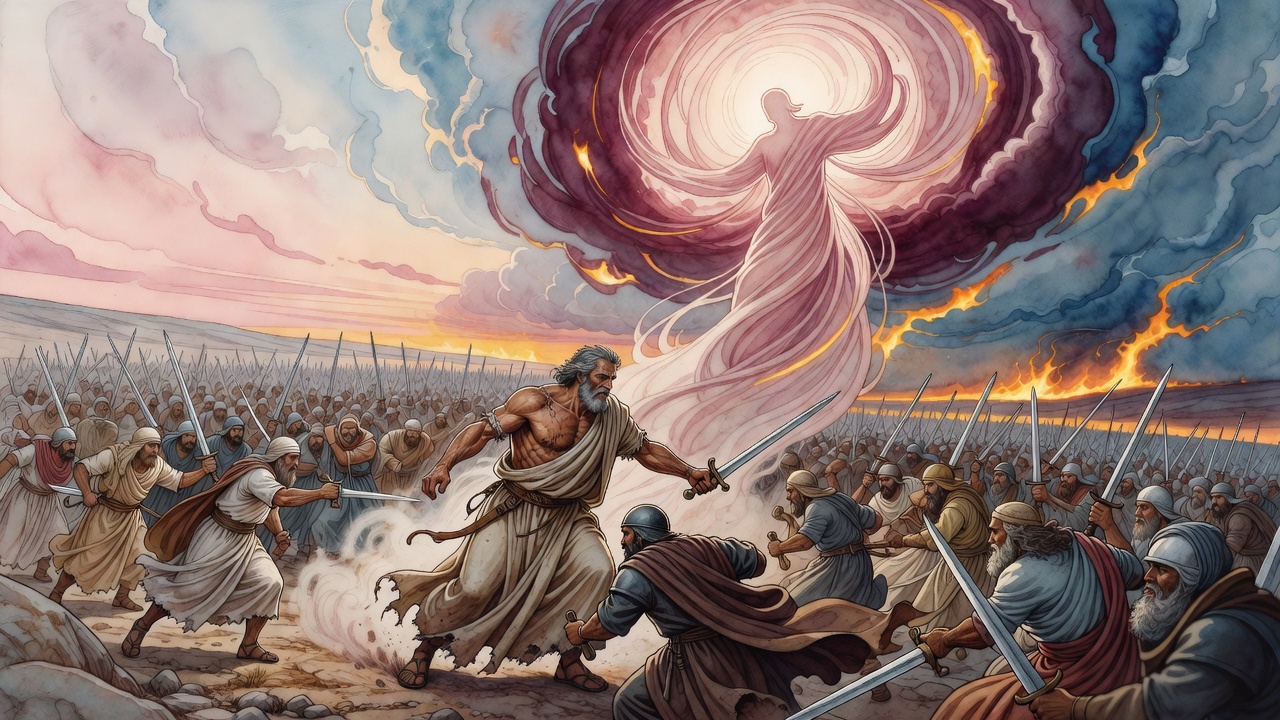
Jacob led six thousand swordsmen against the Amorites and fought from sunrise to sunset. He invented tithing and wrestled an angel.
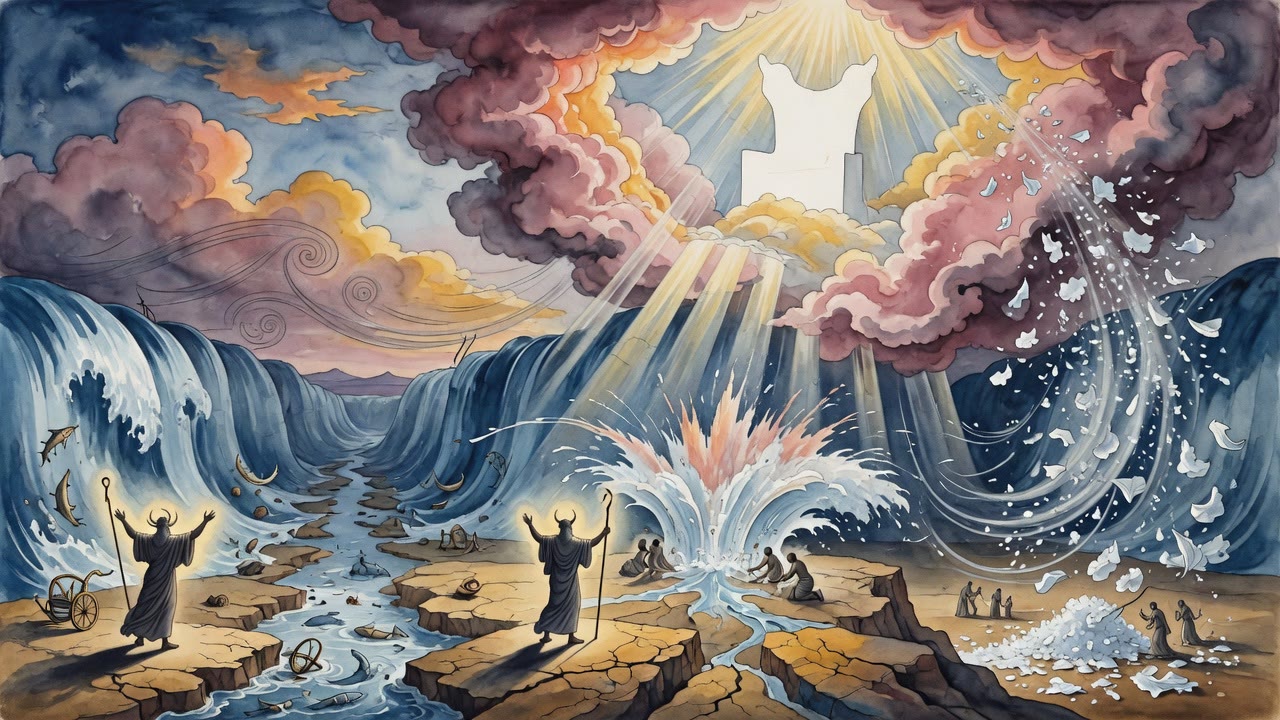
Famine opened the road to Egypt. Isaac packed. In the night a voice forbade the Nile and sent him into Philistine ground instead.
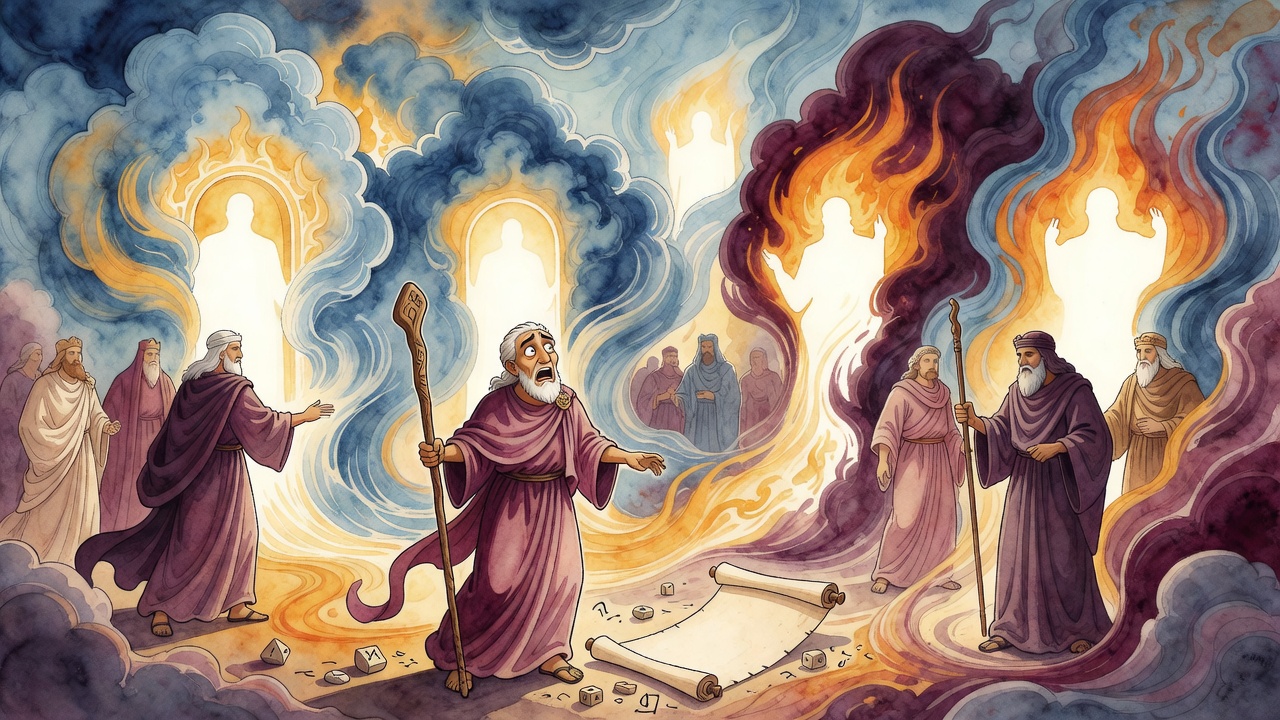
Balaam had divining tools, royal messengers, greed, timing, and a curse ready. God blocked every door before he could speak.
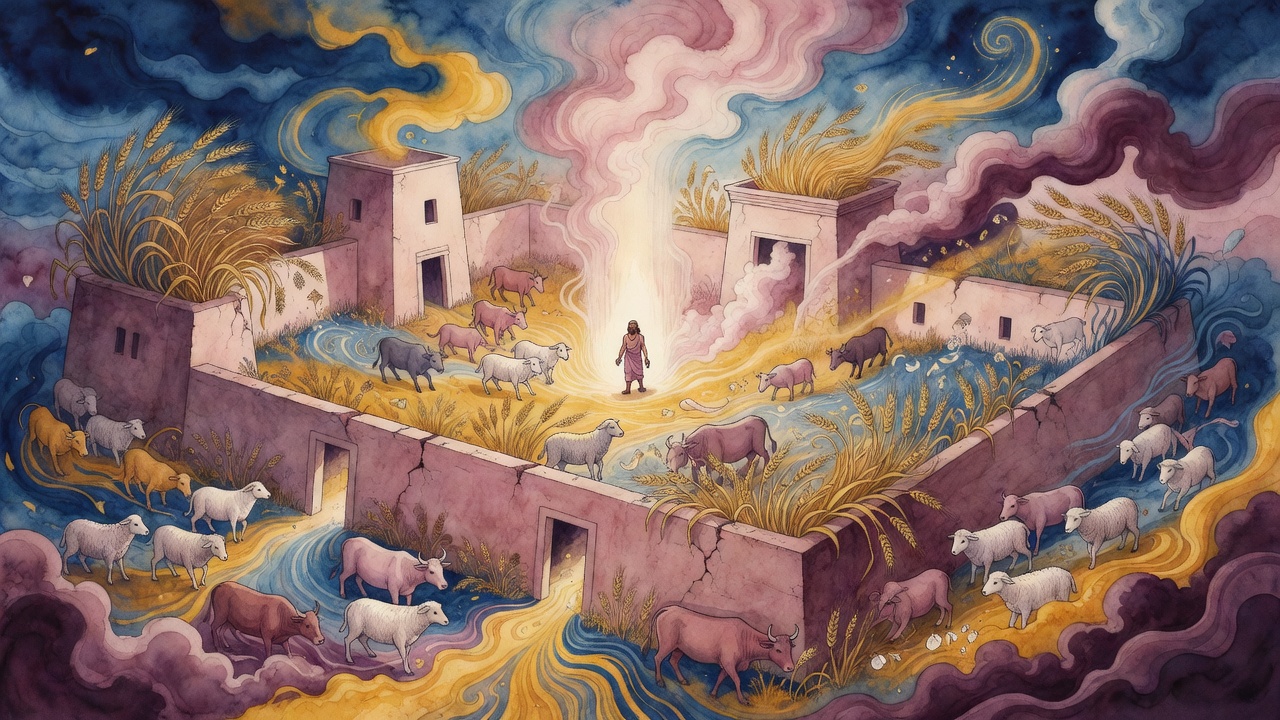
Potiphar asked for one wine, then another. The cup in Joseph's hand changed with the wish, and the master stopped counting his own stores.
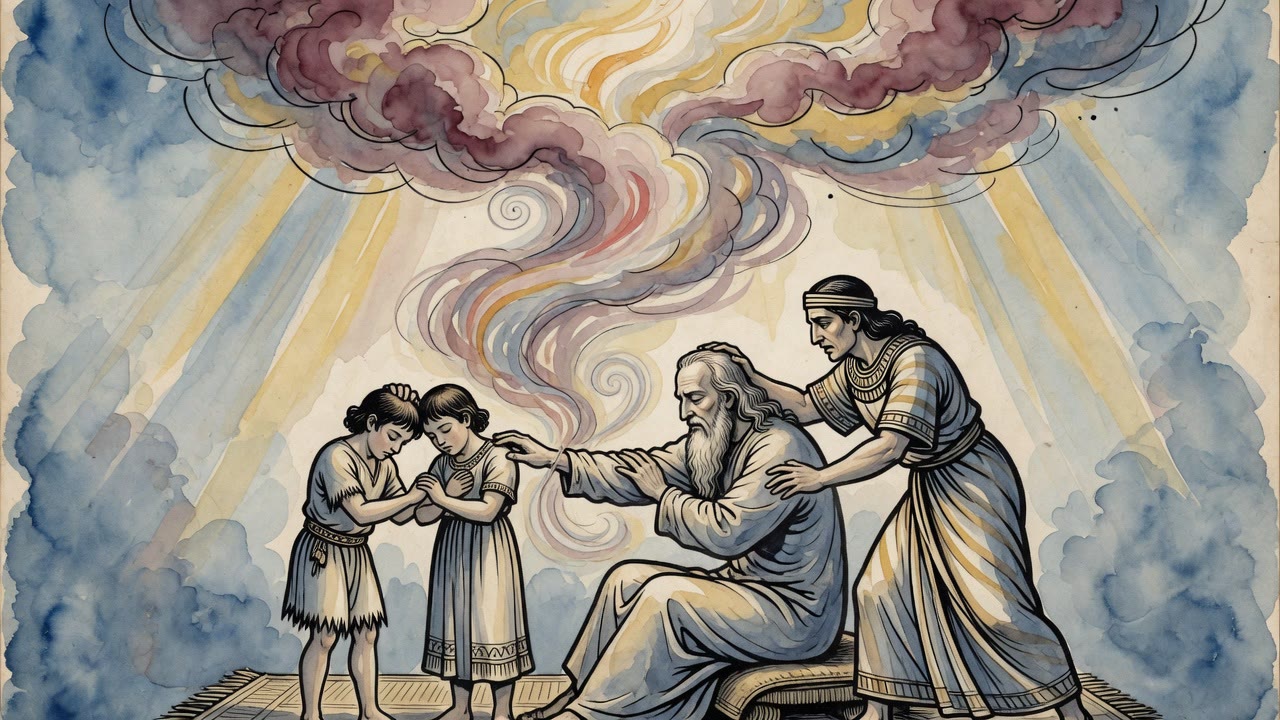
Jacob crossed his hands over Ephraim and Menasheh on purpose, while Joseph tried to move the blessing back into birth order.
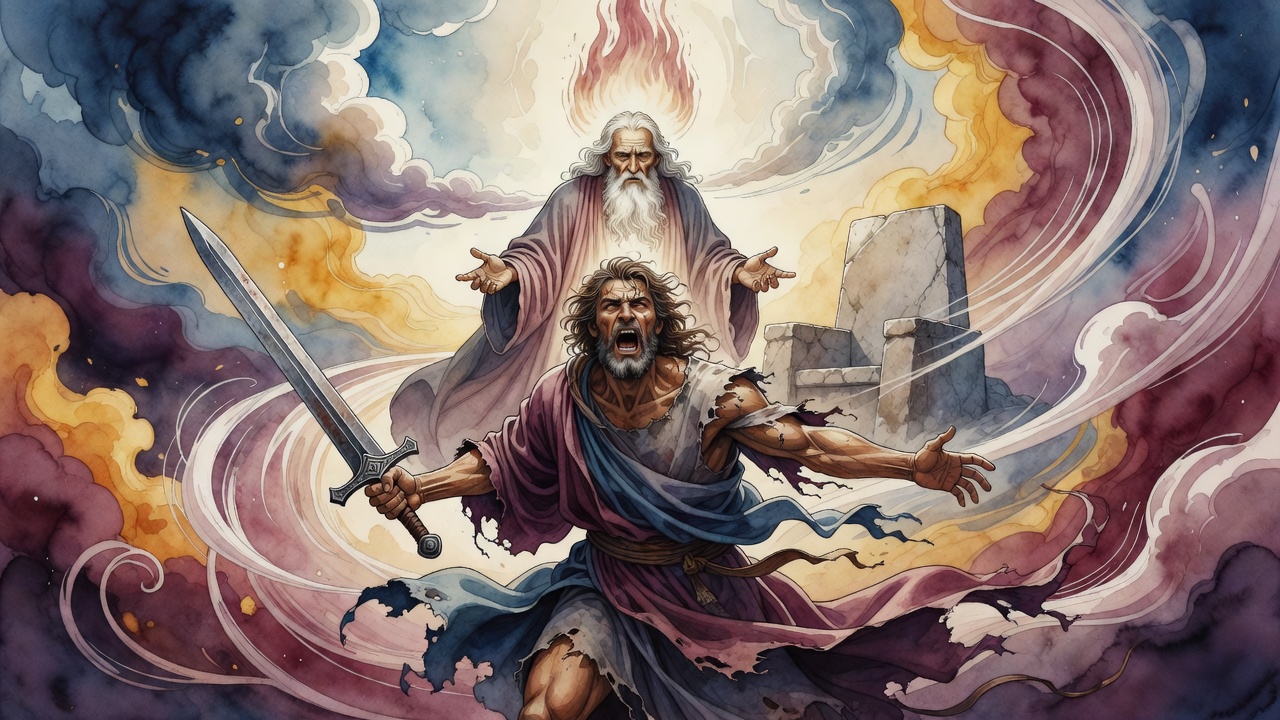
Isaac opened his mouth to bless his older son. The Presence left the tent. What came out of the old man was a life lived by the sword.
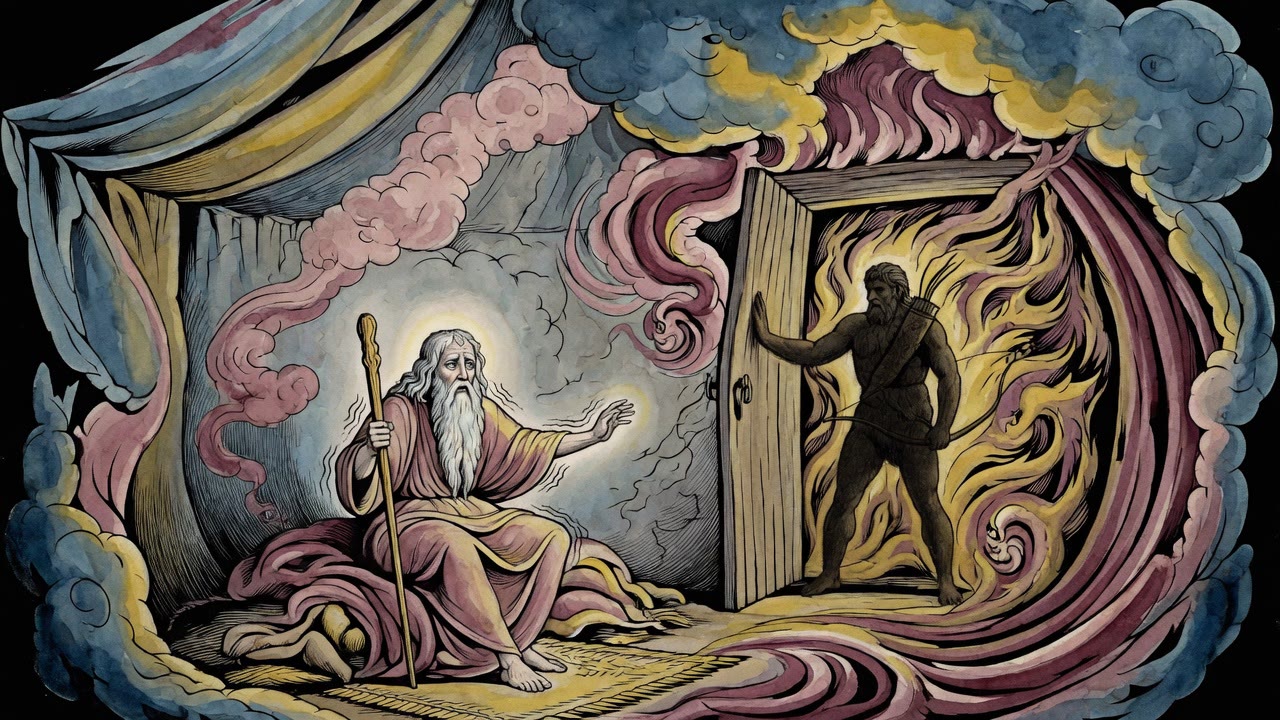
Isaac shook harder at Esau's return than he had on the altar. The walls seethed. Gehenna (afterlife of judgment) stood in the doorway. He blessed him anyway.
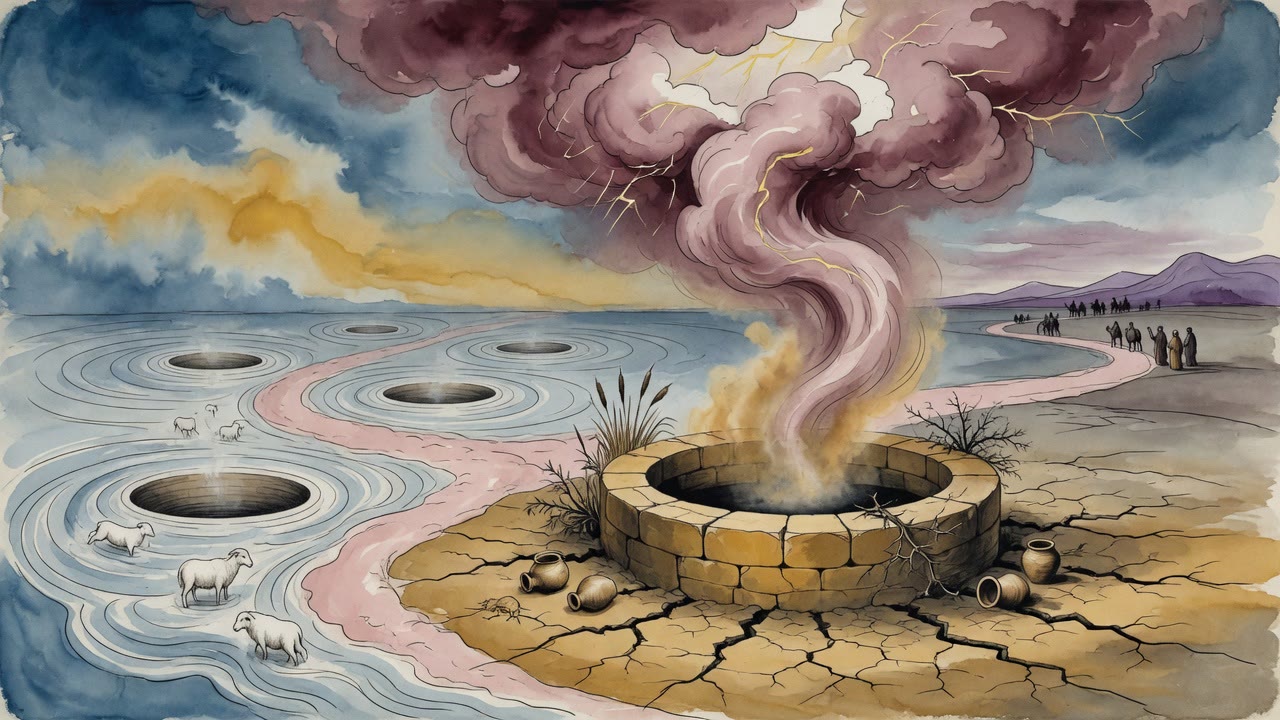
Jacob rolled the stone off Haran's well alone, and the water rose to meet him. Twenty years later Laban found only a dry hole.
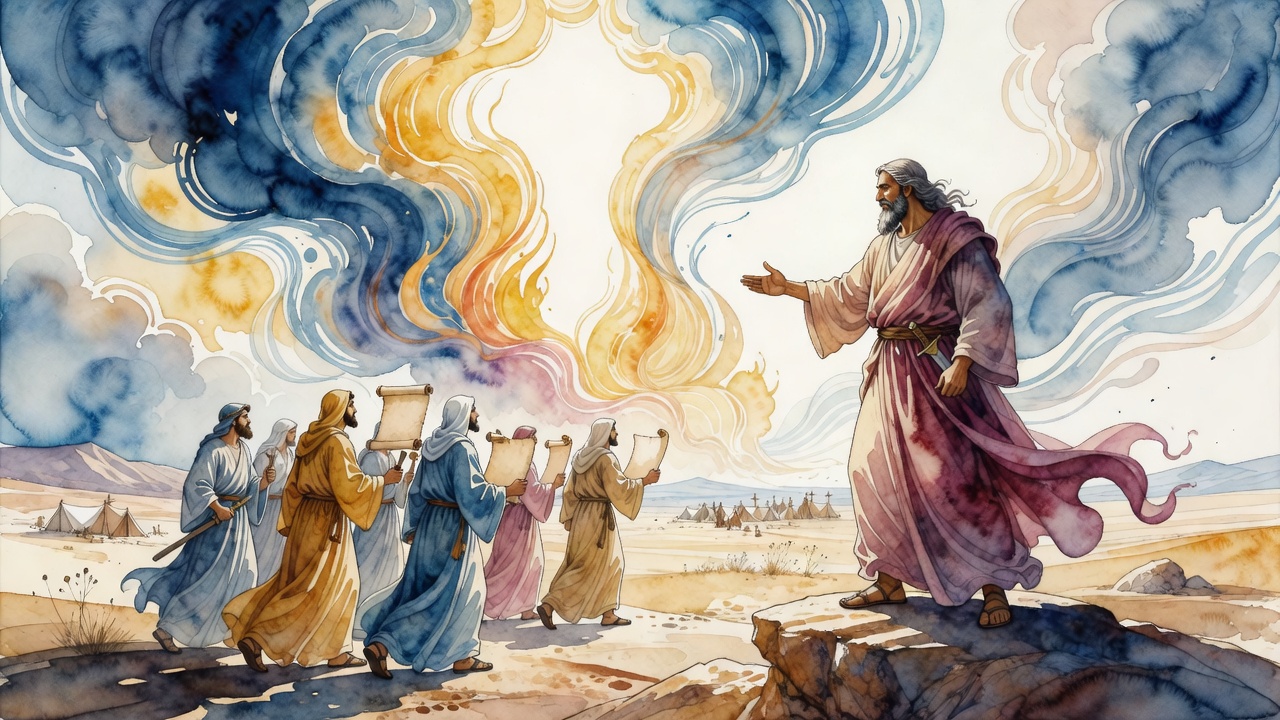
The envoys did not carry spears. They asked why Jacob envied dew when Esau had been given fat earth. They wanted to share the trouble too.
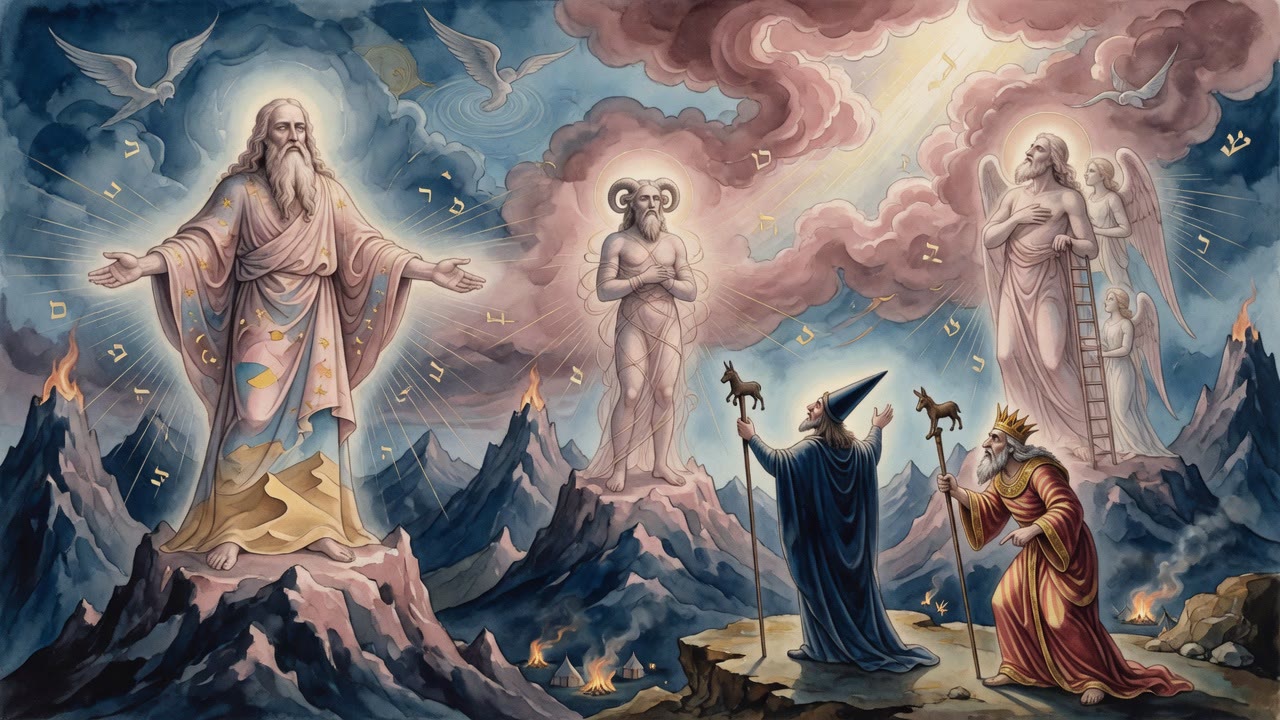
Balak paid for a curse and waited below the hill. Balaam came down and told him to stand. The fathers of Israel were already up there.
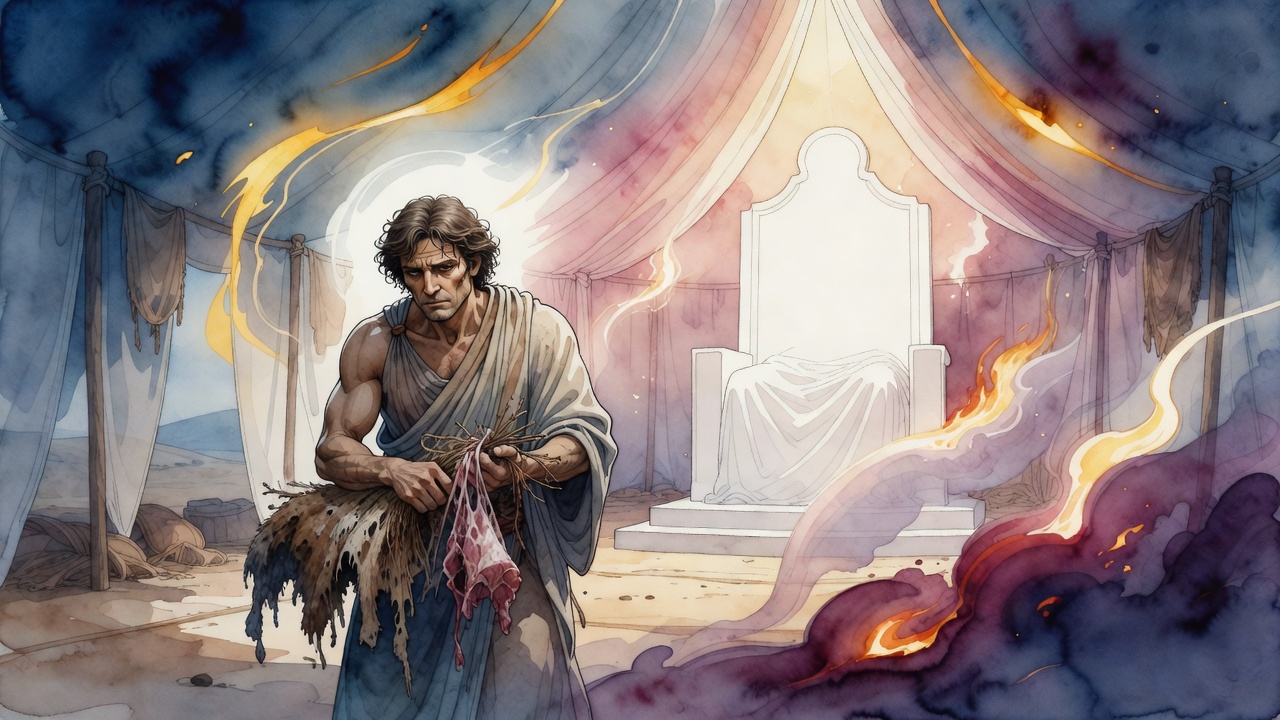
Esau came back four hours too late, carrying false venison and finding that Jacob had already taken the blessing meant for him.
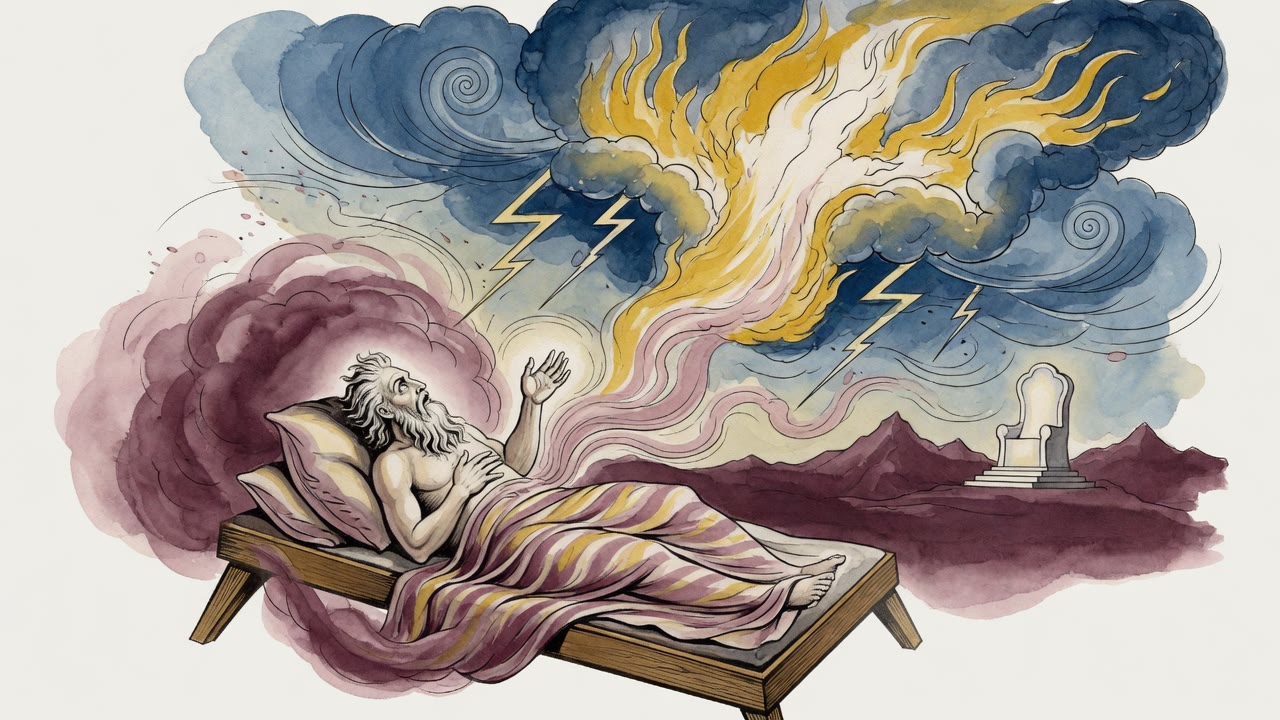
Before Jacob, a man could still be talking when death took him. He asked for a warning. The first fever came to his own bed.
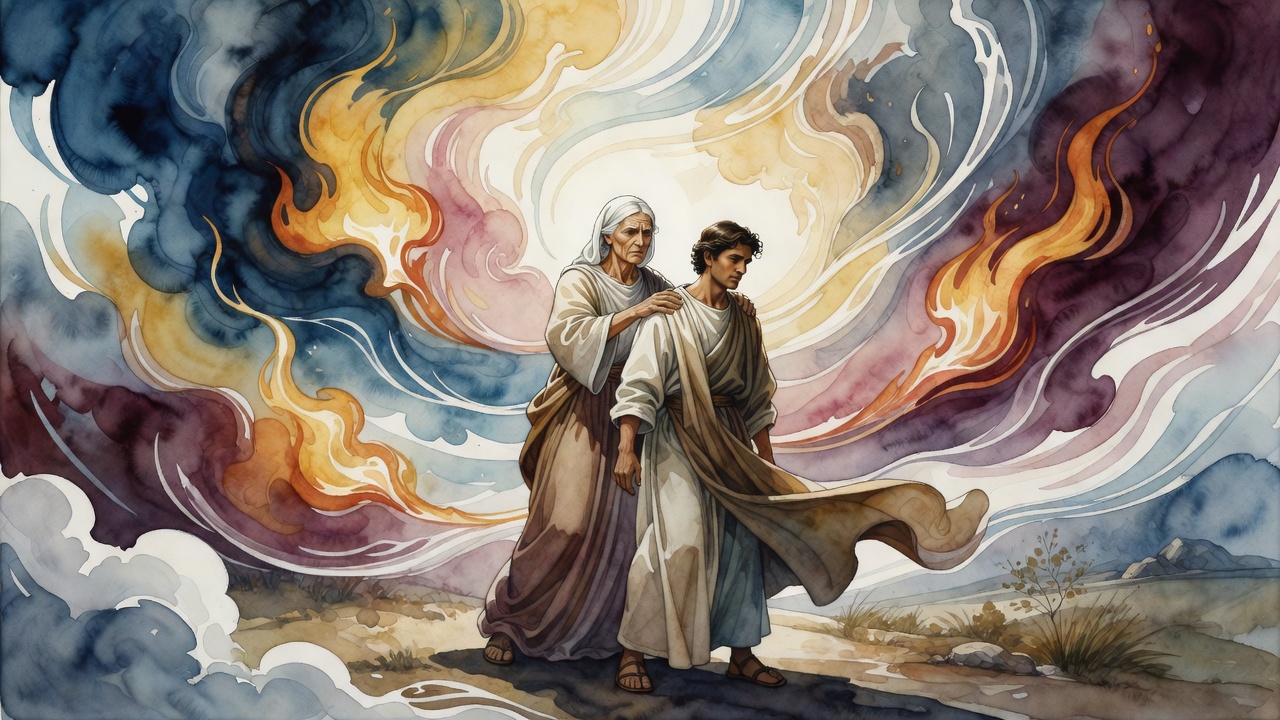
Rebekah laid hands on Jacob, dressed him in priestly garments, and sent him from Esau. Her warning became prophecy at Jacob's burial.
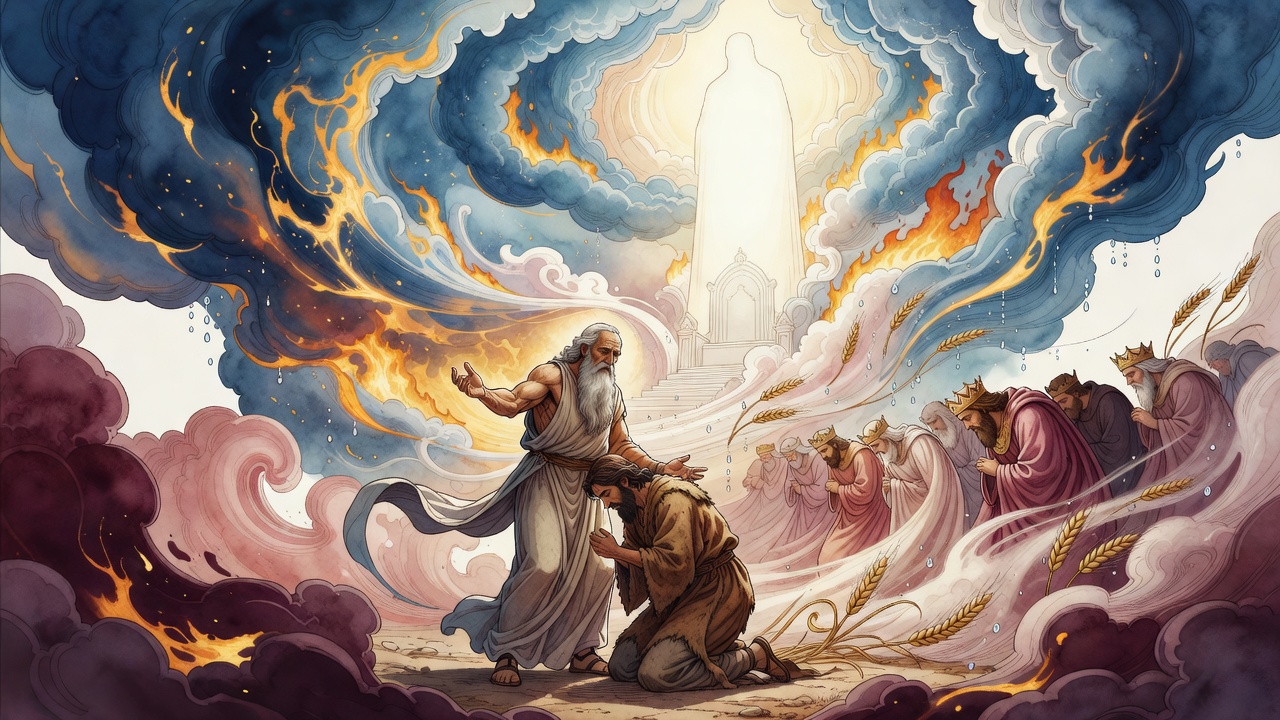
Blind Isaac felt goat hair and smelled the field. The voice was Jacob's. Later he blessed that same son with his eyes open.
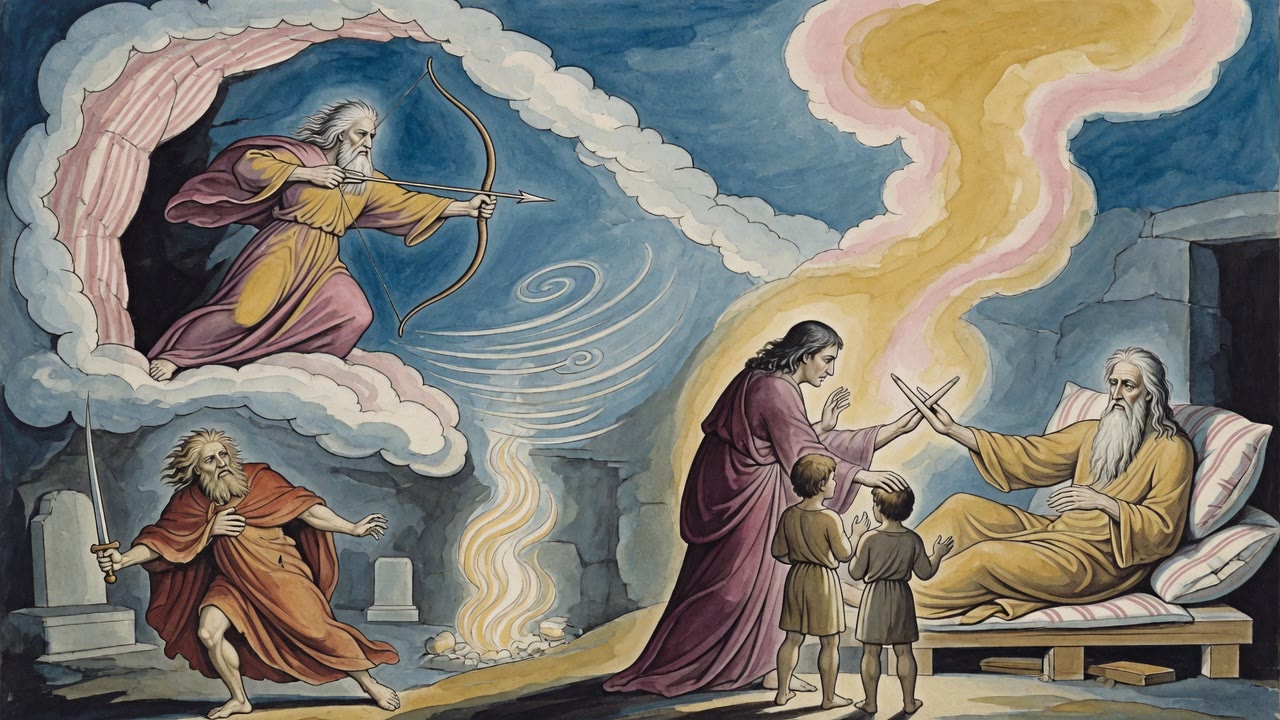
Joseph set the firstborn under the right hand. The old man crossed his wrists anyway. At the cave those same hands still knew a bow.
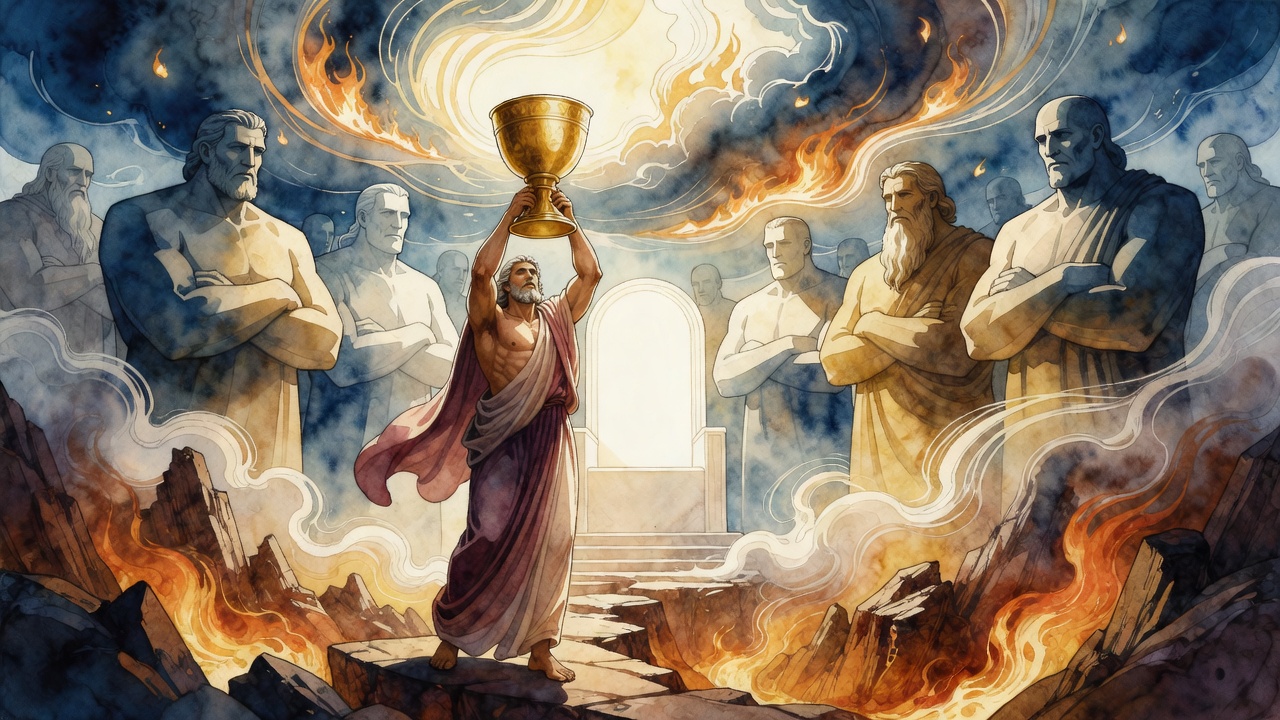
The meal in Paradise was over. A cup of blessing waited for a mouth that could praise after judgment. Abraham set it down.
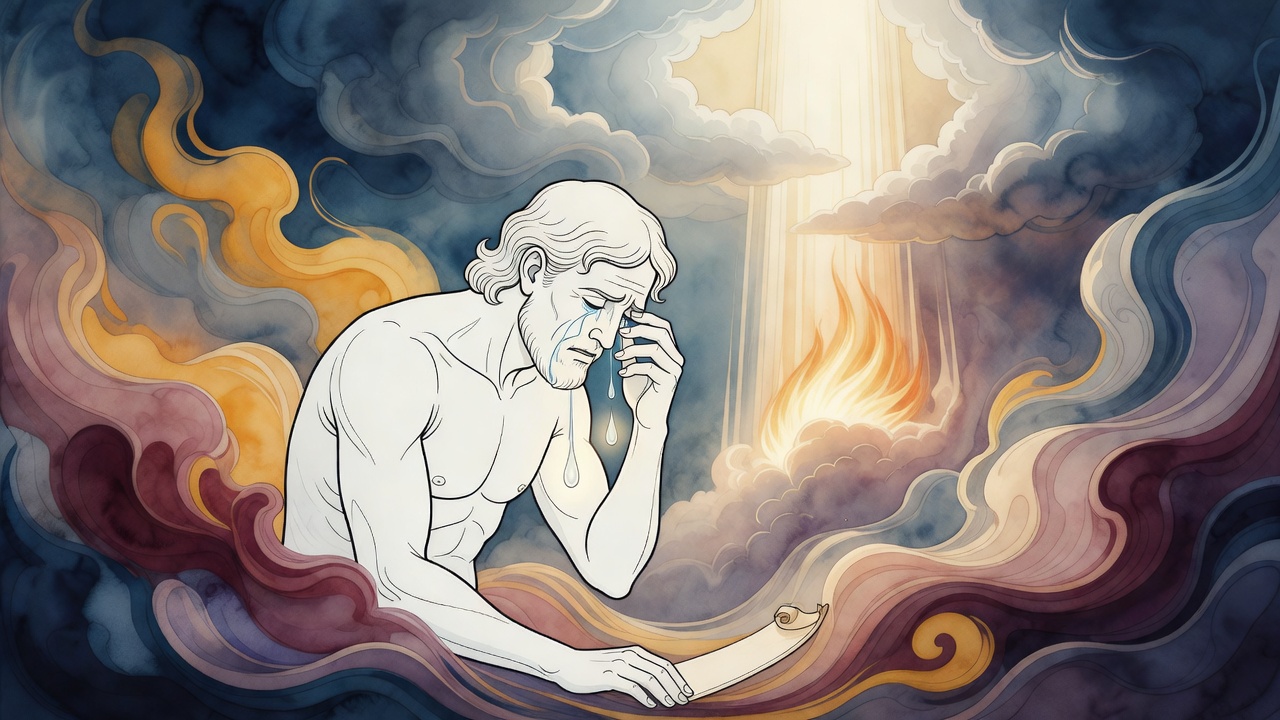
The meat had gone cold in Esau's hands. He cried for a blessing anyway. Heaven kept three tears and did not throw them out.
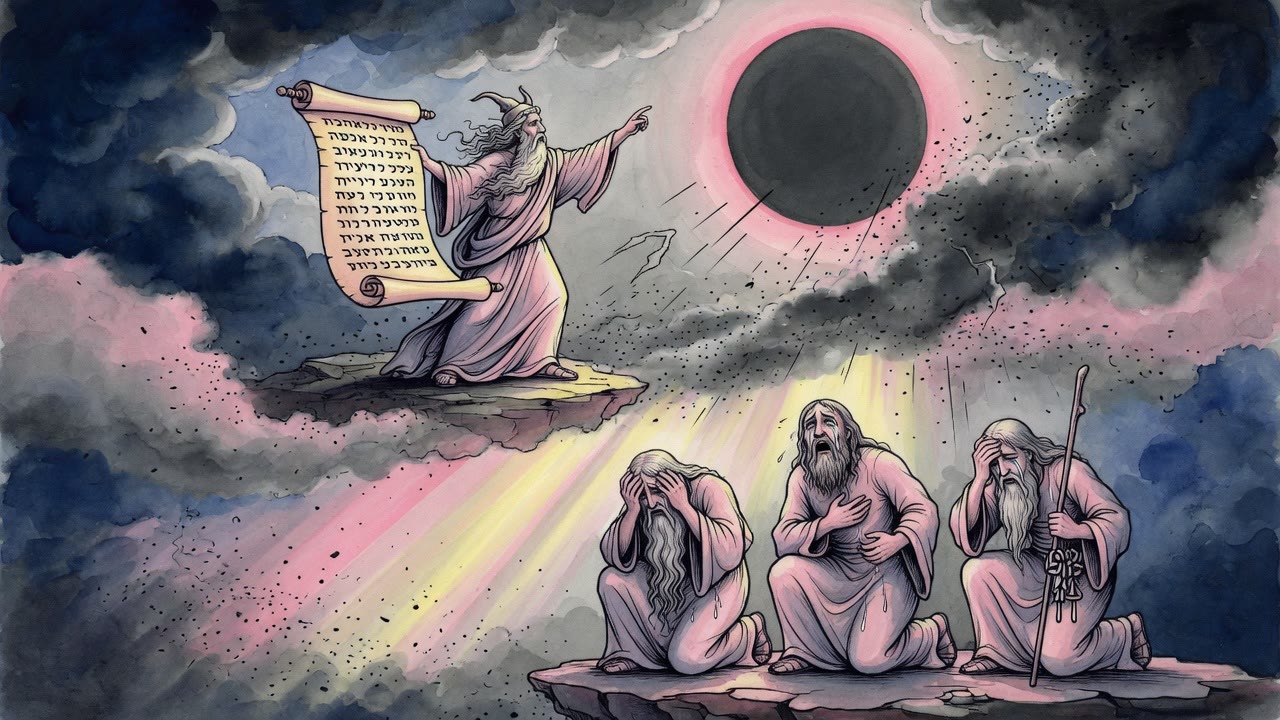
The sun went out at midday and no tree moved. Under the ground Abraham, Isaac and Jacob shouted that nobody would be left to plead for their children.
