142 myths · Page 2 of 5
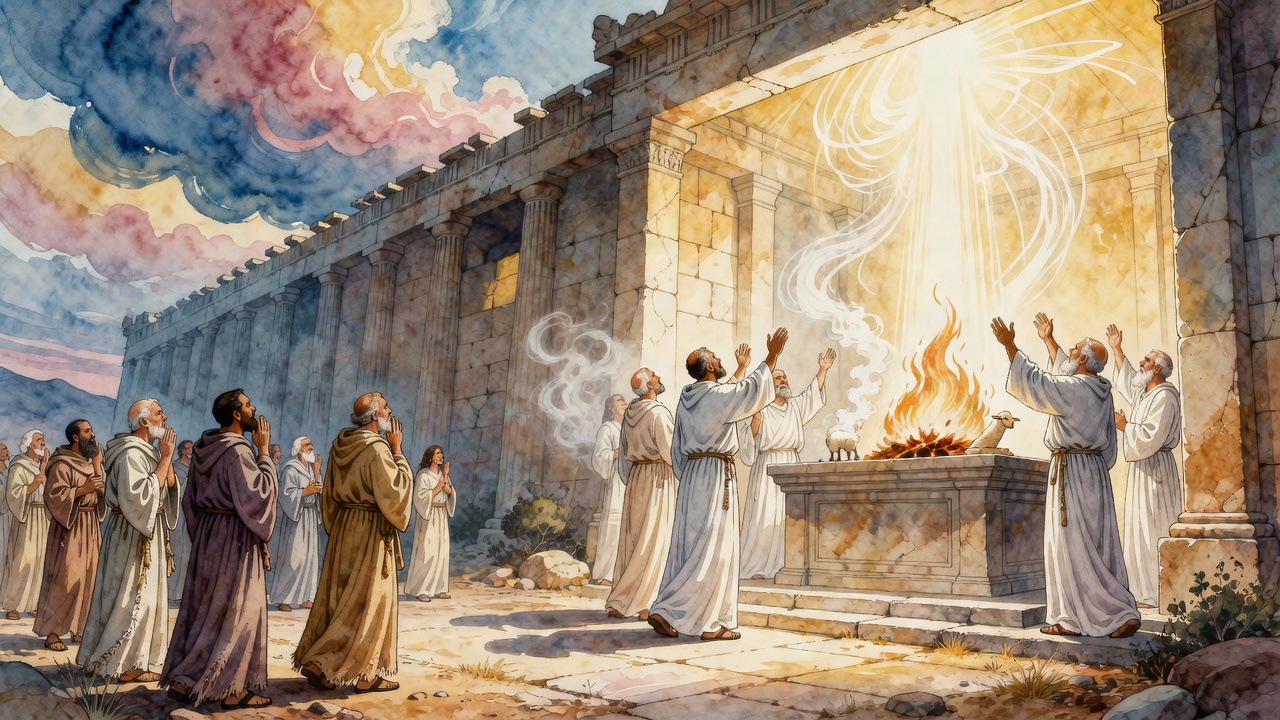
Inside the sanctuary the priest said the four-letter Name out loud. Anywhere else he said a substitute. Korah stood in the camp and watched Aaron do it.
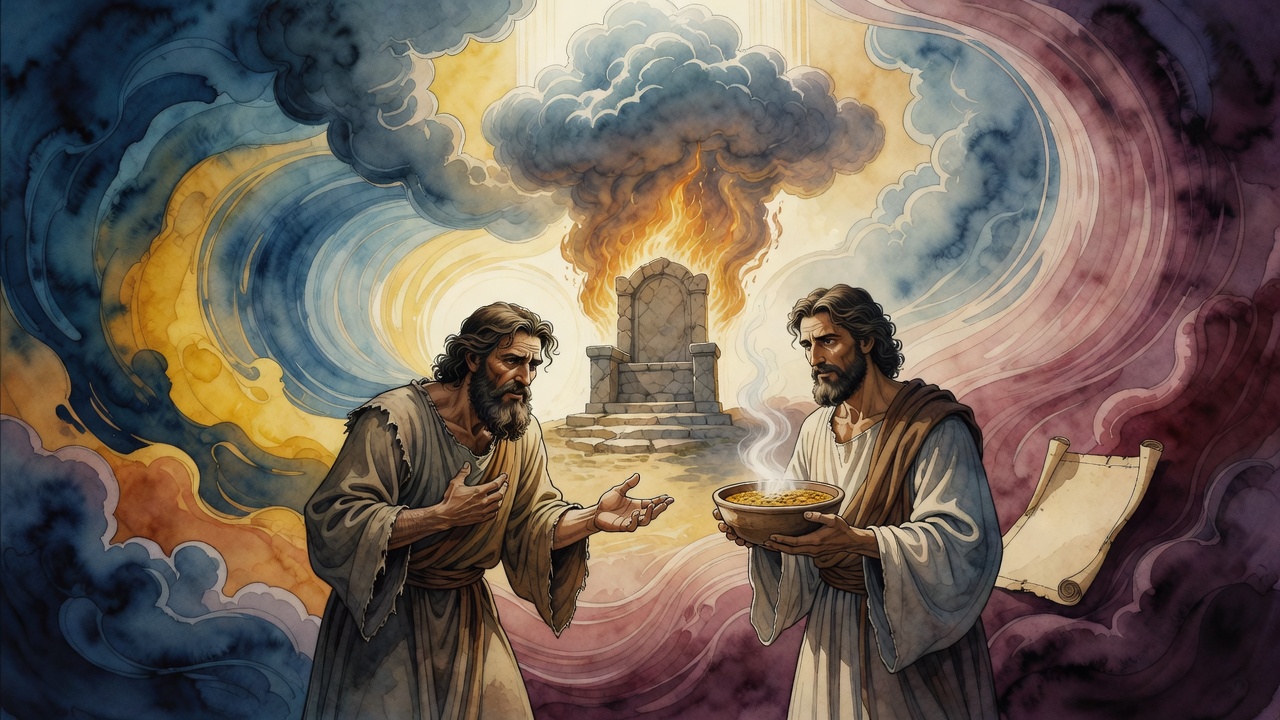
The soup was real. So was the hunger. But Jubilees and the Midrash say Esau traded away his burial place beside the patriarchs along with his inheritance.
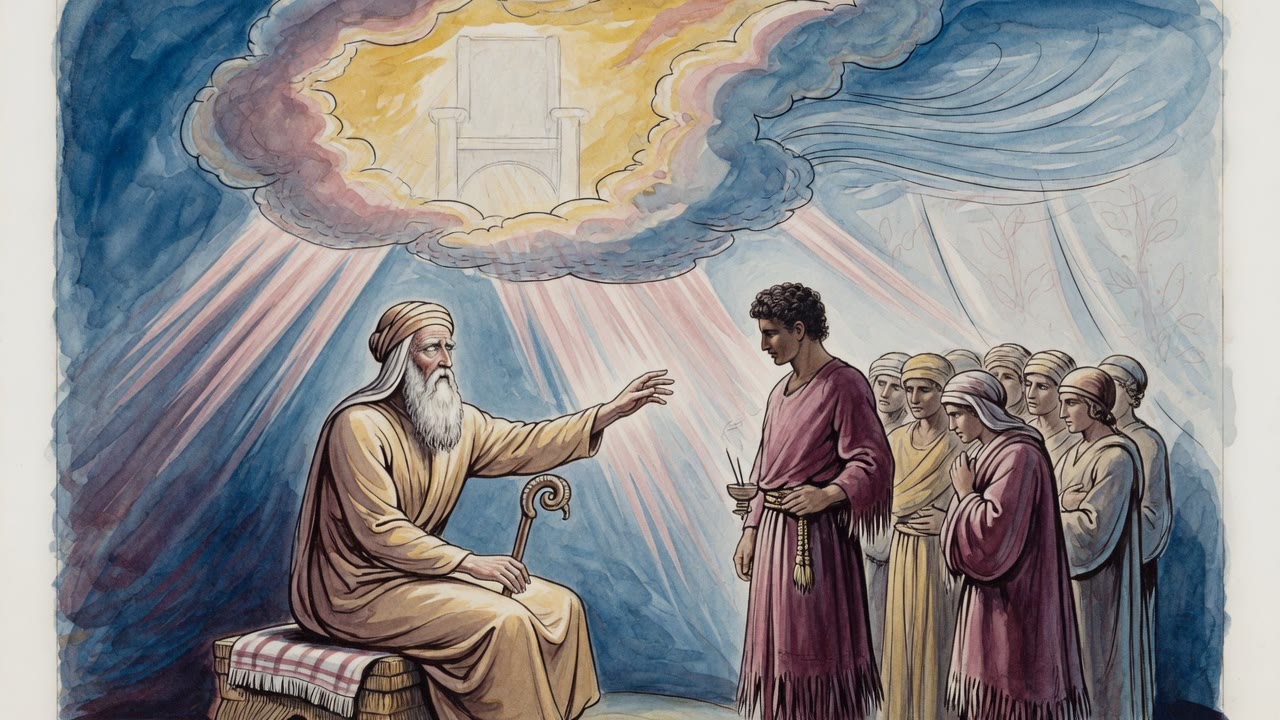
Isaac's eyes had been dark for years. Jacob kissed him, and the dimness lifted long enough to see two grandsons waiting.
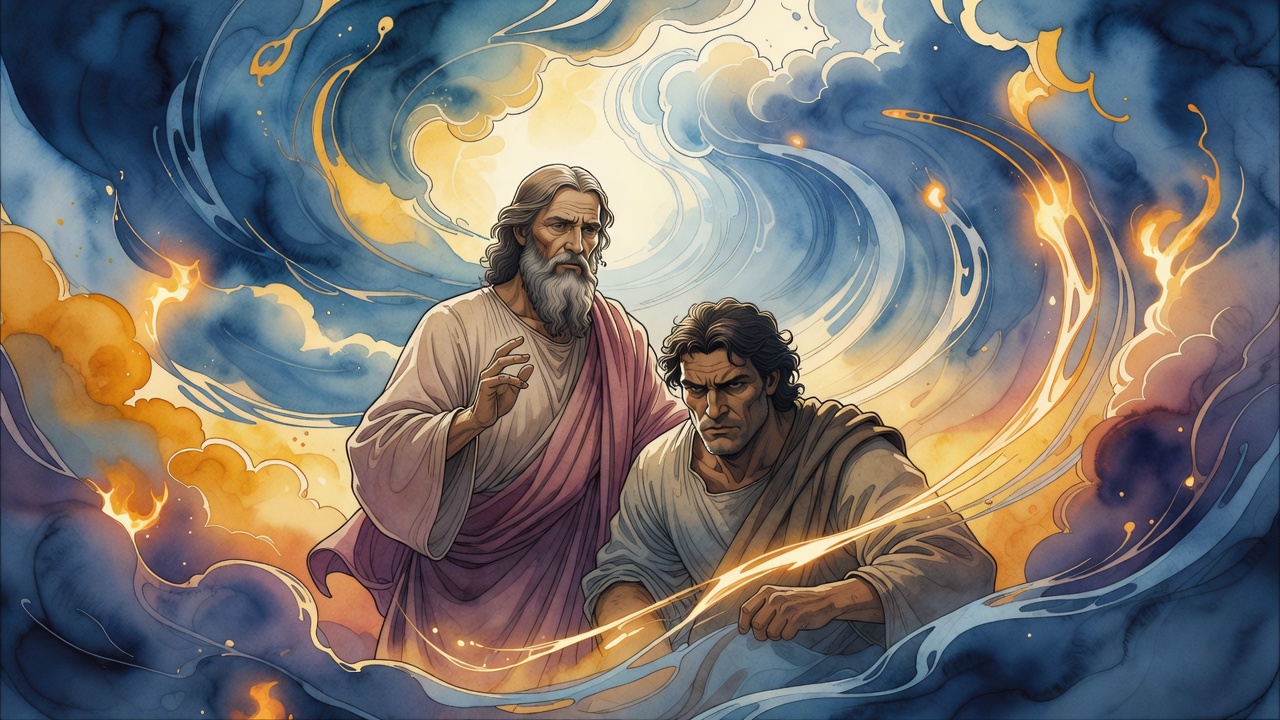
Judah told the men to burn Tamar. She sent him the seal he had left on the road. He said she was more righteous than he was.
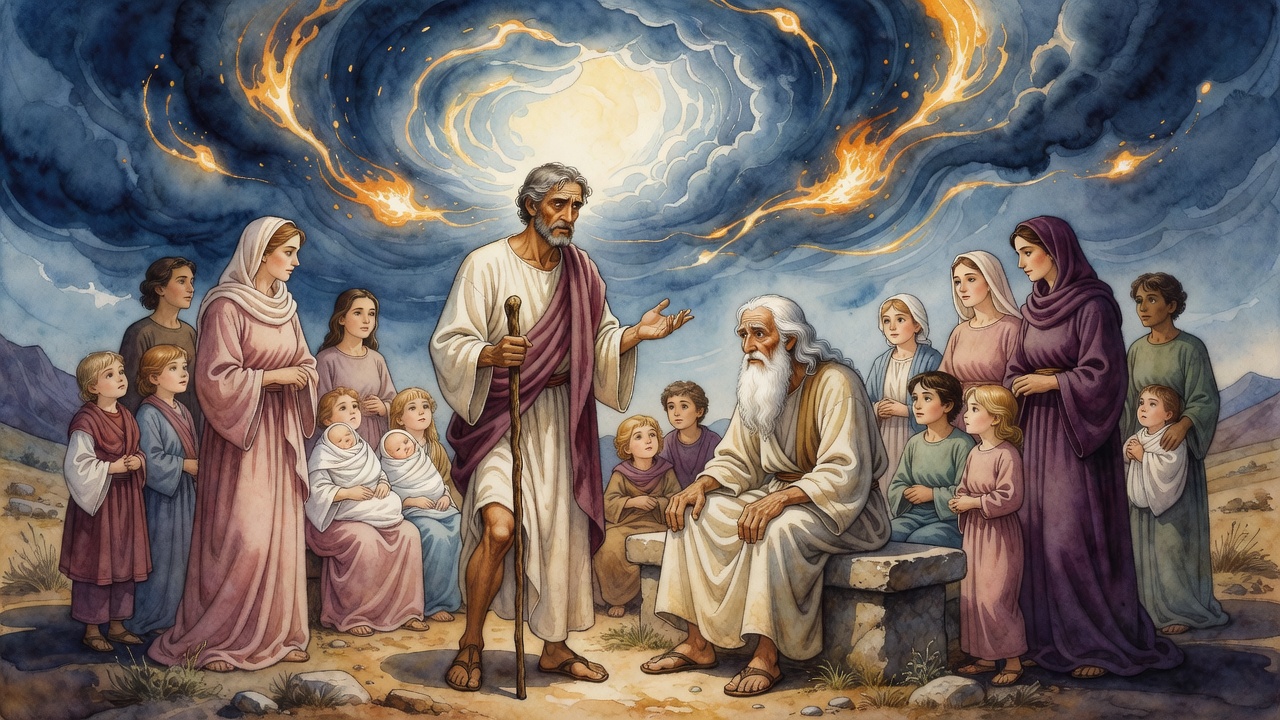
After twenty years apart, Jacob came back to Isaac with wives, children, and a limp. That night he told his father everything.
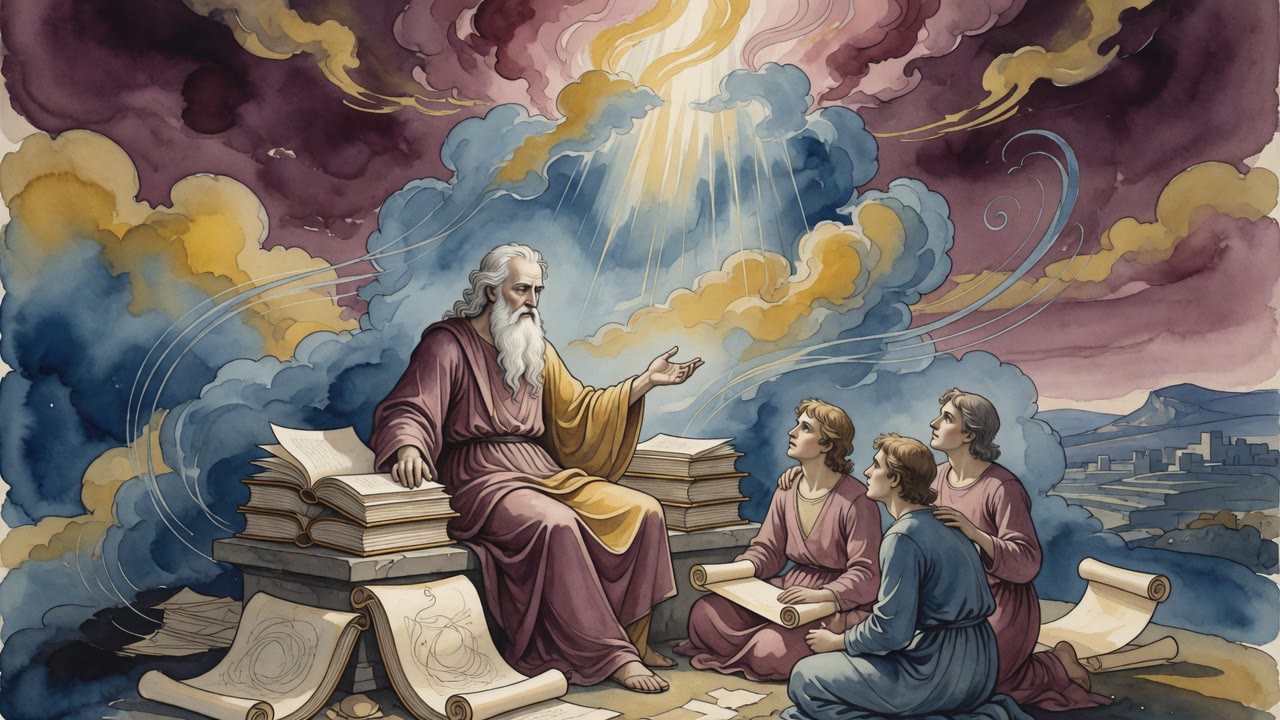
Returned from ten heavens, Enoch has one final night with his sons. He explains time, his 366 books, and what the calendar means for those he leaves behind.
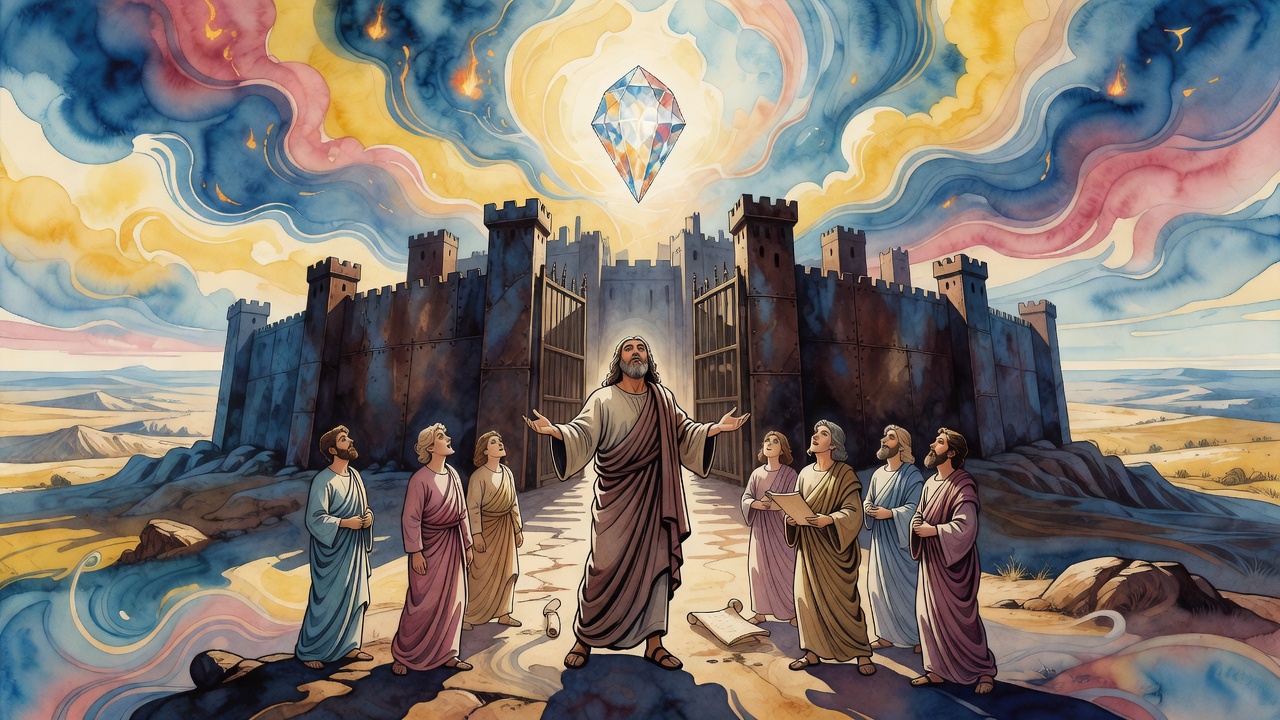
Abraham had six sons by Keturah. He gave them a gem that outshone the sun, taught them secret arts, and built them an iron-walled city in the eastern lands.
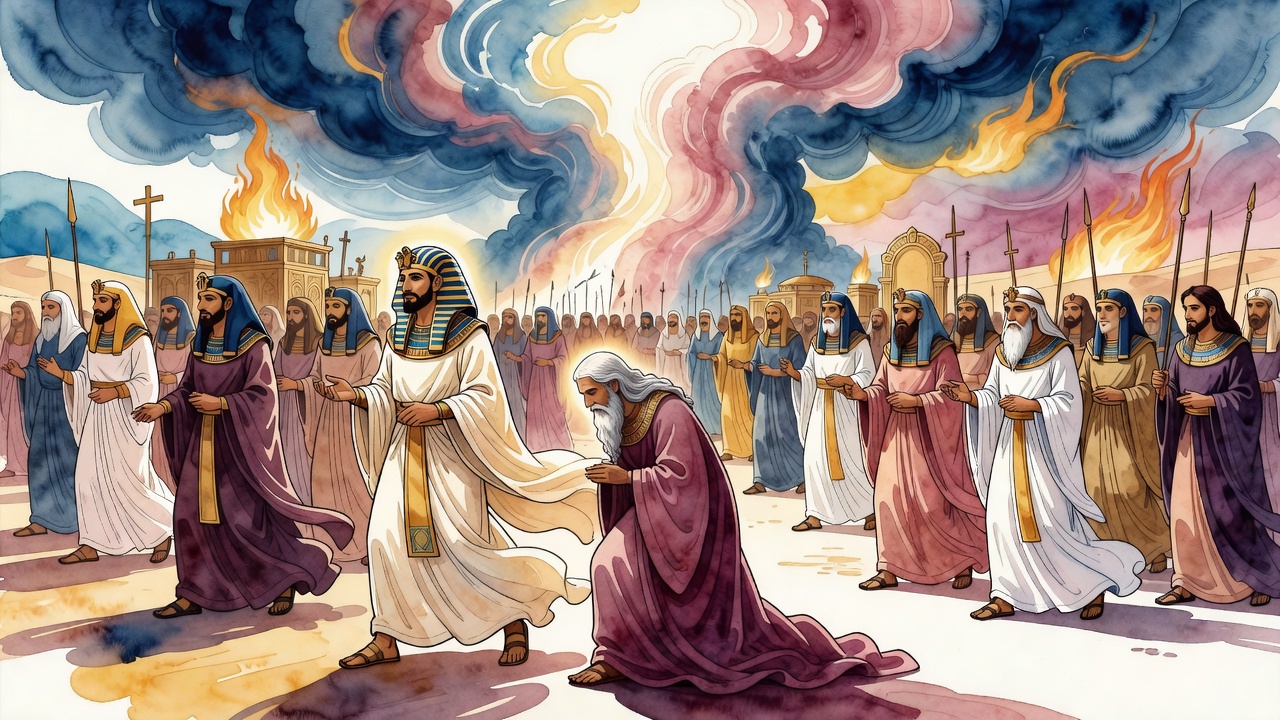
Joseph fell on his father's neck and wept. Jacob did not kiss him. He was in the middle of the Shema and he would not stop.
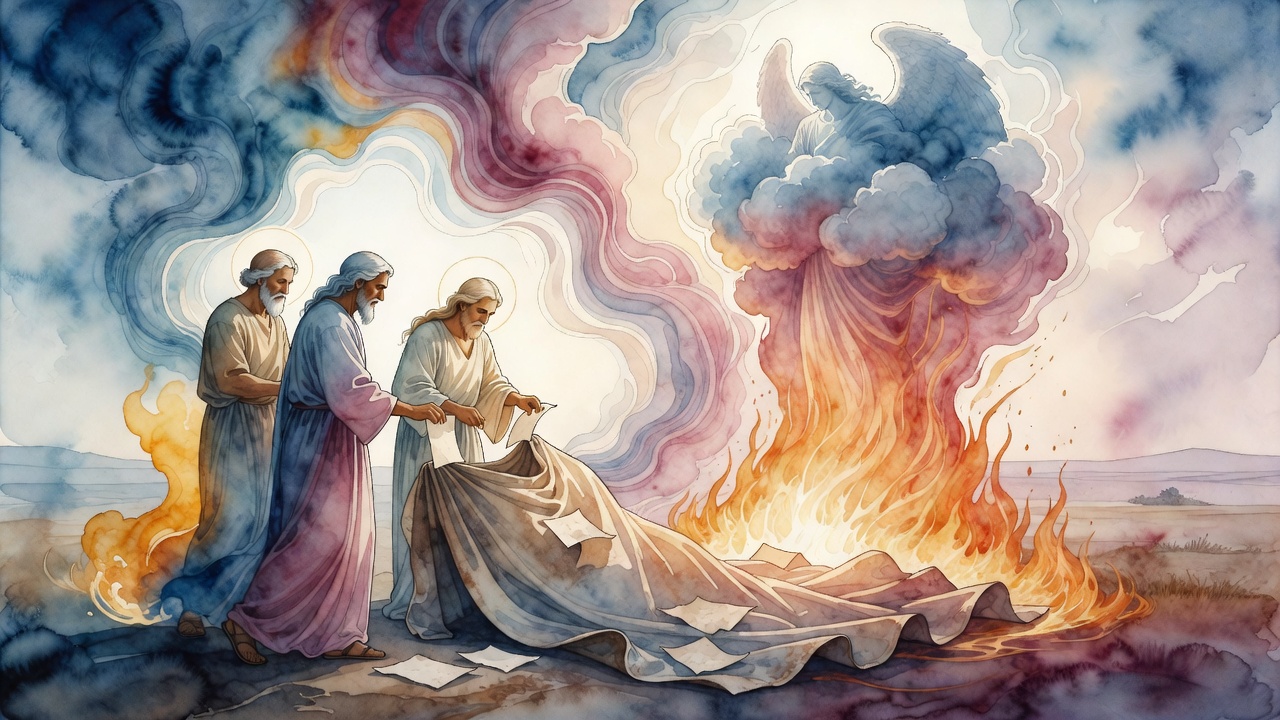
In year 1569 after creation, Noah's sons each drew a slip from their father's robe before an angel. The world was divided and given away forever.
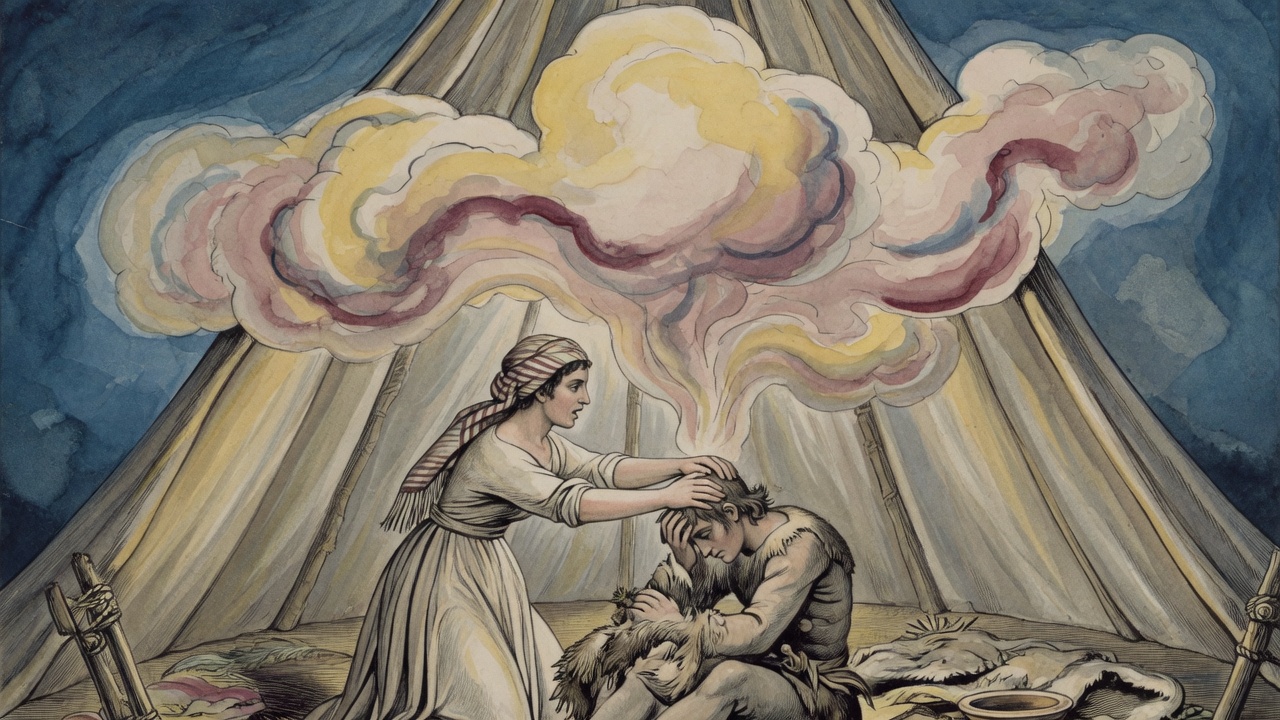
After Isaac blessed Jacob with stolen goatskins, Rebekah laid her hands on Jacob and spoke a second blessing. The holy spirit finished it for her.
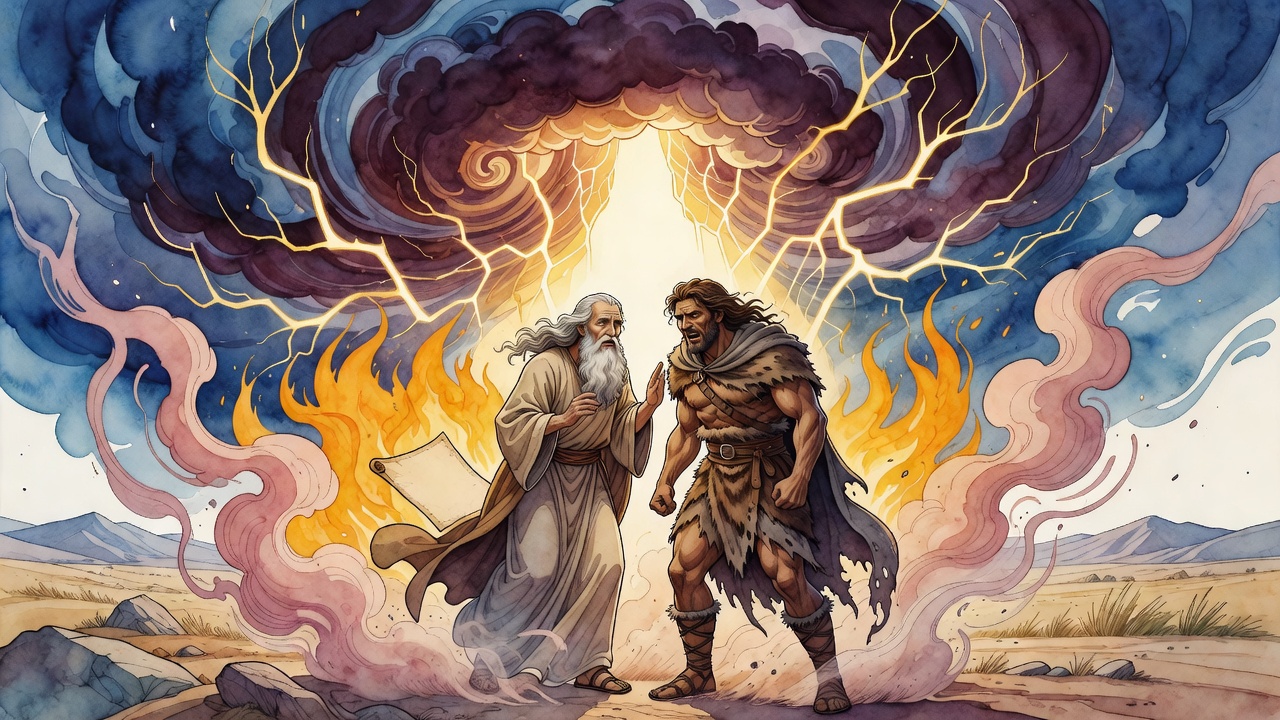
After Jacob fled with the blessing, Isaac tried to comfort Esau. God rebuked him for it. The exchange is one of the most unsettling in midrash.
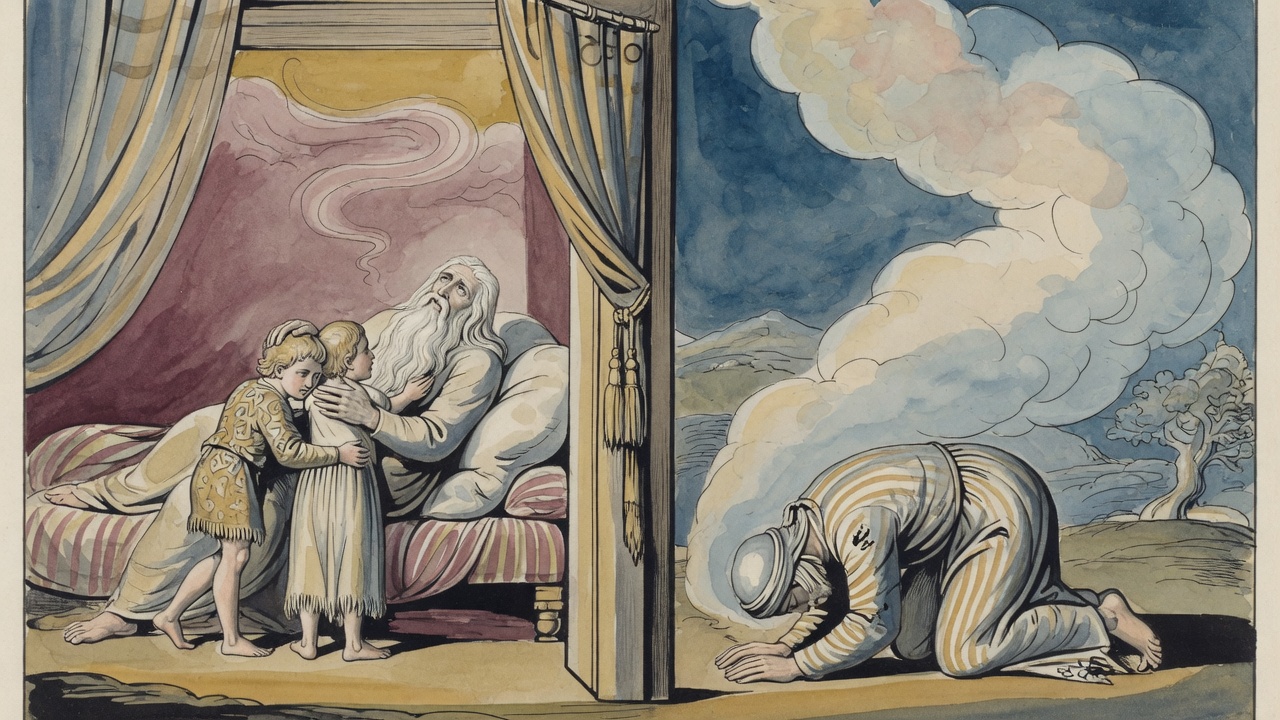
Jacob held both boys against him and waited for the spirit that had never once failed him. Nothing came. Joseph took his sons out of the room.
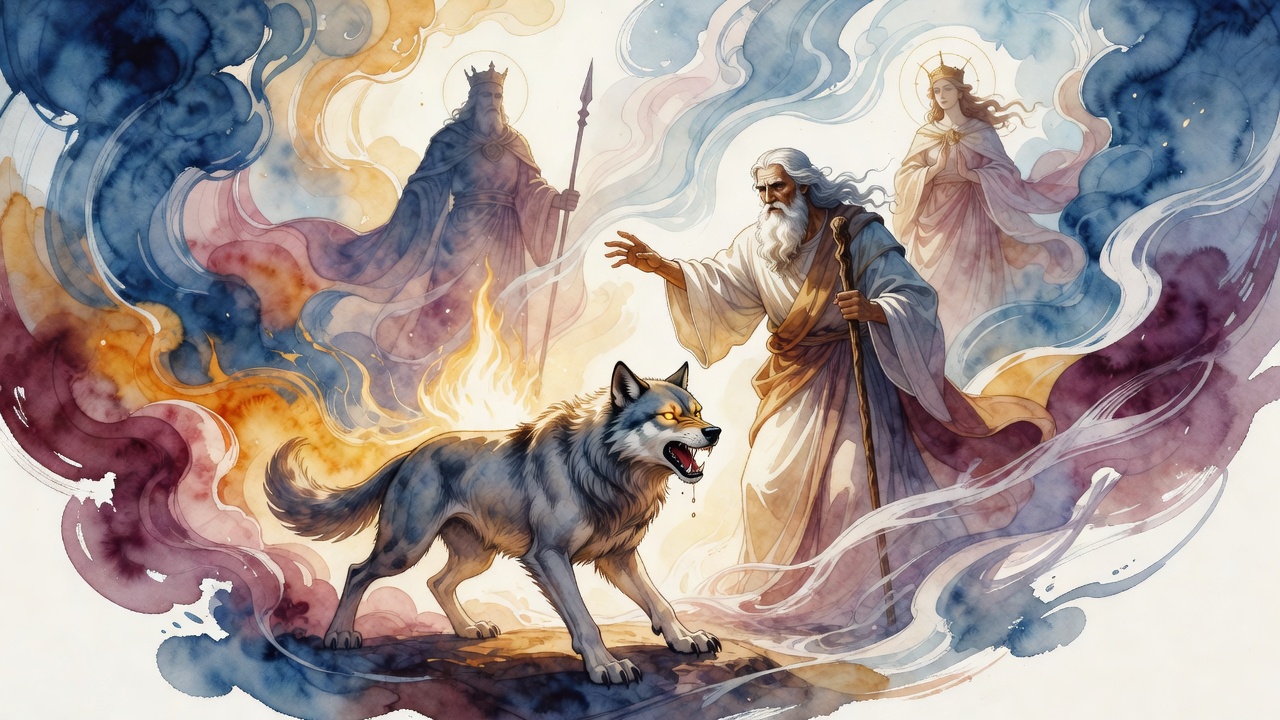
Judah led Benjamin by the hand into the Egyptian's hall. By night the silver cup was in the boy's sack, and his brothers beat him in the road.
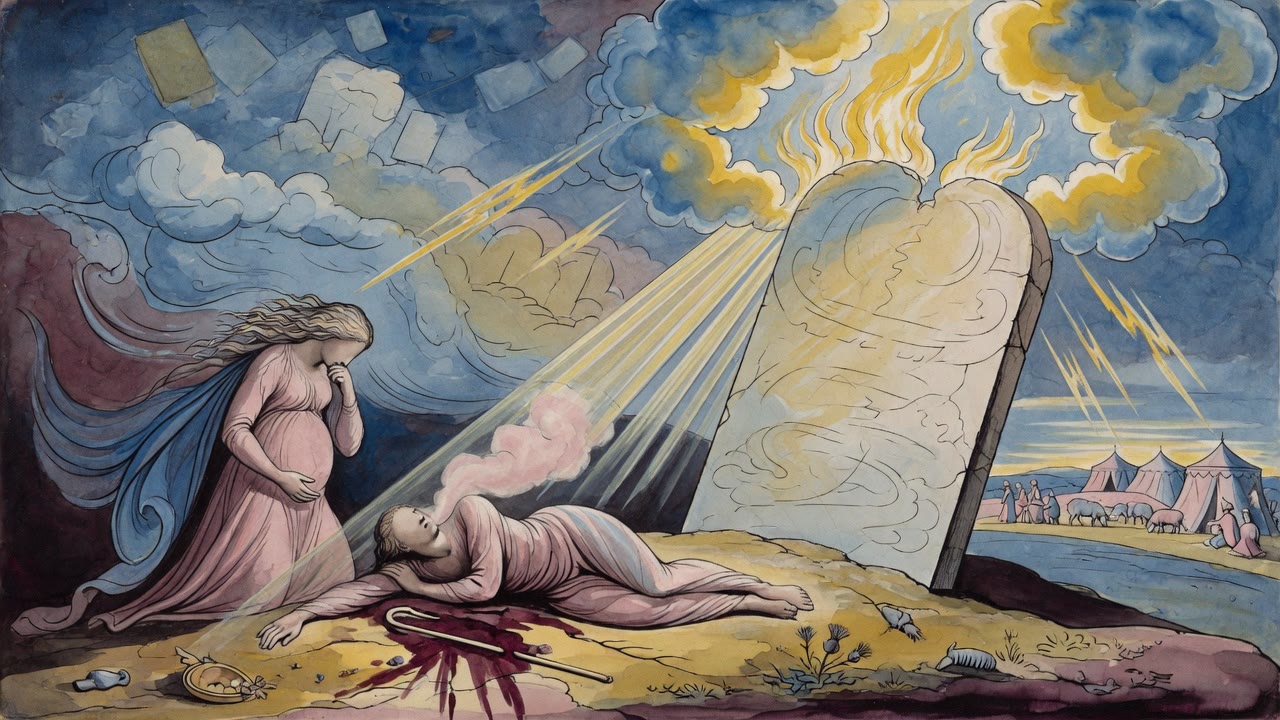
Eve named him vapor. He still picked the animals he least wanted to lose. His brother walked him into the field anyway.
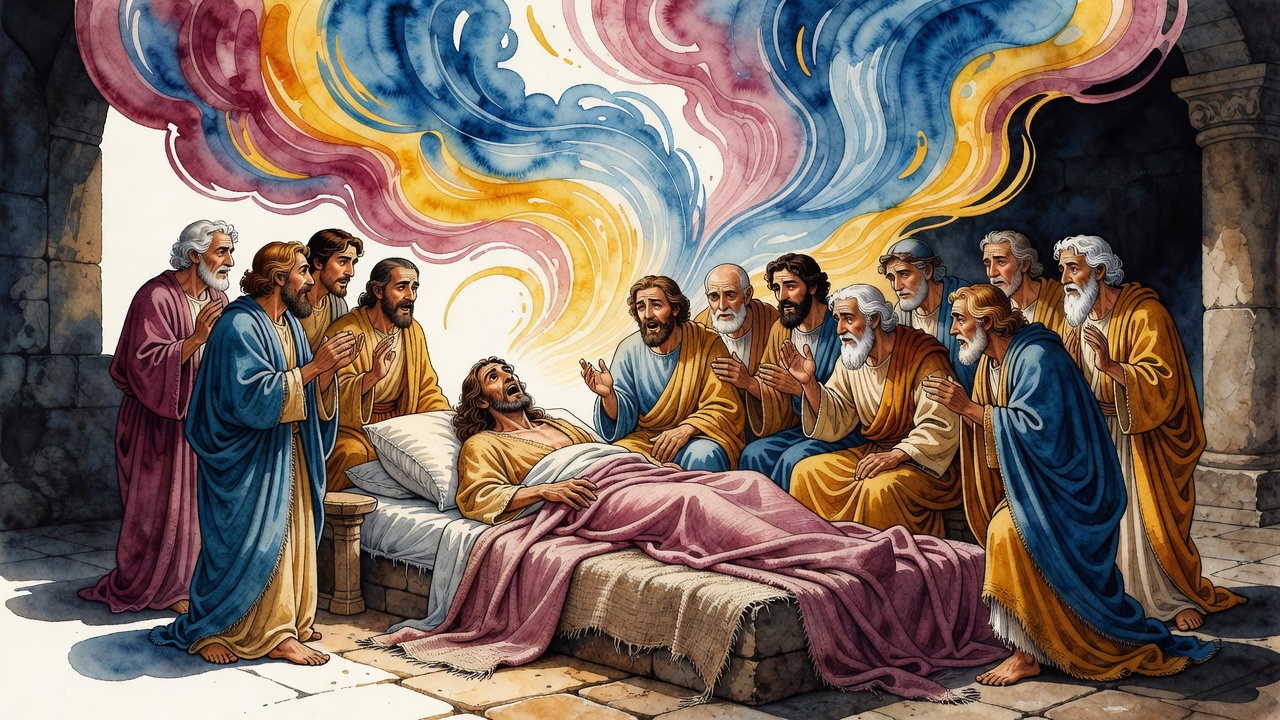
Twelve wet-haired sons waited for a date. Jacob opened his mouth, and the Presence took the year away before a number could land.
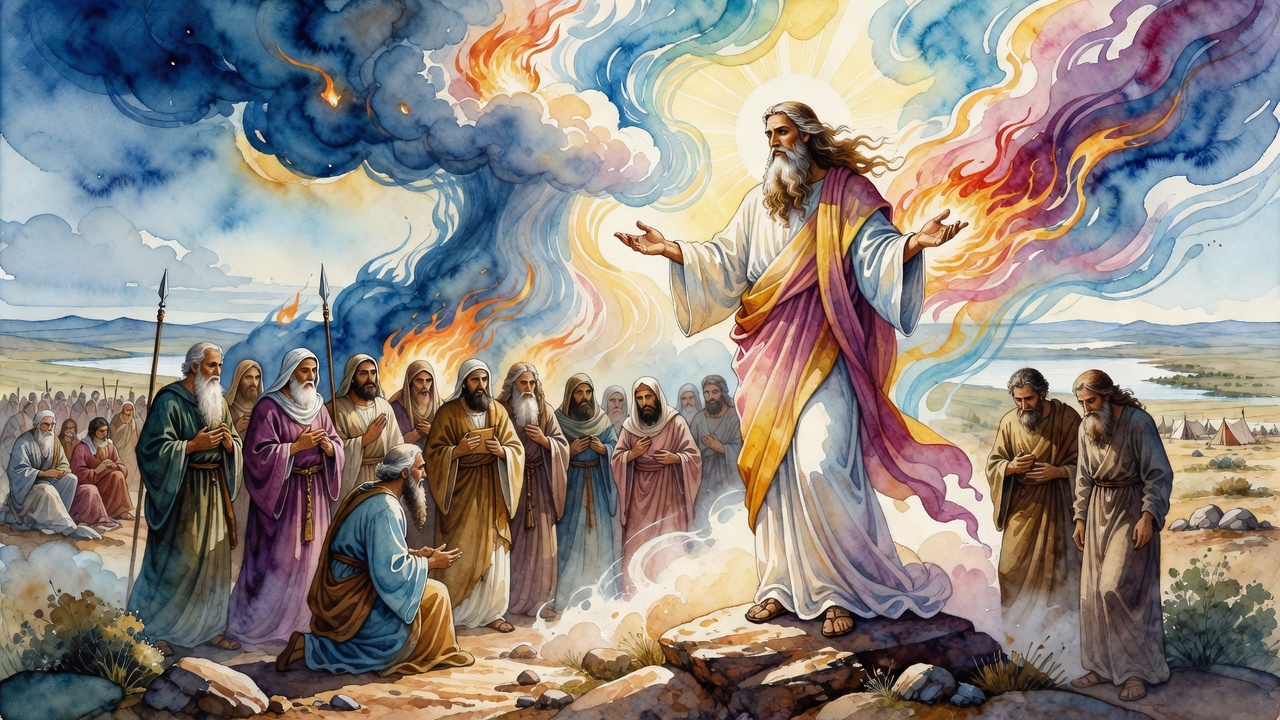
Pinchas stood over Zimri with a spear still wet. Moses kept going down the list of tribes and never reached the name that had paid nothing.
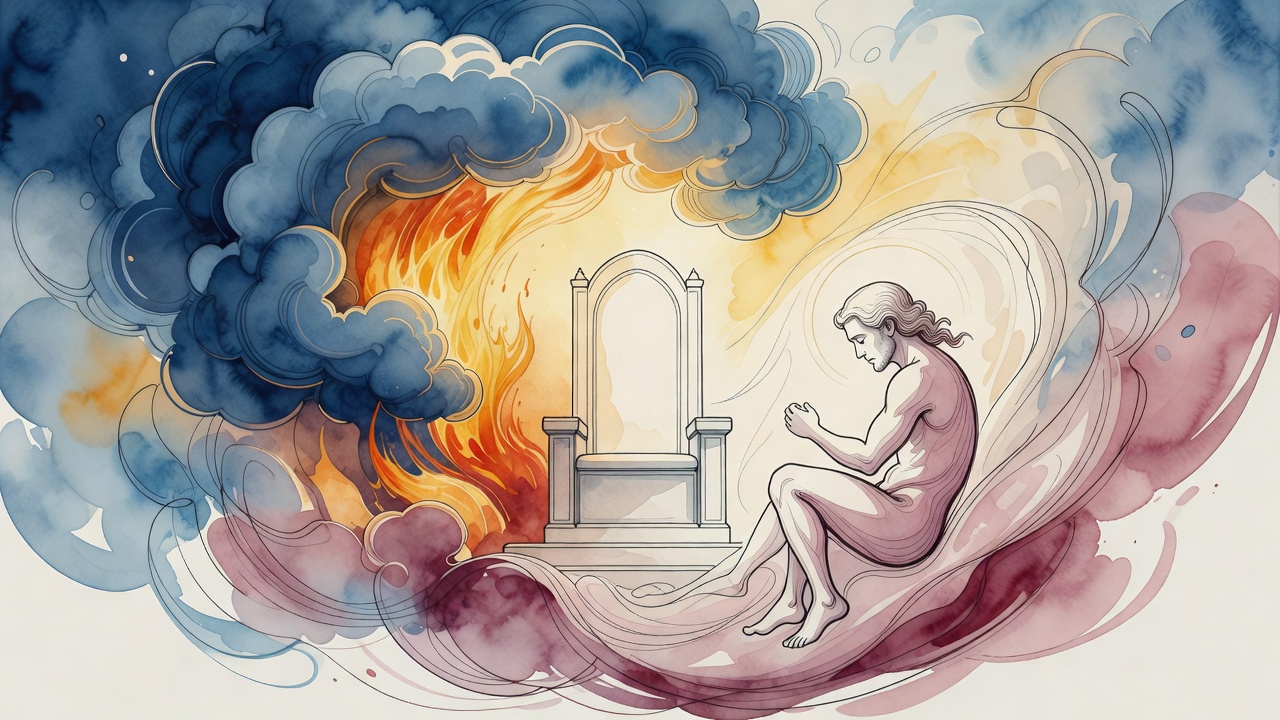
The terms of Jacob's judgment were set inside the covenant God made with Abraham. Every blessing he received came with an obligation he had not chosen.
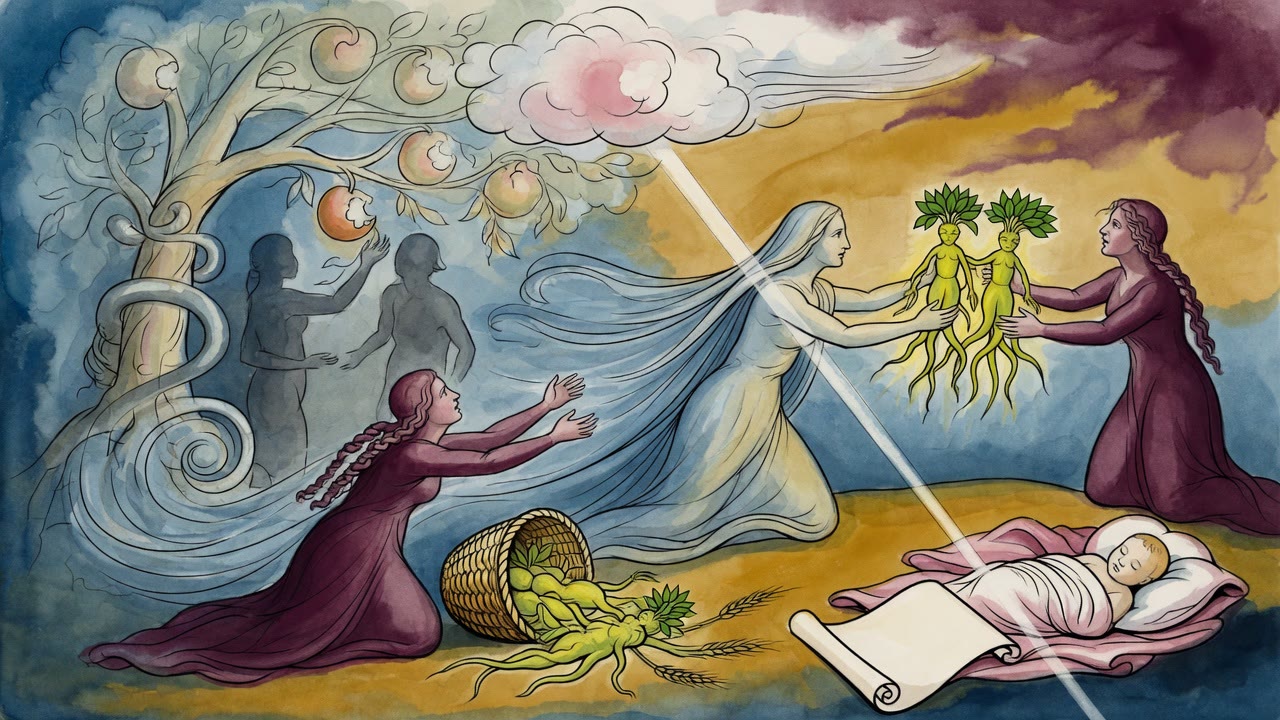
Reuben tied his father's donkey to a mandrake root and walked off. He came back to find the plant torn out of the ground and the donkey dead beside it.
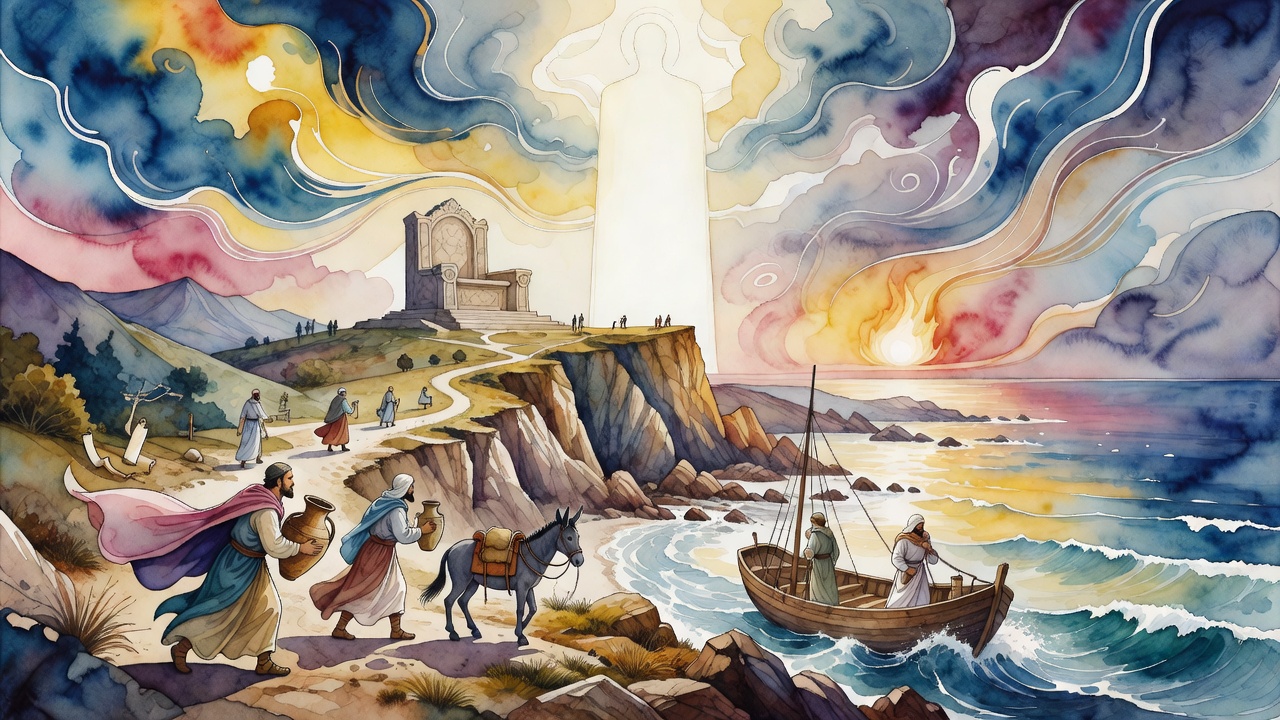
Zebulun is the forgotten tribe. No miracles, no prophets, no famous kings. Just trade routes and a coastline. The rabbis say that coastline built the Torah.
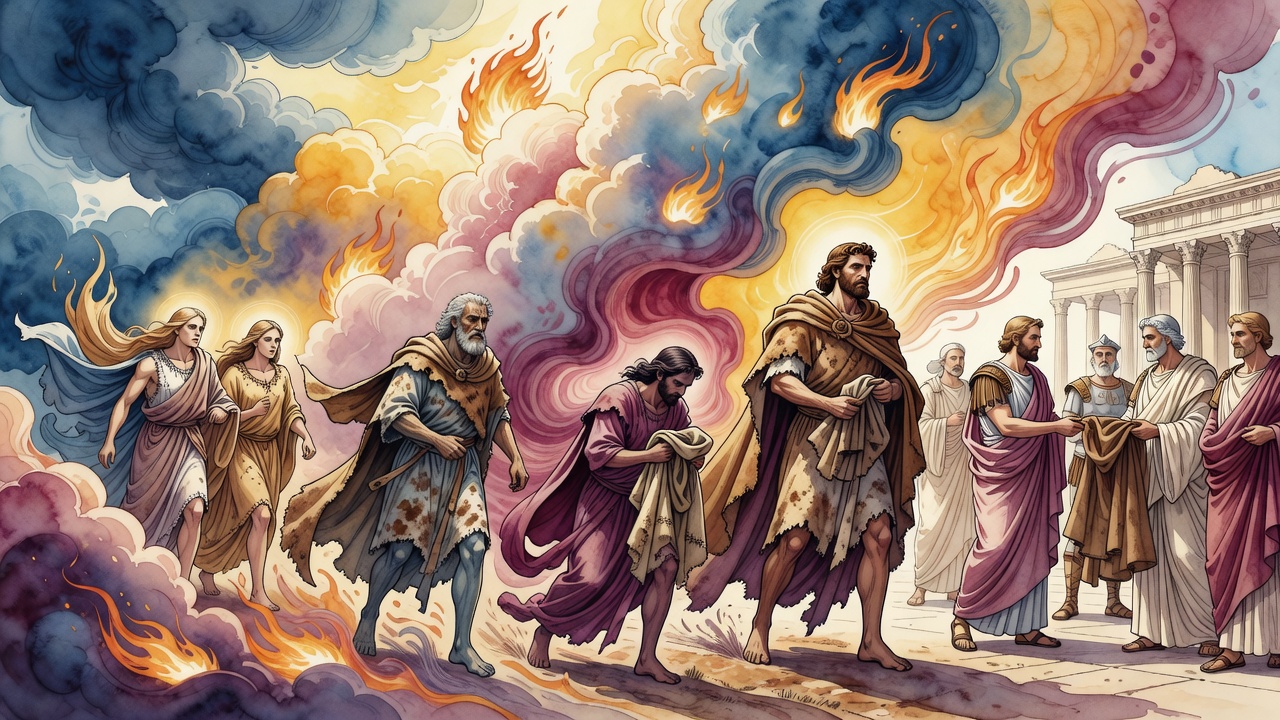
When Nimrod put on Adam's garments, the animals stood still for him. Esau killed him for them and stripped them off the body in the field.
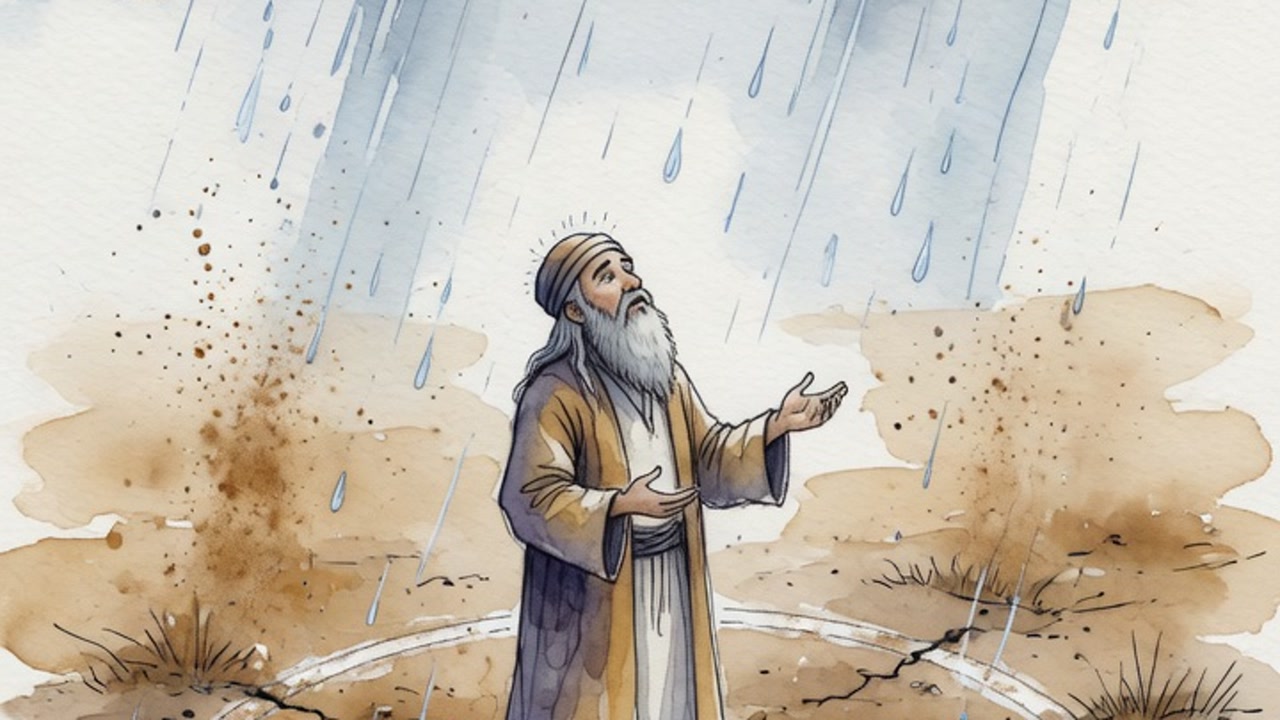
The first rain was a light drizzle, barely enough to notice. The second came down hard enough to flood Jerusalem, and people ran uphill to escape the water.
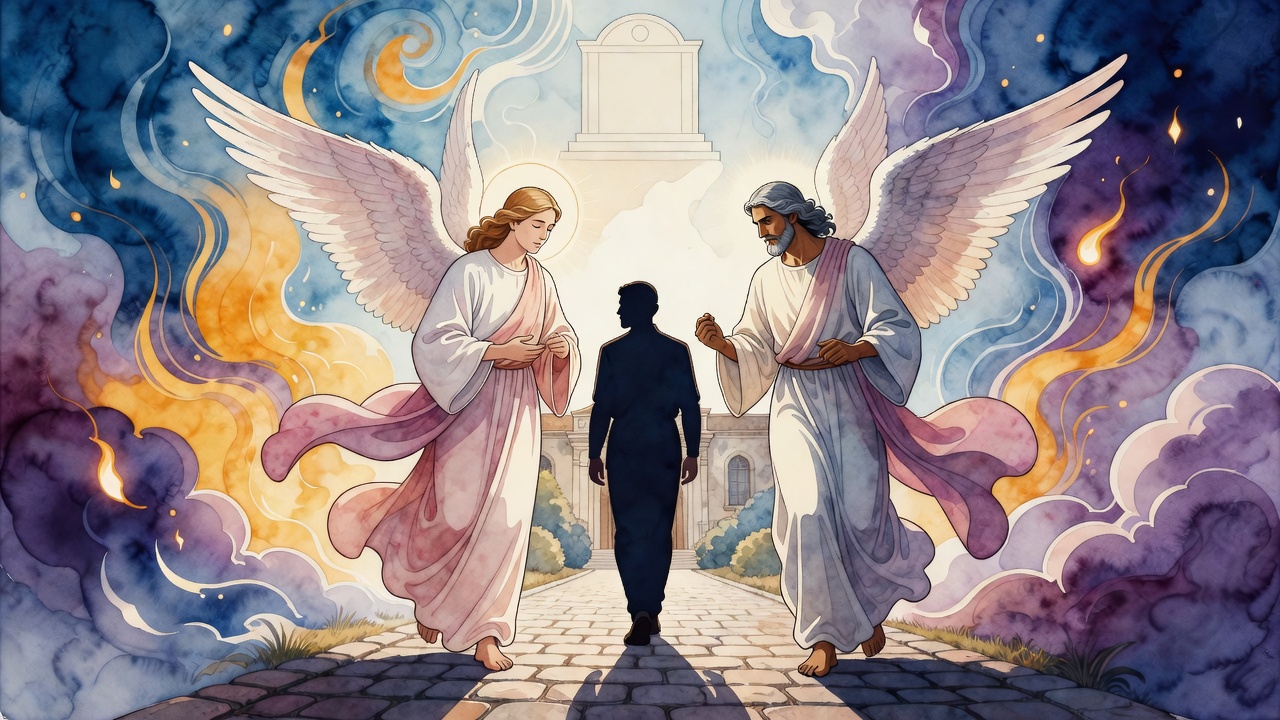
On Friday night, two angels walk home with you from synagogue, one good, one accusing, and which one speaks first depends on what they find inside.
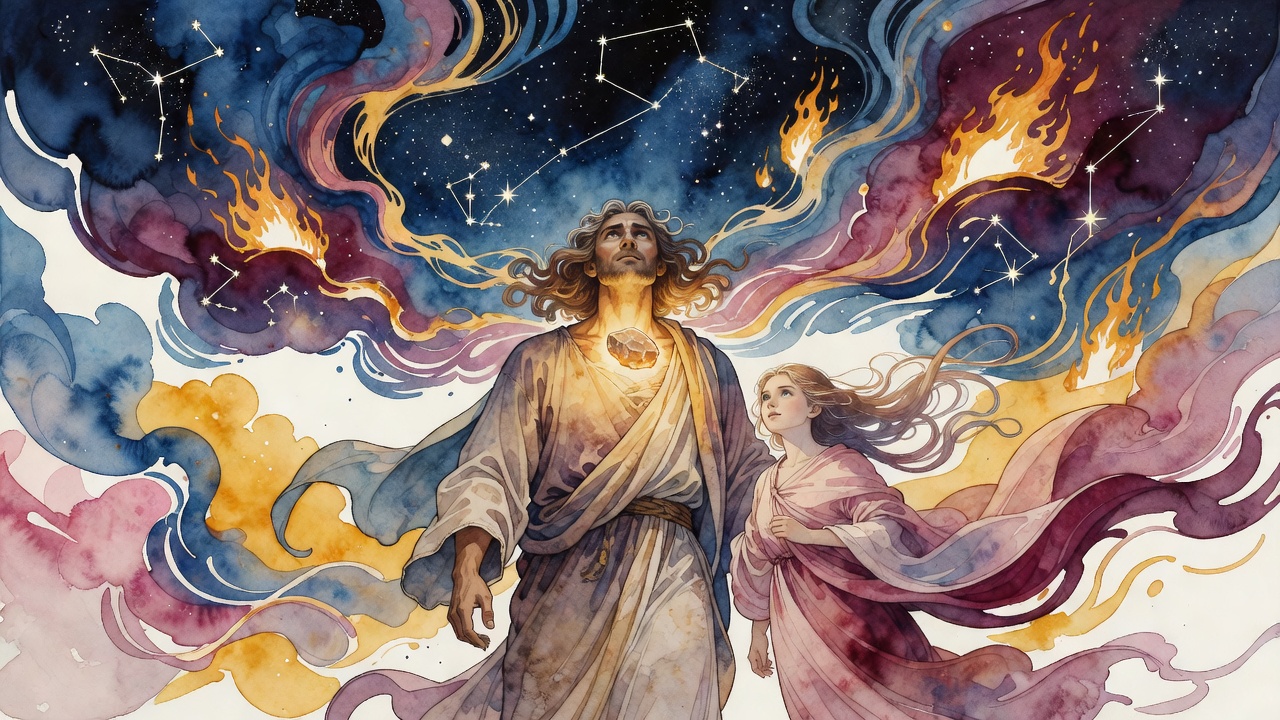
Sick men looked at the stone on his throat and stood up well. When Abraham died, God hung that stone on the wheel of the sun.
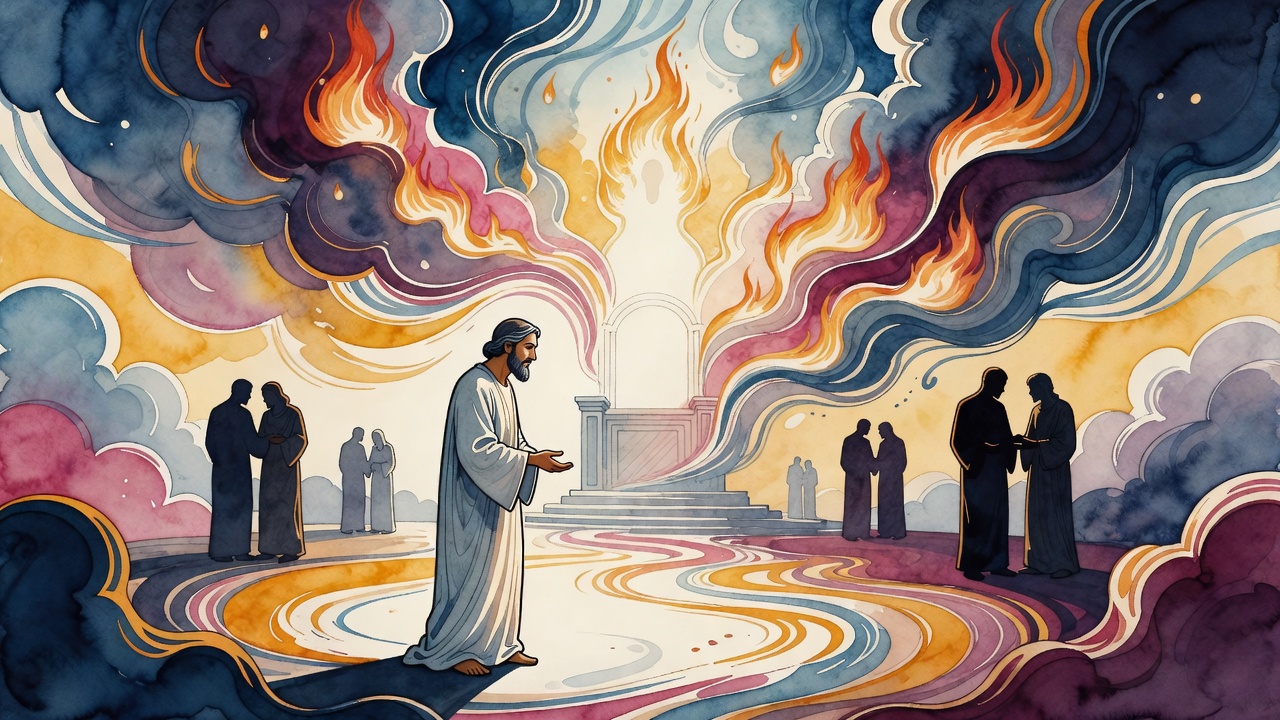
The first day of the week had the second. The third had the fourth. The fifth had the eve. The seventh counted them off and found itself standing alone.
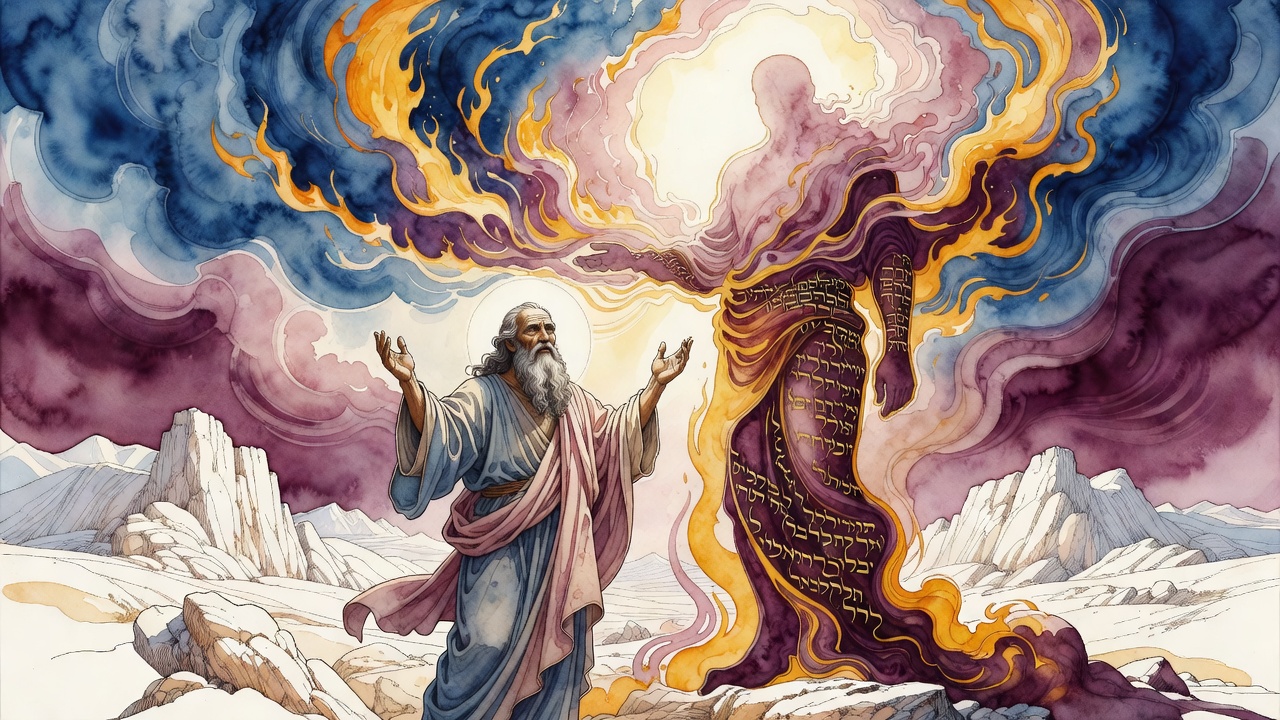
Moses blessed Israel at the edge of his life, and Devarim Rabbah says he was not standing alone. Torah stood beside him, and God stood beside Torah.
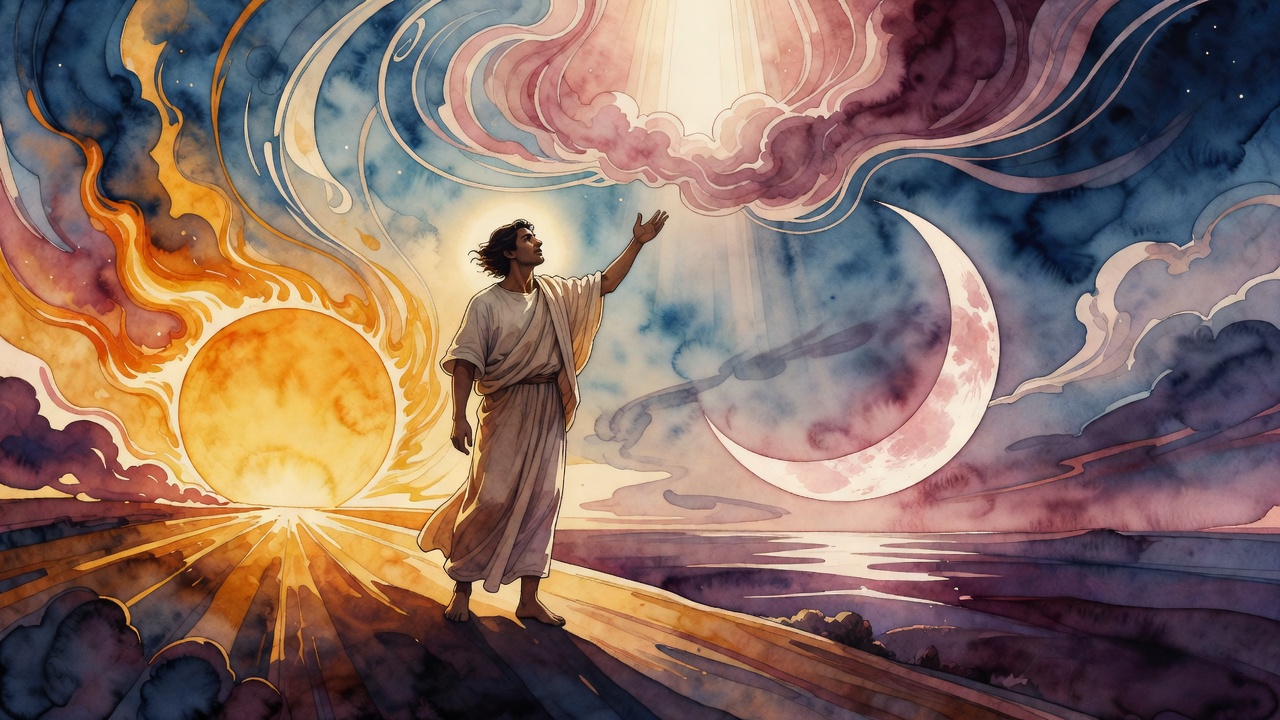
Young Abraham serves the sun until it sets, then serves the moon until it sets, and understands that anything replaceable cannot be God.
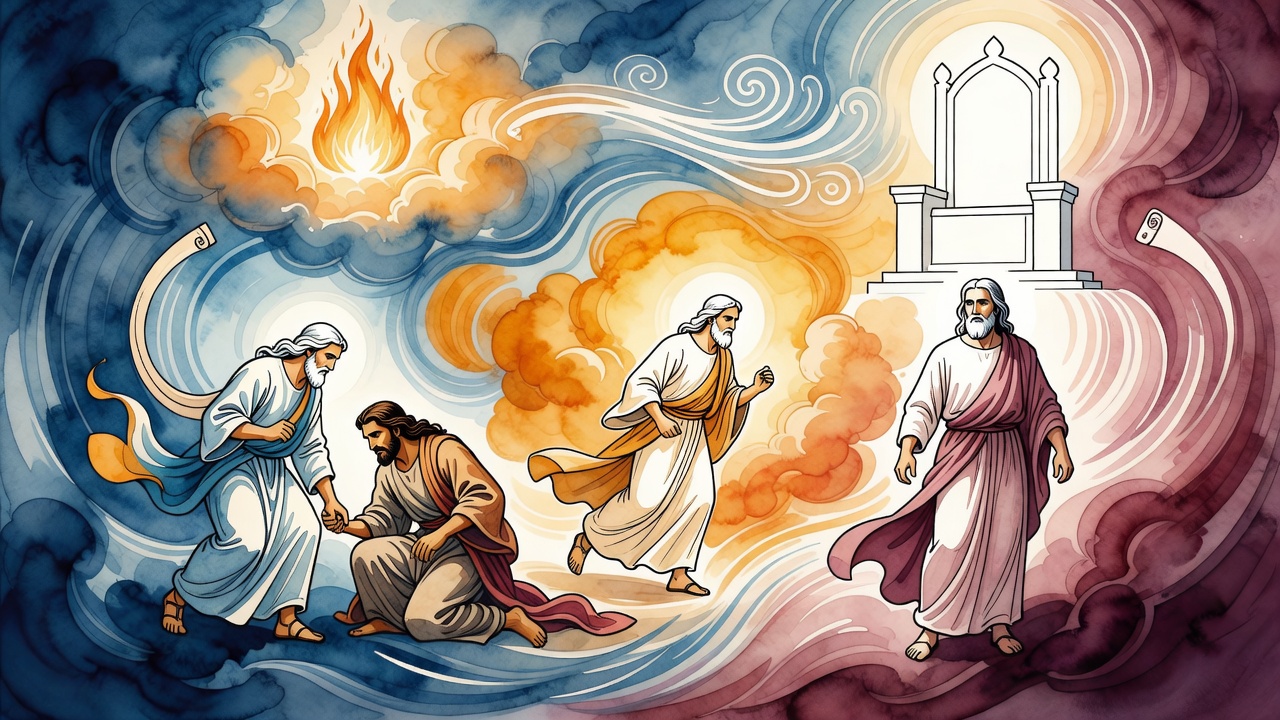
Rachel told Jacob to give her children or she would die. He shouted that he was not God. Heaven heard the answer and did not forget it.
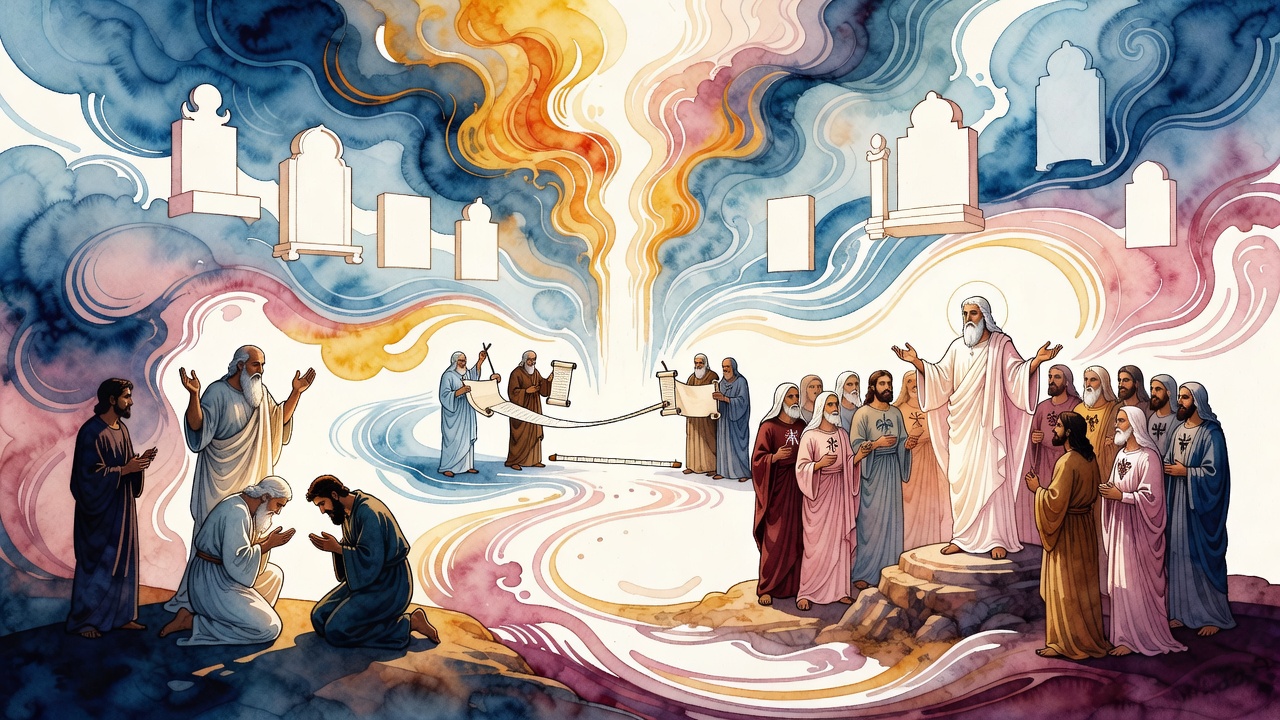
Noah blessed two of his sons and cursed a third. Moses blessed all twelve tribes. The rabbis measure the distance between the two blessings and find a world.
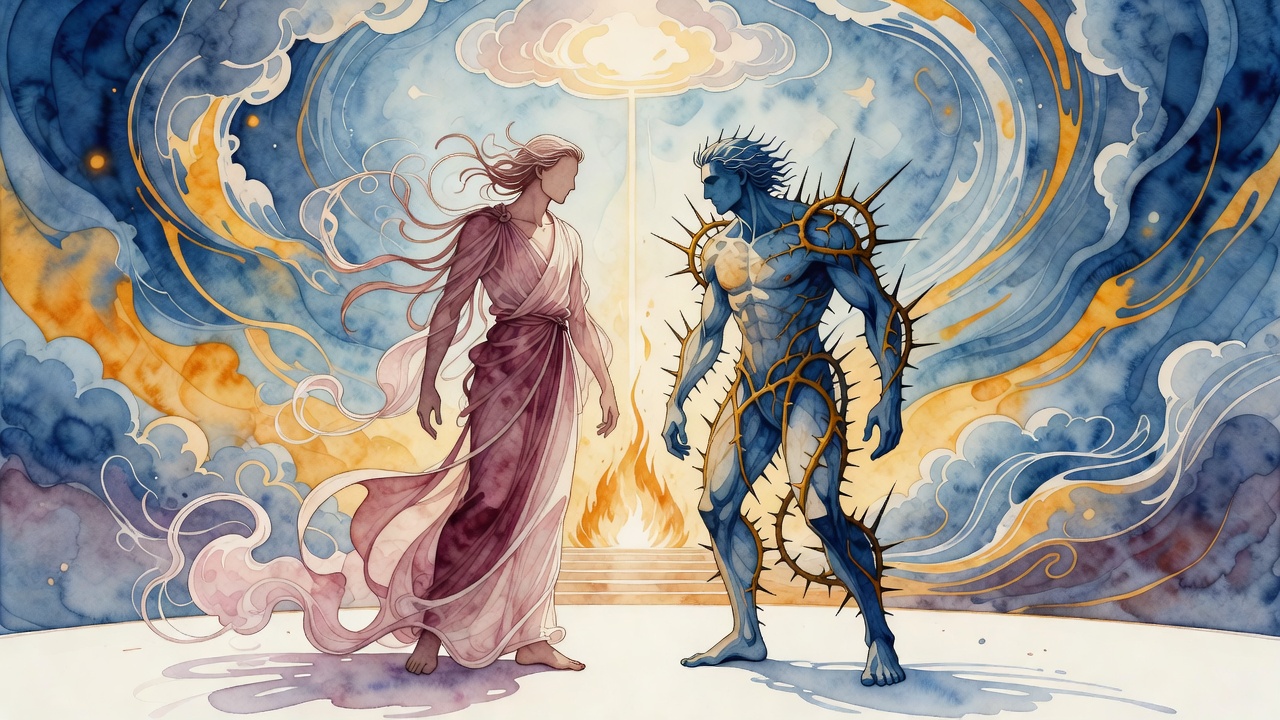
For fifteen years no one could tell Esau from Jacob. Then the myrtle breathed out fragrance, the thorn showed its thorns, and the world finally saw them.
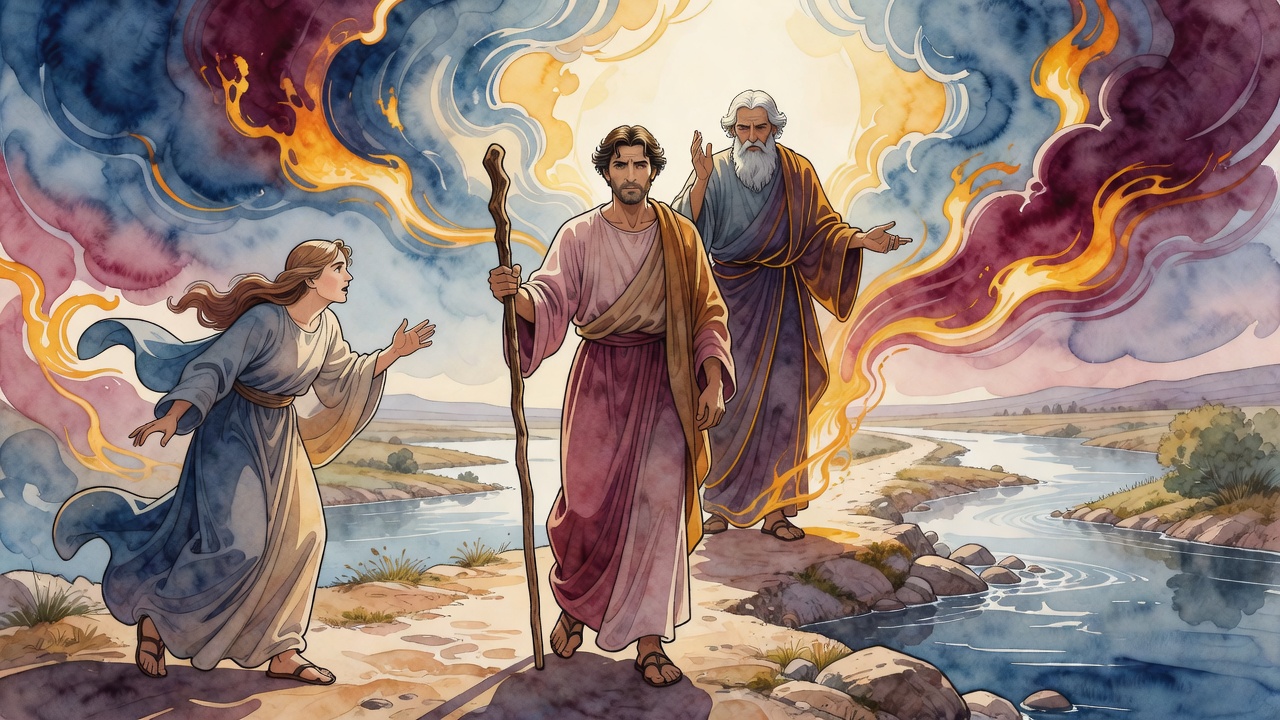
Rebekah had the road ready and the days counted. Jacob would not take a step until Isaac blessed him in the open and named the house he was bound for.
