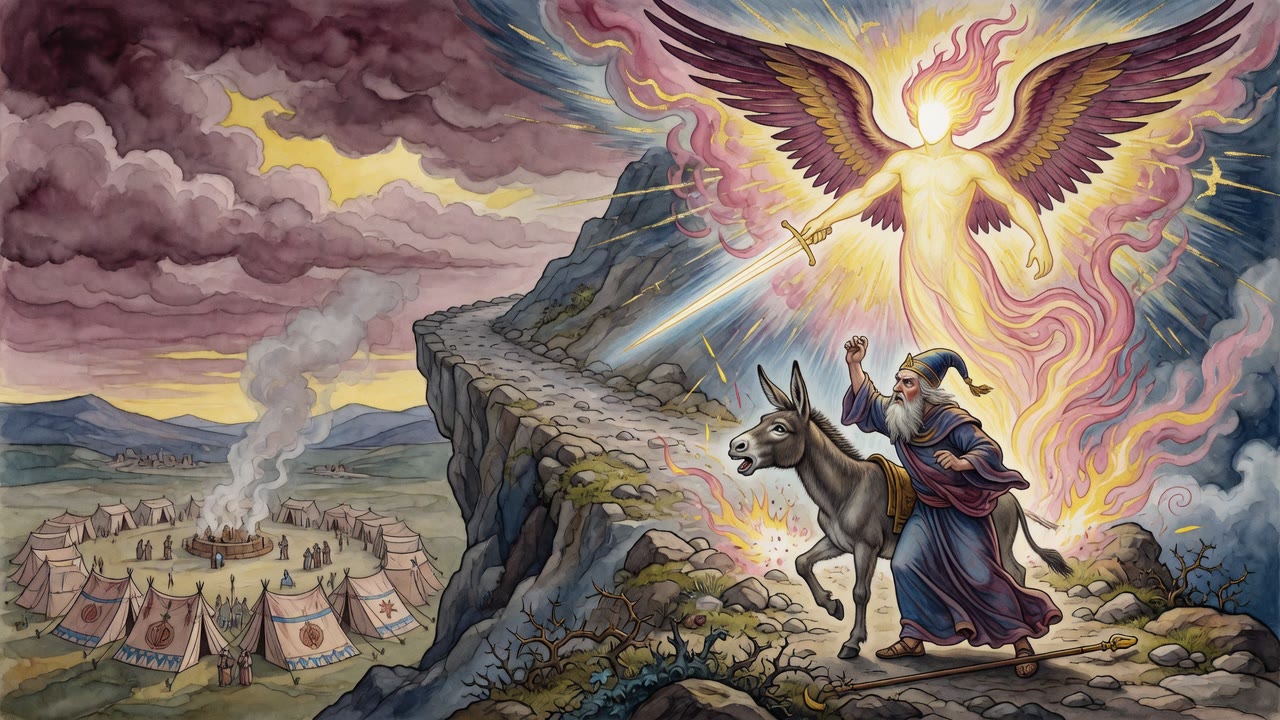
When Moses Read the Curses of Deuteronomy, the Sun Went Dark
The sun went out at midday and no tree moved. Under the ground Abraham, Isaac and Jacob shouted that nobody would be left to plead for their children.
Table of Contents
Moses stood on the plains of Moab and read out the blessings first. Rain in its season, the early rain in Marchesvan and the late rain in Nisan. Blessed walking into the houses of instruction and blessed walking out again to the day's business. Four keys stay in God's own hand and pass to no lesser power, he told them: the key of life, the key of the tombs, the key of food, and the key of rain.
 Click for full size
Then he turned to the other column and began to speak the threats.
Creation Stopped Moving
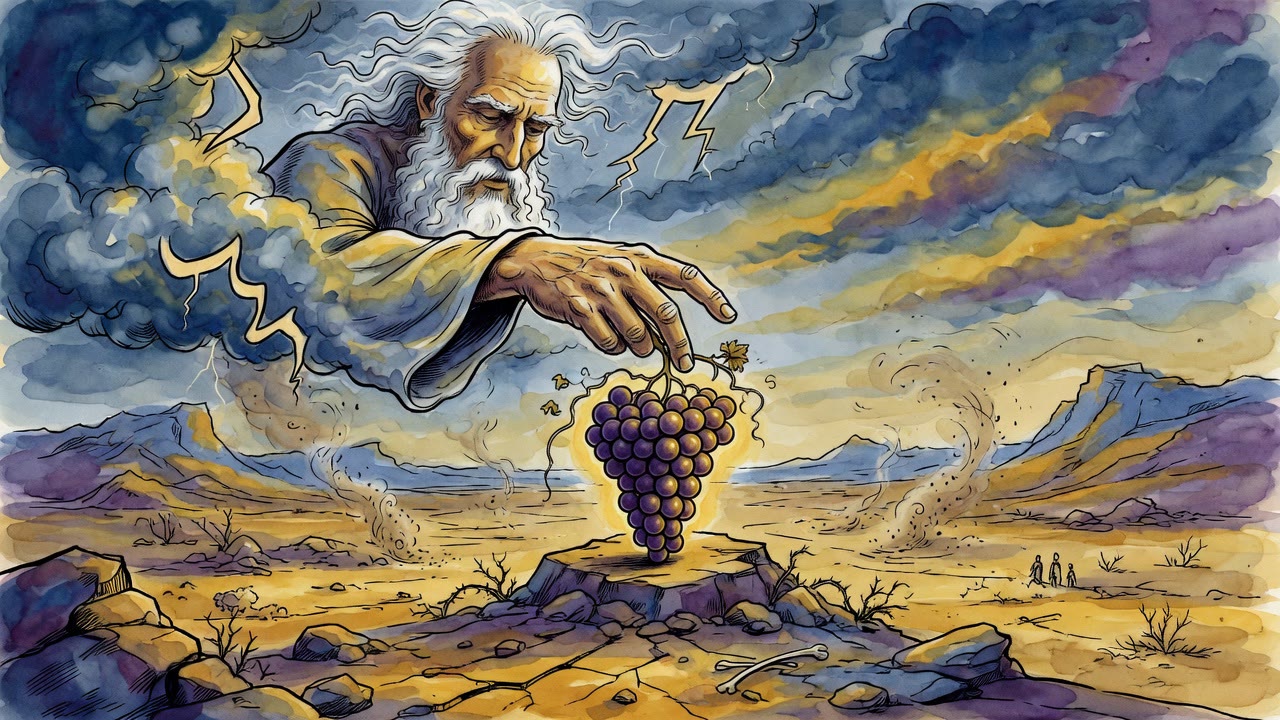
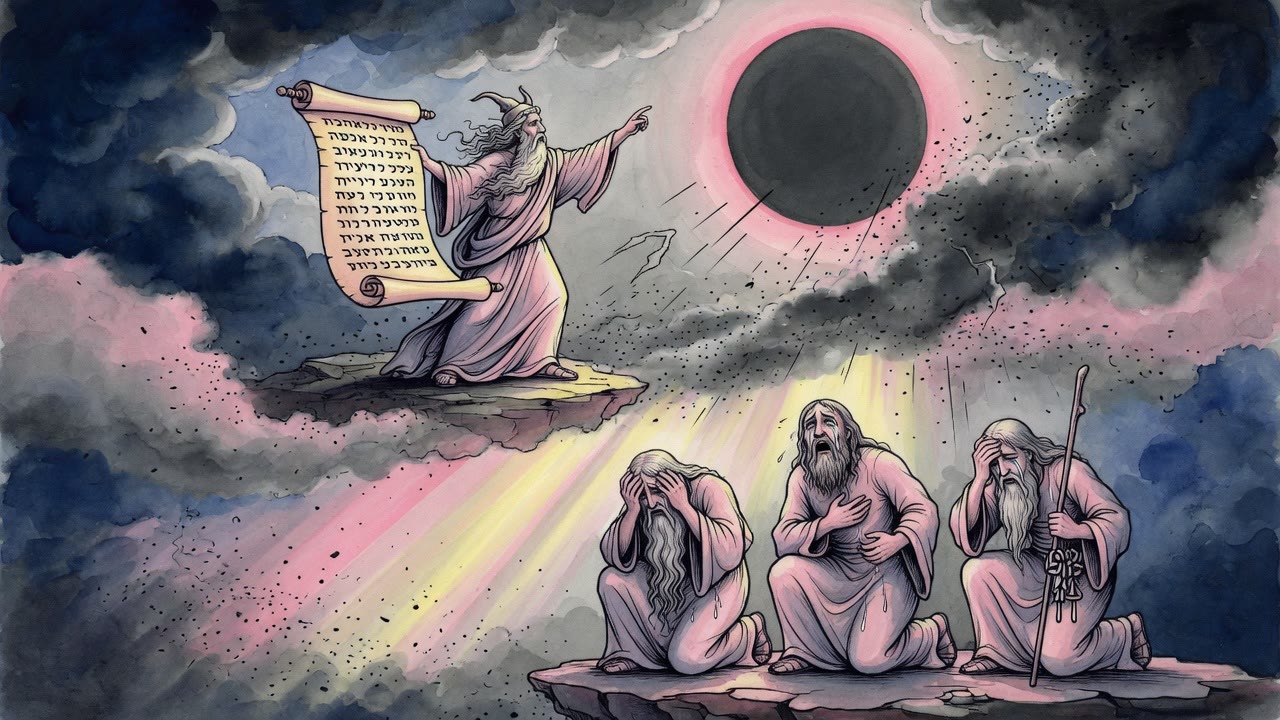
The earth shook under the camp. The sun and the moon went dark in the middle of the day and the stars pulled back their beams. Every living thing on the plain went quiet at once. Not one tree moved a branch.
Accursed going into the theatres and the places of public show. The sky over them would turn to brass that sweats and yields no rain, the ground under them to iron that grows nothing. A people would come from the end of the earth, quick as an eagle, speaking a language they could not follow, with no pity for the young.
The Fathers Cried Out of Their Graves
Under the ground, three men heard him.
Abraham, Isaac, and Jacob shouted out of their tombs while the plain held still. "Woe to our children if they sin and bring these curses down on themselves. How will they carry them? Destruction will be carried out on them, no merit of ours will protect them, and there will be no man left to stand up and plead on their behalf."
That was the fear. Not the famine, not the siege. An empty place where an advocate should have been standing.
A voice fell out of the high heavens and answered them. "Do not be afraid, fathers of the world. If the merit of every other generation fails, yours will not fail. The covenant I confirmed with you will not be annulled, and it will go on covering them."
Moses Added a Condition to Every Curse
Moses heard the dead crying and stopped reading.
"Whomever I threaten, I threaten on a condition," he said. Then he took the list back to the top. If you do not listen to the word of the Lord your God. If you do not keep the statutes I am giving you today. Only then do all these curses come and cleave to you.
He Begged the Sea and the Sea Laughed at Him
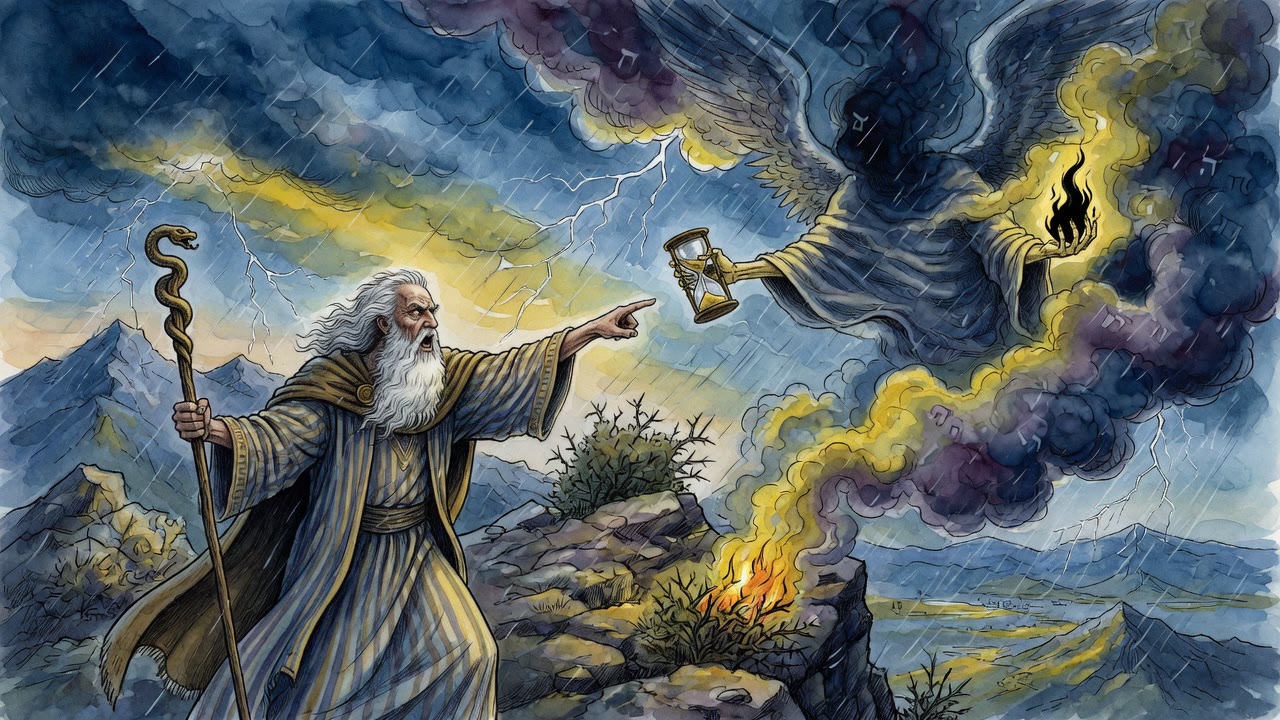
Within weeks the same voice was arguing for its own life. God told him the days were drawing near for him to die. "Is it for nothing that my feet walked the thick cloud? Is it for nothing that I ran in front of Your children like a horse? Is my end to be the worm?"
"I decreed death over the first Adam."
"Adam deserved it. You gave him one light commandment and he broke it."
"Look at Abraham, who sanctified My name in My world."
"Out of Abraham came Ishmael, and Ishmael's people provoked You to anger."
"Look at Isaac, who stretched out his neck on the altar."
"Out of Isaac came Esau, who will burn Your sanctuary down."
"Look at Jacob, out of whom came twelve tribes with no flaw in them."
"Jacob never climbed into the firmament. His feet never walked the thick cloud. He never took the Torah out of Your hand and he never spoke with You face to face."
"Enough from you. Do not speak to Me about this again."
So he went looking for someone else to plead for him. Heaven and earth said they had to beg mercy for themselves first, since the heavens would vanish like smoke and the earth wear out like a garment. The stars said the same. The mountains said the same. Then he went down to the sea.
The sea knew him. "Son of Amram, how is today different from other days? Are you not the one who came at me with your rod and split me into twelve parts? I could not stand in front of you then, because the Presence was walking at your right hand. What has happened to you today?"
Moses cried out. "When I passed through you I was a king of the world. Now I am flat on the ground and nobody pays attention to me."
He climbed to the archangel of the Presence. "My master Moses, why wear yourself out," the angel said. "I heard it from behind the curtain. Your prayer on this matter is not heard."
Moses put both hands on his head and sobbed. "Who is left for me to ask?"
The Rope Held at Both Ends
"Moses, I swore two oaths," God said. "One that you would die, one that I would destroy Israel. Cancelling both is impossible. If you want to live, Israel goes."
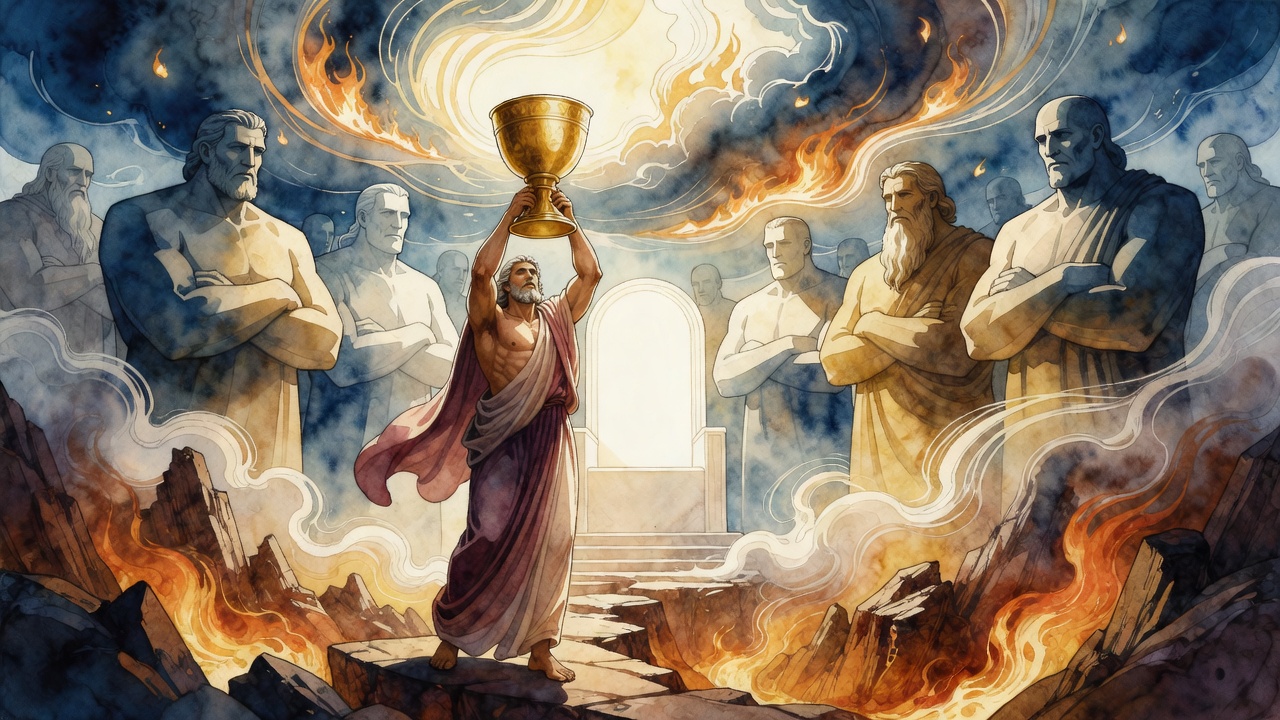
"You are coming at me with a plot. You are holding the rope at both ends." He took no time over the rest of it. "Let Moses be destroyed and a thousand like him. Do not let one person in Israel be destroyed."
Out on that plain the dead fathers had been afraid that no man would be left to stand between their children and the curse. One man was standing. He had just traded himself away.
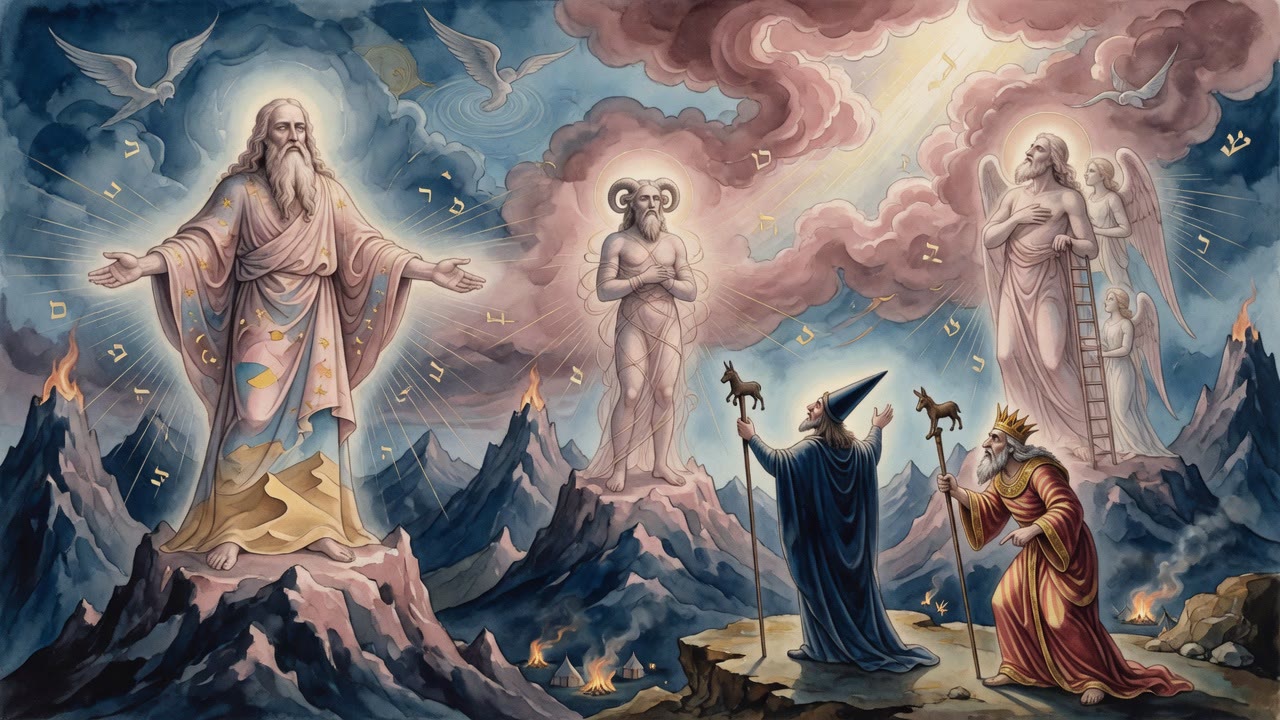
Metatron came and fell on his face. "Master of the world, in his life he was Yours, in his death he is Yours."
God answered with a king whose son angered him daily, and daily the mother pulled the boy out of his hand, and when she died the king wept for the son and not the wife. "It is not over Moses alone that I am weeping. It is over him and over Israel. Look how many times they angered Me, and he stood in the breach and turned My anger back."
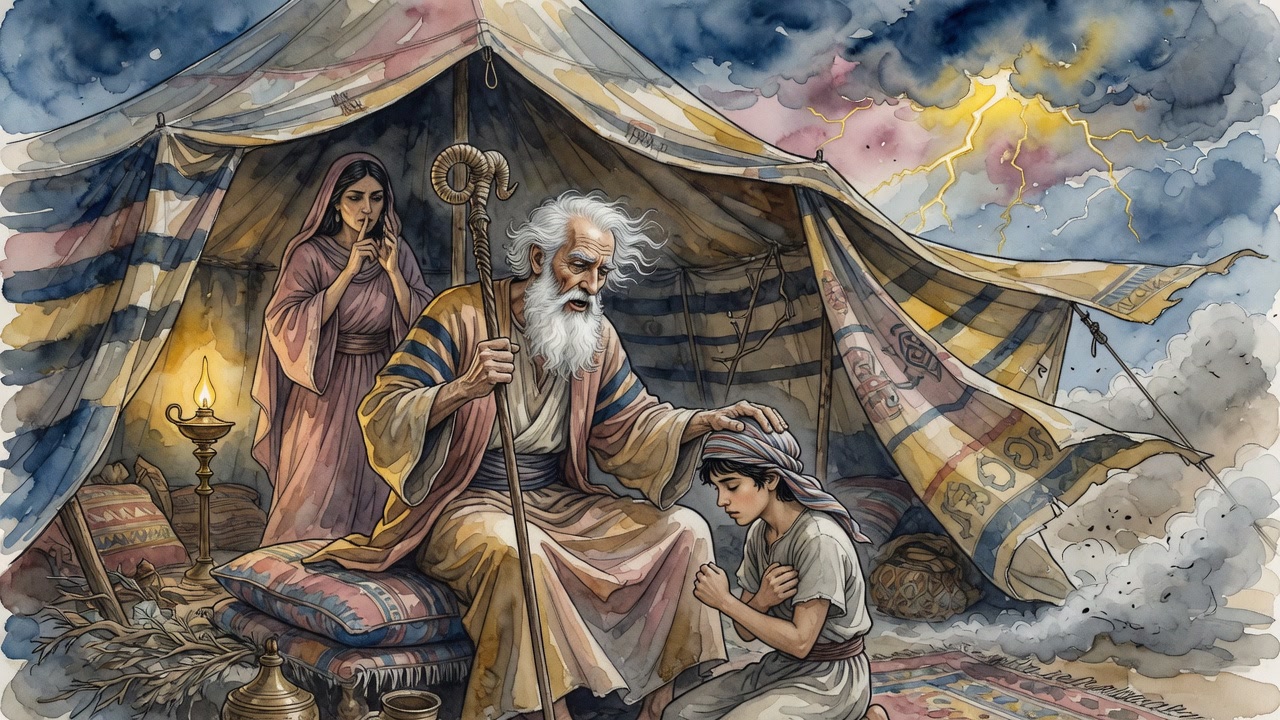
They came and told Moses the hour had arrived. He asked them to wait while he blessed Israel, because his people had never had much joy from him, only rebukes and warnings. He blessed the tribes one by one, saw the time running short, and swept the rest into a single blessing. Then he asked their forgiveness for how hard he had been about the Torah, and they gave it, and asked his pardon in return.
They came again. "The half moment has arrived."
He took his two arms and laid them across his heart. "See the end of flesh and blood."
They answered him, "The hands that took the Torah from the mouth of the Almighty are going down into the grave."
His soul left him with a kiss. Israel did not bury him and the angels did not bury him. God buried him in the valley outside the land, so that the ones who die outside the land might live again through his merit.
← All myths