Rebekah Gave Jacob a Secret Blessing From the Holy Spirit
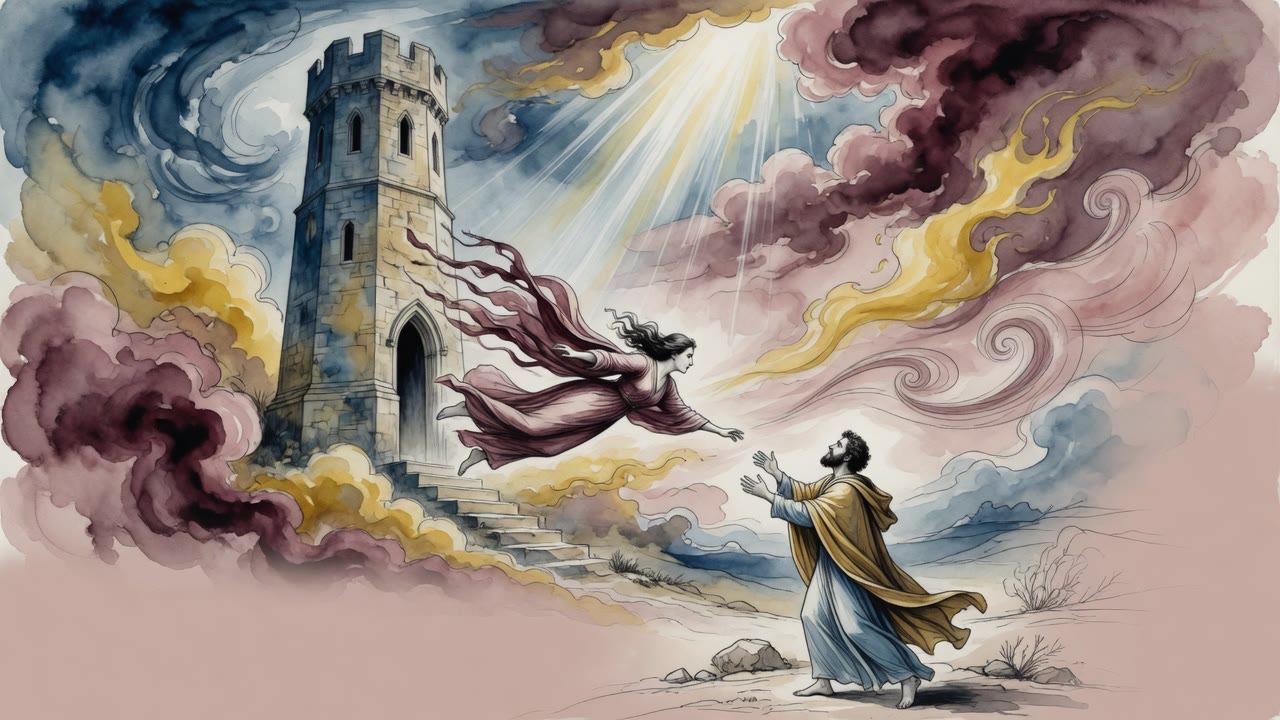
After Isaac blessed Jacob with stolen goatskins, Rebekah laid her hands on Jacob and spoke a second blessing. The holy spirit finished it for her.
Table of Contents
 Click for full size
The Blessing Isaac Gave and the One He Did Not
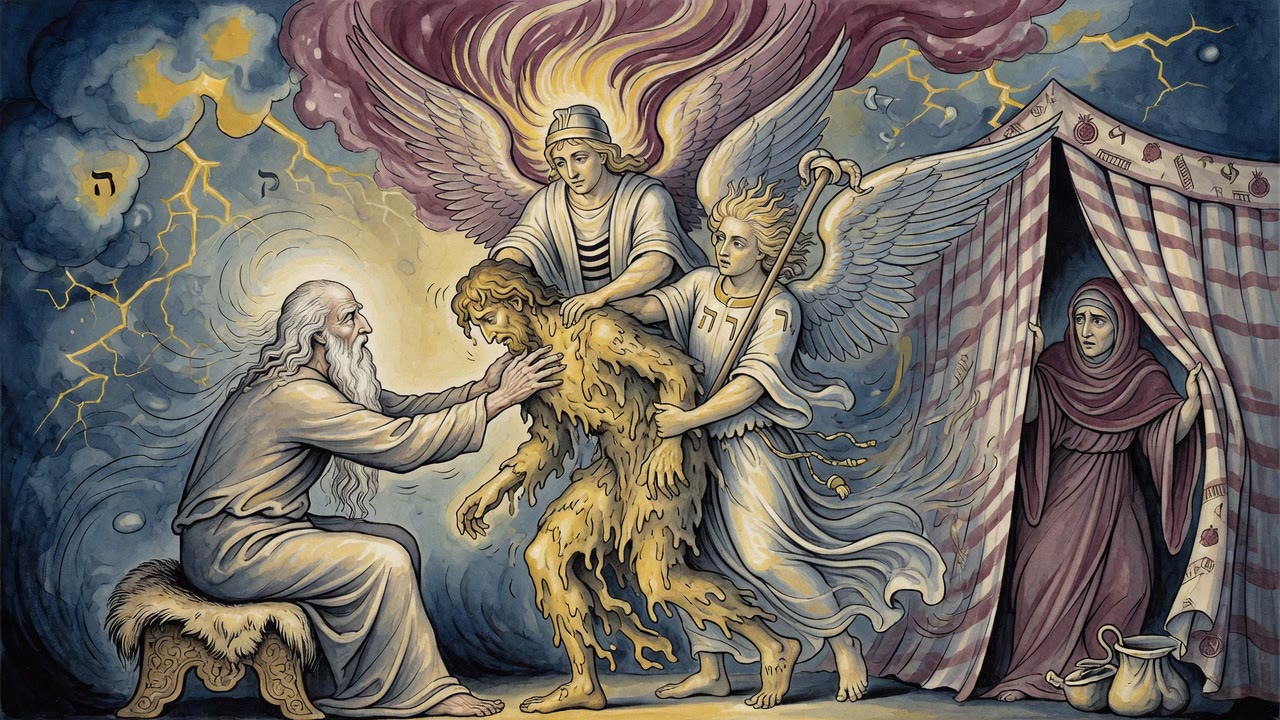
Isaac's blessing is the famous one. The goat skins on Jacob's arms, the savory meat in the bowl, the blind man's hands reaching out and feeling the rough skin, the smell of Esau's clothes. Isaac said: "May God give you the dew of heaven and the fat of the earth." He meant those words for Esau, and they landed on Jacob instead, and by the time Isaac realized what had happened it was too late to take them back. What has been blessed is blessed.
The blessing Rebekah gave Jacob afterward is not in the Torah at all.
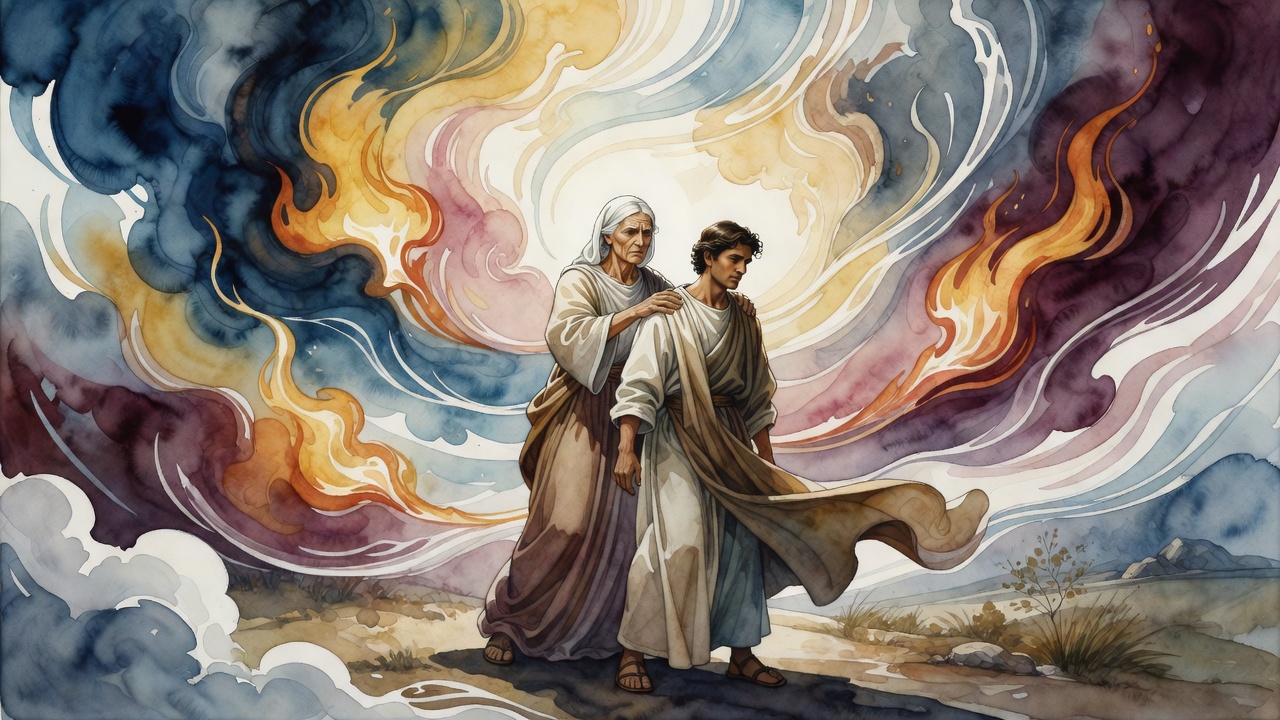
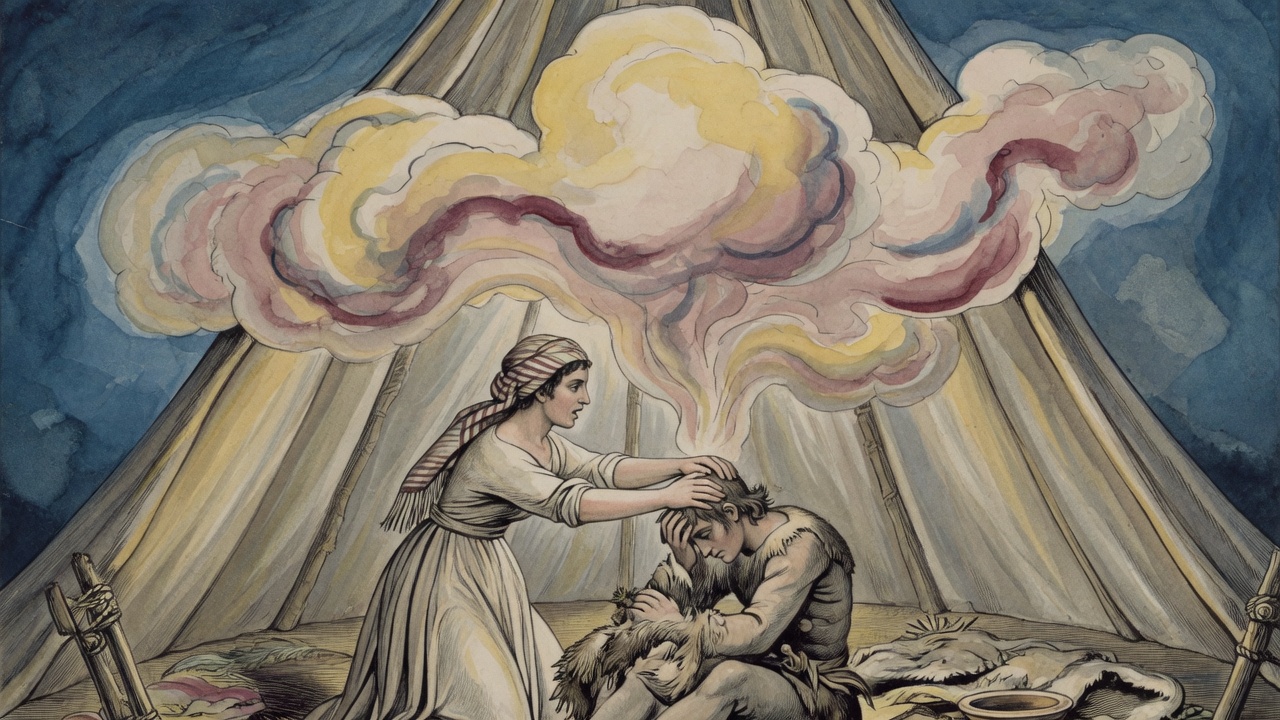
After the deception was complete, after Isaac had sent Jacob away to Haran with Laban, Rebekah drew Jacob to her and laid her hands on his head. She had been carrying a prophecy since before his birth. She had kept it for decades, acting on it when the moment arrived and the right blessing needed to reach the right son. Now Jacob was about to leave. She was not done.
The Angels She Called to Accompany Him
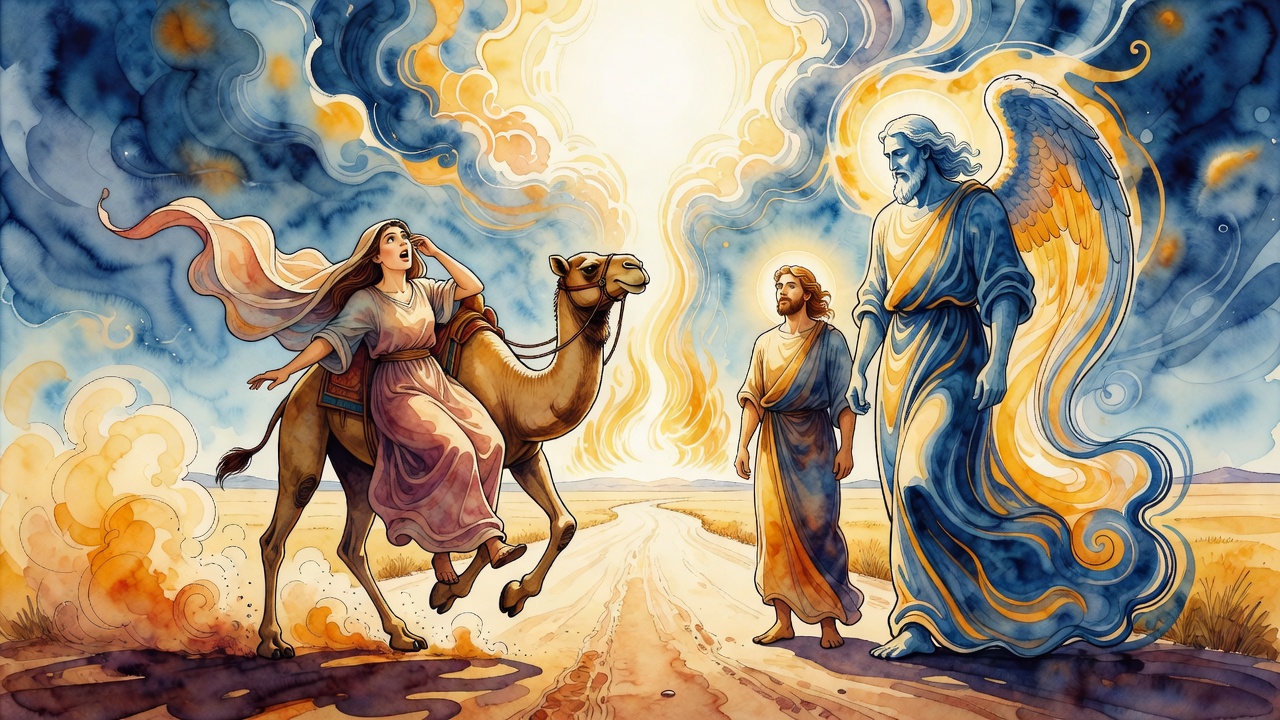
She invoked the angels. The ones who keep God's servants in all their ways. The ones who bear them up so their feet do not strike stone. She invoked the protection of the One whose name Jacob knew. She asked that every guardian available to the children of the covenant be stationed around her son on the road to Haran, through Laban's house, and back.
She blessed him from her own understanding, from everything she knew about what Jacob was carrying and what was waiting for him. She had arranged the deception that made the blessing possible. She had understood before Isaac that the covenant had to pass through Jacob. She had understood before Jacob that the cost would be exile. She was blessing him out of a knowledge deeper than maternal love, out of a prophetic certainty that she had held for thirty years and never shared with anyone.
When the Holy Spirit Finished Her Sentence
Then the holy spirit spoke through her. The tradition marks this moment carefully: the blessing Rebekah gave was her own, but the blessing that completed it was not. The holy spirit added to her words that God would answer Jacob in his distress, that He would be with Jacob wherever Jacob went, that Jacob would return to his father's house and his father's God would be his God.
The Words He Would Hear Again at Bethel
These were the same words Jacob would hear in his own voice at Bethel, in the dream of the ladder, when God spoke to him directly for the first time. The promise that came to him in a dream on the road had already been spoken over his head by his mother, in private, before he took a single step.
He left not knowing all of it had already been said.
← All myths