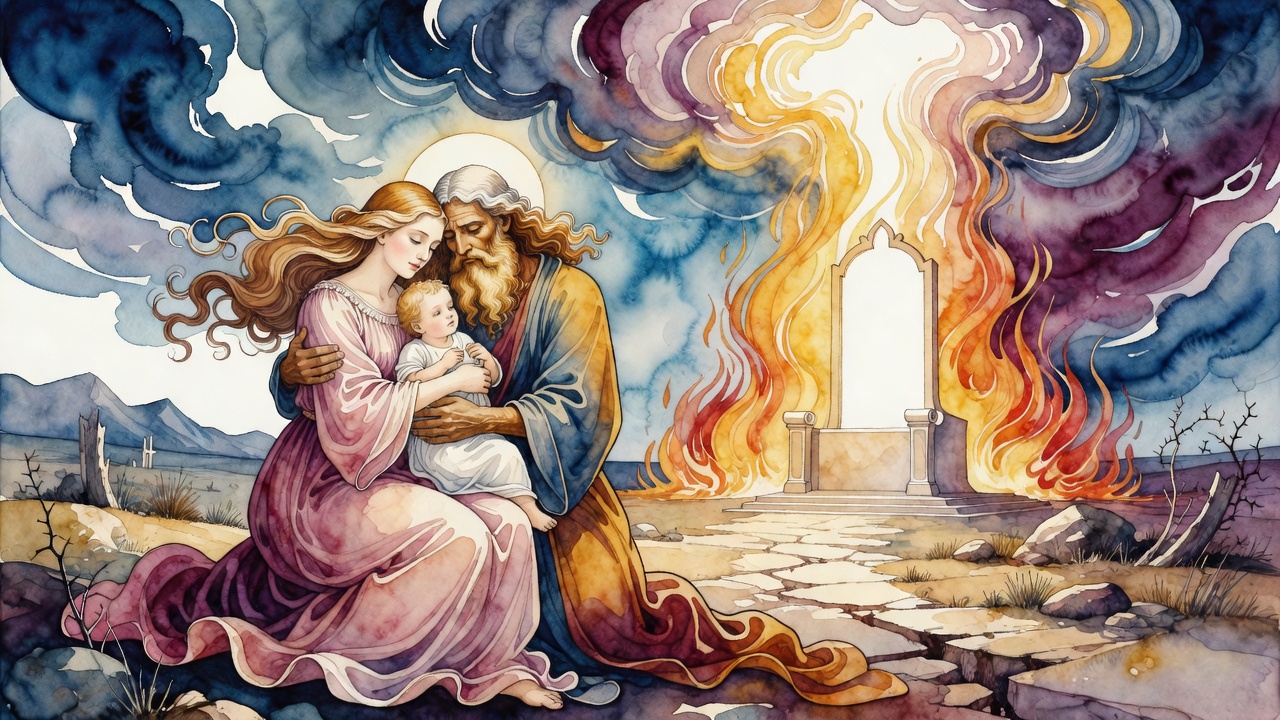
God Turned His Face Toward Abel Before Cain Led Him Out
Eve named him vapor. He still picked the animals he least wanted to lose. His brother walked him into the field anyway.
Table of Contents
Abel kept back nothing he would have wanted to eat.
 Click for full size
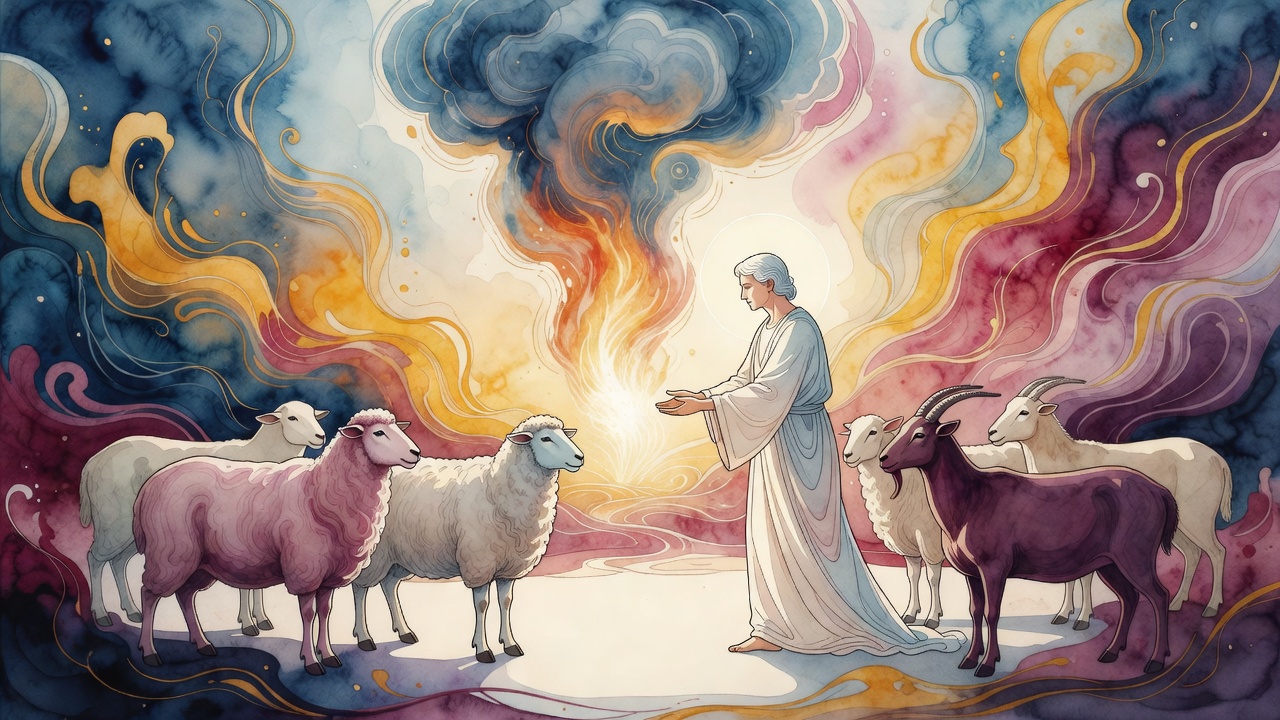
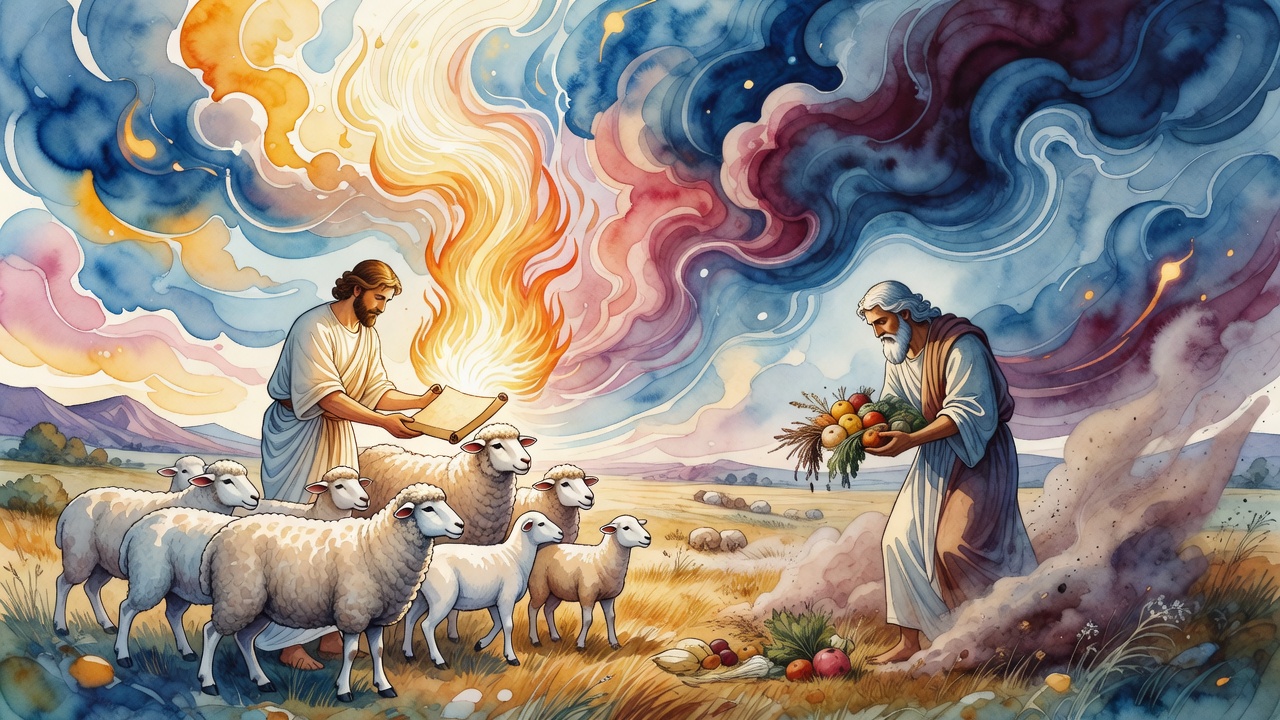
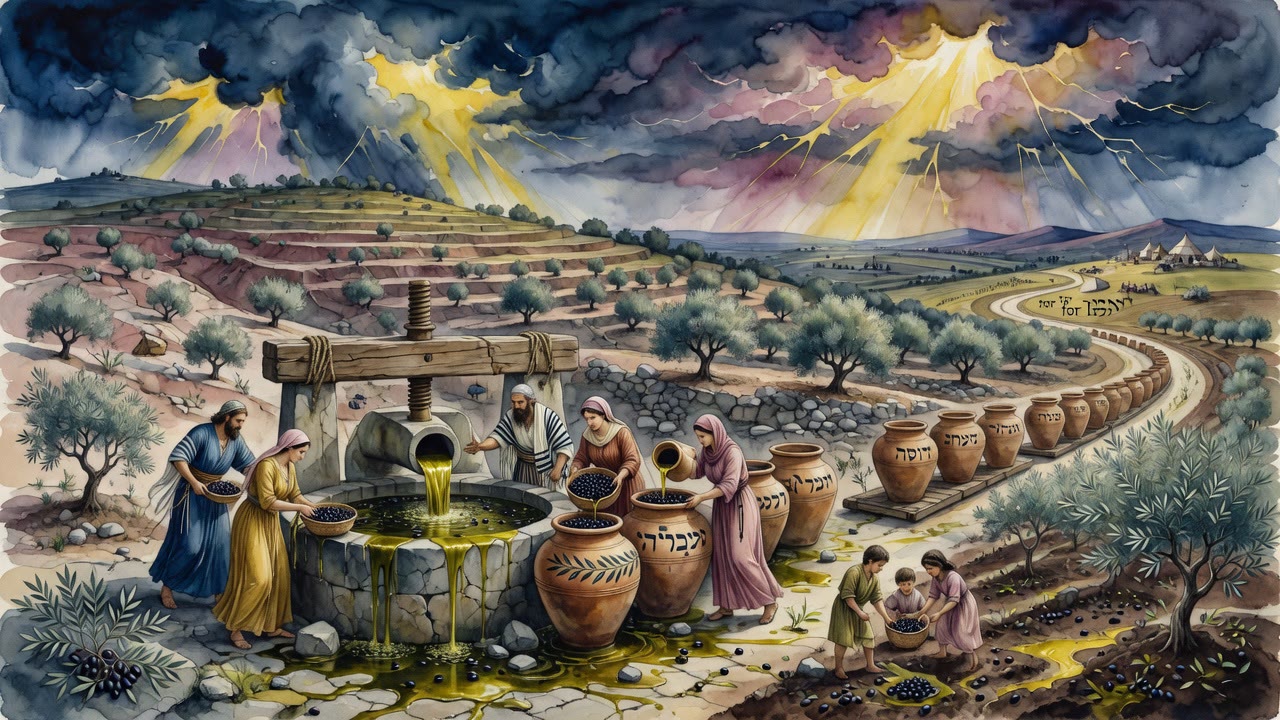
He was a keeper of sheep. His brother Cain worked the ground. When the day came to bring an offering, Abel walked among the flock and took firstlings, the animals a shepherd is least willing to lose. From them he took the fat, the richest parts, the ones a hungry man would have claimed for himself. He set them on the stone.
Cain brought fruit of the ground. He did not take first fruit. He did not take the best. He took fruit. What a man does not bother to choose, he has already ranked.
God Turned His Face
It was pleasing before the Lord. God gave His countenance to Abel and to the offering. Face is the old word for favor. The Presence turned toward the shepherd and toward the fat on the stone, and did not turn toward the fruit that had been left.
Abel did not ask for a long life. He waited on the will of God. He did not keep gold. He did not keep the dainty portion. Give the first and the best. Do not make the offering a leftover. From Abel the blessing ran forward to every later righteous person who tilled and brought gifts with a single heart.
Cain watched the face that did not turn toward him. Anger sat in his mouth. God spoke to him anyway, a warning at the door. Sin is crouching, and you can still rule over it (Genesis 4:7). Cain did not rule. He invited his brother out.
Cain Walked Him to the Field
It was the first year of the third jubilee. Cain slew Abel in the field because God had accepted Abel's sacrifice and had not accepted his.
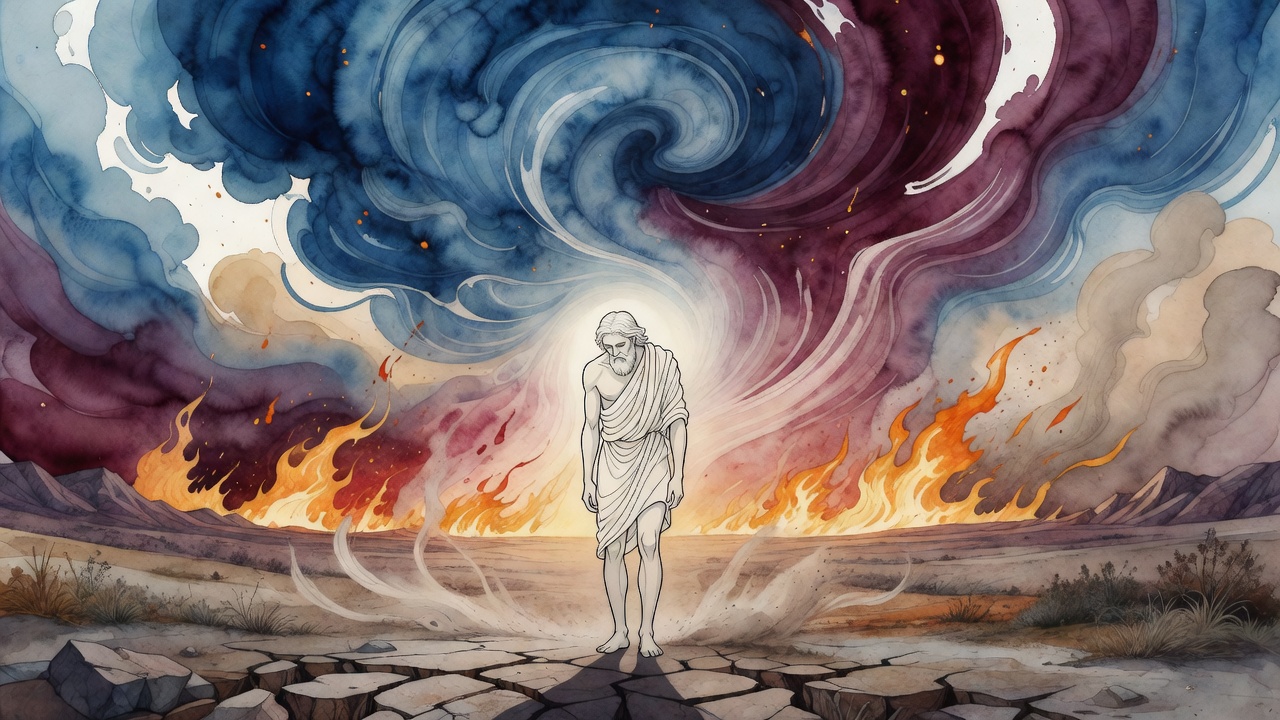
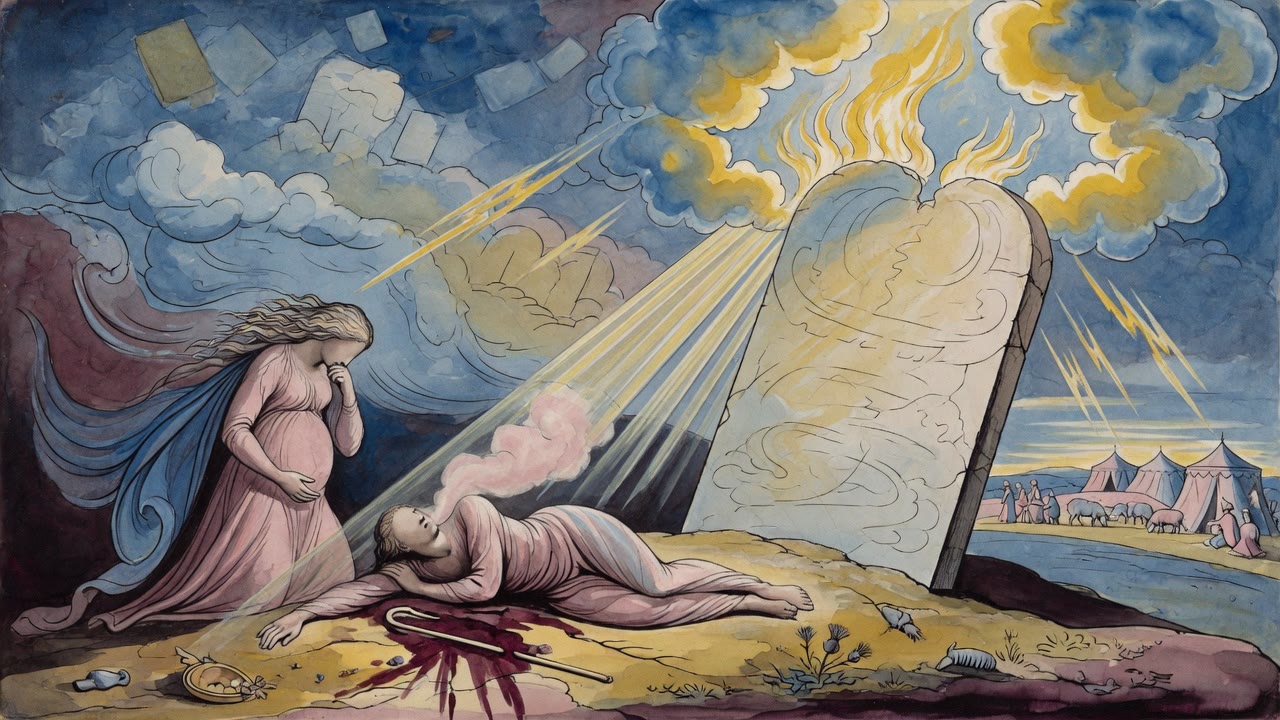
No other human being was there to see the blow. The field took the body. The ground took the blood. Abel had not hoped for long life, and he did not get one. The first man to be blessed by a turned face became the first man to die by a brother's hand.
Eve had named him Hevel (הבל), vapor, breath on cold air. She had meant that we come in vanity and are taken in vanity. She had not meant this soon.
The Blood Would Not Stay Quiet
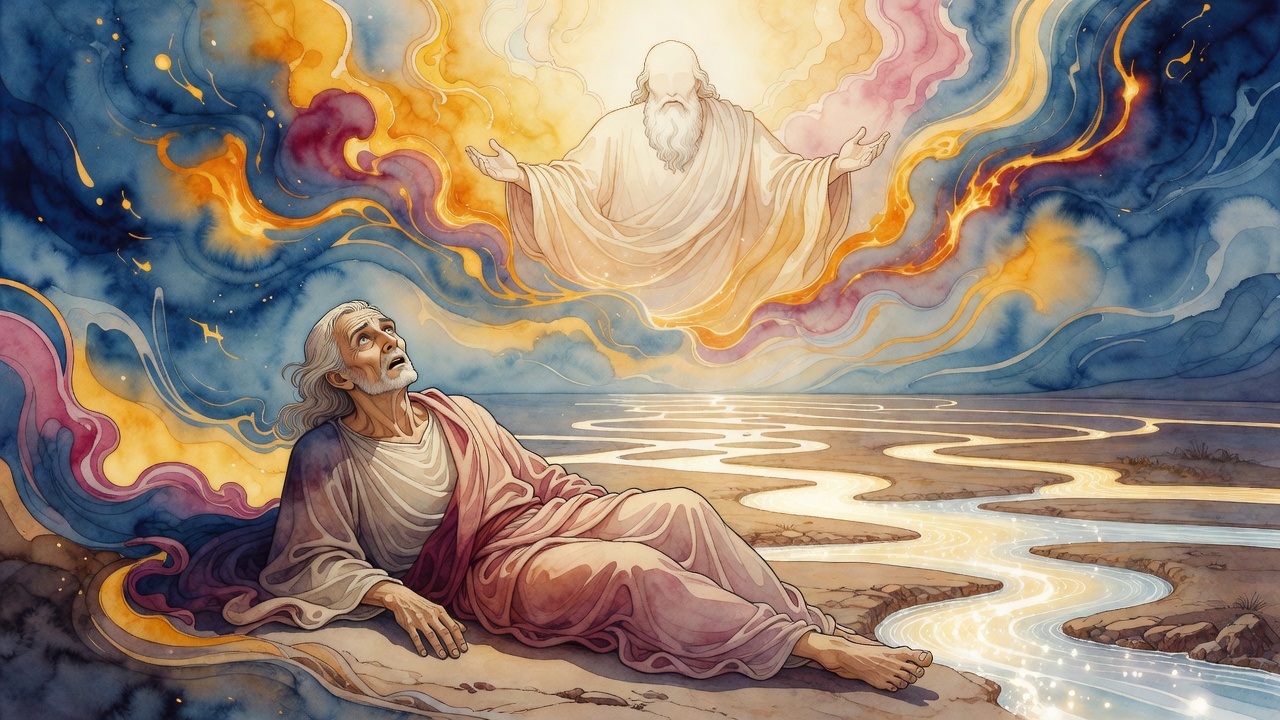
The blood cried from the ground to heaven. It complained. It named the man who had spilled it. No witness had been left standing, so the earth carried the cry itself.
The Lord came to Cain with a question He already knew. "Where is Abel your brother?" (Genesis 4:9) The question was a door. Cain could have walked through it with the truth. He asked instead whether he was his brother's keeper, and that question was its own verdict.
The curse landed on the ground that had drunk the blood. It would not yield for Cain the way it had. He became a wanderer, a fugitive on the earth because of his brother's blood. The man who had farmed was pushed off the farm. The man who had kept sheep was under it.
The Heavenly Tablets Took the Entry
Before Cain walked, the act was written on the heavenly tablets. Cursed is he who smites his neighbor treacherously. Let all who have seen and heard say, So be it. The first murder became the first permanent line in a book that does not scrape itself clean.
The blessing had not been armor. It had been a turning of the face, and then a target. Cain solved the problem of the accepted offering by removing the person whose offering had been accepted. The tablets recorded both facts. Abel had been received. Abel had been killed for it.
Later fathers told their children to walk in singleness of heart, to till, to bring gifts in gratitude, because the Lord had blessed them with the best of the field as He had blessed all the righteous from Abel until now. They said Abel's name as the beginning of that line. They did not say it as a charm against a brother in a field. Vapor does not last. The writing in heaven does.
← All myths