The Night Jacob Came Home and Told His Father Everything
After twenty years apart, Jacob came back to Isaac with wives, children, and a limp. That night he told his father everything.
Table of Contents
 Click for full size
What He Carried Back
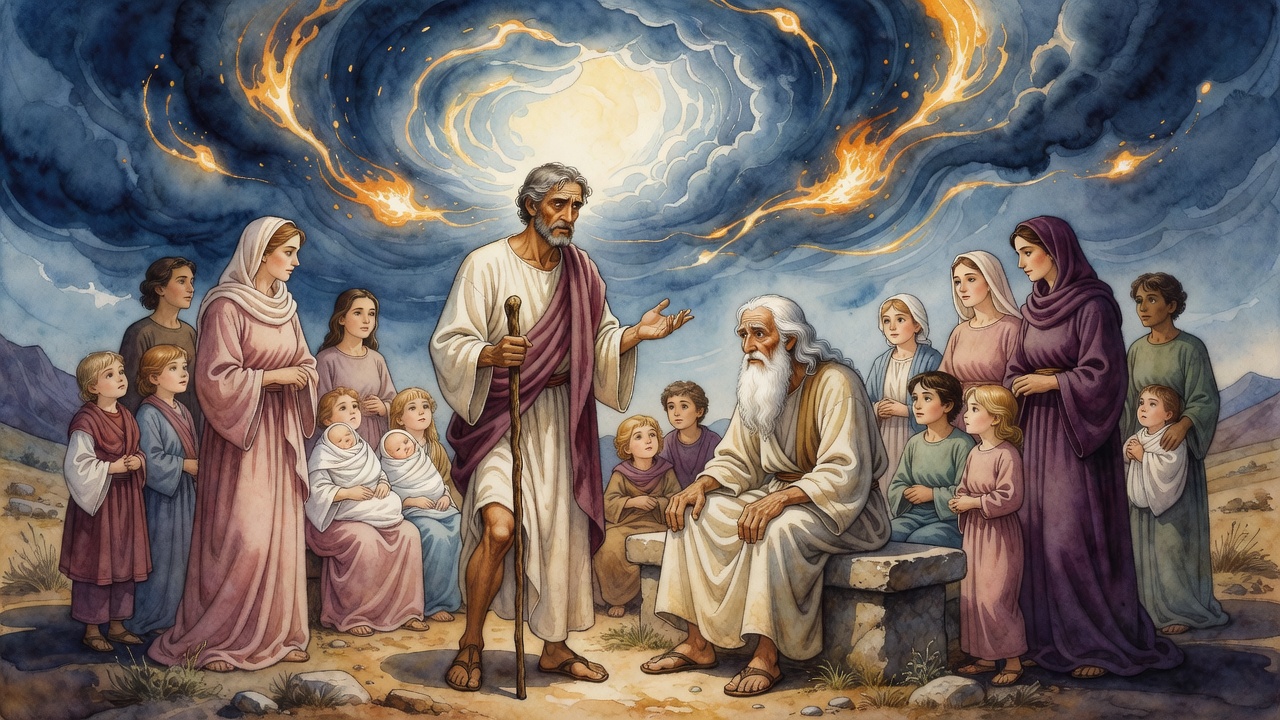
He had left with nothing. A staff and a vow and a brother's curse driving him north. Twenty years later Jacob came back through the same land carrying what those years had built: two wives, two concubines, eleven sons, a daughter, flocks that took days to count, and a limp in his hip from the night at the Jabbok when something wrenched him out of his socket and still could not throw him. He limped back into the land of his father and Isaac was still there, old, nearly blind, waiting in the tower Abraham had built at Hebron.
Jacob set up his tent near his father's and walked toward the old man he had not seen in two decades.
The Night Jacob Told His Father Everything
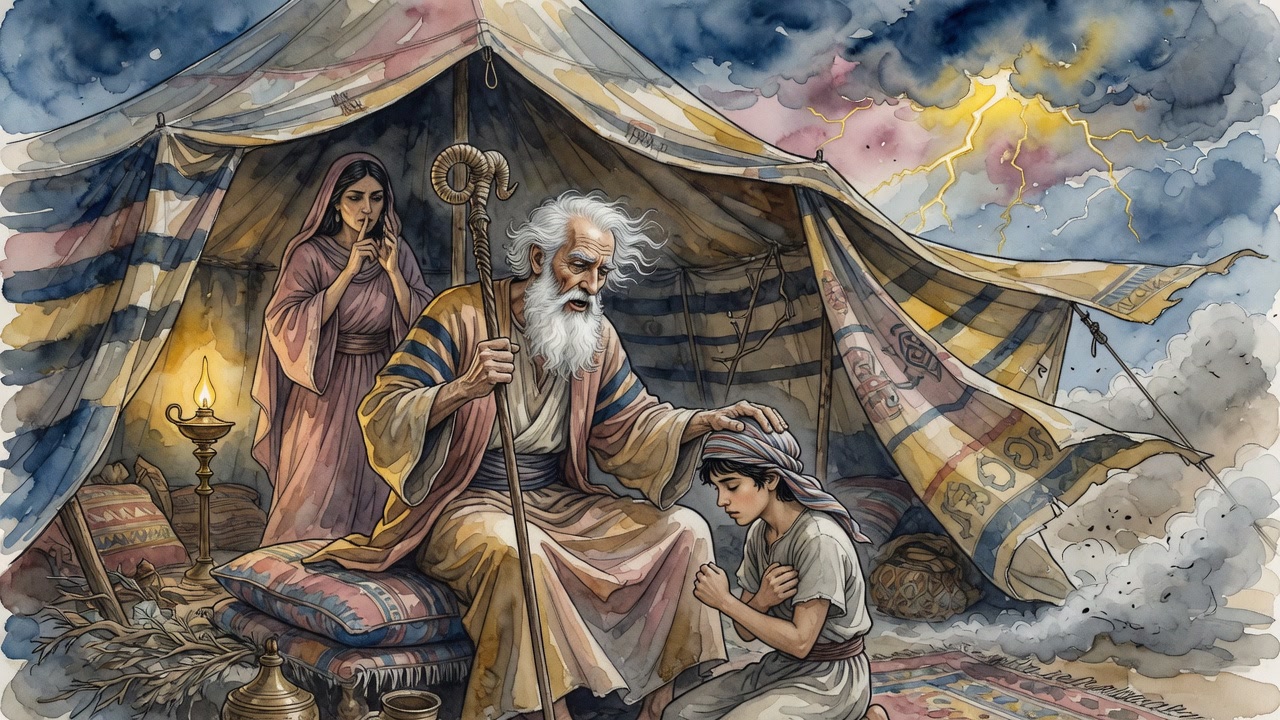
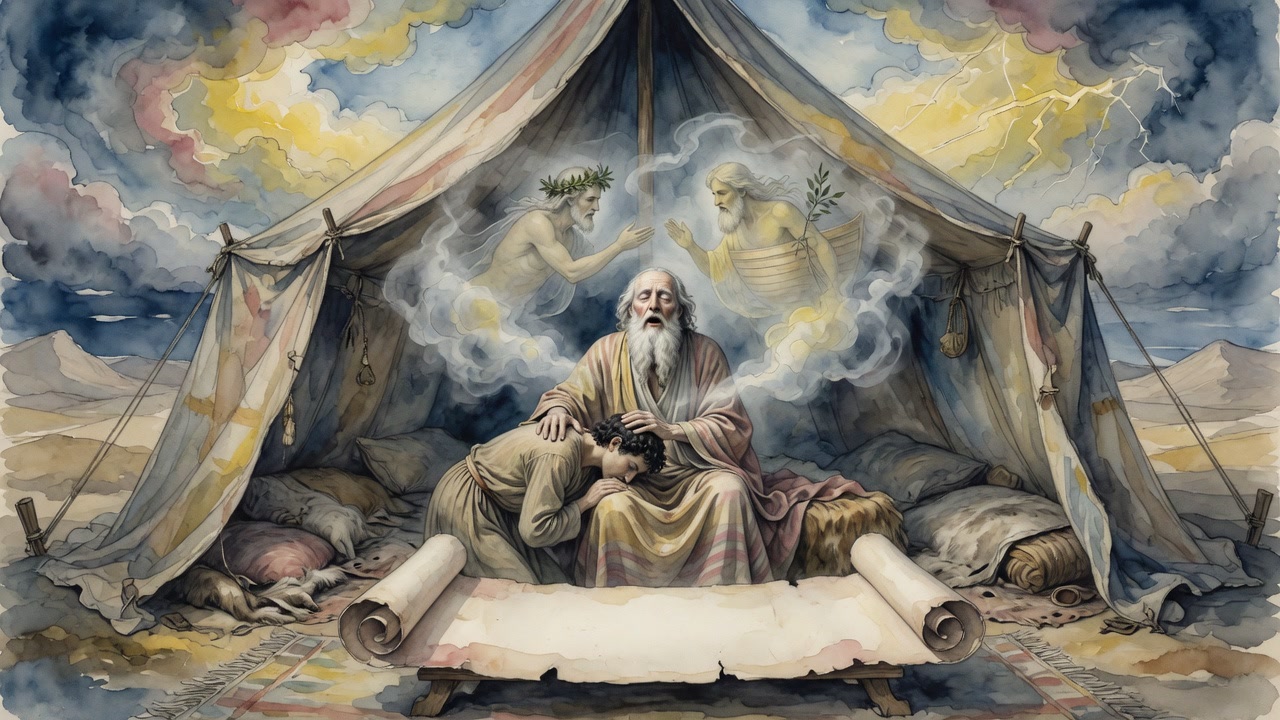
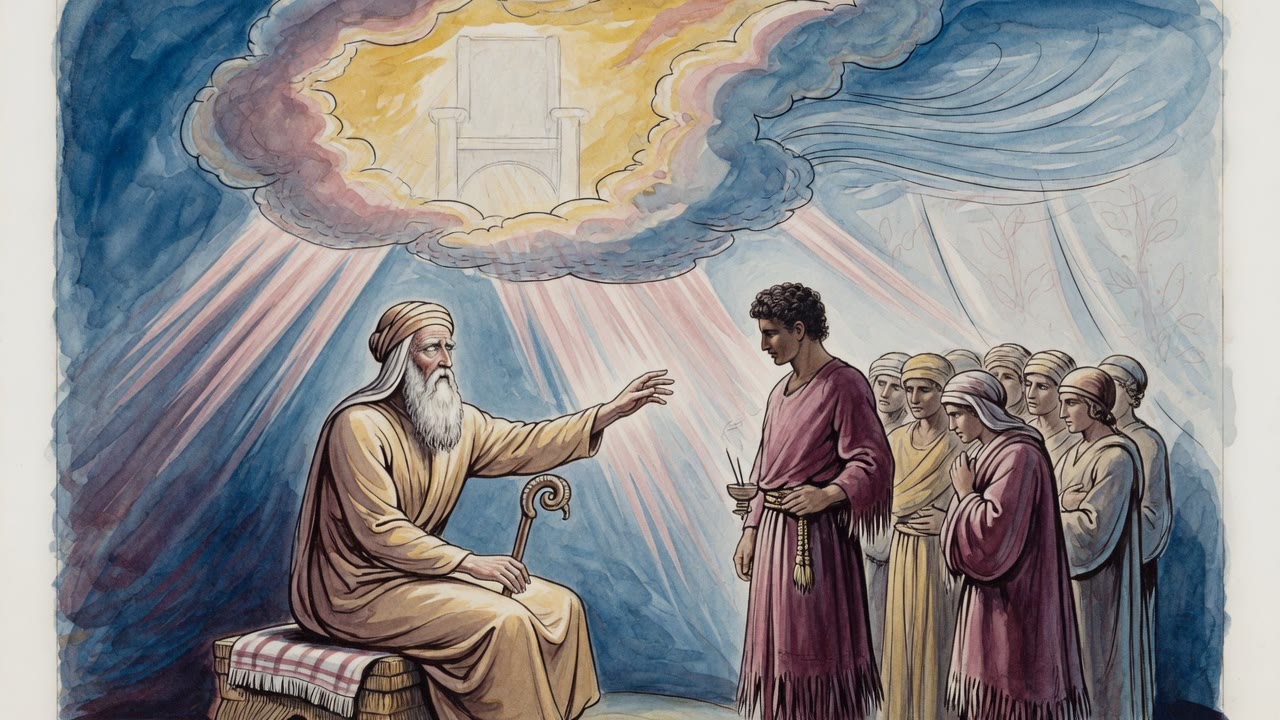
What happened that night between them was not recorded in the plain text of Genesis. The reunion is compressed to almost nothing in the Torah's account. But the tradition that preserved the patriarchal stories in finer grain described it: Jacob came to Isaac and rested between his father's feet, in the old gesture of a child returning to the place he had come from. Ephraim and Manasseh, Jacob's grandsons through Joseph, slept at Isaac's right and left hands. Isaac blessed them where they lay, and the blessing was counted to him for righteousness.
Then Jacob told his father everything. Not a summary. Everything. He told him how the Lord had shown him mercy, how the protection had held through the years in Haran, how every path had been prospered in ways that could not be explained by his own management alone. He did not perform humility. He witnessed what had happened to him and said it plainly.
What Isaac Said Back
Isaac, who had spent those same twenty years in a blindness that took his world down to the sounds of footsteps and the shapes of voices, did not respond with instruction or correction. He had already said what he needed to say at the blessing, at the deathbed scene of his own father, in the long lifetime of tending the covenant he had received from Abraham. What he did in response to Jacob's testimony was bless the God of his fathers, the one who had not withdrawn mercy and righteousness from the sons of His servant.
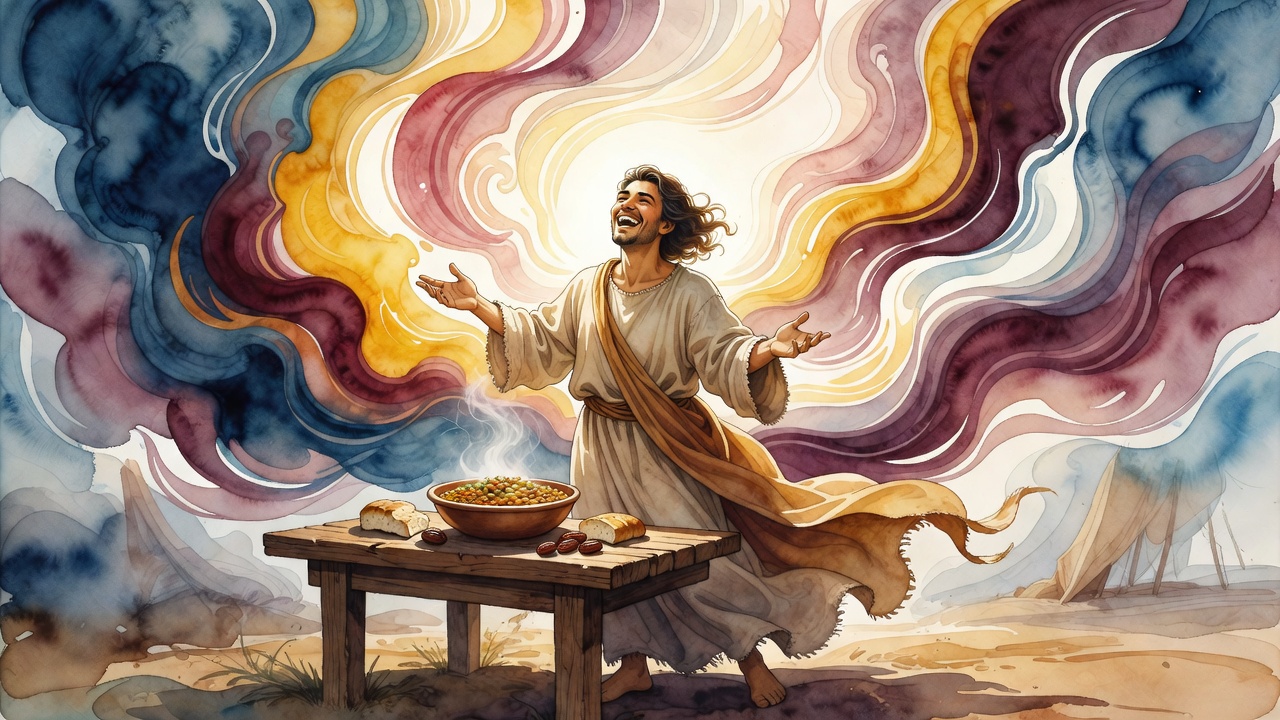
They ate and drank that night with joy. The text is careful about this detail. Not relief. Not the measured satisfaction of a reunion that had gone better than feared. Joy.
The Nurse Who Brought Him Home
Rebekah had sent Deborah to retrieve Jacob from Haran when the time came, the old nurse who had traveled from Mesopotamia with Rebekah as Isaac's bride thirty years before. Deborah made the trip, delivered the message, and when Isaac's servants turned back, she stayed with Jacob. She remained with the family until they arrived at Beth-El, and died there, and Jacob buried her under an oak tree and named the place for her weeping. She had carried the connection between Jacob and his mother across the distance between them for twenty years. That was her office. She kept it until the end.
← All myths